| Intl. Notebook | Nov 19 2021 |



| Vintage Pulp | Apr 19 2020 |



| Vintage Pulp | Jul 28 2015 |

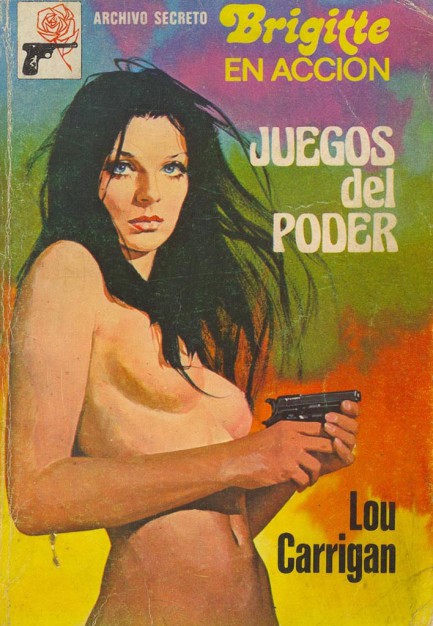
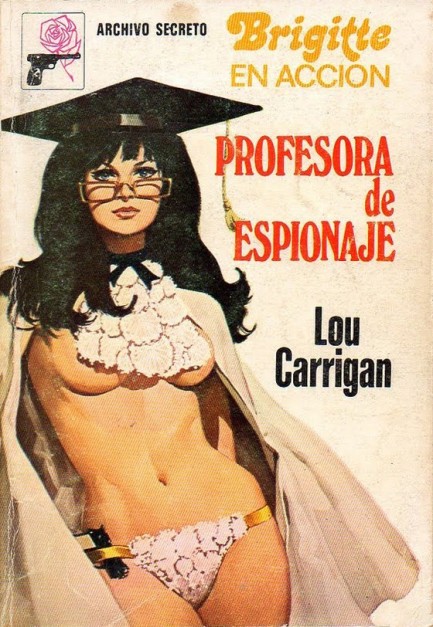
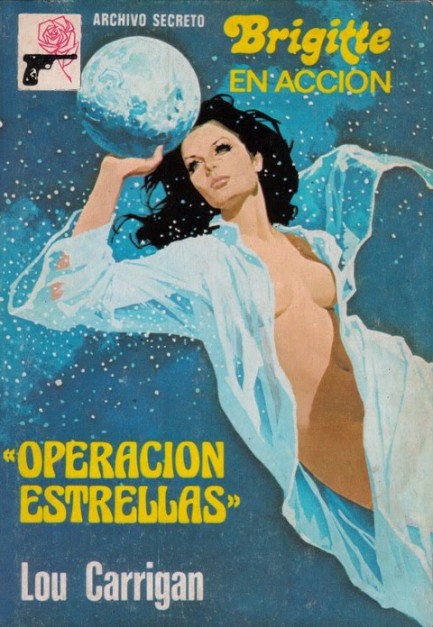
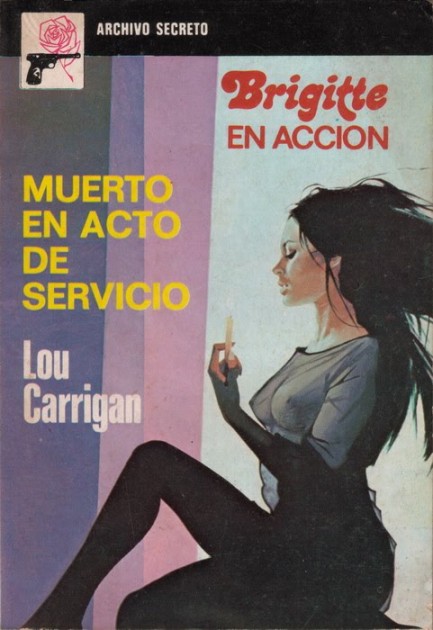
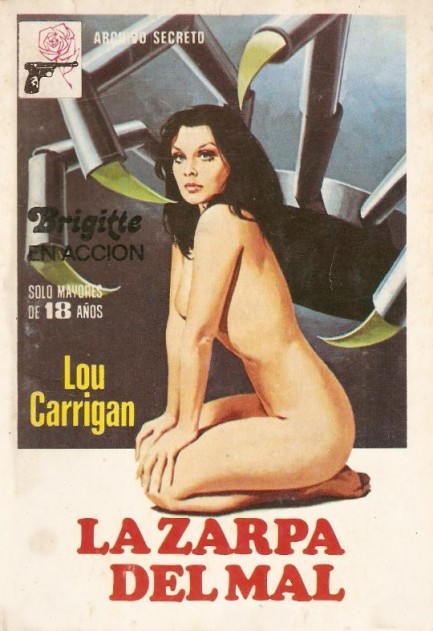
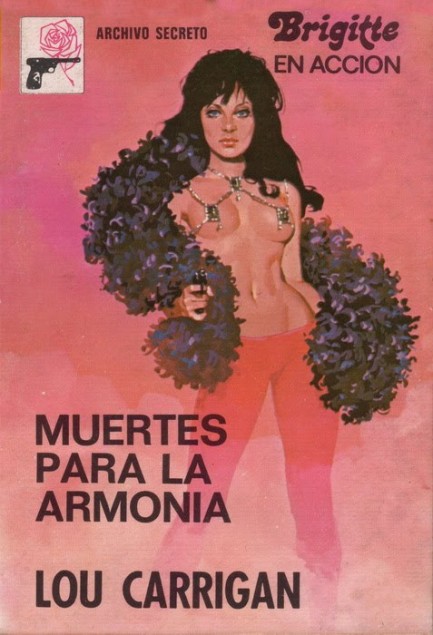
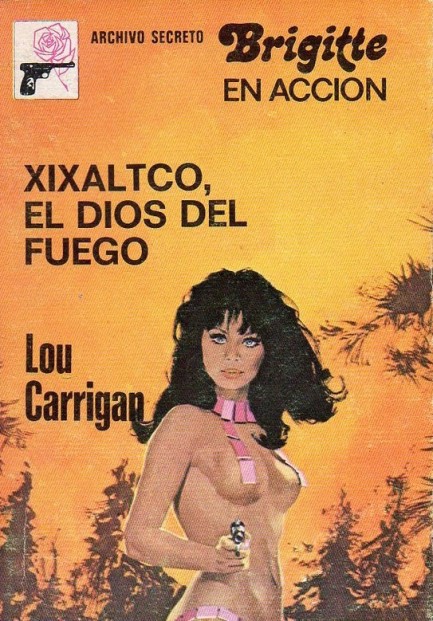
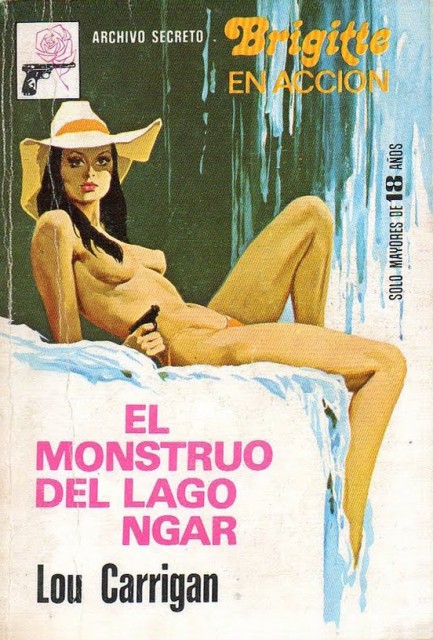
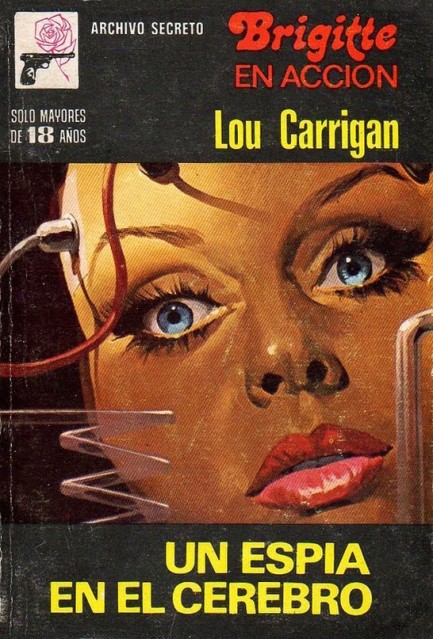
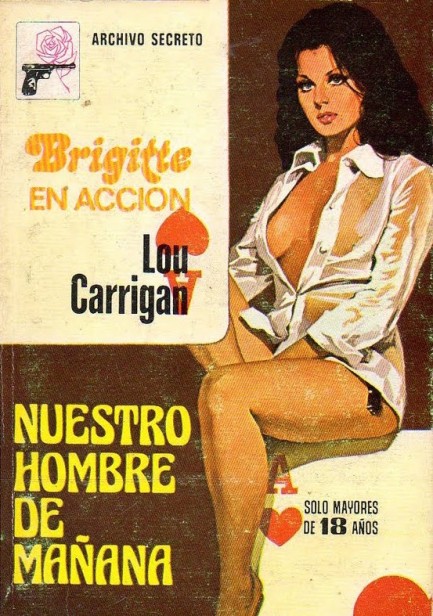
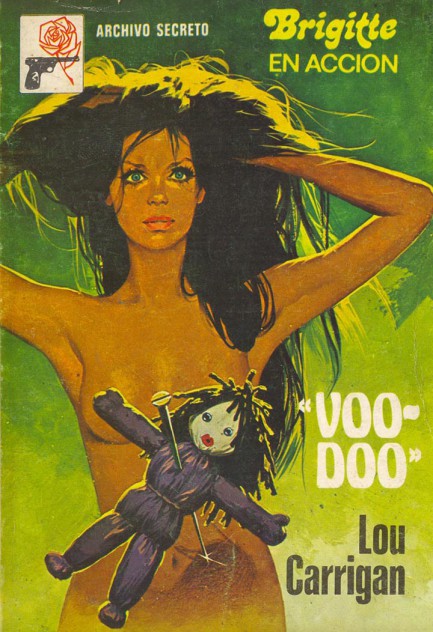
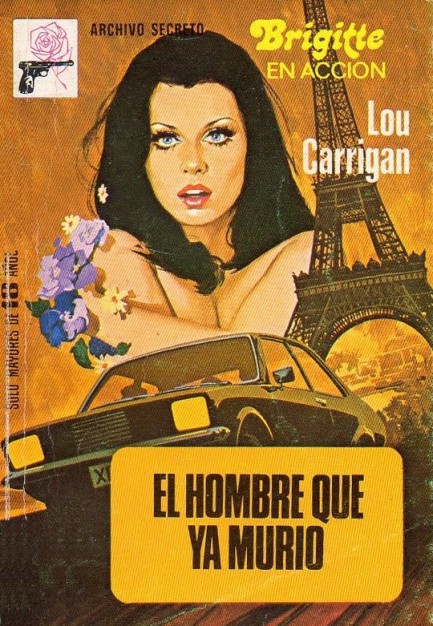
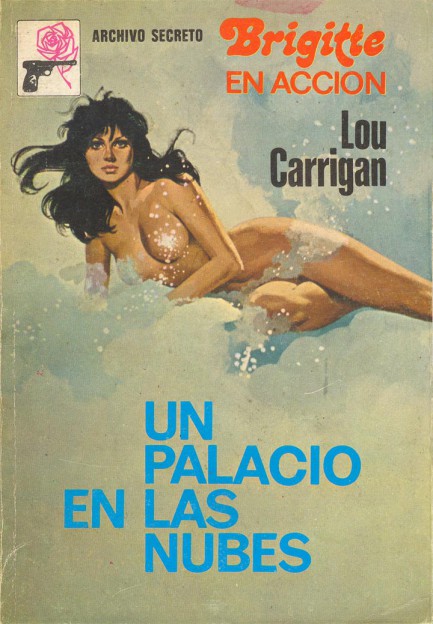
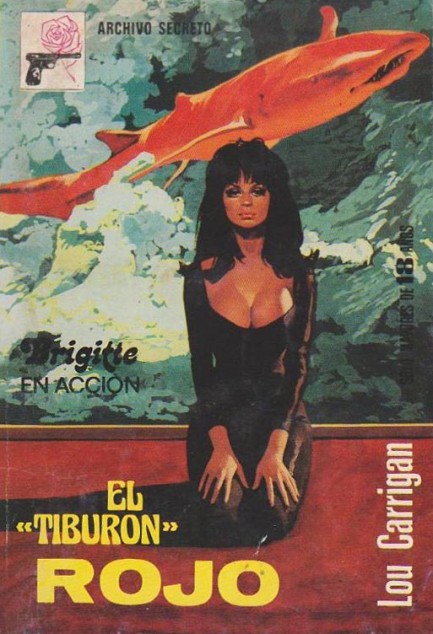
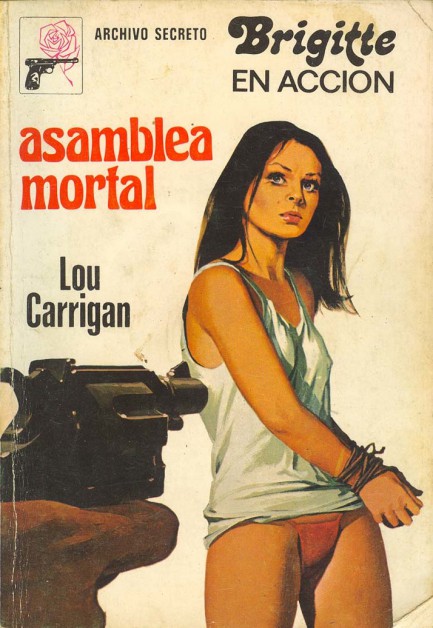
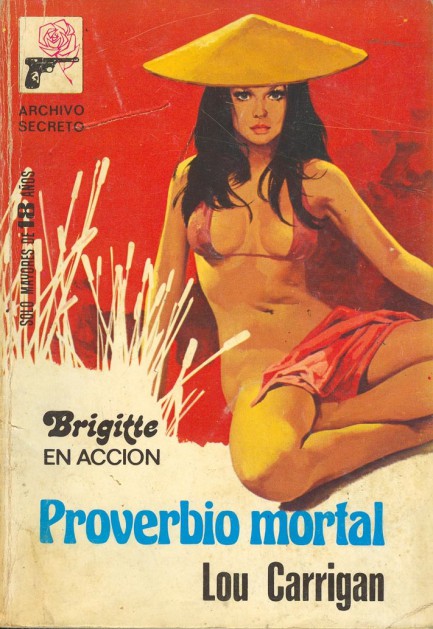
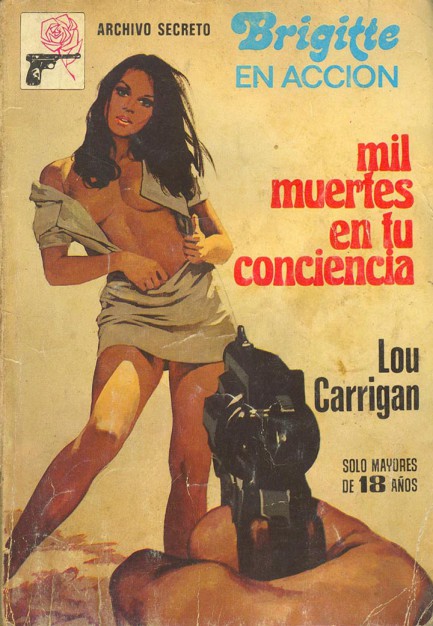
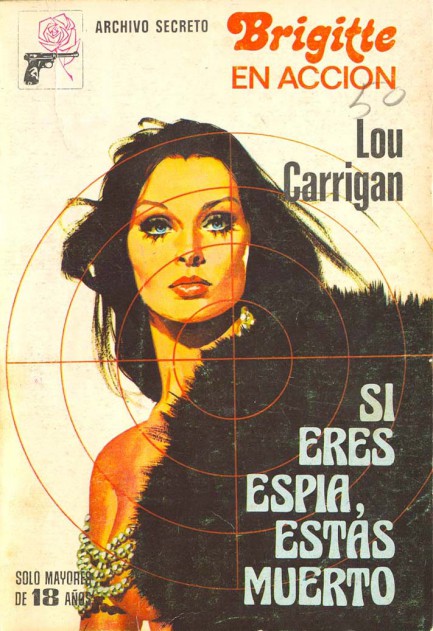
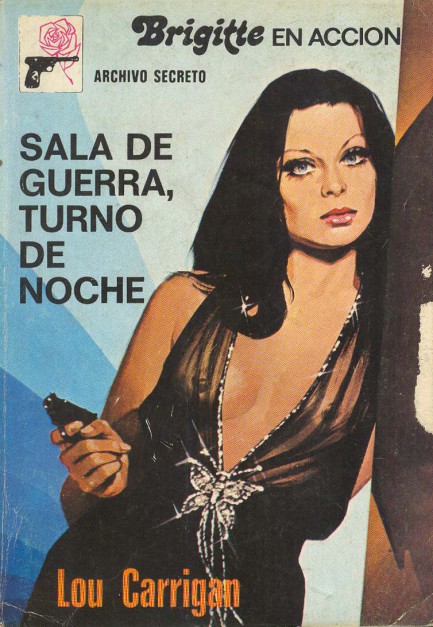
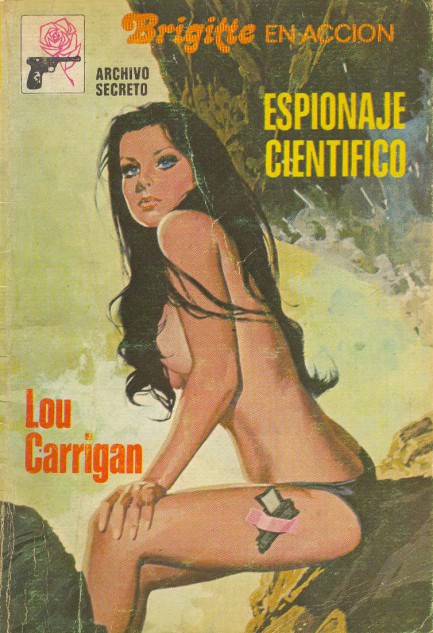
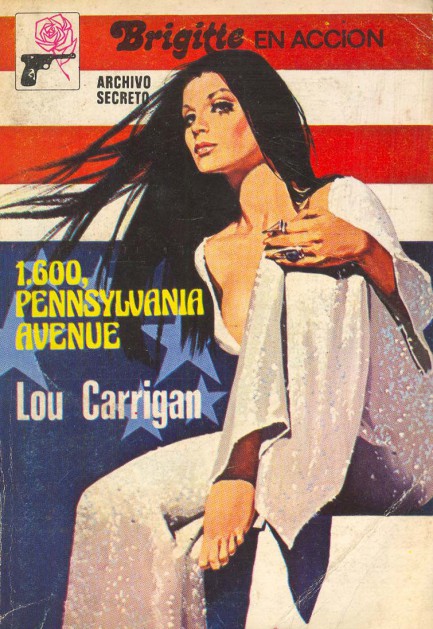
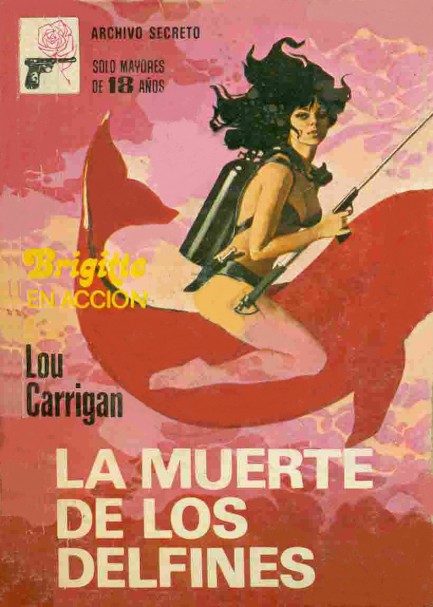
Antonio Vera Ramirez’s, aka Lou Carrigan’s Brigitte en Accion was first published by Rio de Janeiro based Editora Monterrey in 1965, but here you’re seeing covers from Barcelona based Editorial Bruguera. The artist was the same for both, though—Brazilian illustrator José Luiz Benicio, and his work is beautiful. The series features the adventures of Brigitte Montfort, nicknamed Baby, a CIA agent posing as a journalist and getting into all kinds of sticky situations during the Cold War. We'll have more Brigitte en Accion covers down the line. 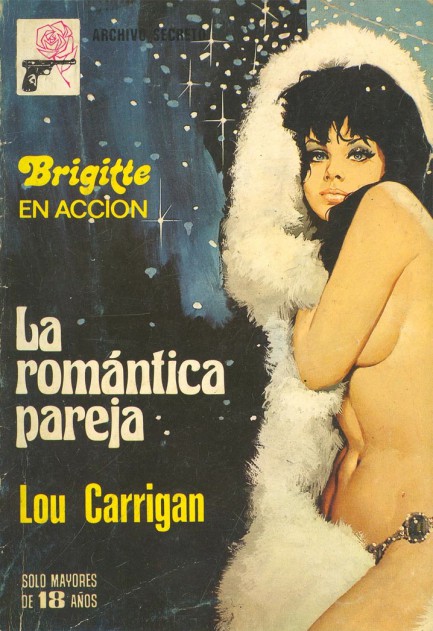
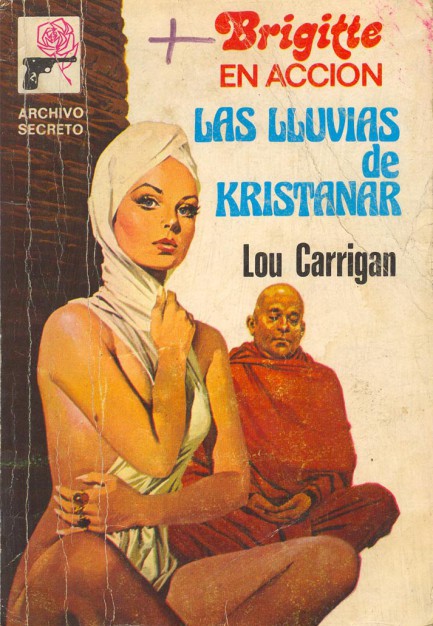


| Vintage Pulp | Jun 14 2013 |

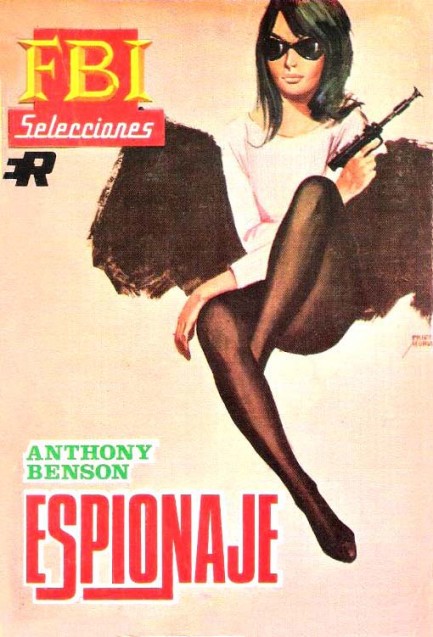
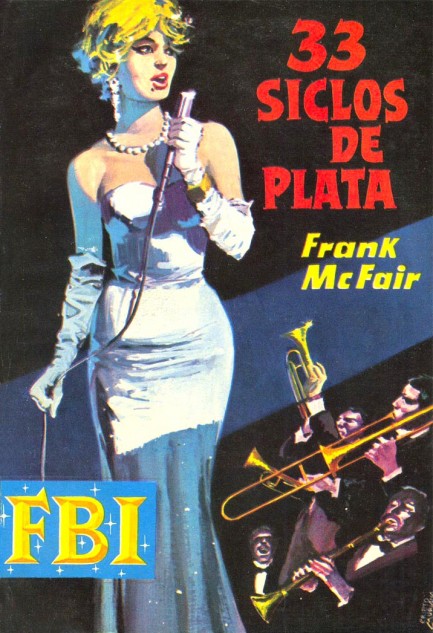
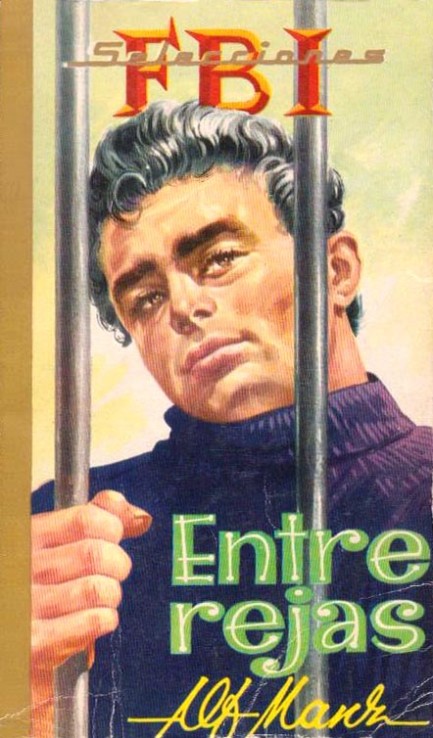
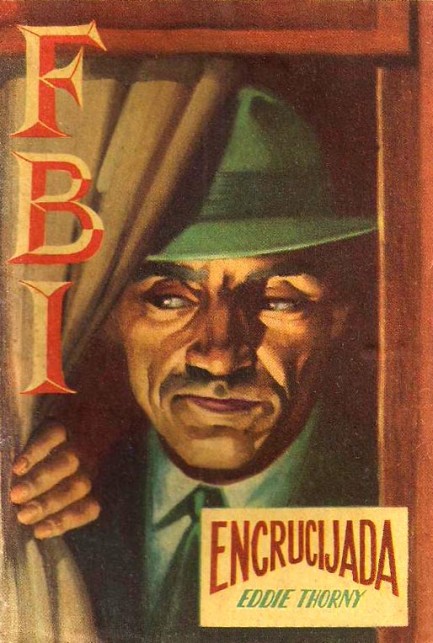
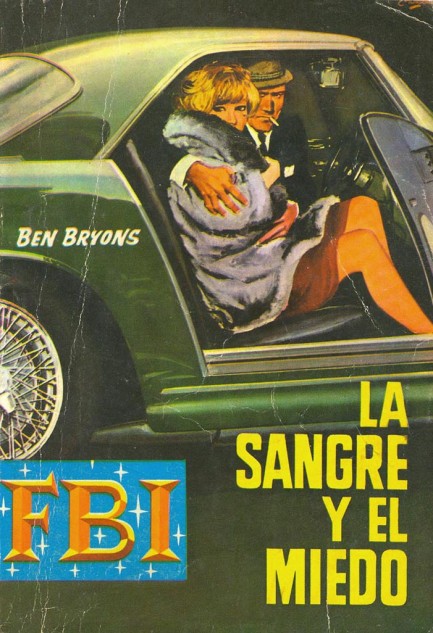
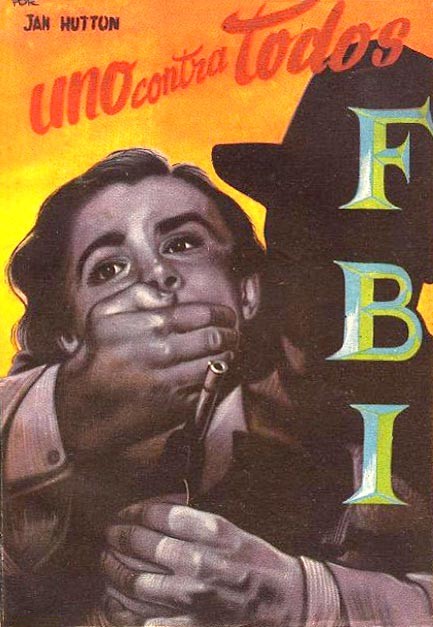
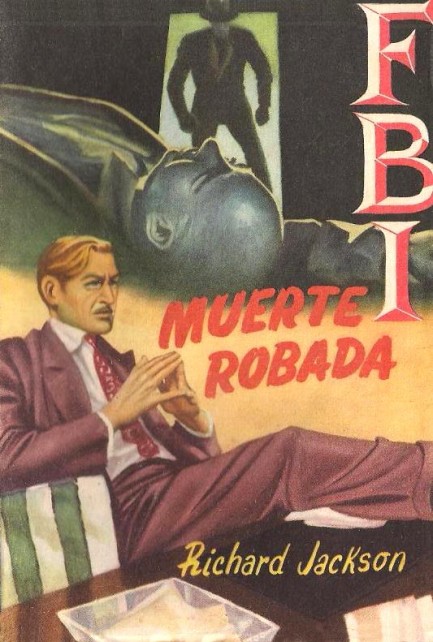
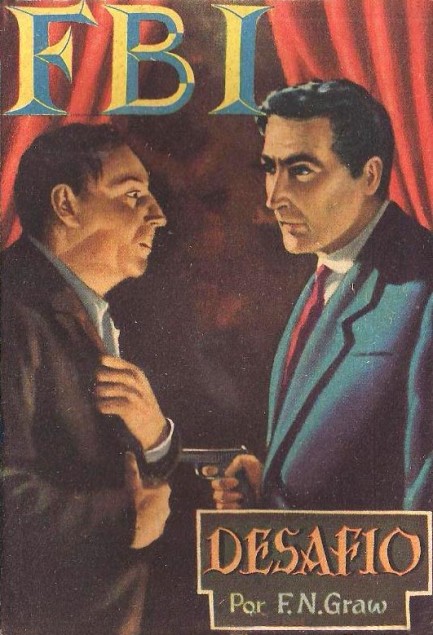
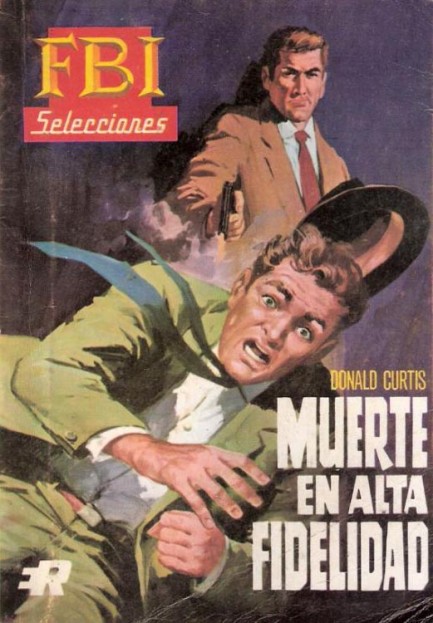
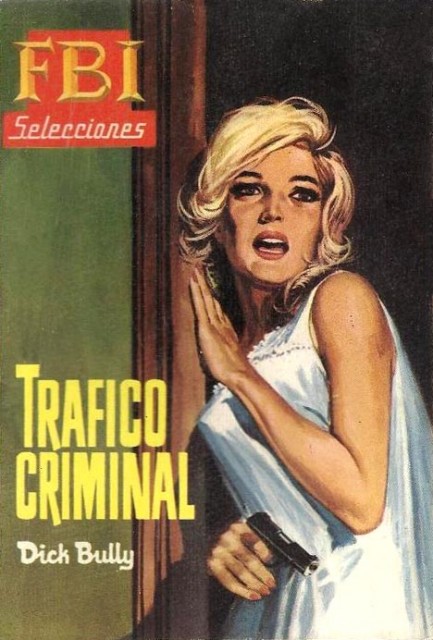
Above, a mix of ten covers of F.B.I. and F.B.I. Selecciones, published by two Spanish companies, Bruguera and Ediciones Rollán, during the 1960s and early 1970s. Art is by Prieto Muriana and others. Also, you may notice that cover three is modeled after a famous portrait of James Dean, and, though we aren't 100% sure, cover ten, just above, looks like it was based on Monica Vitti.

| Intl. Notebook | Jul 11 2012 |



| Vintage Pulp | Oct 22 2009 |

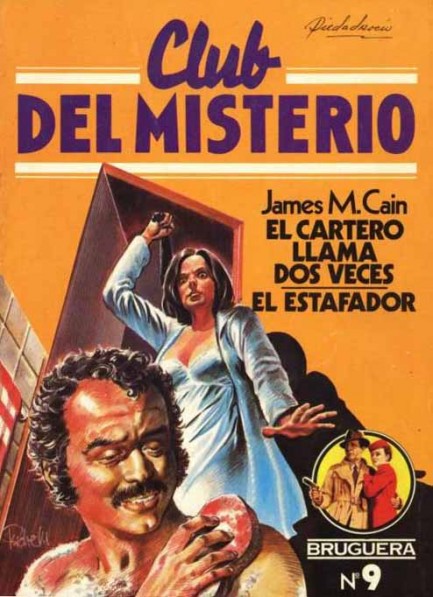
We’ve seen a lot of covers for James M. Cain’s classic 1934 pulp The Postman Always Rings, but never one quite as unhinged as this Bruguera Spanish edition. Whereas the art is almost comical, in the fiction Cain’s murderous lovers are anything but. In fact, Postman was considered so provocative for its time that it was banned in Boston. The book is short (possibly that’s why it’s paired here with Cain’s The Embezzler), and its concise story arc made it a natural for adaptation to cinema. Over the years it spawned four official film versions, and its influence is detectable in many other movies. We recommend giving this one a read, and also, take the lesson of the cover to heart and leave your girl’s fancy soaps alone.

| Vintage Pulp | Aug 12 2009 |

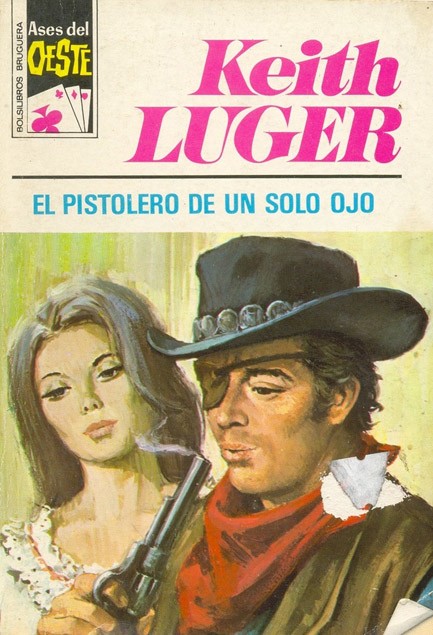
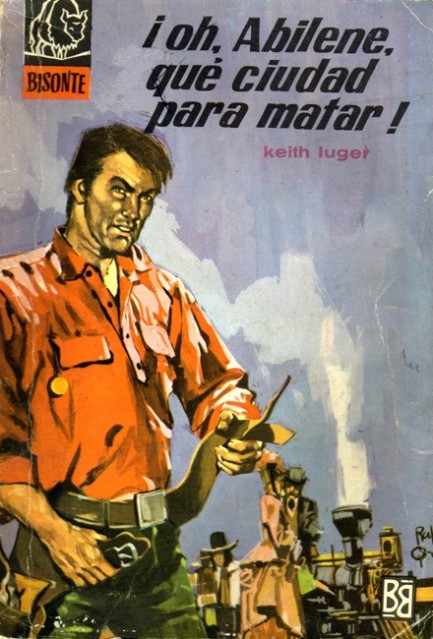
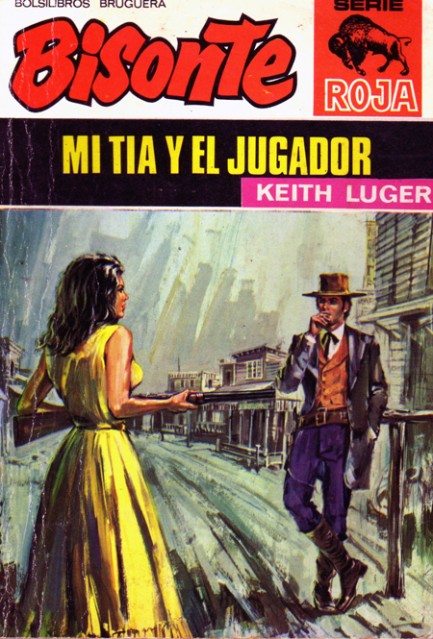
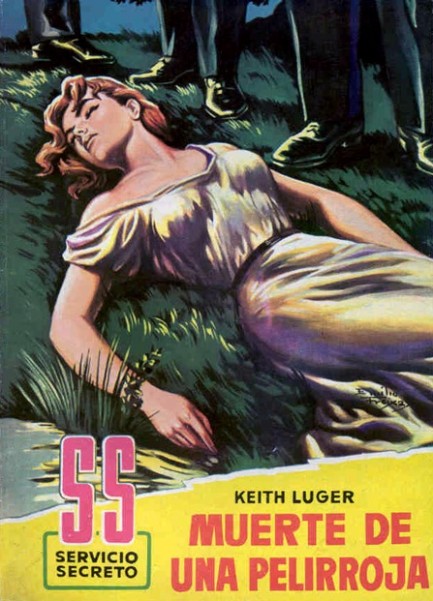
This guy is just asking for it, right? Love the cover, though. We don’t know who painted it, but we know author Keith Luger wrote quite a few westerns and space operas for the Spanish imprint Bruguera. That makes perfect sense, because he was really Miguel Olivero Tovar from Valencia, Spain. Tovar/Luger was a big deal for about ten years, during which time he published many books, made time for a couple of screenplays, and saw three of his projects optioned into movies. More Lugers below, including one concerning Sharon Tate.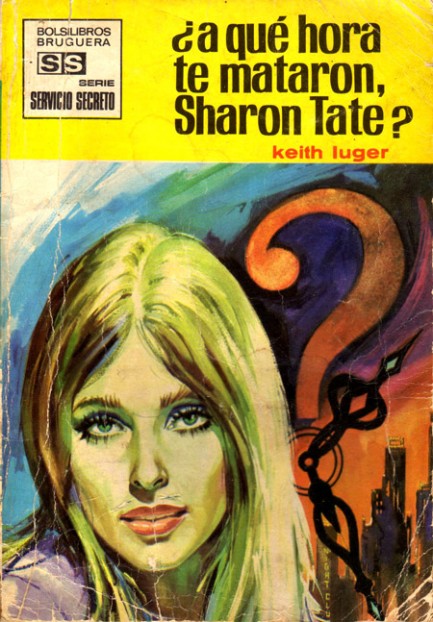

| Vintage Pulp | Dec 14 2008 |

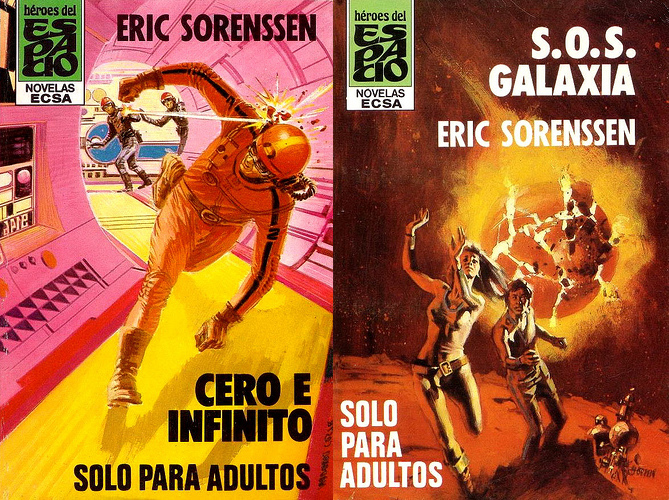
Check out these sweet covers we found. The little-known author Eric Sorenssen—not to be confused with the little-known author Eric Sorensen, with one ‘s’—wrote for the quite well known Heroes of Space series published by Spanish imprint Bruguera. We’ve seen no Sorenssen material in English, although it may be little known enough to have escaped our notice. We also know very little, or actually nothing, about who did the cover art—but it’s great.