| Hollywoodland | The Naked City | Apr 11 2018 |

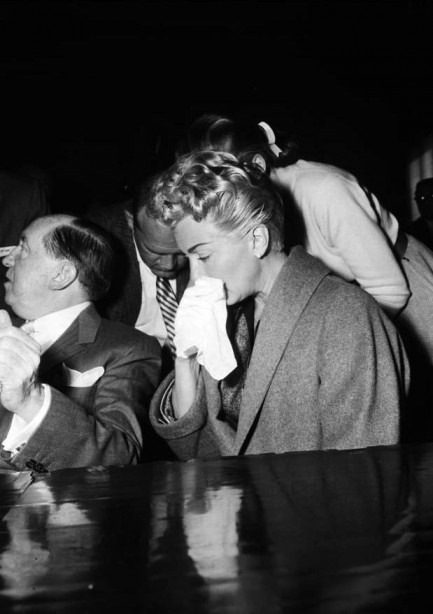
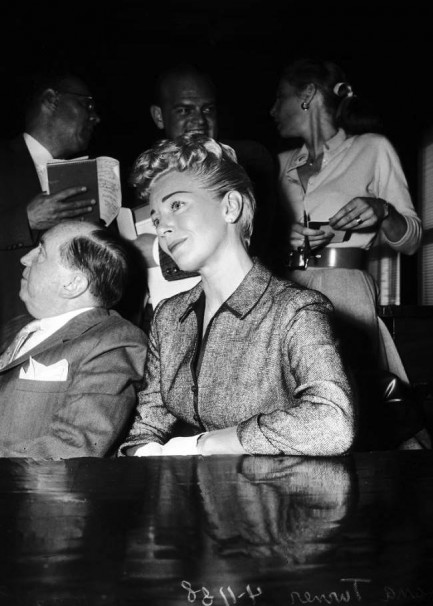
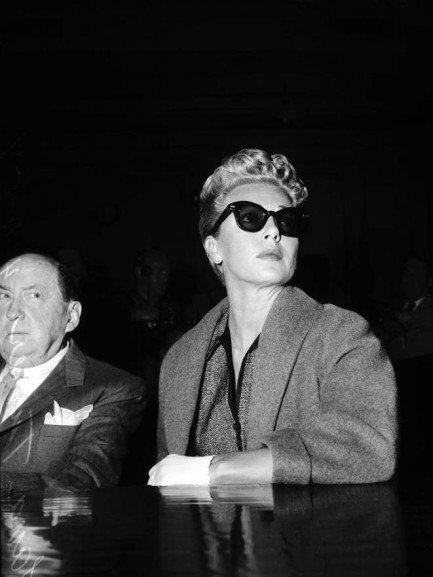


| Hollywoodland | Jun 6 2015 |

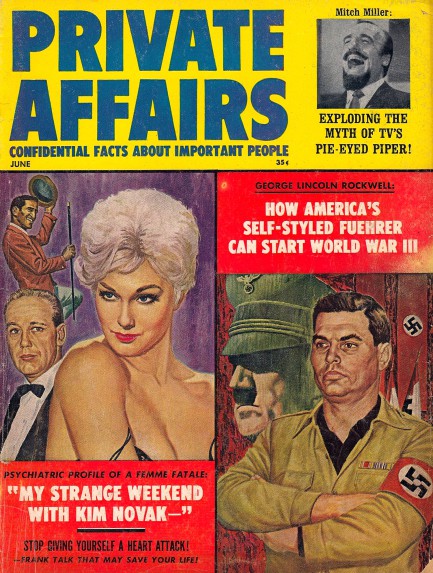
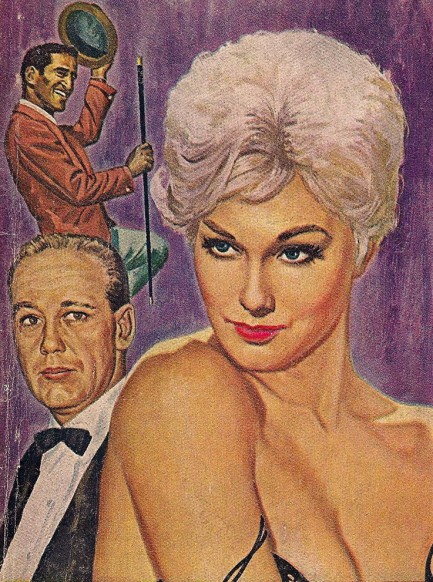
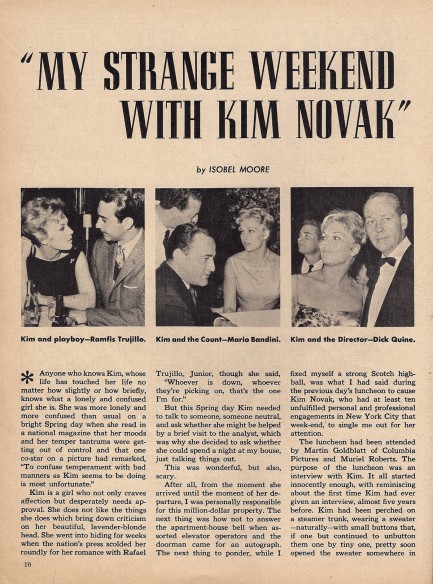
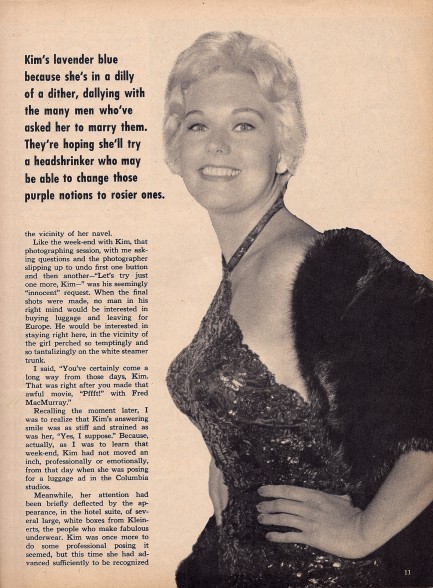
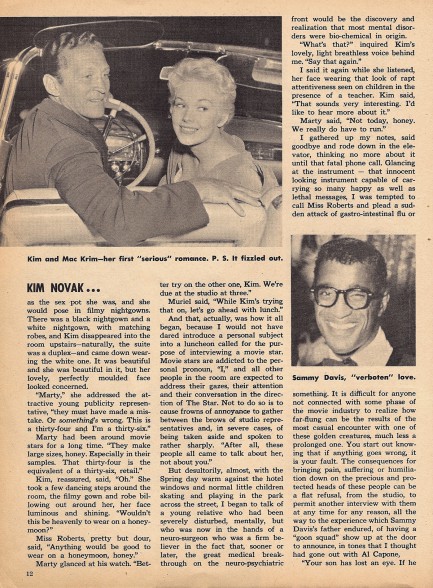
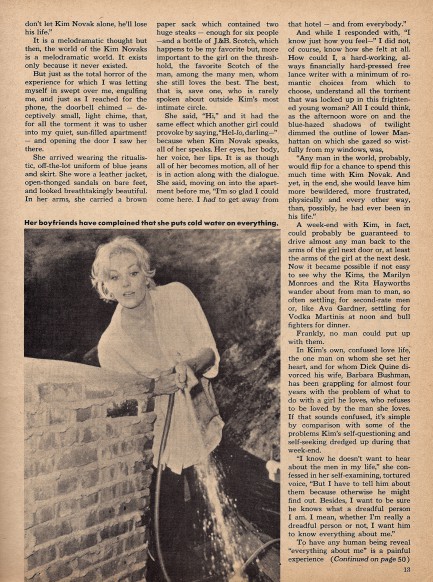
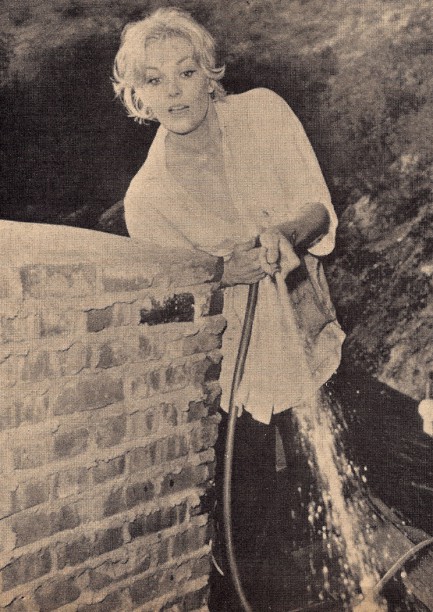
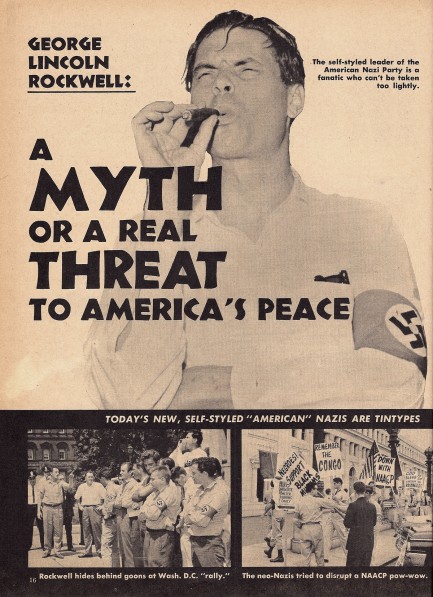
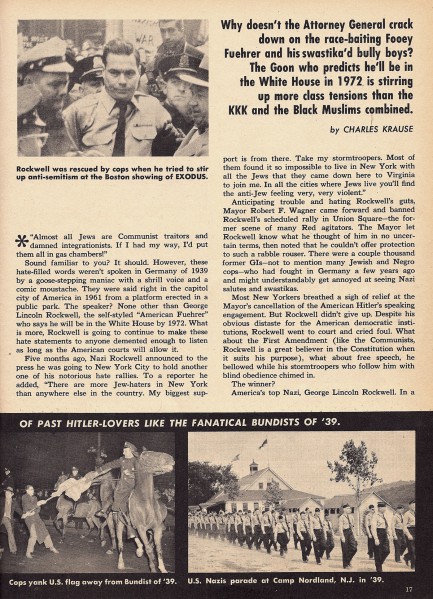
This issue of the New York based tabloid Private Affairs appeared in June 1962, and features cover stars Kim Novak and American Nazi Party leader George Lincoln Rockwell rendered by an uncredited artist. Inside the issue Affairs rehashes Novak’s various relationships, recounting how mafia goons threatened to kill Sammy Davis Jr. if he didn’t stop meeting Novak across the color line, how she accepted an expensive sports car as a gift from Ramfis Trujillo even though his hands were “bathed in the blood of executed political prisoners,” and how she shot down a smitten Charles Boyer by asking him in bewilderment, “How could you have thought I loved you?” The overarching concern is Novak’s longstanding unmarried status, wedlock of course being the default state for any normal woman. Novak was only twenty-nine at the time—but that was spinster age by tabloid standards. She eventually did wed when she was thirty-two, and it’s a wonder she made it down the aisle without the aid of a wheelchair.
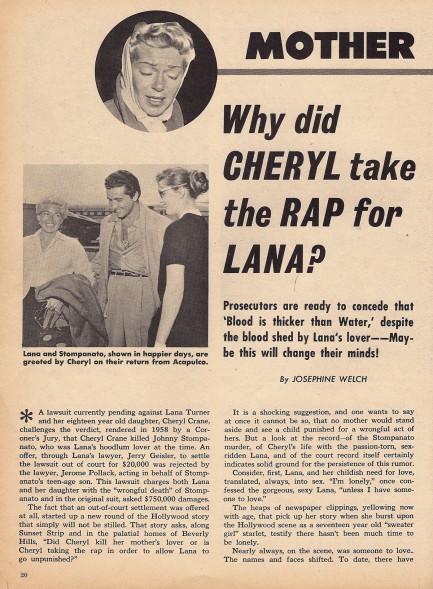
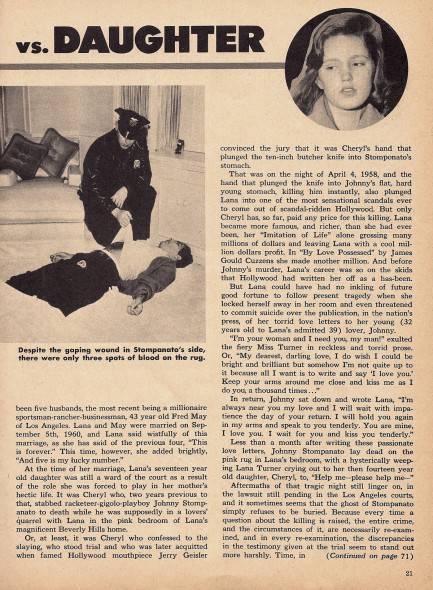
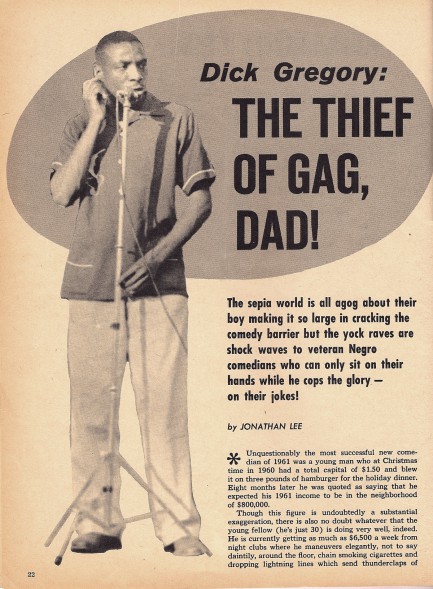
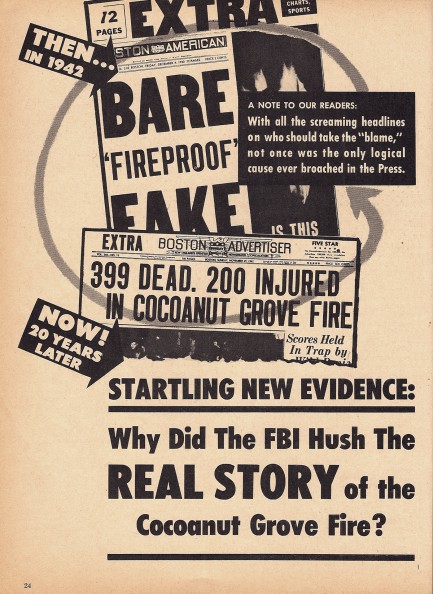
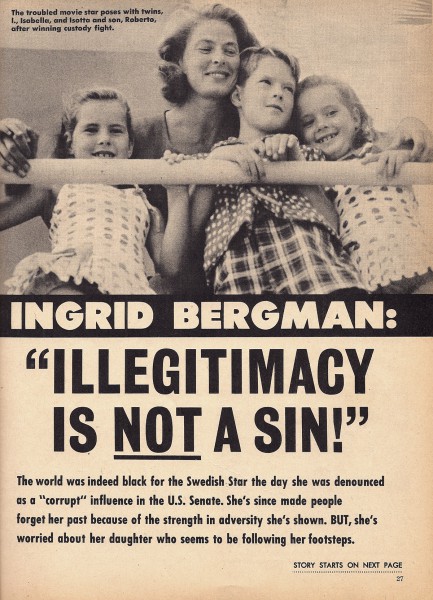
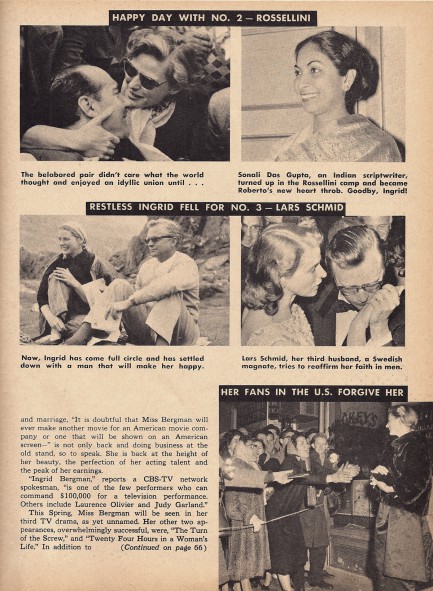
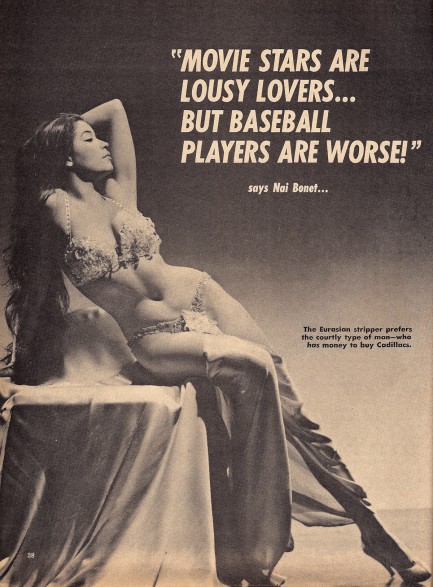
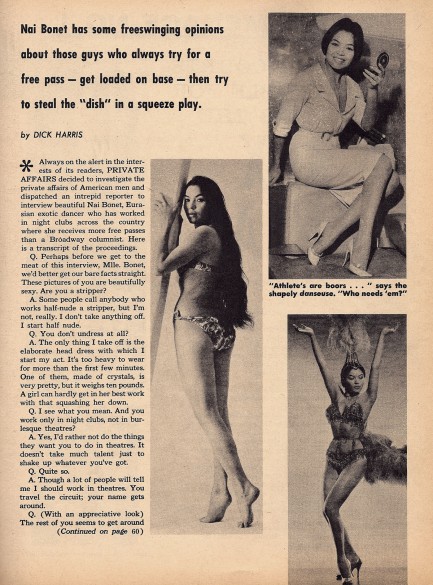
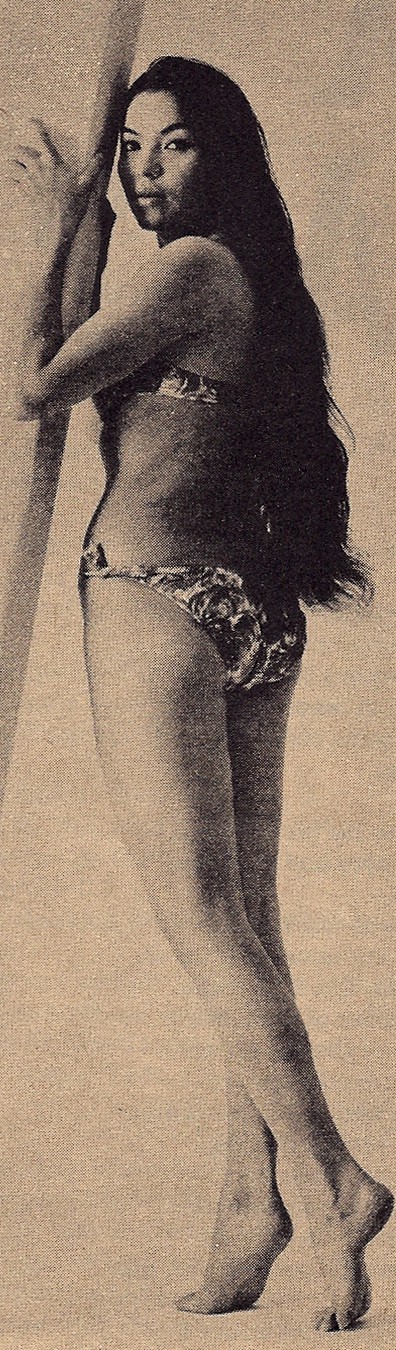
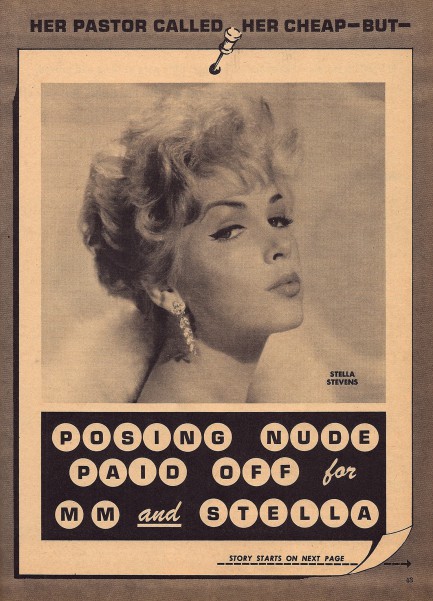
Elsewhere in the issue we get Lana Turner, who Affairs claims let her daughter take a murder rap for her; comedian Dick Gregory, who is accused of stealing jokes; and Ingrid Bergman, who is shown with her later-to-be-famous daughter Isabella Rossellini. We also meet Nai Bonet, a famed Vietnamese bellydancer who within a couple of years would parlay her fame into a film and music career. Private Affairs is not a well known tabloid today—it probably arrived on the scene just a bit too late to carve out a readership when newsstand shelves were already packed with established imprints such as Confidential, Uncensored, Top Secret, Inside Story, Hush-Hush, et al. This particular issue—designated Vol 1, No. 3—is the only copy of the magazine we’ve ever seen. We suspect the brand was defunct within the first year. Many scans below, and more rare tabloids coming soon.


| The Naked City | May 10 2012 |

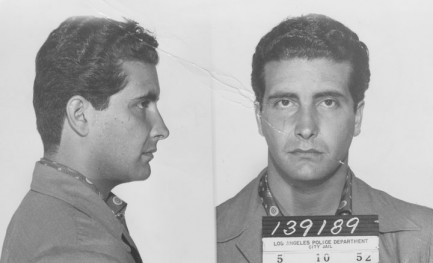
This LAPD mugshot of gangster Johnny Stompanato dates from today in 1952, when he was arrested on suspicion of armed robbery. Stompanato was an Illinois boy who joined the army and after his discharge fell into the west coast gangster lifestyle. He quickly became well known to the cops. Beverly Hills police chief Clifford Anderson described him as “one of the most successful wolves in Hollywood,” which was a polite way of saying he was a pimp, blackmailer, and boy toy for a series of wealthy women, who he often shook down for cash. By the time these images were made he was living the high life as a connected subordinate to top tier mobster Mickey Cohen.
After numerous scrapes, liaisons and adventures, plus an arrest in 1956 for violating the White-Slave Traffic Act, aka the Mann Act, Stompanato met actress Lana Turner. It was the spring of 1957. Turner had just survived an ugly divorce involving a husband who molested her daughter from a previous marriage, and her movie career had taken a hit when MGM had declined to renew her contract. But she was still one of the biggest names in Hollywood, and Stompanato thought he’d finally found the pot of gold at the end of the rainbow. Turner was rich, connected, beautiful, and wild. And she was drawn to him because he looked good, had a bad reputation, and was known to be a dynamo in bed.
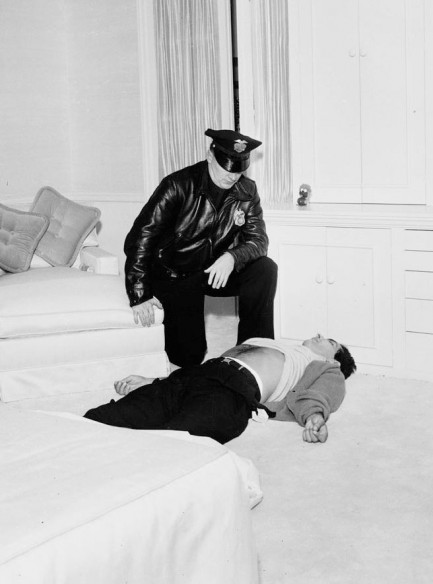
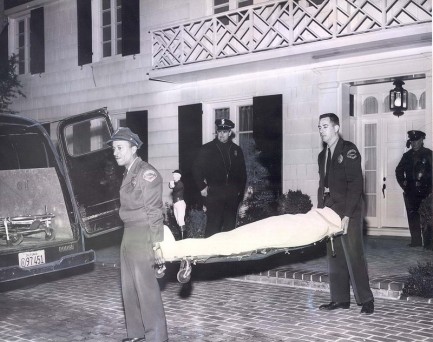
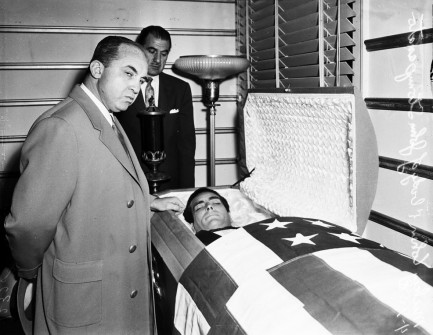
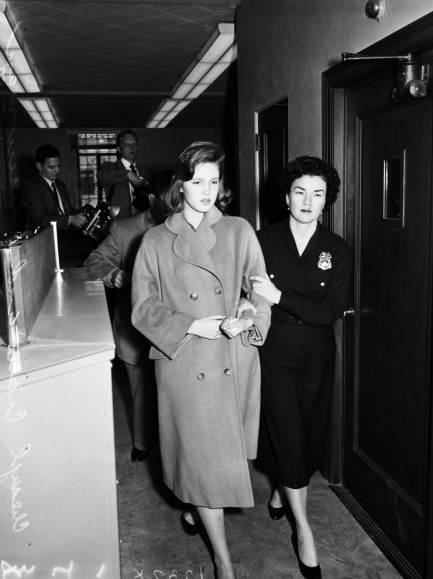
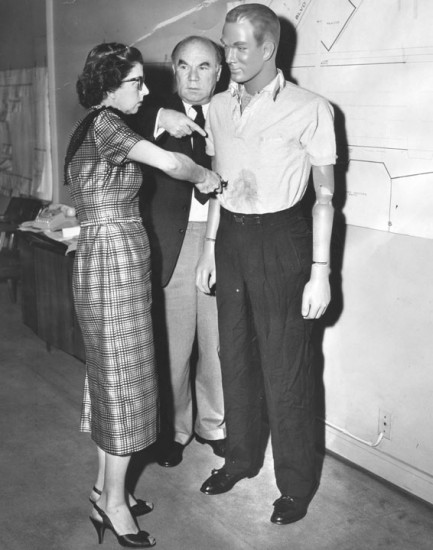
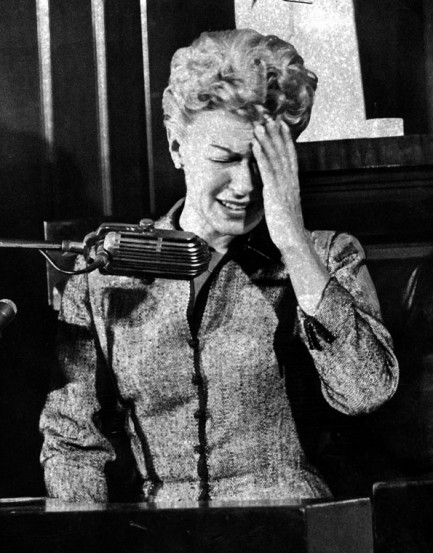
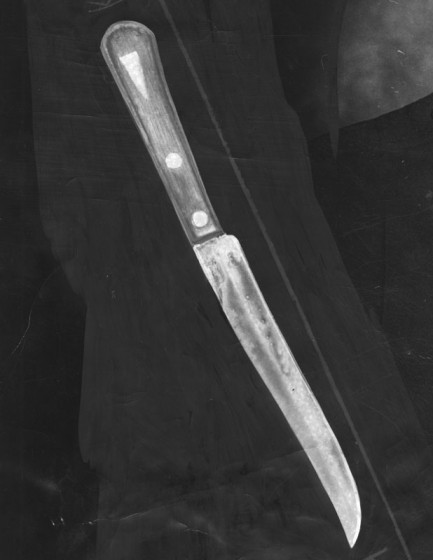
Stompanato was accustomed to being physical with women, and, while Turner put up with the abuse, her daughter Cheryl grew less and less inclined to stand by and watch. One April night in 1958 Stompanato was allegedly roughing up Turner, when Cheryl—fourteen years old at the time—grabbed a knife and stuck Stompanato in the chest. Either by intent or lucky aim, one of the toughest and meanest wiseguys in Hollywood ended up cold on the floor, and the case became the tabloid sensation of the decade. Turner’s daughter was eventually acquitted at trial of murder charges on the grounds of justifiable homicide. The photos below provide a chronology of the events and aftermath of the night that brought Johnny Stomp to his end, and you can read a bit more about the killing at a previous post here.

| Vintage Pulp | Feb 25 2011 |

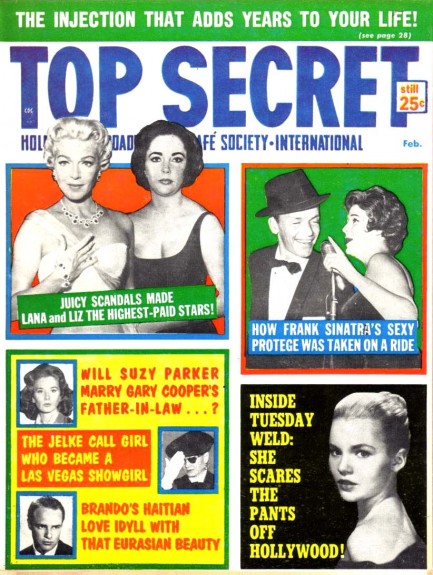
Here’s a fascinating February 1960 issue of the mid-century tabloid Top Secret with a selection of dish on the celebs of the day. Of particular note is the item on Lana Turner and Elizabeth Taylor. Top Secret claims scandals made them the highest-paid stars in Hollywood. What were the scandals? Well, in 1958 Lana Turner’s teenaged daughter Cheryl Crane stabbed mob enforcer Johnny Stompanato to death. The sensational murder trial that followed ended in Crane’s acquittal on the grounds of justifiable homicide, i.e., Stompanato had been beating Turner and Crane put a stop to it. As for Taylor, her scandal involved taking Eddie Fisher away from his wife, the incredibly popular and beloved singer/actress Debbie Reynolds. Later the same year Taylor agreed to star in Cleopatra for a million dollars—an astonishing sum at the time. But while Top Secret draws a direct line between this kind of pay and a messy personal life, there’s another possible consideration. In light of Lana Turner’s 1958 Academy Award nomination, and Elizabeth Taylor’s eventual five nominations and two wins, maybe the two were highly paid because of their talent. It’s just crazy enough to be true.

| Hollywoodland | Sep 15 2009 |

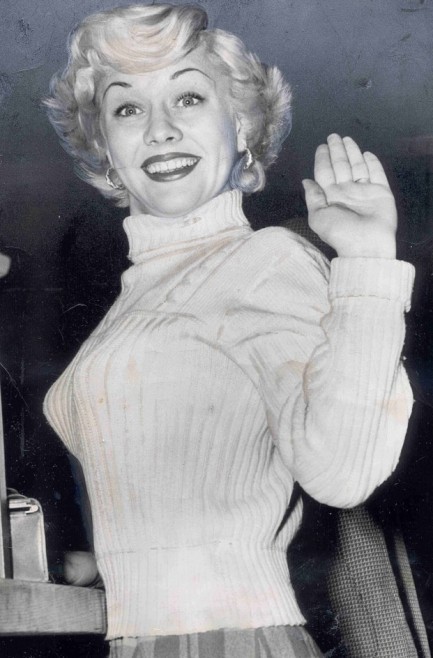
Above is a photo of Lila Leeds, circa 1949. Leeds started in Hollywood as a hatcheck girl, quickly married conductor Jack Little, and eventually scored roles in films such as Moonrise, and So, You Want To Be a Detective. But her film roles paled in comparison to the lasting notoriety she achieved for being arrested with Robert Mitchum in 1948 for possession of marijuana. She spent sixty days in jail, and was released to discover that her career was over. She did manage one more film role, the ironically titled She Shoulda Said No!, but soon was forced to leave Hollywood behind. According to another notorious Hollywood arrestee, Cheryl Crane, Leeds had picked up a heroin habit while in prison, which hindered her attempts to get her career back on track at least as much as her ruined reputation. Leeds eventually died in obscurity. That was ten years ago today.

| Hollywoodland | Jun 19 2009 |

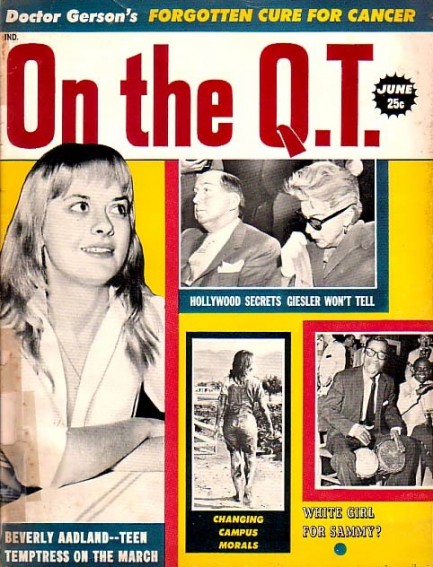
We have another issue of On the Q.T. today. The cover subject, Beverly Aadland, was a teenaged actress who earned notoriety for being Errol Flynn’s last lover. Flynn always preferred young girls—oftentimes too young, depending on whom you believe. When he wrote his disappointingly bland (at least to us) autobiography My Wicked, Wicked Ways, the dedication read: To a small companion. We would have guessed Flynn meant his cock, since it got him into so much trouble during his life, but more informed sources than us say the companion he meant was Beverly Aadland. We stand corrected, and she stands explained for those who didn’t know who she was.
Moving on, On the Q.T. also mentions a person named Giesler. This would be Jerry Giesler, who is little known now, but was once Tinseltown’s lawyer-to-the-stars. To say he possessed secrets is an understatement considering he represented the likes of Charlie Chaplin, 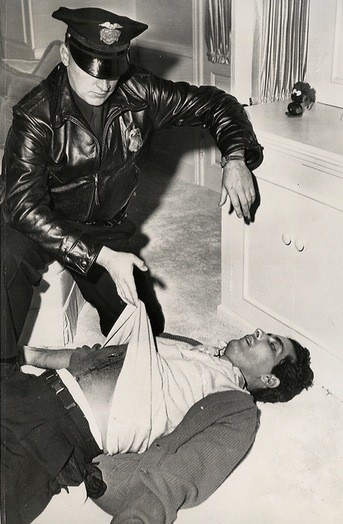 Edward G. Robinson, Marilyn Monroe, Shelley Winters, Lili St. Cyr, Busby Berkeley (from triple manslaughter charges), Zsa Zsa Gabor, Errol Flynn (again, with Flynn), and too many more to name. But of all his exploits, the most famous was his sensational defense of fourteen year-old Cheryl Crane from murder charges.
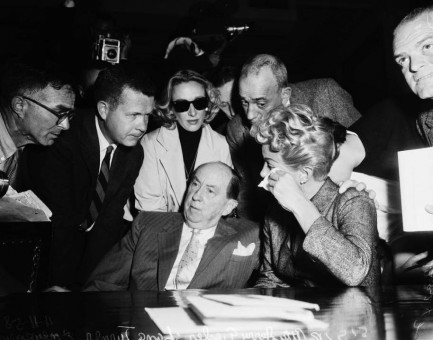
It’s one of the most lurid stories in Hollywood history. Crane was the daughter of megastar Lana Turner, and had endured many difficulties early in life, including alleged molestation and rape by Turner’s fourth husband, actor Lex Barker. Turner had an abusive situation of her own with mob enforcer Johnny Stompanato, a violent man who slapped her around but clung onto her for dear life no matter how hard she tried to dump him. On April 4, 1958, Cheryl Crane stabbed Stompanato to death. She claimed the mobster was beating her mother and she had no choice but to attack him. Not to be morbid, but oh to have been a fly on the wall as this fourteen year-old girl went Benihana on a feared mobster. What an astounding scene that must have been, especially to Stompanato, who you see in peaceful repose above. Anyway, Cheryl Crane said the stabbing was done in her mother's defense, and Jerry Giesler convinced a jury she was right.
Already famous enough to command what were at the time enormous retainers, Giesler's reputation was forever sealed after the Crane trial. He was simply the best, the go-to attorney for a celeb in a town that was always boiling with trouble. As a result of Giesler's exploits, Hollywood coined a catchphrase, a collection of magic words believed to possess the power to solve even the toughest problems. The phrase? "Get me Giesler."