| Femmes Fatales | Aug 6 2019 |

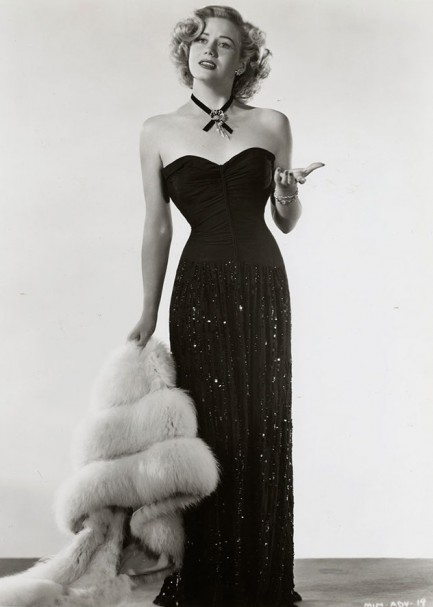
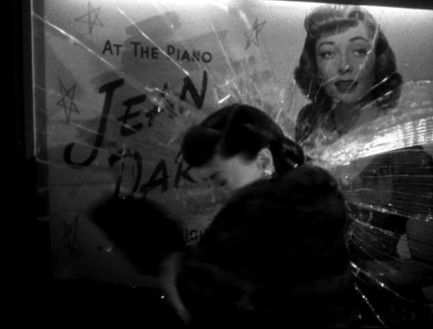
Ambitious show-biz hopefuls from all over the world have always flocked to Los Angeles. Actress Jacqueline White is a rare breed—she was born there, in Beverly Hills, in fact, which may be why despite having a nice dress and a fur coat, she has her hand out for more. White was drawn into film when a casting agent saw her in a play at UCLA, and she went on to appear in the classic noirs The Narrow Margin and Crossfire. This particular shot was made for the thriller Mystery in Mexico, in which she and others chase a fortune in missing jewels. It's from 1948.


| Femmes Fatales | Jul 7 2019 |

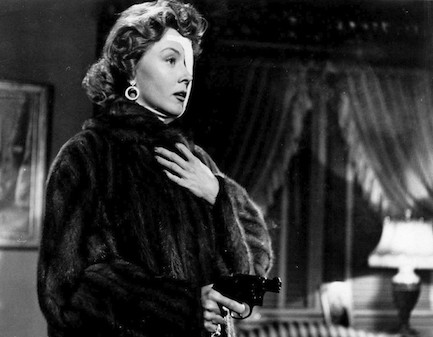
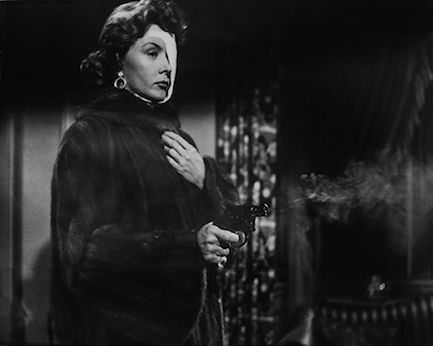
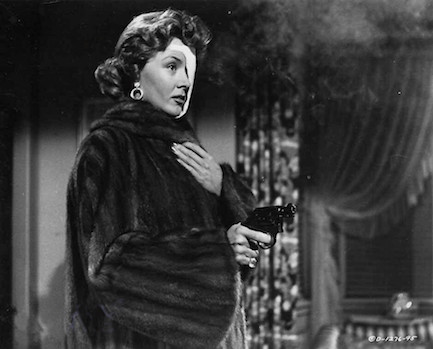
These photos of U.S. actress Gloria Grahame come from one of our favorite old movies, the film noir The Big Heat, in which she starred with Glenn Ford. How many good films was Grahame in? Plenty, including The Bad and the Beautiful, Crossfire, the amazing In a Lonely Place, Human Desire, The Glass Wall, and Odds Against Tomorrow. Outside the drama/noir genres, she was also in It's a Wonderful Life, which is one of the most watched U.S. films of all time, and Oklahoma!. In The Big Heat she plays the prototypical film noir bad girl who wants to be good but has a hard time getting there. We won't say more. Just check it out. The photo is from 1953.

| Femmes Fatales | Jan 28 2015 |


| Vintage Pulp | Oct 20 2013 |

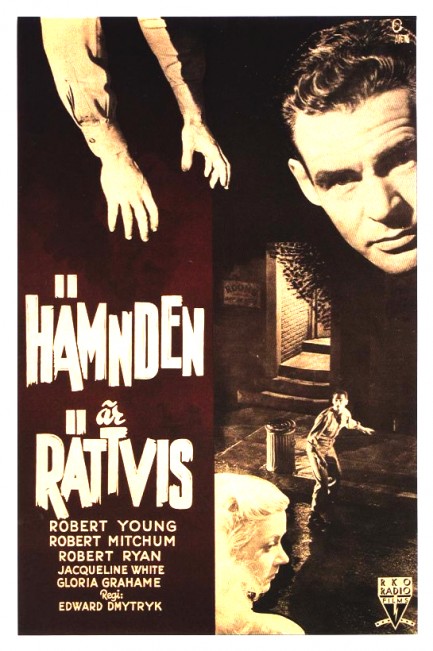
Above is a Swedish poster for Edward Dmytryk’s Hämnden är rättvis, aka Crossfire, a really interesting film noir about an ex-soldier who is murdered, and his fellow ex-soldiers who are suspects. Police detective Robert Young tries to get to the bottom of the crime, but is increasingly baffled as he realizes the killing did not occur for any of the usual reasons—money, lust, revenge, etc. Different character recollections provide different information about the victim’s last hours, but only serve to underscore the apparent senselesslness of the crime. We can’t reveal the direction Young’s investigation turns without giving away the ending*, but we’ll mention that the movie won an award at Cannes—the Prix du meilleur film social, or Best Social Film.
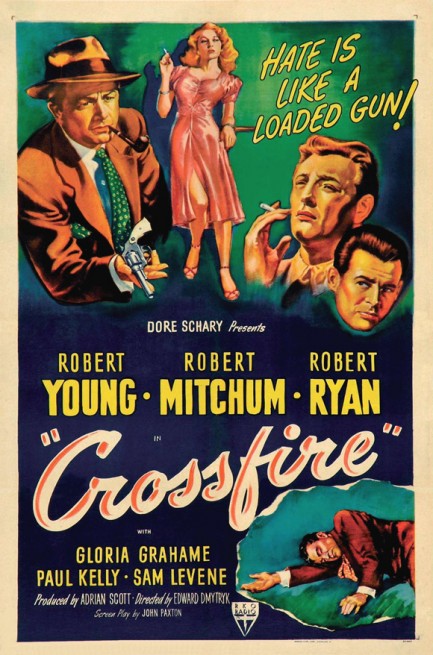

*We’ve never worried about giving away endings before. Our capsule reviews are really just excuses to show the poster art and joke around. However, a few recent emails have revealed that some readers actually visit Pulp Intl. for viewing ideas, which just goes to show that after five years online you receive credibility whether you were looking for it or not. So even though recent scientific research shows that people enjoy stories more if they know the endings in advance, we’re going to be better about spoilers in the future. Promise.

| Vintage Pulp | Jan 30 2013 |

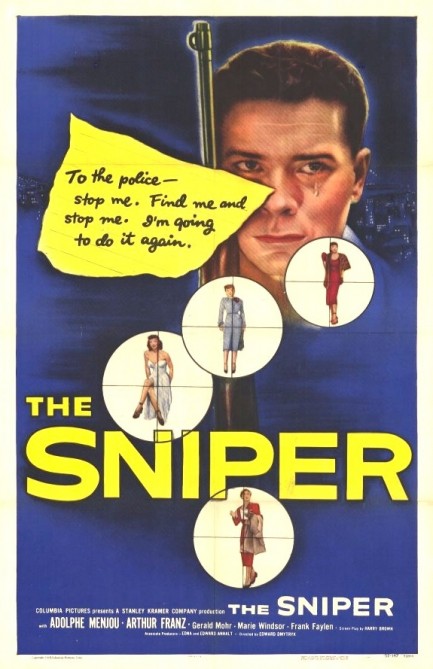
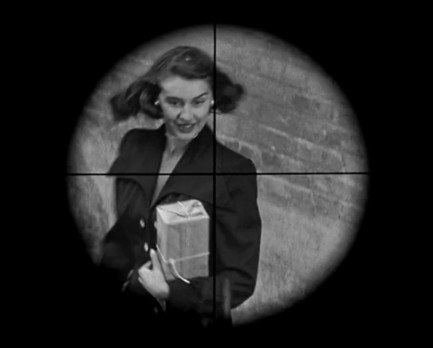
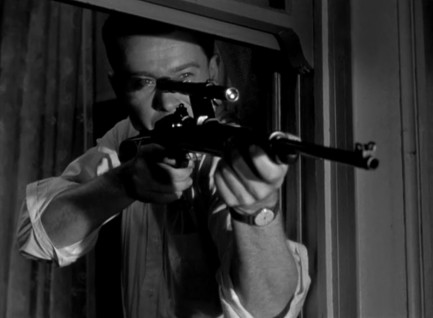
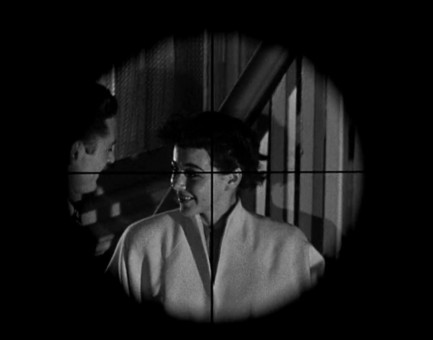
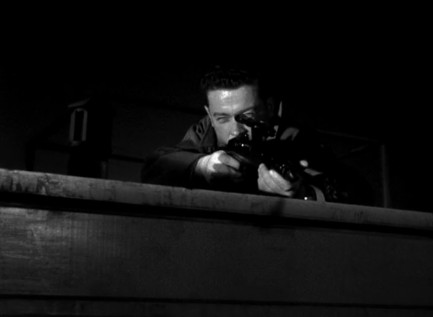
A few days ago we mentioned the Noir City Film Festival and waxed nostalgic about San Francisco. The festival schedule reminded us of noirs we haven’t seen in a while, and revealed others we’ve never seen. On the Noir City bill this evening is a film from the latter category, Edward Dmytryk’s 1952 thriller The Sniper. We watched it last night and it more than deserves a slot in a prestigious festival like Noir City. The film was shot in San Francisco, and stars Arthur Franz as a former mental patient named Eddie Miller who is gripped by murderous impulses. Perching in windows and on rooftops, he uses a carbine and scope to target unsuspecting victims. As yet the gun isn’t loaded, but his sexual feelings for a female acquaintance catalyze his urges. The expert marksman begins killing, ultimately slaying four women (that’s not a spoiler, given the four scoped targets on the poster art). Eddie Miller treads similar ground as hundreds of other cinematic lost souls, but film historians say he was first—American film’s first serial killer. This one is worth it both for the movie and for its usage of San Francisco exteriors, which are so expertly and extensively intergrated into the production, we have a feeling Bay Area audiences will marvel over that more than the actual plot. But they should pay close attention to both. Dmytryk is the same director who gave the world Murder, My Sweet and Crossfire. This is top tier filmmaking.