Strange ideas from the minds and lenses of mid-century promo photographers. 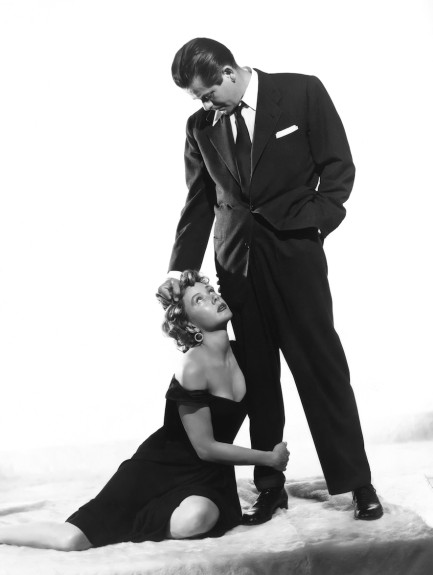 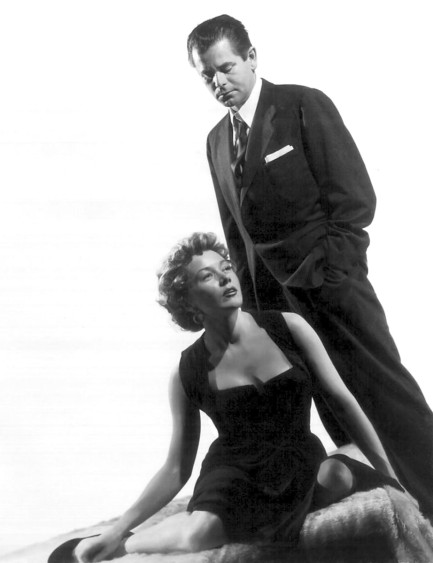 A while back we shared a promo photo of Glenn Ford and Gloria Grahame from 1953's The Big Heat that was meant to imply oral sex (it absolutely was, and you can see for yourself here). We commented on its weirdness, and noted that an actress would probably not be asked or made to pose that way today. The shot got us thinking about whether there were other kneeling promo shots from the mid-century era, and above you see two others from The Big Heat. Below we have more such shots, and while none are as jarring as that previous promo, they're all interesting. We assumed there would be few if any featuring kneeling males, but we found a couple. Even so, there are probably scores more kneeling actresses that we missed. While many of shots took the form they did to highlight the criminal/victim themes in their parent films, you still have to wonder what else—consciously or not—was in the various photograhers' minds. Anyway, just some food for thought this lovely Thursday. Ready, set discuss! 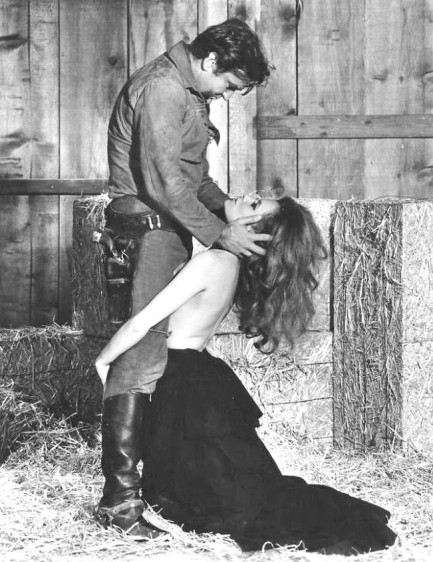 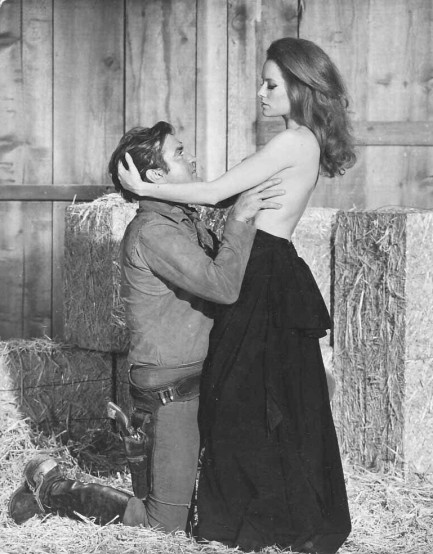 Rod Taylor and Luciana Pauluzzi swap subordinate positions for 1967's Chuka. Rod Taylor and Luciana Pauluzzi swap subordinate positions for 1967's Chuka.
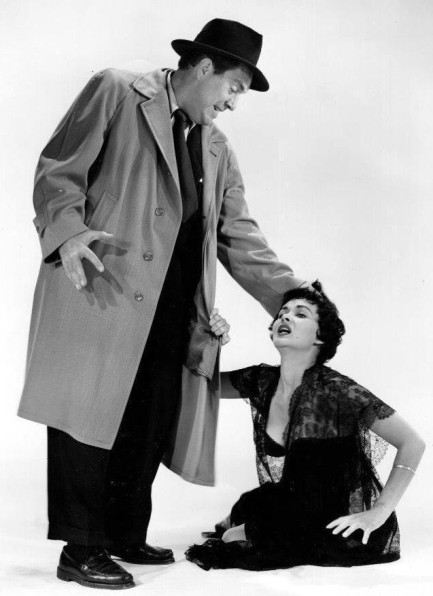 Edmund O'Brien goes for the time honored hair grab on Marla English for 1954's Shield for Murder. Edmund O'Brien goes for the time honored hair grab on Marla English for 1954's Shield for Murder.
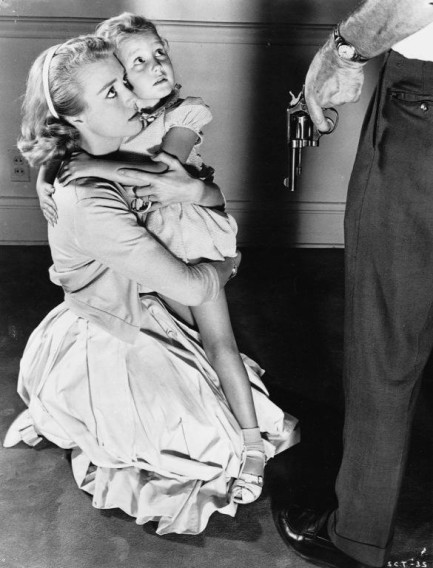 Inger Stevens and Terry Ann Ross for Cry Terror, an adaptation of a novel we talked about a few years ago. Inger Stevens and Terry Ann Ross for Cry Terror, an adaptation of a novel we talked about a few years ago.
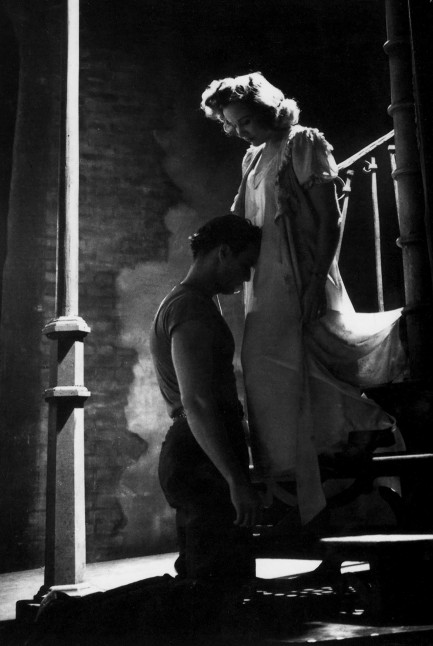 Kim Hunter soothes an overheated Marlon Brando in a promo for 1951's A Streetcar Named Desire. Kim Hunter soothes an overheated Marlon Brando in a promo for 1951's A Streetcar Named Desire.
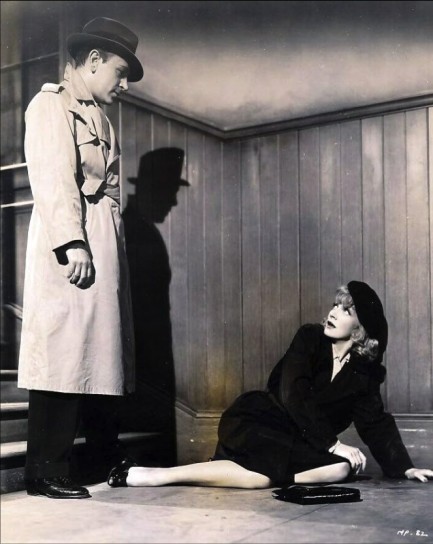 George Raft menaces Marlene Dietrich in the 1941 comedy Manpower. George Raft menaces Marlene Dietrich in the 1941 comedy Manpower.
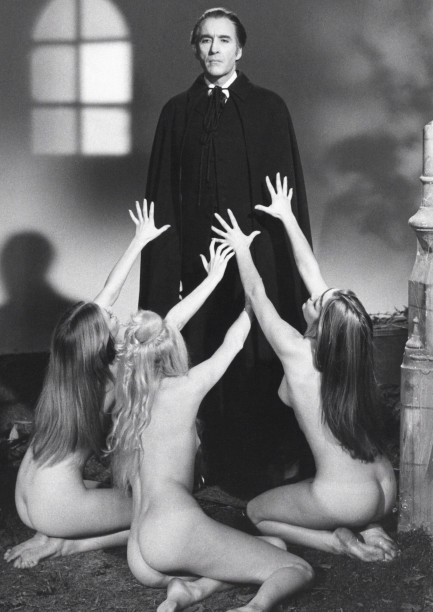 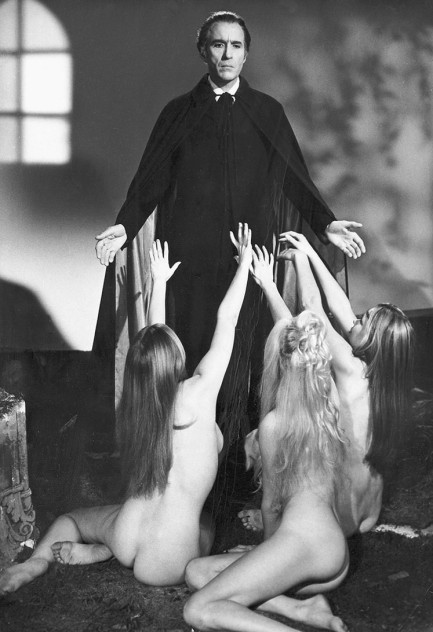 As promos go, these actually make sense. They show three unidentified models mesmerized by vampire Christopher Lee for 1970's Taste the Blood of Dracula. As promos go, these actually make sense. They show three unidentified models mesmerized by vampire Christopher Lee for 1970's Taste the Blood of Dracula.
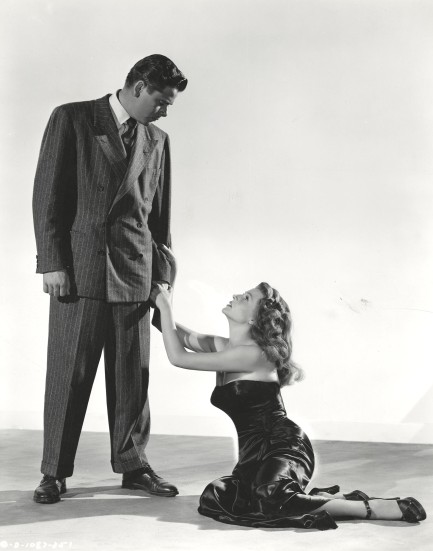 Glenn Ford is at it again, this time looming over Rita Hayworth for the 1946 classic Gilda. Glenn Ford is at it again, this time looming over Rita Hayworth for the 1946 classic Gilda. 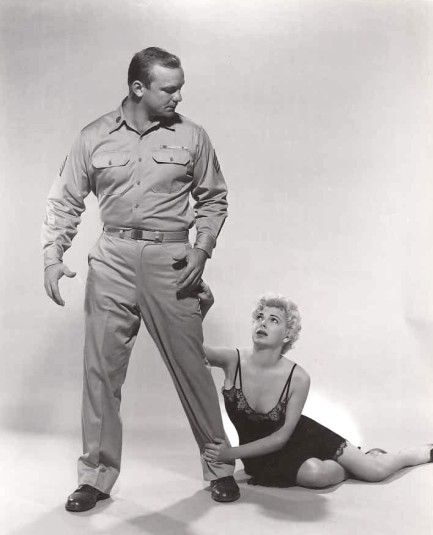 Aldo Ray and Barbara Nichols for 1958's The Naked and the Dead. Aldo Ray and Barbara Nichols for 1958's The Naked and the Dead.
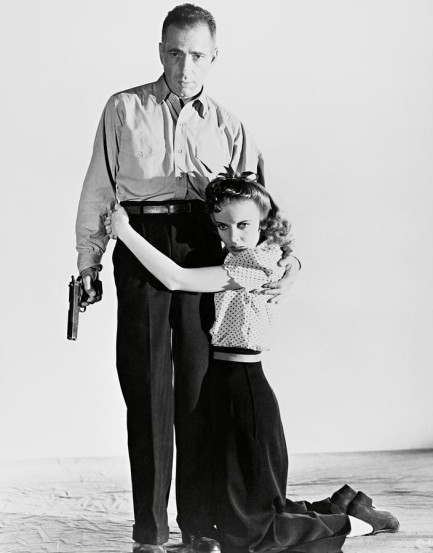 This one shows less domination and more protectiveness, as Humphrey Bogart prepares to defend Ida Lupino for High Sierra, 1941. This one shows less domination and more protectiveness, as Humphrey Bogart prepares to defend Ida Lupino for High Sierra, 1941.
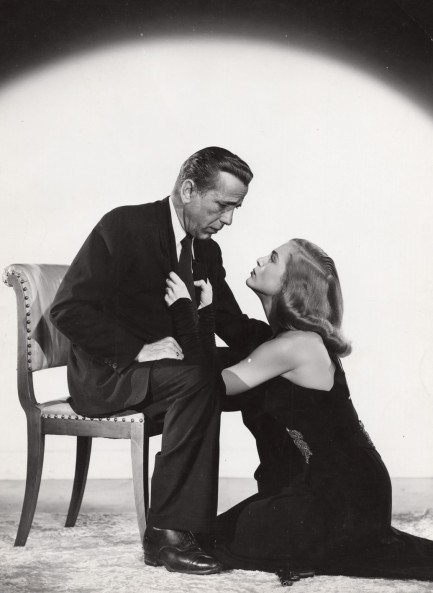 Humphrey once more. Here he's with Lizabeth Scott for Dead Reckoning, 1947. Humphrey once more. Here he's with Lizabeth Scott for Dead Reckoning, 1947.
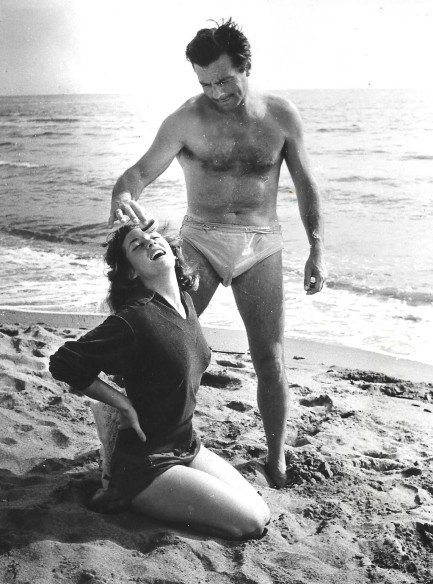 This shot shows Brazilian actress Fiorella Mari with an actor we can't identify in a movie we also can't identify. This shot shows Brazilian actress Fiorella Mari with an actor we can't identify in a movie we also can't identify.
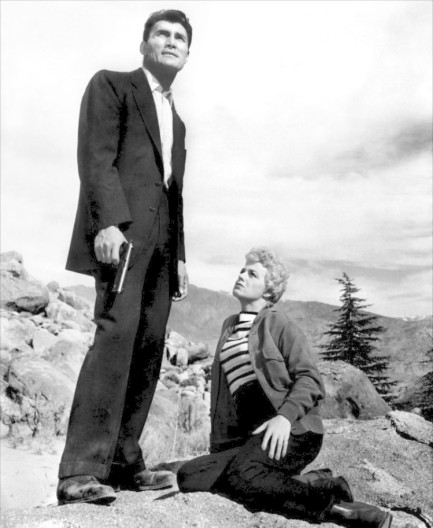 Shelly Winters and Jack Palance climb the highest mountain together for I Died a Thousand Times, 1955. Shelly Winters and Jack Palance climb the highest mountain together for I Died a Thousand Times, 1955.
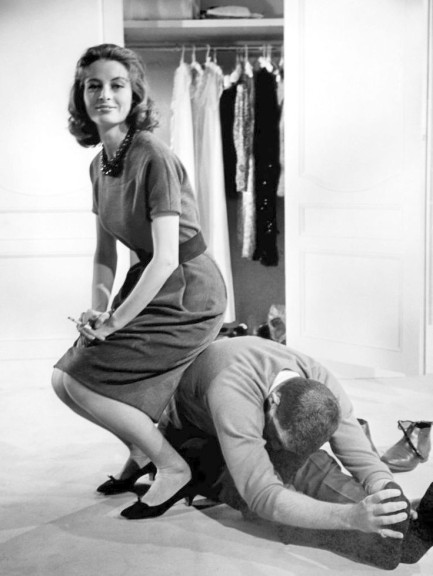 As we said, we didn't find as many examples of kneeling men, but we found this gem—Cappucine makes a seat of director Blake Edwards on the set of The Pink Panther in 1963. Does this count, though? While Edwards is subordinate, he isn't kneeling and it really isn’t a legit promo. As we said, we didn't find as many examples of kneeling men, but we found this gem—Cappucine makes a seat of director Blake Edwards on the set of The Pink Panther in 1963. Does this count, though? While Edwards is subordinate, he isn't kneeling and it really isn’t a legit promo.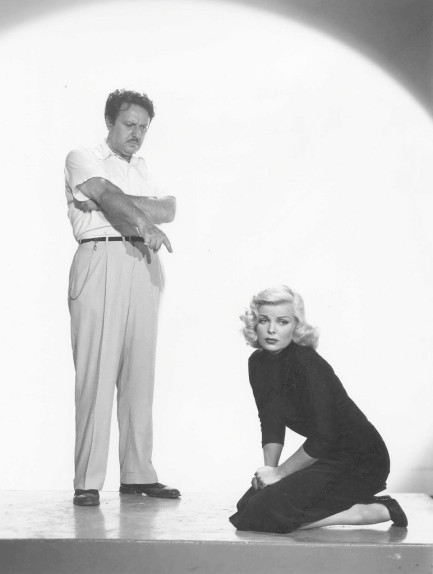 And lastly, in a curious example, Hugo Haas seems to tell Cleo Moore to stay in a shot made for 1953's One Girl's Confession. And lastly, in a curious example, Hugo Haas seems to tell Cleo Moore to stay in a shot made for 1953's One Girl's Confession.
 She's a woman completely without restraint. 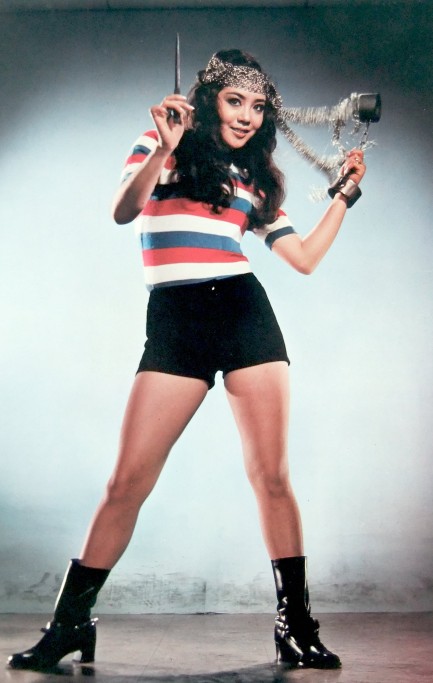
We bet you didn't notice that Japanese actress Reiko Oshida is swinging handcuffs in a circle. We understand. You'd tend to notice other elements of the photo first, like the knife, the boots, the shorts, or the stripes. This promo image was made for her 1971 pinky violence actioner Delinquent Girl Boss: Worthless To Confess, which was originally titled Zubekô banchô: zange no neuchi mo nai. A similar pose was used on the movie's poster, which you can see here. And if you're very interested, you can see alternate posters here and here, and Oshida with her crew of sword maniacs here. She shall return.
 Life there is an ongoing domestic disturbance. 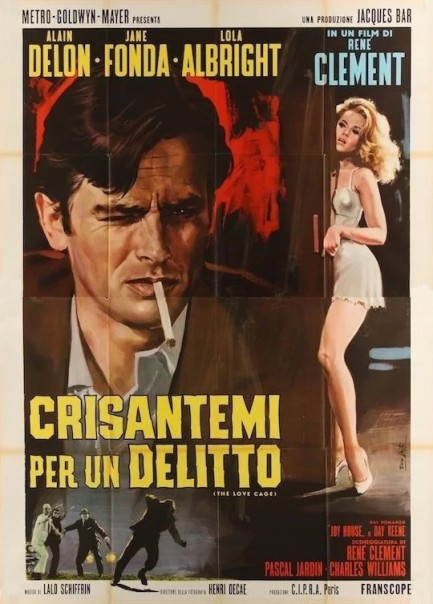 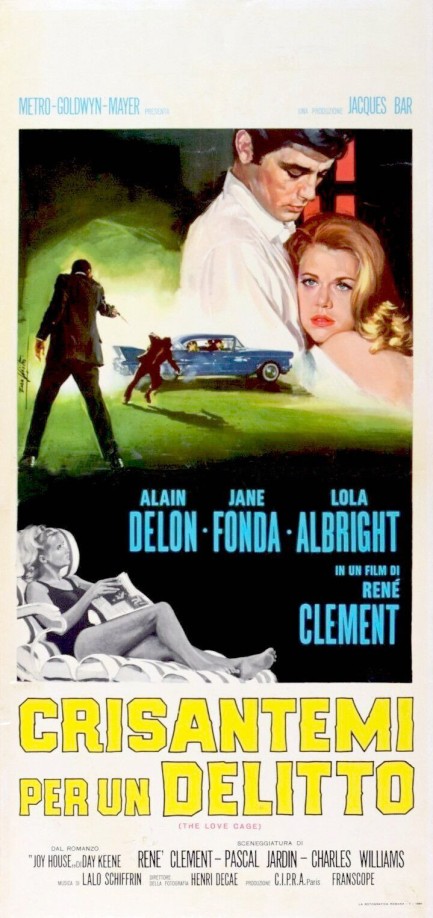
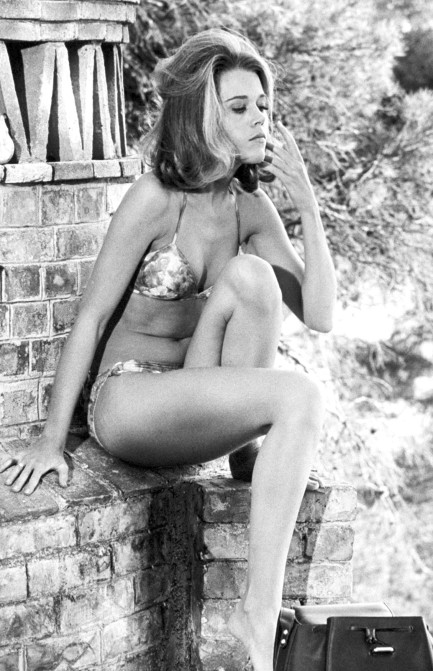
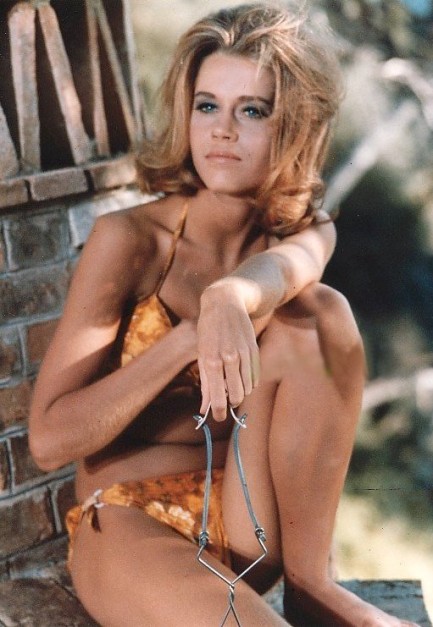
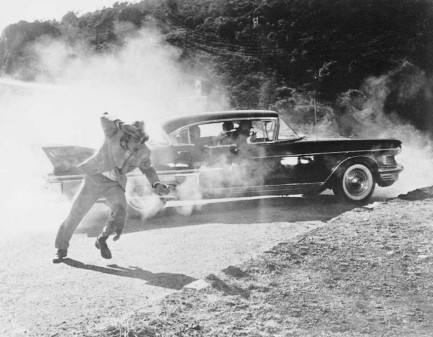
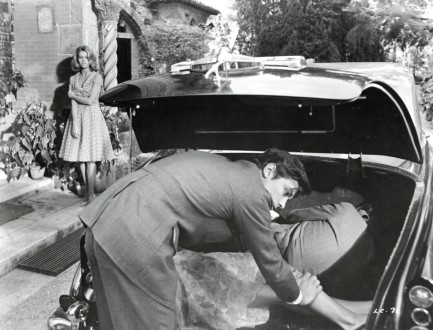
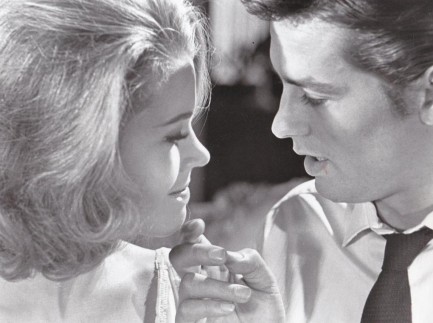
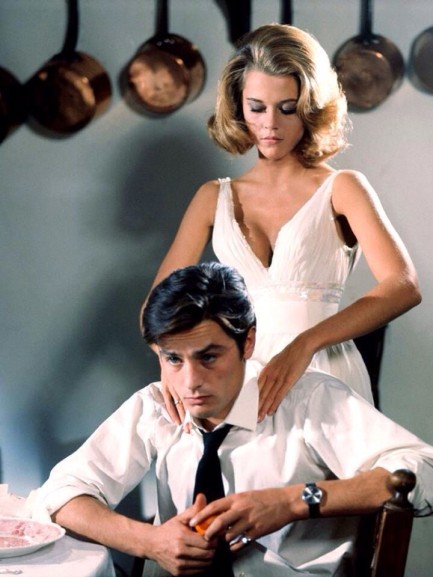
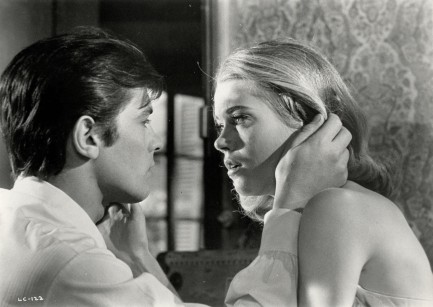
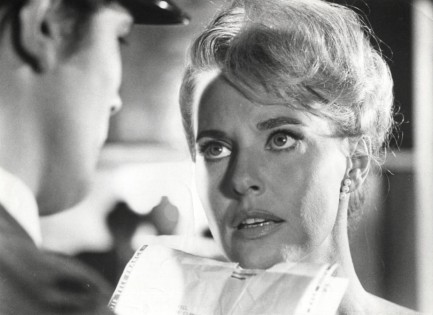
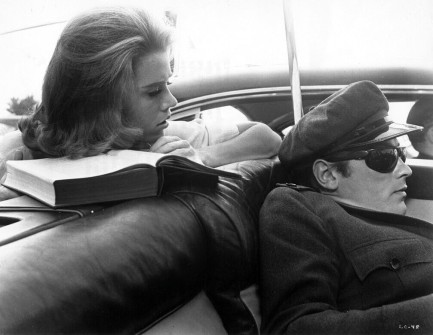
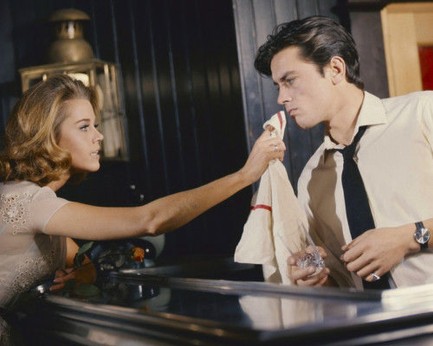
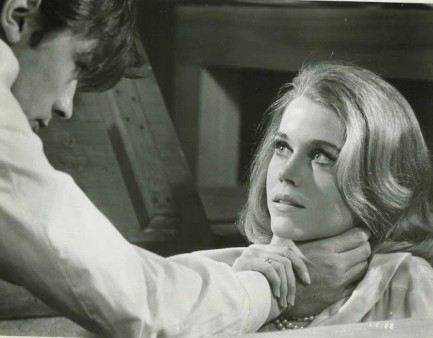
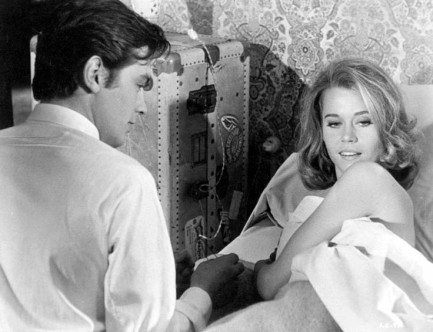
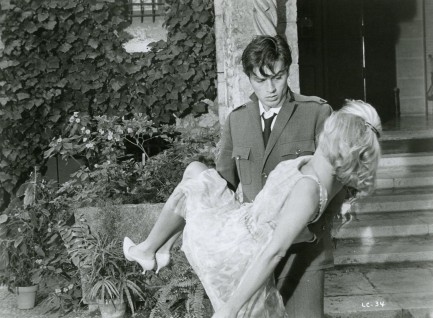
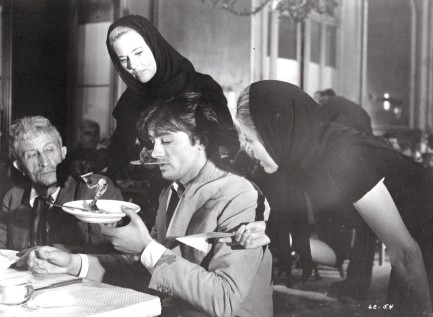
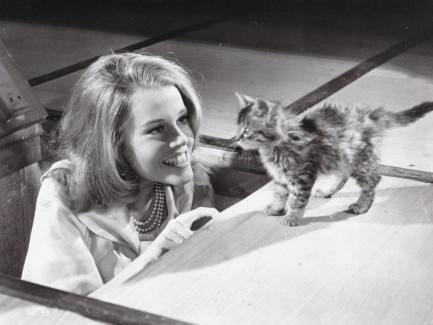
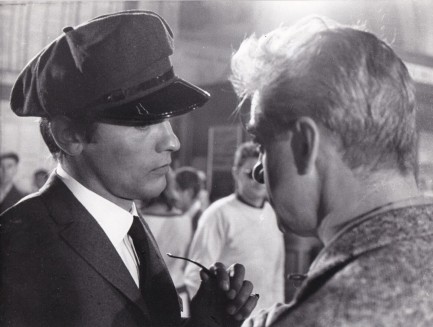
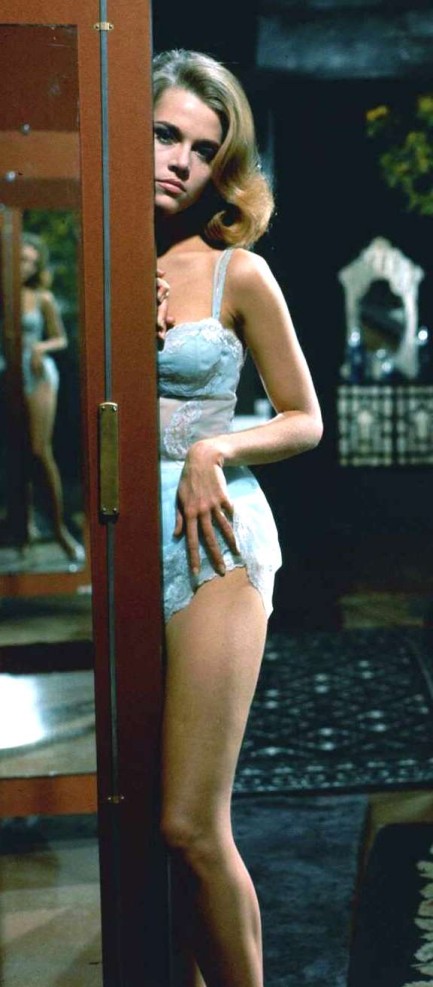
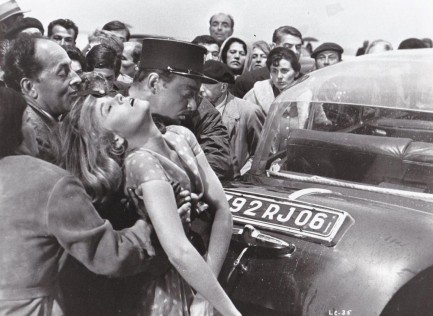
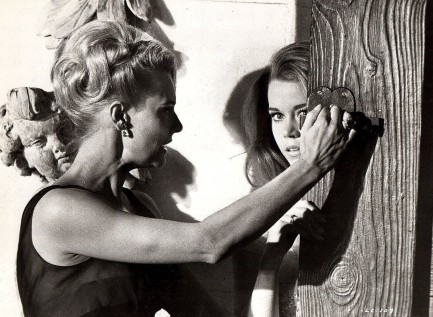
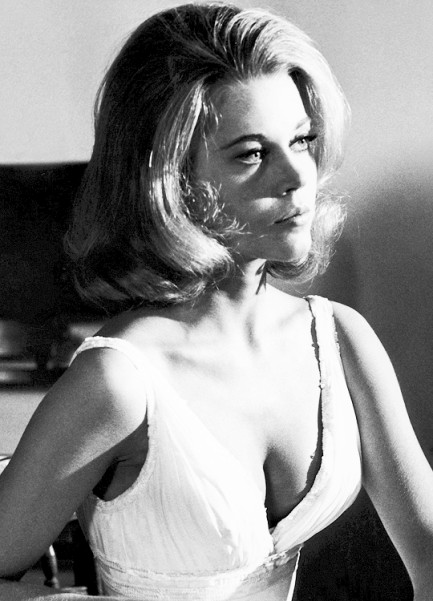
The posters you see here were made for the French thriller Les félins. While the French posters are fine, we thought these Italian promos were a bit more interesting. The first two were painted by Enzo Nistri, the second two by Sandro Symeoni. The movie was called Crisantemi per un delitto in Italy—“chrysanthemums for a crime.” No idea why. But fine, it's lyrical, which is never bad. It's based on the imaginative Day Keene novel Joy House, which is the title the movie retained for its U.S. run. In the book a derelict is plucked from a Chicago homeless shelter by a rich widow who needs a chauffeur, but her benevolence seems likely to backfire because her new driver was in the shelter only because it offered a perfect hiding place from mobsters seeking to kill him. But she has her own secret plans, and they're as sinister as they come. Working from a screenplay co-written by director René Clément and crime author Charles Williams, the movie slightly alters the approach of Keene's book. With Lola Albright playing the widow and Alain Delon as the hunted man, the story is transplanted from urban Chicago to the Côte d'Azur. Pre-Barbarella Jane Fonda features in a co-starring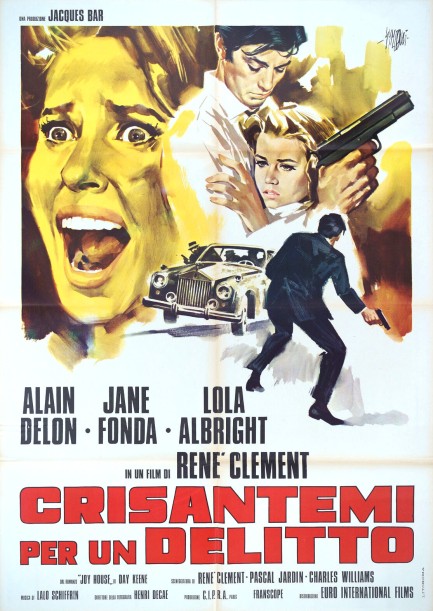 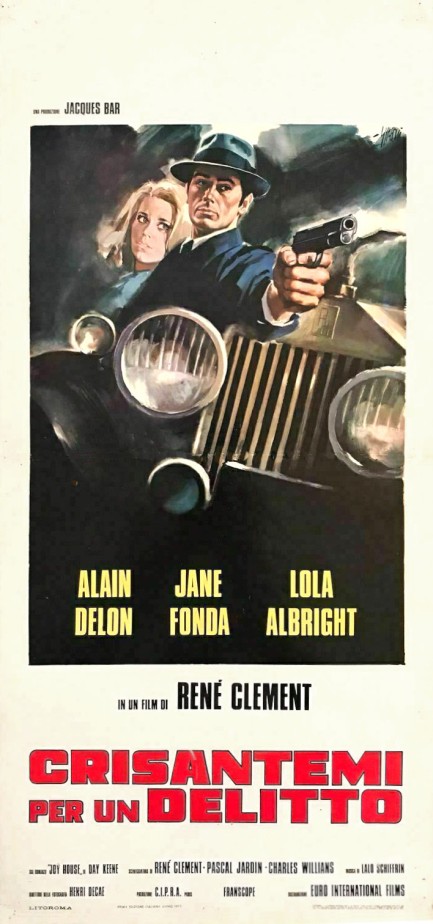 role as Albright's cousin and household helper. The two are soon in competition for Delon's affections, though he never forgets that his main goal is to escape the mobsters. While the general thrust of the plot remains a mystery as in Keene's novel, there's a heavy dose of action too, with excellent stunts. The ending differs as well. role as Albright's cousin and household helper. The two are soon in competition for Delon's affections, though he never forgets that his main goal is to escape the mobsters. While the general thrust of the plot remains a mystery as in Keene's novel, there's a heavy dose of action too, with excellent stunts. The ending differs as well.
The result is good, but also an example of both the highs and lows of French cinema of the period. Delon, Fonda, and Albright are decent actors bestowed a good script, and are all gorgeous and charismatic, but the movie spends a lot of time being cute. Even so, Clément and company pull it all together. Make sure you appreciate the production design, especially the Rolls Royce that Delon drives, with its completely transparent roof, c-pillars all. It's something we never knew existed. To us it looked like a good way to get heatstroke, but we guess it was made for rich occupants to see and be seen. We think Joy House should be seen. It premiered in France in June 1964, then opened at the Taormina Film Fest in Italy today the same year.
 Embarrassingly, I've put away my spring wardrobe, but haven't yet taken out my summer wardrobe. 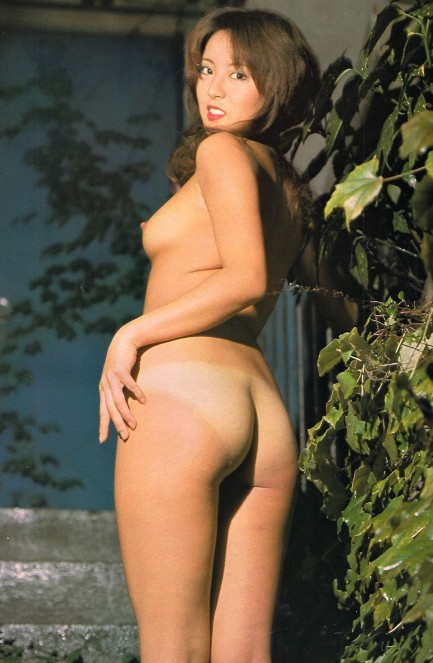
We scanned this photo of Japanese actress Jun Ogawa eight years back, but sort of lost her in the shuffle until today. We're glad we found the shot, though, because it's pretty nice. Ogawa made eighteen movies between 1971 and 1977, most of them for Roppô Eiga, which is a studio whose output we haven't explored yet. If any of Ogawa's work is available we'll probably do that. We're thinking Makura geisha no kokuhaku: Shinshitsu no technique might be a good choice. The English title of that is Confessions of a Pillow Geisha: Bedroom Techniques. Alternatively there's Dokufu oden kubikiri asa, which was called Samurai Executioner in the West. That sounds good too. We'll go looking. The above image is from a 1974 issue of Heibon Punch.
 Lindberg unveils more than just her movie for the Cannes press corps. 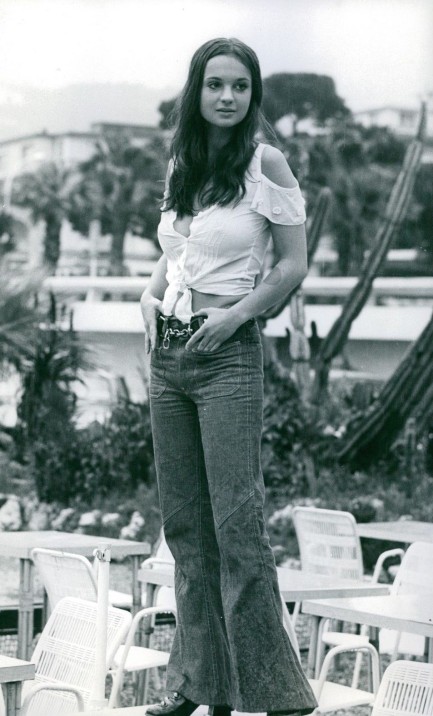
The above image shot today in 1971 shows Swedish star Christina Lindberg in Cannes, France, where she was promoting her movie Exponerad at the Cannes Film Festival. She was also at the prestigious event in 1973 to promote Thriller - en grym film, aka Thriller: A Cruel Picture, so you have to give her production companies Olympic Film and BAV points for effort, even though Lindberg's movies are just arthouse sleaze when boiled down to their essence. And when your movies are not of particular merit what better way to bring attention to them than with random nudity? Shedding clothing was a go-to gimmick for Cannes starlets back when the line between mainstream and erotic film was blurrier than today.
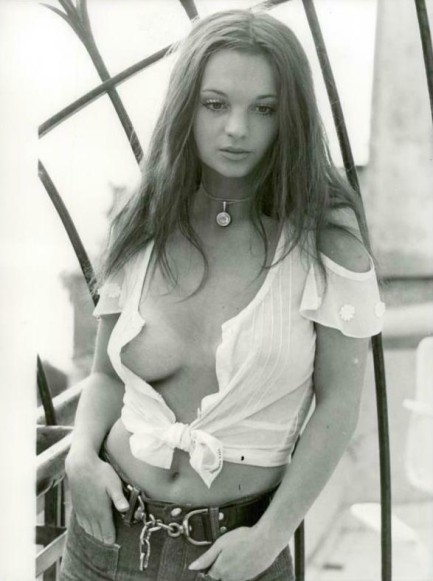
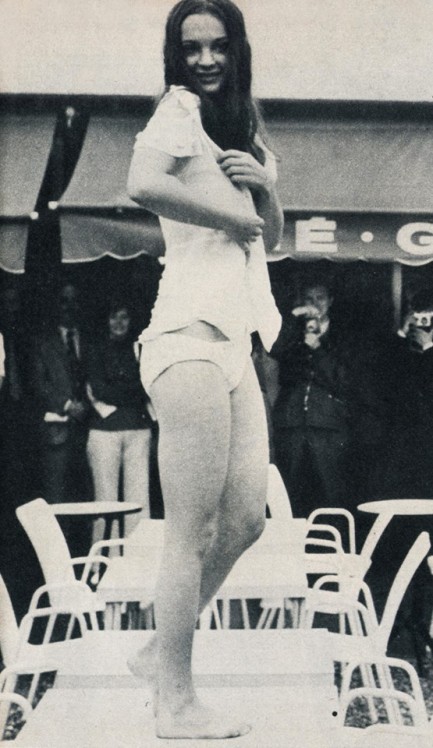 In the first photo Lindberg is on the patio of a Cannes bar, and from her perch atop a table she stripped off everything except her panties while dozens of photographer captured her likeness and bystanders gawped at the spectacle. You can see some of assembled press in the fuzzy reverse angle at right. A bit later, on the terrace of the Majestic Hotel where she was staying, her clothes hit the tiles again, as you see below. In the first photo Lindberg is on the patio of a Cannes bar, and from her perch atop a table she stripped off everything except her panties while dozens of photographer captured her likeness and bystanders gawped at the spectacle. You can see some of assembled press in the fuzzy reverse angle at right. A bit later, on the terrace of the Majestic Hotel where she was staying, her clothes hit the tiles again, as you see below.
She wasn't remotely finished. Here's her memory of a publicity stunt that set Cannes ablaze: “I was going to meet the press out on a pier over the water. After having signed about a thousand invitations, which were given out to select people, I was lowered down from a rented helicopter to the pier topless. There were hundreds of photographers.”
We find it amazing that so few photos of such an event seem to survive today. There must have been thousands of frames shot of that helicopter stunt. Lindberg's recollection of so many photographers shows you the sheer volume of imagery that's lost to time. Luckily, she's well documented anyway thanks to the photo sessions she made for various international magazines and her 1973 photo book. A few of our favorites are here, here, and here. She'll return to Pulp Intl. soon.
 We deal in human slaughter. But when the killing business is slow we also hire out to open Champagne bottles at parties. 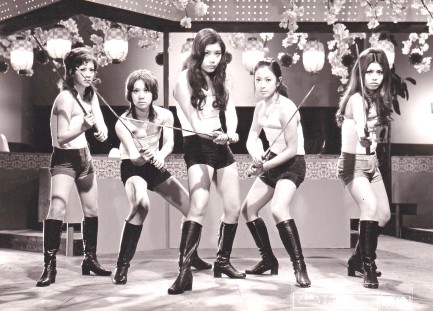 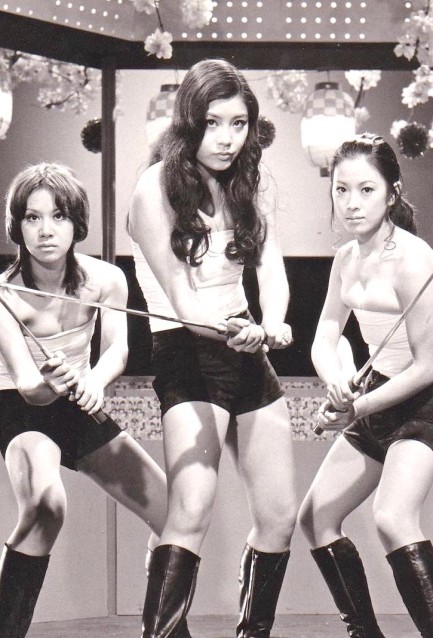
We ran across this menacing promo image online showing the titular quintet of delinquent girl bosses from Delinquent Girl Boss: Worthless To Confess, originally titled Zubekô banchô: zange no neuchi mo nai, and which premiered in Japan today in 1971. Reiko Oshida is front and center, flanked by Yukie Kagawa, Mieko Tsudoi, Masumi Tachibana, and Yumiko Katayama. We've shared plenty of promo art from the film, and discussed what it's about. You can see all that by clicking its keywords below. And if you get the urge to be trendy and open a Champagne bottle with a sword, try to do better than these people.
 Petroleum reserves discovered deep in the jungle. 
No wonder the world can't get off petroleum. Photos of slippery actresses keep the addiction going. Above you see Maria Mari, who has starred in some of the most interestingly titled films you can imagine. Nympho Diver: G-String Festival may be her crowning achievement, but she also appeared in Lusty Transparent Man, Apartment Wife: Lust for Orgasm, and Do It Again: Like an Animal. All of those sound like much-watch flicks, and we did indeed watch and write about a couple, here and here. Mari appeared in five other films in a busy three-year career before moving onward to parts unknown. You can see another shot of her here, and more shiny actresses here, here, here, here, and here. Try not to become hopelessly depedent on oil.
 Machete Maidens Unleashed! is a mandatory look at grindhouse moviemaking during the untamed 1970s. 
Machete Maidens Unleashed! is a film we've watched a few times, and whenever a movie racks up multiple viewings we think it needs to be highlighted. It's a fast paced documentary about the wave of low budget exploitation flicks made in the Philippines from the late ’60s through the ’70s. We weren't old enough to see any of them during the actual grindhouse era, but caught them in later years, and one reason we came up with this website was for the opportunity to riff on these types of flicks. Over the last decade-plus we've had the pleasure of writing about entertaining dreck like Savage Sisters, The Big Doll House, Night of the Cobra Woman, and Cleopatra Wong.
Built around interviews with stars such as Pam Grier, Sid Haig, Margaret Markov, Gloria Hendry, and directors/producers like Eddie Romero, Jack Hill, Joe Dante, and Roger Corman, Machete Maidens Unleashed! is an insider's look at a unique era in cinema history. It compellingly juxtaposes snippets of cinematic insanity against clips of the performers involved laughing over the craziness of it all. While the movies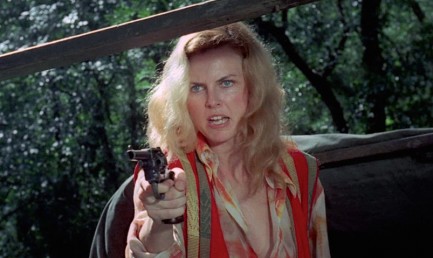 discussed often fall into the category of sexploitation, at the time they were also considered an adjunct of the women's liberation movement—a point made by a couple of the actresses interviewed. Coming out of the sexually repressive decades of the fifties and early sixties, nudity was seen as a rebuke to patriarchal control. discussed often fall into the category of sexploitation, at the time they were also considered an adjunct of the women's liberation movement—a point made by a couple of the actresses interviewed. Coming out of the sexually repressive decades of the fifties and early sixties, nudity was seen as a rebuke to patriarchal control.
Covering productions ranging from 1964's The Walls of Hell to 1979's big budget war flick Apocalypse Now, this is a wide ranging documentary, and by far the most entertaining one on the subject matter we've seen. What with our website's Philippine provenance, and with PSGP having spent a couple of years in Guatemala, another country where life was cheap but fun was unparalleled, this also hit us directly in the nostalgia gland (PSGP feels like the only reason these films weren't made in Guatemala is because everyone actually would have been murdered, instead of just thinking they would). All the interviewees seem to understand that they're from an extinct breed of very brave film performers, making entertainment for audiences ready to see absolutely anything happen. It sometimes seems that modern audiences have forgotten that the filmmaker is not the material, and the actor is not his or her character. The message comes through strongly here that movies are simply make believe. The creators may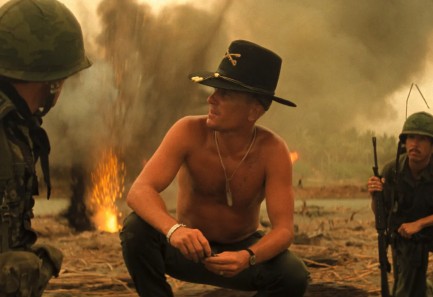 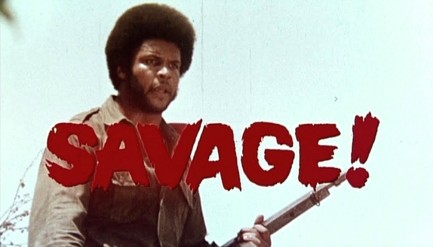 want to outrage, or teach, or push censorship envelopes, or illuminate themes that leave audiences enriched in some way, but it's still just a job they perform before going home to their real lives. We wouldn't be surprised if some of the interviewees now feel they'd been traumatized, but during this movie, at least, they shrug off the difficulties of filming—ranging from extreme weather to graphic nudity to military revolt—as obstacles true professionals must navigate. want to outrage, or teach, or push censorship envelopes, or illuminate themes that leave audiences enriched in some way, but it's still just a job they perform before going home to their real lives. We wouldn't be surprised if some of the interviewees now feel they'd been traumatized, but during this movie, at least, they shrug off the difficulties of filming—ranging from extreme weather to graphic nudity to military revolt—as obstacles true professionals must navigate.
The title cards of some of these films should be enough by themselves to intrigue you. We have a set below. We've also mixed in some screenshots. We'd love to have uploaded actual production photos, but the films are so low budget those are close to impossible to find. But why look at photos when you can watch the movies? Give it a shot. Quarts of booze are optional. Machete Maidens Unleashed! had its world premiere in Australia in the summer of 2010, and first hit U.S. shores today the same year at the Philadelphia International Film Festival. We've pointed you toward a few Philippine grindhouse flicks above, and you can read about more—there are so many, so please excuse the avalanche of links—here, here, here, here, here, here, and here. 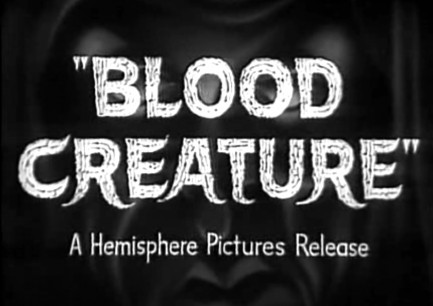 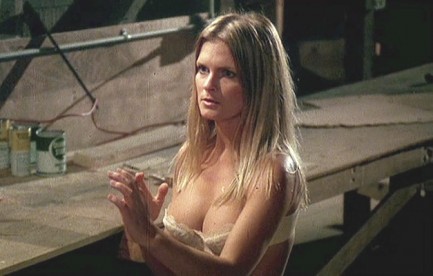 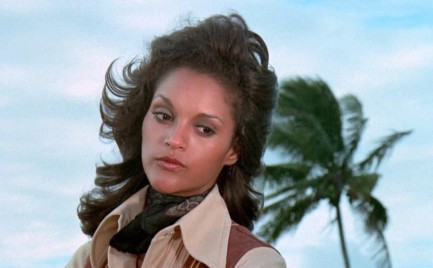 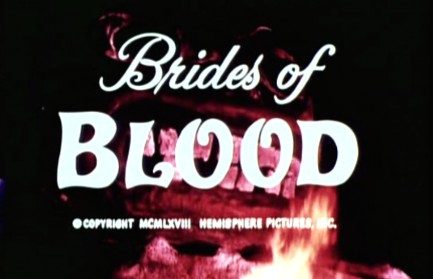 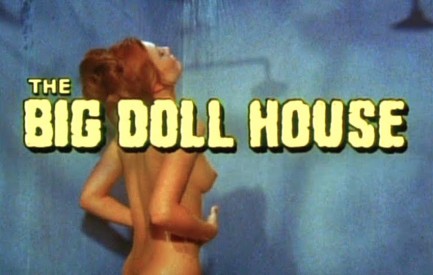 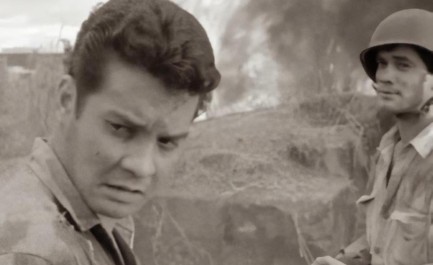 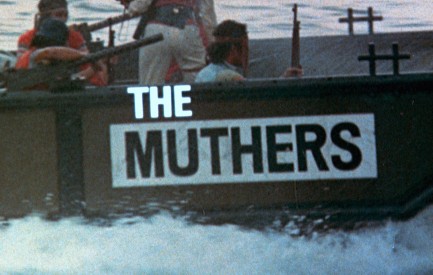 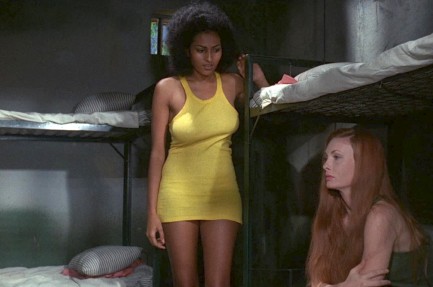 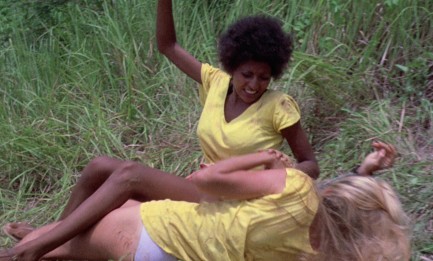 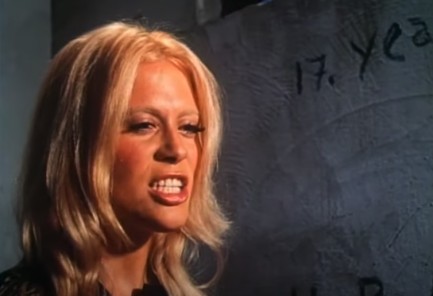 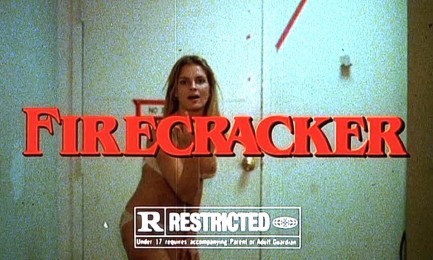 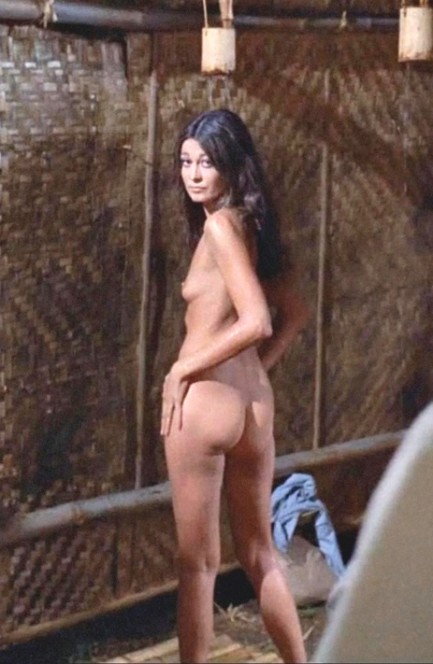 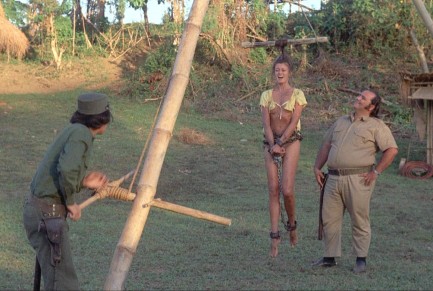 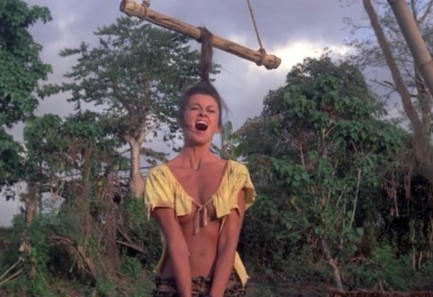 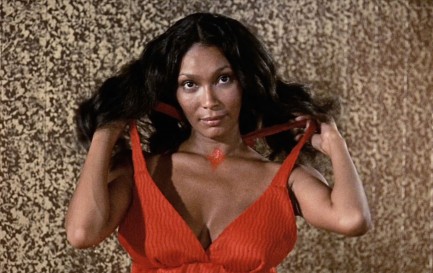 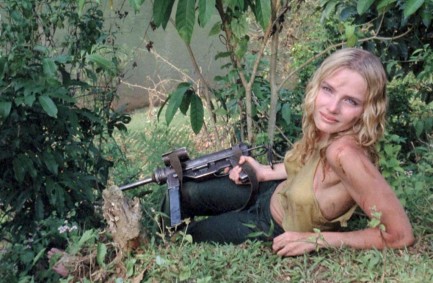 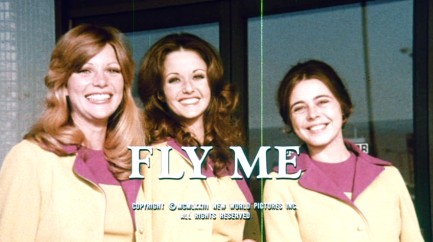 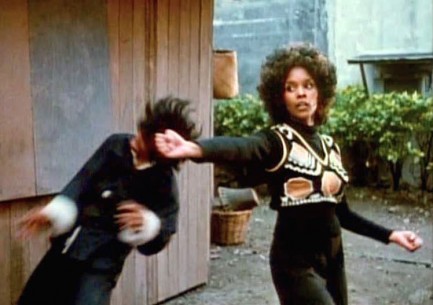 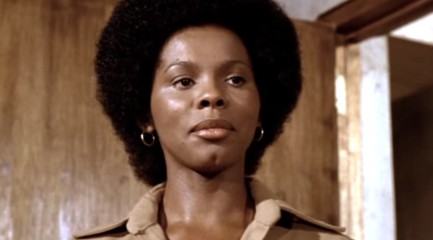 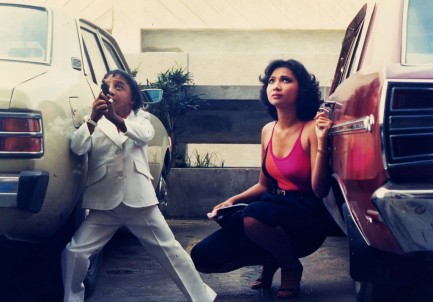 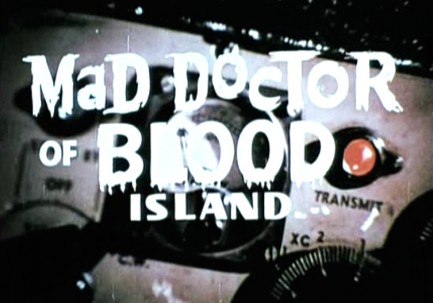 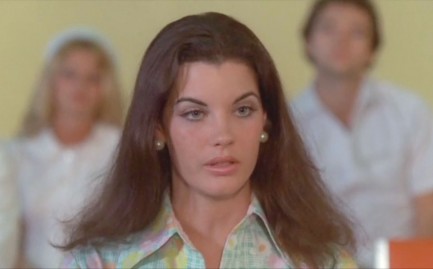 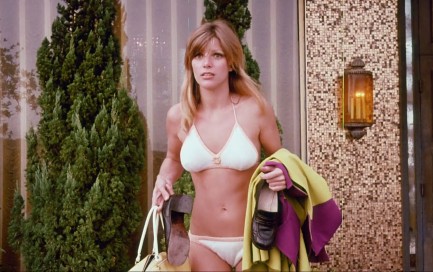 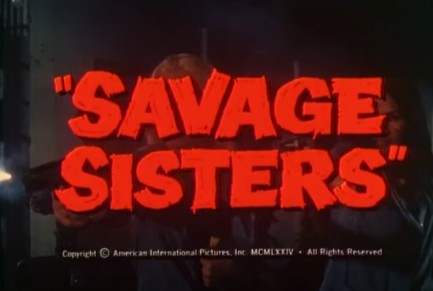 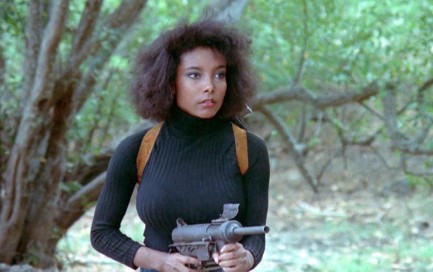 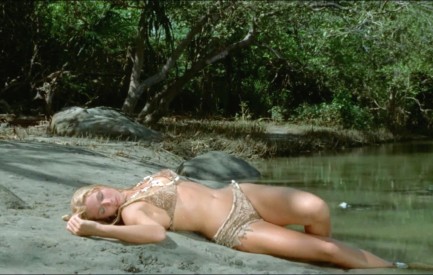 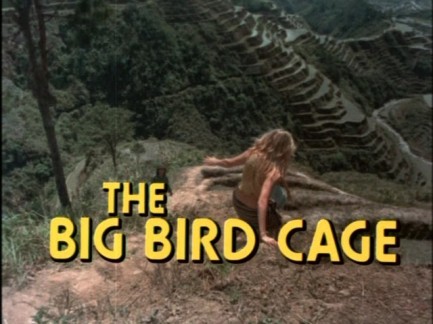 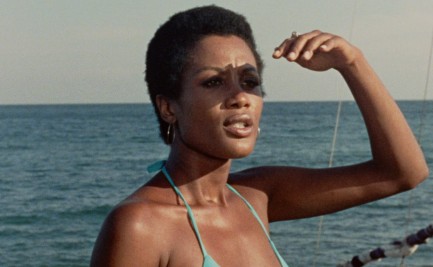 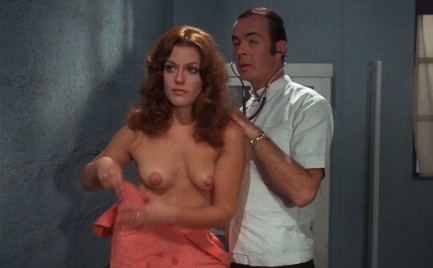 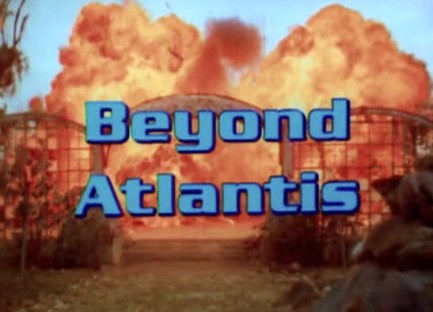 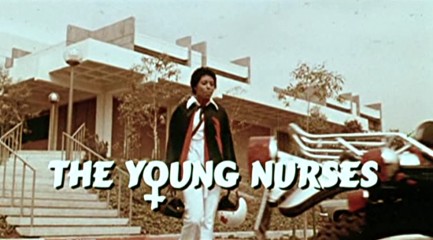 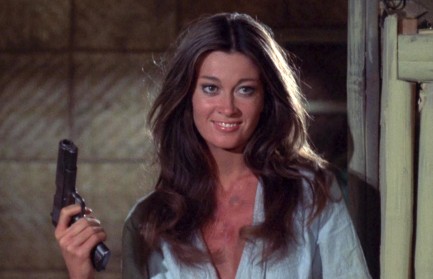
 It's a woman's prerogative to change her backdrop. 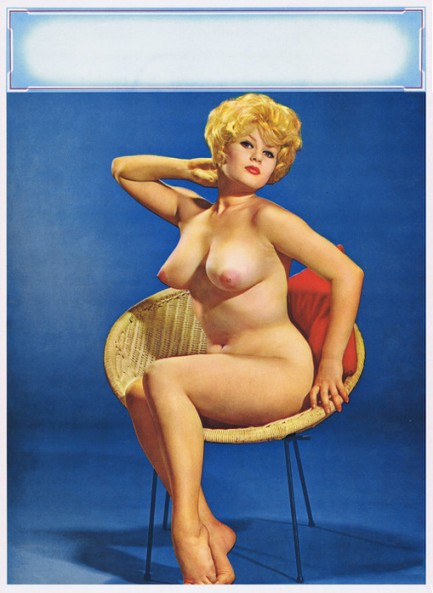 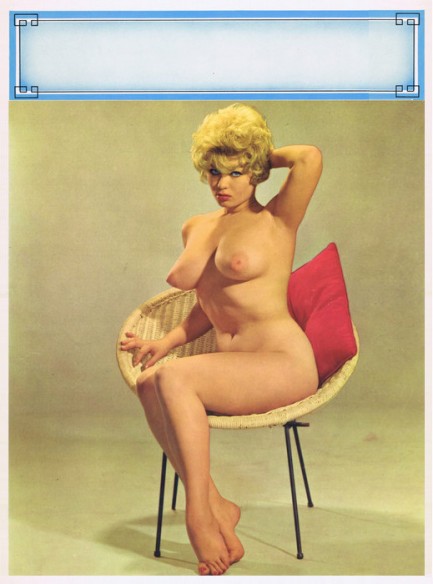
Above are two Technicolor lithos of popular model Terry Higgins, who we also saw years ago in the Goodtime Weekly Calendar of 1963. You've noticed that these two shots are from the same session, but that the background color has miraculously changed. That was common with pin-up lithographs. We suspect they did it in pre-press, rather than in the photography studio with lighting, but either way it's a neat trick. Higgins made appearances on the covers of men's magazines such as Adam (U.S.A.), Candid, Tip Top, Folies de Paris et de Hollywood, and many others. She also starred in some nudie loops and had an uncredited appearance in 1963's The Nutty Professor. The above shots are by famed lensman Ron Vogel, and date from around 1960.
 They mix just fine as far as she's concerned. 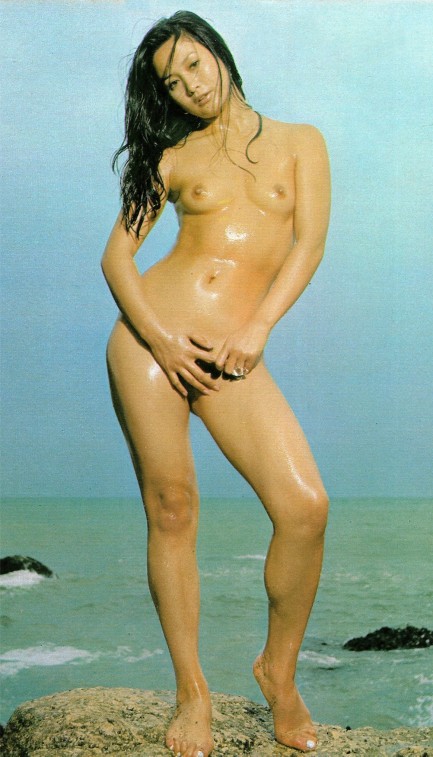
As summer and the endless possibilities of that time of year approach, a person's thoughts turn naturally to— Oh, screw it. Let's not intellectualize it. It's basically always summer where we live, so who are we bullshitting anyway? We just like nude images. Here's an excellent example featuring one of our favorite actresses, Hitomi Kozue, star of Sukeban Deka: Dirty Mary, New True Story of a Woman Condemned to Hell, Confessions of a Female Secretary: Juice from the Fruit, and other worthy efforts, and who, like Pam Grier, Christina Lindberg, Reiko Ike, and other centerpieces of obscure ’70s b-movies, we're determined to document in her entirety. This image came from a 1974 issue of Heibon Punch and it's part of a series, the amazing remainder of which we'll show you later. Teaser: they're even slipperier.

|
 |

The headlines that mattered yesteryear.
1986—Otto Preminger Dies
Austro–Hungarian film director Otto Preminger, who directed such eternal classics as Laura, Anatomy of a Murder, Carmen Jones, The Man with the Golden Arm, and Stalag 17, and for his efforts earned a star on Hollywood's Walk of Fame, dies in New York City, aged 80, from cancer and Alzheimer's disease. 1998—James Earl Ray Dies
The convicted assassin of American civil rights leader Martin Luther King, Jr., petty criminal James Earl Ray, dies in prison of hepatitis aged 70, protesting his innocence as he had for decades. Members of the King family who supported Ray's fight to clear his name believed the U.S. Government had been involved in Dr. King's killing, but with Ray's death such questions became moot. 1912—Pravda Is Founded
The newspaper Pravda, or Truth, known as the voice of the Communist Party of the Soviet Union, begins publication in Saint Petersburg. It is one of the country's leading newspapers until 1991, when it is closed down by decree of then-President Boris Yeltsin. A number of other Pravdas appear afterward, including an internet site and a tabloid. 1983—Hitler's Diaries Found
The German magazine Der Stern claims that Adolf Hitler's diaries had been found in wreckage in East Germany. The magazine had paid 10 million German marks for the sixty small books, plus a volume about Rudolf Hess's flight to the United Kingdom, covering the period from 1932 to 1945. But the diaries are subsequently revealed to be fakes written by Konrad Kujau, a notorious Stuttgart forger. Both he and Stern journalist Gerd Heidemann go to trial in 1985 and are each sentenced to 42 months in prison. 1918—The Red Baron Is Shot Down
German WWI fighter ace Manfred von Richthofen, better known as The Red Baron, sustains a fatal wound while flying over Vaux sur Somme in France. Von Richthofen, shot through the heart, manages a hasty emergency landing before dying in the cockpit of his plane. His last word, according to one witness, is "Kaputt." The Red Baron was the most successful flying ace during the war, having shot down at least 80 enemy airplanes. 1964—Satellite Spreads Radioactivity
An American-made Transit satellite, which had been designed to track submarines, fails to reach orbit after launch and disperses its highly radioactive two pound plutonium power source over a wide area as it breaks up re-entering the atmosphere.
|

|
|
It's easy. We have an uploader that makes it a snap. Use it to submit your art, text, header, and subhead. Your post can be funny, serious, or anything in between, as long as it's vintage pulp. You'll get a byline and experience the fleeting pride of free authorship. We'll edit your post for typos, but the rest is up to you. Click here to give us your best shot.
|
|

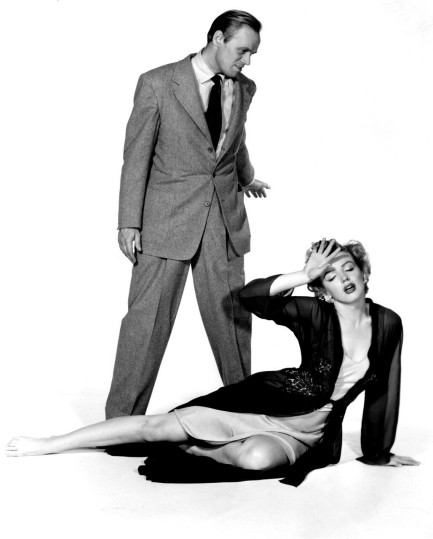 Marilyn Monroe swoons as Richard Widmark snarls for Don't Bother To Knock, 1952.