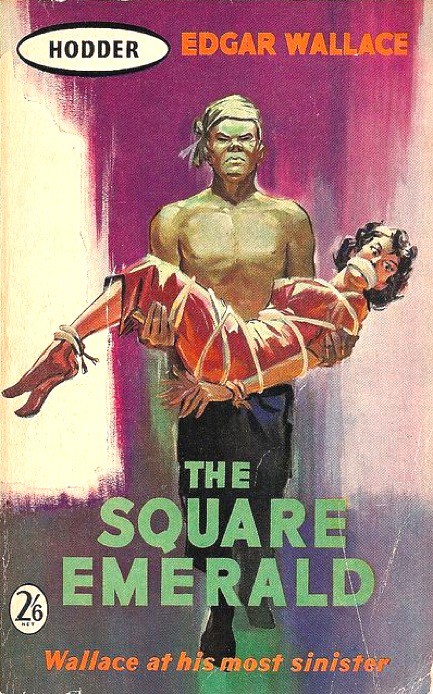
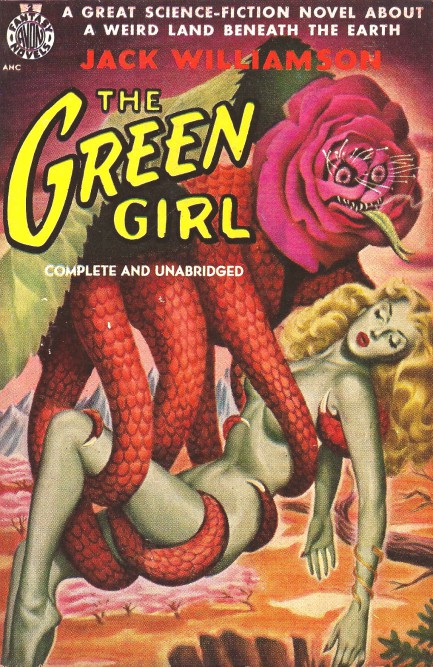
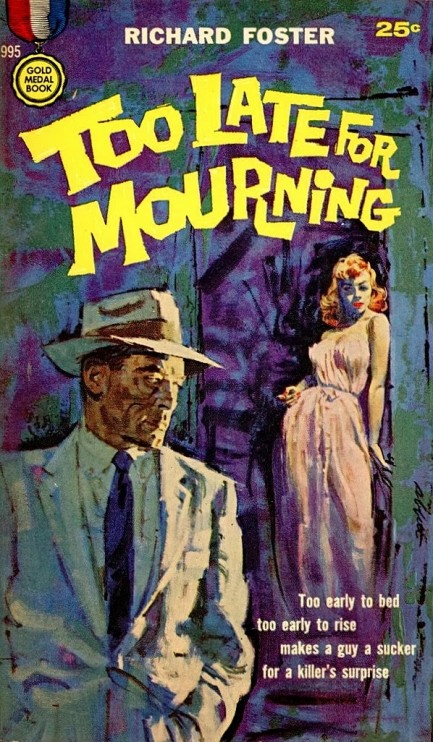
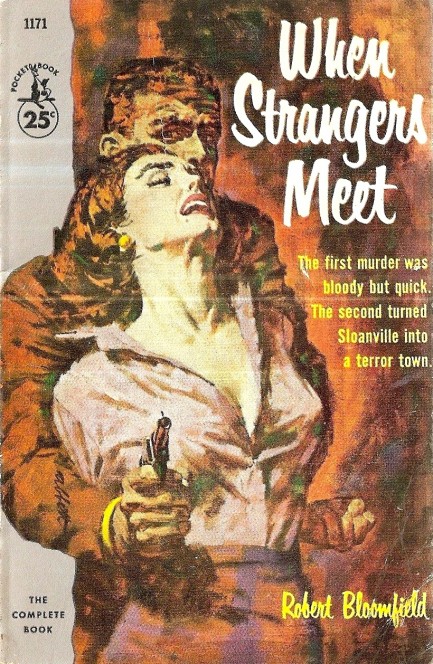
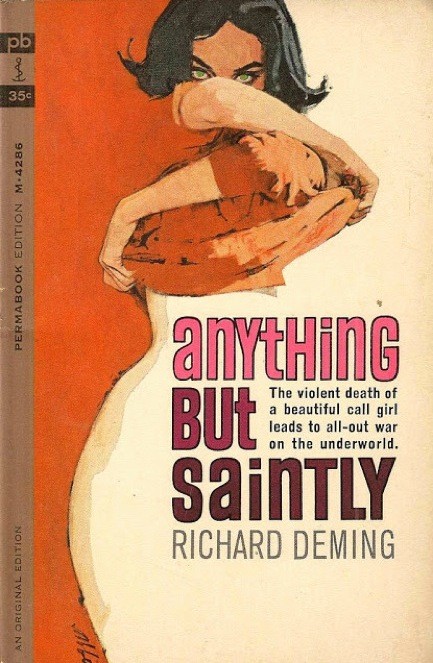
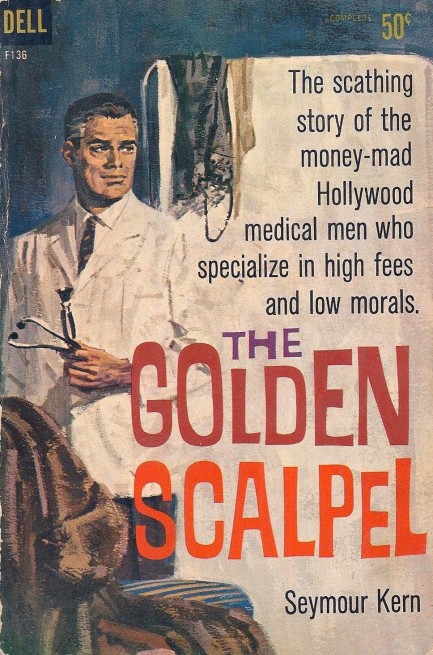
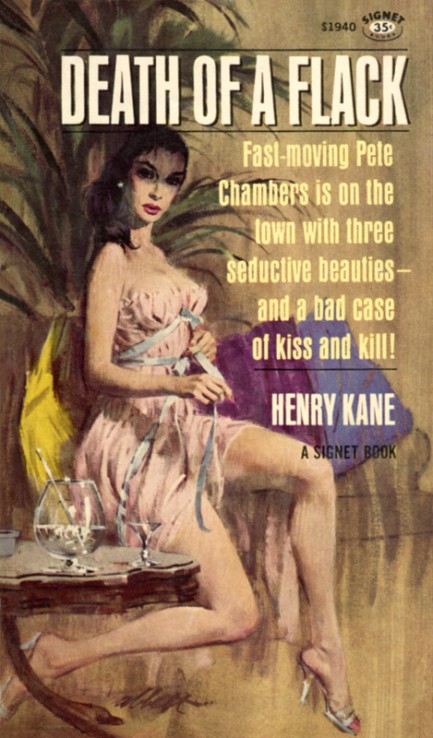
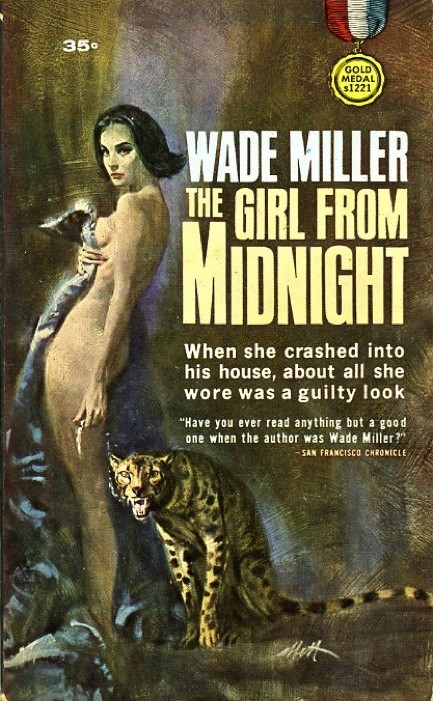
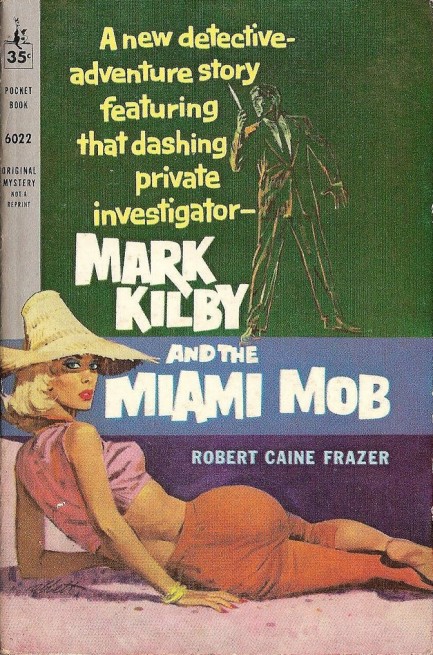
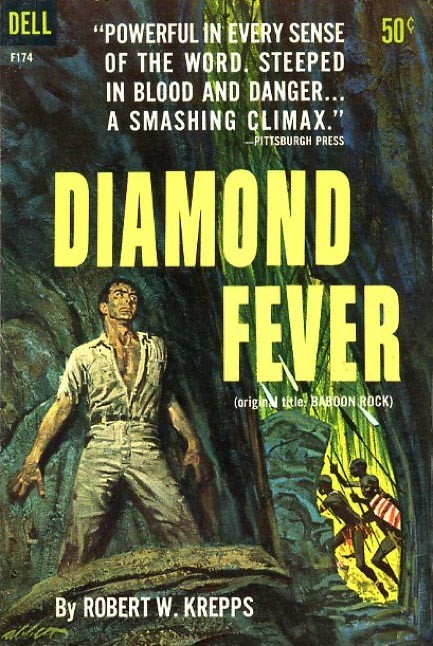
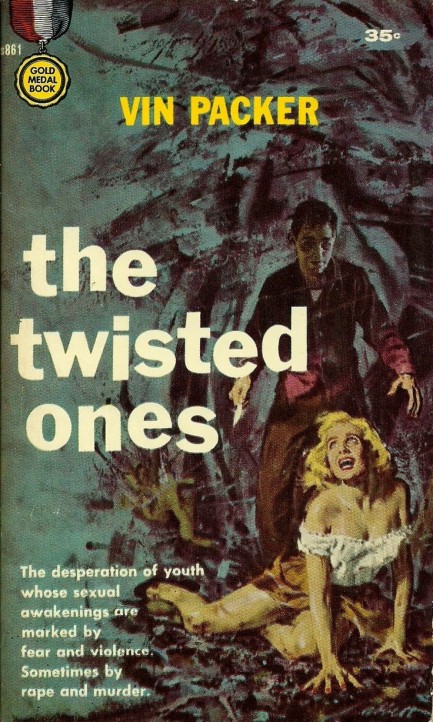
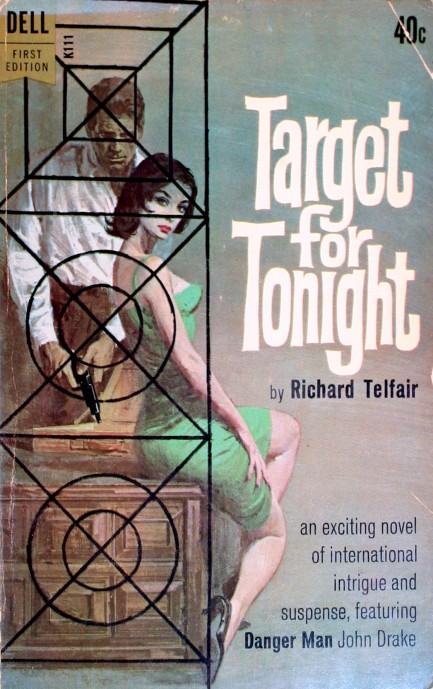
For a fulfilling killing nothing beats a blade. 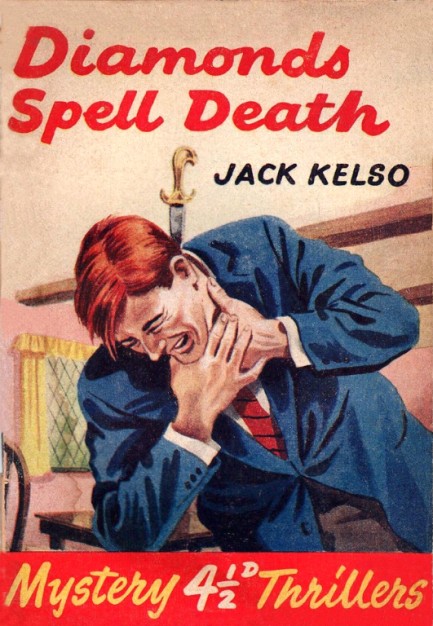
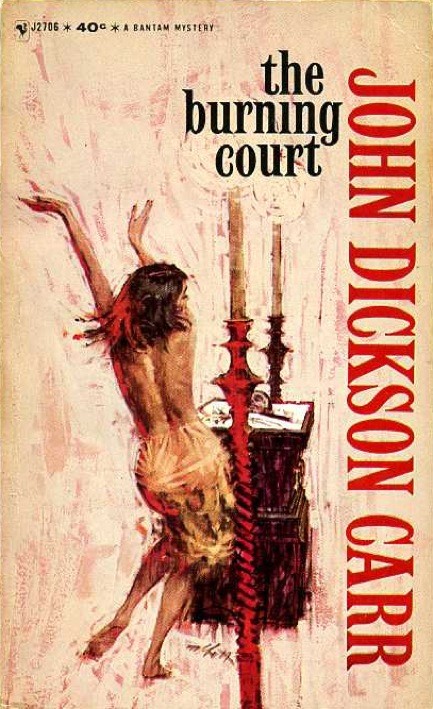
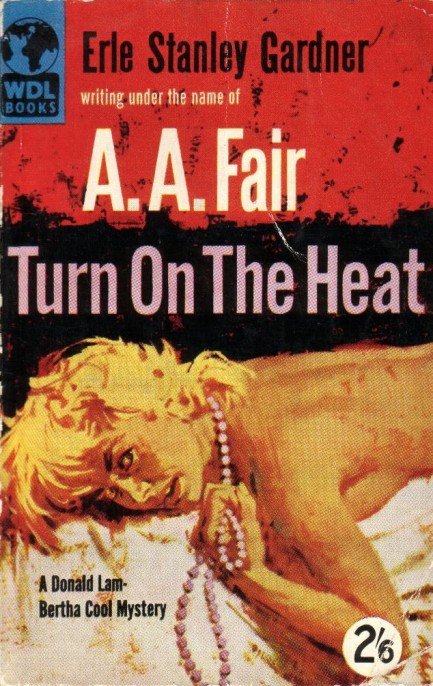
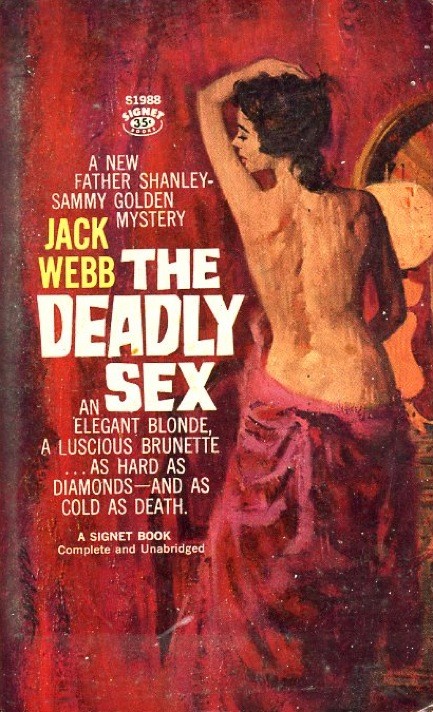
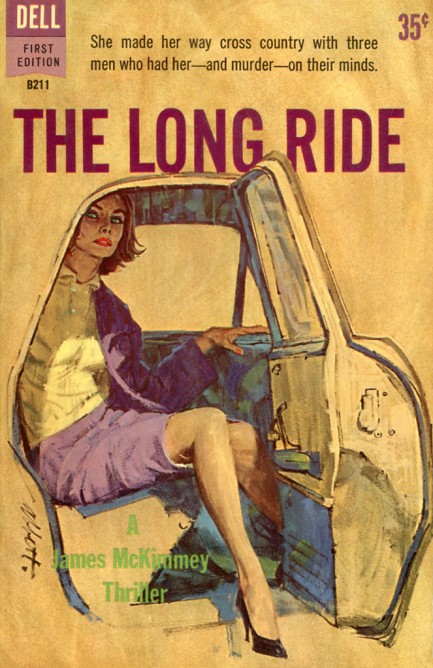
Today we have for your pleasure a collection of vintage paperback covers featuring characters on both the giving and receiving ends of knives—or knifelike tools such as icepicks. Above you see Harry Bennett art of a poor fella getting a knife from nowhere. Maybe Damocles did it. It's a funny cover because we don't think we'd grab our throats if we got stabbed in the spine, but let's hope we never find out. Below, in addition to numerous U.S. and British offerings, you'll see covers from France, Italy, Spain, and the Netherlands. There are many, many paperback fronts featuring knives—we mean hundreds—but we decided to stop ourselves at thirty-two today. These do not represent the best (as if we could decide something like that), or our favorites, but merely some interesting ones we've come across of late. If you're super interested in this particular motif we have plenty more examples in the archives. They'd be hard to find, because we don't keyword for knives, so here are some links to get you there: 1, 2, 3, 4, 5, 6, 7, 8. 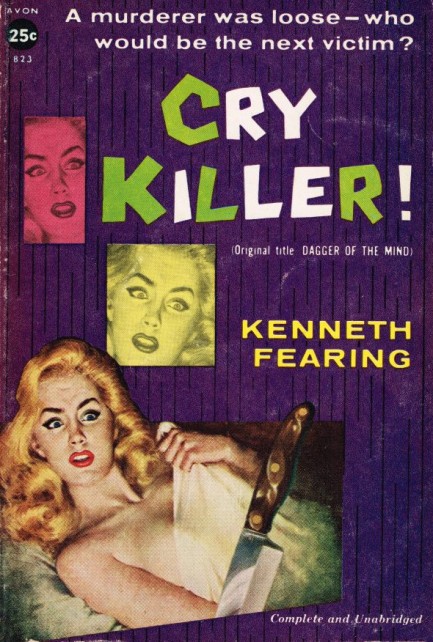 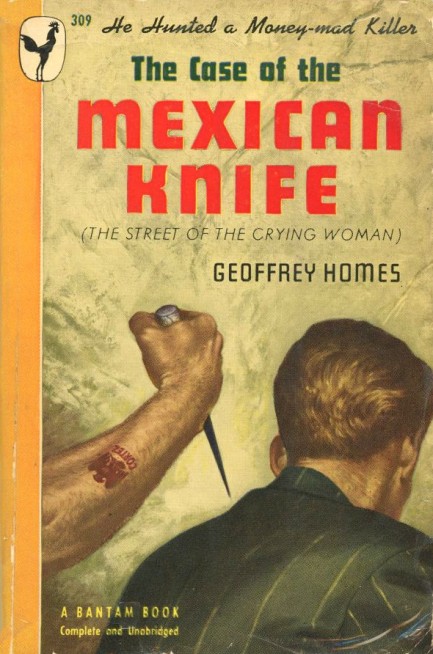 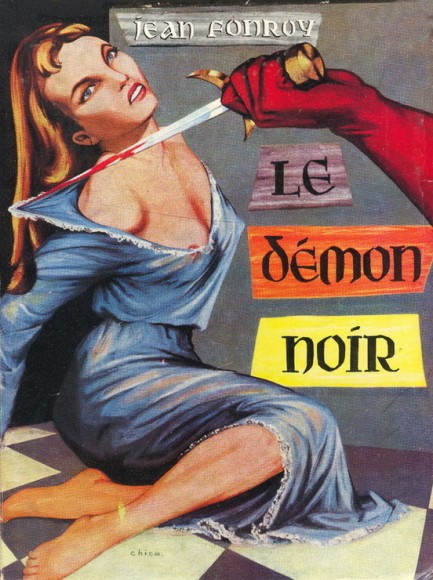 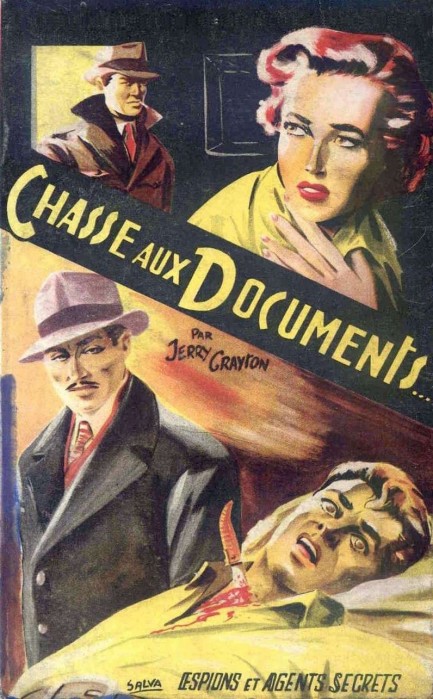 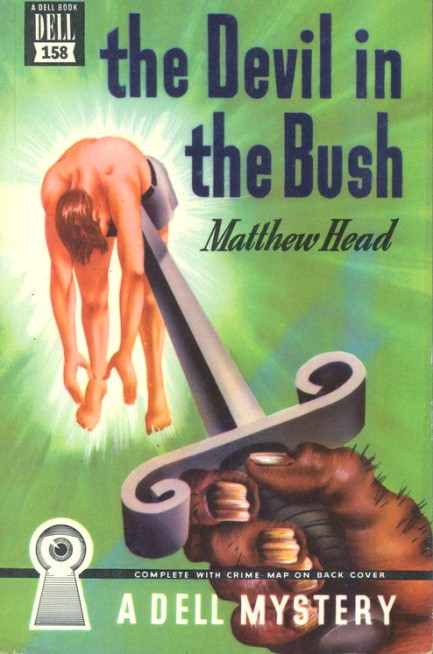 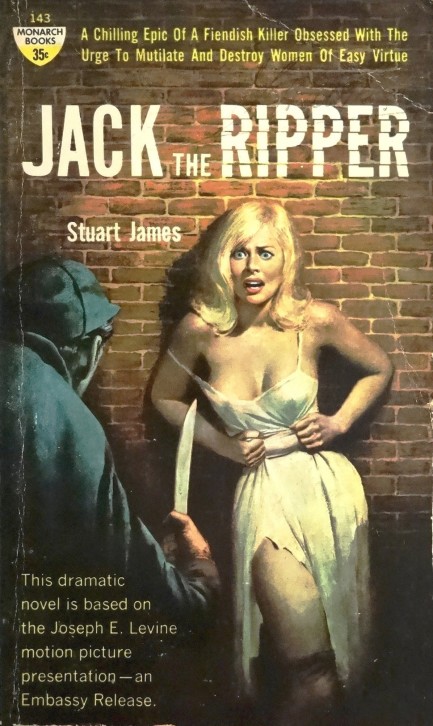 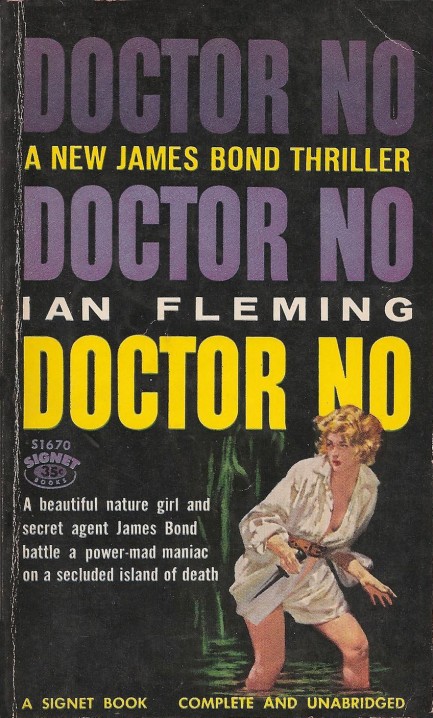 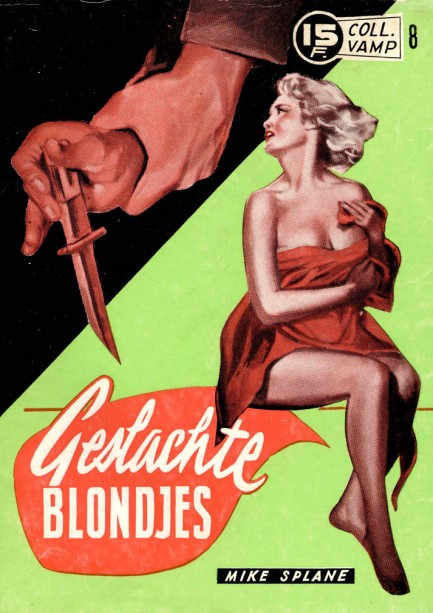 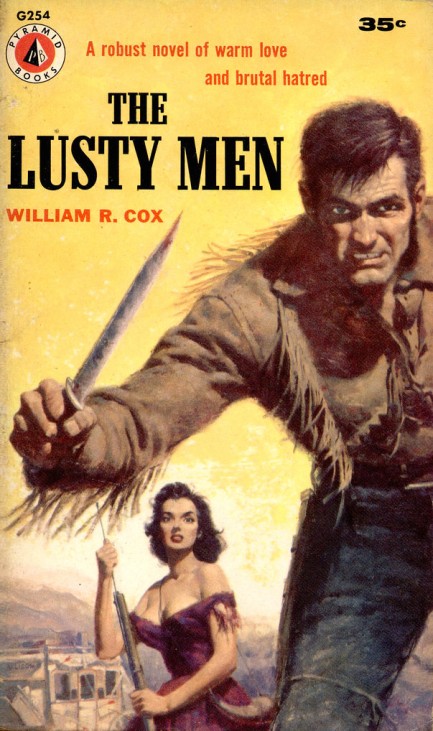 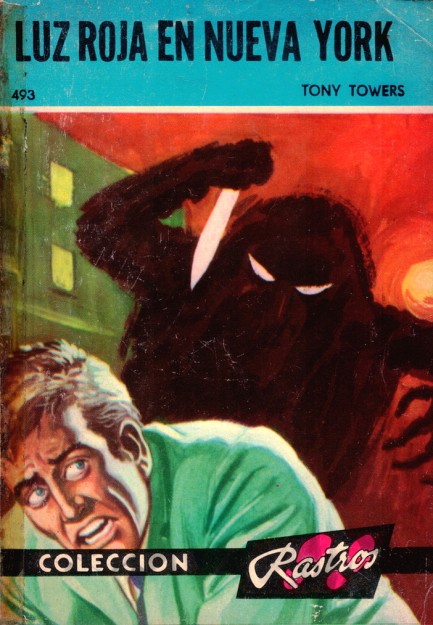 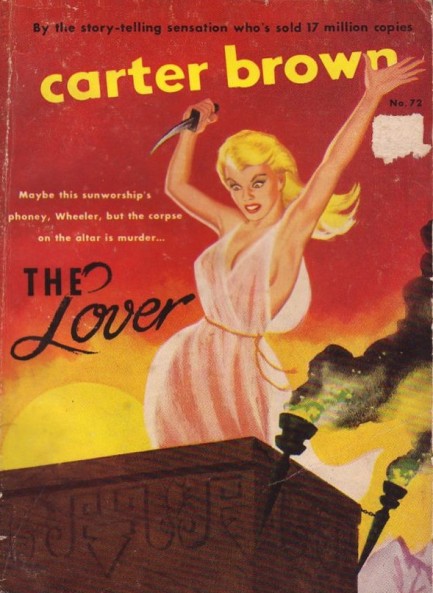 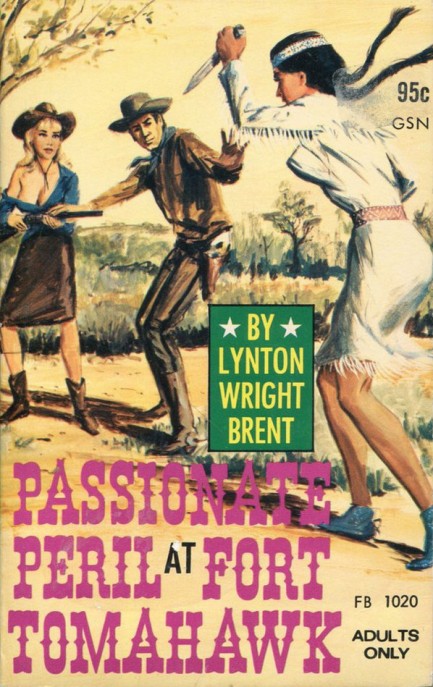 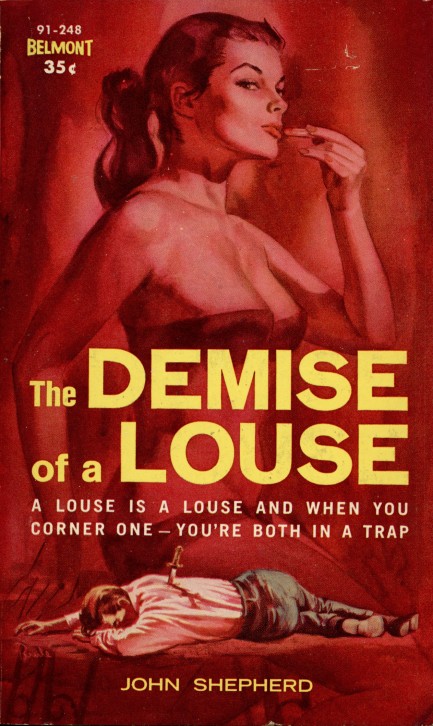 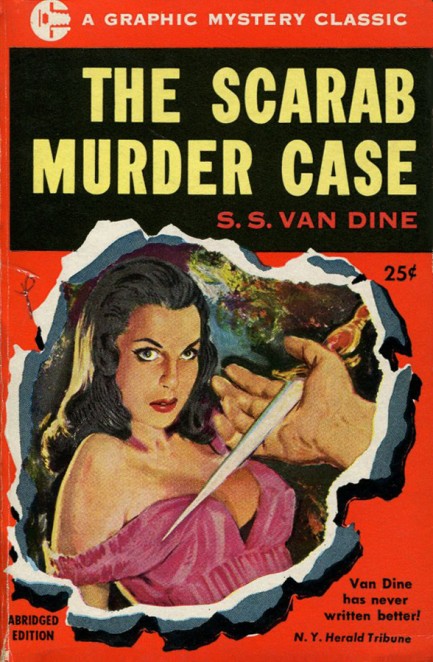 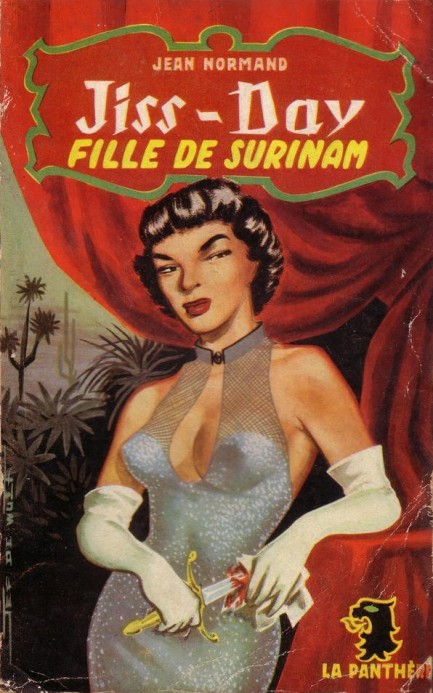 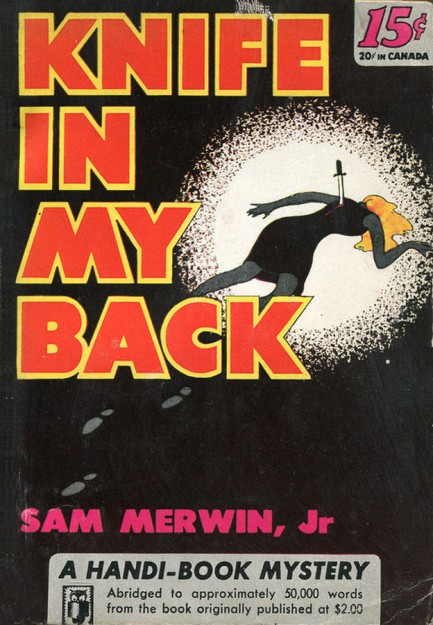 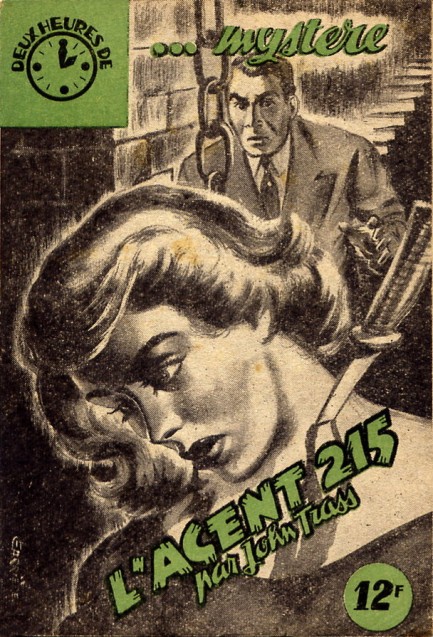 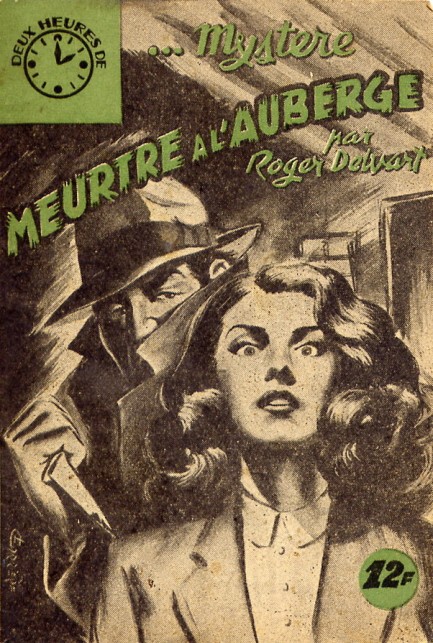 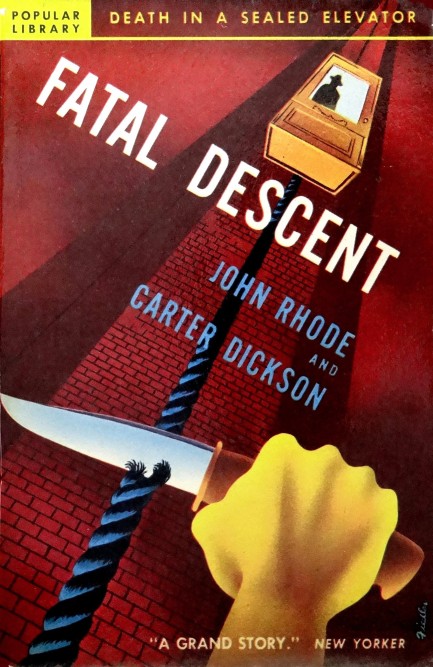 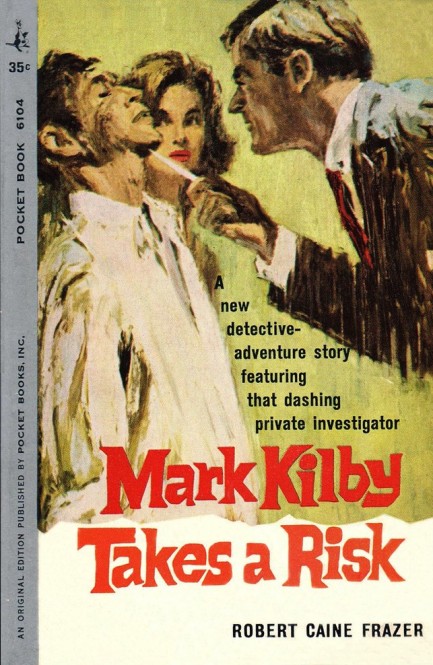 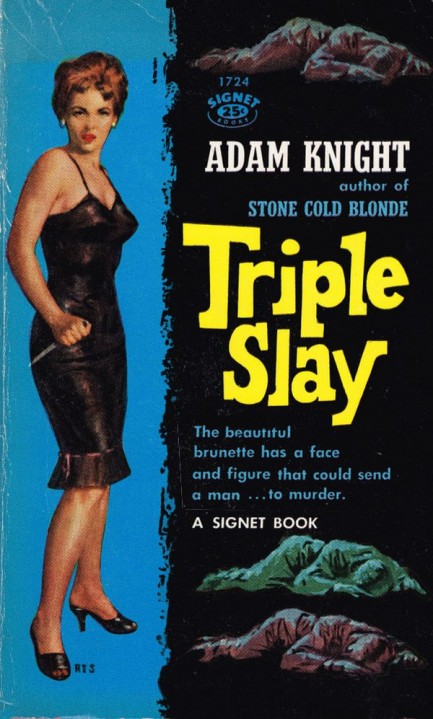 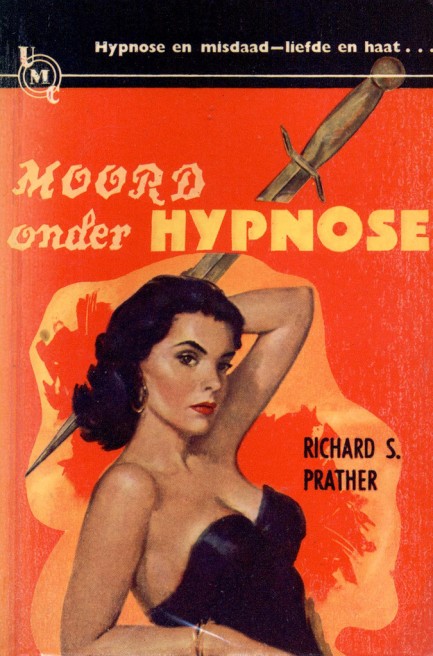 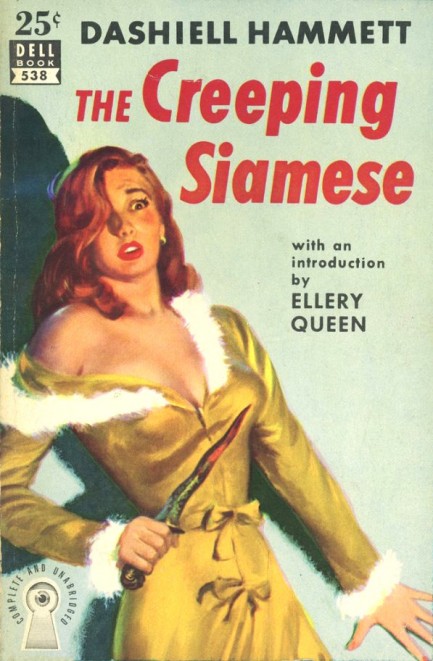 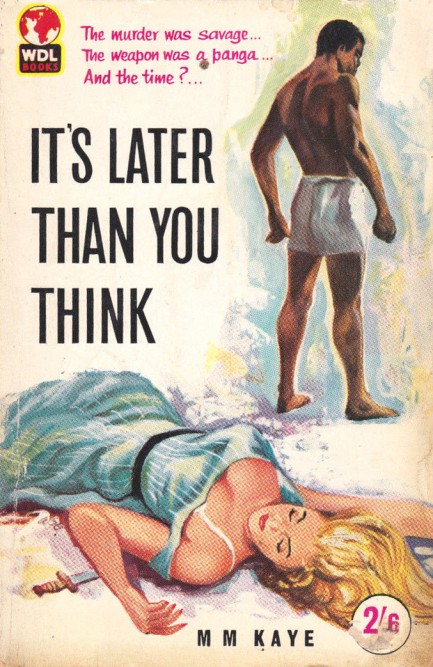 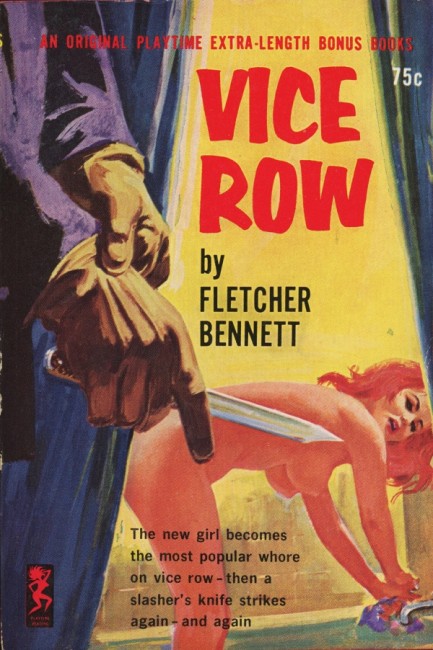  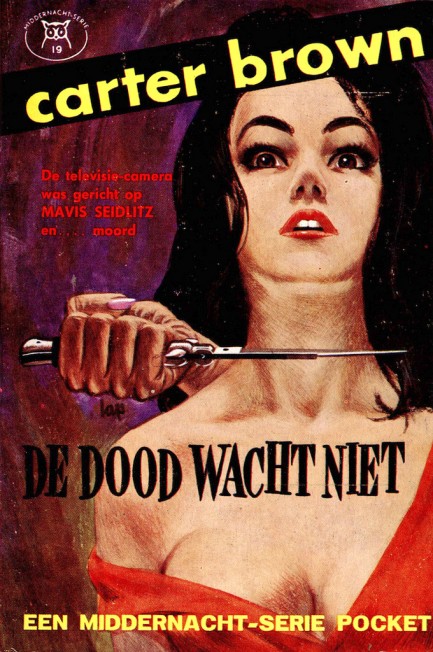 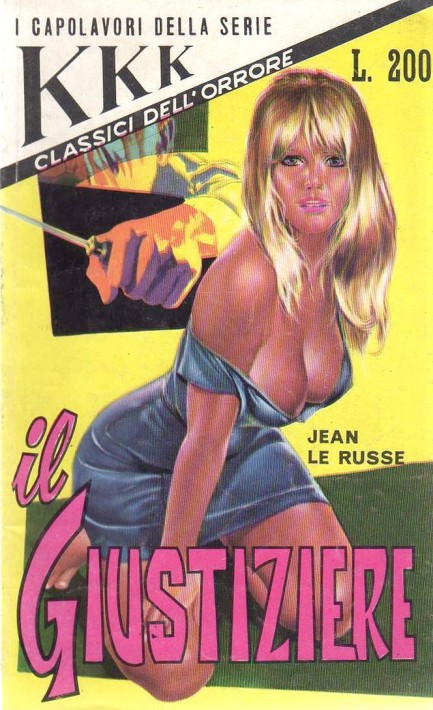 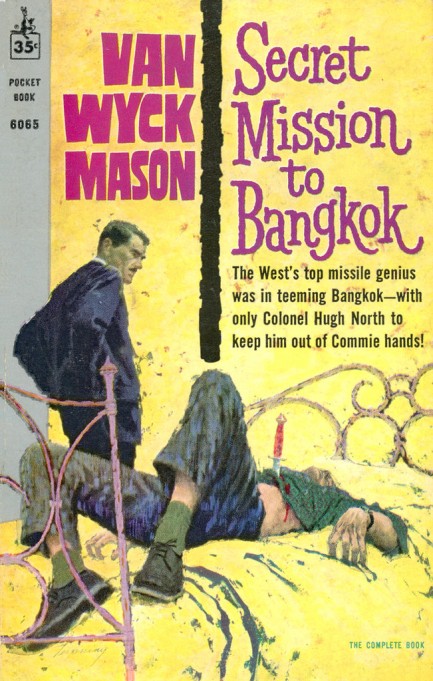 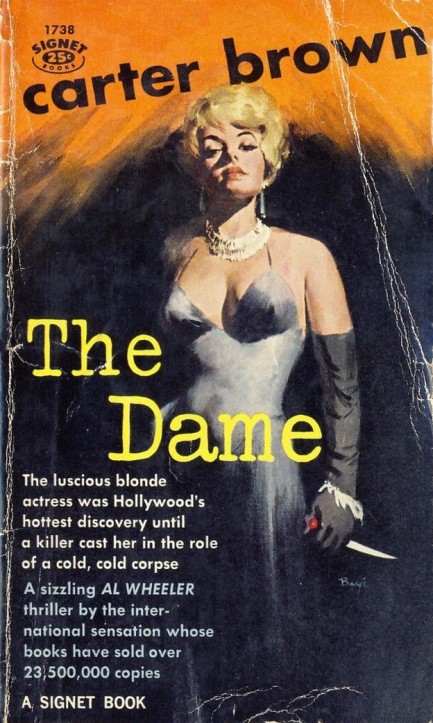 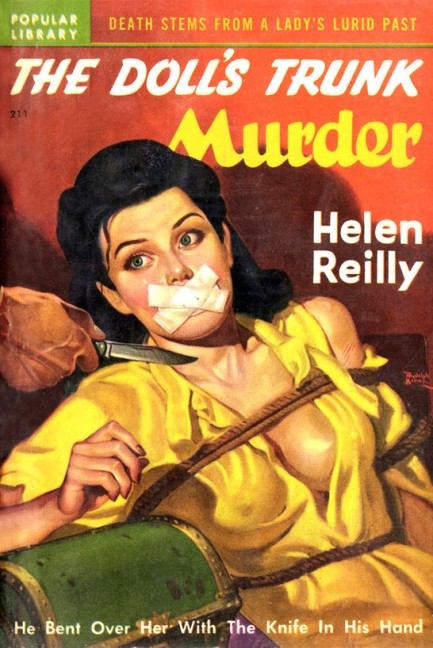
 There's an actual iron maiden down here. Looking at it, I admit it's an unduly harsh thing to call you when I'm angry. 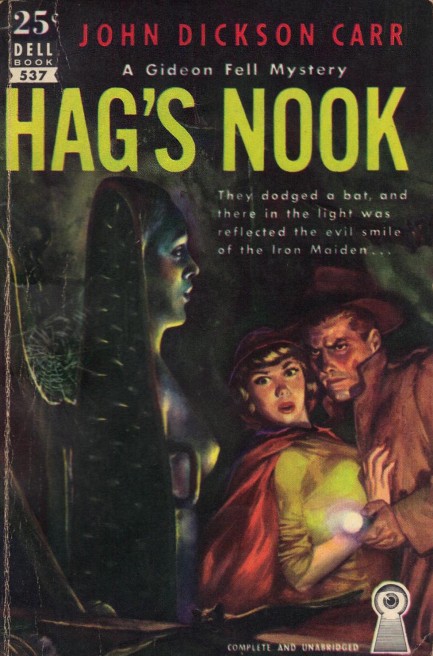
As you know by now, we're often drawn to books by the covers, and John Dickson Carr's Hag's Nook attracted us because of the instantly recognizable art by Robert Stanley. Well, you can't win them all. This is a gothic mystery featuring Dr. Gideon Fell, who would appear in more than twenty other novels. Fell is unique in crime lit. He's obese and gets around on two canes—which is actually a pretty good description of the book's plot. Carr would go on to become a legendary writer of golden age mysteries, so we don't doubt for a moment that he penned numerous excellent tales, but this early effort—1933 originally, with this Dell edition appearing in 1951—didn't get it done for us. What did get it done for us, though, is the dungeon feel of Stanley's cover art. He's one of the good ones. We remember the blog Pop Sensation once described his work as "rich and creamy," which was descriptively on the nose, we think. Check for yourself here and here.
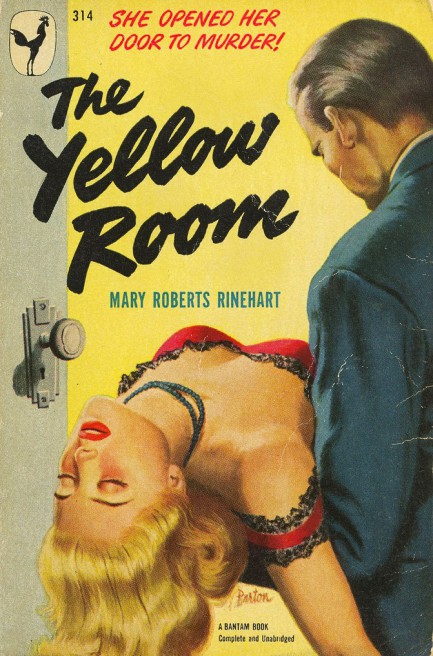
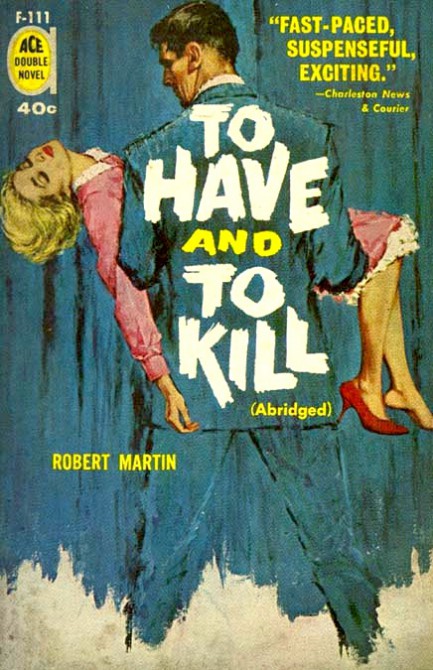
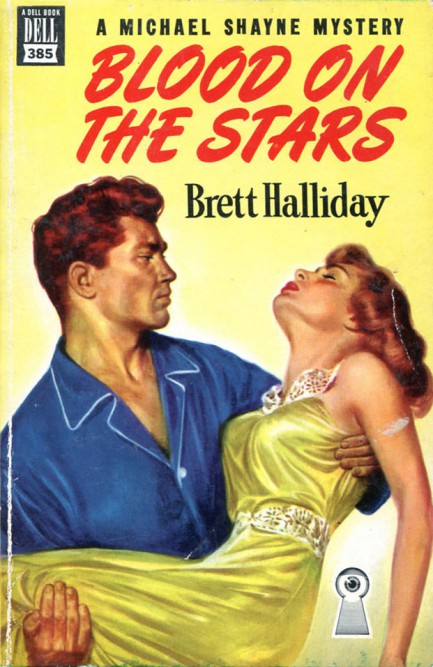
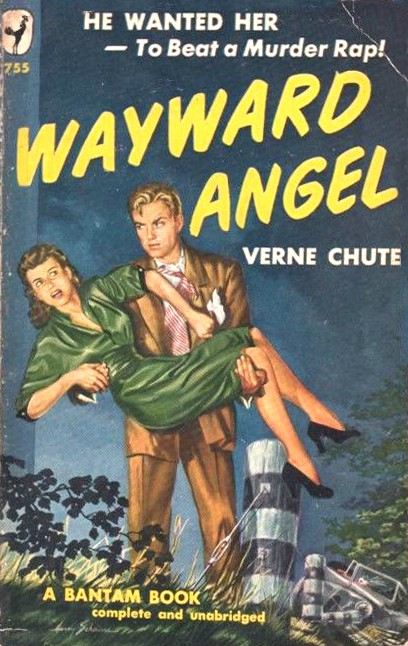
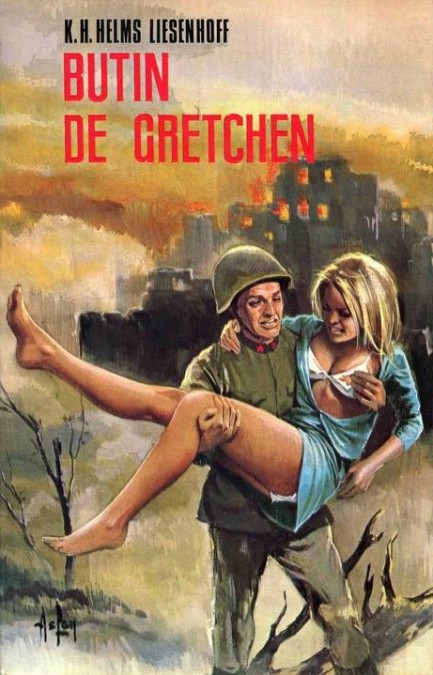
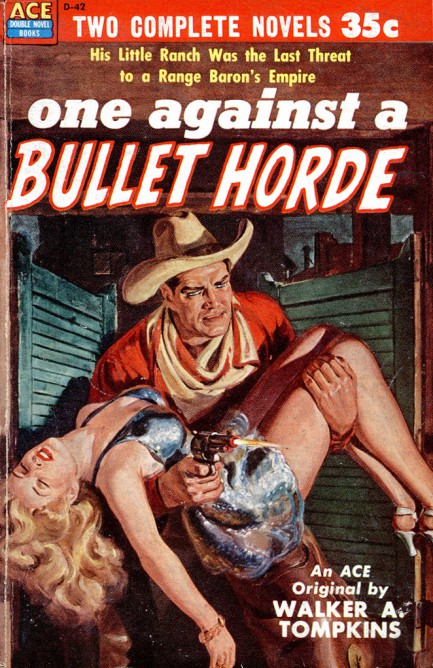
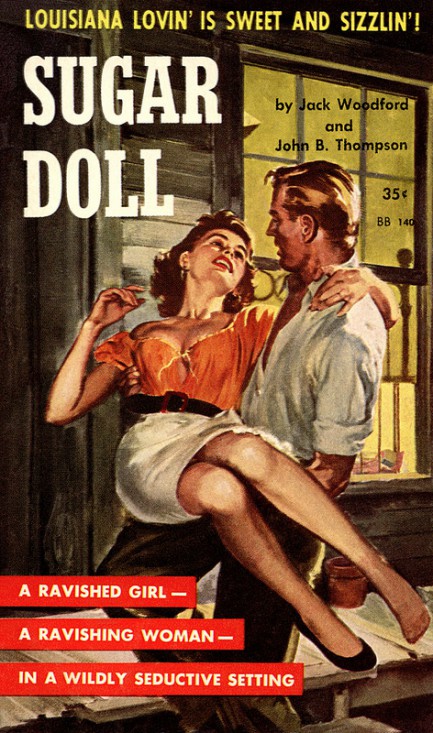
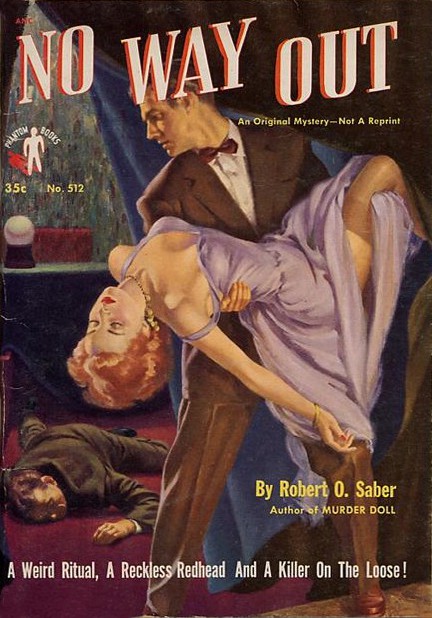
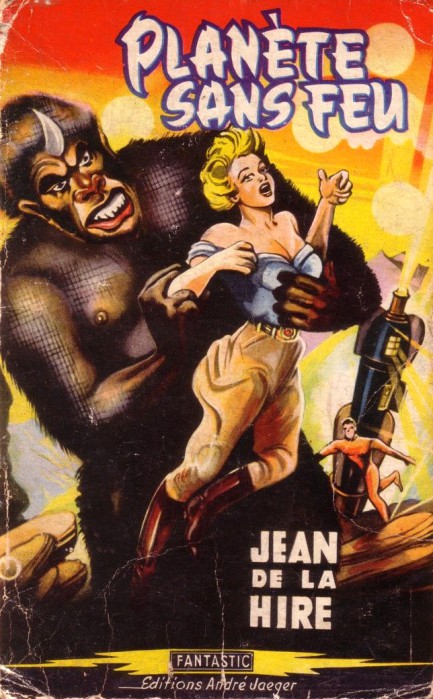
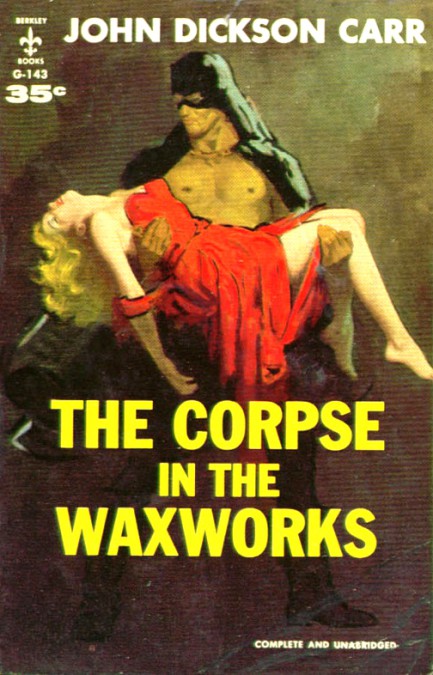
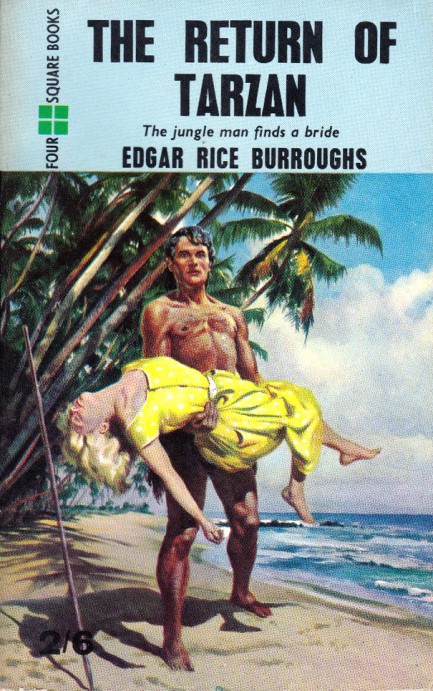
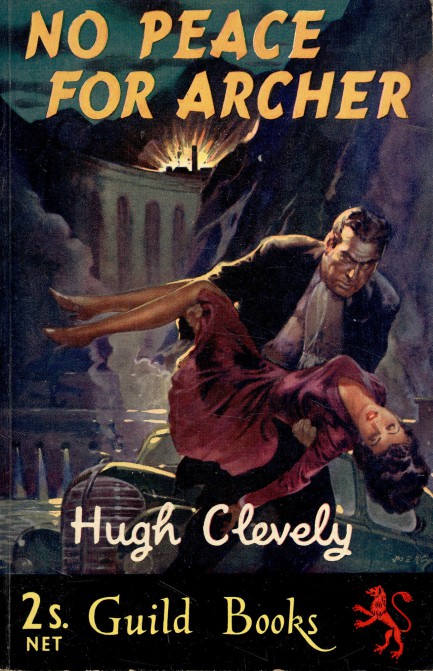
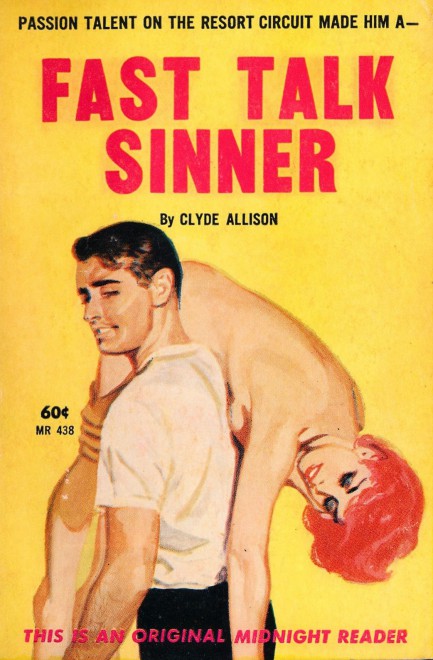
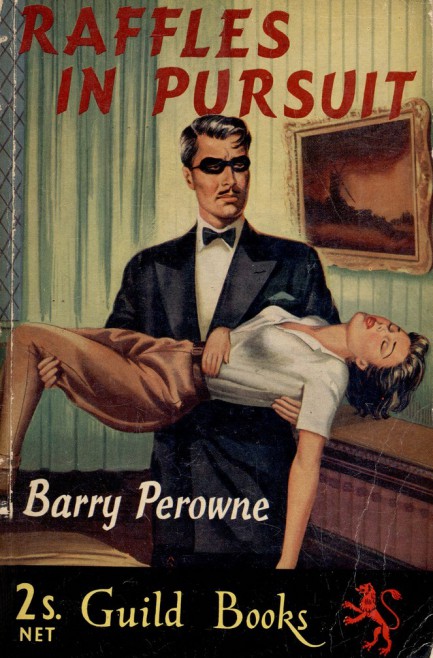
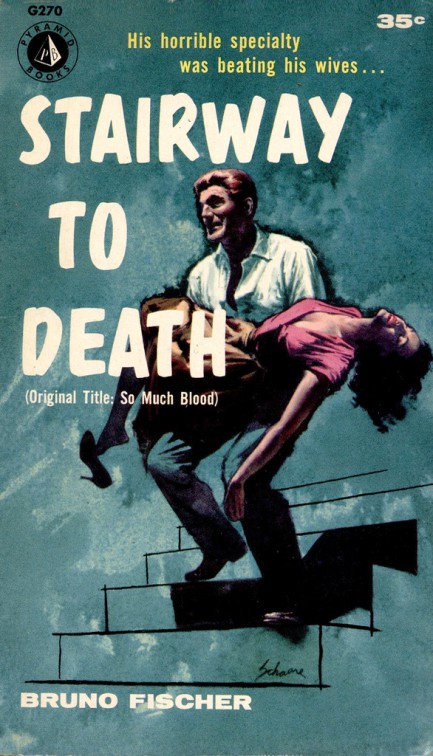
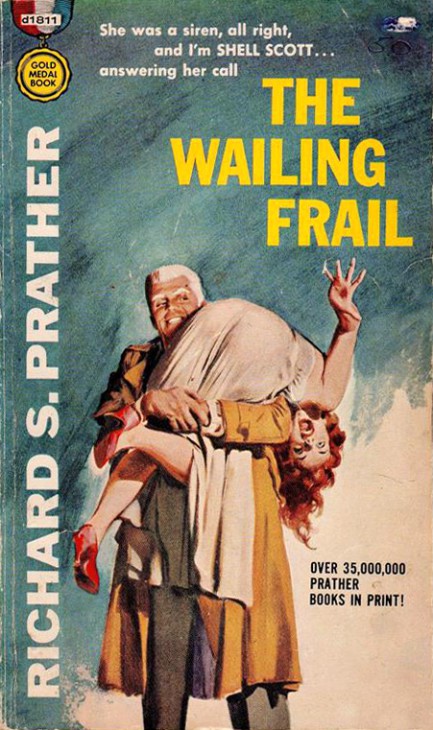
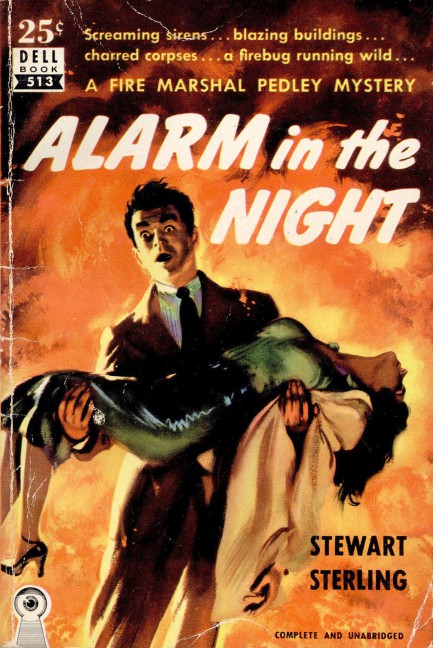
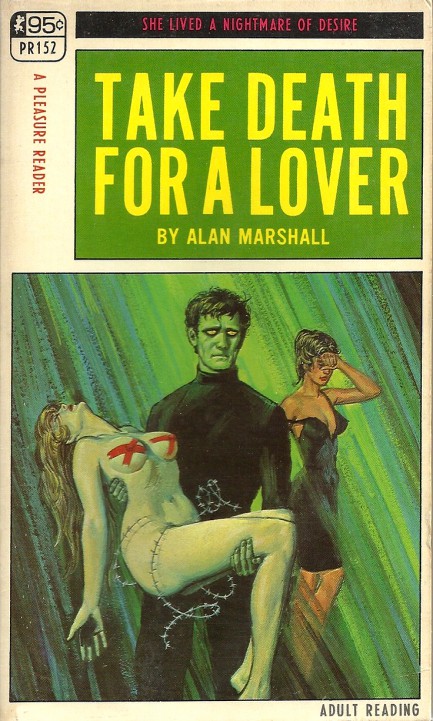
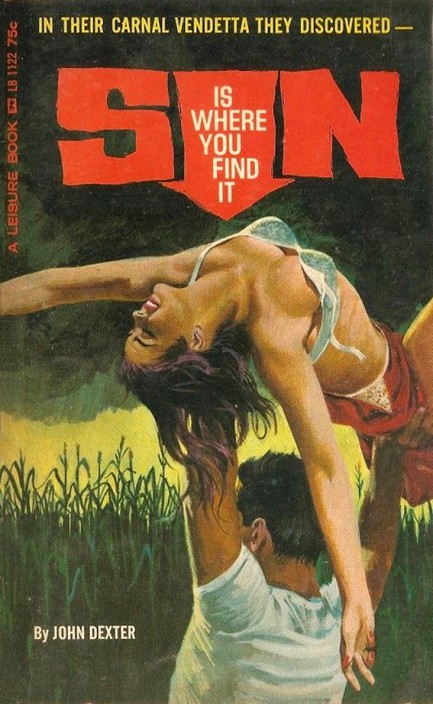
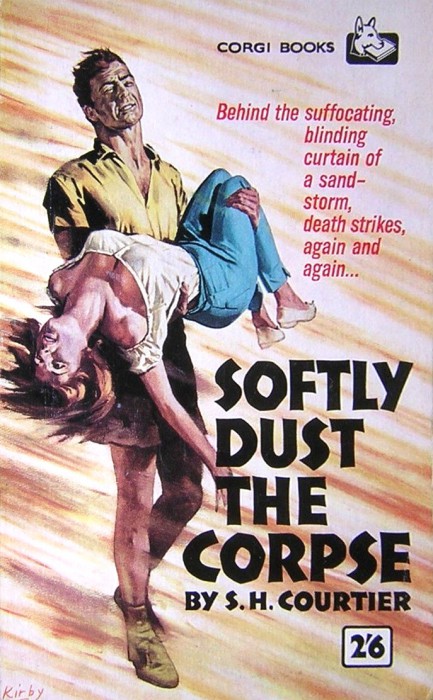
 For better or worse, in sickness and health, women in pulp don’t have a heck of a lot of choice about it. Pulp is a place where the men are decisive and the women are as light as feathers. We’ve gotten together a collection of paperback covers featuring women being spirited away to places unknown, usually unconscious, by men and things that are less than men. You have art from Harry Schaare, Saul Levine, Harry Barton, Alain Gourdon, aka Aslan, and others.
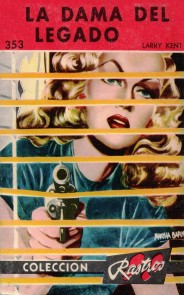
 Pull the blinds and turn out the lights. 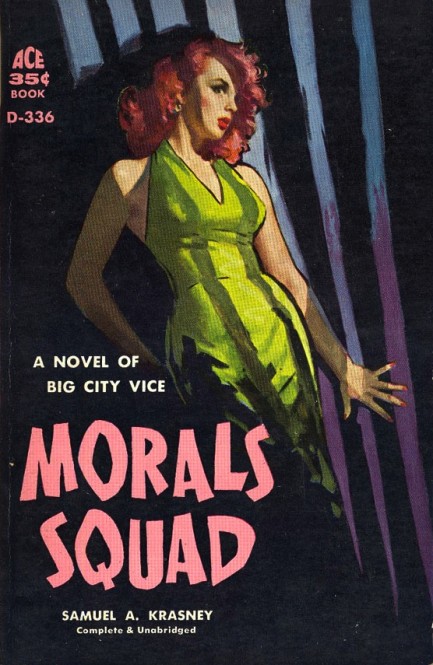
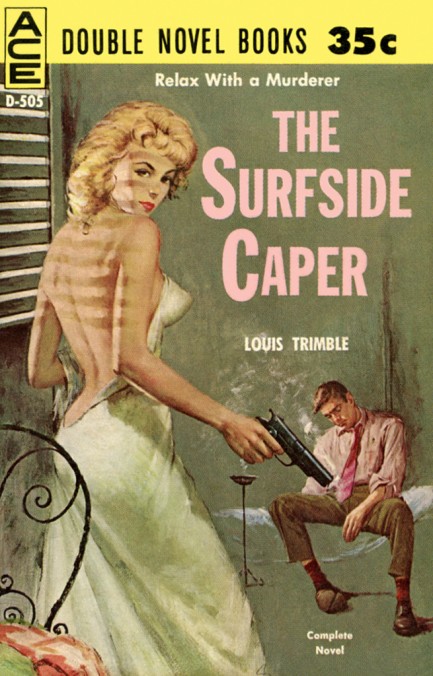
We’ve explored several cover motifs in pulp art, and another we’ve grown to appreciate is the use of venetian blind shadows or silhouettes. Always a dramatic addition to a cover, we could probably compile fifty of these, at least, but here are twenty examples. The artists—Emilio Freix, Robert Maguire, James Hodges, and others—use them to greater and lesser degrees, and opt for both literal and stylized renderings. For instance, the above cover from Maguire shows vertical shadows, but the sense of venetian blinds remains. As always, thanks to all the original uploaders.
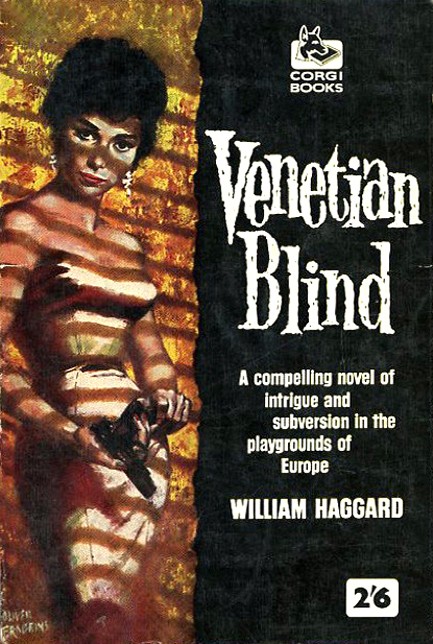 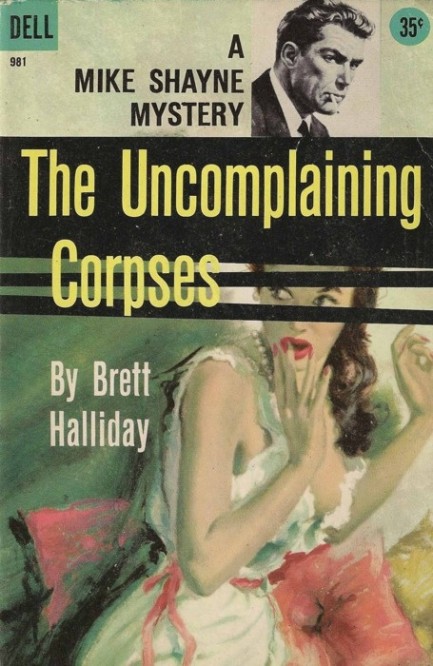 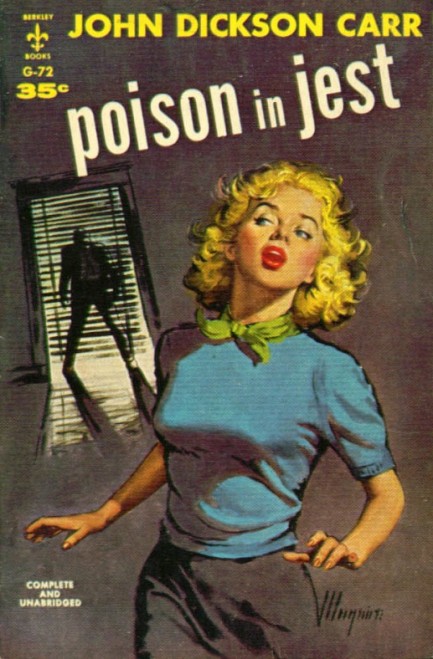 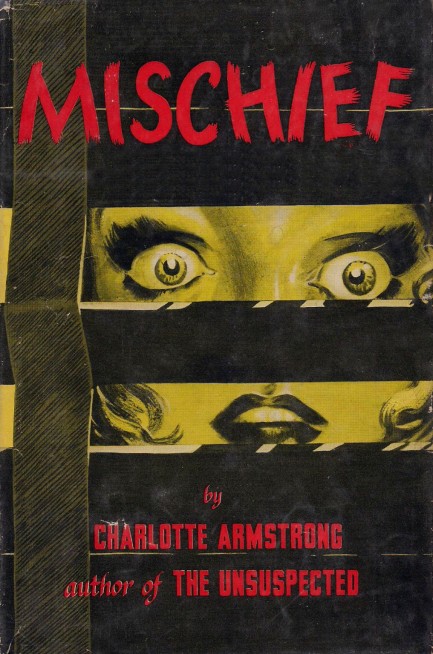 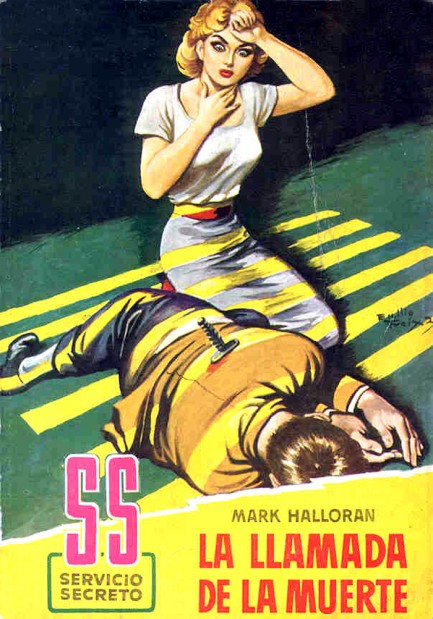 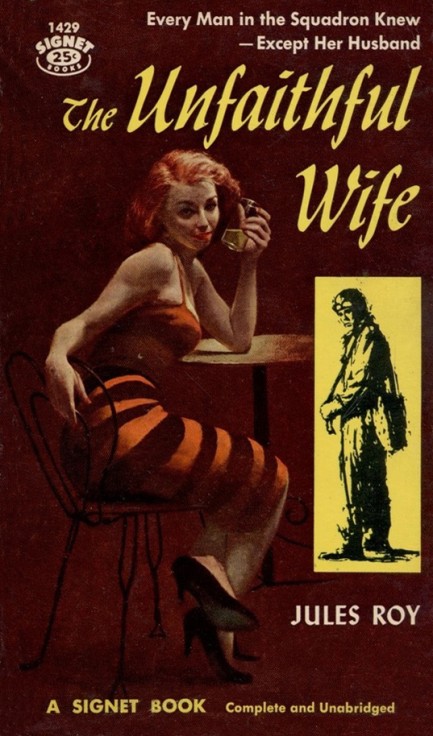 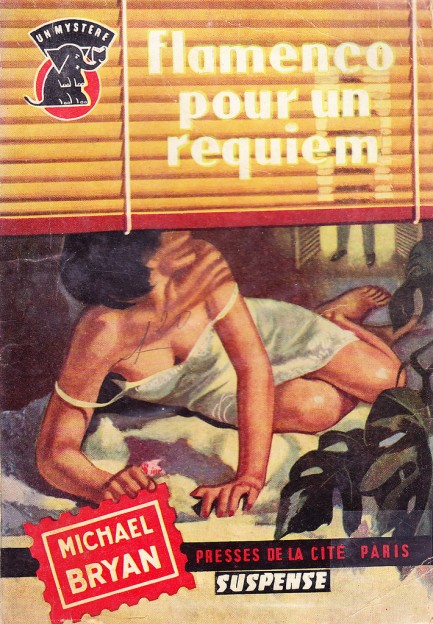 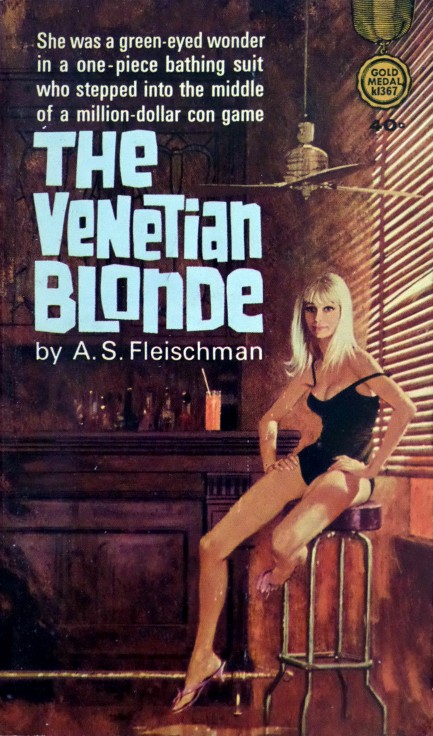 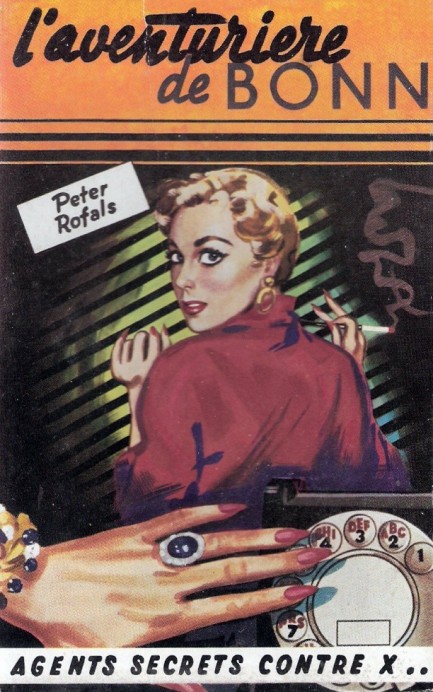     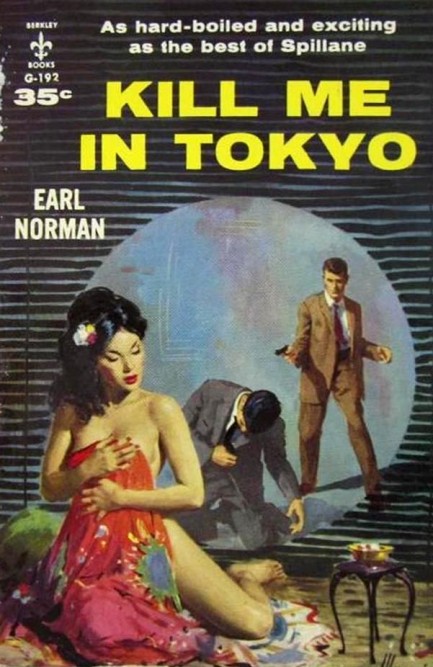 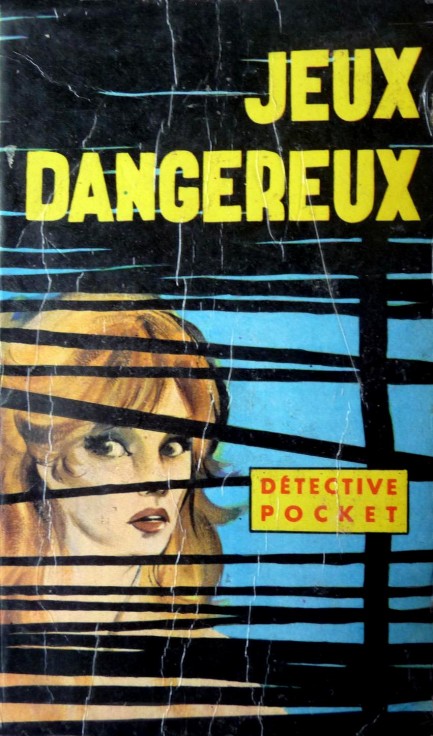 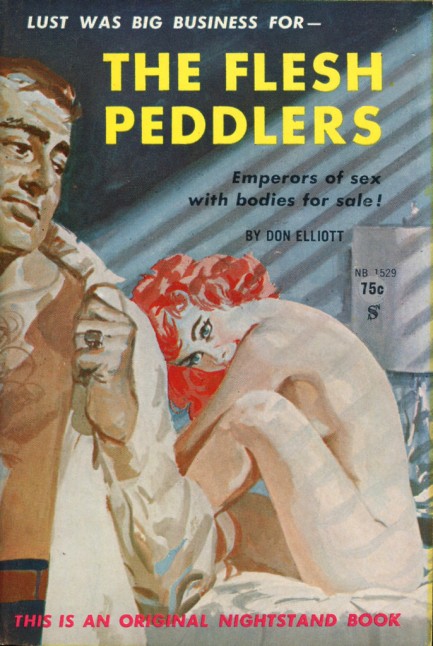 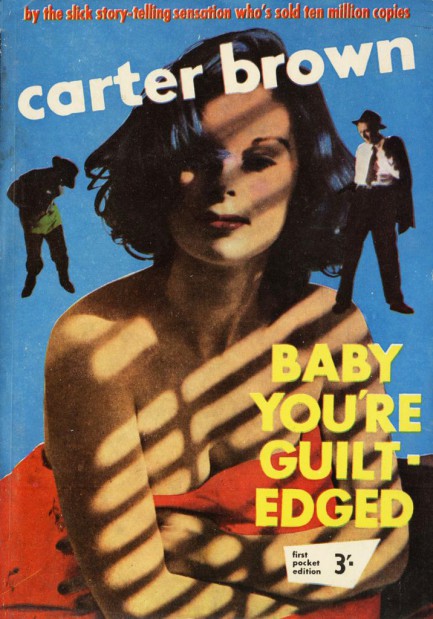 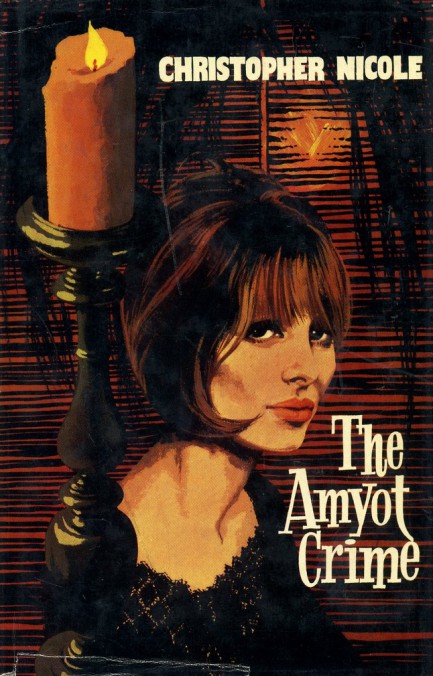 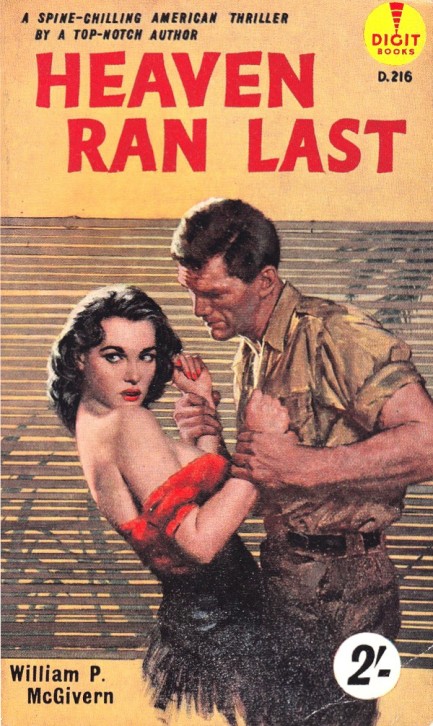
 As your decorator, I recommend putting the rug over there for a splash of color, and the clock over here to remind you that you’re basically just worm food. 
Carter Dickson was the pseudonym of John Dickson Carr, one of the most prolific authors of the pulp and post-pulp periods, as well as what is known as the Golden Age of Detective Fiction. He published novels from 1930 to 1972, and also wrote radio scripts and worked in television and movies. 1958’s The Skeleton in the Clock is not one of his most appreciated books, but we love the Robert Stanley cover art. By the way, there’s literally a skeleton grandfather clock in this book, which prompted us to wonder if such a thing existed in real life. After much searching, the answer is no, apparently, but we did remember there was a coffin clock with a skeleton inside in the midnight movie classic The Rocky Horror Picture Show. Time is fleeting indeed. 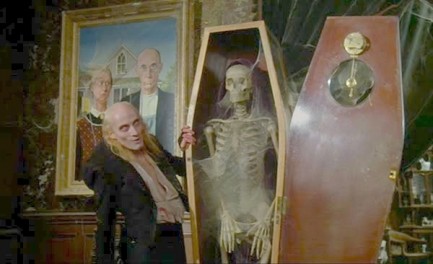
 Ottoman, Ottoman, Otto mighty mighty good man. 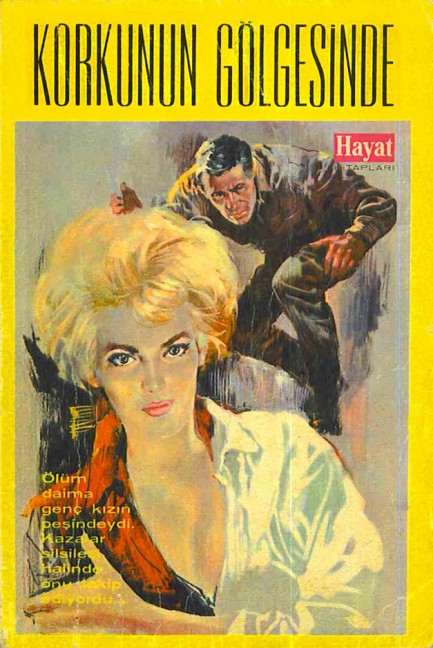 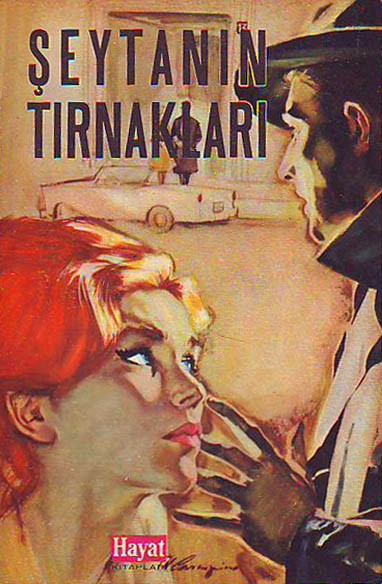 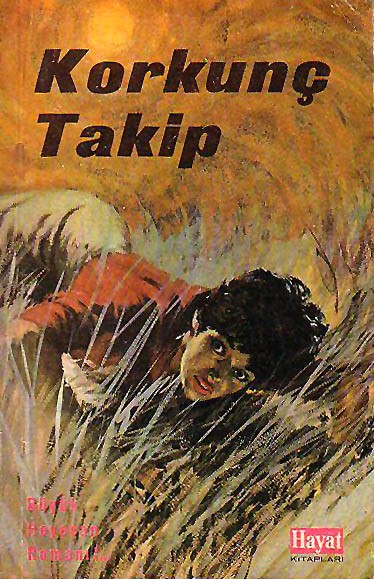  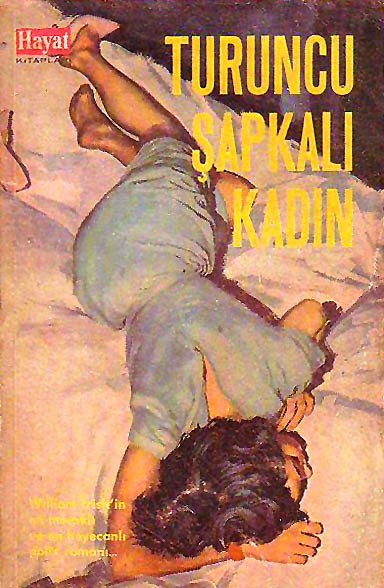 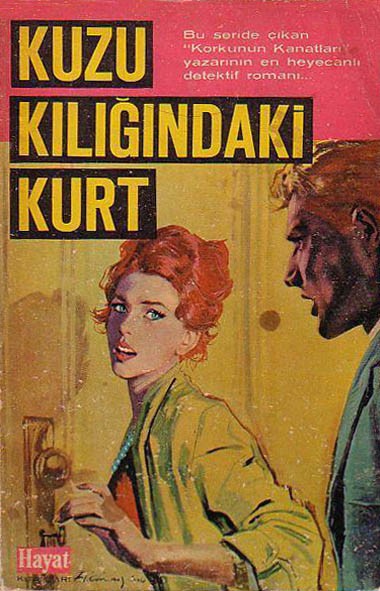    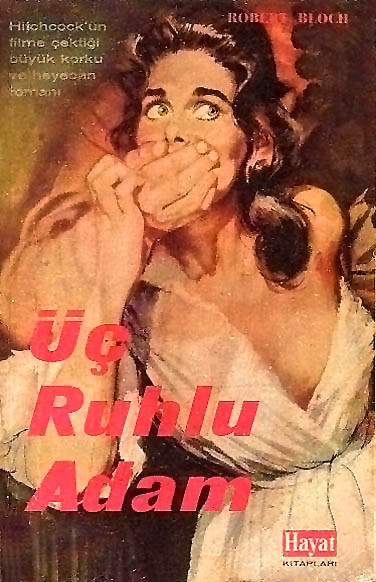
Assorted Turkish language pulps published by the pop culture magazine Hayat, circa 1960s and early 1970s. The authors are, top to bottom, Allison L. Burks, Gerald de Jean, William McGivern, Ngaio Marsh, William Irish, Mignon G. Eberhart, Nora Roberts, Ellery Queen (aka Frederic Dannay and Manfred Bennington Lee, aka Daniel Nathan and Manford Lepofsky), John Dickson Carr, and Robert Bloch.
|
 |

The headlines that mattered yesteryear.
1939—Batman Debuts
In Detective Comics #27, DC Comics publishes its second major superhero, Batman, who becomes one of the most popular comic book characters of all time, and then a popular camp television series starring Adam West, and lastly a multi-million dollar movie franchise starring Michael Keaton, then George Clooney, and finally Christian Bale. 1953—Crick and Watson Publish DNA Results
British scientists James D Watson and Francis Crick publish an article detailing their discovery of the existence and structure of deoxyribonucleic acid, or DNA, in Nature magazine. Their findings answer one of the oldest and most fundamental questions of biology, that of how living things reproduce themselves. 1967—First Space Program Casualty Occurs
Soviet cosmonaut Vladimir Komarov dies in Soyuz 1 when, during re-entry into Earth's atmosphere after more than ten successful orbits, the capsule's main parachute fails to deploy properly, and the backup chute becomes entangled in the first. The capsule's descent is slowed, but it still hits the ground at about 90 mph, at which point it bursts into flames. Komarov is the first human to die during a space mission. 1986—Otto Preminger Dies
Austro–Hungarian film director Otto Preminger, who directed such eternal classics as Laura, Anatomy of a Murder, Carmen Jones, The Man with the Golden Arm, and Stalag 17, and for his efforts earned a star on Hollywood's Walk of Fame, dies in New York City, aged 80, from cancer and Alzheimer's disease. 1998—James Earl Ray Dies
The convicted assassin of American civil rights leader Martin Luther King, Jr., petty criminal James Earl Ray, dies in prison of hepatitis aged 70, protesting his innocence as he had for decades. Members of the King family who supported Ray's fight to clear his name believed the U.S. Government had been involved in Dr. King's killing, but with Ray's death such questions became moot.
|

|
|
It's easy. We have an uploader that makes it a snap. Use it to submit your art, text, header, and subhead. Your post can be funny, serious, or anything in between, as long as it's vintage pulp. You'll get a byline and experience the fleeting pride of free authorship. We'll edit your post for typos, but the rest is up to you. Click here to give us your best shot.

|
|