| Vintage Pulp | Jan 15 2013 |

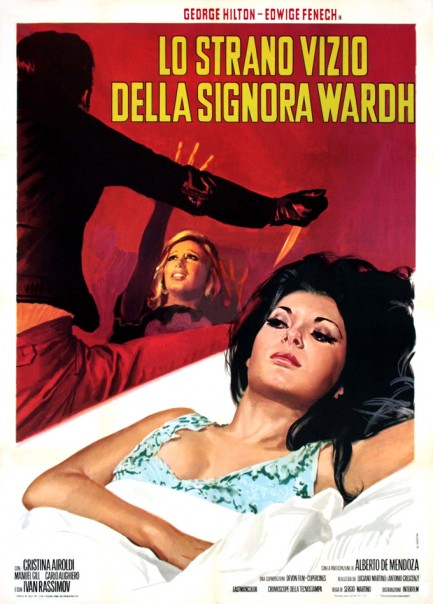
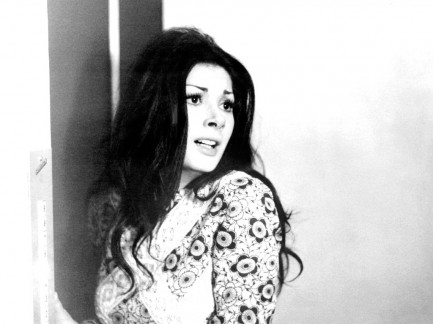
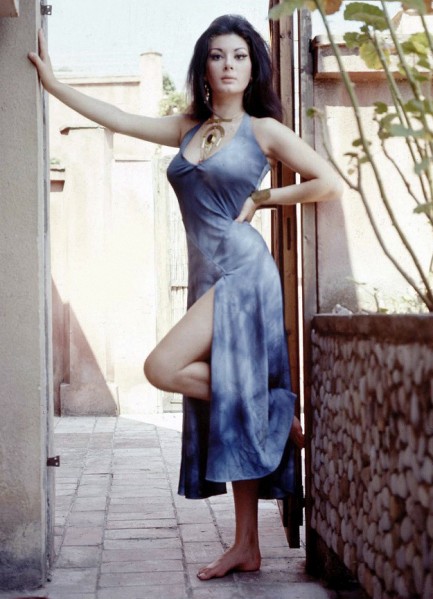
So, quite by coincidence there’s another movie we watched recently that also premiered today, though thirty years later than The Shanghai Gesture (see below). The movie is Lo strano vizio della Signora Wardh, which would translate as “The Strange Vice of Mrs. Wardh,” but was released in the U.S. as Blade of the Ripper. This flick is considered one of the best gialli ever made, and it’s tough to argue the point. It’s intricate, absorbing, unpredictable, colorful, and shot in an array of amazing external locations and inside one of the greatest mid-century modern apartments ever conceived. It also has Edwige Fenech, whose gifts are well known. Taking place mainly in Vienna and climaxing in Sitges, Spain (which happens to be one of our favorite towns in Europe)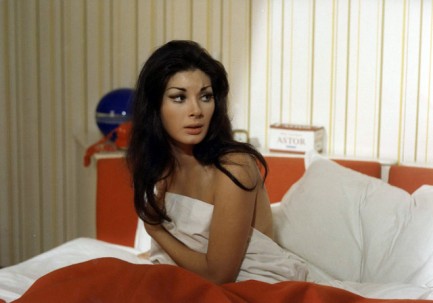


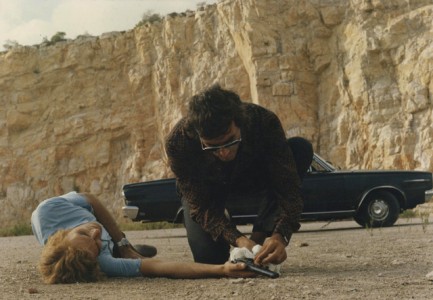 Signora Wardh is a tale of obssession and infidelity wrapped in a murder mystery. Mrs. Wardh does indeed have a strange vice, but that’s just window dressing. It’s her that’s being hunted throughout the movie—either by a serial killer, a demented ex-lover, or both. Or neither. They say that the only way to keep a secret is if no more than two people know it and one of them is dead. But the only way to commit murder is if the killer has an iron clad alibi, and for that he often needs help. Rule one conflicts with rule two, and that’s the fun of Signora Wardh. Above you see a rare and wonderful Italian promo poster painted by Giuliano Nistri, the younger brother of equally talented Enzo Nistri. We'll get back to both Nistri brothers a little later. Lo strano vizio della Signora Wardh opened in Italy today in 1971.