| Vintage Pulp | Jan 29 2018 |

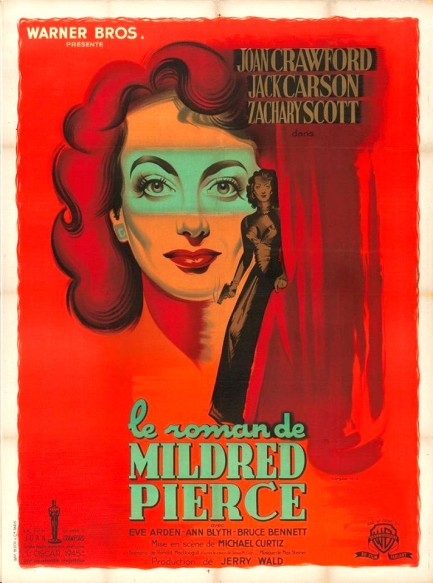
Above, a beautiful promo poster for the film noir Mildred Pierce made for the film's run in France, which began today in 1947, more than a year after its U.S. premiere. This is pure awesomeness from artist Roger Rojac. Note that it touts Joan Crawford's Academy Award triumph, her win as best actress. It was also nominated for best picture but beaten by Lost Weekend, which is these days considered a bit of a cheeseball classic. We have our earlier write-up on Mildred Pierce here, and a nice promo image for the film at this link.


| Vintage Pulp | Apr 24 2017 |

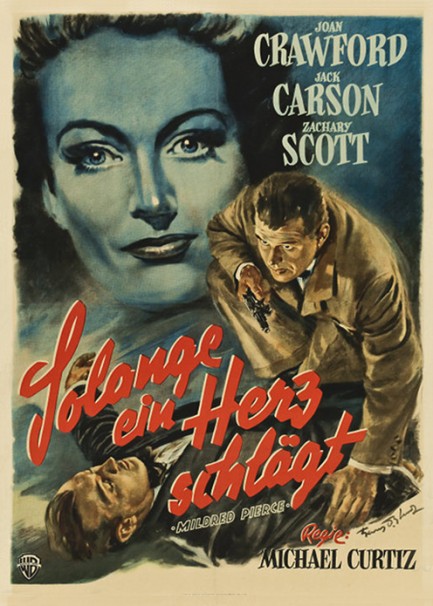
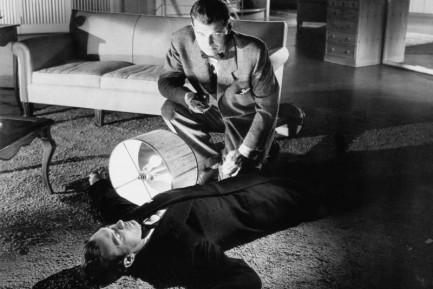
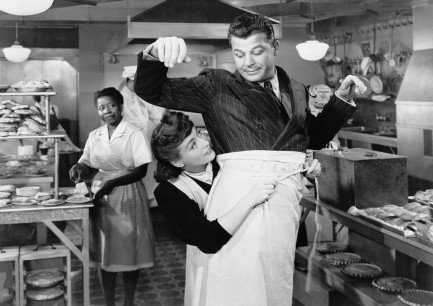
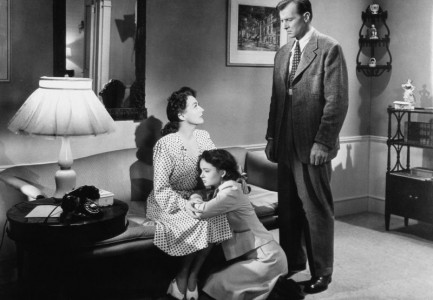
We ran across this West German poster for Solange ein herz schlaegt, aka Mildred Pierce, and realized we had a substantial gap in our film noir résumé. So we watched the movie, and what struck us about it immediately is that it opens with a shooting. Not a lead-in to a shooting, but the shooting itself—fade in, bang bang, guy falls dead. These days most thrillers bludgeon audiences with big openings like that, but back in the day such action beats typically came mid- and late-film. So we were surprised by that. What we weren't surprised by was that Mildred Pierce is good. It's based on a James M. Cain novel, is directed by Michael Curtiz, and is headlined by Joan Crawford. These were top talents in writing, directing, and acting, which means the acclaim associated with the movie is deserved.
While Mildred Pierce is a mystery thriller it's also a family drama revolving around a twice-married woman's dysfunctional relationship with her gold-digging elder daughter, whose desperation to escape her working class roots leads her to make some very bad decisions. Her mother, trying to make her daughter happy, makes even worse decisions. The movie isn't perfect—for one, the daughter's feverish obsession with money seems extreme considering family financial circumstances continuously improve; and as in many movies of the period, the only black character is used as cringingly unkind comic relief. But those blemishes aside, this one is enjoyable, even if the central mystery isn't really much of a mystery. Solange ein herz schlaegt, aka Mildred Pierce opened in West Germany today in 1950.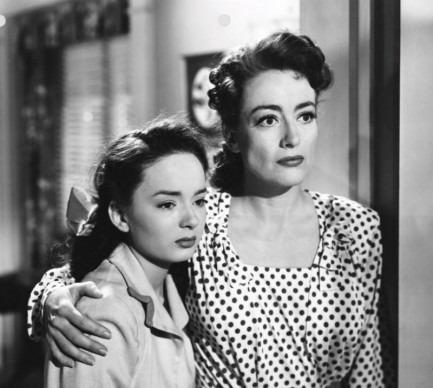

| Femmes Fatales | Feb 23 2017 |

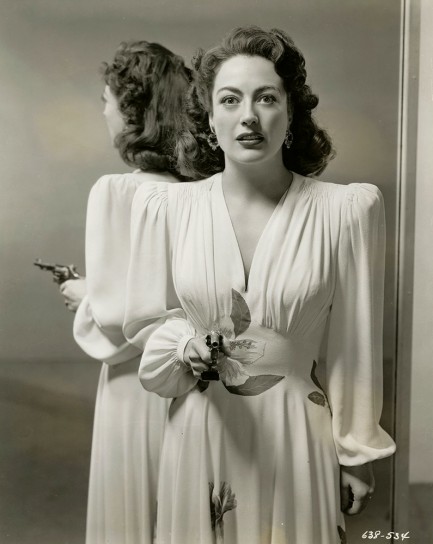
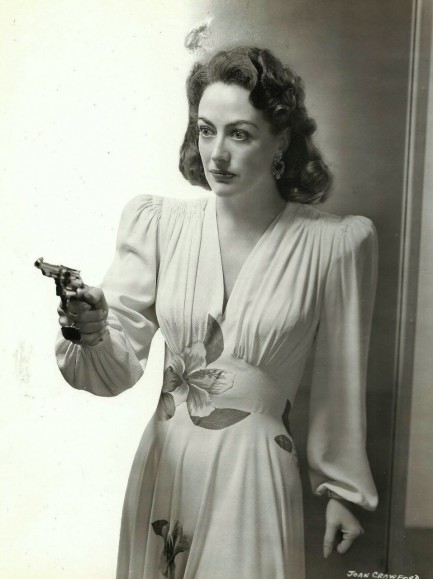
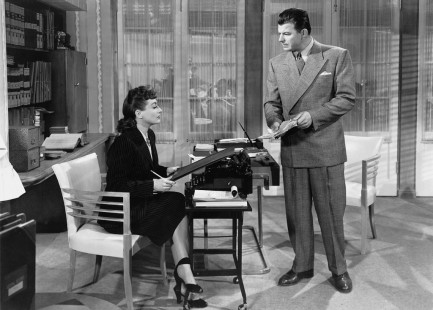
Above, two borderline scary promo photos of Joan Crawford made when she was shooting the film noir Mildred Pierce, a movie that, embarrassingly, represents a gaping hole in our film watching résumé. We'll take care of that soon. These images are from 1945.

| Vintage Pulp | Dec 10 2010 |


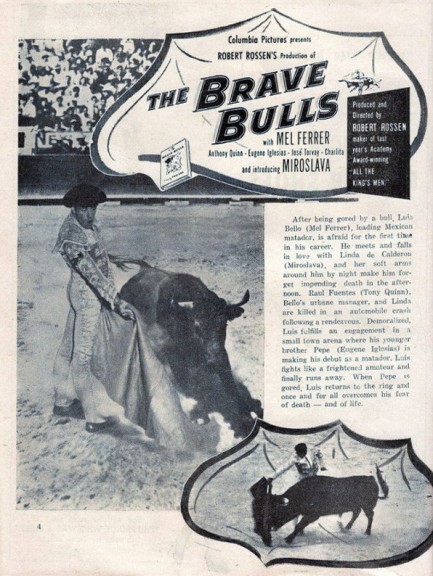

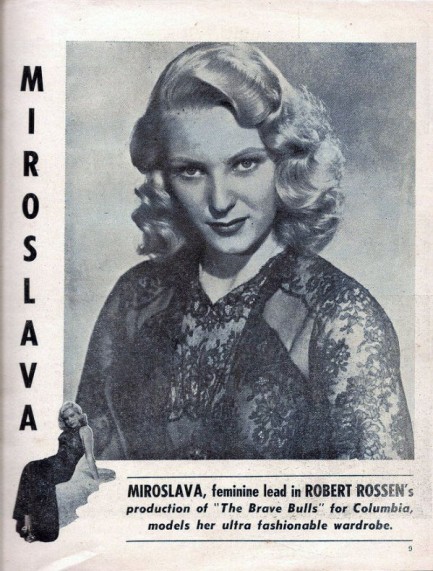
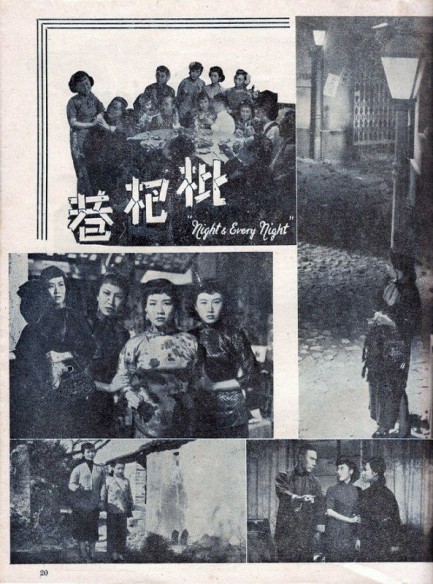
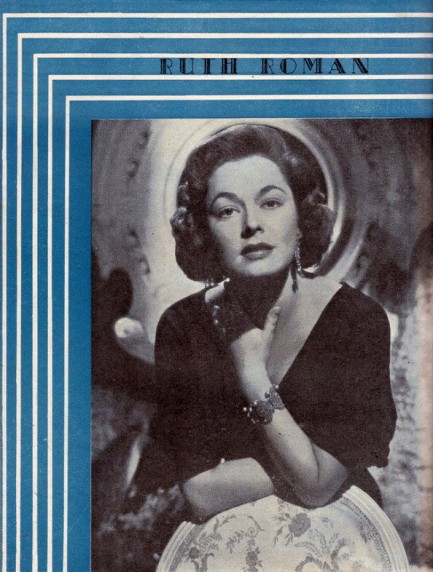
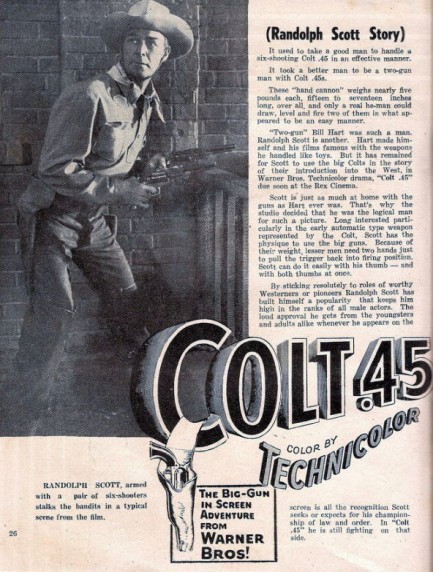

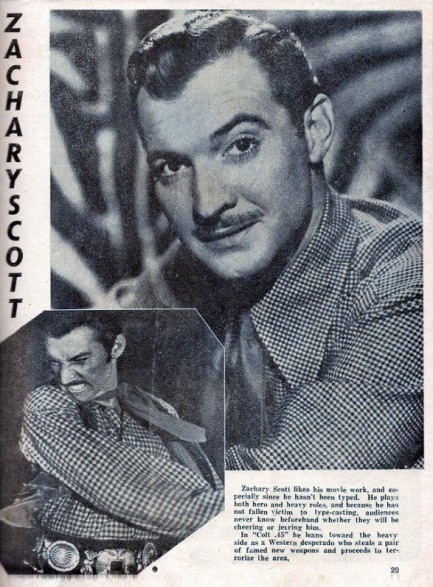
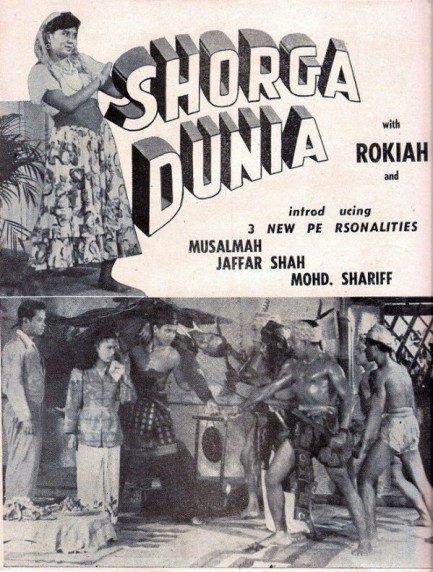
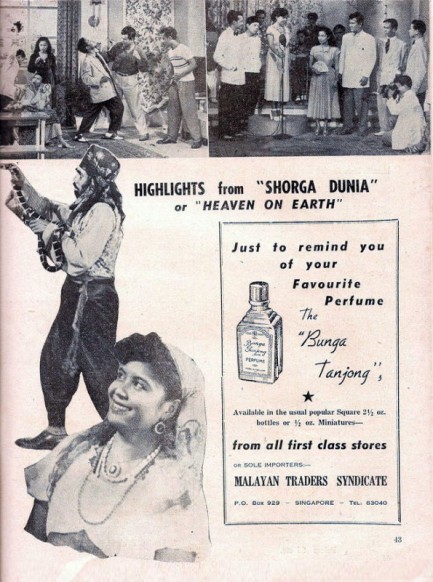
We ran across another cool publication from Singapore, this one an English-language movie magazine called Movie News. This issue is from 1951 and features black-clad cover star Randolph Scott about to ventilate somebody with his sixguns. Inside the magazine are a couple of faces that are new to us— Zachary Scott and Miroslava. Zachary Scott, in panel nine, is unrelated to Randolph Scott, but had a moderately successful Hollywood career of his own, appearing in some westerns, as well as in the acclaimed noir classic Mildred Pierce. He died of cancer in 1965 at age fifty-one. Miroslava, née Miroslava Sternova, in panel four, was born in Prague in 1925 but fled that war-torn city for Mexico in 1939. A beauty contest opened doors in Hollywood for her, and she acted in about a dozen films and even once graced the cover of Life. At the age of thirty she committed suicide over a failed love affair. What we’ve read about her is quite interesting, so we’ll get back to her at a later date.

| Vintage Pulp | Feb 17 2010 |

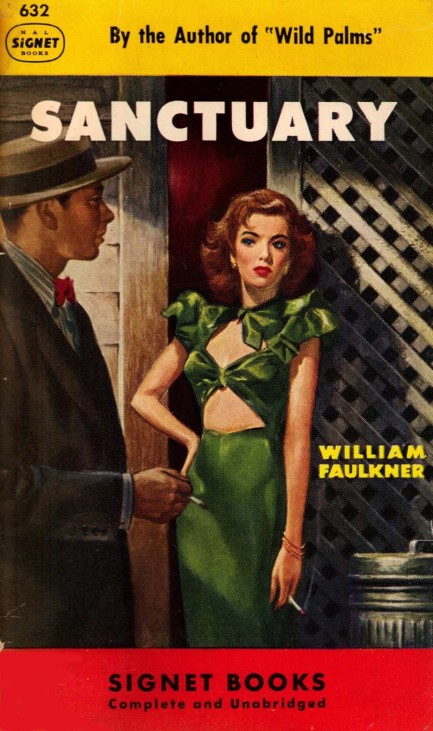
You know we like to share these pulp style covers certain publishing houses cooked up for reprints of serious pieces of literature. Today, it’s William Faulkner’s turn, and the subject is his 1931 novel Sanctuary, which Signet released in 1950 with this cover. Sanctuary was Faulkner’s fifth book and first success, but he wasn’t particularly fond of it, dismissing it as commercial claptrap written purely for financial reasons. If that was truly his intention, it seems like leaving out all the depravity and violence would have been a better way to go about it.
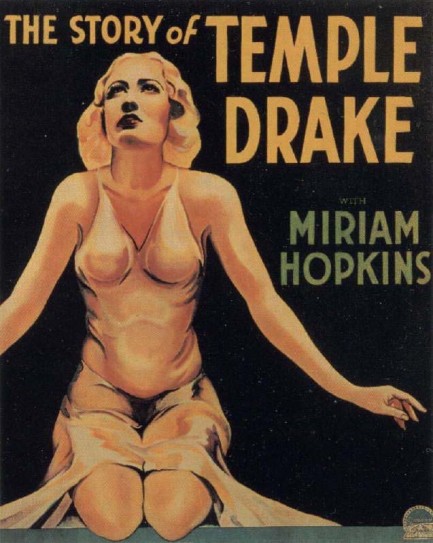
In any case, critics did not consider the book lightweight in the least, and a central rape scene involving a corncob understandably generated quite a bit of controversy. When the book was adapted into a 1933 movie entitled The Story of Temple Drake starring Miriam Hopkins, the corncob was removed, but the film still caused a stir and helped bring about the introduction of the Hays Code—the censorship doctrine that predated the establishment of the MPAA.
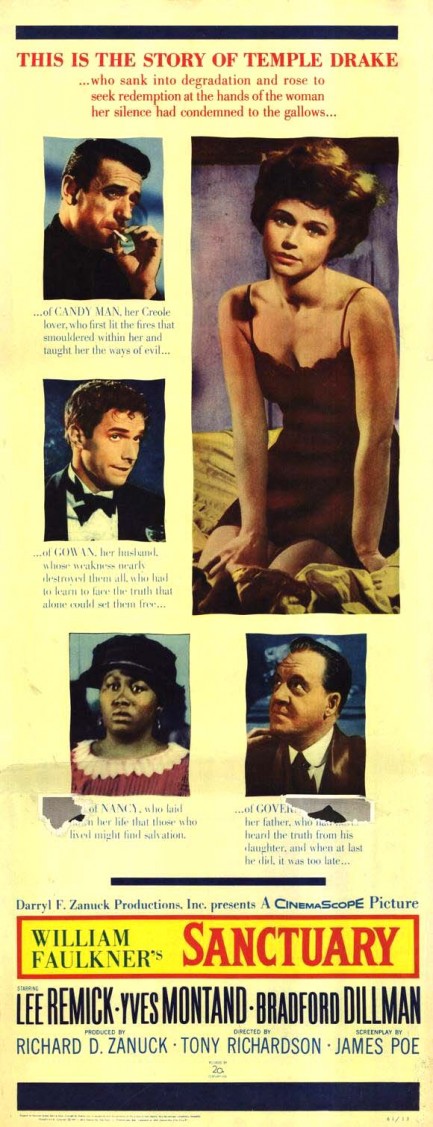
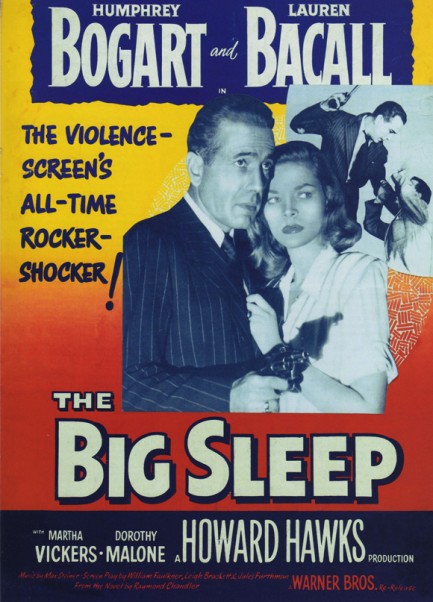
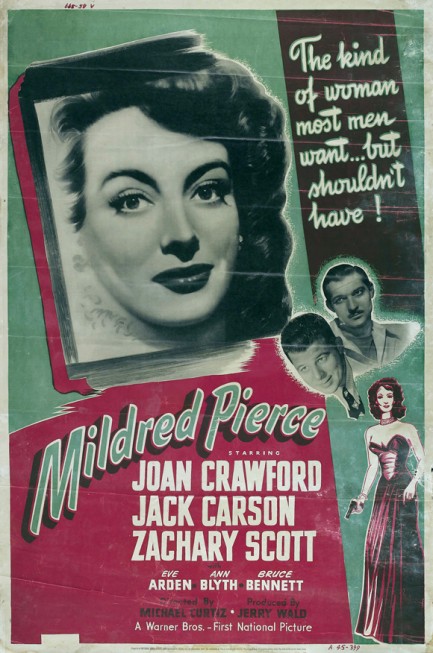
In 1961 Sanctuary was adapted again, and this time not only was the corncob removed, but a sizeable chunk of Faulkner’s original plot. Despite his professed distaste for commercialism, Faulkner had by then worked on dozens of movie projects. He had written screenplays for To Have and Have Not and The Big Sleep, and also had become a sought after script doctor, massaging projects like Mildred Pierce, The Southerner and Gunga Din. We have a small collection of posters from some of his projects below. If you’ve neglected to see any of these films, we highly recommend them and, of course, his novels are well worth a read.