 Gloria Grahame is a bad mamma scamma. 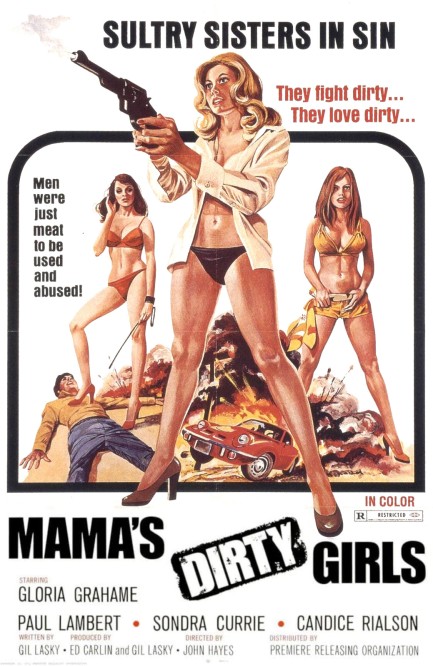
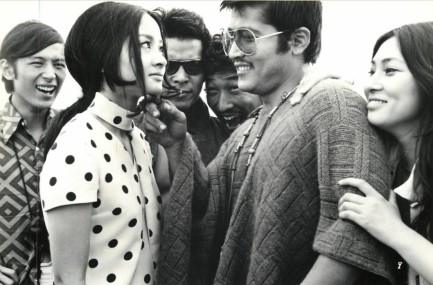
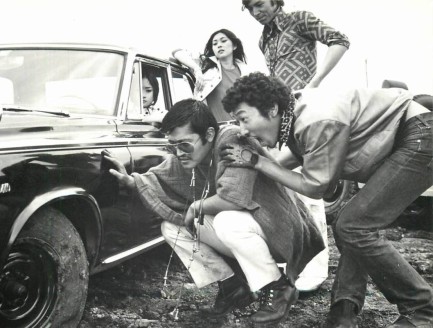
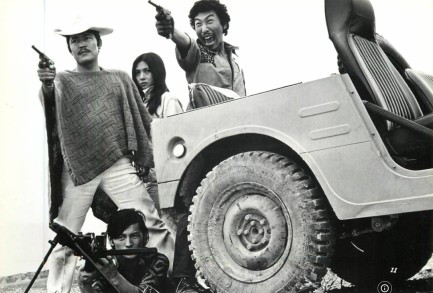
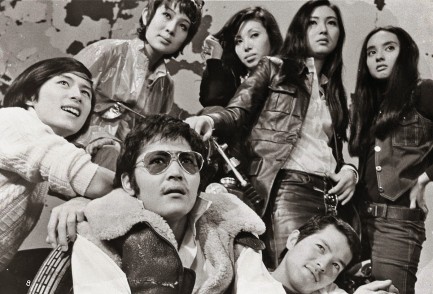
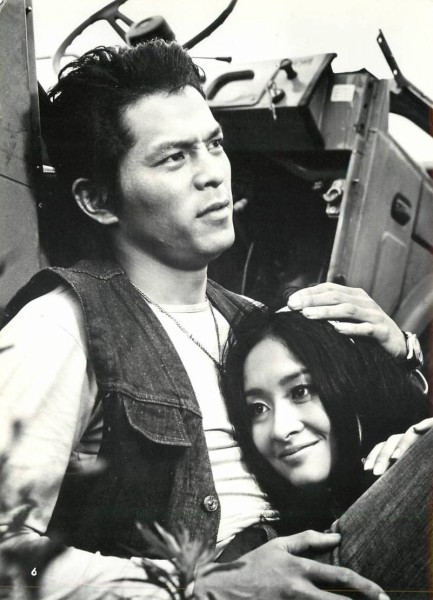
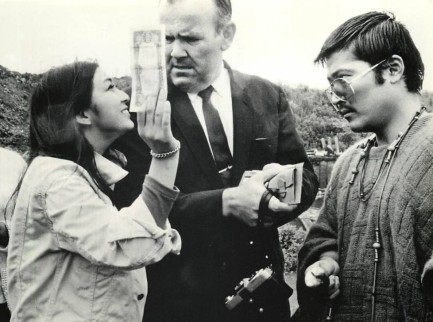
We had to watch Mama's Dirty Girls, not because it's a 1970's grindhouse movie (though that helped), but because none other than 1950s femme fatale Gloria Grahame got snared in this low budget affair. Sometimes the bills simply need to be paid. Or maybe she thought the script was dynamite. Either way, she gets top billing in this drive-in quality drama that premiered today in 1974, which tells the story of a scam artist mother and her three daughters who are honeytrap serial killers dispatching men for their money.
When Grahame gets another rich man on the hook, she foolishly poses as a well-to-do widow without realizing that her target is likewise seeking to kill someone for their money. This twist is ironic, and the mutual murder attempts that follow can be read as black comedy if you peer deeply between the lines, but in our opinion Mama's Dirty Girls doesn't have enough brainpower to be satire. Grahame probably wished it were, though—then she'd have had an excuse for starring in it. Sadly, it's just an amusingly bad movie. Everyone is terrible in it—even Grahame. And there isn't near enough eroticism to save it.
But you may want to watch it anyway. The cast is beautiful, particularly Currie, and there's an interesting value-added co-star too. Fifteen minutes into the movie's running time you'll see an actress that'll make you go, “Who is that?” You'll be reacting to the radiant beauty of bit player Annika Di Lorenzo, née Marjorie Lee Thoreson, who was a Penthouse centerfold in 1973 and later carved out a career in b-cinema. Besides Mama's Dirty Girls she appeared in such films as 1974's Act of Vengeance and The Centerfold Girls, 1980's Dressed To Kill, and 1979's big budget porn epic Caligula.
She later sued Penthouse publisher Bob Guccione, claiming that he forced her to have sex with business associates, and tricked her into the infamous Caligula orgy. She won a $4 million punitive judgement, but lost it in an appeal. Guccione took revenge by publishing a lesbian pictorial of Di Lorenzo. Afterward, she stepped away from the limelight, but in 2011 hit newspapers again when she washed up dead on Camp Pendleton Beach in San Diego under baffling circumstances. Police suggested suicide, but her family contended that it was foul play, possibly perpetrated by someone from the military base. In the end, her case was closed as unsolved, and today remains another Hollywood mystery. 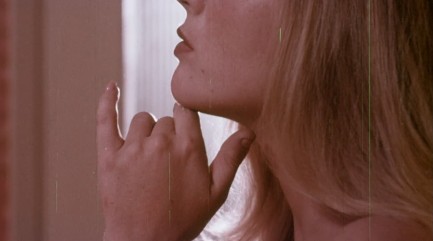 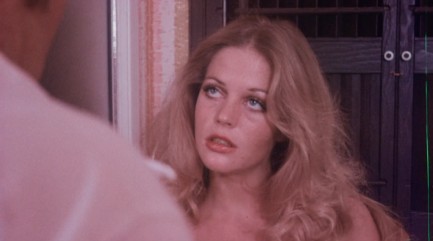  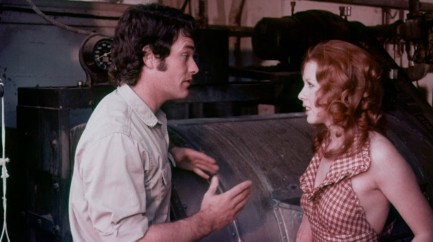 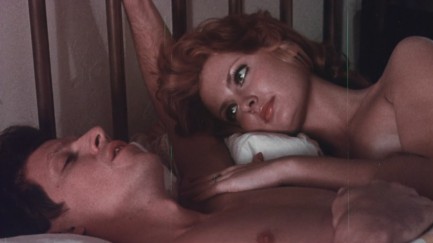  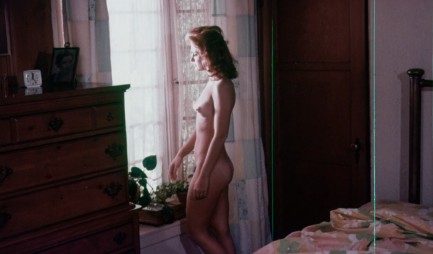 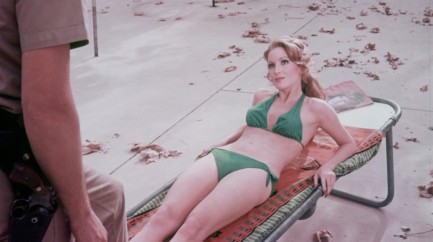 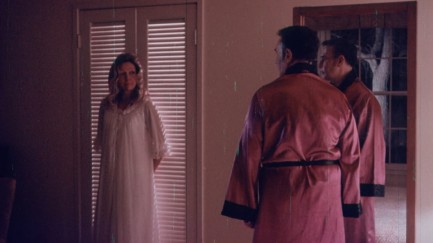 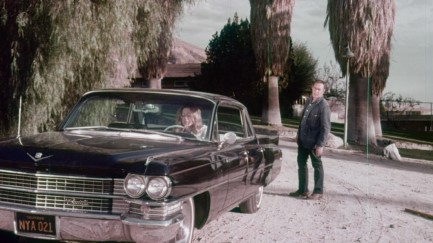 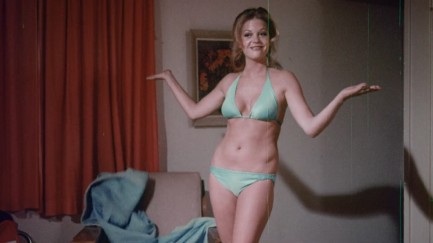 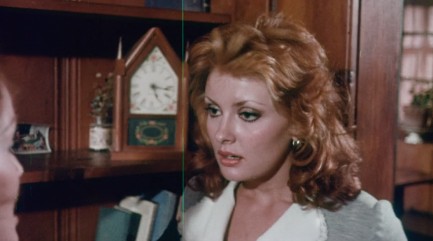 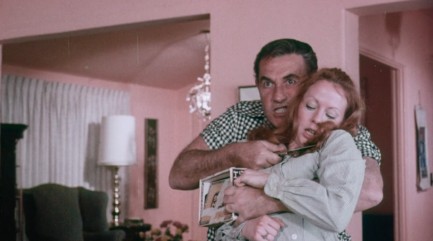 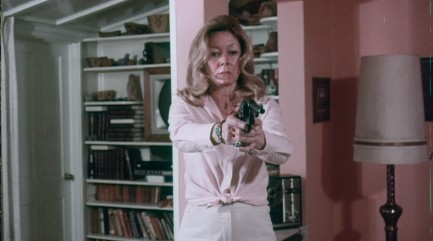 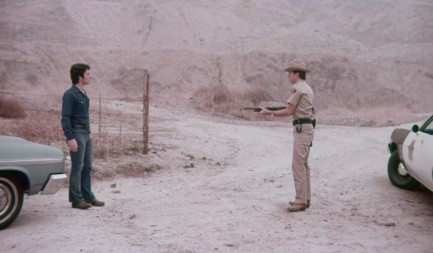
 The deeper into the Underworld you go the hotter it gets until everyone—and everything—is liable to get burned. 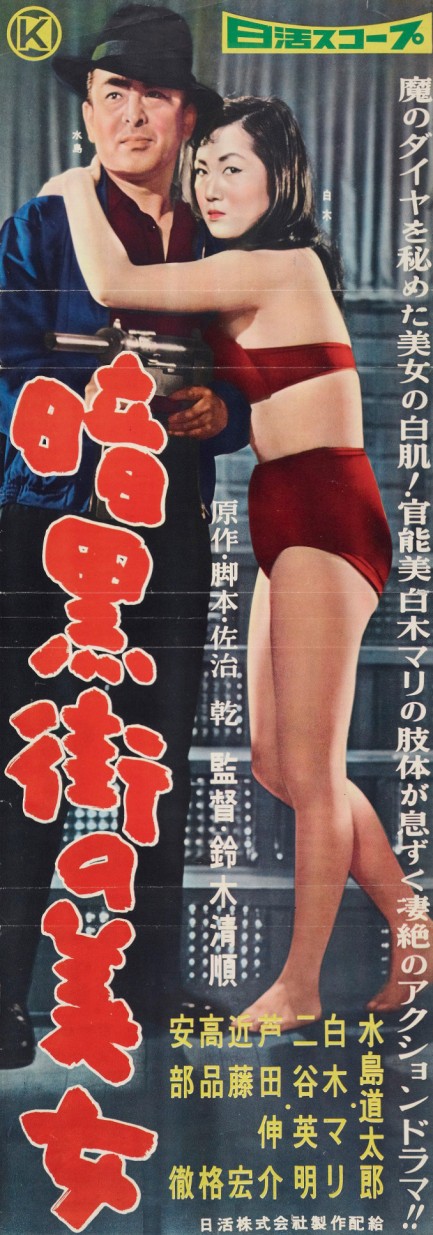 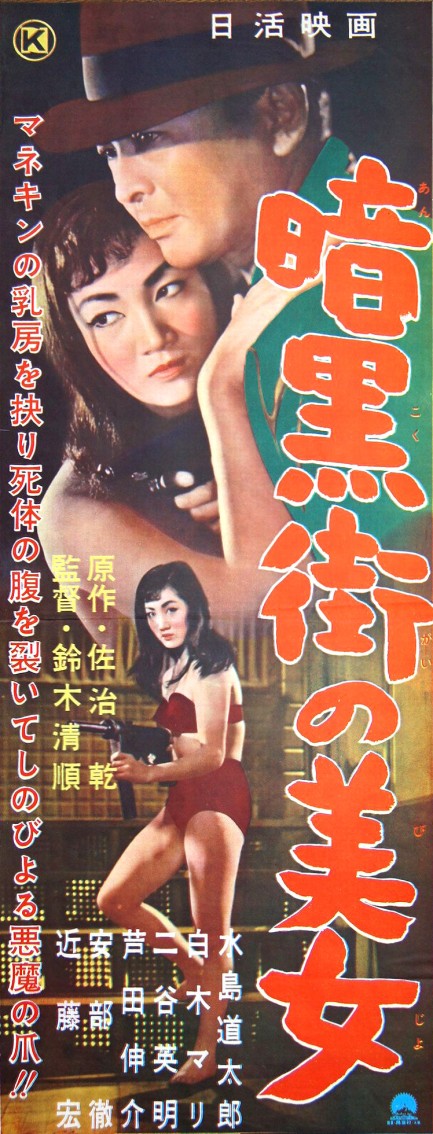
The two tateken style posters you see above were made for the Japanese crime drama Ankokugai no bijo, the title of which means “beauty of the underworld,” and which was known in English as Underworld Beauty. The movie is about a bunch of gangsters chasing after some diamonds. Co-star Tôru Abe has them first, but when the yakuza catch up to him, he swallows them and jumps off a roof, ending up in a hospital. He soon dies and the treasure is cut out of his body, but that's merely the beginning of a struggle to retain their possession. Abe's sister, played by Mari Shiraki, is the underground beauty of the title, and gets tangled up with the mobsters. They say diamonds are forever, but we're told early in the film when it seems as if the coveted stones might go into a crematorium with Abe's body, that they can actually burn. That's clumsy foreshadowing, but Underworld Beauty still manages to be an interesting and mostly satisfying film. It premiered this month in 1958. 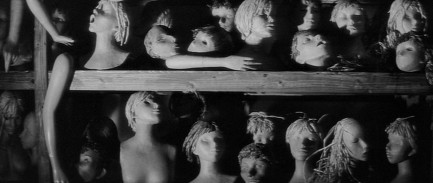 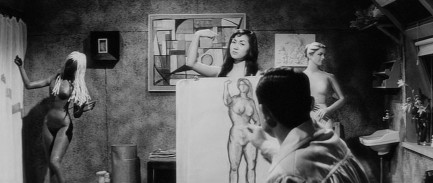 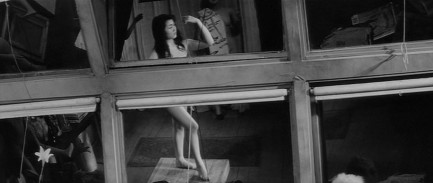 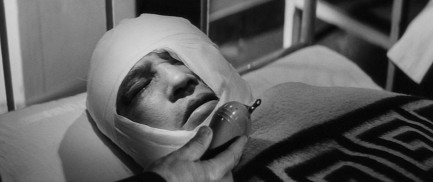 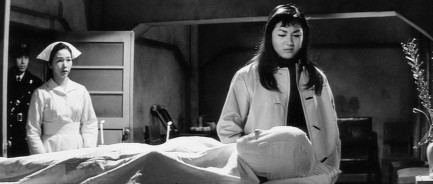 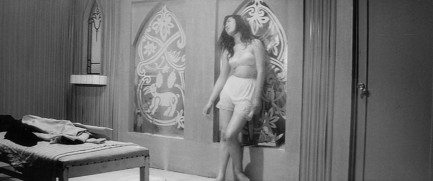 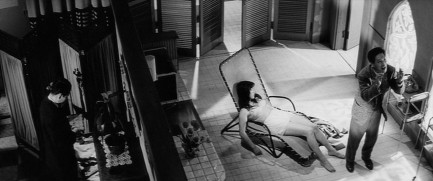  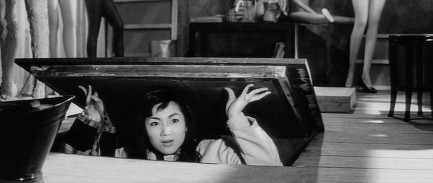 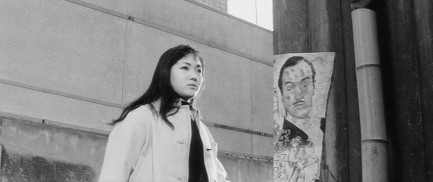 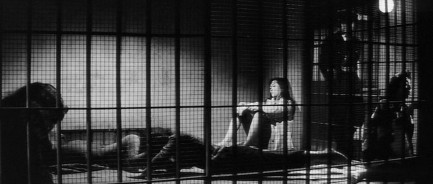 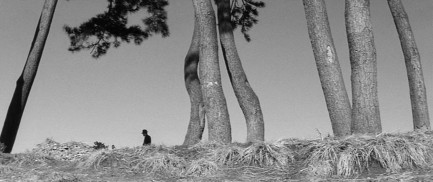 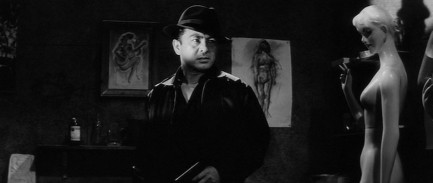
 In Japan business is war—complete with innocent bystanders. 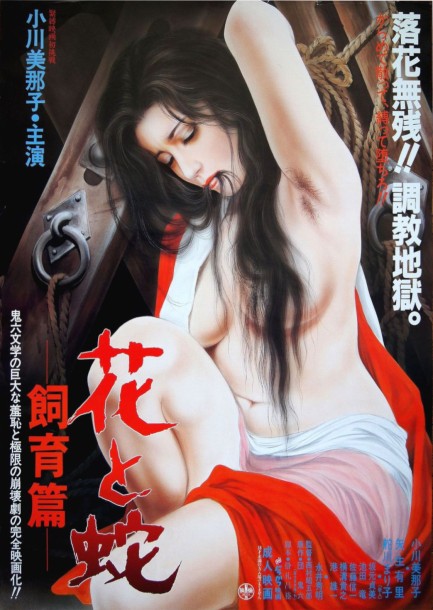
This brilliant promo was painted for Hana to hebi: Shiiku-hen, known in English as Flower and Snake 3: Punishment. It starred Minako Ogawa of Dan Oniroku ikenie shimai, aka Sisters To Be Sacrificed, and in fact the same painter must have produced both posters. Have a look. The central figure is almost identical, no? Right down to her hairy armpits. Since there's no official info on who the artist is we'll throw in our two cents. It was bondage painter Kaname Ozuma. He painted at least one other poster for the Flower and Snake series, which you can see here. In the meantime this piece is literally nowhere else to be found in the quality you see here. At least, as far as we can tell.
We watched the film and it's a typically perverse roman porno tale about a powerful businessman married to Minako Ogawa, who he stole from a subordinate who was helpless to prevent it. When he later declines to help a business associate out of a jam that person has Ogawa kidnapped—literally thrown into a giant bag—taken to an isolated house, sexually assaulted, and coercively trained using bondage, a kielbasa, and other esoterica in order to turn her into a performer for live sex shows. That's a hell of a twisted retaliation for being refused financial help, but twisted is what roman porno is all about.
Of technical note is the fact that, though it was illegal to show pubic hair in Japanese movies, the ever clever roman porno filmmakers found a loophole. They have Ogawa's captors, as part of her torment, cut off her pubic hair with scissors. Though it couldn't be shown attached to her body without bringing down the wrath of censors, they got away with showing it falling into bathwater. You gotta give the pervs credit. They were always thinking outside the—er—box. Hana to hebi: Shiiku-hen premiered in Japan today in 1986.
After a long day on the set filming sex and bondage... I'm very happy to spend the evening doing this.

 1001 nights is not nearly enough time with Ayako Meki, Erina Miyai, and Izumi Shima. 
A few years ago we shared an ultra rare tateken promo for the 1001 Nights inspired roman porno flick Tokyo eros senya ichiya. That poster was a follow-up to a standard poster we'd shared back in 2017. In both cases the movie was unavailable for us to watch. Well, above you see a magazine page featuring the movie's co-star Ayako Meki. This isn't directly a promo for the film, but she's dressed in character. The text says “because you look 21,” which is weird, and goes on to describe her as “an exciting new power.” We're showing this to you because the movie premiered today in 1979, and this time we did have a copy to watch.
Known in English as Eros Nights in Tokyo, the story here involves lonely young Kiyoyasu Adachi and three women in his life—Izumi Shima, Ayako Meki, and Erina Miyai. We can't fault the guy's taste, but we do take exception to his methods. He succumbs to creepy urges such as spying on Shima (who's his stepmother), attempting to force a kiss upon Meki (which devolves into a full-scale perv attack), and looking up the skirt of Miyai (who's mentally disabled). Later he grows a bit more subtle in his attempts to indulge his urges, such as when he convinces Shima to accept a personalized wash, full body massage, and more. After that nipply nuru session, his stepmom is fully on board with further advances.
By now it's clear to the viewer that fantasy has overtaken reality for Adachi. We've seen this line crossed in numerous films, and it's usually a subtle trip across the border. When did it happen here? It's hard to be sure, but probably sometime after Adachi was chased by a policeman that somehow multiplied into an entire Keystone Kops style squad, and sometime before he was showered with a fortune in gold coins from a fountain.
All this stuff is mostly played for laughs, and indeed there are some legitimately funny moments, though not nearly as many as the filmmakers intended. We're talking about a Nikkatsu Studios roman porno production, which means that even as comedy it has the usual trappings of that genre, and those trappings just aren't humorous. For example, there's an attempted gang rape, which Adachi foils in full gangster mode, as the entire situation morphs into a set piece right out of American grindhouse cinema. Funny? No. Creative. For sure.
As we've mentioned before, by 1979 Nikkatsu was trying new ideas for its roman porno line, and Tokyo eros senya ichiya certainly qualifies. It's hard to judge such an outrageous flick objectively, so we won't try except to say that it's well made, as these films always are. We will mention, though, that we were disappointed none of the stars wore a harem costume. It turns out that 1001 Nights was a more oblique inspiration than we assumed. Have a look at the other posters here and here and you'll see what we expected. Do we recommend the film? Yes, of course. It has Izumi Shima. Full stop. 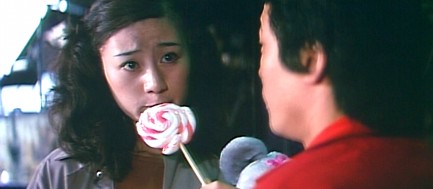  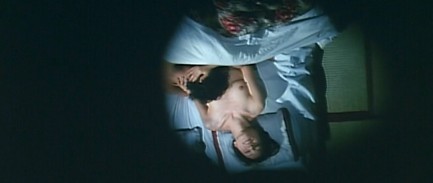   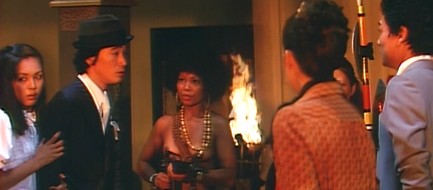    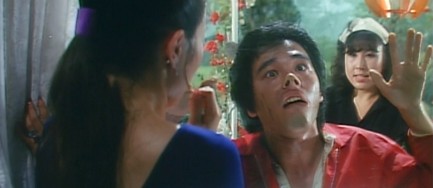   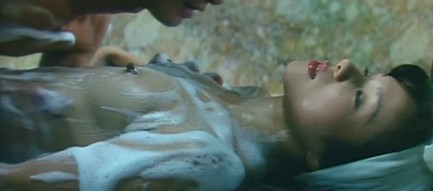 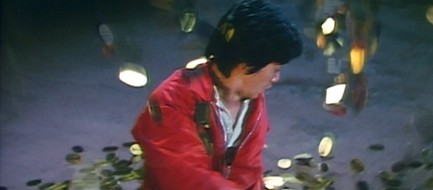
 For her taking risks is just feline nature. 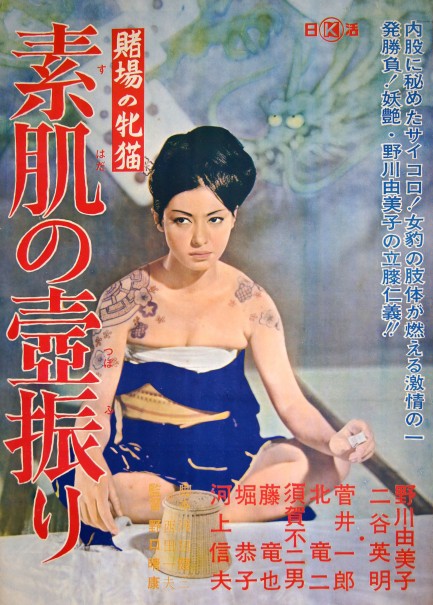
This poster was made for Toba no mesu neko: Suhada no tsubo furi, known in English as Cat Girls Gamblers: Naked Flesh Paid into the Pot, the second of three Cat Girls films. We shared a poster for the first back in 2014 before we could access the movies, but now we have them, so we screened part two last night. The lead in this and the other installments is Yumiko Nogawa, who plays a wandering gambler whose murdered father was a famous maker of rigged dice. After Nogawa's lover is killed in a dice game she swears never to play again, takes a job working at a Turkish bath, and seems to be dedicated to living a quiet existence.
But her idyll is turned upside down when she shelters a recently paroled criminal who wants to gain control of a yakuza territory he'd been promised before going to prison. The crime boss currently running the territory has no intention of giving it up, and Nogawa seems likely to be dragged into the middle of the conflict. As it turns out, she's working in the Turkish bath only as a means to find her father's killer. Since her interests and those of her new friend are aligned, they hatch a plot that just might give them both what they want.
This is a solid effort from Nikkatsu Studios, before the front office bigwigs had their roman porno revelation and leaned hard into sexploitation for the entire 1970s and beyond. Shot in black and white, the feel is arthouse, with a police subplot giving it shadings of an American detective drama. Nogawa, a movie veteran who began her career with 1964's famed Nikutai no mon, is self-assured as the headliner, and the entire supporting cast is good. A climactic fight perhaps won't seem convincingly choreographed to modern viewers, but we recommend taking a chance on this gambling drama anyway. Toba no mesu neko: Suhada no tsubo furi premiered in Japan today in 1965.

 This place is so unspoiled. It'd be perfect for an ecolodge with Mayan saunas and an infinity pool. 
Once upon a time, when headshops were the rage, some sold posters for the entertainment and edification of young male customers, as we discussed not long ago. This one was printed in 1972 by Platt Poster Co. of Los Angeles, and is titled “Lady Barbara.” Actually, though, the model is Swedish beauty Annika Salmonsson, who usually posed under the name Anita Hemmings, and appeared in scores of magazines. She's previously appeared in Pulp Intl. too, inside a 1977 issue of the Aussie men's magazine Adam. Though the poster is faded from hanging on some horndog's wall for years, it's not so damaged that Salmonsson's marvelous beauty doesn't shine through. We'll bring her back in a bit. Until then, see her in that Adam here, and on a paperback cover here.
 How can you think about sex when as we stand here quantum gravity won't fit into the standard model of quarks and leptons? 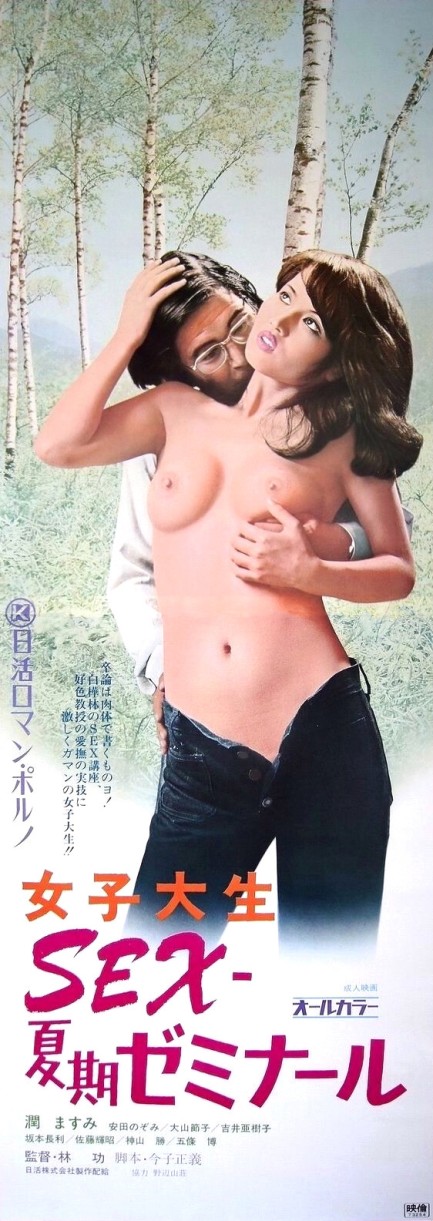 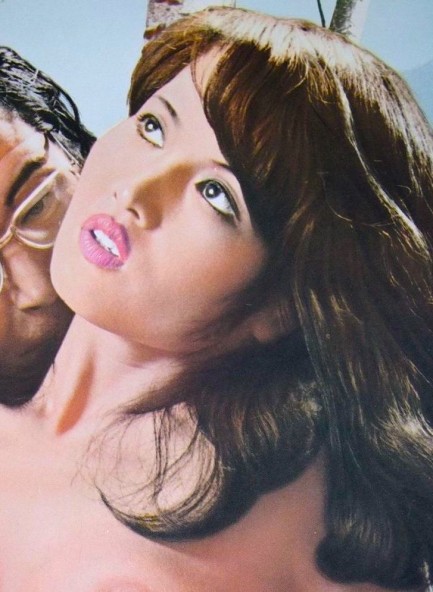
Above is an alternate poster made for Joshi daisei: Sex kaki seminar, which was also known as Joshidaisei: Sex kaki zeminaaru, and premiered today in 1973. It starred Masumi Jun, Isao Hayashi, and Setsuko Ôyama, who portray three collegians who sign up for a seminar that gets weird. It had no Western release, therefore no English title, but the Japanese would translate to something like “female college student sex summer seminar.” See another poster and learn a bit more about the film here.
 If you use your imagination you can picture people getting royally screwed. 
There are a lot of late-stage sleaze novels from Midwood Books, which went out of business around 1980 (Wikipedia says 1968, but it's wrong). We chose to read Will Rudd's 1978 romp Joy Ride for one reason—the cover features Swedish model Anita Hemmings, aka Annika Salmonsson, who we have upcoming on a rare headshop poster from 1972. Sadly, the book is a poorly written, overly long, raunchy but heatless story about a chump named Pollack whose cross country trip takes many strange turns. But there is one point of interest: the cast of characters includes a couple named Harry and Meg. Harry is fair-skinned, while Meg is a “little lighter than her hair,” which is “tan and long.” Weird, right? They don't otherwise bear any resemblance to the royal couple, but still, you get unprompted visuals to accompany moments like: Meg, who'd opened her eyes and was beholding the world through semen-smeared glasses, felt Harry's cock swell gallantly in her mouth. It was worth a chuckle, but don't let it lure you. The book is really, really horrible.
 Just because she's high class doesn't mean she can't get down. 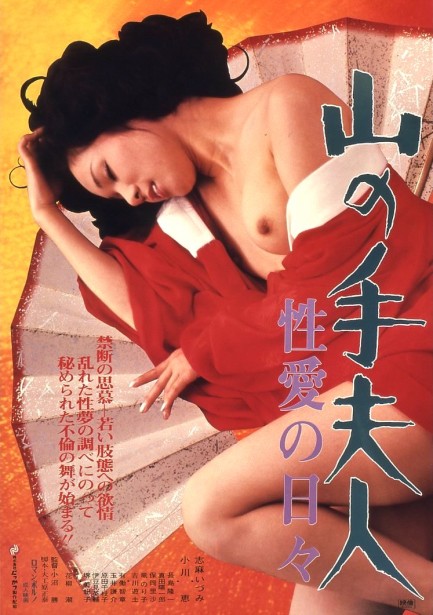
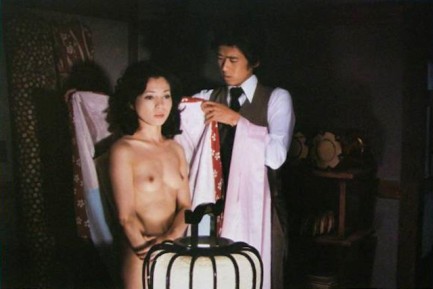
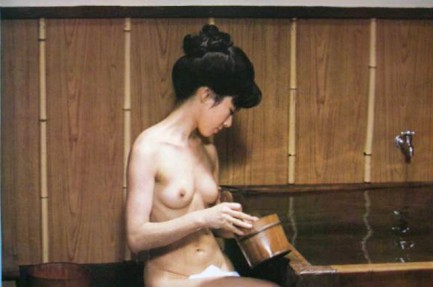
This lovely poster was made for the roman porno movie Yamanote fujin: Seiai no hibi, known in English as Uptown Lady: Days of Eros, and the star is the incomparable Izumi Shima, centerpiece of at least three dozen films for Nikkatsu Studios in a mere four years from 1977 to 1981. Here she plays the young wife of an old, blind classical dance teacher, and becomes the focus of romantic feelings from her husband's son from an earlier marriage. The two are around the same age, which is probably one reason Shima begins to have feelings too, though it's oh so very wrong. Would it be incest to boink your son-in-law? We don't know the legal ramifications, but it would certainly be a case of bad judgment. This exact type of bad judgment is of course standard territory for Nikkatsu, but under the direction of Masaru Konuma Seiai no hibi is gentler and more poetic than the usual fare. After seeing Shima receive forced enemas in other roman pornos this was a nice change.
Shima eventually gives in to her son-in-law in a hot and sweaty/oily sequence. The encounter features a sixty-nine and some pretty concentrated nipple licking by Shima that sent a ripple through our innards. Some guys don't like their nipples licked, but we think they're crazy. In our view, the nipples are a required pitstop on any excursion along the body, whatever the ultimate destination. Shima and her son-in-law have a second encounter, also of the wet and shiny variety, this time in a red-lit room, and once more it's a well shot and stimulating scene. But it's here that we must issue our standard warning to novices that roman porno is not porno—the appellation stands for “romantic porno,” and the movies are softcore, with no genitalia displayed. In order to find them stimulating, you have to use your imagination. That might be a problem for anyone under age thirty.
Anyway, for Shima's husband to not know something's going on he'd have to be blind—doh! rimshot! Read the premise again. He's a blind dance teacher. You know that cliché about the blind compensating with their other senses to the extent that they don't miss their vision at all? This movie hews to that concept. However, Shima's hubby is circumspect in marriage, if domineering as a teacher, so he doesn't let on that he knows—at first. Since Shima is not just his wife but also his star student, she has her career as a future natori to consider, and he knows that. How it eventually concludes we'll leave for you to discover on your own. We can tell you that serious roman porno enthusiasts tend to find this movie too sedate, but the less bizarre approach worked great for us. Of course, anything with Shima works great for us. Yamanote fujin: Seiai no hibi premiered in Japan today in 1980.

|
 |

The headlines that mattered yesteryear.
1961—Bay of Pigs Invasion Is Launched
A group of CIA financed and trained Cuban refugees lands at the Bay of Pigs in southern Cuba with the aim of ousting Fidel Castro. However, the invasion fails badly and the result is embarrassment for U.S. president John F. Kennedy and a major boost in popularity for Fidel Castro, and also has the effect of pushing him toward the Soviet Union for protection. 1943—First LSD Trip Takes Place
Swiss scientist Albert Hofmann, while working at Sandoz Laboratories in Basel, accidentally absorbs lysergic acid diethylamide, better known as LSD, and thus discovers its psychedelic properties. He had first synthesized the substance five years earlier but hadn't been aware of its effects. He goes on to write scores of articles and books about his creation. 1912—The Titanic Sinks
Two and a half hours after striking an iceberg in the North Atlantic Ocean on its maiden voyage, the British passenger liner RMS Titanic sinks, dragging 1,517 people to their deaths. The number of dead amount to more than fifty percent of the passengers, due mainly to the fact the liner was not equipped with enough lifeboats. 1947—Robinson Breaks Color Line
African-American baseball player Jackie Robinson officially breaks Major League Baseball's color line when he debuts for the Brooklyn Dodgers. Several dark skinned men had played professional baseball around the beginning of the twentieth century, but Robinson was the first to overcome the official segregation policy called—ironically, in retrospect—the "gentleman's agreement".
|

|
|
It's easy. We have an uploader that makes it a snap. Use it to submit your art, text, header, and subhead. Your post can be funny, serious, or anything in between, as long as it's vintage pulp. You'll get a byline and experience the fleeting pride of free authorship. We'll edit your post for typos, but the rest is up to you. Click here to give us your best shot.
|
|