| Vintage Pulp | Oct 29 2019 |

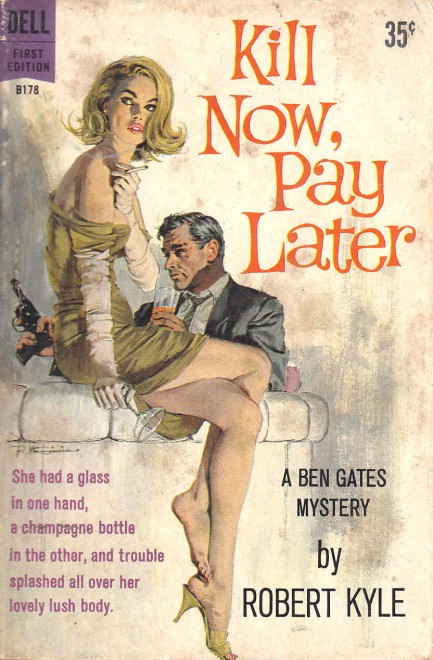
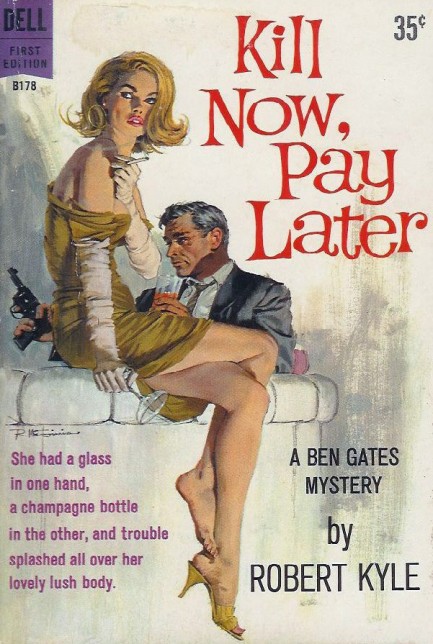
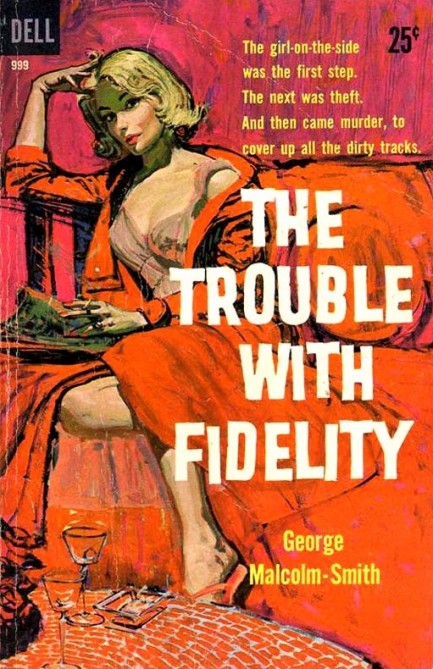
Could Robert Kyle's, aka Robert Terrall's, aka Brett Halliday's 1960 thriller Kill Now, Pay Later possibly be as good as its cover art? That's a big ask. Too big, really, though the book is pretty good. Kyle's franchise detective Ben Gates is hired to guard gifts at a high society wedding, but someone slips a mickey into his coffee and he's in la-la land while two murders and a robbery occur. As a matter of self preservation he has to solve the crimes or his chances of securing more work will be pretty slim. After all, who'd hire a detective that passes out on the job?
So Gates delves into the mystery, unravels a complicated plot, and handles the advances of three beautiful women. We think of these babe-magnet detectives as the male analogue to the dewy maidens of romance novels. As male wish fulfillment goes, Kill Now, Pay Later gets the job done, offering up a tough and competent protagonist and an engaging assortment of secondary personalities. This was third in the Gates series after Blackmail, Inc. and Model for Murder. We'll probably try to locate those. Kyle/Terrall/Halliday knows how to entertain a reader.


| Vintage Pulp | Nov 1 2011 |

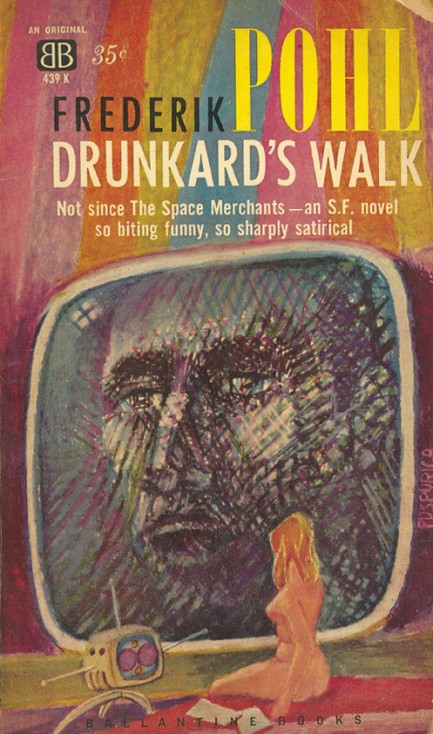
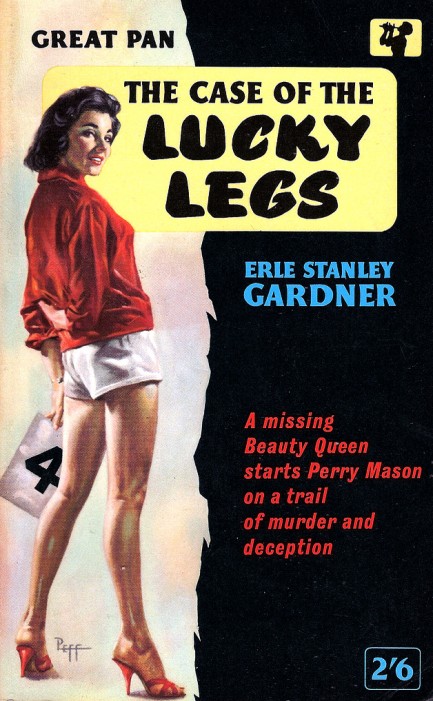
No, it doesn’t look like that to us either. Don’t get us wrong. It isn’t bad. But top sixty? Ever? Yet we found it on a site that included it in its top sixty, along with a collection of other covers of which we can honestly say only three were excellent. There was not one Fixler or Aslan to be found. Nary a J. David, nor a Peff, nor even a hint of a Rader. Clearly, whoever put the feature together took sixty random images off Flickr (yet watermarked the art they borrowed) and called it a day.
This highlights one of the main problems with the internet: it’s difficult to know which sites are primarily focused upon providing information, and which exist solely to generate traffic revenue. A site can do both (as we try to do here with our very minimal ad presence), but when some corporate pulp site that possesses endless resources somehow misidentifies the pulp era as lasting from the 1950s to 1970s, and asserts that the term “pulp” was popularized by the movie Pulp Fiction, it’s clear that information has not only taken a back seat to traffic revenue—it’s being dragged 100 feet behind the car on a rope.
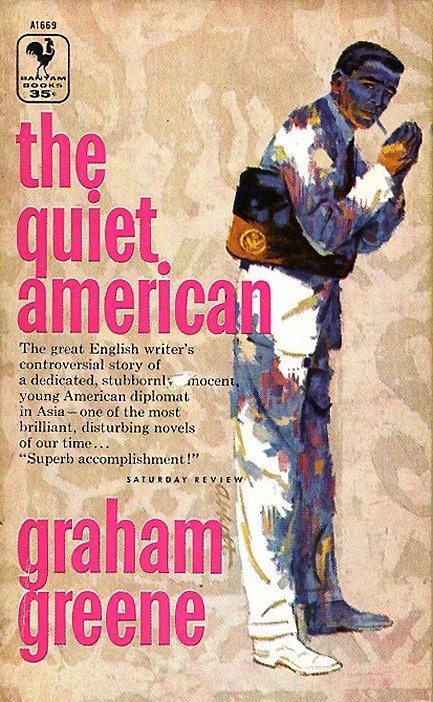
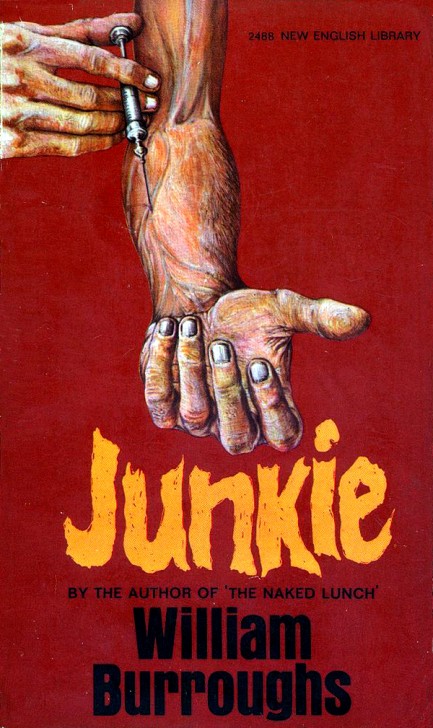
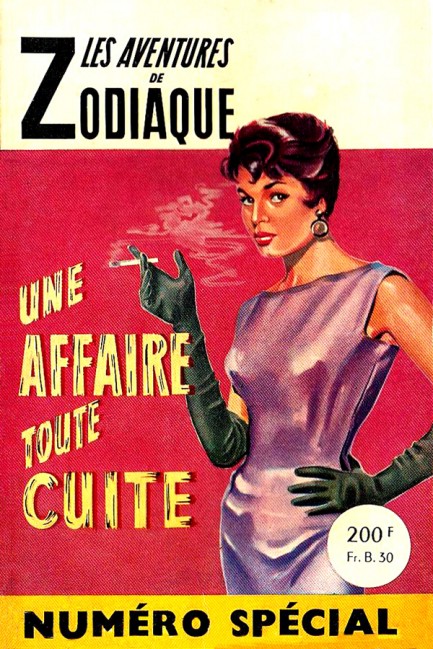
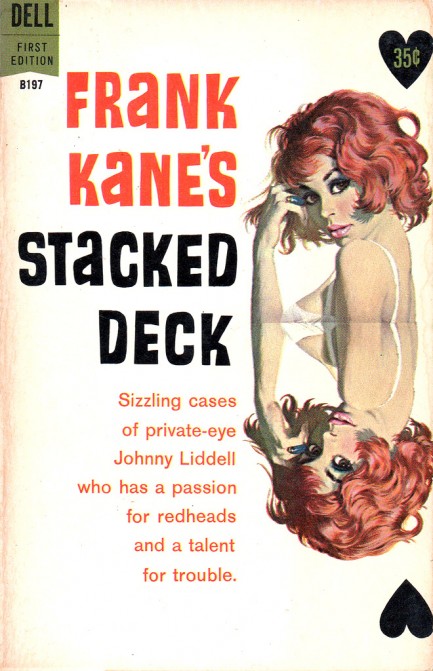
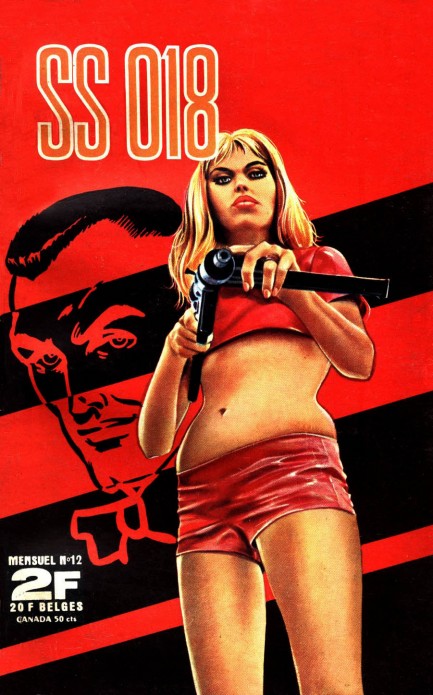
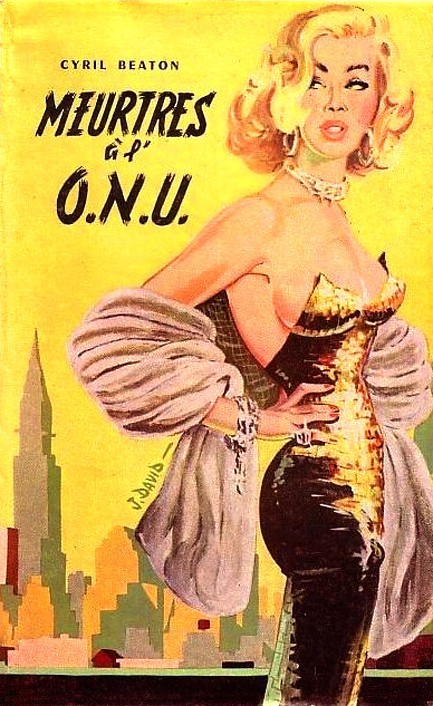
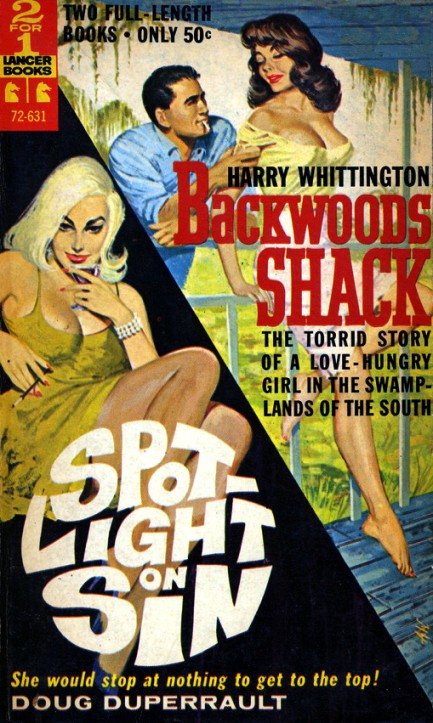
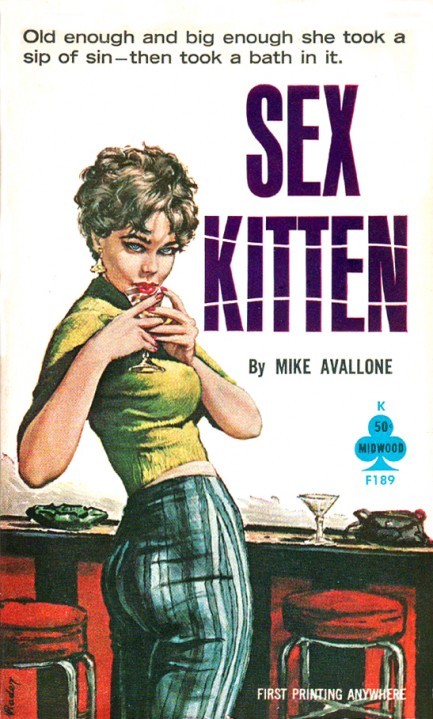
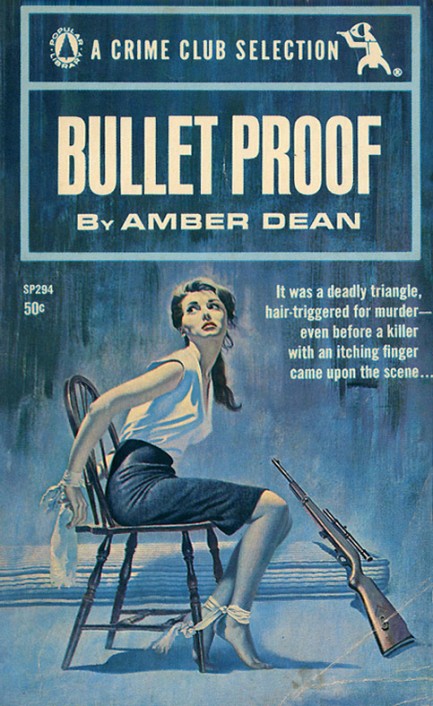
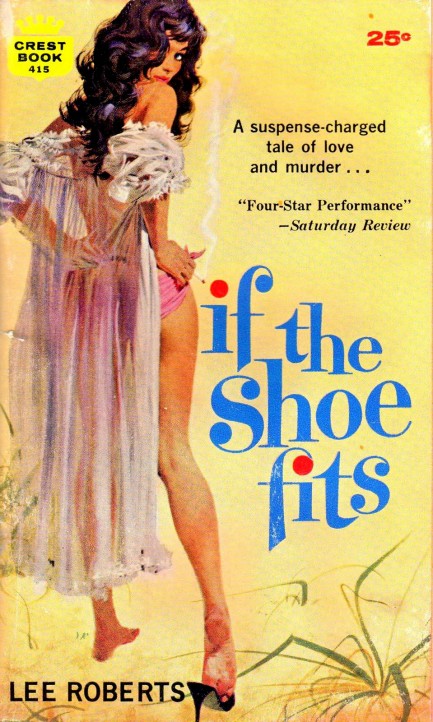
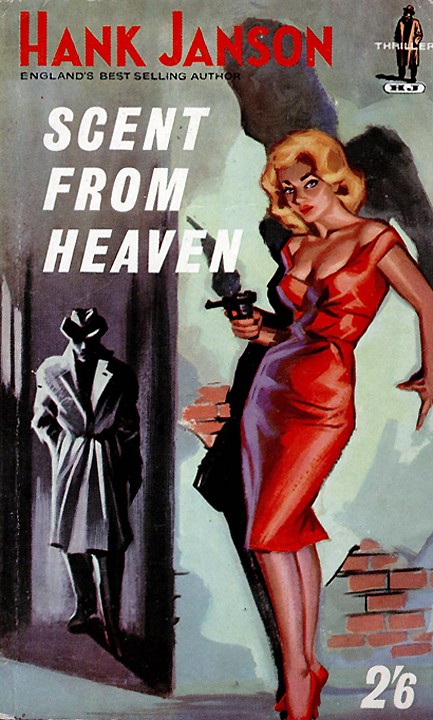
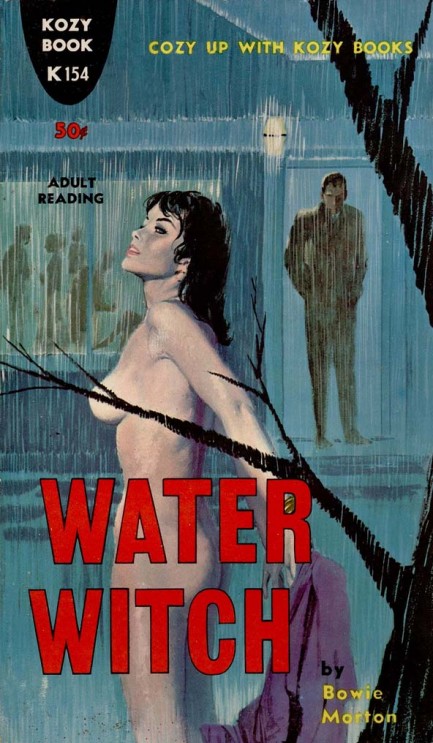
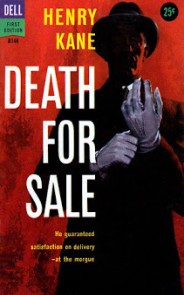
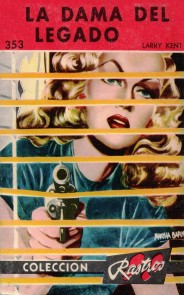
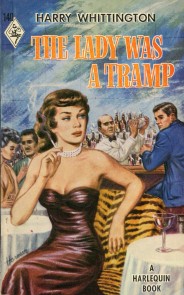
We would never presume to do something as subjective as select the best covers of all time, because who the hell are we? But we have, we hope, earned some credibility over the last three years. So on this, our official third anniversary, we're going to do a pulp cover collection of our own. We don't claim these are the best—only that we like them very much. We’re posting twenty-four because we’re too lazy to do sixty, but we think all of them are winners. A few have already appeared on our site; most have not. So here we go. And thanks to the sites from which we borrowed some of these.