| Sex Files | Jul 28 2022 |





| Vintage Pulp | Jul 4 2021 |


| Hollywoodland | Mar 19 2017 |

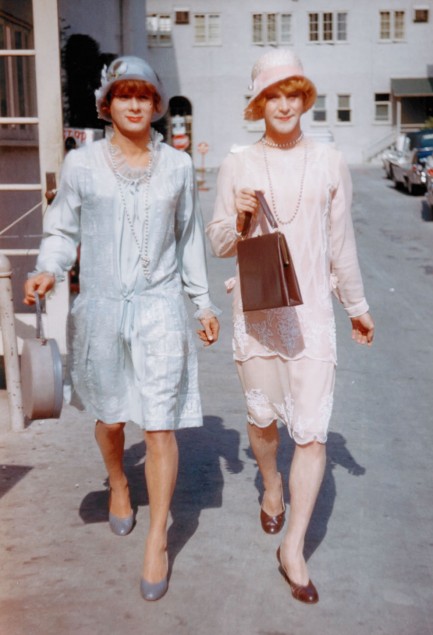
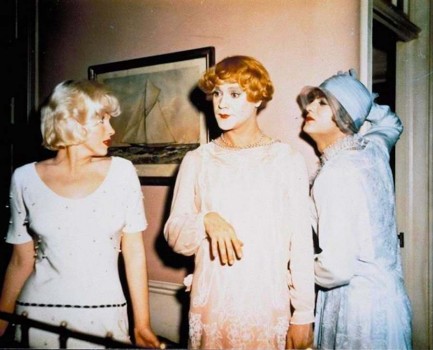
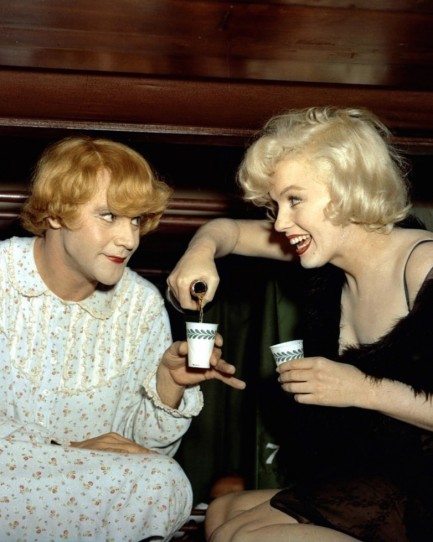
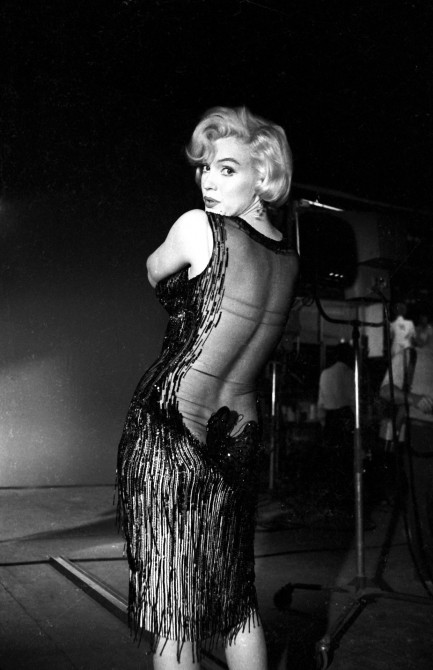
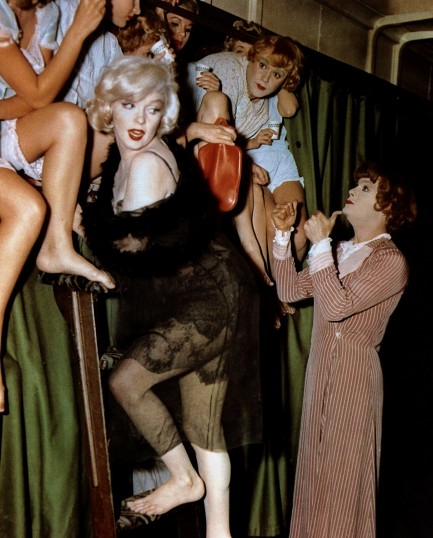
Above, a sound stage photo of Tony Curtis and Jack Lemmon in costume for their roles in Some Like It Hot, in which they starred with Marilyn Monroe. The movie premiered today in 1959 in Memphis, Tennessee, for some reason, then hit Chicago, Washington, D.C., and New York City later in the month.

| Vintage Pulp | Sep 9 2016 |

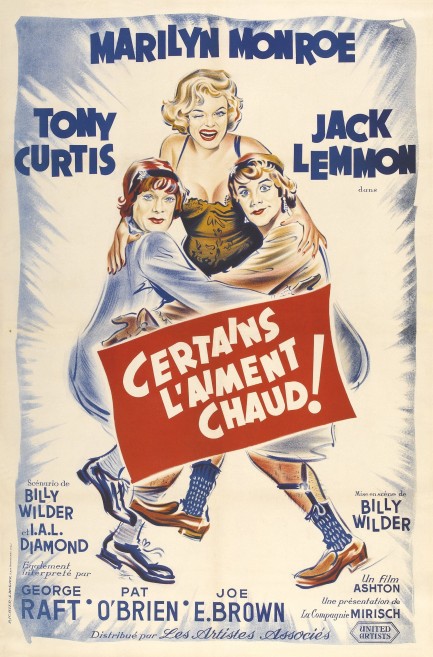
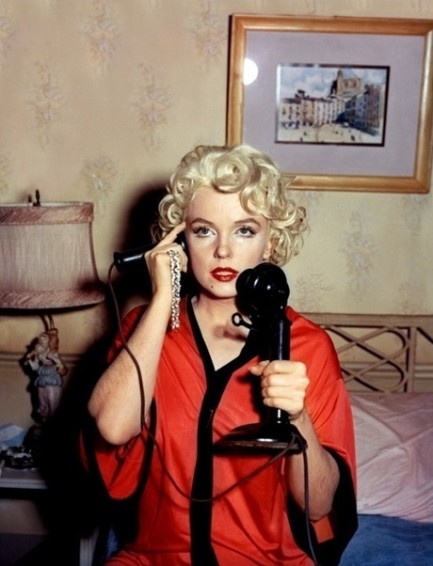
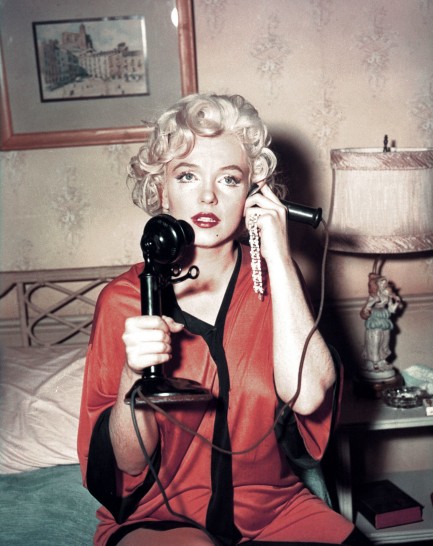
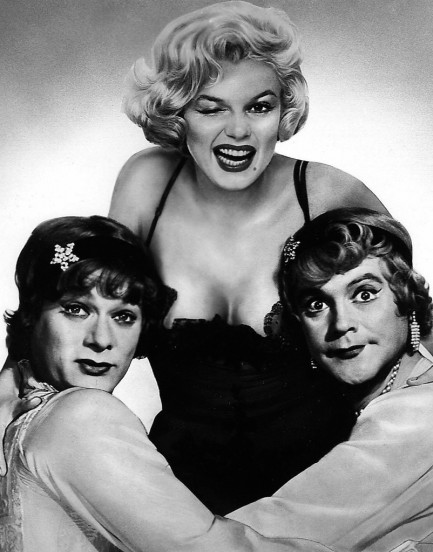 On this promo poster for the Marilyn Monroe comedy Certains l'aiment chaud, aka Some Like It Hot, it looks like Russian illustrator Boris Grinsson went a little strong on Monroe's wink, making her look like she got a splinter of glass in her eye, but Monroe actually looked that way in the promo photo used as the basis of the art, which you can see at right.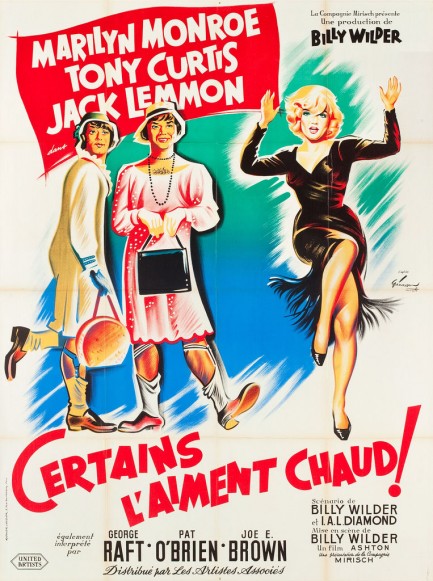

| Hollywoodland | Sep 15 2015 |


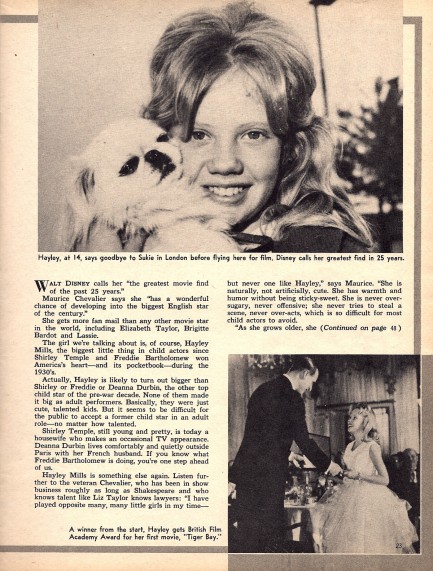
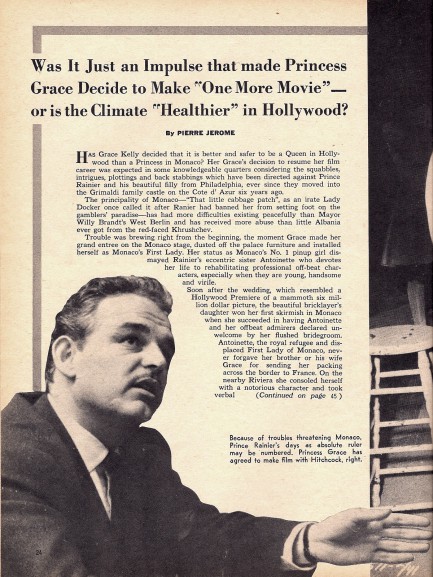
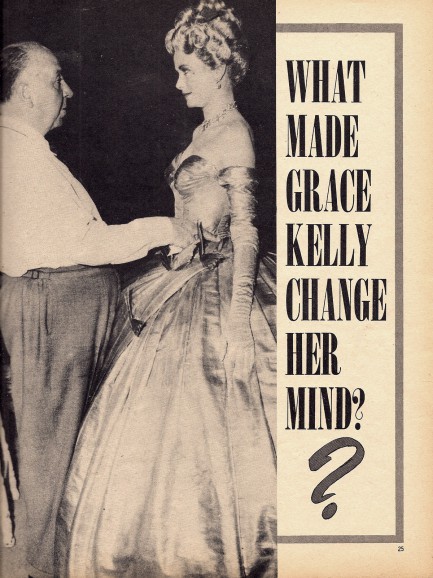
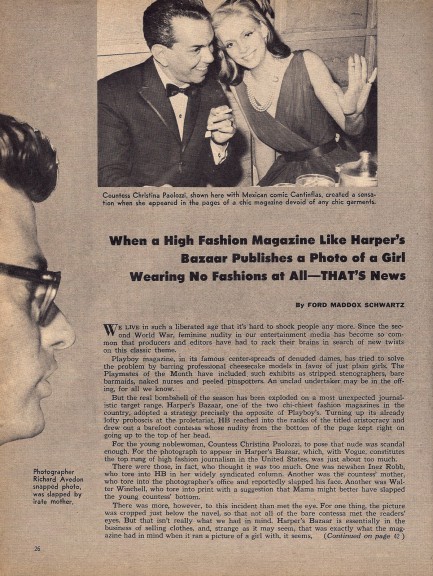
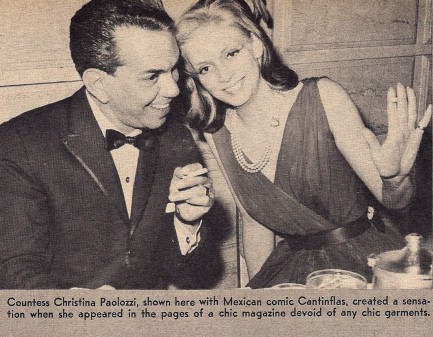
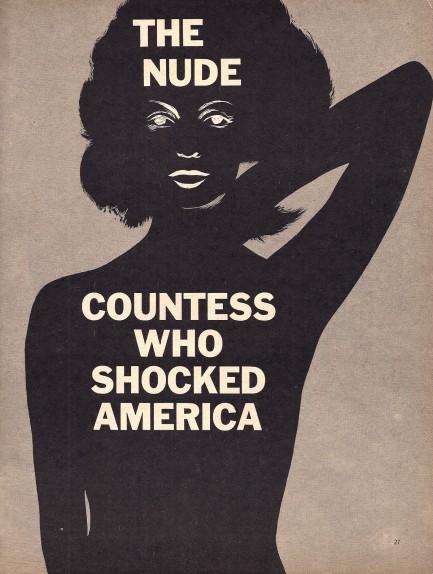
On the Q.T. labeled itself “The class magazine in its field.” In practice that was less than true. This cover from September 1962 offers teasers about Liz Taylor’s inability to be made happy, the fatal ring beating of boxer Kid Paret, and the inside story about Ivy Nicholson’s suicide attempt. But the banner goes to the nude countess who shocked America. That would be Christina Paolozzi, aka Christina Bellin, who was a New York City fashion model and the offspring of United Fruit Company heiress Alicia Spaulding and Italian conte Lorenzo Paolozzi. The photo was shot by Richard  Avedon and appeared in Harper’s Bazaar. Paolozzi was already considered “the first of the ’60s free spirits” by the tabloids, and by stripping for Avedon she became the first recognized fashion model to pose nude, a practice that is now common.
While Avedon earned widespread recognition for the shot, which you see at right, Paolozzi was dropped from the New York City Social Register, shunned by Manhattan’s upper crust, and subjected in the press to what is today sometimes called “body shaming.” Columnist Inez Robb wrote that Paolozzi was “no more favored by nature than the average daughter of Eve,” and added for good measure, “Harper’s Bazaar, with its excursion into overexposure, has unwittingly proved that not diamonds but clothes are a girl’s best friend.” If that wasn’t bad enough, just imagine what people wrote in the comments section. They had those then, right?
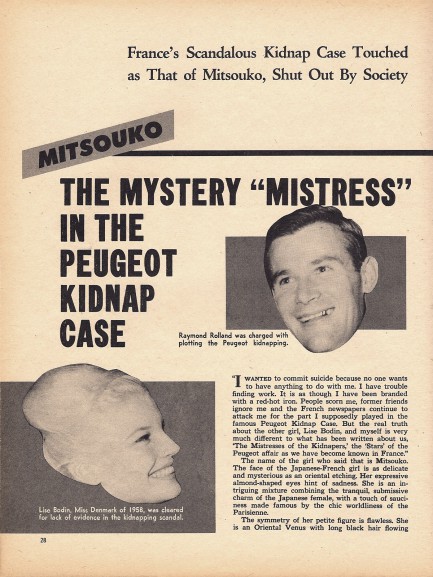
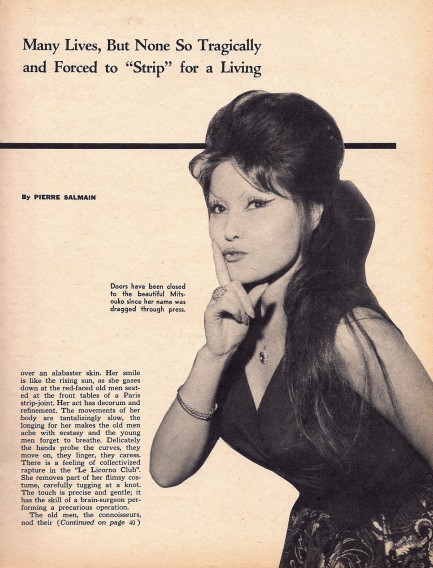
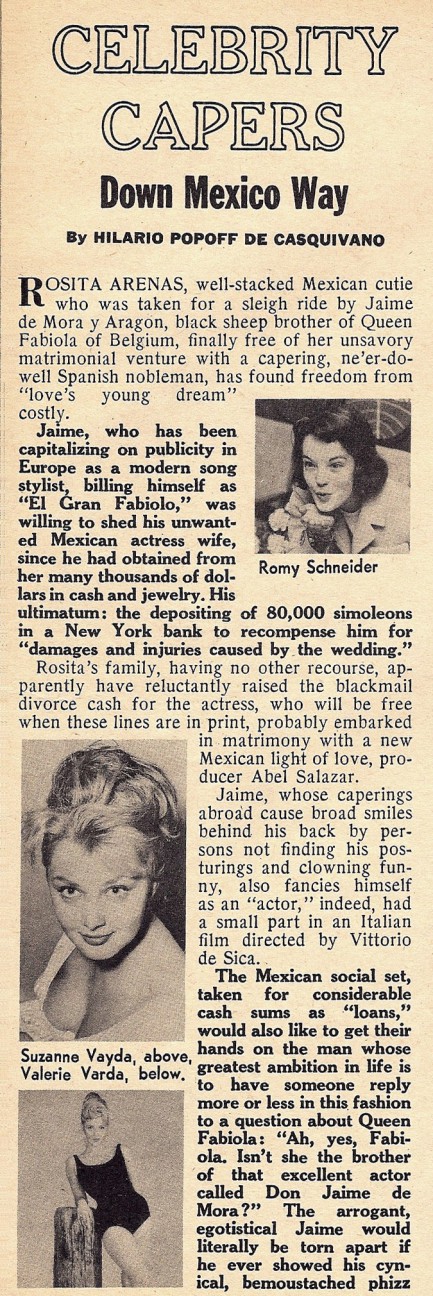
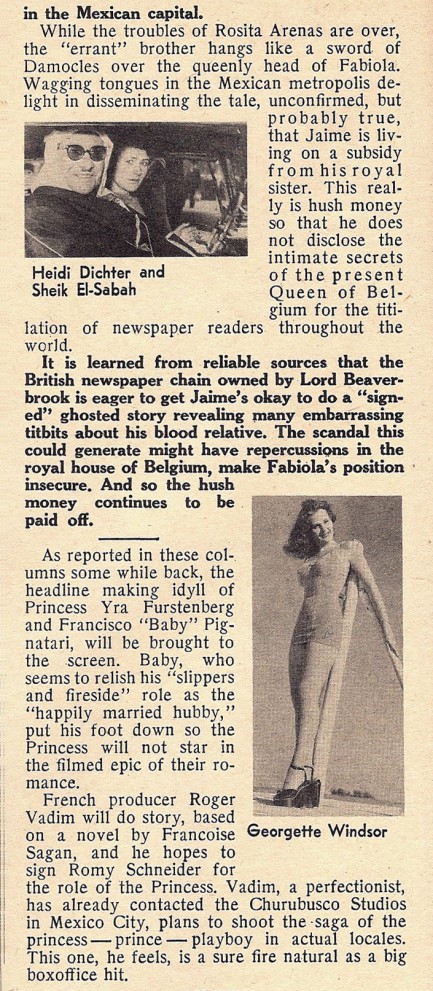
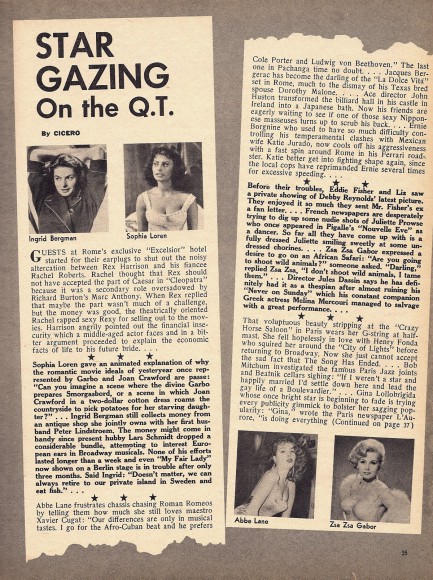
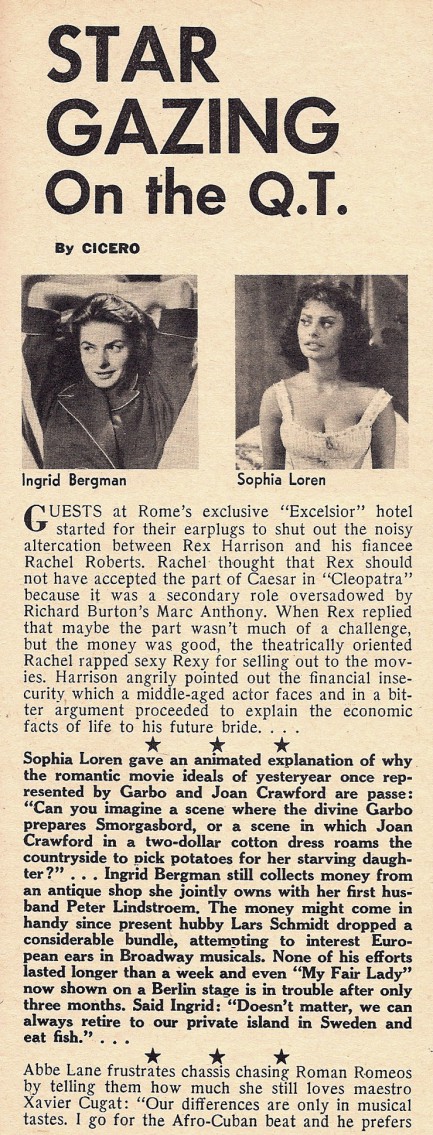
In any case, Paolozzi was a bold personality, and she went on to make waves yet again with her many wild parties and open marriage to cosmetic surgeon Howard Bellin, commenting in a mid-1970s newspaper article, “[It’s] just the way life is today—one man is simply not enough.” But she didn’t just spend the years having a good time. She also raised money for hospitals in Cambodia and Gabon, orphanages in Afghanistan, and supported eighteen foster children. In a sense, she gave the shirt off her back. Twenty-eight scans from On the Q.T. below.
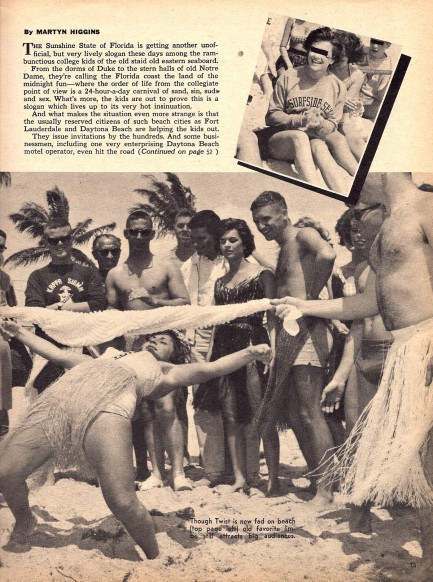
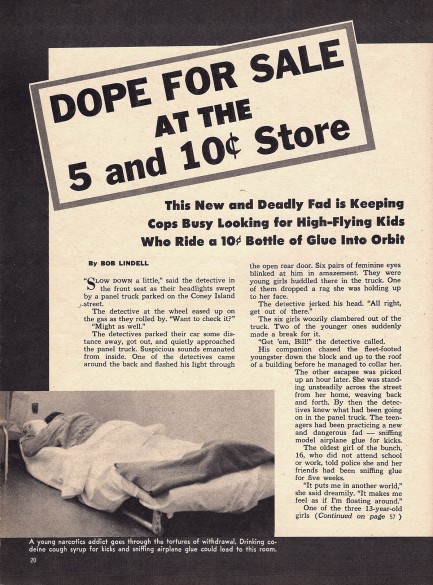
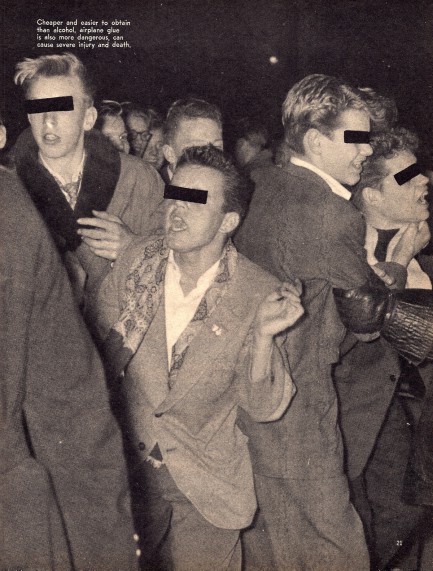
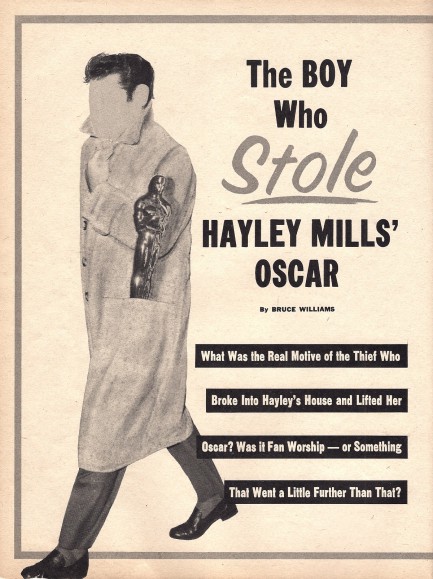

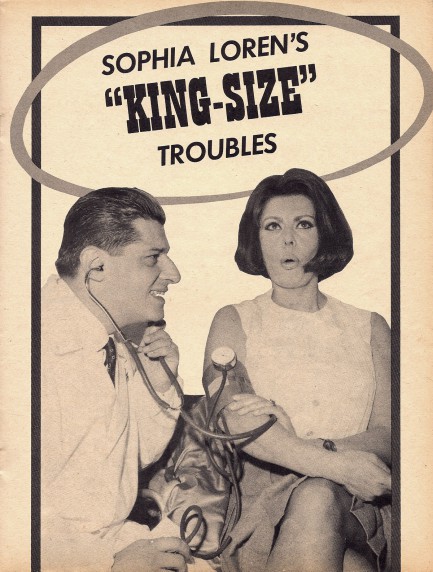
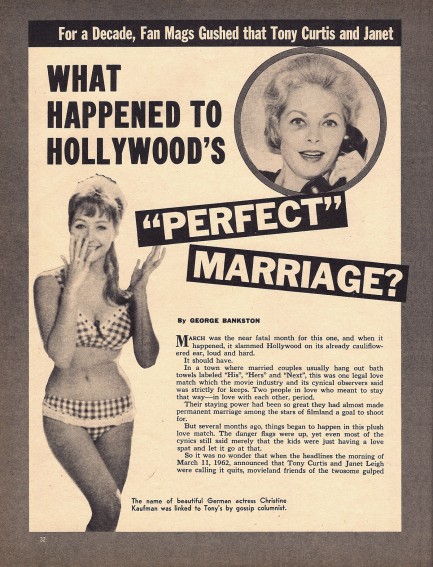
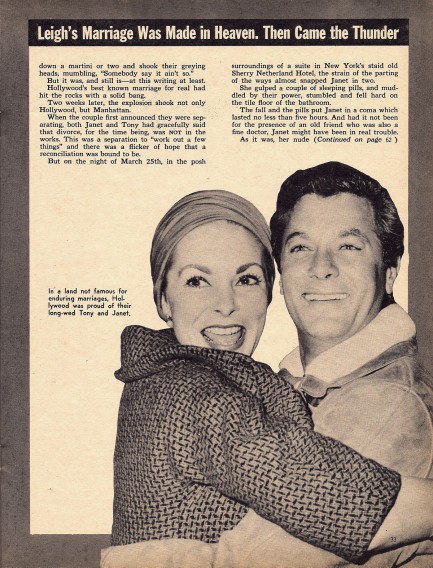
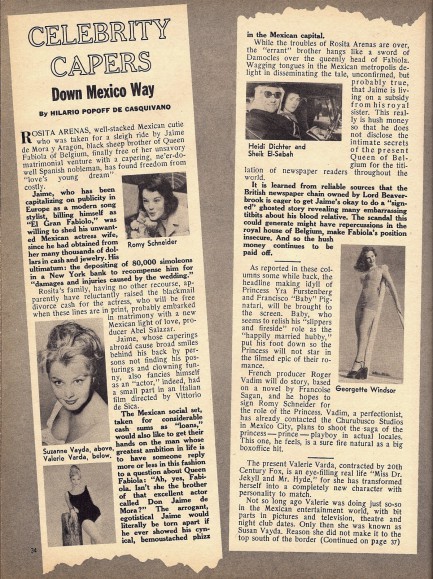

| Vintage Pulp | Jun 17 2013 |

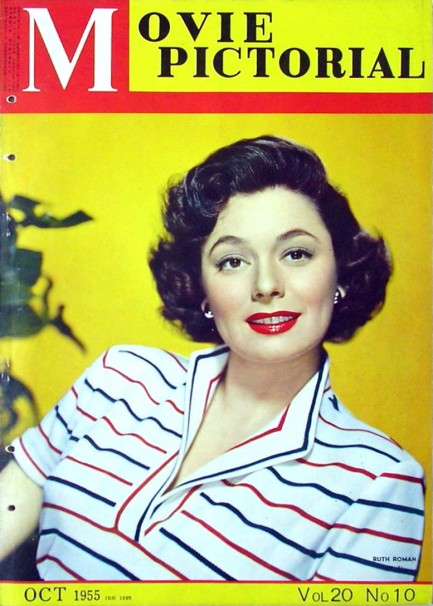
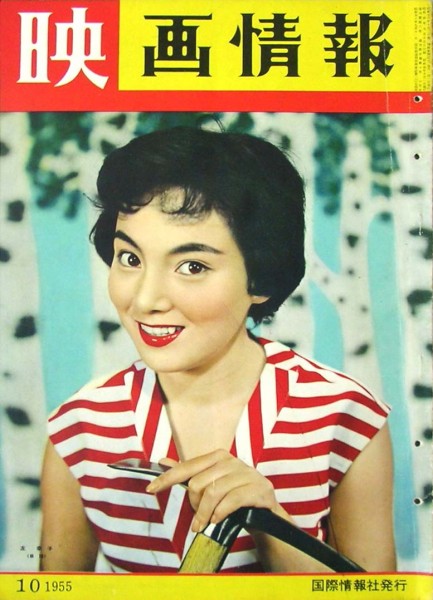
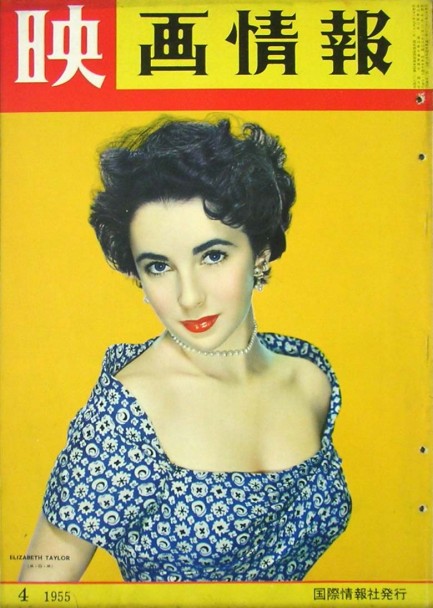
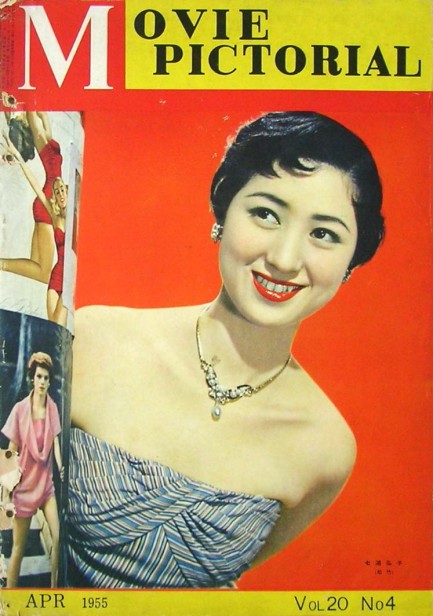
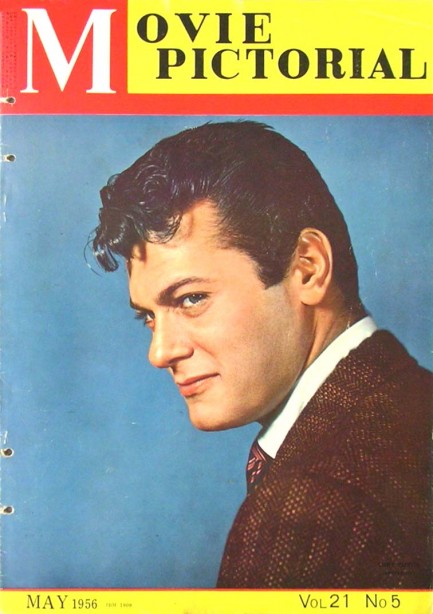
Several months ago we shared some covers of the Japanese cinema/celeb magazine Movie Information/Movie Pictorial. It was a publication that in aiming at both a Western and local audience uniquely offered simultaneous billing to Western and Japanese cover stars by putting one each on the front and back of every issue. But really, that’s a misnomer, because there was no back of the magazine. Because English and Japanese are read from opposite directions, both of the above covers could be considered the front. The magazine even seemed to have two names. In English it was Movie Pictorial, but the Japanese characters on the opposite face translate as “Movie Information.” These issues are from 1955 and 1956, and you can see scans of more colorful 1970s issues here.


| Hollywoodland | Apr 6 2013 |

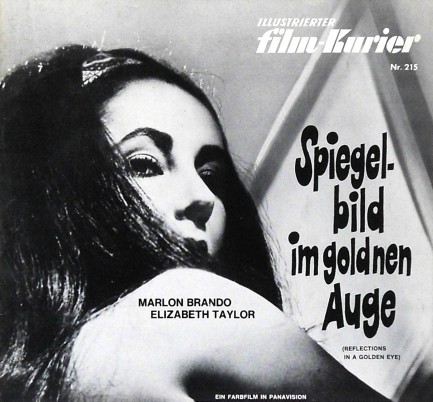
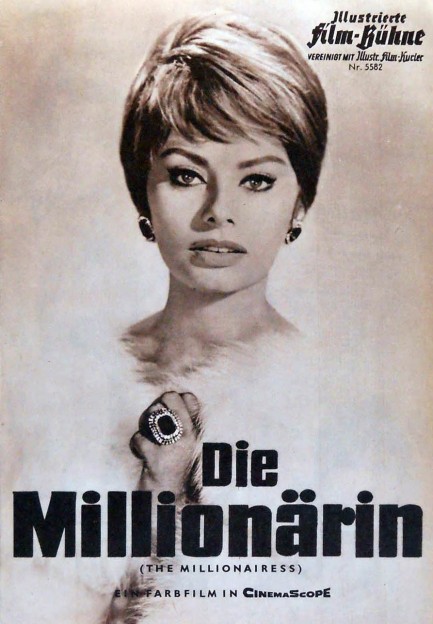
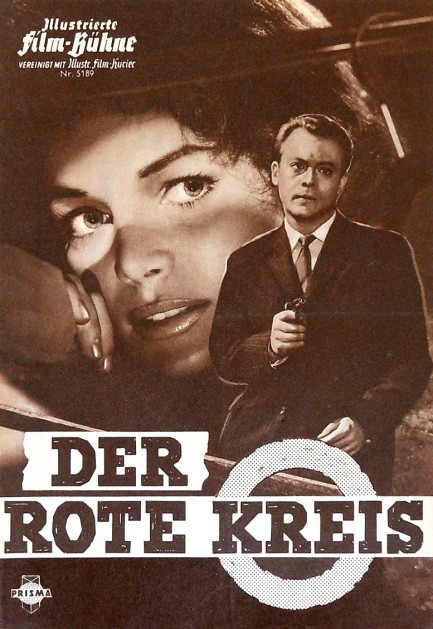
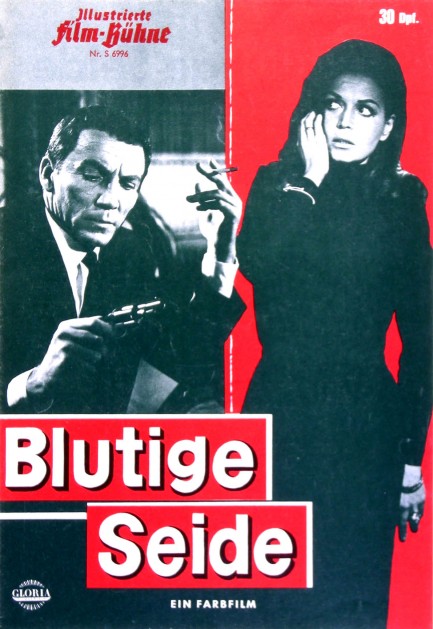
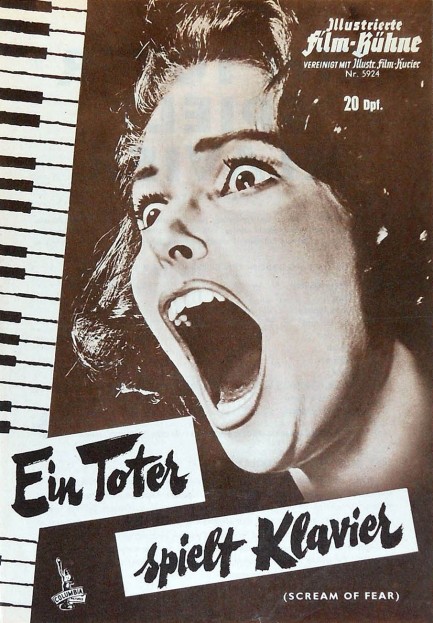
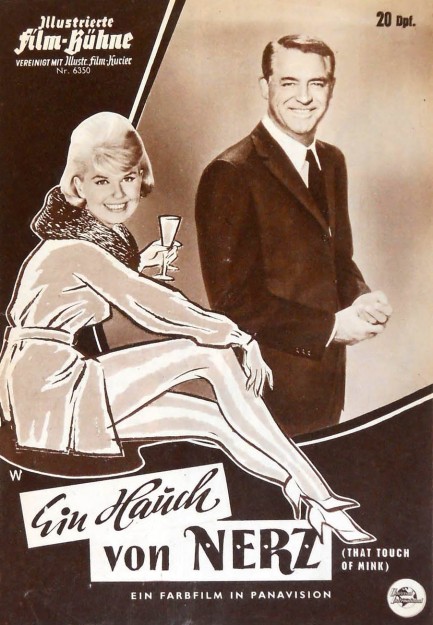
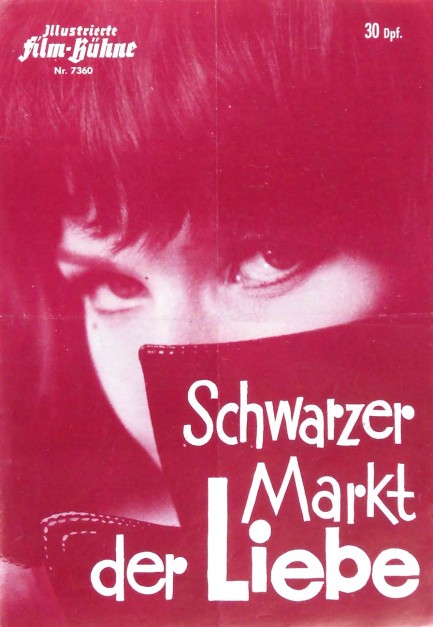
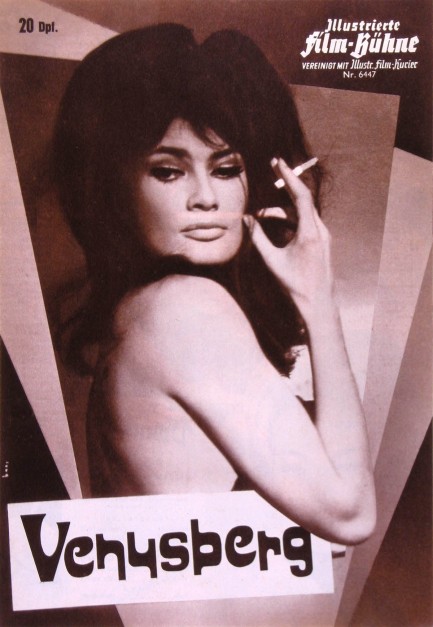
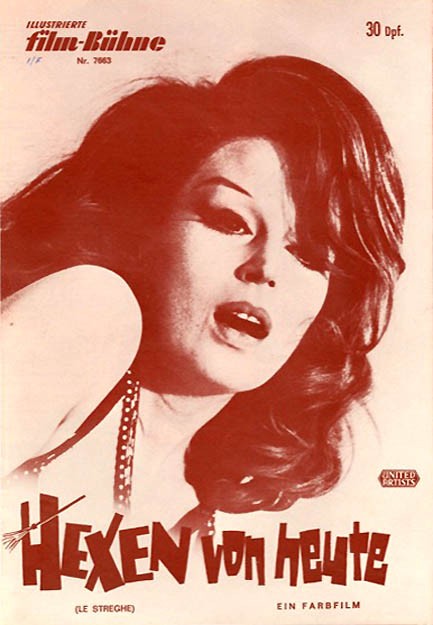
Below are the covers of some promotional brochures made by Illustrierte Film-Bühne for movies released in West Germany during the 1950s and 1960s. The examples here, some of which have killer designs, feature Elizabeth Taylor, Marisa Mell, Cary Grant, Virna Lisi, Sophia Loren, Doris Day, Tony Curtis, et.al. IFB was founded in 1946 in Munich by Paul Franke, and over the years produced thousands of these pamphlets. We’ll share more later.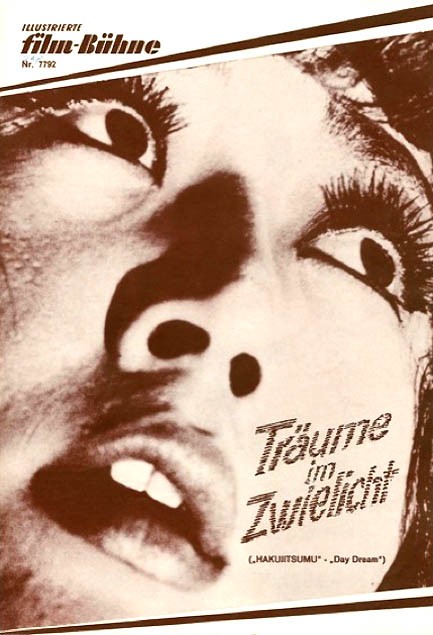


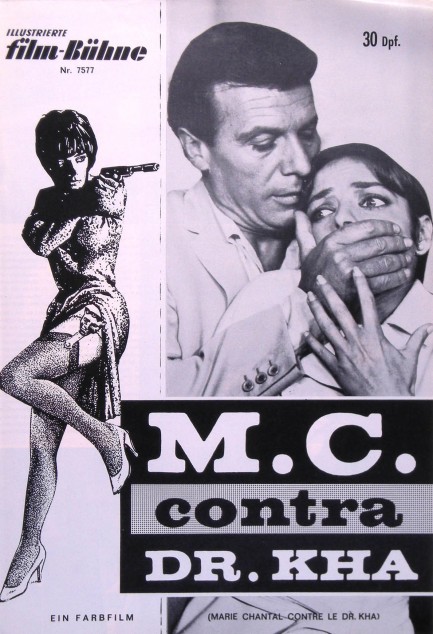

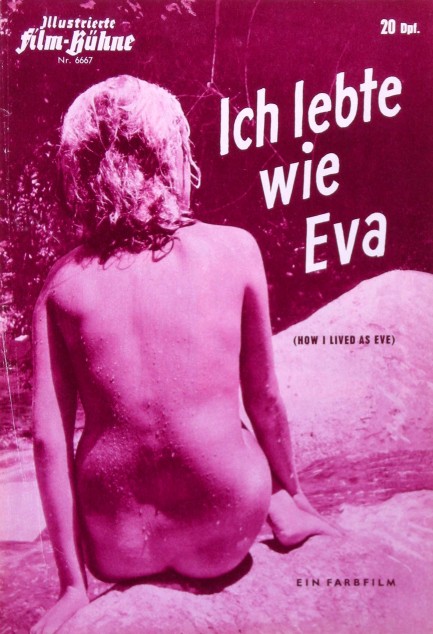


| Hollywoodland | Sep 30 2010 |

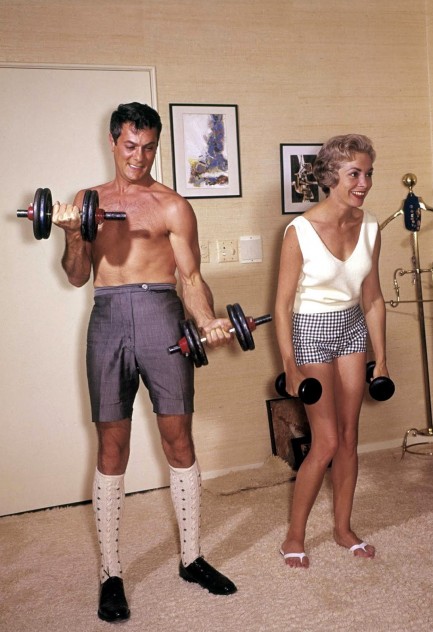
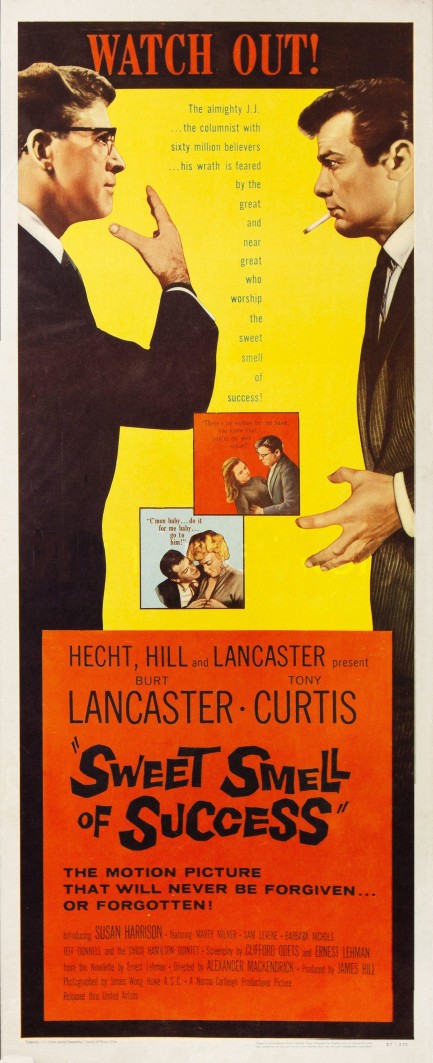
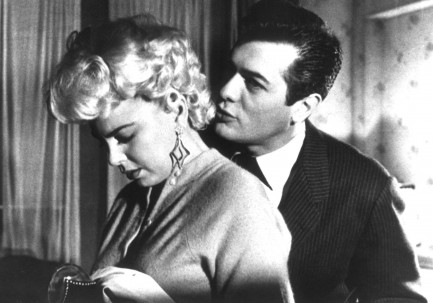
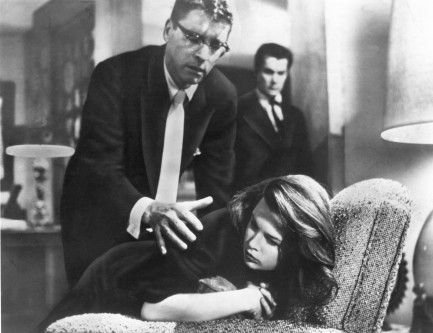
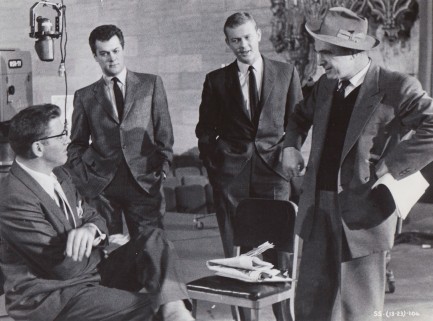
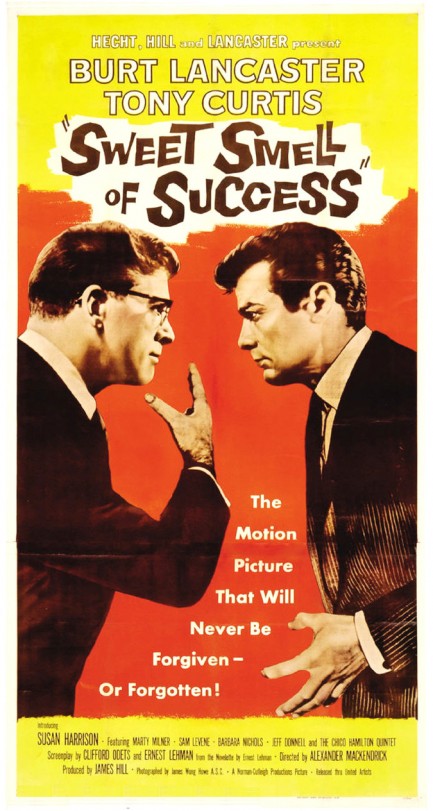
Promo shot of gifted comic actor Tony Curtis, née Bernard Schwartz, who appeared in such cinema classics Some Like It Hot, The Sweet Smell of Success and Spartacus, seen here joking around with wife Janet Leigh, circa 1960. Tony Curtis died yesterday at age 85.

| Vintage Pulp | Sep 17 2009 |

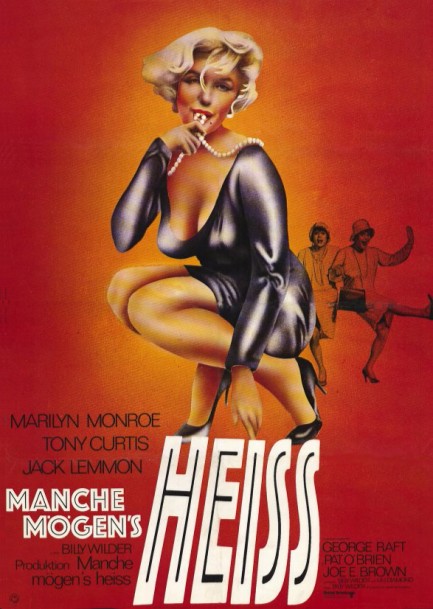
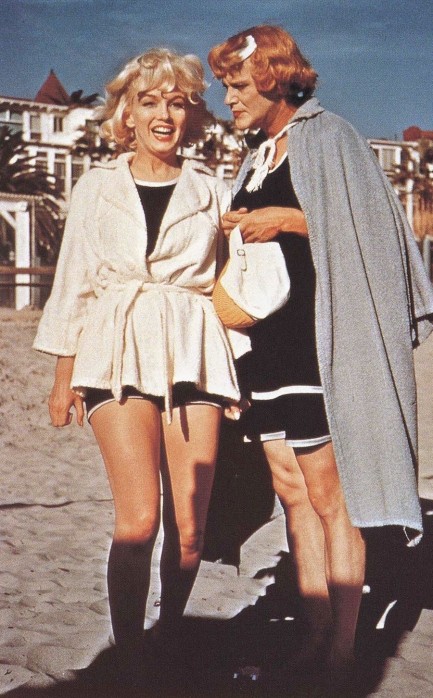
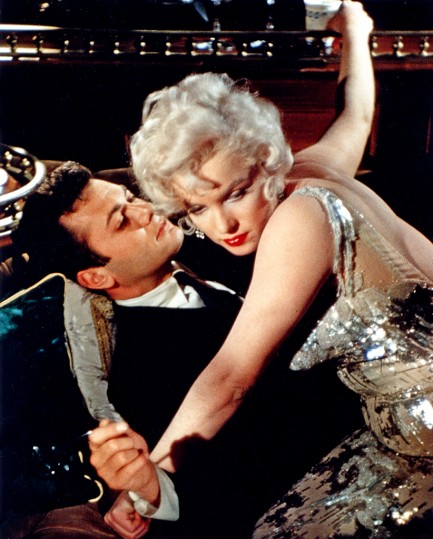
It had a classic premise: two Jazz Age musicians witness the 1929 St. Valentine’s Day Massacre and have to flee Chicago before the Mafia massacres them too. They disguise themselves as women and hide as members of an all-female musical troupe. One of the men, played by Tony Curtis, falls in love with fellow musician Marilyn Monroe but can’t reveal his gender; the other man, played by Jack Lemmon, is pursued by a rich and persistent suitor who thinks he’s found the woman of his dreams. It was called Some Like It Hot, and it was the type of absurd adventure only a confident veteran like Billy Wilder could have directed. He used all of his experience to coax top-notch acting out of a troubled Marilyn Monroe, who needed twenty to thirty takes to get some of the scenes right. In the end you’d hardly notice—her performance as Sugar Kane Kowalczyk looks effortless, as does those of Curtis and Lemmon as the two bickering buddies running for their lives. The final result was an award-winning comedy that even fifty years later has the power to deliver out-loud laughs. Above you see the film’s German promo art, which in our humble opinion is a masterwork in its own right. Some Like It Hot premiered in West Berlin today in 1959.