 Gloria Grahame is a bad mamma scamma. 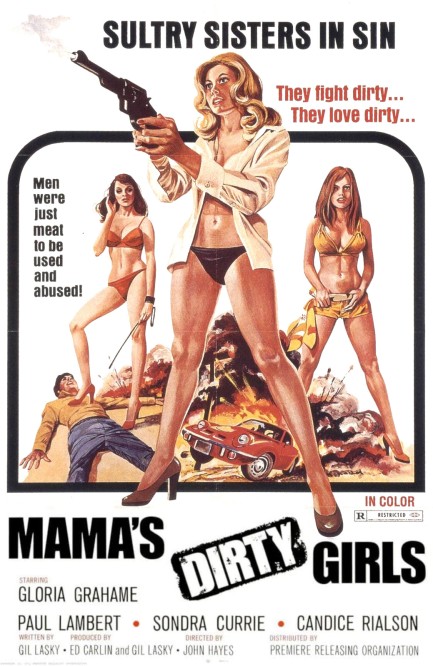
We had to watch Mama's Dirty Girls, not because it's a 1970's grindhouse movie (though that helped), but because none other than 1950s femme fatale Gloria Grahame got snared in this low budget affair. Sometimes the bills simply need to be paid. Or maybe she thought the script was dynamite. Either way, she gets top billing in this drive-in quality drama that premiered today in 1974, which tells the story of a scam artist mother and her three daughters who are honeytrap serial killers dispatching men for their money.
When Grahame gets another rich man on the hook, she foolishly poses as a well-to-do widow without realizing that her target is likewise seeking to kill someone for their money. This twist is ironic, and the mutual murder attempts that follow can be read as black comedy if you peer deeply between the lines, but in our opinion Mama's Dirty Girls doesn't have enough brainpower to be satire. Grahame probably wished it were, though—then she'd have had an excuse for starring in it. Sadly, it's just an amusingly bad movie. Everyone is terrible in it—even Grahame. And there isn't near enough eroticism to save it.
But you may want to watch it anyway. The cast is beautiful, particularly Currie, and there's an interesting value-added co-star too. Fifteen minutes into the movie's running time you'll see an actress that'll make you go, “Who is that?” You'll be reacting to the radiant beauty of bit player Annika Di Lorenzo, née Marjorie Lee Thoreson, who was a Penthouse centerfold in 1973 and later carved out a career in b-cinema. Besides Mama's Dirty Girls she appeared in such films as 1974's Act of Vengeance and The Centerfold Girls, 1980's Dressed To Kill, and 1979's big budget porn epic Caligula.
She later sued Penthouse publisher Bob Guccione, claiming that he forced her to have sex with business associates, and tricked her into the infamous Caligula orgy. She won a $4 million punitive judgement, but lost it in an appeal. Guccione took revenge by publishing a lesbian pictorial of Di Lorenzo. Afterward, she stepped away from the limelight, but in 2011 hit newspapers again when she washed up dead on Camp Pendleton Beach in San Diego under baffling circumstances. Police suggested suicide, but her family contended that it was foul play, possibly perpetrated by someone from the military base. In the end, her case was closed as unsolved, and today remains another Hollywood mystery. 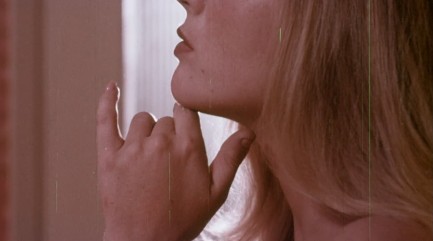 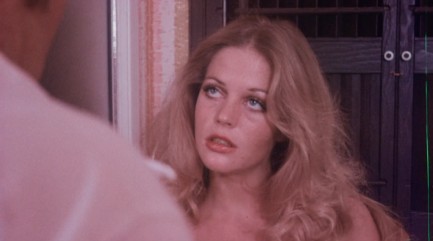 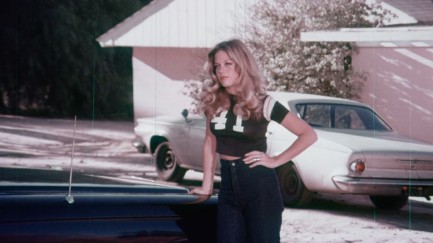 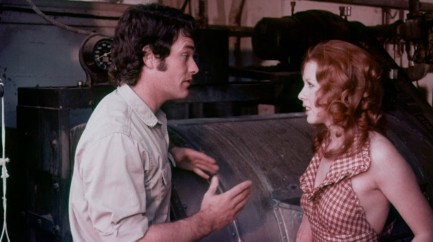 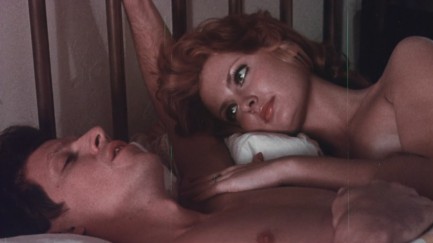 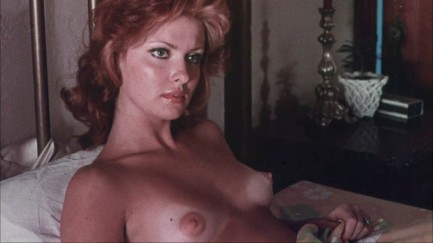 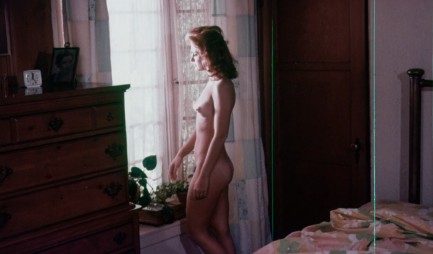 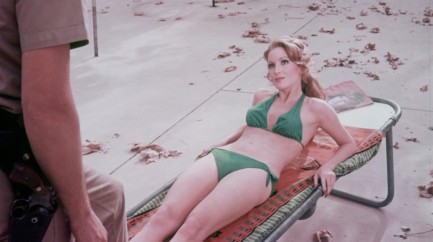 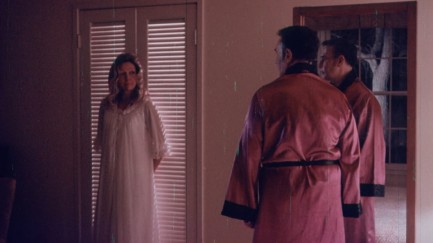 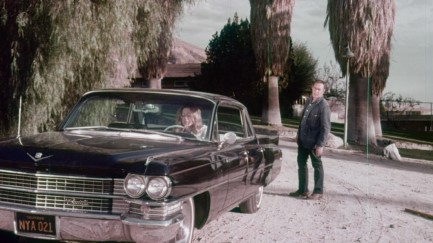 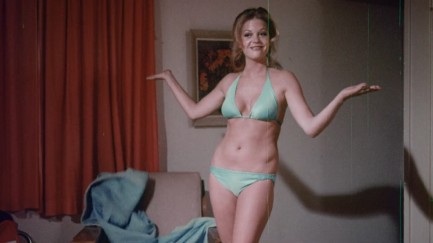 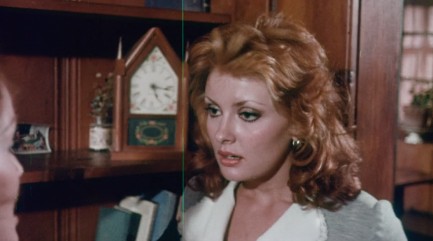 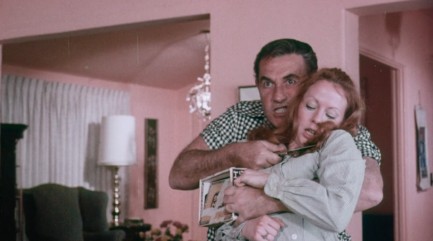 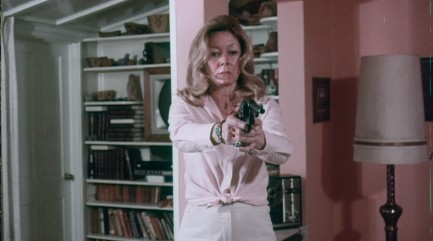 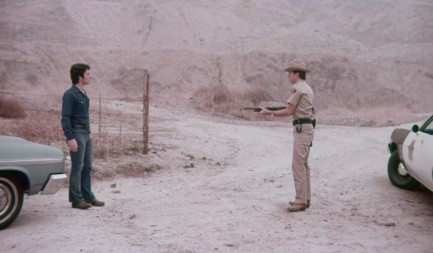
 In the land of the blind the one-eyed woman is queen. 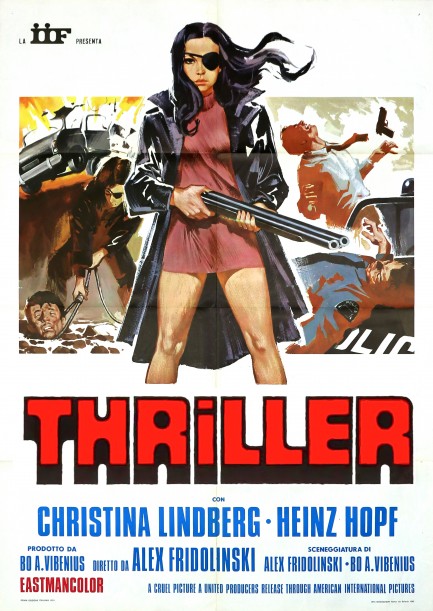 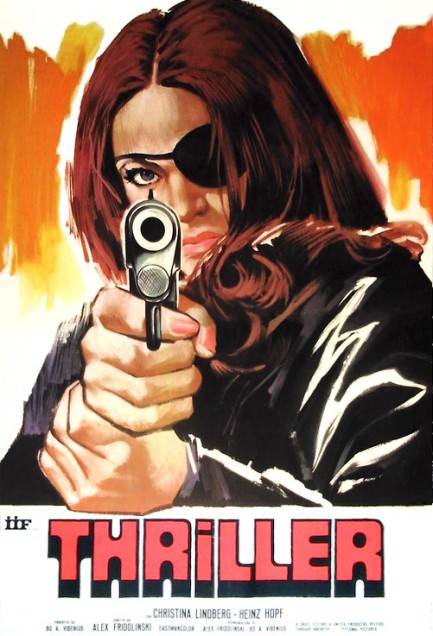 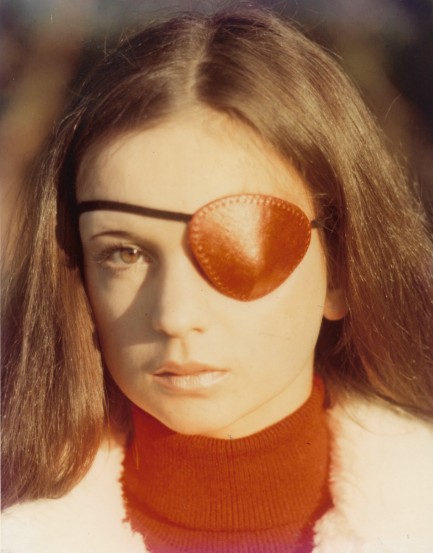
We've done a lot on Sandro Symeoni, which means that just for the sake of completeness we can't overlook these. They're his Italian posters for the Christina Lindberg grindhouse classic Thriller, which was originally made in Sweden as Thriller - en grym film, and in English speaking countries was known as Thriller: A Cruel Picture and They Call Her One Eye. We've already talked about it, and its star.
 The deeper into the Underworld you go the hotter it gets until everyone—and everything—is liable to get burned. 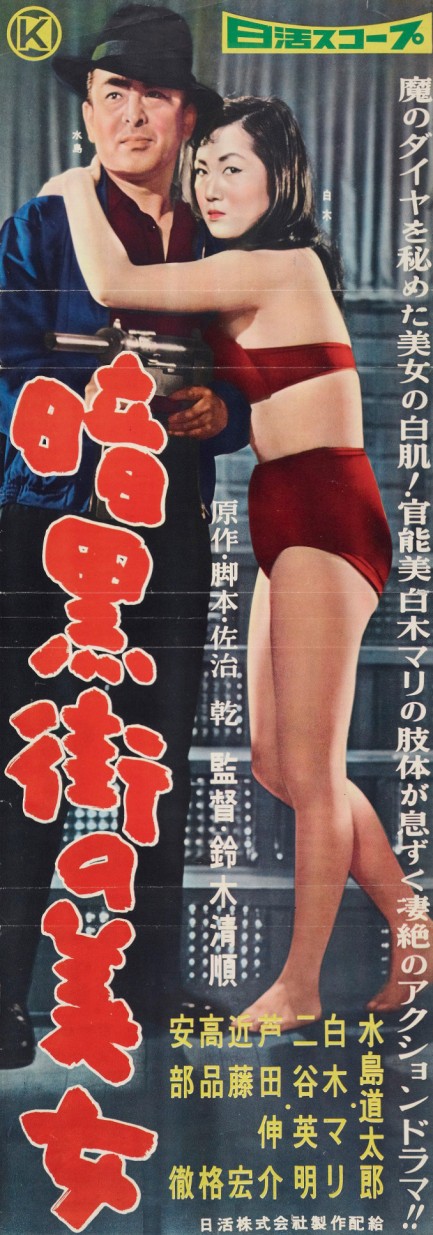 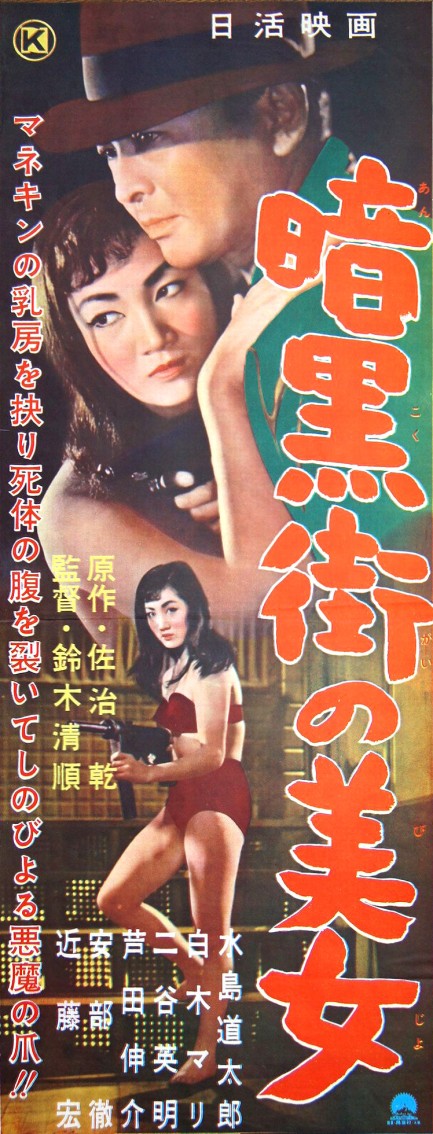
The two tateken style posters you see above were made for the Japanese crime drama Ankokugai no bijo, the title of which means “beauty of the underworld,” and which was known in English as Underworld Beauty. The movie is about a bunch of gangsters chasing after some diamonds. Co-star Tôru Abe has them first, but when the yakuza catch up to him, he swallows them and jumps off a roof, ending up in a hospital. He soon dies and the treasure is cut out of his body, but that's merely the beginning of a struggle to retain their possession. Abe's sister, played by Mari Shiraki, is the underground beauty of the title, and gets tangled up with the mobsters. They say diamonds are forever, but we're told early in the film when it seems as if the coveted stones might go into a crematorium with Abe's body, that they can actually burn. That's clumsy foreshadowing, but Underworld Beauty still manages to be an interesting and mostly satisfying film. It premiered today in 1958. 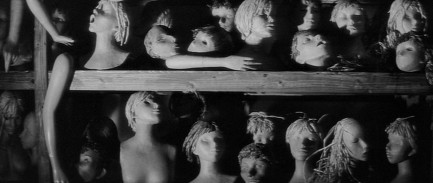 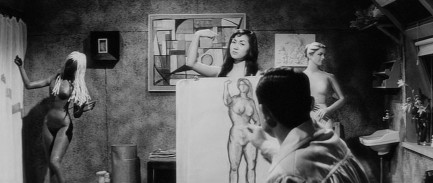 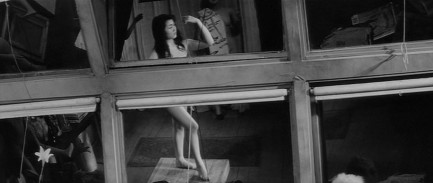 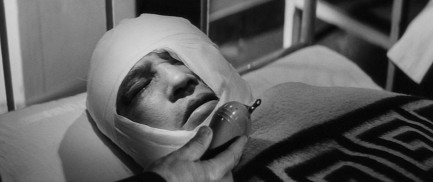 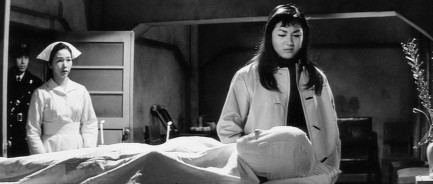 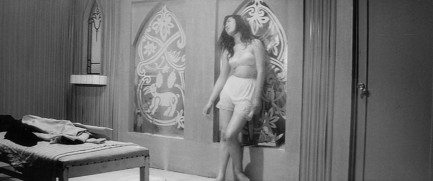 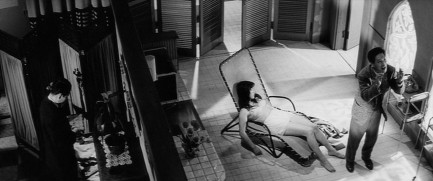 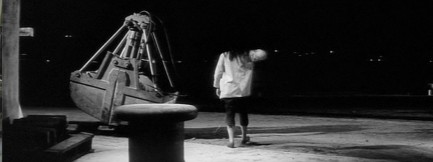 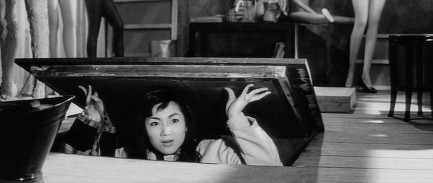 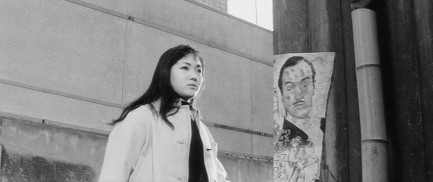 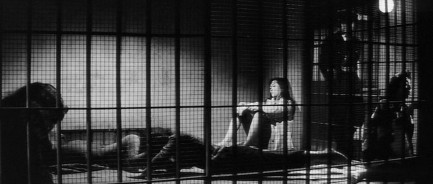 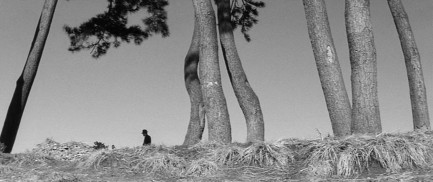 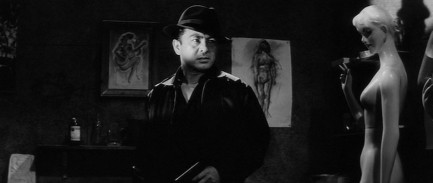
 Strange ideas from the minds and lenses of mid-century promo photographers. 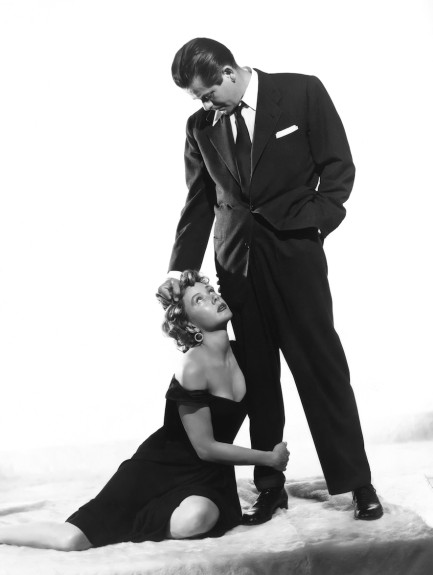 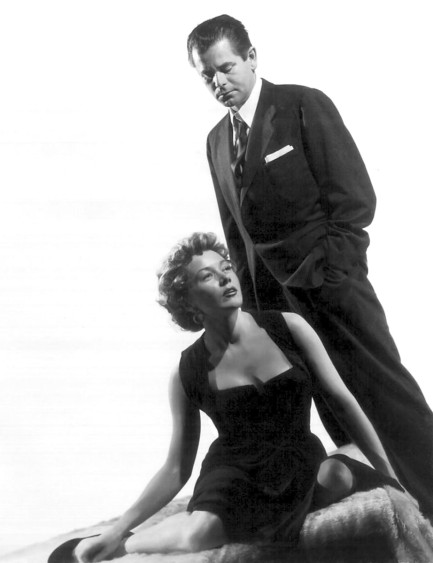 A while back we shared a promo photo of Glenn Ford and Gloria Grahame from 1953's The Big Heat that was meant to imply oral sex (it absolutely was, and you can see for yourself here). We commented on its weirdness, and noted that an actress would probably not be asked or made to pose that way today. The shot got us thinking about whether there were other kneeling promo shots from the mid-century era, and above you see two others from The Big Heat. Below we have more such shots, and while none are as jarring as that previous promo, they're all interesting. We assumed there would be few if any featuring kneeling males, but we found a couple. Even so, there are probably scores more kneeling actresses that we missed. While many of shots took the form they did to highlight the criminal/victim themes in their parent films, you still have to wonder what else—consciously or not—was in the various photograhers' minds. Anyway, just some food for thought this lovely Thursday. Ready, set discuss! 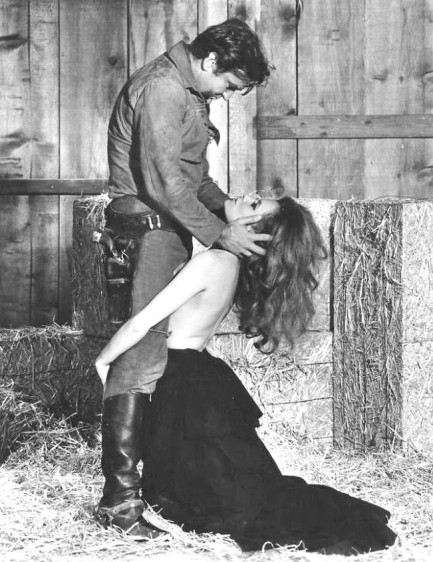 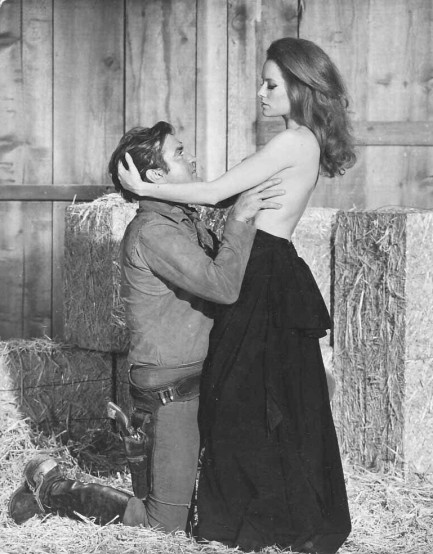 Rod Taylor and Luciana Pauluzzi swap subordinate positions for 1967's Chuka. Rod Taylor and Luciana Pauluzzi swap subordinate positions for 1967's Chuka.
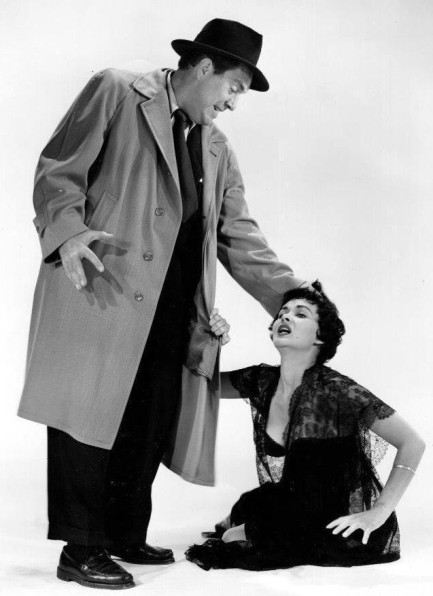 Edmund O'Brien goes for the time honored hair grab on Marla English for 1954's Shield for Murder. Edmund O'Brien goes for the time honored hair grab on Marla English for 1954's Shield for Murder.
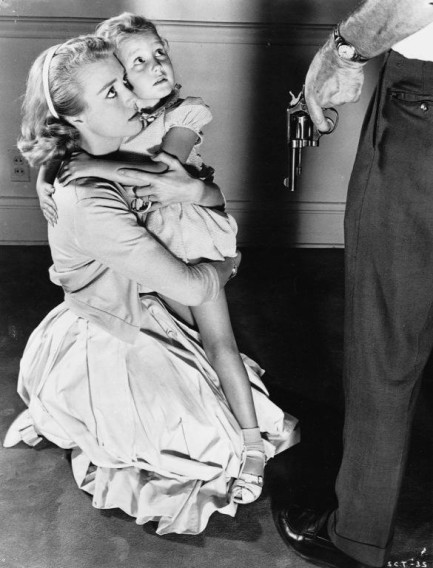 Inger Stevens and Terry Ann Ross for Cry Terror, an adaptation of a novel we talked about a few years ago. Inger Stevens and Terry Ann Ross for Cry Terror, an adaptation of a novel we talked about a few years ago.
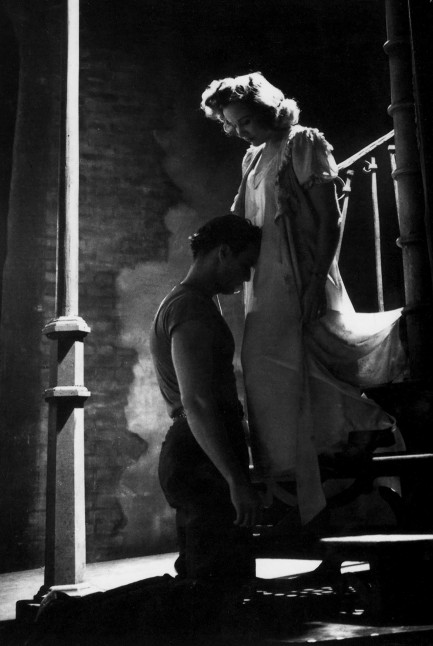 Kim Hunter soothes an overheated Marlon Brando in a promo for 1951's A Streetcar Named Desire. Kim Hunter soothes an overheated Marlon Brando in a promo for 1951's A Streetcar Named Desire.
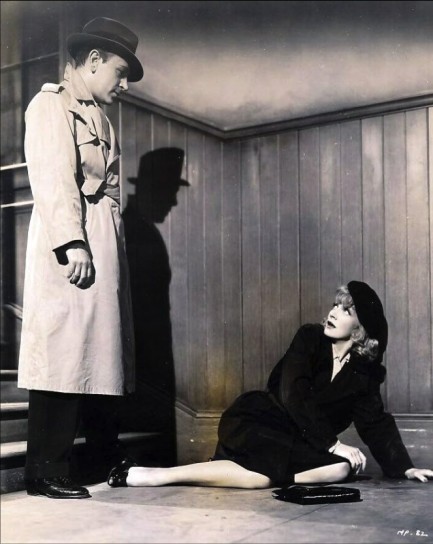 George Raft menaces Marlene Dietrich in the 1941 comedy Manpower. George Raft menaces Marlene Dietrich in the 1941 comedy Manpower.
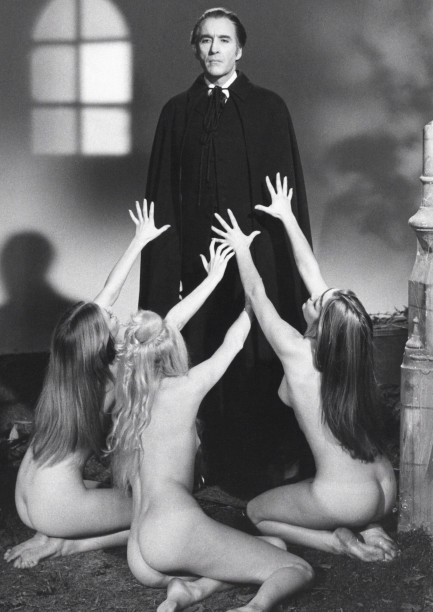 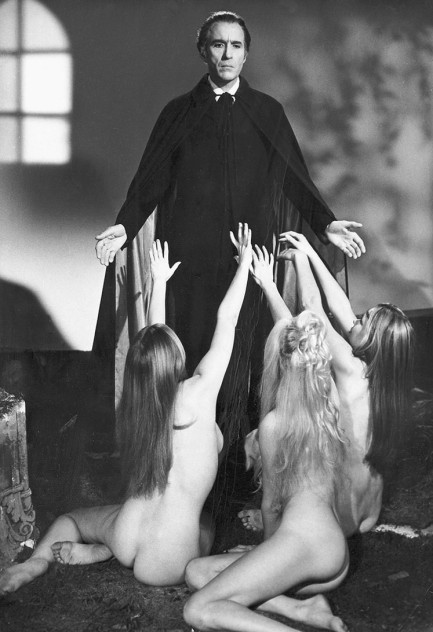 As promos go, these actually make sense. They show three unidentified models mesmerized by vampire Christopher Lee for 1970's Taste the Blood of Dracula. As promos go, these actually make sense. They show three unidentified models mesmerized by vampire Christopher Lee for 1970's Taste the Blood of Dracula.
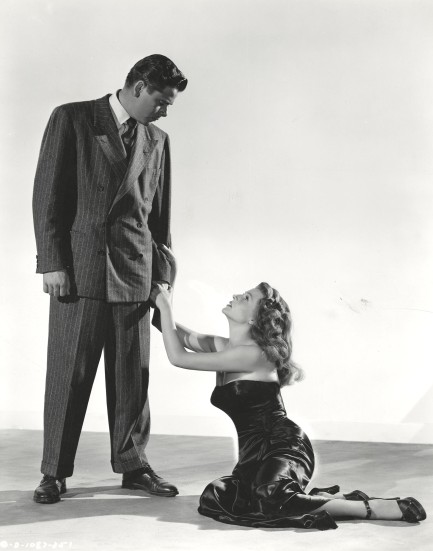 Glenn Ford is at it again, this time looming over Rita Hayworth for the 1946 classic Gilda. Glenn Ford is at it again, this time looming over Rita Hayworth for the 1946 classic Gilda. 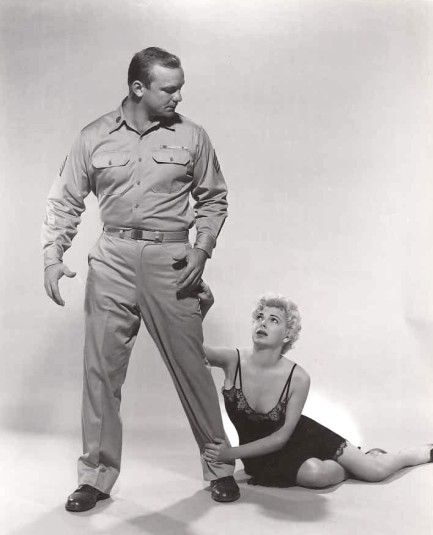 Aldo Ray and Barbara Nichols for 1958's The Naked and the Dead. Aldo Ray and Barbara Nichols for 1958's The Naked and the Dead.
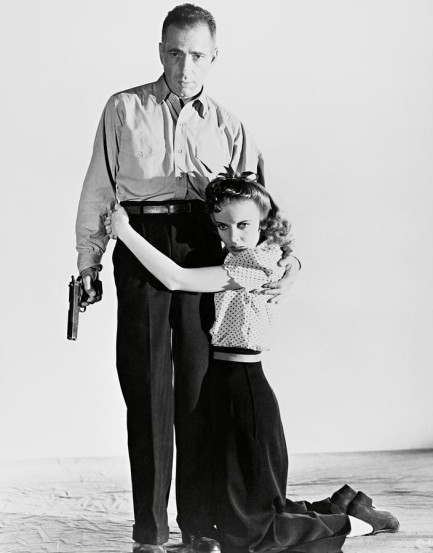 This one shows less domination and more protectiveness, as Humphrey Bogart prepares to defend Ida Lupino for High Sierra, 1941. This one shows less domination and more protectiveness, as Humphrey Bogart prepares to defend Ida Lupino for High Sierra, 1941.
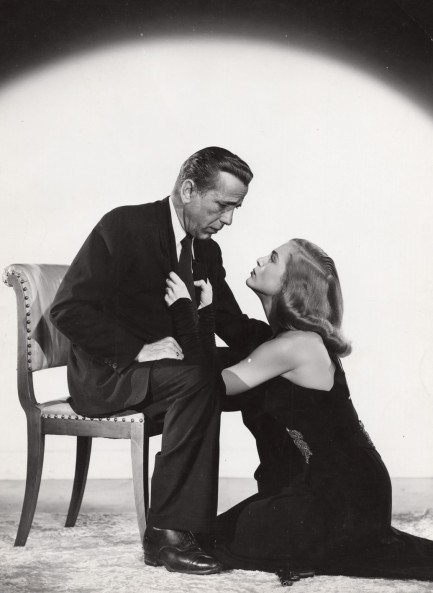 Humphrey once more. Here he's with Lizabeth Scott for Dead Reckoning, 1947. Humphrey once more. Here he's with Lizabeth Scott for Dead Reckoning, 1947.
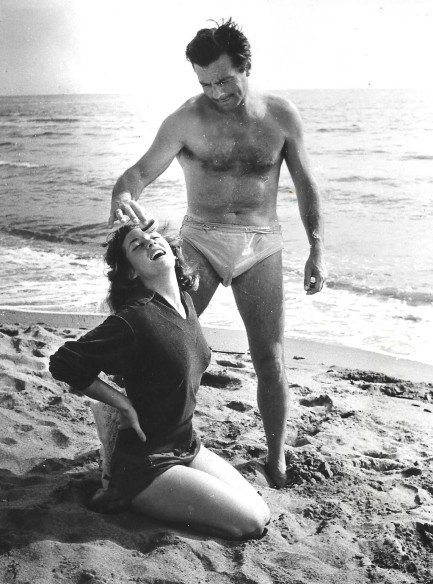 This shot shows Brazilian actress Fiorella Mari with an actor we can't identify in a movie we also can't identify. This shot shows Brazilian actress Fiorella Mari with an actor we can't identify in a movie we also can't identify.
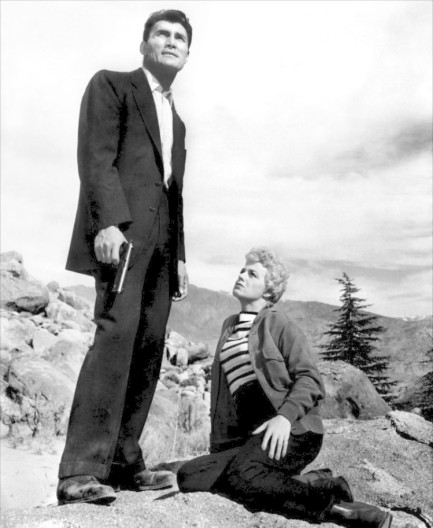 Shelly Winters and Jack Palance climb the highest mountain together for I Died a Thousand Times, 1955. Shelly Winters and Jack Palance climb the highest mountain together for I Died a Thousand Times, 1955.
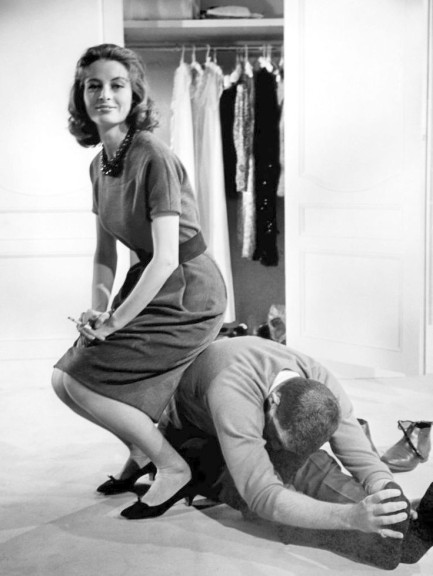 As we said, we didn't find as many examples of kneeling men, but we found this gem—Cappucine makes a seat of director Blake Edwards on the set of The Pink Panther in 1963. Does this count, though? While Edwards is subordinate, he isn't kneeling and it really isn’t a legit promo. As we said, we didn't find as many examples of kneeling men, but we found this gem—Cappucine makes a seat of director Blake Edwards on the set of The Pink Panther in 1963. Does this count, though? While Edwards is subordinate, he isn't kneeling and it really isn’t a legit promo.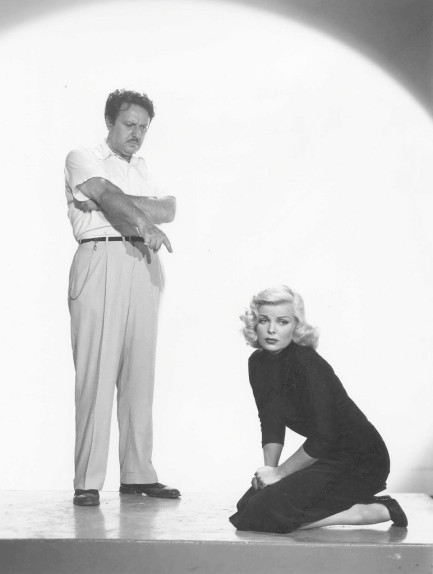 And lastly, in a curious example, Hugo Haas seems to tell Cleo Moore to stay in a shot made for 1953's One Girl's Confession. And lastly, in a curious example, Hugo Haas seems to tell Cleo Moore to stay in a shot made for 1953's One Girl's Confession.
 In Japan business is war—complete with innocent bystanders. 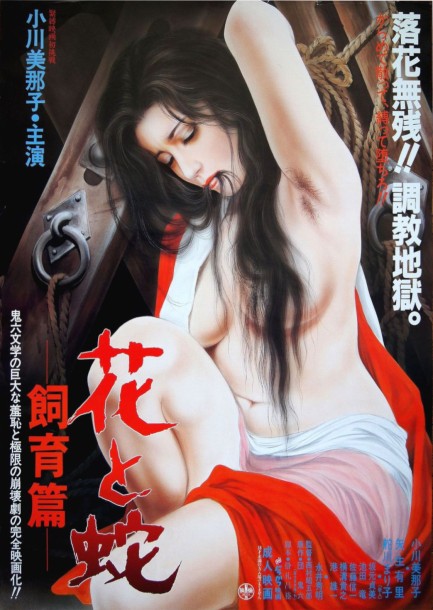
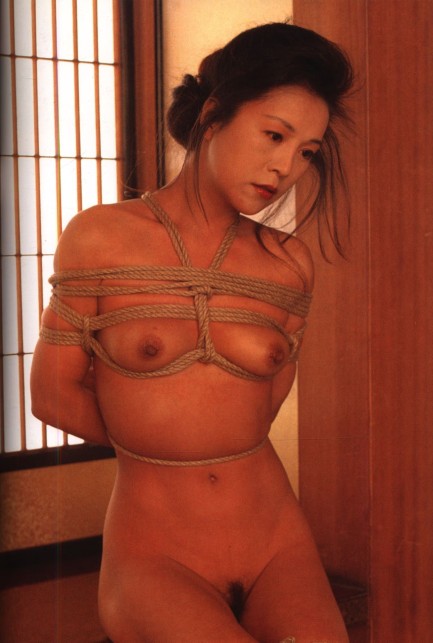
This brilliant promo was painted for Hana to hebi: Shiiku-hen, known in English as Flower and Snake 3: Punishment. It starred Minako Ogawa of Dan Oniroku ikenie shimai, aka Sisters To Be Sacrificed, and in fact the same painter must have produced both posters. Have a look. The central figure is almost identical, no? Right down to her hairy armpits. Since there's no official info on who the artist is we'll throw in our two cents. It was bondage painter Kaname Ozuma. He painted at least one other poster for the Flower and Snake series, which you can see here. In the meantime this piece is literally nowhere else to be found in the quality you see here. At least, as far as we can tell.
We watched the film and it's a typically perverse roman porno tale about a powerful businessman married to Minako Ogawa, who he stole from a subordinate who was helpless to prevent it. When he later declines to help a business associate out of a jam that person has Ogawa kidnapped—literally thrown into a giant bag—taken to an isolated house, sexually assaulted, and coercively trained using bondage, a kielbasa, and other esoterica in order to turn her into a performer for live sex shows. That's a hell of a twisted retaliation for being refused financial help, but twisted is what roman porno is all about.
Of technical note is the fact that, though it was illegal to show pubic hair in Japanese movies, the ever clever roman porno filmmakers found a loophole. They have Ogawa's captors, as part of her torment, cut off her pubic hair with scissors. Though it couldn't be shown attached to her body without bringing down the wrath of censors, they got away with showing it falling into bathwater. You gotta give the pervs credit. They were always thinking outside the—er—box. Hana to hebi: Shiiku-hen premiered in Japan today in 1986.
After a long day on the set filming sex and bondage... I'm very happy to spend the evening doing this.

 A long time ago, light years ahead of their time. 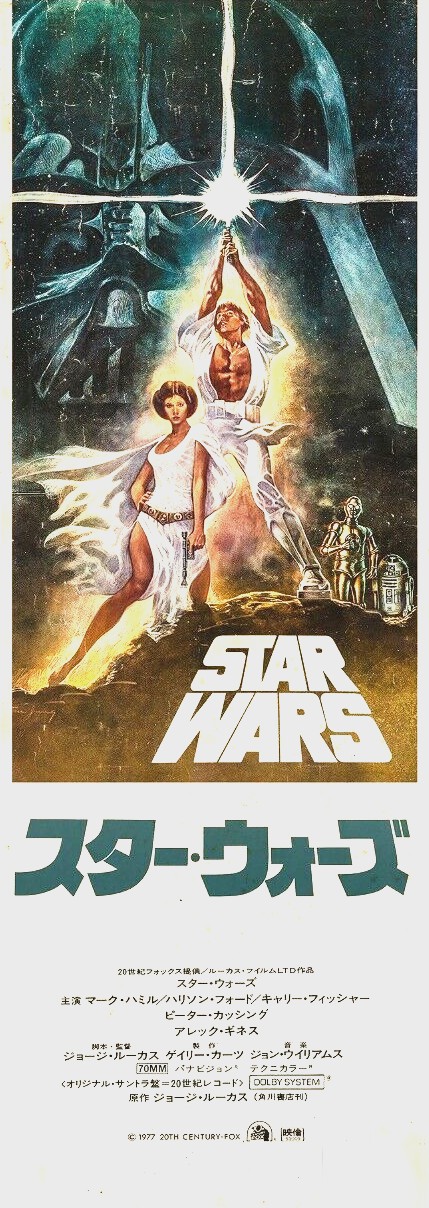 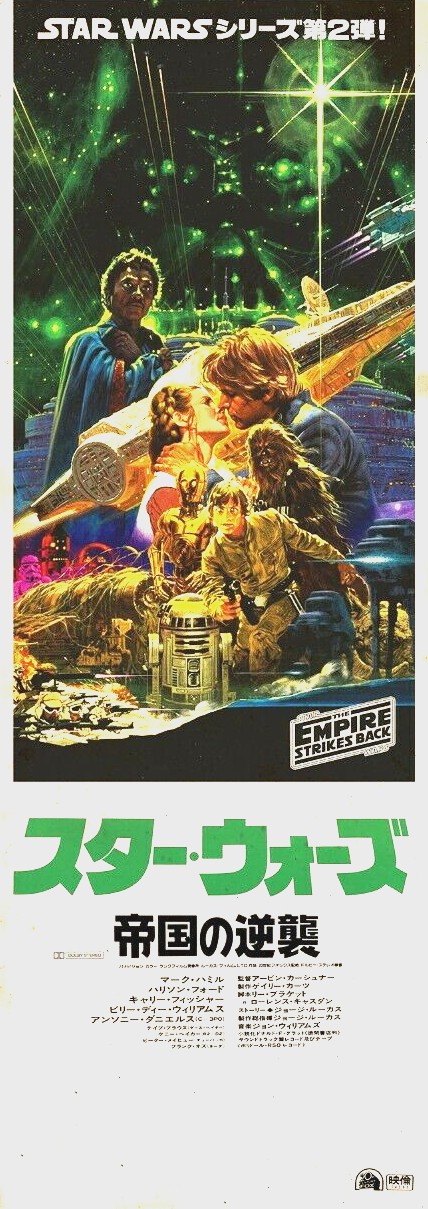 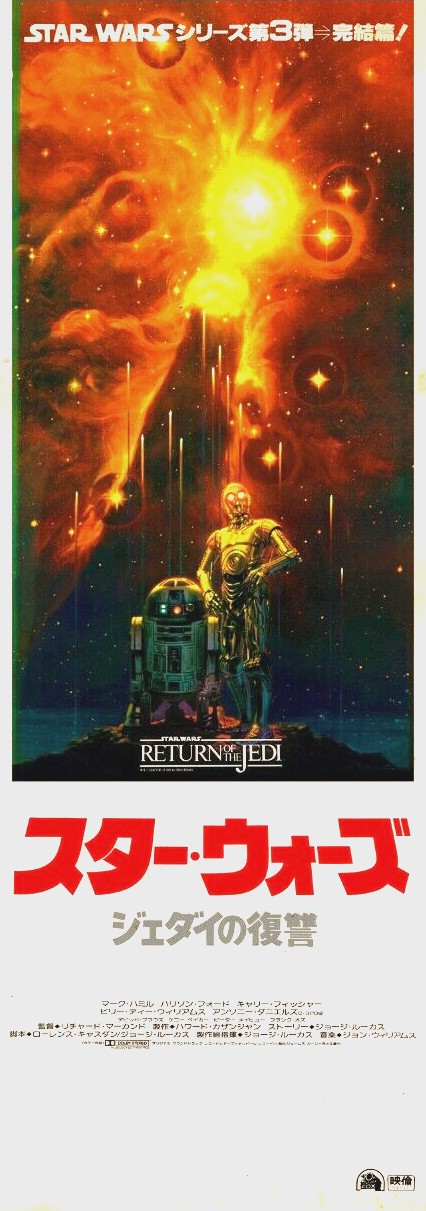
Above are three tateken sized posters for the first three films in George Lucas's galaxy spanning Star Wars series: Star Wars, The Empire Strikes Back, and The Return of the Jedi. Posting these today was a direct consequence of our recent move—new house, fresh reorganization, all sorts of forgotten items turning up, both physically and in our hard drives. Once we get in a solid scanner groove we have some amazing stuff to show you. In the meantime, we're pretty sure you won't see these anywhere else.
 You're evil. I'm a little lazy. I think our relationship works because we accept each other's flaws. 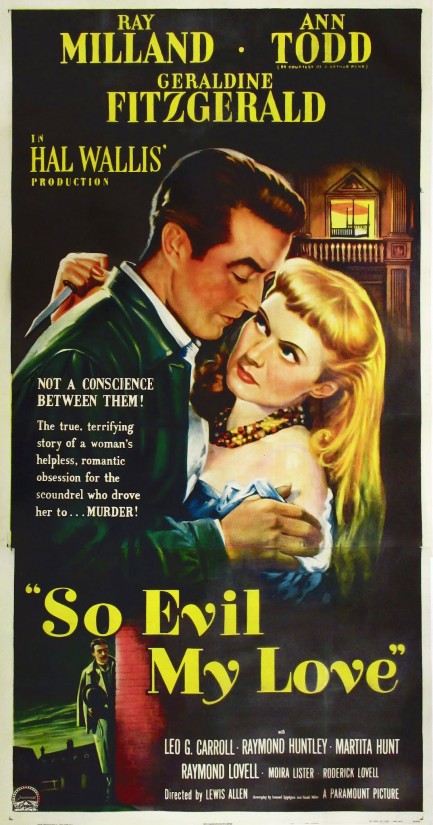
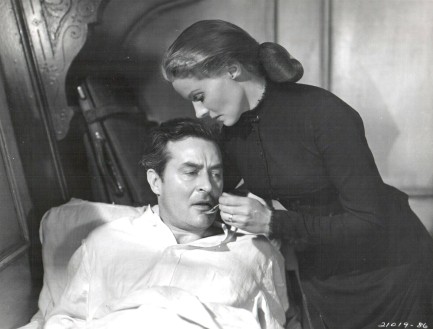
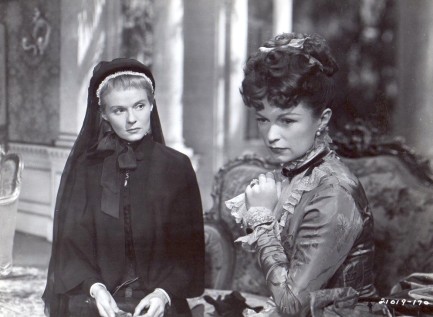
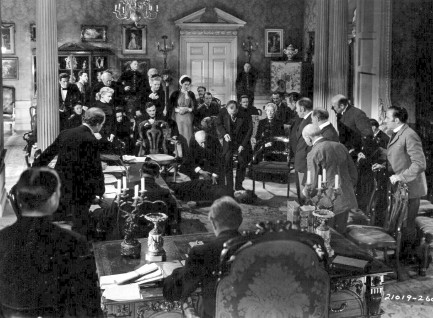
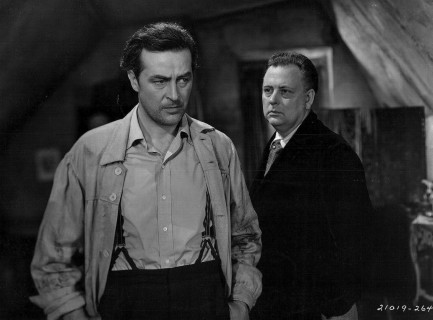
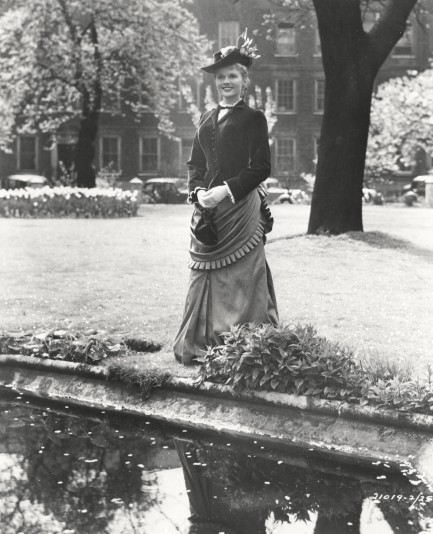
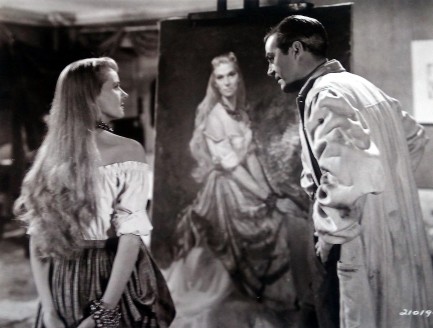
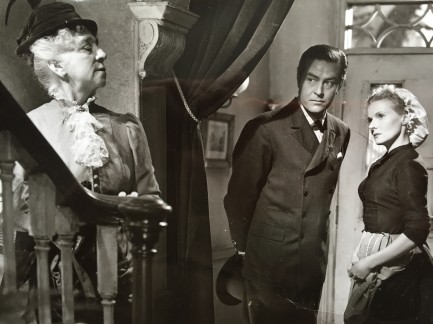
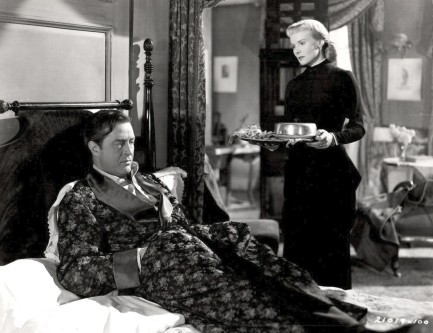
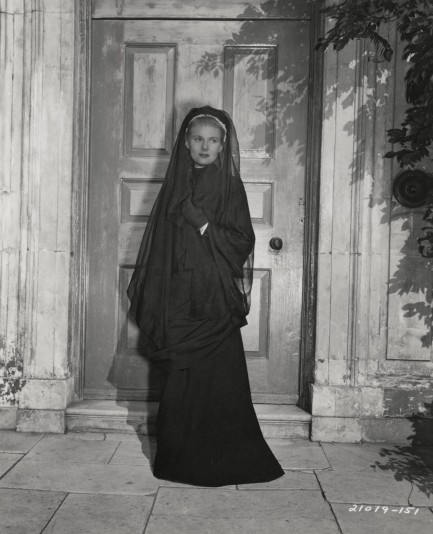
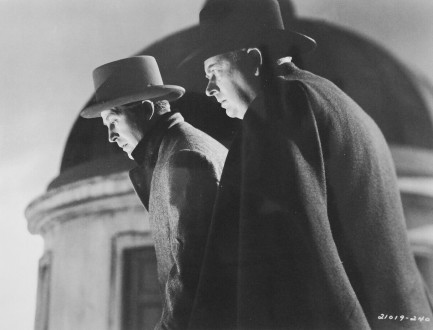
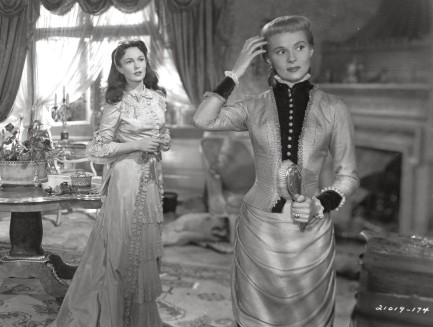
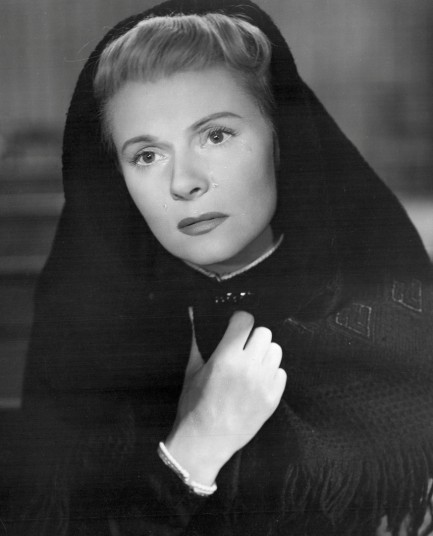
Looking at the promo poster for the Ray Milland/Ann Todd thriller So Evil My Love, we expected a standard 1940s crime drama, but we didn't look closely enough. The clothes reveal, if we'd used our eyes, that this is a period piece set in the late Victorian era. Milland plays a man sailing from Jamaica to England who picks up a case of malaria and is nursed back to health by recently widowed missionary Todd. Later, in Liverpool, he looks her up and moves into her boarding house. Milland is a painter, but he's more lucratively an art thief and forger. His real crime, and the reason he was leaving Jamaica, is a murder he committed. Trouble is soon to follow.
Once ensconced in Todd's rambling residence, Milland does the romantic full press, manipulating, flattering, and even dominating her until she falls in love with him. From that point it doesn't take much time or effort for Milland to draw poor, lonely Todd into his criminal schemes. Some viewers might become frustrated with her pliability and helplessness, but that's the 1890s for you. She eventually manages to act of her own volition, and her evolution into a woman who embraces power is what the movie is about. We thought it was good, for its type. It premiered in London today in 1948.
 Their grades aren't great but their extracurriculars are incomparable. 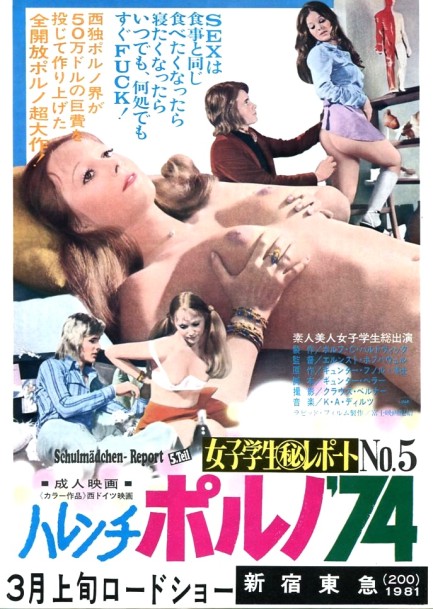 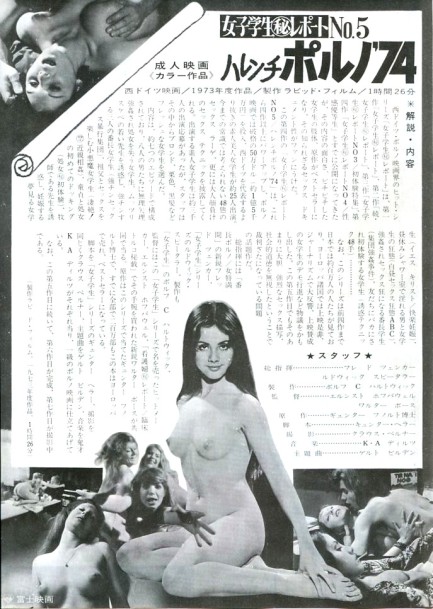
Two years ago we shared a brilliant Japanese poster for Schulmädchen-Report 5. Teil - Was Eltern wirklich wissen sollten, aka Schoolgirl Report Part 5: What All Parents Should Know. Above you see an alternate poster, front and back. It's a strange movie, part of a series of thirteen, which you can read about here.
|
 |

The headlines that mattered yesteryear.
1939—Batman Debuts
In Detective Comics #27, DC Comics publishes its second major superhero, Batman, who becomes one of the most popular comic book characters of all time, and then a popular camp television series starring Adam West, and lastly a multi-million dollar movie franchise starring Michael Keaton, then George Clooney, and finally Christian Bale. 1953—Crick and Watson Publish DNA Results
British scientists James D Watson and Francis Crick publish an article detailing their discovery of the existence and structure of deoxyribonucleic acid, or DNA, in Nature magazine. Their findings answer one of the oldest and most fundamental questions of biology, that of how living things reproduce themselves. 1967—First Space Program Casualty Occurs
Soviet cosmonaut Vladimir Komarov dies in Soyuz 1 when, during re-entry into Earth's atmosphere after more than ten successful orbits, the capsule's main parachute fails to deploy properly, and the backup chute becomes entangled in the first. The capsule's descent is slowed, but it still hits the ground at about 90 mph, at which point it bursts into flames. Komarov is the first human to die during a space mission. 1986—Otto Preminger Dies
Austro–Hungarian film director Otto Preminger, who directed such eternal classics as Laura, Anatomy of a Murder, Carmen Jones, The Man with the Golden Arm, and Stalag 17, and for his efforts earned a star on Hollywood's Walk of Fame, dies in New York City, aged 80, from cancer and Alzheimer's disease. 1998—James Earl Ray Dies
The convicted assassin of American civil rights leader Martin Luther King, Jr., petty criminal James Earl Ray, dies in prison of hepatitis aged 70, protesting his innocence as he had for decades. Members of the King family who supported Ray's fight to clear his name believed the U.S. Government had been involved in Dr. King's killing, but with Ray's death such questions became moot.
|

|
|
It's easy. We have an uploader that makes it a snap. Use it to submit your art, text, header, and subhead. Your post can be funny, serious, or anything in between, as long as it's vintage pulp. You'll get a byline and experience the fleeting pride of free authorship. We'll edit your post for typos, but the rest is up to you. Click here to give us your best shot.
|
|




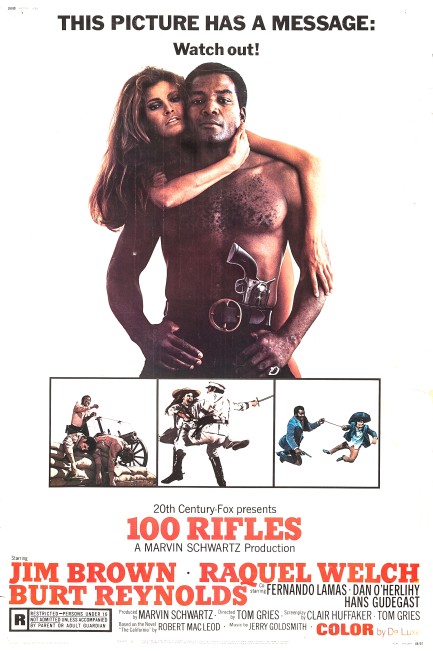


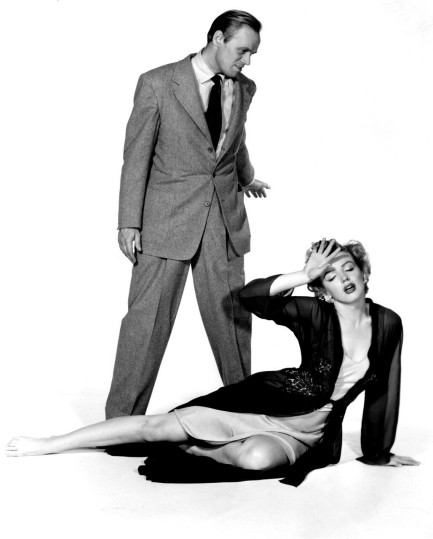 Marilyn Monroe swoons as Richard Widmark snarls for Don't Bother To Knock, 1952.