 In the land of the blind the one-eyed woman is queen. 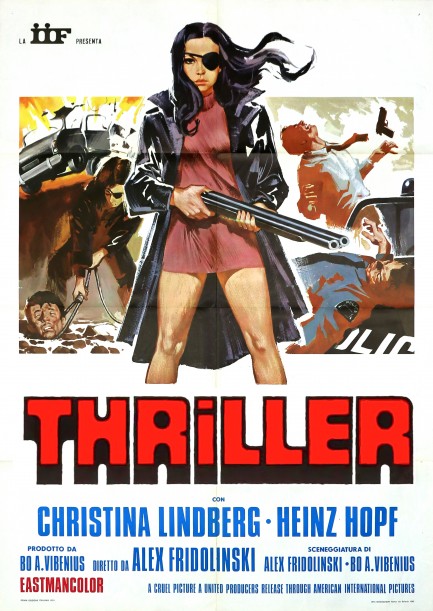 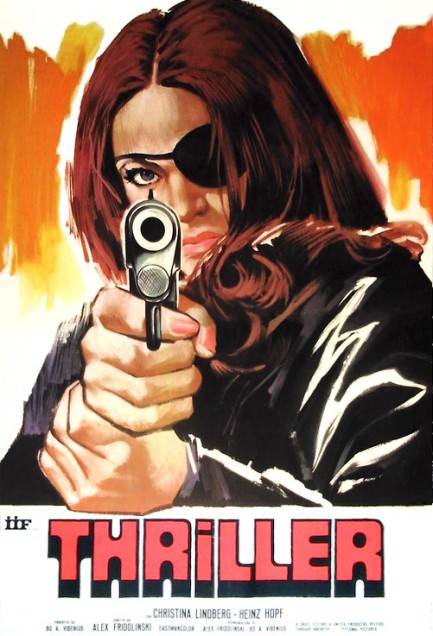 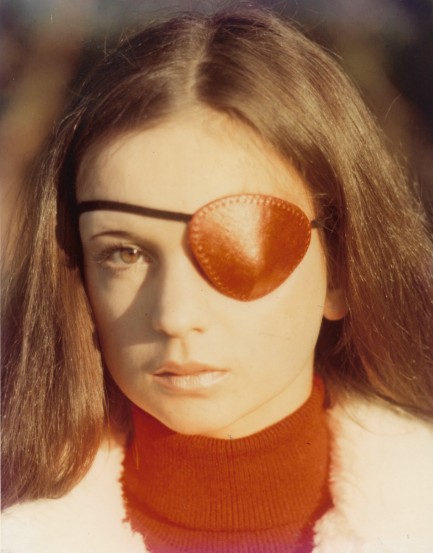
We've done a lot on Sandro Symeoni, which means that just for the sake of completeness we can't overlook these. They're his Italian posters for the Christina Lindberg grindhouse classic Thriller, which was originally made in Sweden as Thriller - en grym film, and in English speaking countries was known as Thriller: A Cruel Picture and They Call Her One Eye. We've already talked about it, and its star.
 The deeper into the Underworld you go the hotter it gets until everyone—and everything—is liable to get burned. 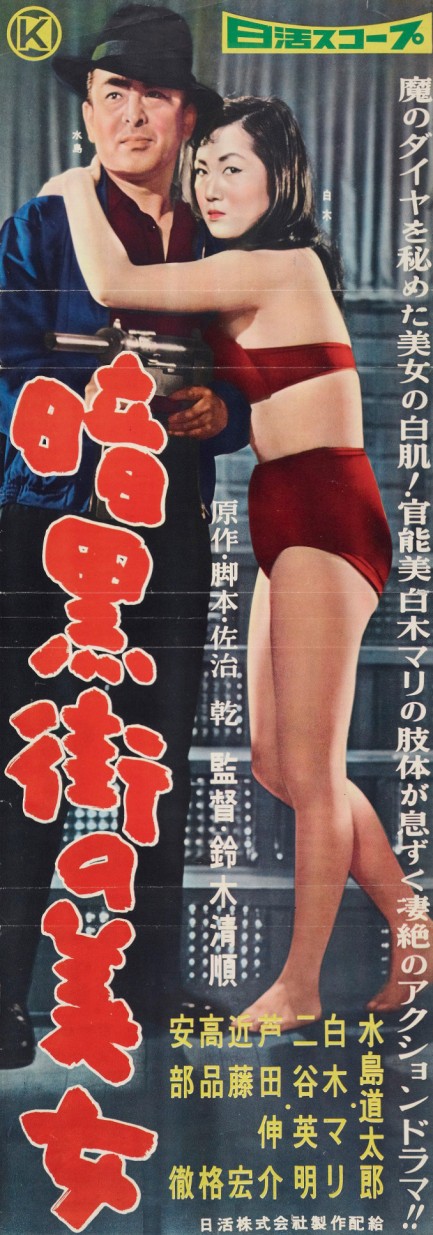 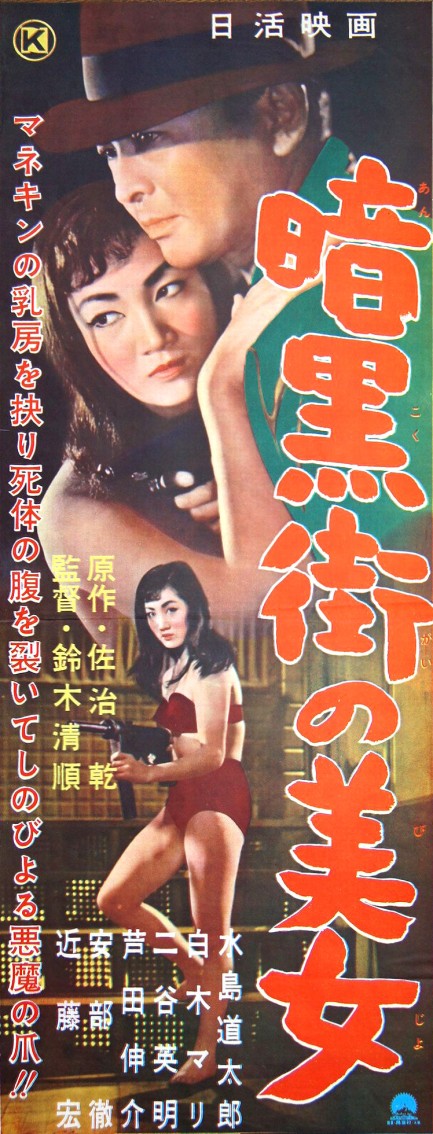
The two tateken style posters you see above were made for the Japanese crime drama Ankokugai no bijo, the title of which means “beauty of the underworld,” and which was known in English as Underworld Beauty. The movie is about a bunch of gangsters chasing after some diamonds. Co-star Tôru Abe has them first, but when the yakuza catch up to him, he swallows them and jumps off a roof, ending up in a hospital. He soon dies and the treasure is cut out of his body, but that's merely the beginning of a struggle to retain their possession. Abe's sister, played by Mari Shiraki, is the underground beauty of the title, and gets tangled up with the mobsters. They say diamonds are forever, but we're told early in the film when it seems as if the coveted stones might go into a crematorium with Abe's body, that they can actually burn. That's clumsy foreshadowing, but Underworld Beauty still manages to be an interesting and mostly satisfying film. It premiered today in 1958.  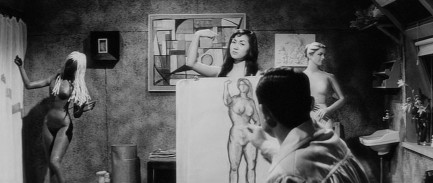 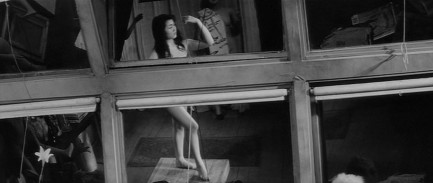 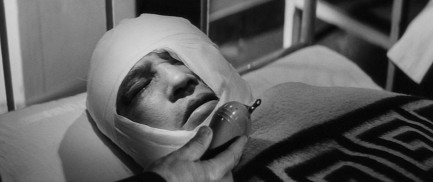 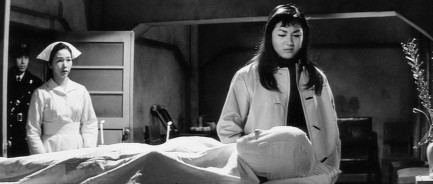 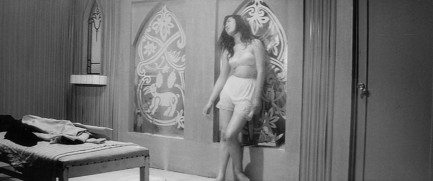 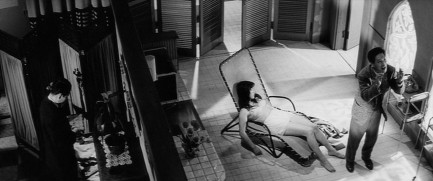 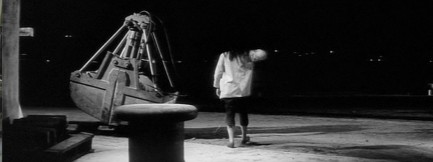 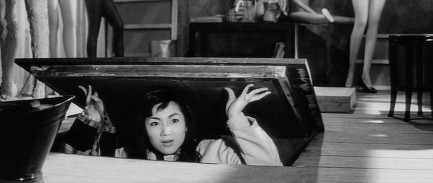 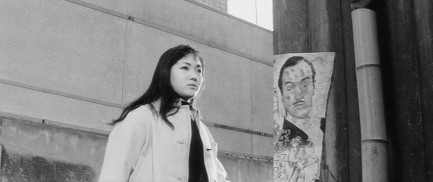 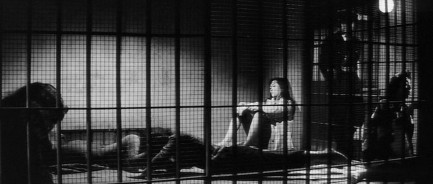  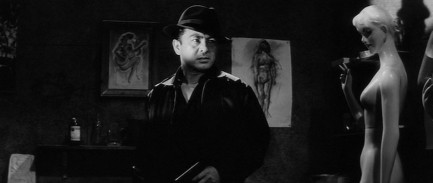
 In Japan business is war—complete with innocent bystanders. 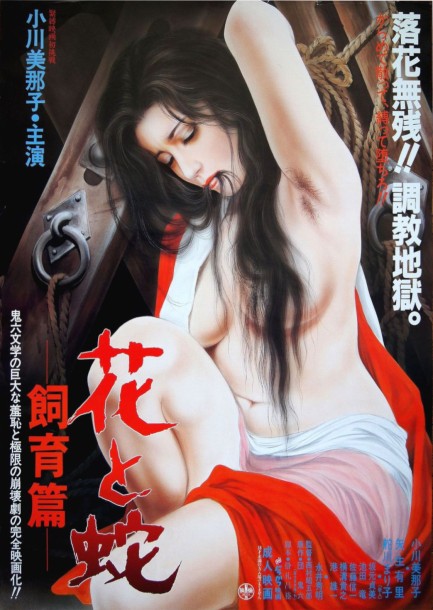
This brilliant promo was painted for Hana to hebi: Shiiku-hen, known in English as Flower and Snake 3: Punishment. It starred Minako Ogawa of Dan Oniroku ikenie shimai, aka Sisters To Be Sacrificed, and in fact the same painter must have produced both posters. Have a look. The central figure is almost identical, no? Right down to her hairy armpits. Since there's no official info on who the artist is we'll throw in our two cents. It was bondage painter Kaname Ozuma. He painted at least one other poster for the Flower and Snake series, which you can see here. In the meantime this piece is literally nowhere else to be found in the quality you see here. At least, as far as we can tell.
We watched the film and it's a typically perverse roman porno tale about a powerful businessman married to Minako Ogawa, who he stole from a subordinate who was helpless to prevent it. When he later declines to help a business associate out of a jam that person has Ogawa kidnapped—literally thrown into a giant bag—taken to an isolated house, sexually assaulted, and coercively trained using bondage, a kielbasa, and other esoterica in order to turn her into a performer for live sex shows. That's a hell of a twisted retaliation for being refused financial help, but twisted is what roman porno is all about.
Of technical note is the fact that, though it was illegal to show pubic hair in Japanese movies, the ever clever roman porno filmmakers found a loophole. They have Ogawa's captors, as part of her torment, cut off her pubic hair with scissors. Though it couldn't be shown attached to her body without bringing down the wrath of censors, they got away with showing it falling into bathwater. You gotta give the pervs credit. They were always thinking outside the—er—box. Hana to hebi: Shiiku-hen premiered in Japan today in 1986.
After a long day on the set filming sex and bondage... I'm very happy to spend the evening doing this.

 A long time ago, light years ahead of their time. 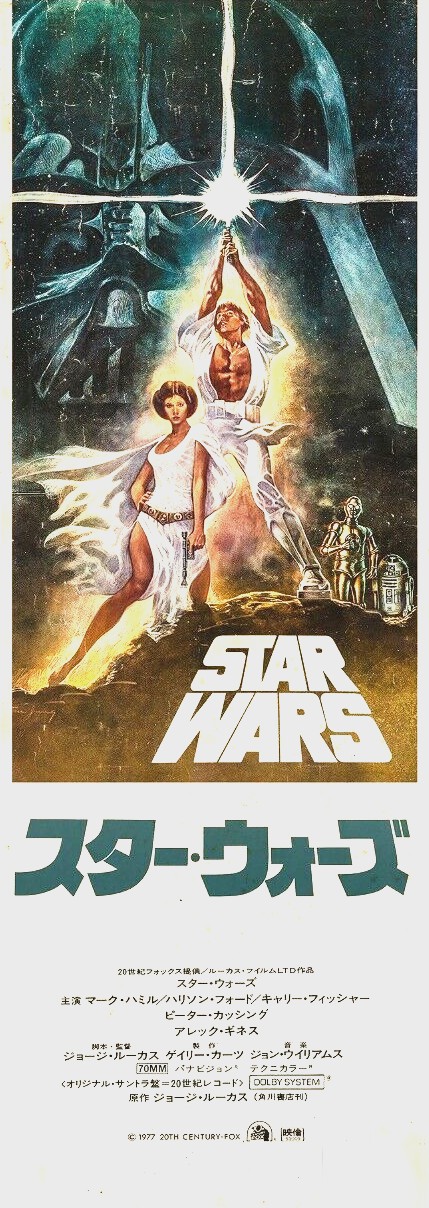 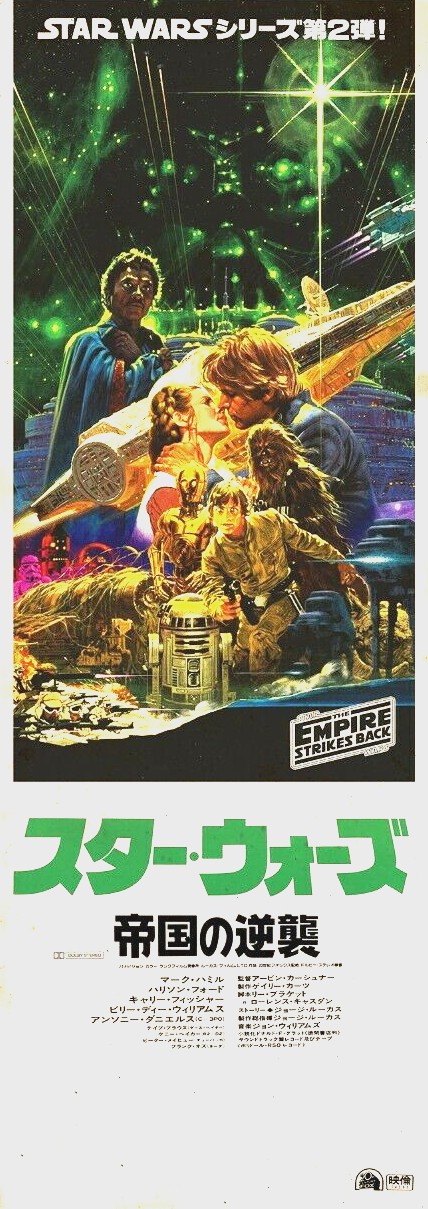 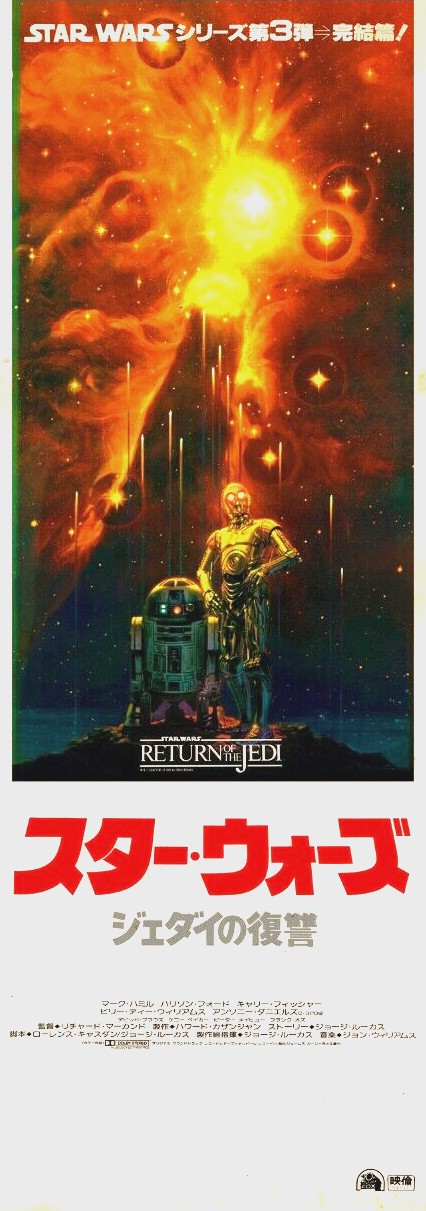
Above are three tateken sized posters for the first three films in George Lucas's galaxy spanning Star Wars series: Star Wars, The Empire Strikes Back, and The Return of the Jedi. Posting these today was a direct consequence of our recent move—new house, fresh reorganization, all sorts of forgotten items turning up, both physically and in our hard drives. Once we get in a solid scanner groove we have some amazing stuff to show you. In the meantime, we're pretty sure you won't see these anywhere else.
 You're evil. I'm a little lazy. I think our relationship works because we accept each other's flaws. 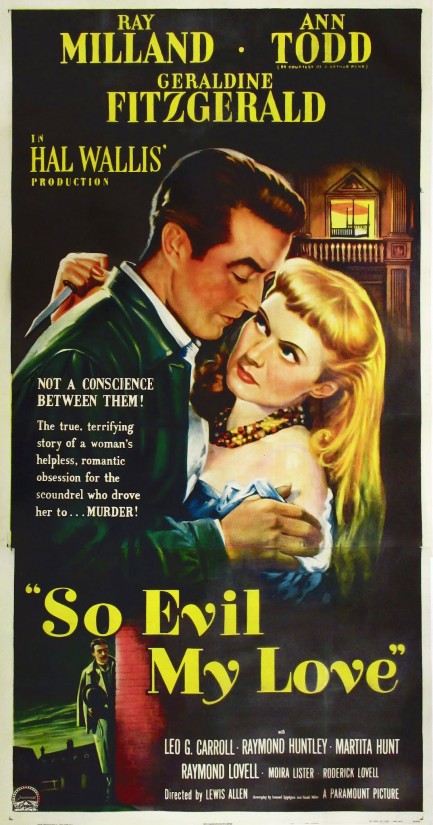
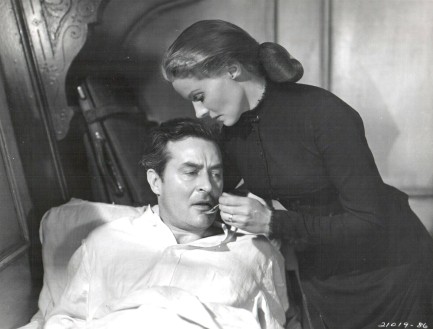
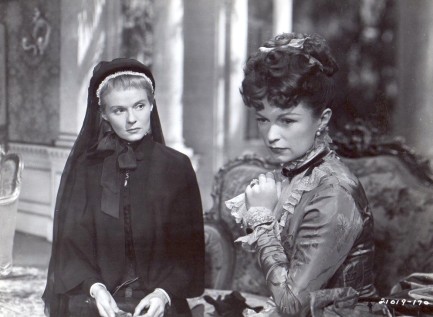
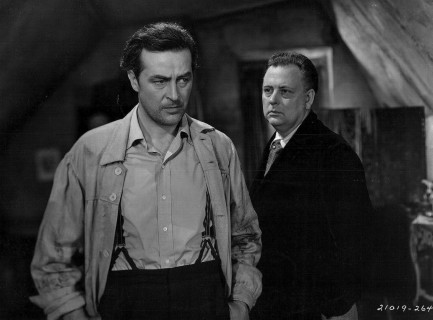
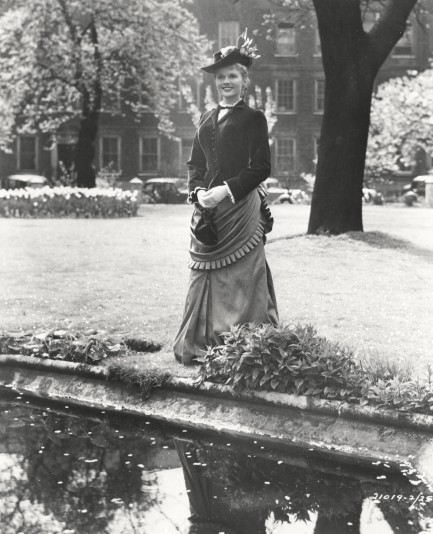
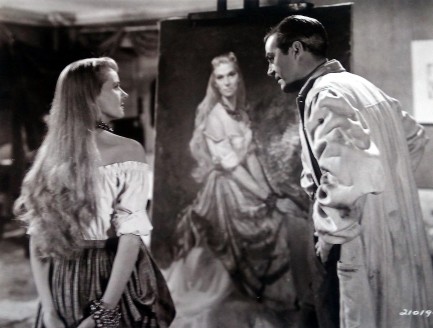
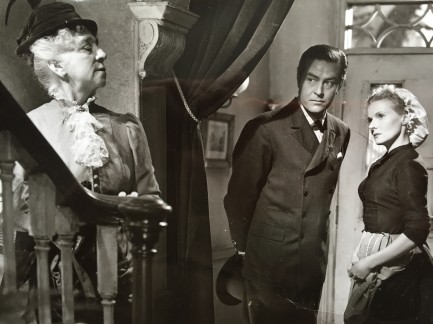
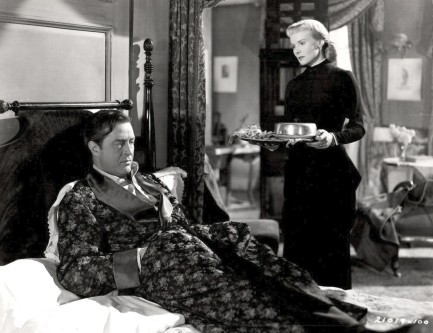
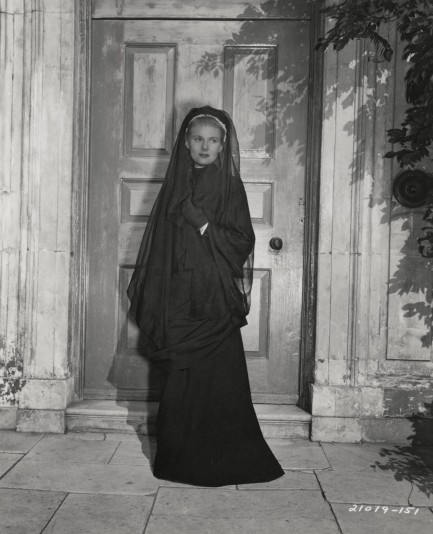
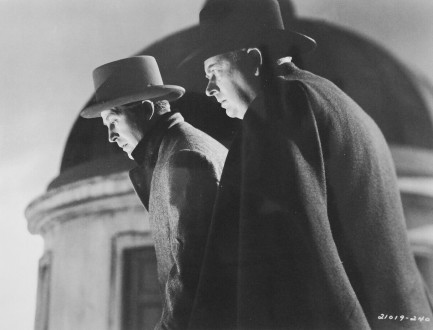
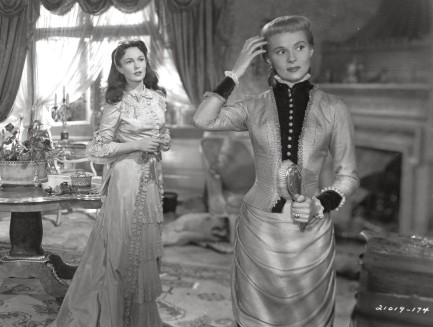
Looking at the promo poster for the Ray Milland/Ann Todd thriller So Evil My Love, we expected a standard 1940s crime drama, but we didn't look closely enough. The clothes reveal, if we'd used our eyes, that this is a period piece set in the late Victorian era. Milland plays a man sailing from Jamaica to England who picks up a case of malaria and is nursed back to health by recently widowed missionary Todd. Later, in Liverpool, he looks her up and moves into her boarding house. Milland is a painter, but he's more lucratively an art thief and forger. His real crime, and the reason he was leaving Jamaica, is a murder he committed. Trouble is soon to follow.
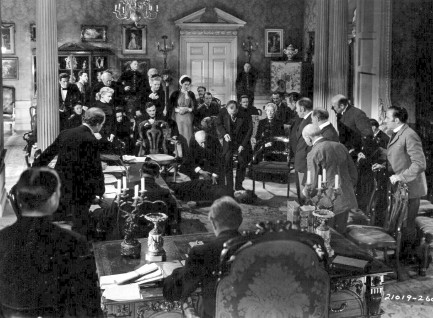
Once ensconced in Todd's rambling residence, Milland does the romantic full press, manipulating, flattering, and even dominating her until she falls in love with him. From that point it doesn't take much time or effort for Milland to draw poor, lonely Todd into his criminal schemes. Some viewers might become frustrated with her pliability and helplessness, but that's the 1890s for you. She eventually manages to act of her own volition, and her evolution into a woman who embraces power is what the movie is about. We thought it was good, for its type. It premiered in London today in 1948.
 Their grades aren't great but their extracurriculars are incomparable. 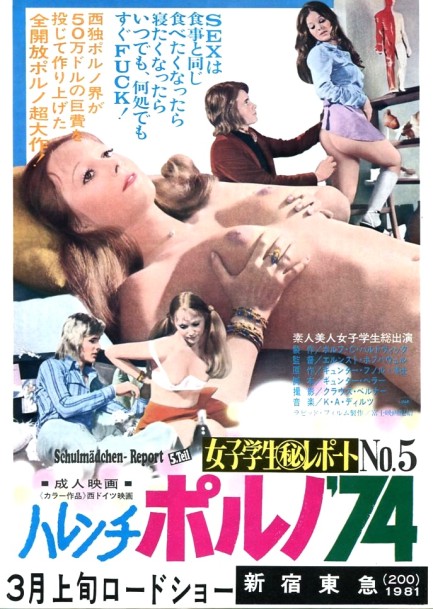 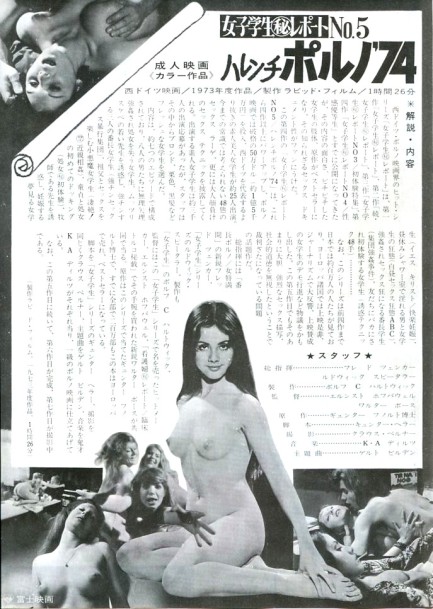
Two years ago we shared a brilliant Japanese poster for Schulmädchen-Report 5. Teil - Was Eltern wirklich wissen sollten, aka Schoolgirl Report Part 5: What All Parents Should Know. Above you see an alternate poster, front and back. It's a strange movie, part of a series of thirteen, which you can read about here.
 He was a good husband at first. Then he turned into a total ape. 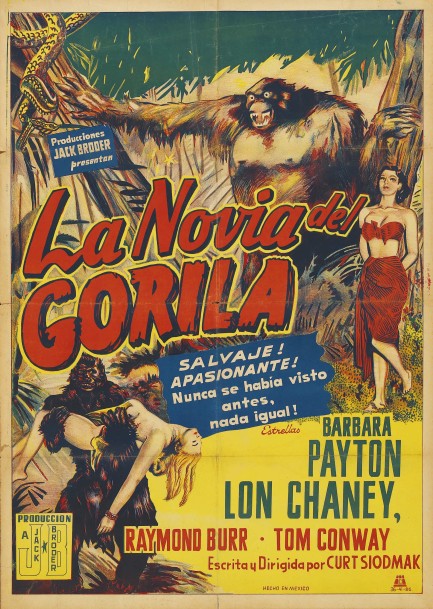
This Mexican poster for La novia del gorilla, aka Bride of the Gorilla, is chockful of interesting elements, from the massive simian at top, to the snake hanging in a tree, to star Barbara Payton being borne away by a second gorilla, and co-star Carol Varga in her classic “native” two-piece. There's a line early on: “White people shouldn't live too long in the jungle. It brings out their bad side—jealousies, impatience.” That sums up the thrust of the plot, the subplot, and the underlying themes, because it's a one-note psychological suspense flick about northerners out of place in the humid global south.
In brief, Raymond Burr runs a rubber plantation for colonial boss Paul Cavanaugh, and has the hots for his wife Barbara Payton. He kills Cavanaugh, thanks to a serendipitous lethal snake that's slithering by. He gets away with the murder, but he can't fool the withered old crone who runs the plantation house. She uses the pe de guine—the so-called plant of evil—to place a curse on Burr. It's slow to act, but by the time he marries the widowed Payton he comes to think he's changing into a beast. Is it in his mind? Is he suffering the effects of slow poisoning from the pe de guine? Or is he really a monster?
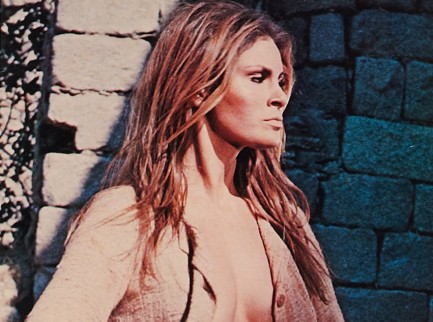
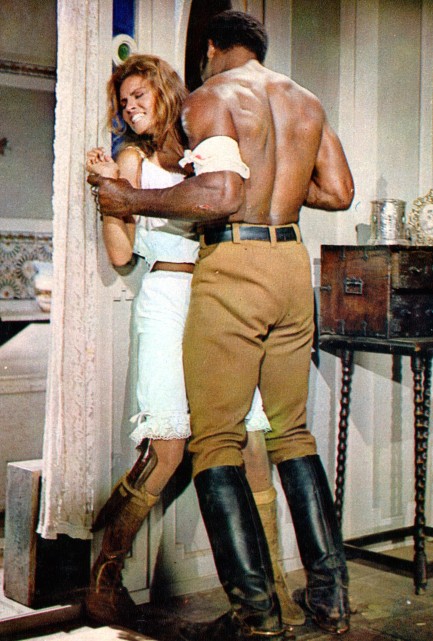
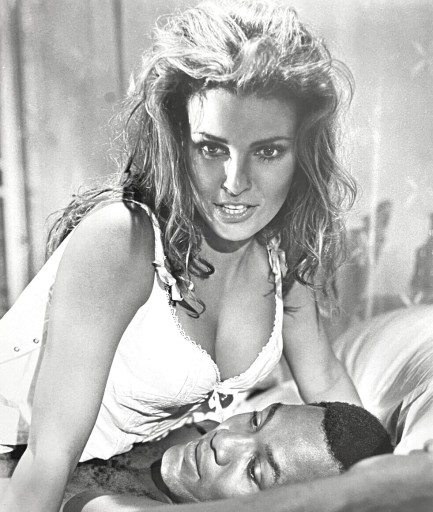
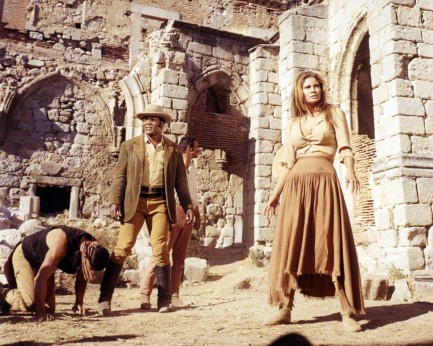
Bride of the Gorilla, while a middling and basically inconsequential cinematic effort, is well remembered by Hollywood buffs for its extracurriculars. Barbara Payton was being surveilled via detective by her husband Franchot Tone, and passed on the unfortunate news that Payton was enjoying sweaty horizontal interludes with Woody Strode. He was one of the best looking guys you can imagine, so it's no wonder the highly sexed Payton got hot and bothered. It was one in a series of affairs for her, but this one harmed her career because Strode was black. She would later suffer one of the worst downward spirals in celebrity history.
In any case, the question is should whether you give Bride of the Gorilla a screening. Hmm... well, owing to the good cast, we think so. Chaney and Burr are quality talents even when overrmatched by substandard screenwriting. But keep your expectations in check. It's watchable, but it's still pure b-movie schlock. It was originally released in the U.S., and opened in Mexico today in 1951 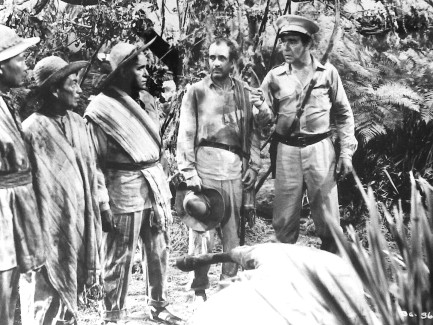 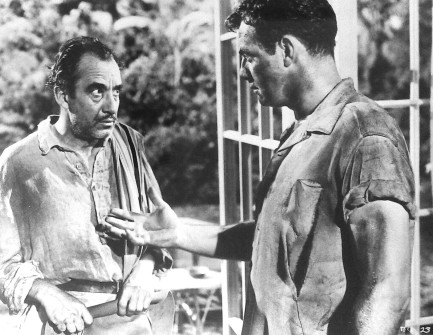 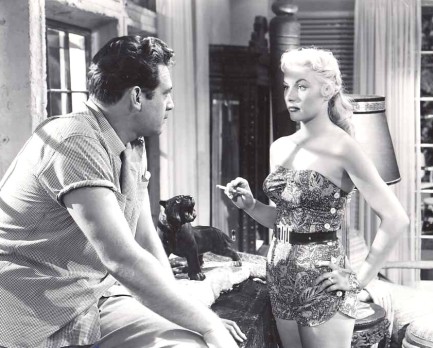 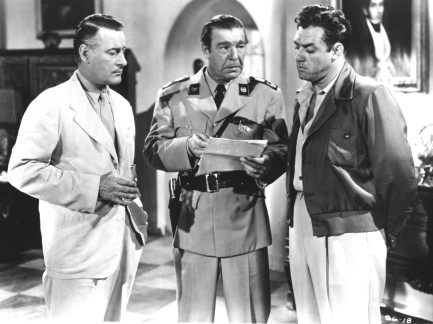 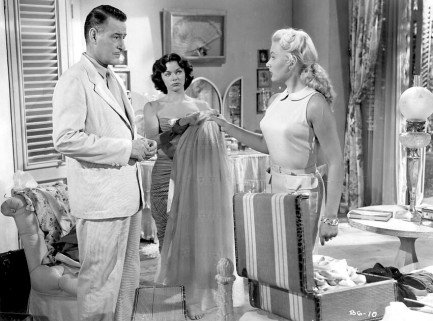 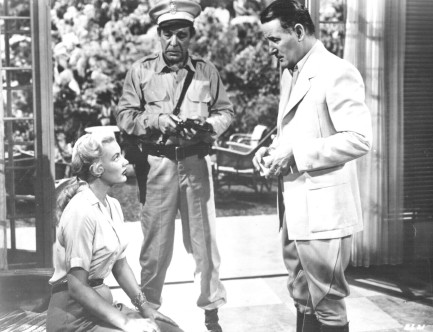 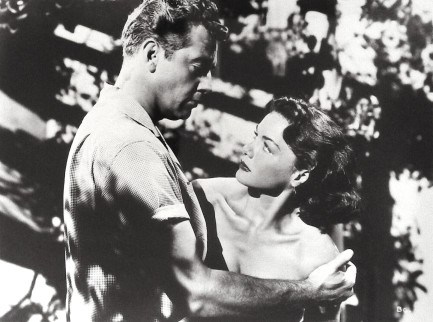 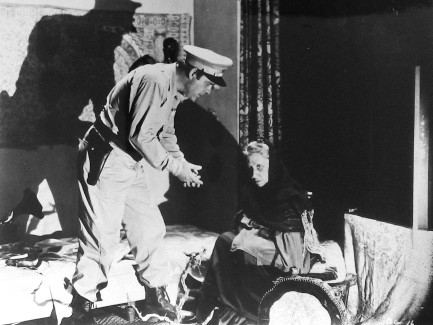 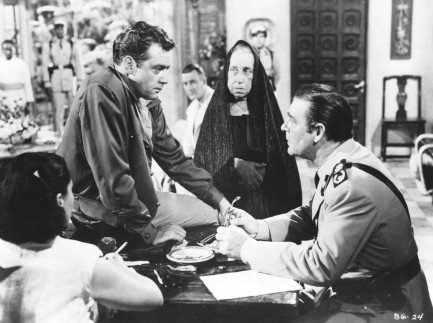 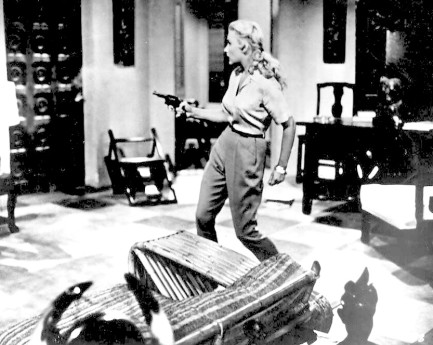 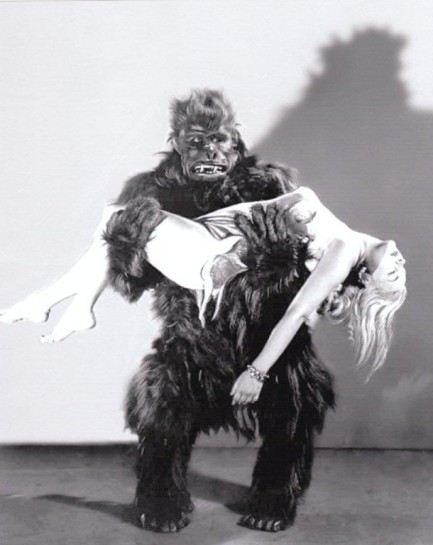
 Caffaro knows how to Handle her business. 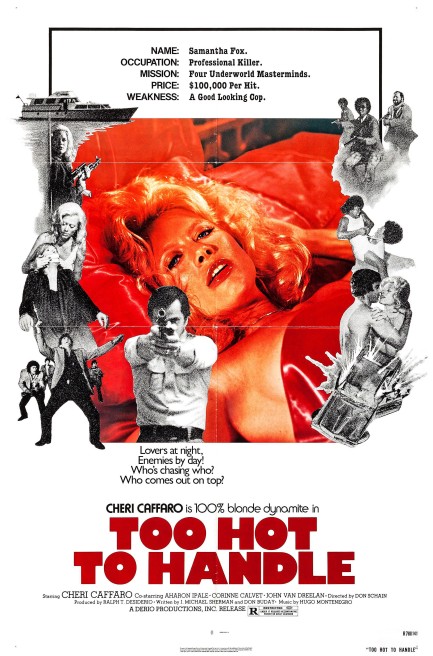
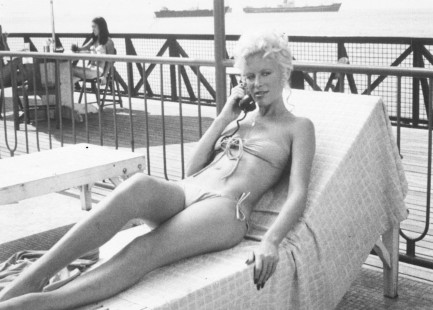
Why do we spend our valuable time watching exploitation movies? Well, because we watch all pulp related genres of movies, from film noir to horror. So why discriminate? We also watch such movies (which is a set we figure includes sexploitation, blaxploitation, women-in-prison, and more) because owing to their sexual, racial, and political aspects, their like will probably never be made again. Last month we completed our look at Cheri Caffaro's infamous Ginger McAllister sexploitation-spy trilogy. Now we're moving on to her later work in Too Hot To Handle, which premiered today in 1977.
Set in and around Manila, Caffaro plays an experienced and wealthy assassin named Samantha Fox who takes on a difficult triple-contract. In order to succeed she'll need all her skills of disguise, deception, and sexuality. Meanwhile the cops are on her trail. When one of the investigators gets close—real close—Caffaro takes a liking to him and, passing herself off as her alter ego Melinda Burroughs, tries to navigate sleeping with the enemy while fulfilling her murderous obligations.
All Caffaro movies are low budget, and all are bad. This one is poorly written and acted, and as usual there's a touch of the kinky, both in front of the camera, as well as behind, as Caffaro's husband Don Schain directs her getting her squeezebox fondled by hairy co-star Aharon Ipalé. That's called commitment to the product and your art—or alternatively, finding a way to monetize your spouse-sharing fantasies. It didn't improve the movie.
The only surprise here was that former top European star Corinne Calvet somehow got suckered into playing a brothel owner named Madame Ruanda, later dying as one of Caffaro's targets. Alas, Corinne—sexploitation is a welcoming mistress for those desperate to pay bills, but next time we recommend a loan shark. The vig is a bitch but at least you get to hang onto your dignity. But even if Too Hot To Handle was too bad for Calvet to be in, it isn't too bad for you to watch. Caffaro is weirdly great. In the sexploitation realm nobody did more with less.
  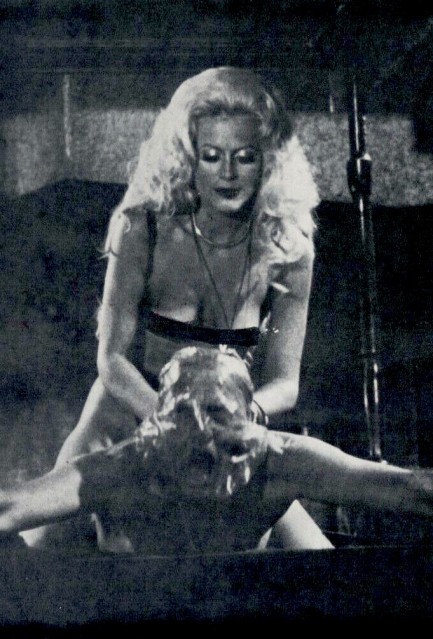 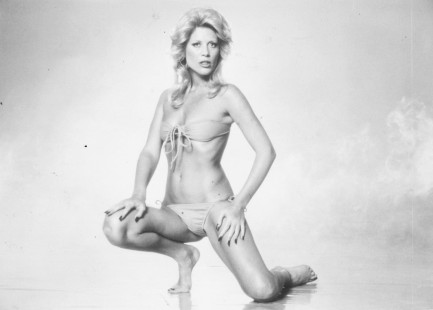
 The name's Cooper. Brian Cooper. What—you were expecting some other secret agent? 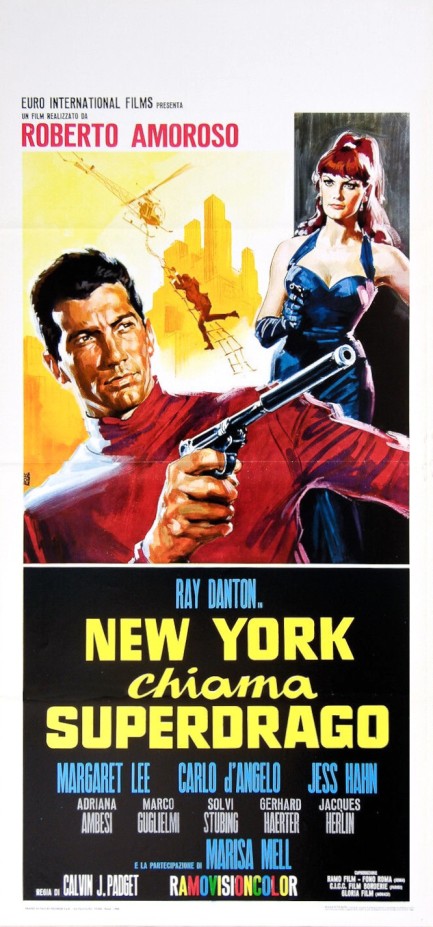
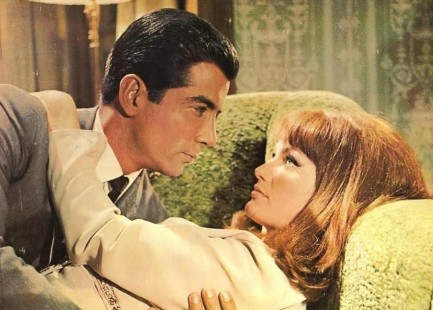
The Italian spy thriller New York chiama Superdrago, which we had a chance to watch during our little break last week, was known in English as Secret Agent Super Dragon, and is another in a spate of hipster spy movies that came in the wake of James Bond's massive cinematic success. It premeired in Italy today in 1966. Three of its promo posters were painted by the great Sandro Symeoni, and while the above example is also attributed to him on some websites, that's incorrect. It's really by Enrico de Seta. Or said to be by one long-running online poster vendor. We're not actually sure about that because the signature doesn't look like his, but who are we to argue with the experts?
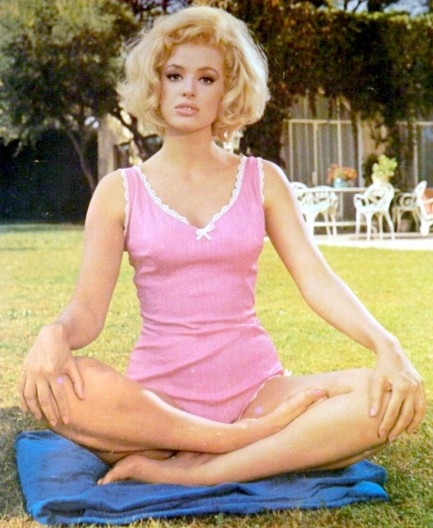
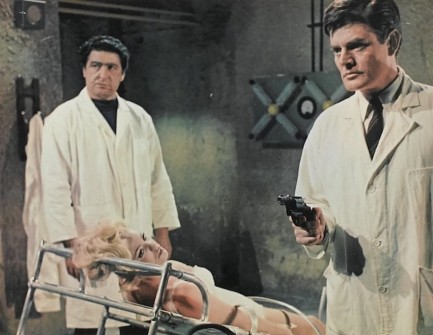
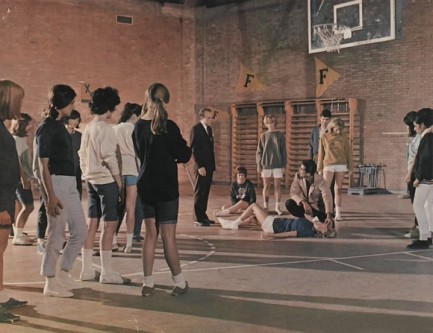
In the film, Ray Danton plays a retired agent codenamed Super Dragon—civilian name Brian Cooper—who's roused from his yogic meditations and drawn back into the spy game when a friend dies in a suspicious auto accident that may be related to previous strange deaths. The clues lead from a U.S. college town to Amsterdam (because what kind of spy movie would it be without some globetrotting?), and into the lissome arms of fellow spies Margaret Lee and Marisa Mell (because what kind of spy movie would it be without hotties à la carte?). Between romances Danton learns that the plot revolves around the untraceable drug synchron-2. Purpose: unknown (but don't be shocked if it's to do with world domination).
Few of these Bond knock-offs are sufficiently budgeted or technically proficient enough to result in good final products. Whether you like them has to do with nebulous factors. In this case, we thought Danton's unctious self-entitlement and blasé approach to world saving were funny. We loved when one of his many assailants swallowed cyanide, Danton said, “I'd better get rid of him,” then dumped the corpse out the nearest window. Cue sound effect of splashing water. New York chiama Superdrago is a bit camp without being a satire, and just poorly written enough to provide a few laughs without being a total screenwriting train wreck. But don't pretend we said it's actually good.
 |  |
|
 |

The headlines that mattered yesteryear.
1939—Holiday Records Strange Fruit
American blues and jazz singer Billie Holiday records "Strange Fruit", which is considered to be the first civil rights song. It began as a poem written by Abel Meeropol, which he later set to music and performed live with his wife Laura Duncan. The song became a Holiday standard immediately after she recorded it, and it remains one of the most highly regarded pieces of music in American history. 1927—Mae West Sentenced to Jail
American actress and playwright Mae West is sentenced to ten days in jail for obscenity for the content of her play Sex. The trial occurred even though the play had run for a year and had been seen by 325,000 people. However West's considerable popularity, already based on her risque image, only increased due to the controversy. 1971—Manson Sentenced to Death
In the U.S, cult leader Charles Manson is sentenced to death for inciting the murders of Sharon Tate and several other people. Three accomplices, who had actually done the killing, were also sentenced to death, but the state of California abolished capital punishment in 1972 and neither they nor Manson were ever actually executed. 1923—Yankee Stadium Opens
In New York City, Yankee Stadium, home of Major League Baseball's New York Yankees, opens with the Yankees beating their eternal rivals the Boston Red Sox 4 to 1. The stadium, which is nicknamed The House that Ruth Built, sees the Yankees become the most successful franchise in baseball history. It is eventually replaced by a new Yankee Stadium and closes in September 2008.
|

|
|
It's easy. We have an uploader that makes it a snap. Use it to submit your art, text, header, and subhead. Your post can be funny, serious, or anything in between, as long as it's vintage pulp. You'll get a byline and experience the fleeting pride of free authorship. We'll edit your post for typos, but the rest is up to you. Click here to give us your best shot.
|
|