Vintage Pulp Jan 4 2012
FIRST DEGREE BURNS
That’s the sound of the men working on the chain gang.

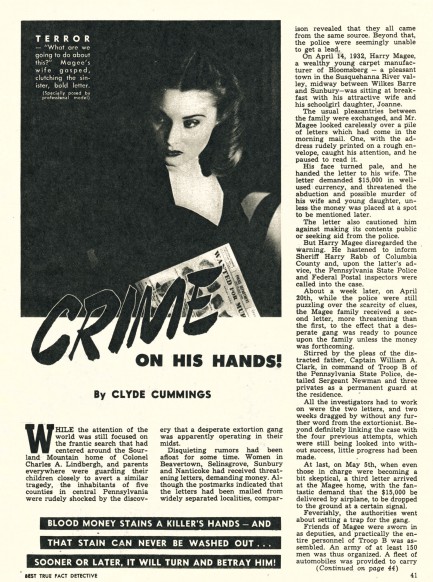
Dalton Stevens’ cover for this January 1931 issue of True Detective looks a bit like a horror illustration, but it's actually supposed to represent Robert E. Burns, who in 1922 helped rob a Georgia grocery, earned himself 6 to 10 at hard labor, but escaped and made his way to Chicago, where he adopted a new identity and rose to success as a magazine editor. Years later, when he tried to divorce the woman he had married, she betrayed him to Georgia authorities, and what followed was a legal battle between Georgia courts and Chicago civic leaders, with the former wanting Burns extradited, and the latter citing his standing in the community and calling for his pardon. Burns eventually went back to Georgia voluntarily to serve what he had been assured would be a few months in jail, but which turned into more hard time on a chain gang.

Angered and disillusioned, Burns escaped again, and this time wrote a book from hiding, which True Detective excerpts in the above issue and several others. This was a real scoop for the magazine—it was the first to publish Burns’ harrowing tale. The story generated quite a bit of attention, and Vanguard Press picked it up and published it as I Am a Fugitive from a Georgia Chain Gang, which led directly to Warner Brothers adapting the tale into a hit 1932 motion picture starring Paul Muni. The movie differed somewhat from the book, of course, which differed somewhat from reality (Burns himself admitted this later), but his account cast a withering light on the chain gang system. The exposure helped chain gang opponents, who claimed—with some veracity—that the practice was immoral because it originated with the South's need to replace its slave labor after defeat in the U.S. Civil War.

Burns continued to live life on the run, but was eventually arrested again, this time in New Jersey. However, the governor of the state refused to extradite him. The standoff meant Burns was, in practical terms, a free man. That practical freedom was made official in 1945 when he was finally pardoned in Georgia, and his literary indictment of the chain gang system helped bring about its demise. Well, sort of—it returned to the South in 1995, was quickly discontinued after legal challenges, but may yet be reintroduced as politicians push for more and more extreme punishments to bolster their tough-on-crime credentials. 

diggfacebookstumbledelicious

The Naked City | Vintage Pulp Dec 17 2011
WRONG BEACH, CA
Jealousy and murder on the waterfront.

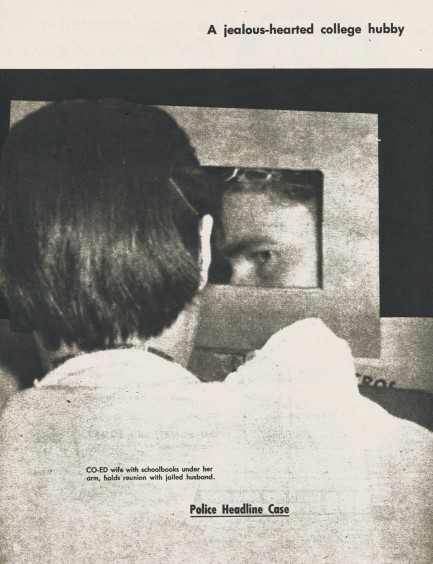
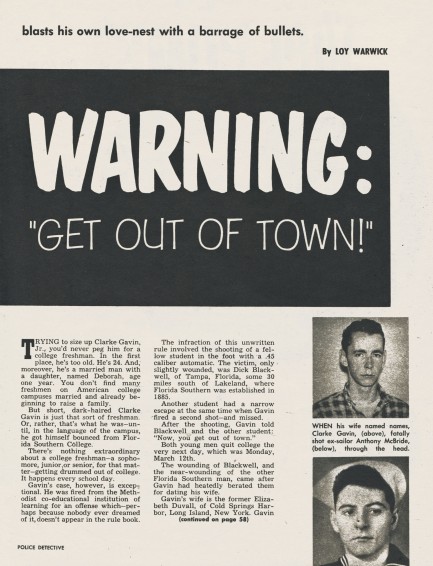
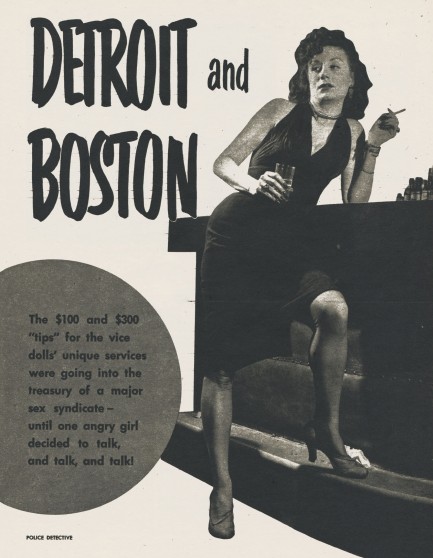
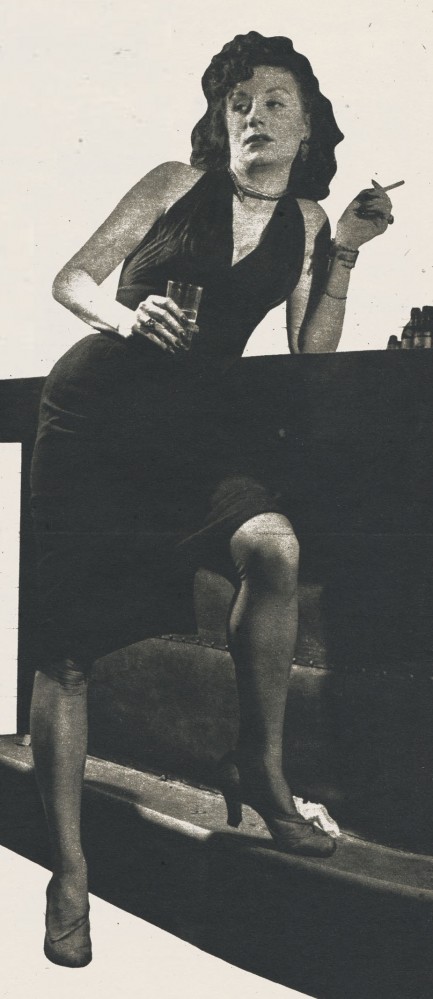
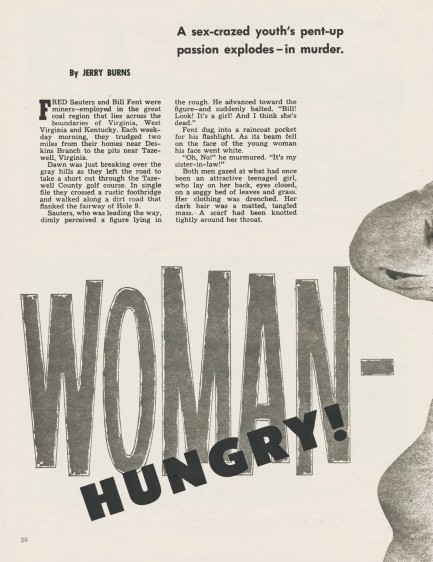
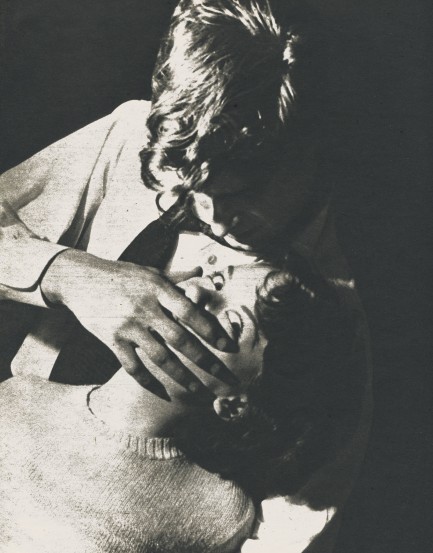
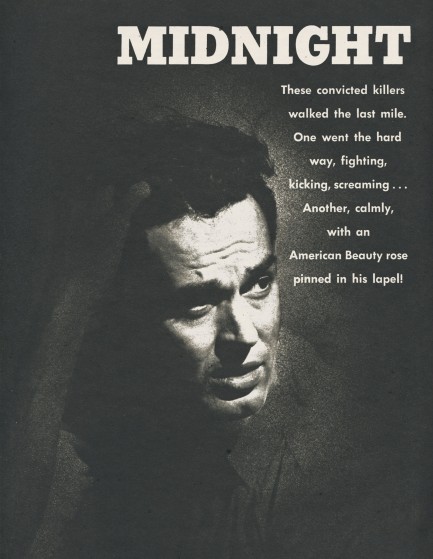
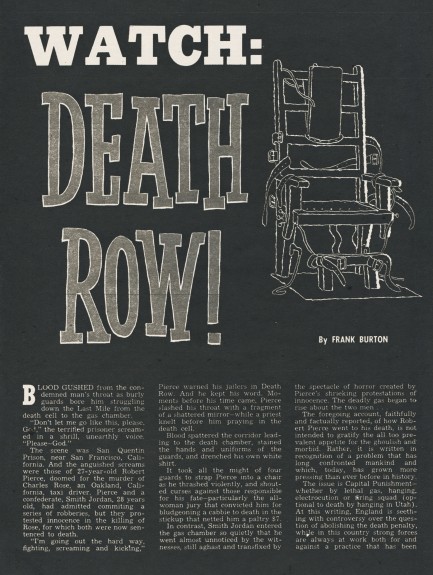
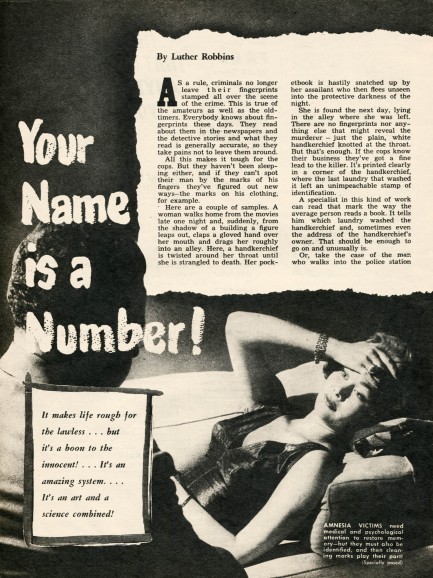
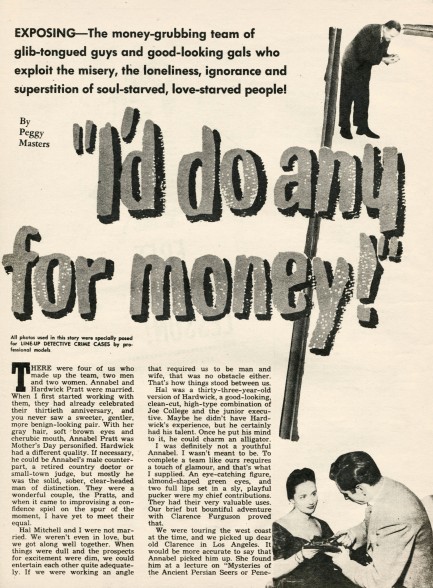
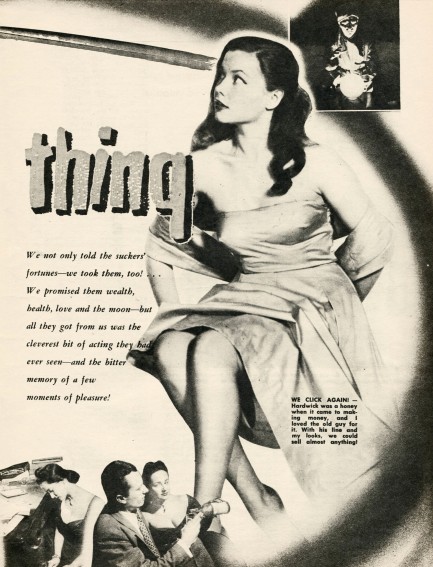
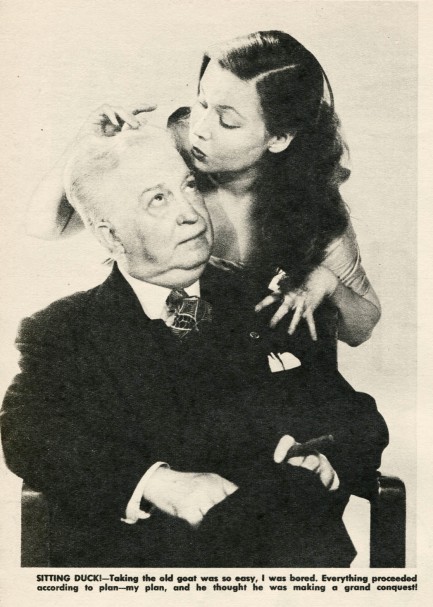
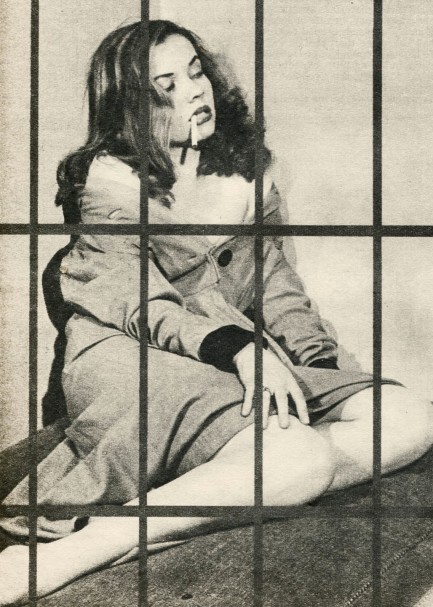
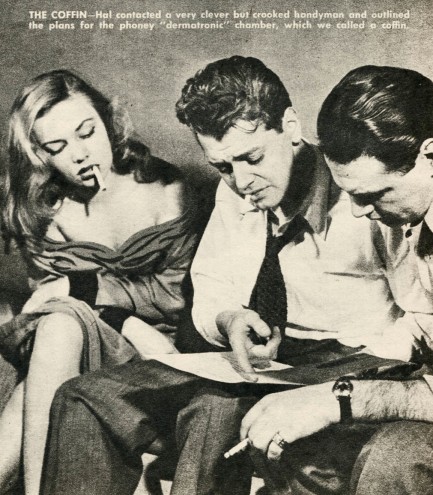
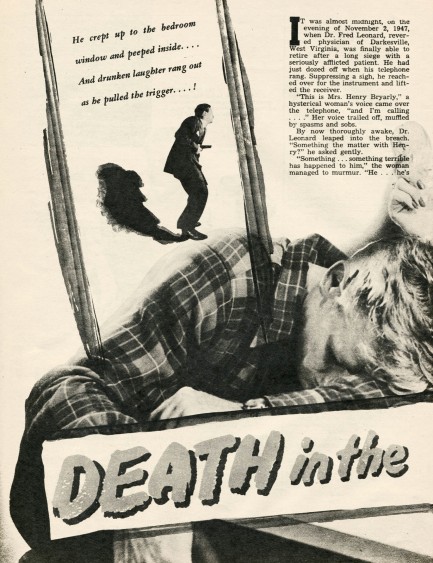
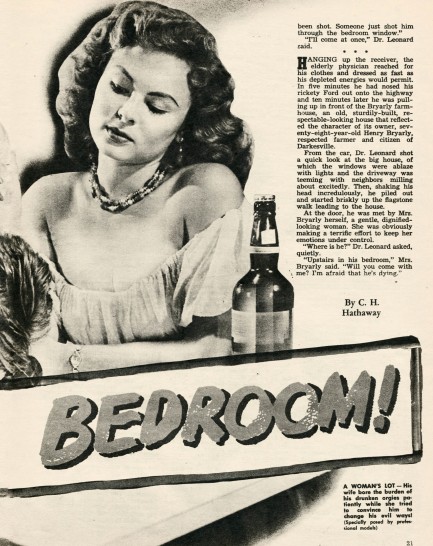
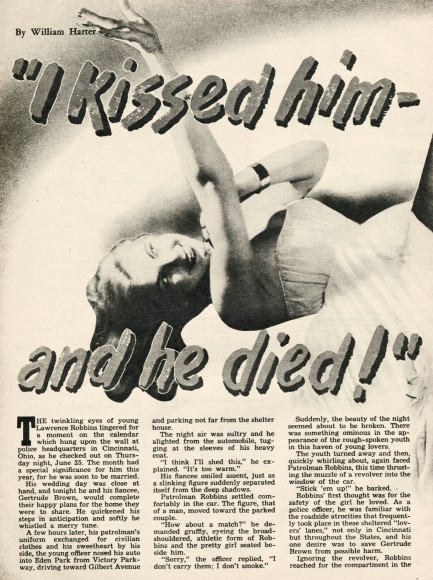
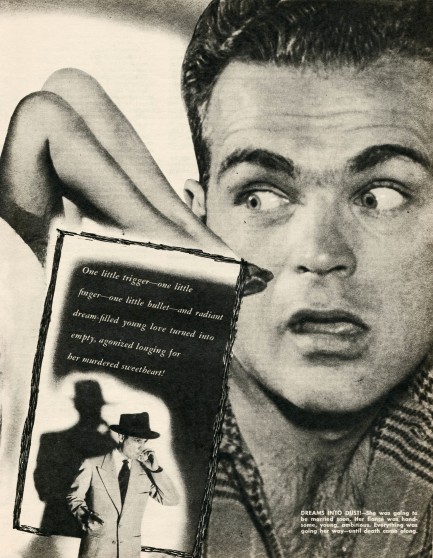
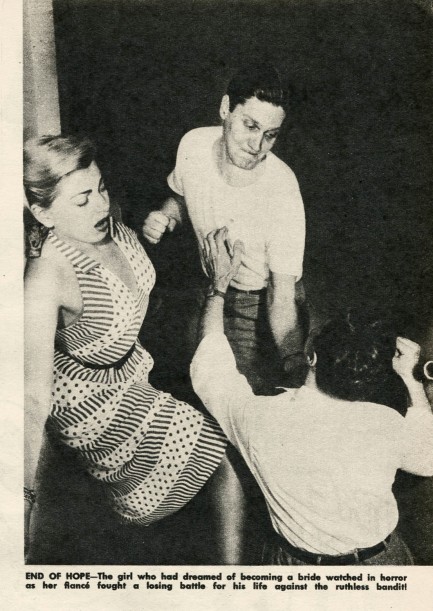
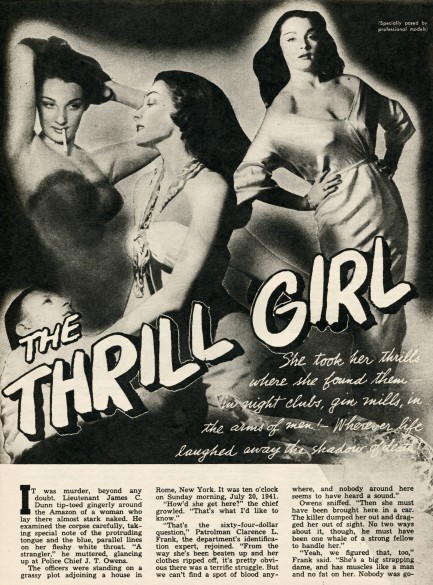
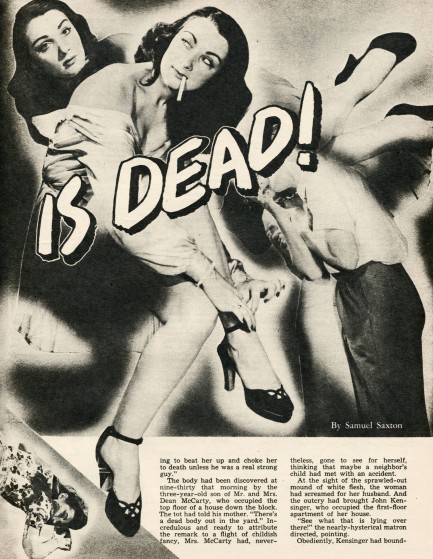
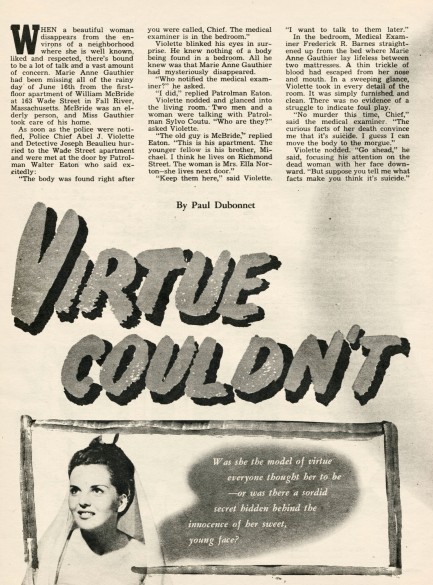
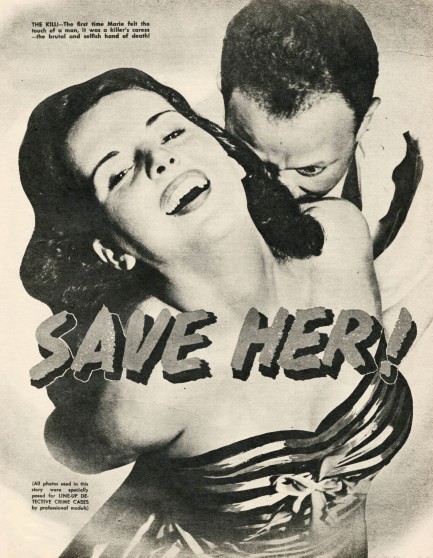
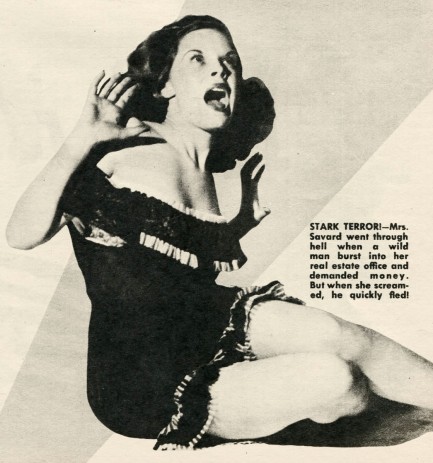
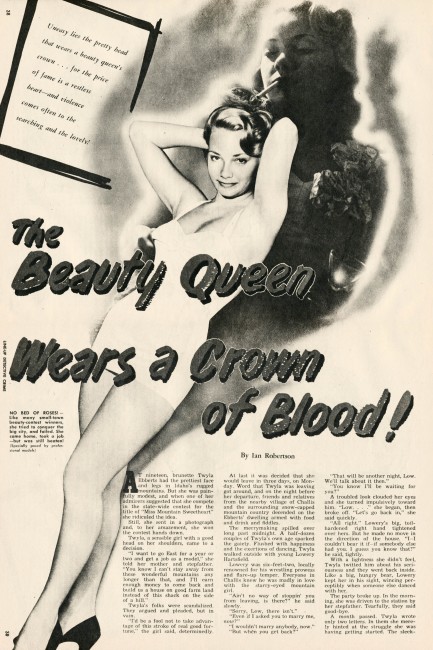
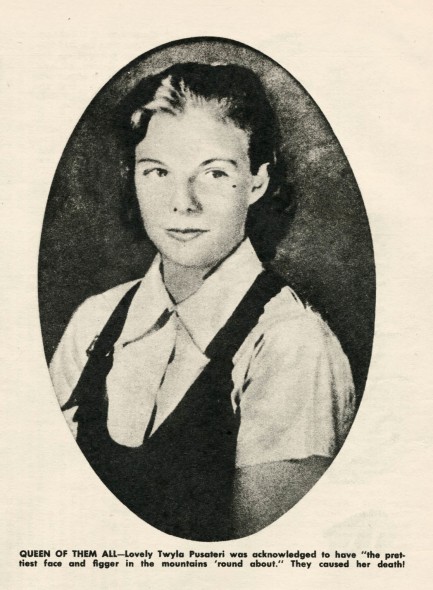
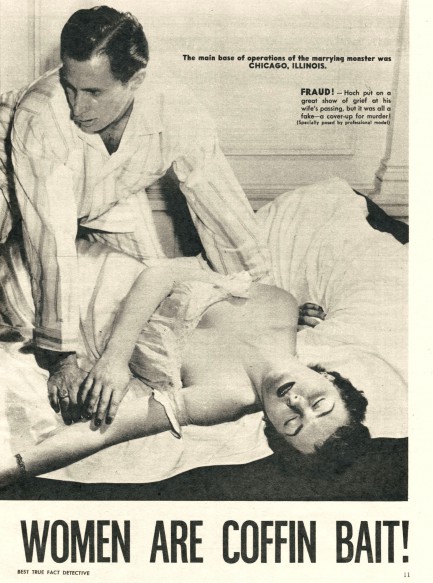
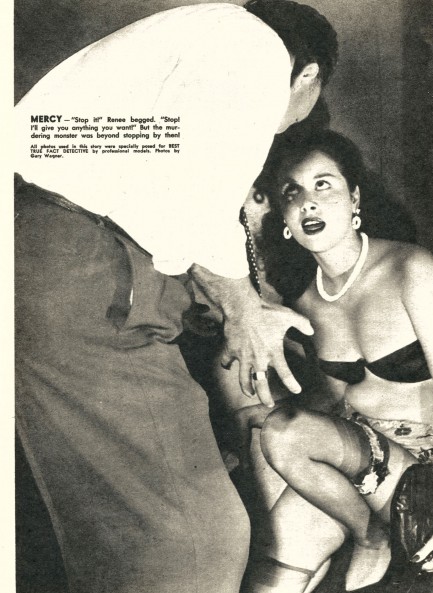
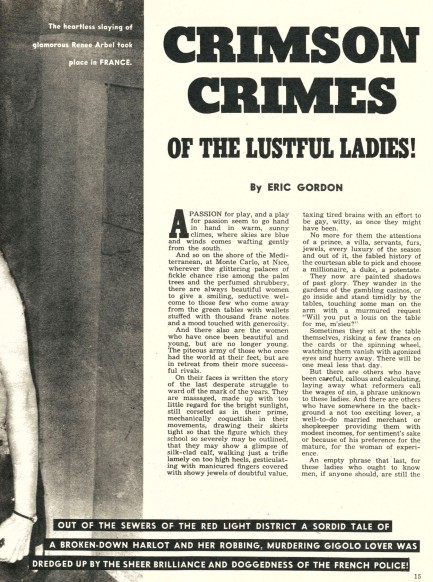
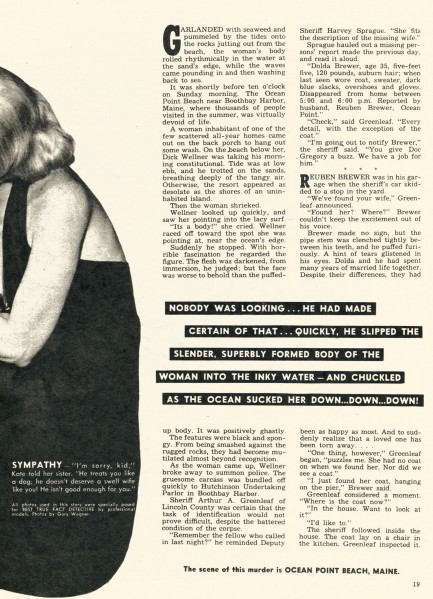
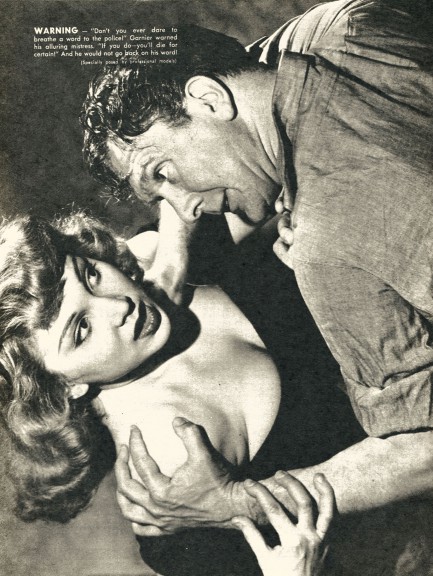
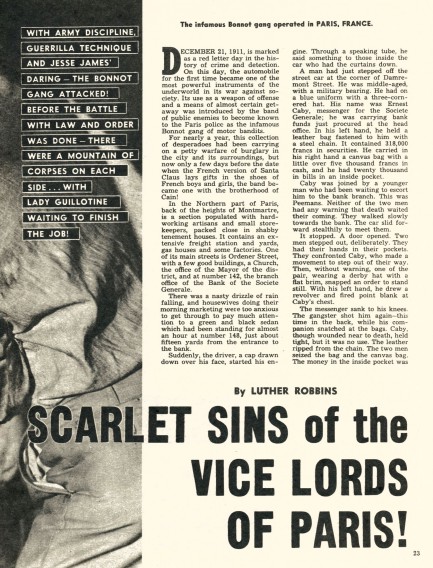
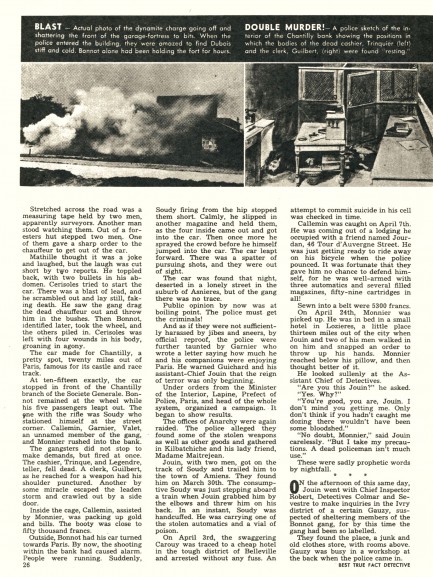
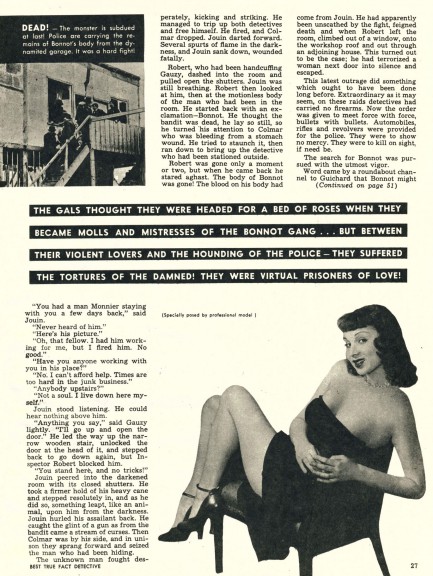
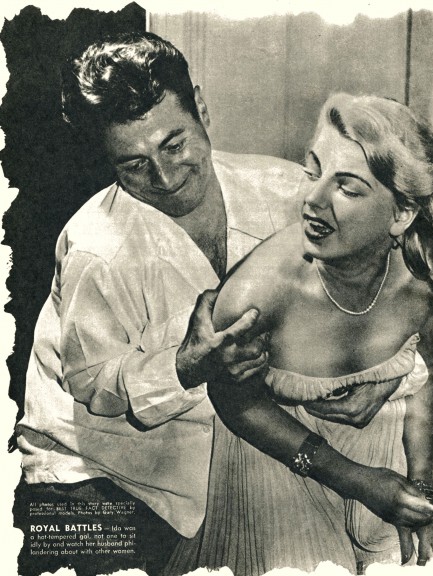
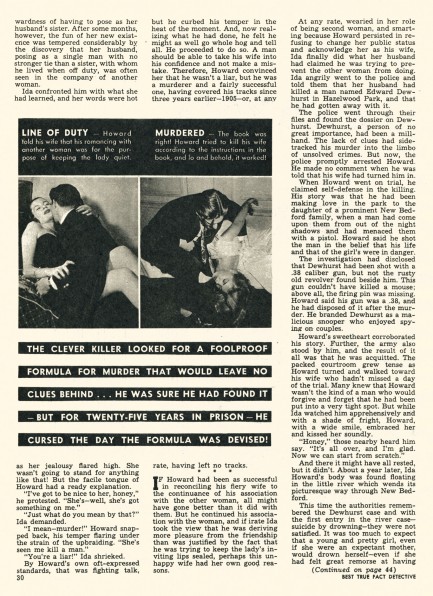
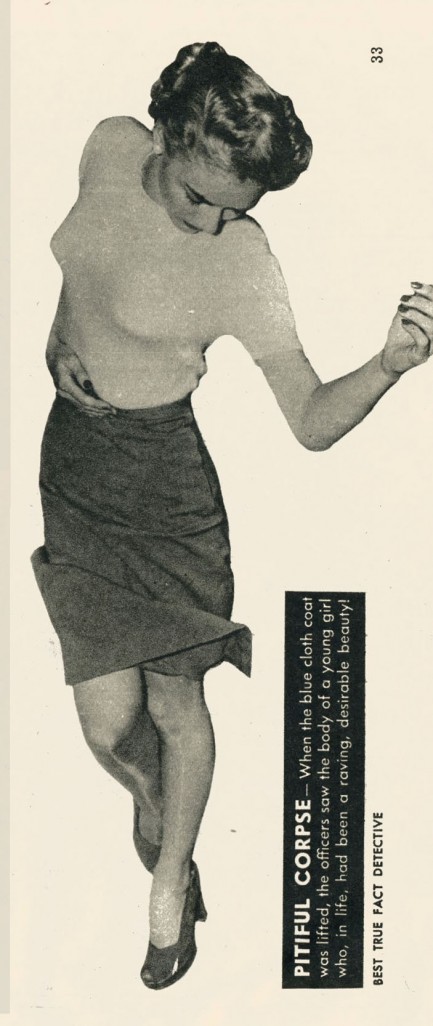
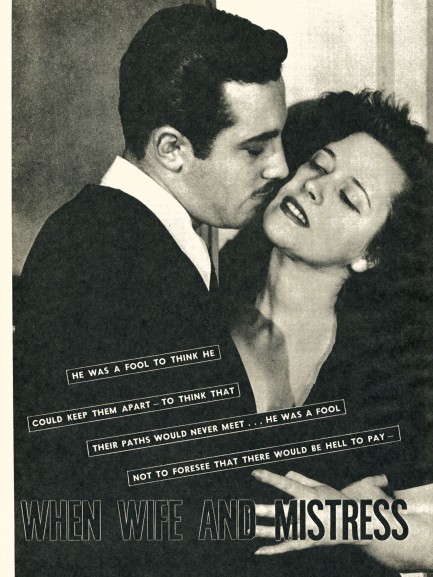
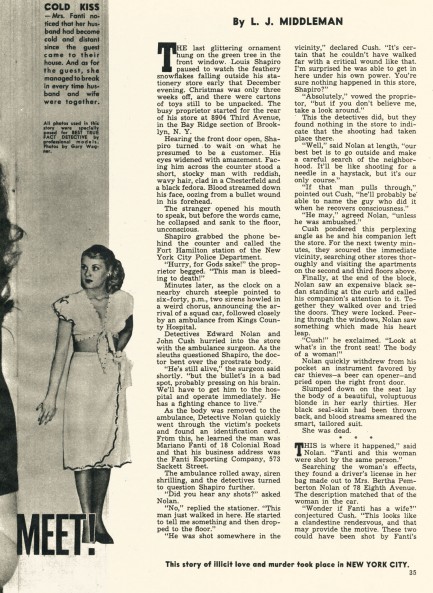
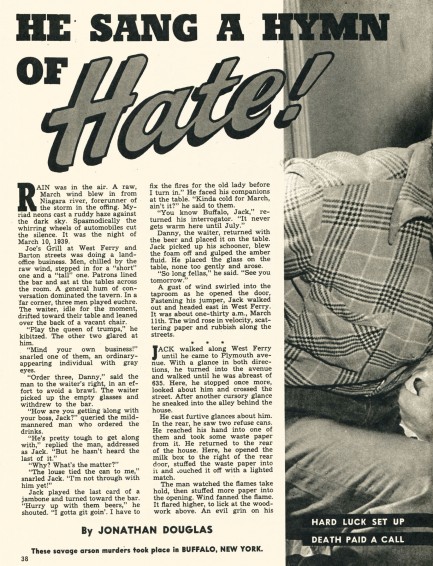
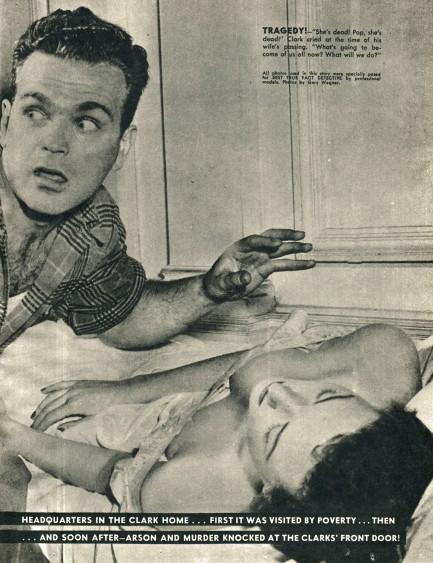
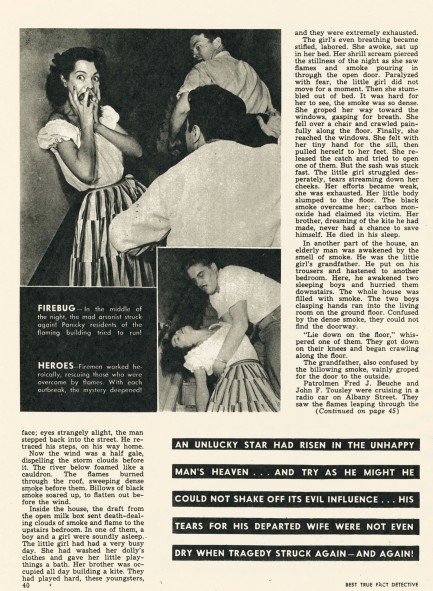
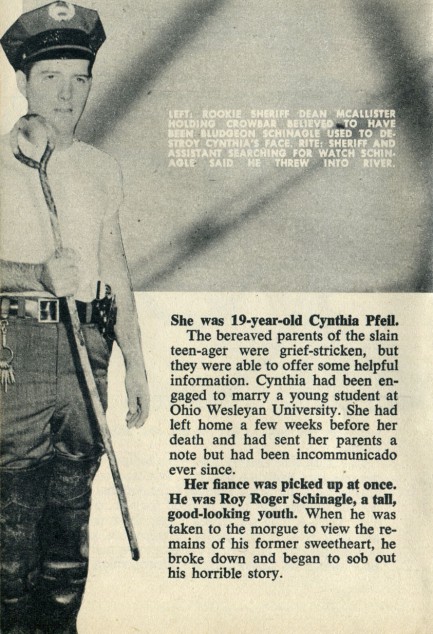
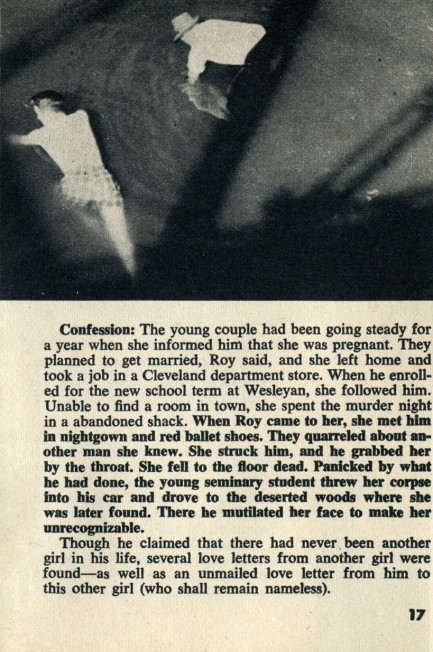
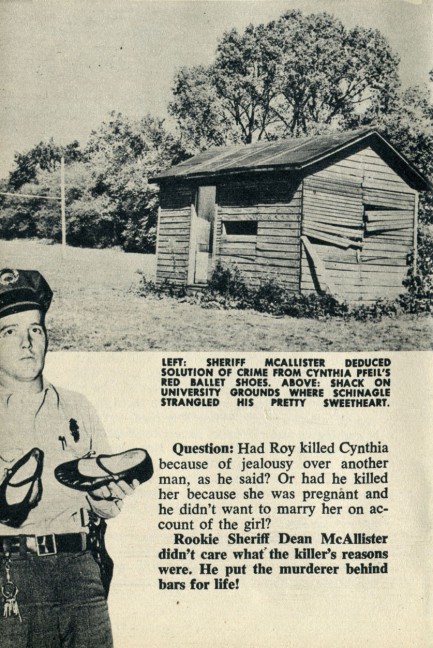
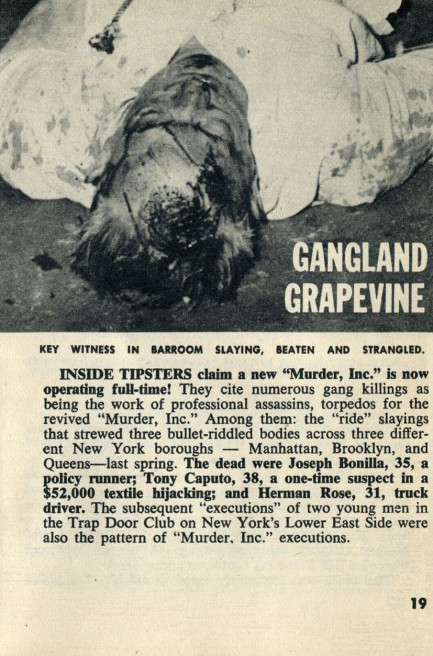
December 1949’s Front Page Detective offers up numerous tales of vice and murder. Each story begins with an art spread, some photographic and some hand drawn. We thought they were nice, so we posted several below. The playgirl referred to on the cover is Eddis Mae Reed, a Long Beach 40-year-old who was murdered in a shack on Seaside Avenue. The cover model, with her cigarette holder and fur wrap, is nothing like the Eddis Mae Reed described in the story. That Eddis Mae was a working class woman who liked the rough hewn men that populated Long Beach, back then a seemingly endless landscape of oil derricks. After she was found strangled, beaten, and with a bra stuffed down her throat, detectives questioned oilworkers, longshoremen, and dockworkers, as well as the bartenders and cooks in the waterfront saloons she frequented, before finally focusing their attention on a sailor named William Dryman. When police picked him up he confessed right away to killing Reed. His motive? Jealousy. Even though he was at sea for months at a time, and he knew Reed was not a one-man woman, he became obsessed with her. When he visited her shack unannounced one night he heard her entertaining another man and became furious. He didn’t confront her then, though. He came back the next day, when she was alone and unprotected. He told police: “I told her what I’d do if I caught her cheating. I’d do it all over again.” Front Page Detective attributes Reed’s death to “too many men.” Well, that’s one way to look at it. The judge, on the other hand, blamed the killer, not the victim, and sent William Dryman down for five-to-life.

diggfacebookstumbledelicious

Vintage Pulp Dec 11 2011
FASS TIMES
Once upon a crime in America.
Myron Fass knew how to sell magazines, especially violent, lurid, depraved magazines. Crime Does Not Pay (not the same as the identically named comic book) is a perfect example. Basically it was just a true crime magazine, but with a focus on iconic American crimes and criminals, with a liberal dose of splatter thrown in. Some of the covers were crime scene photos, but examples we’ve seen from 1969 featured beautiful (if extremely gory) paintings that we suspect appealed to readers younger than those who normally bought crime mags. Above, for example, you see the cover of the December 1969 issue (no artist info appears in the masthead, sadly). Below are twenty-five images, including shots of Charles Starkweather, John Dillinger, Al Capone, Bonnie Parker, Lester Gillis on a slab, and more. You can read a bit more about Myron Fass here.
diggfacebookstumbledelicious

Vintage Pulp Dec 1 2011
OVER HIS DEAD BODY
Thirteen classic stories of girl meets corpse.

The woman who finds herself standing over a dead (or possibly drugged) man is a classic motif in pulp magazine cover art. Sometimes the woman is responsible for what's happened, while other times she simply has the bad luck to stumble into the situation. Covers of this type, you're probably already aware, fall under the category of Good Girl Art, with the “good” referring to the woman’s appearance, rather than her morals. Above and below are unlucky thirteen examples from mid-century true crime magazines, with art from Barye Phillips, Jay Scott Pike, George Gross, Jack Rickard, and others. We borrowed one of these from Fringepop, and most of the rest we culled from online auctions where they’ve been languishing for months if not years. Feel inclined to collect a few classic true crime magazines? There are plenty of choices out there right now. Thanks to the original uploaders. 

diggfacebookstumbledelicious

The Naked City | Vintage Pulp Nov 14 2011
DEATH COMES TO DINNER
An inconvenient acceptance of a casual invitation.

Above is a cover of True Detective from November 1958 and inside is a story on the murder of Irene Morey, a Los Angeles woman who was found strangled along with one of her two young sons. The murder was eventually pinned on a gas station attendant named Charles Earl Brubaker who had met Morey a few days earlier when she had car trouble. Either in gratitude or because she was romantically interested in him, Morey invited him to her place for dinner a few nights later, and the date went wrong. When Brubaker was in the middle of choking the life out of Morey, the older of her two sons walked in, so Brubaker strangled him too. Brubaker confessed to the murders and was tried, convicted, and sentenced to death in the gas chamber. That sentence was later overturned by Judge Joseph A. Wapner (who would become famous on his 1980s television show The People’s Court), and instead of seeing the inside of the death chamber Brubaker served hard time until his parole in 1976. After his release he faded from public view, but his crime never will because its aftermath is part of the USC Digital Library’s collection of more than 200,000 Los Angeles Examiner negatives. Irene Morey and her son appear below, in life and in death. We highly recommend you take a spin around USC's Examiner collection. There’s more dark and forgotten history in there than you can imagine. 

diggfacebookstumbledelicious

Vintage Pulp Oct 14 2011
GLAB FEST
Shoot first, ask questions later.

Above is a Famous Detective Cases from October 1936 with a cover featuring everyone’s worst nightmare—a smalltown cop with a big gut and a bigger gun. Among the articles is a detailed look at Hazel Glab, who was notorious for a while due to being accused of the murder of her wealthy husband John. Police initially couldn’t make a case against Glab, which of course left the press to speculate and theorize. When we were looking at some of those old articles we found several illustrations, including a smoking gun art piece from an April 1930 Milwaukee Sentinel, of which we’ve posted a portion below. There was also a photo of a detective re-enacting John Glab's last moments, with another smoking gun, and we’ve posted that too. Hazel Glab did eventually go to jail—at first it was for forging her husband’s will, but in January 1936 prosecutors indicted her for second degree murder. Glab was paroled in 1943, but shemade news again in 1945 for a domestic incident, in 1958 when she was hauled into court on pandering charges, and yet again in 1965 when she was charged with making threatening phone calls. There are other stories as well—like the time she shot a man in the face for “insulting” her. Glab died in 1977, but perhaps we’ll get back to her a bit later. There’s certainly enough material. 

diggfacebookstumbledelicious

Vintage Pulp Sep 8 2011
IT'S CURTAINS FOR YOU
Once you get startled, it’s hard to stop.

This September 1960 issue of Startling Detective tells readers that police are bungling the investigation into the murders of three Chicago women who had been found dead in Starved Rock State Park in Illinois. Two months after this issue hit newsstands, authorities arrested a park employee named Chester O. Weger, and a jury convicted him of one of the killings. However, this case is still controversial. Did police overlook hair samples that indicated more than one killer was present? Was Weger’s confession obtained unlawfully? Weger relatives and backers answer yes to both questions and say he was framed. The police, for their part, admit the fifty-year-old investigation wasn’t perfect, but say their predecessors arrested the right man. With evidence now generations old, there’s no easy resolution. The situation also illustrates one of the classic paradoxes of criminal justice: i.e., a convict who has no hope of parole unless he admits his guilt and takes responsibility for his crime, but who, conversely, has no hope of a retrial or dismissal unless he maintains his innocence. It’s a fascinating ongoing drama. This is our first posting of Startling Detective, but we plan to revisit this venerable true crime magazine a litte later and get into the stories in detail. 

diggfacebookstumbledelicious

The Naked City Aug 18 2011
TANGLED WEBB
Was Madeline Webb a cold-blooded killer or just a woman blinded by love?

This Real Detective from August 1942 hit newsstands during the height of America’s conflict in the Pacific against the Japanese and it tells the story of Madeline Webb, who was the central figure in a murder case so sensational that it managed to distract the country, however briefly, from war. Webb had moved from Stillwater, Oklahoma to New York City with small town dreams of being a Broadway star. Instead she met a petty crook named Eli Shonbrun and fell in love. Webb was living on an allowance from home, but Shonbrun’s income was more sporadic—he survived by stealing women’s jewelry. Eventually he needed another score and, along with two accomplices named John Cullen and Murray Hirschl, he hatched a scheme to rob a wealthy acquaintance of Webb’s, a woman named Susan Flora Reich.

But when the robbery was over Reich was dead, suffocated by the adhesive tape that had been placed over her mouth. Eli Shonbrun and company went into hiding, but the police soon tracked them down, whereupon Hirschl immediately made a deal to testify against the others. He admitted helping to plan the crime, but swore he was not present in the hotel room where it occurred. Madeline Webb also denied being present, and Shonbrun backed up her claim, but Hirschl said she was lying and had actually lured Reich to the hotel. A jury of twelve men deliberated for five hours and returned a verdict of guilty for all three defendants. Shonbrun and Cullen were sentenced to death and Webb was given life in prison. When her punishment was announced in court she sobbed, “Please, please, I didn't!” Shonbrun cried, “You have crucifed her!”

What seemed to mesmerize the American public was the spectacle of Webb and Shonbrun clinging to their love in the face of adversity. They had frequently disrupted the trial with outbursts of support for each other. Whenever Webb seemed to wither Shonbrun managed to pass her notes of encouragement. On the few occasions they came into physical contact they kissed and exchanged “I love yous.” And when Shonbrun’s date with the executioner came in April 1943, he received a final love letter from Webb. He read it in the death chamber at Sing-Sing Prison, then surrendered it to the warden to be destroyed. Five minutes after being strapped into the electric chair Eli Shonbrun was dead.

Madeline Webb served twenty-five years at Westfield State Farm in Bedford Hills, New York, and was by all accounts a model inmate. She promoted educational programs for imprisoned women, taught many illiterate inmates to read, and ran the prison library. Her life sentence carried no possibility of parole, but her sentence was commuted in 1967. After her release she returned to Stillwater where she worked with variouscommunity organizations and cared for her elderly mother, who had spent her life savings on her daughter’s legal fees. Webb died of cancer in 1980 at age sixty-seven, and she did so still protesting her innocence. She was indeed an unlikely murderer. Her family had money back in 1942, and if she had required any she need only have sent a telegram asking for it. But just as New York City proved too much for her show business ambitions, its men may have proved too much for her better judgment. It's entirely possible she was simply too lovestruck by the rough and tumble Eli Shonbrun to derail his scheme. Some light could possibly be shed on this question if the content of her last letter was known—but that went to grave with her. 

diggfacebookstumbledelicious

Vintage Pulp Aug 3 2011
FULL THROTTLE
When she’s angry she’s a real pain in the neck.

Above, a great cover from Chaz Rubino for Official Detective Stories, August 1936. We’d tell you more about Rubino, but this is the only piece we’ve seen by him, and there’s no info on the internet at all. As for the magazine, Official Detective Stories ran for several decades beginning in the 1930s, and during the 1950s Desilu Productions—i.e. Desi Arnaz and Lucille Ball—even used the magazine as the basis for a  television series, but the show didn't catch on and ran for a mere forty episodes. The magazine lasted longer—into the 1990s. Visit our entire true crime magazine collection here. 

diggfacebookstumbledelicious

Vintage Pulp Jun 10 2011
POSING A DILEMMA
Young models often struggle with question of whether to pose nude.

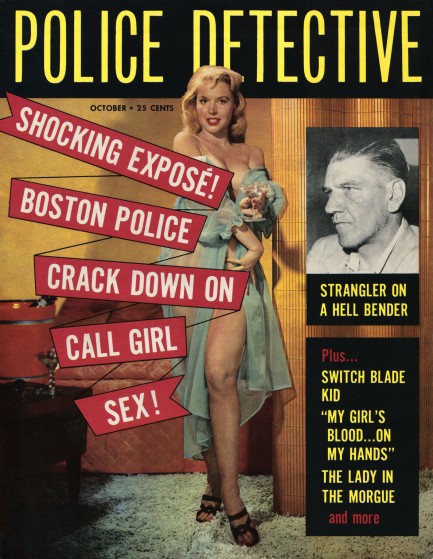
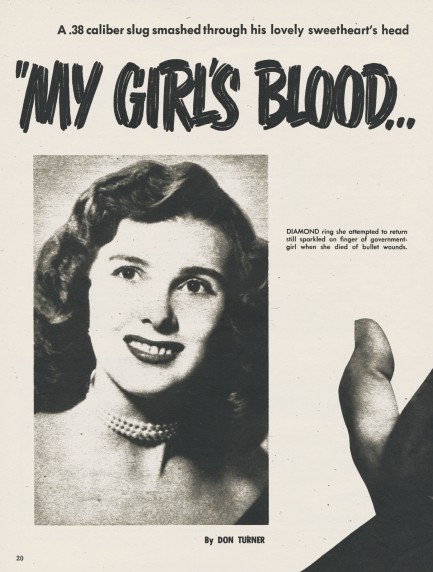
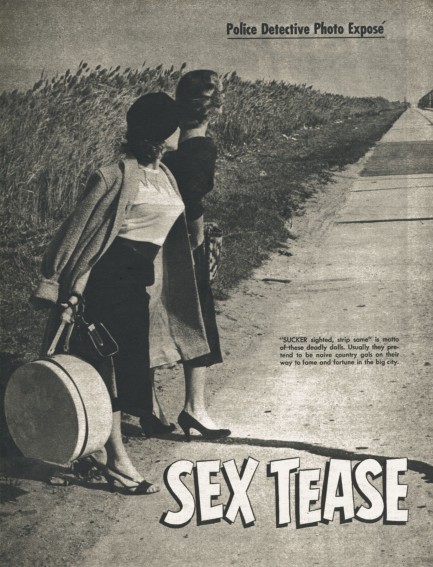
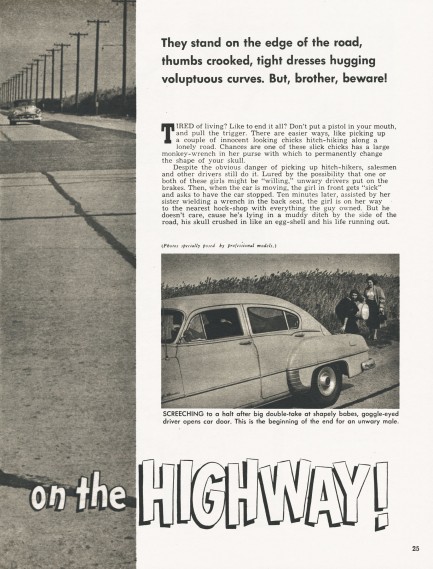
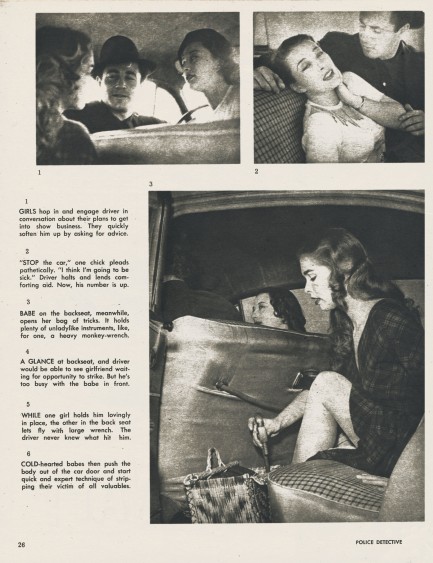
Above, a Front Page Detective from April 1971 with the type of woman-in-trouble cover that became the magazine’s trademark. See more here. 

diggfacebookstumbledelicious

Next Page
Previous Page
Featured Pulp
FEBRUARY 1933 BEAUTE MAGAZINE
JULY 1937 BEAUTES MAGAZINE
JANUARY 1935 PARIS MAGAZINE
JANUARY 1935 POUR LIRE A DEUX
OCTOBER 1929 PARIS PLAISIRS
NOVEMBER 1933 PARIS MAGAZINE
MAY 1935 PARIS MAGAZINE
History Rewind
The headlines that mattered yesteryear.
May 22
1942—Ted Williams Enlists
Baseball player Ted Williams of the Boston Red Sox enlists in the United States Marine Corps, where he undergoes flight training and eventually serves as a flight instructor in Pensacola, Florida. The years he lost to World War II (and later another year to the Korean War) considerably diminished his career baseball statistics, but even so, he is indisputably one of greatest players in the history of the sport.
May 21
1924—Leopold and Loeb Murder Bobby Franks
Two wealthy University of Chicago students named Richard Loeb and Nathan Leopold, Jr. murder 14-year-old Bobby Franks, motivated by no other reason than to prove their intellectual superiority by committing a perfect crime. But the duo are caught and sentenced to life in prison. Their crime becomes known as a "thrill killing", and their story later inspires various works of art, including the 1929 play Rope by Patrick Hamilton, and Alfred Hitchcock's 1948 film of the same name.
May 20
1916—Rockwell's First Post Cover Appears
The Saturday Evening Post publishes Norman Rockwell's painting "Boy with Baby Carriage", marking the first time his work appears on the cover of that magazine. Rockwell would go to paint many covers for the Post, becoming indelibly linked with the publication. During his long career Rockwell would eventually paint more than four thousand pieces, the vast majority of which are not on public display due to private ownership and destruction by fire.

Advertise Here
Reader Pulp
It's easy. We have an uploader that makes it a snap. Use it to submit your art, text, header, and subhead. Your post can be funny, serious, or anything in between, as long as it's vintage pulp. You'll get a byline and experience the fleeting pride of free authorship. We'll edit your post for typos, but the rest is up to you. Click here to give us your best shot.

Pulp Covers
Pulp art from around the web
muller-fokker.blogspot.com.es/2013/03/la-turlutte-finale.html canadianfly-by-night.blogspot.com.es/2013/04/the-mystery-league-and-harlequin-part-ii.html
jasonnahrung.com/2011/10/11/writerly-round-up-including-the-big-sleep-ive-just-had-and-the-one-im-about-to/big-sleep/ lovethiscover.blogspot.com/2011/01/75.html
giallobookcovers.blogspot.com.es/2013/04/i-gialli-di-margot_14.html cryptofwrestling.tumblr.com/post/6650692441/shut-up-weirdo-title-of-the-year-candidate
Pulp Advertising
Things you'd love to buy but can't anymore
PulpInternational.com Vintage Ads
Humor Blog Directory
About Email Legal RSS RSS Tabloid Femmes Fatales Hollywoodland Intl. Notebook Mondo Bizarro Musiquarium Politique Diabolique Sex Files Sportswire