| Vintage Pulp | Mar 19 2015 |

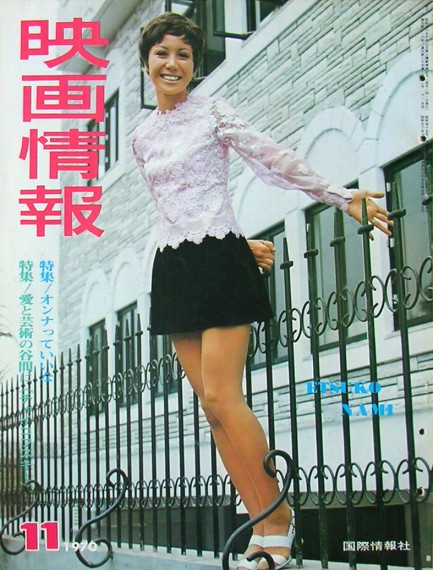

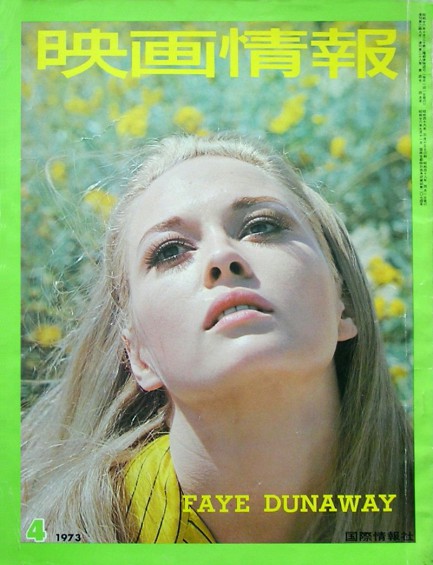






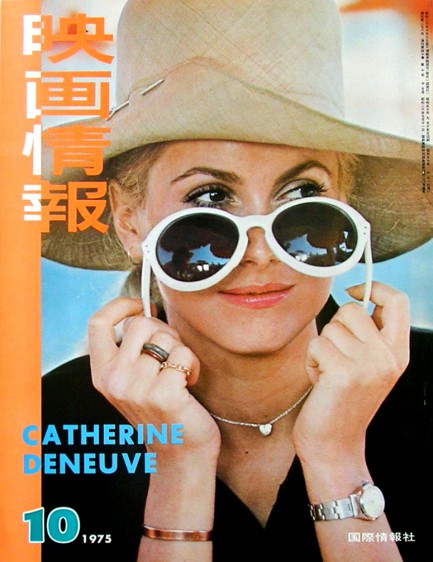
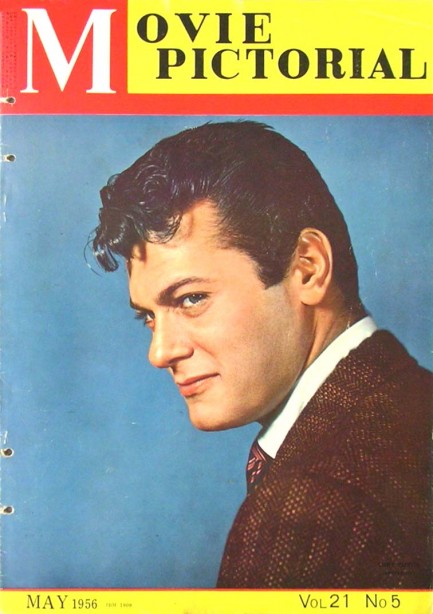
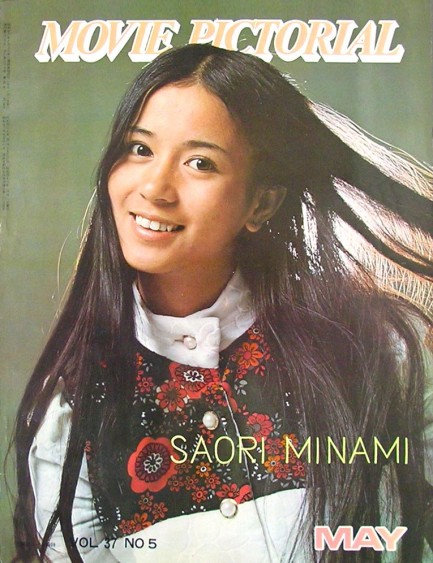
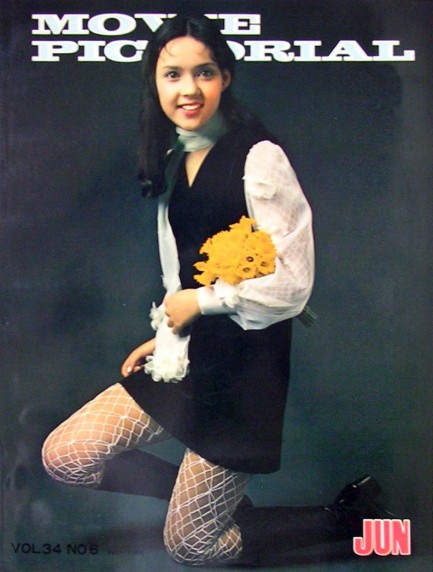
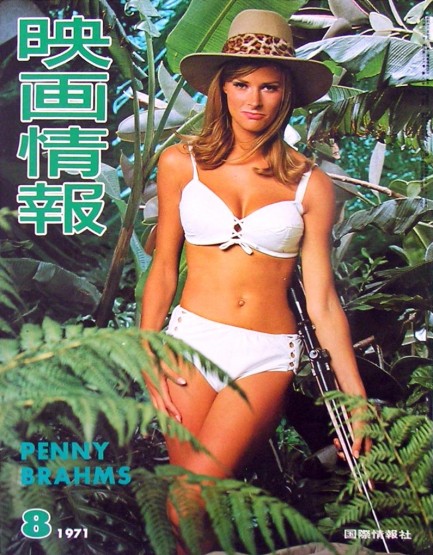
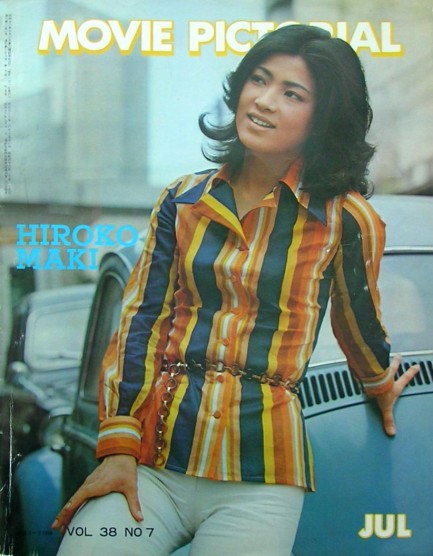
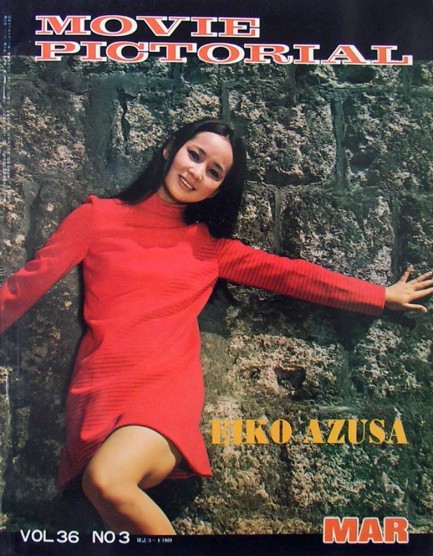
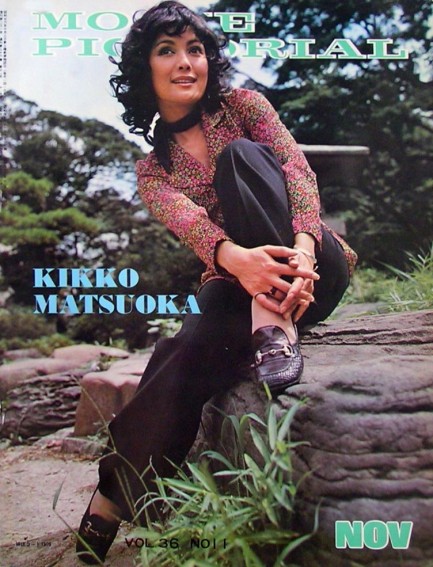
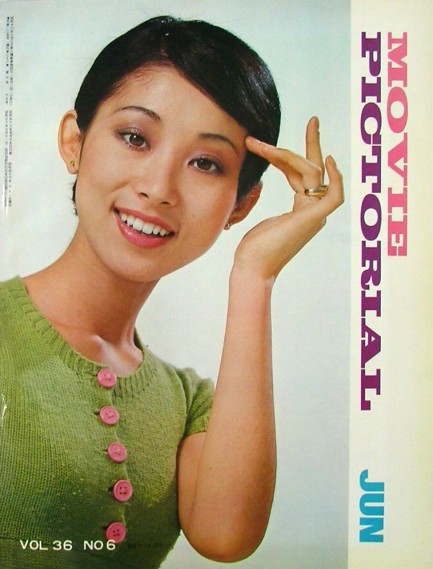
Above is a collection of covers from Movie Pictorial, aka Movie Information, a Japanese cinema and celeb magazine that thrived from the 1950s until the 1980s. Typically one side was Japanese in nature, and the other was Western. These were filled with photos, but we haven’t managed to find one at a reasonable price yet. When we do we’ll show you what’s inside. You can see more covers here and here.


| Vintage Pulp | Jun 17 2013 |

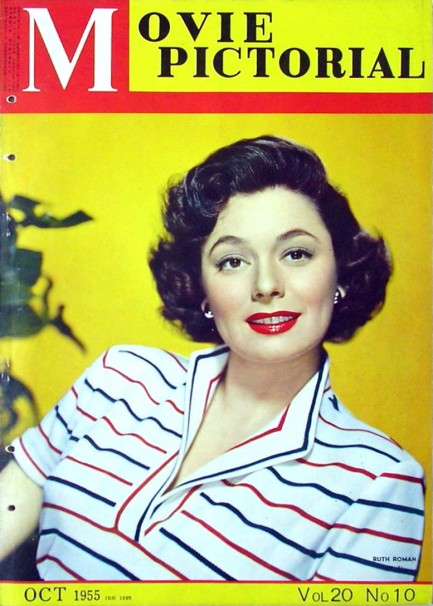

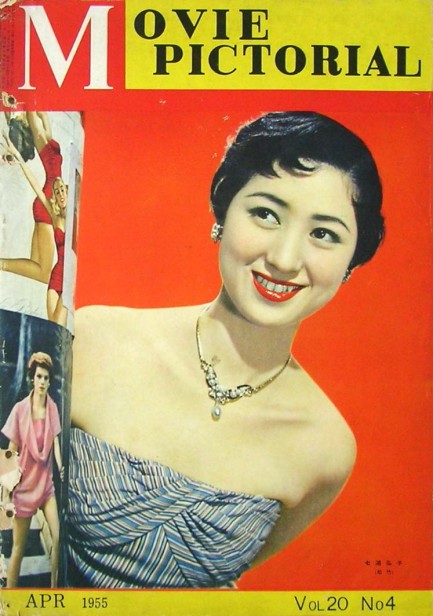
Several months ago we shared some covers of the Japanese cinema/celeb magazine Movie Information/Movie Pictorial. It was a publication that in aiming at both a Western and local audience uniquely offered simultaneous billing to Western and Japanese cover stars by putting one each on the front and back of every issue. But really, that’s a misnomer, because there was no back of the magazine. Because English and Japanese are read from opposite directions, both of the above covers could be considered the front. The magazine even seemed to have two names. In English it was Movie Pictorial, but the Japanese characters on the opposite face translate as “Movie Information.” These issues are from 1955 and 1956, and you can see scans of more colorful 1970s issues here.



| Vintage Pulp | Nov 29 2012 |


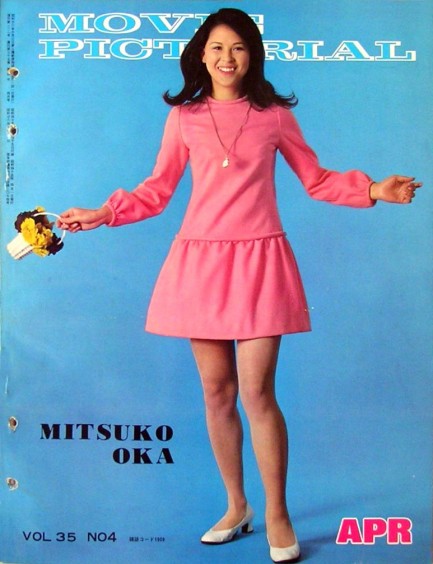
Every time we see a cover of the Japanese celeb/cinema magazine Movie Information/Movie Pictorial we find ourselves thinking how cool they look. It’s a publication that goes all the way back to the early 1950s, and it had a few different periods, graphically speaking, but for some reason we always preferred these clean, colorful late-1960s early-1970s covers. So we thought we’d upload a few fronts and backs we’ve found over the years and see if you agree. As far as the name goes, we usually see the magazine referred to in English as Movie Pictorial, and in fact the back cover does say that, obviously. But the front cover writing definitely says “Movie Information.” So there you go. But we’ve actually turned screwing up these translations into a fine art, so we won’t be heartbroken if we’re wrong. Anyway, see below. And FYI, the girl in the scuba tank is Barbara Bouchet, so she’s on three covers. The scuba image is a promo shot from Voyage To the Bottom of the Sea. You can see two more front covers here and here. 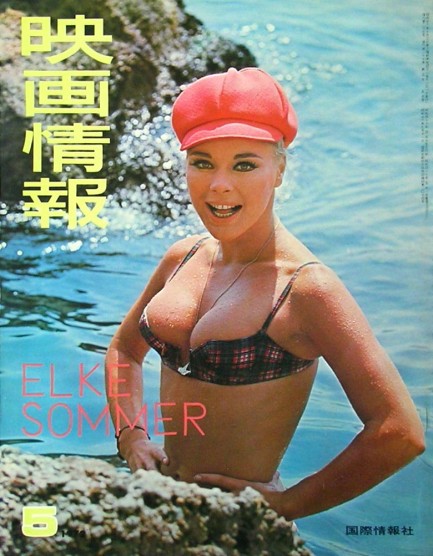







| Femmes Fatales | Feb 1 2012 |

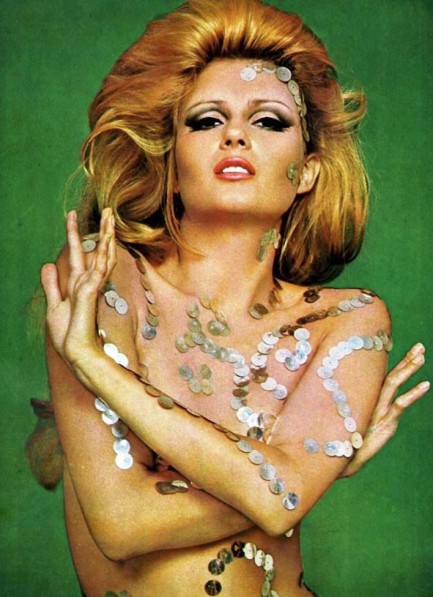
This cool image features American actress Pamela Tiffin, who appeared in films such as Harper with Paul Newman, Kill Me My Love with Farley Granger, and the Italian production I protagonisti with Pulp Intl. fave Sylva Koscina. This photo session, from 1968, also produced the image below, which you see on the cover of the Japanese cinema magazine Movie Information/Movie Pictorial. See another Tiffin shot at the bottom of this post. 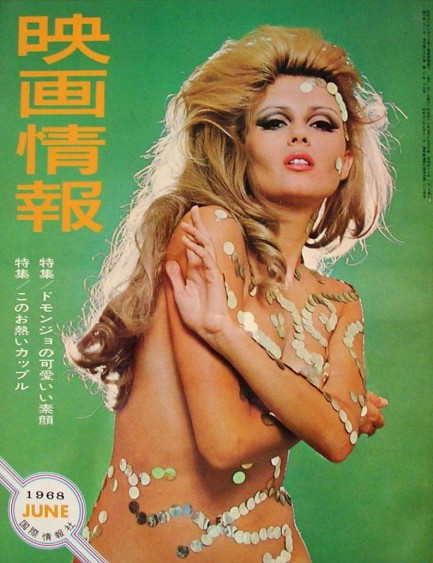

| Hollywoodland | Dec 22 2009 |


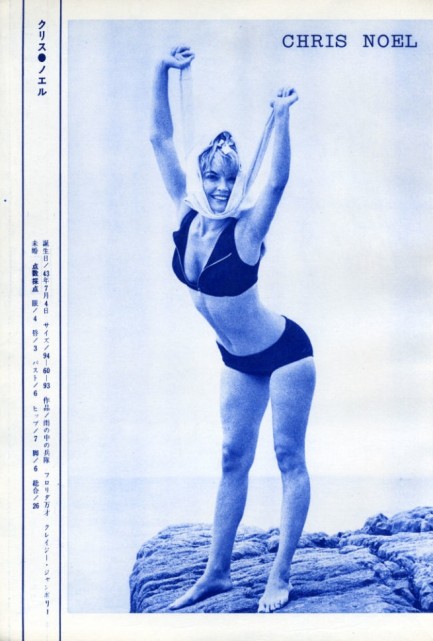
We ran across this 1970s-era Japanese celebrity magazine Movie Information featuring Chris Noel on the cover and absolutely had to share it. She was a notable figure during the Vietnam War due to her “A Date with Chris” radio program, which she broadcast twice weekly to American troops. The show was immensely popular. In fact she was thought by the Viet Cong to be such a morale boost that they reportedly placed a $10,000 bounty on her head. They never managed to kill her, but helicopters in which she rode often took ground fire, and two crash-landed with her aboard. Her efforts to make personal contact with U.S.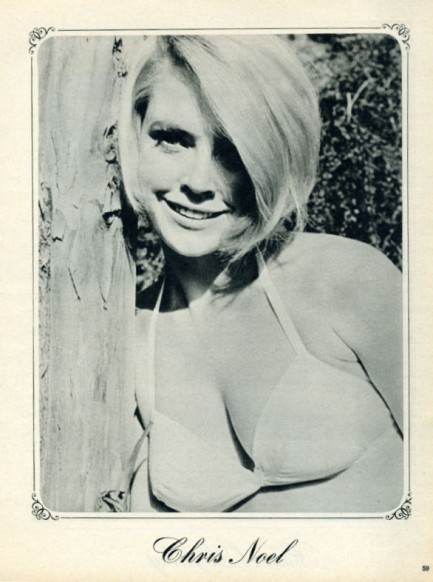 troops were remarkable when you consider she had already established herself in b-movies and on television and may have been on the verge of becoming a star. Yet she put Hollywood on hold and instead became a radio broadcaster in a war zone. After Vietnam she tried to return to movies but the reception in Tinseltown was icy for a minor actress who was perceived to have supported a U.S. war of aggression. Eventually she gave up and opened a shelter for homeless veterans, which she still runs today. All in all it’s a remarkable—perhaps even movie-worthy—story.
 where American vets comment with amazement upon the Vietnamese ability to put the war behind them despite the ghastly suffering they endured. But whatever history’s take on that divisive period, personalities like Chris Noel are worth admiring. During a time when politicians, pundits, and protestors fought a war of their own over the direction of the United States, Chris Noel rejected the glitz and glamour of Hollywood in order to serve the grunts who were sacrificing their lives on the firing line.