How does an angel get its wings? Via cleverly repurposed cover art. 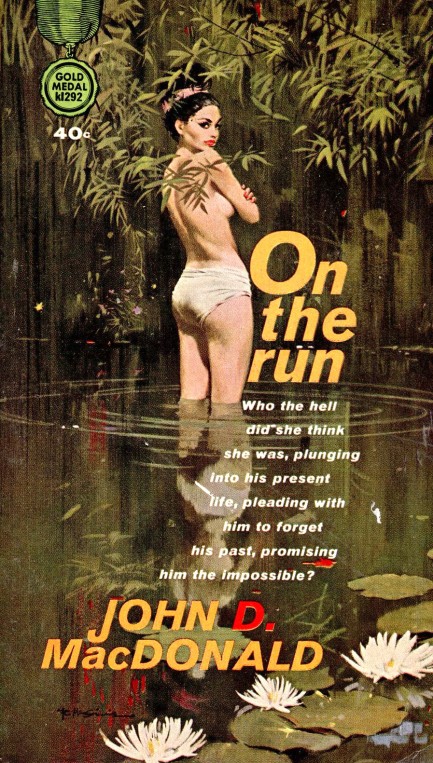 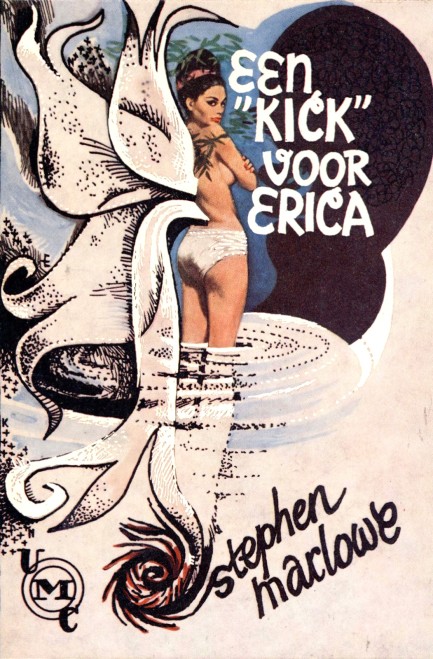
European and Australian publishers made a habit of reusing U.S. paperback art, and you see another example above. The top piece for John D. MacDonald's 1963 novel On the Run received a remix on the front of 1968's Een “kick” voor Erica, which is a translation by Dutch publishers Combinatie of Stephen Marlowe's 1967 novel Drumbeat — Erica. It's hard to improve on a McGinnis, but we think the fantasy-like transformation and giant wings—dare we say?—elevate cover number one to something even nicer. We found both on Flickr, so thanks to those two uploaders.
 Hey, check it out—I can see the ironic conclusions of our character arcs from here. We better both have a drink. 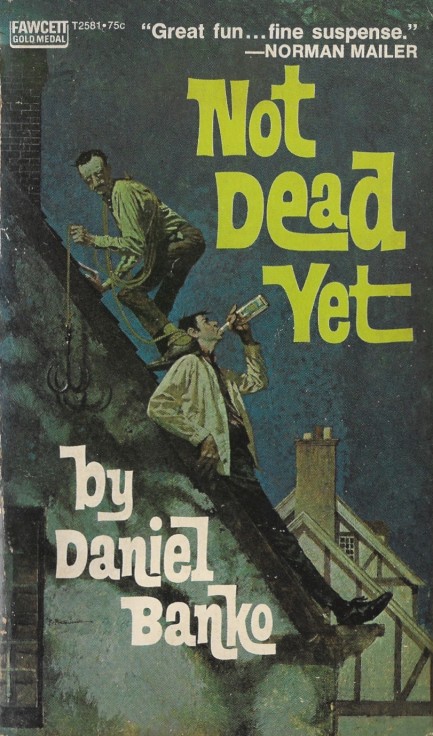
We got hold of one of the more unusual Robert McGinnis paperback covers in the form of Daniel Banko's 1972 Fawcett Gold Medal mystery Not Dead Yet. McGinnis had range, but it's still a surprise when a cover of his doesn't feature a femme fatale. This one is even more unusual due to its rooftop setting featuring a man who's wielding grappling hooks and a second who's simply drinking. Does the unusual art relate to the story? Yes, it's a moment directly from the narrative.
Banko weaves a find-the-real-killer tale in which a man named Matthew Kitterman catches his wife in bed cheating and is accused of murdering the lover. He didn't do it—he only remembers snapping a Polaroid of the tableau and bolting. He sort of flips out and next awakens in the bed of an older woman with whom he finds aid and comfort. Hunted by police and shunned by his lawyer, he finally decides he must—let's say it all together—find the real killer! In detailed and low velocity fashion he finally gets around to doing that, leading to a scene where he tries, with assistance, to break into his own house, but pauses for liquid fortification.
The book, unfortunately, did not thrill us. It reads more like a longish character piece than a crime novel. Banko can write fine, but his focus isn't particularly upon the murder nor its solution so much as portraying a man whose life has been upended and who reacts in unpredictable ways. The tale never recovered to become a gripping thriller. At least not for us. Even Norman Mailer's front cover approval didn't sway our opinion. But hey—we got the McGinnis art, and that was worth the price.
 I used to show up with a cloak and scythe, but I learned it's simpler to wear a suit and work at the corporate level. 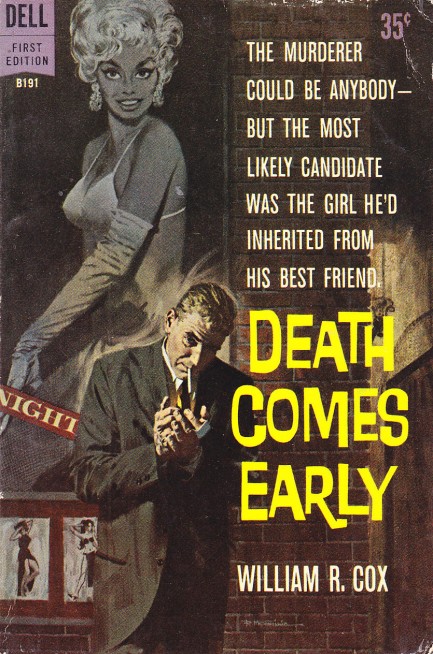
We should start calling Robert McGinnis Robert McAgainis, because he keeps showing up. According to archivist Art Scott, McGinnis painted covers for 1,068 titles in more than 1,400 editions. He is, quite simply, the king of paperback illustrators. He painted the above effort featuring a tough guy loomed over by a femme fatale on a poster for William R. Cox's 1961 thriller Death Comes Early, the tale of a tough nightclub owner who tries to solve the murder of his best friend. The book has a marvelous tone to it, with a more colorful, grittier feel than most crime novels. The women have mileage, the men are impure, and there are few clear motivations in the book's realm of organized crime and dodgy police. While all the characters are interesting, protagonist Jack Ware and his love/hate interest Lila Sharp stand out. Cox's plot unfolds sensibly, as the murder first seems to be about a gambling debt, then something more sinister. We're already on the prowl for more from him.
 I take it from the way you're sprawled across the front seat that dinner and a movie is no longer the plan. 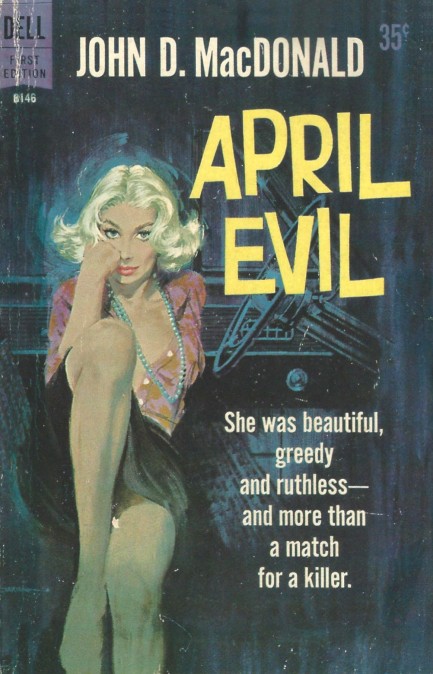
April Evil is a book that showcases John D. MacDonald on literary cruise control, as he confidently weaves together the tale of an elderly, widowed ex-doctor whose has a safe in his study filled with cash, the greedy relatives that hope he leaves his loot and property to them, and how, because rumors of the money have spread, three criminals decide to rob his house. Matters are even more complicated because the doctor has taken in a young married couple, and while the wife is not scheming to get his fortune, the husband is, and he has a big mouth. That mouth entices a psychopathic killer into hijacking the robbery scheme, with the ultimate plan of killing both his partners and—probably—everyone living in the house. For people acquainted with MacDonald but who haven't read April Evil, the approach will be familiar, particularly the character crosscurrents and fateful timing. It's well written, enjoyable, and free of pseudo-sociological content, which we consider to be a problem with McDonald's Travis Magee novels. We recommend it, even more so if you can score Dell's 1956 edition with Robert McGinnis cover art.
 The cover art for Murder in the Wind changes like the weather. 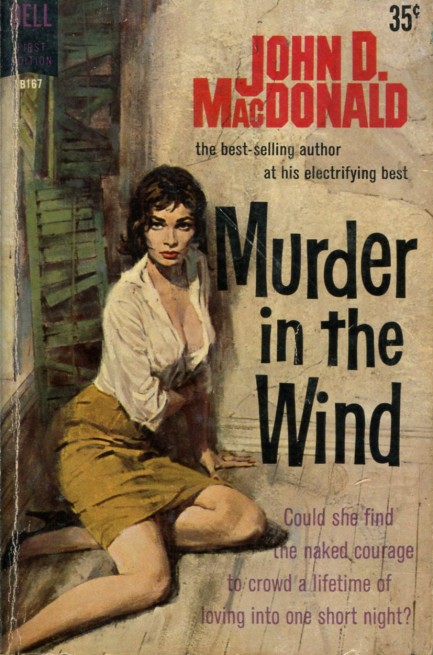 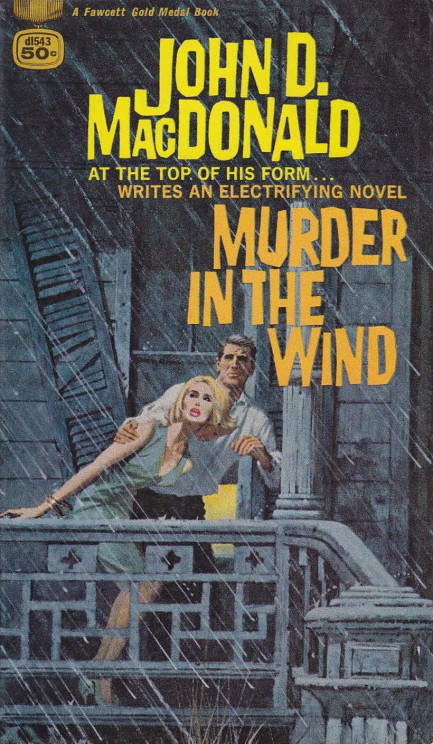
The copy we read of John D. MacDonald's natural disaster thriller Murder in the Wind a while back had a front painted by George Gross. The two covers you see above were painted by Bob Abbett and Robert McGinnis. Their art goes in different directions. Abbett's shows nothing related to bad weather but uses a dilapidated background to imply that his cover figure is stranded, while McGinnis went for an outdoor setting cut by slanting rain, also using a dilapidated house motif. Both efforts are excellent, and the book is good too, as we mentioned here.
 Live fast, die young, and leave a terribly damaged corpse thanks to James Bond. 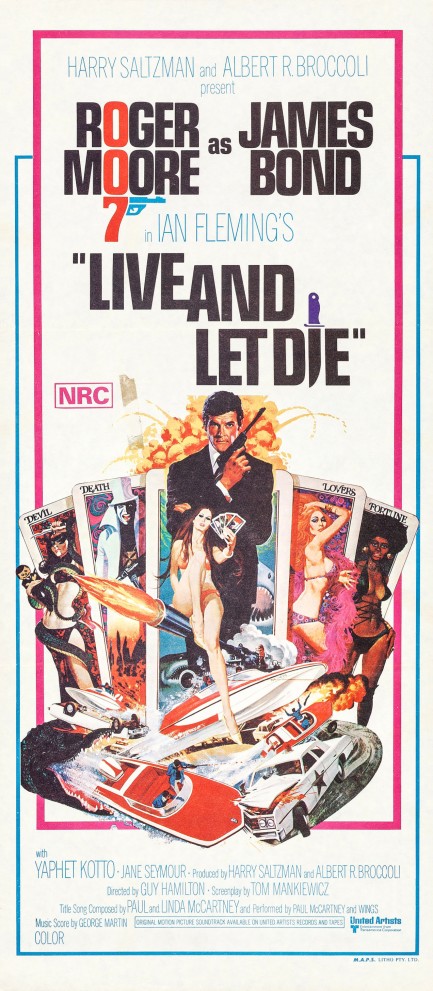
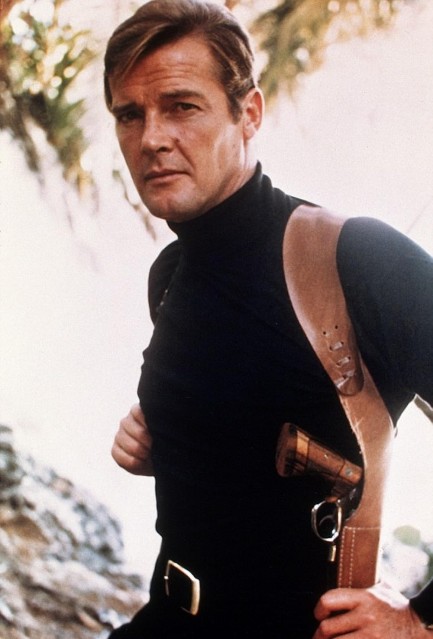
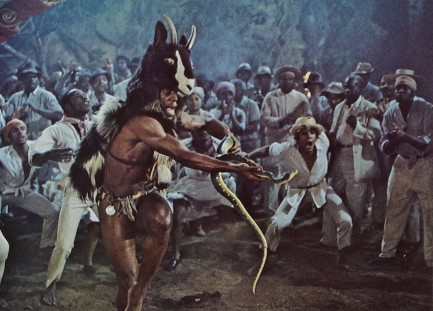
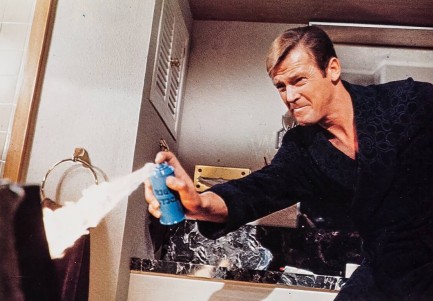
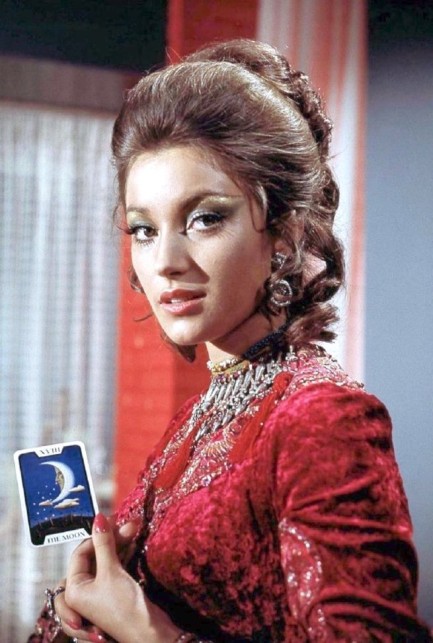
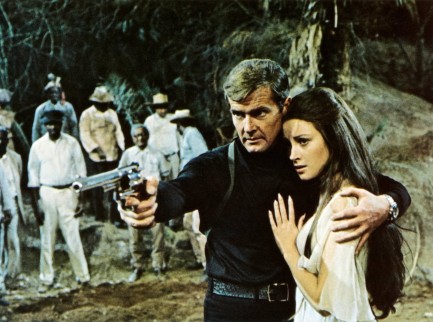
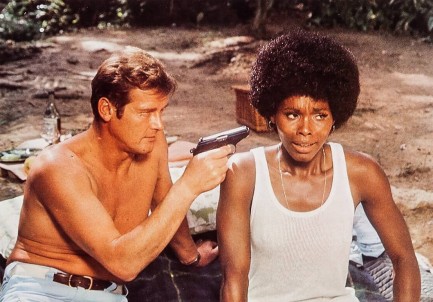
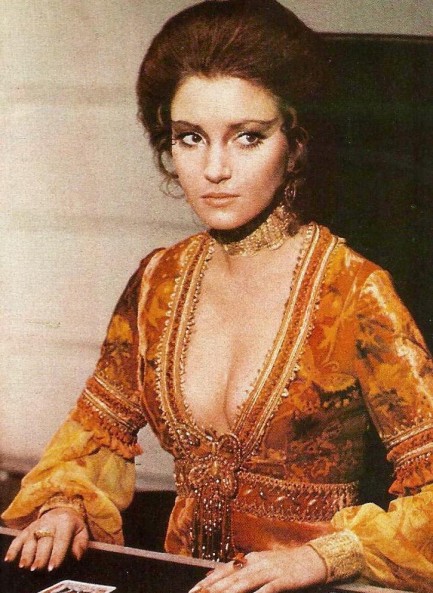
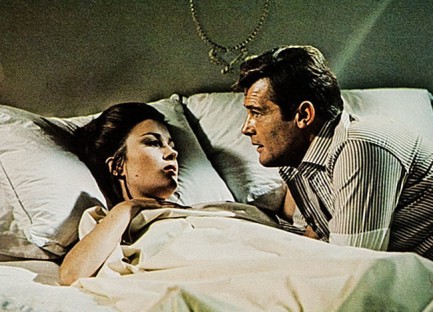
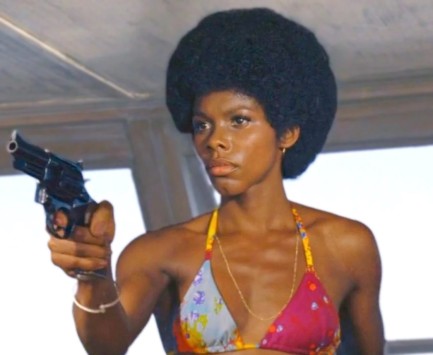
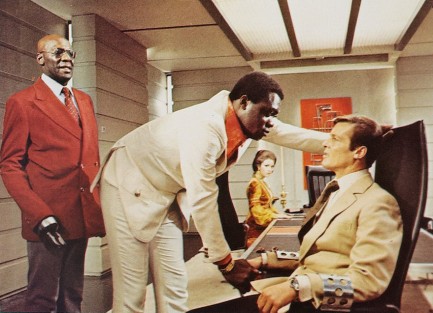
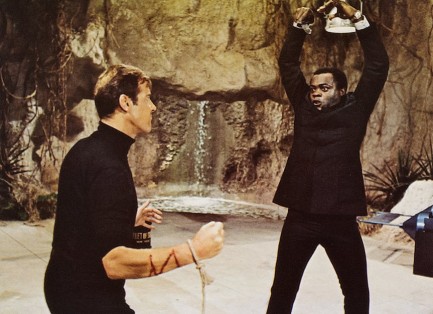
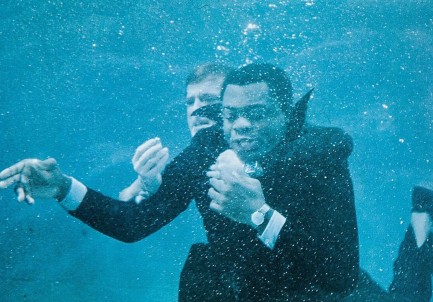
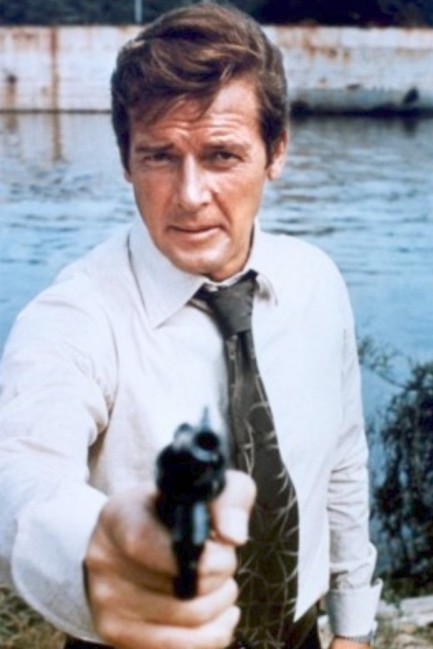
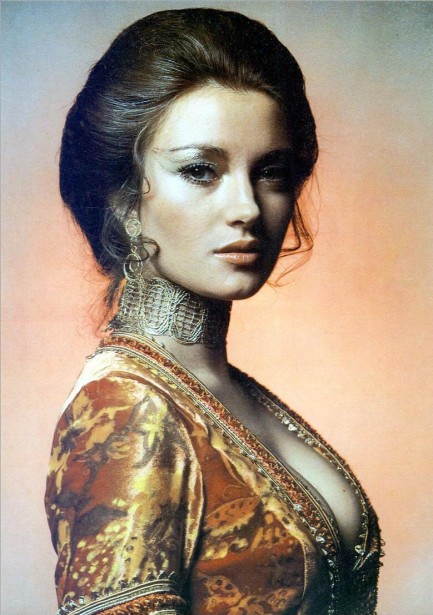
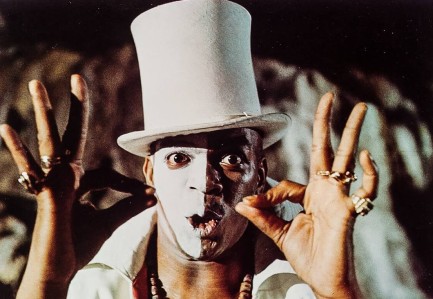
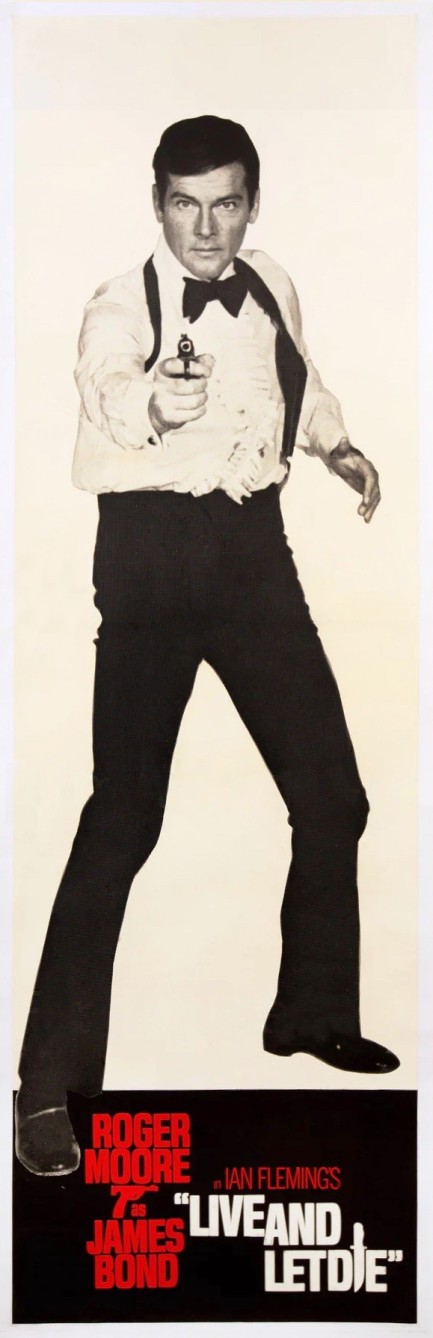
As with Shaft a few days ago, we can't add much new to the longtime assessments of 1973's Live and Let Die. We wouldn't discuss the film at all except that the posters were the work of illustration wizard Robert McGinnis. However, in light of our Shaft examination, there's an angle we can take: Live and Let Die was the first Bond movie to be clearly influenced by the diversification of Hollywood, becoming the first to include numerous black cast members in speaking roles. Since most participants in a Bond movie are there to get killed, including, often, all but one of the women he sleeps with, the rules didn't change even with the diversified cast. This leads to head villain Yaphet Kotto suffering perhaps the most brutal death in the franchise, and hottie Gloria Hendry departs for the hereafter too, which is criminal, in our view. But their participation was a landmark and gives Live and Let Die, even today, a different feel and look than the usual Bond fare.
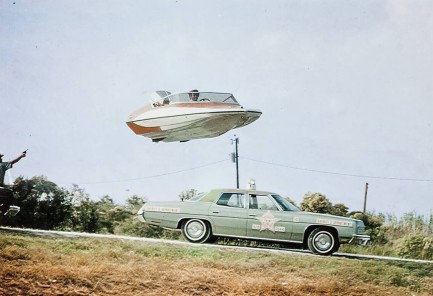
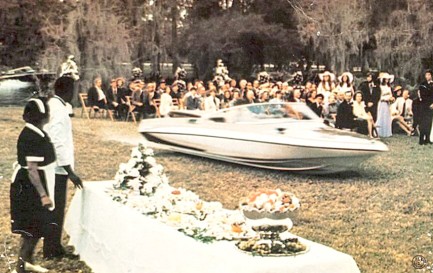
On other fronts, Live and Let Die seems like the movie in which Bond stuntwork kicked into high gear, beginning a push that would soon extend beyond the bounds of earthly physics. The speedboat chase produced a then-world record aerial leap of 110 feet. On the acting front, newcomer Roger Moore displayed even at the outset of his Bond journey some of the cheeseball tendencies that would eventually take over his later portrayals, but it works fine. He was probably one of the best looking actors in the world in 1973, and while he doesn't have a chiseled physique, he's still everything and a free refill. We consider Live and Let Die to be one of two good Moore outings as Bond, along with The Man with the Golden Gun. It's certainly worth a watch, even if you've already seen it. And if you want to have a really fun night, watch it back-to-back with Shaft.
 If nobody answers you're about to find a body. 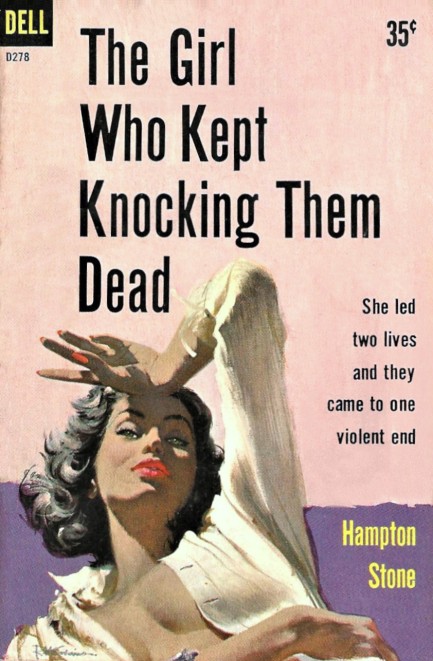
Above is Robert McGinnis cover art for Hampton Stone's 1957 novel The Girl Who Kept Knocking Them Dead, which is basically a crime procedural, told from first person perspective by an assistant D.A., but focused on the narrator's capable partner Jeremiah Gibson. The saga begins with the strangulation murder of a New York City woman who had been leading a double life. That murder leads to others, as the mysterious killer tries to cover his or her tracks. The title of the book is a potential misdirection play. You expect the killer to be one of the female characters, but there are men who might be guilty as well. Overall, the tale isn't compelling, but that isn't an issue with writing skill, so much as voice. It's too limited. Stone's narrator isn't interesting. His genius investigator Gibson is, but with everything filtered through the admiring partner's recollections the tale never takes flight as it might have. We probably won't try Stone again, but he wrote a lot of books, so you never know.
 I am with child. Your diving for lobsters and snaring rabbits must end. I hear the new Burger King on the island is hiring. 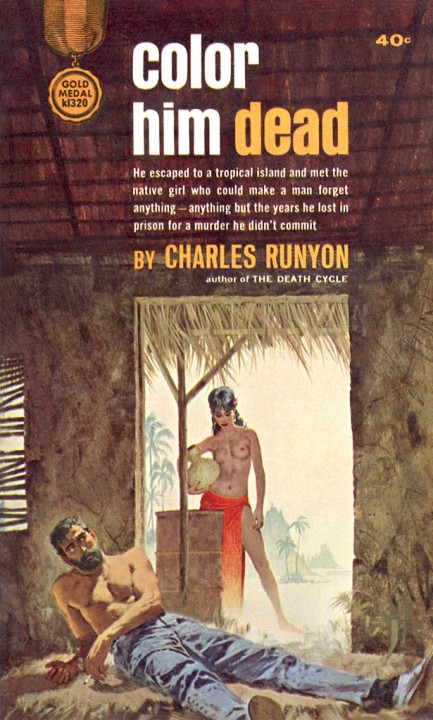
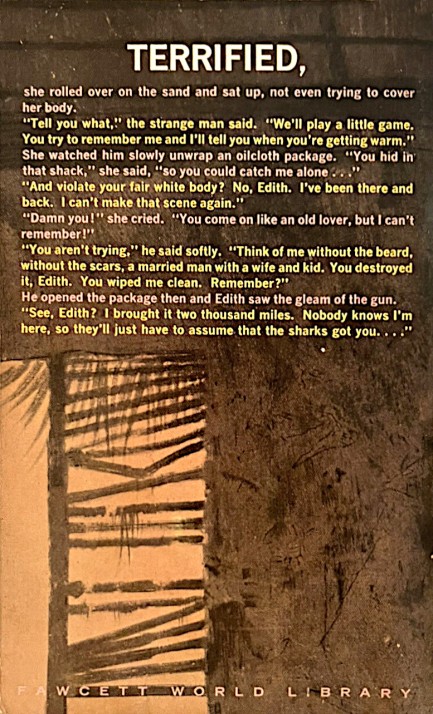
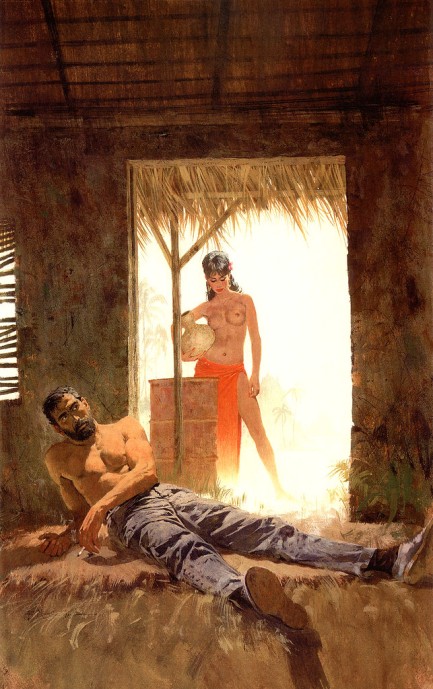
We appreciate when genre authors think outside the box, so first off we have to give credit to Charles Runyon for trying to throw readers a curve with his thriller Color Him Dead. It was published in 1963 and has a premise that's unusual. A man breaks out of prison and flees to the fictional Caribbean island of St. Patricia, set on revenge against the person who framed him and got him a life sentence for murder. That person is Edith Barrington, wife and virtual prisoner of her husband Ian. Our anti-hero, whose name is Drew Simmons, plans to murder Edith.
But when Drew finally finds her, he discovers she has total amnesia, the result of a breakdown and electroshock treatment. So he decides he can't kill her until she remembers what she did to him. He needs that recognition to make his revenge sweet. That means restoring her memory. And the only way he can figure out to do that is to have an affair with her. Maybe some deep dicking from a penis out of her past will jog her memory. Offbeat, no?
The plan hinges on one of the hoariest clichés in genre fiction: we'll call it the beat-and-switch. Ian keeps Edith guarded around the clock by a fearsome brute named Doxie. The end product of a century-old slave breeding experiment (we won't even get into that), Doxie is supposed to keep Edith from enjoying any extracurriculars with island visitors, and since he's castrated he's perfect for the job. But when Drew beats the shit out of Doxie, Ian fires his loyal aide and gives Drew the job of guarding his wife.
That's a completely stupid move, not least because Drew has a penis that works, yet more than a few thrillers are built around the device of a foolish man placing an enemy in control of that which he wants most protected. It rarely passes the credulity test, and it doesn't pass here either. In addition to this, Drew gets caught up in a revolution. In fact, he somehow becomes central to it, as often happens to tough guy protagonists in mid-century fiction. We won't get into that either, because it's stupid also.
Runyon tried something different, and we'll also note that he took advantage of the loosening censorship standards of the 1960s to write a tale that's more sexual than most, but he needed better conceptualizing and execution—particularly to get at the core of Drew's conflict over using sex as an avenue to murder. At least the paperback has nice Robert McGinnis cover art—which in mood is very much like this one. McGinnis goes topless with his female figure, probably one of the earlier instances of nudity on a Gold Medal novel.
 Fontaine returns for another deadly installment of the hunger dames. 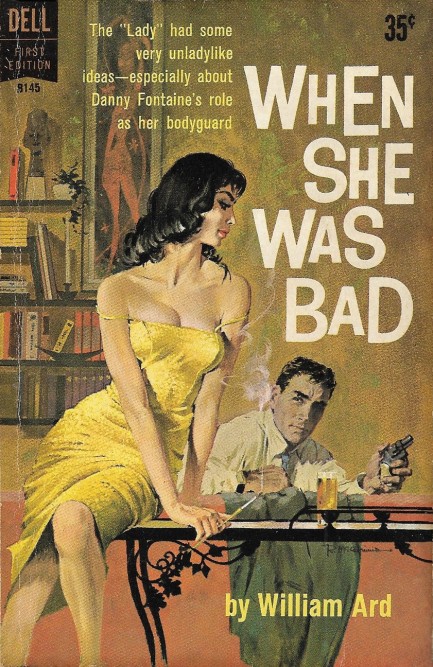
It's official. William Ard, in all his incarnations, is a trusted author. In 1960's When She Was Bad, the follow-up to 1959's As Bad As I Am, Danny Fontaine is now a fledgeling detective on his first case. Many mid-century detectives are ladykillers, but Fontaine is on a level that silences rooms when he enters. He's what women these days might amusingly call a “dilf”—a detective I'd like to fuck. His job is to locate a missing minor royal, a thrillseeker who's caused a ruckus from Grand Bahama to New York City but now may be in trouble way over her head. Fontaine mixes with women ranging from a marquess related by marriage to the Queen of England to a trio of top rank call girls, and they all fall hard for him. His efforts to earn his wings as a private operator under these circumstances are often funny and always exciting. Simply put, Ard's got skills. The cover art on this Dell edition is by Robert McGinnis, and he's got skills too.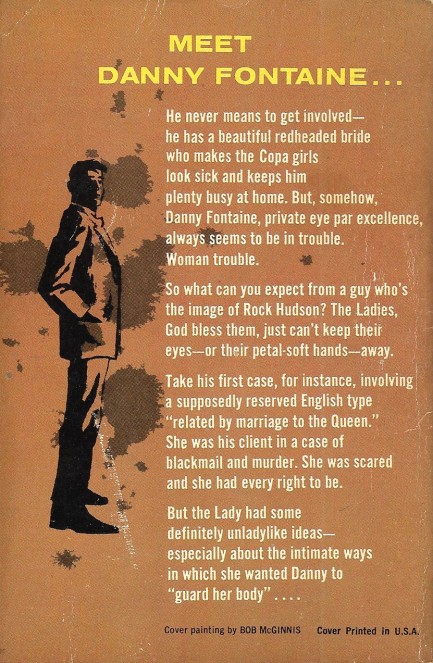
 Crime capers of the rich and infamous. 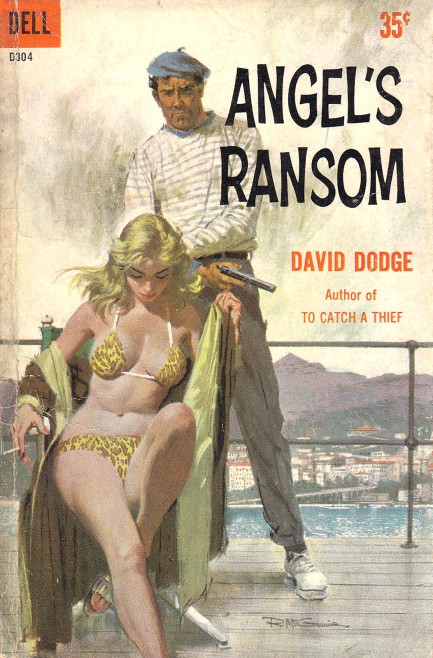
David Dodge's 1956 novel Angel's Ransom takes place in the principality of Monaco, a part of the world the author knew well, along with the rest of the French Riviera. Authentic local details distinguish this kidnapping and ransom thriller, as a group of crooks snatch a yacht called Angel and try to shake down its flamboyantly wealthy owner for 3.5 million francs. Unwillingly along for the ride are the boat's captain, a beautiful guest, a playboy and his distinguished wife, and a Paris showgirl dragged into the plot to assist the criminals. The crooks force the yacht owner to write a bank draft, send a man to Geneva with it, then take the boat out to sea to await word that the draft has been honored. If anything goes wrong, everyone gets to be fish food.
Dodge is a great writer, and this one is good too, though slightly less perfect coming from the master of international intrigue, due to the simple reason that setting most of the action on a boat confines his normally free ranging fiction. But the book is still well written and masterfully paced, with an array of diverse characters to sustain reader interest. If you're going to read any Dodge novel set in this diamonds and champagne milieu we recommend To Catch a Thief—of course—over Angel's Ransom, but you could do far worse than to read any of his international thrillers, including this one. We'll be returning to Monaco with Dodge. He wrote an entire travel book about the French Riviera, ironically titled (because he was a budget traveller), The Rich Man's Guide to the Riviera. We have it and will report back later.

|
 |

The headlines that mattered yesteryear.
1945—Mussolini Is Arrested
Italian dictator Benito Mussolini, his mistress Clara Petacci, and fifteen supporters are arrested by Italian partisans in Dongo, Italy while attempting to escape the region in the wake of the collapse of Mussolini's fascist government. The next day, Mussolini and his mistress are both executed, along with most of the members of their group. Their bodies are then trucked to Milan where they are hung upside down on meathooks from the roof of a gas station, then spat upon and stoned until they are unrecognizable. 1933—The Gestapo Is Formed
The Geheime Staatspolizei, aka Gestapo, the official secret police force of Nazi Germany, is established. It begins under the administration of SS leader Heinrich Himmler in his position as Chief of German Police, but by 1939 is administered by the Reichssicherheitshauptamt, or Reich Main Security Office, and is a feared entity in every corner of Germany and beyond. 1937—Guernica Is Bombed
In Spain during the Spanish Civil War, the Basque town of Guernica is bombed by the German Luftwaffe, resulting in widespread destruction and casualties. The Basque government reports 1,654 people killed, while later research suggests far fewer deaths, but regardless, Guernica is viewed as an example of terror bombing and other countries learn that Nazi Germany is committed to that tactic. The bombing also becomes inspiration for Pablo Picasso, resulting in a protest painting that is not only his most famous work, but one the most important pieces of art ever produced. 1939—Batman Debuts
In Detective Comics #27, DC Comics publishes its second major superhero, Batman, who becomes one of the most popular comic book characters of all time, and then a popular camp television series starring Adam West, and lastly a multi-million dollar movie franchise starring Michael Keaton, then George Clooney, and finally Christian Bale. 1953—Crick and Watson Publish DNA Results
British scientists James D Watson and Francis Crick publish an article detailing their discovery of the existence and structure of deoxyribonucleic acid, or DNA, in Nature magazine. Their findings answer one of the oldest and most fundamental questions of biology, that of how living things reproduce themselves.
|

|
|
It's easy. We have an uploader that makes it a snap. Use it to submit your art, text, header, and subhead. Your post can be funny, serious, or anything in between, as long as it's vintage pulp. You'll get a byline and experience the fleeting pride of free authorship. We'll edit your post for typos, but the rest is up to you. Click here to give us your best shot.
|
|