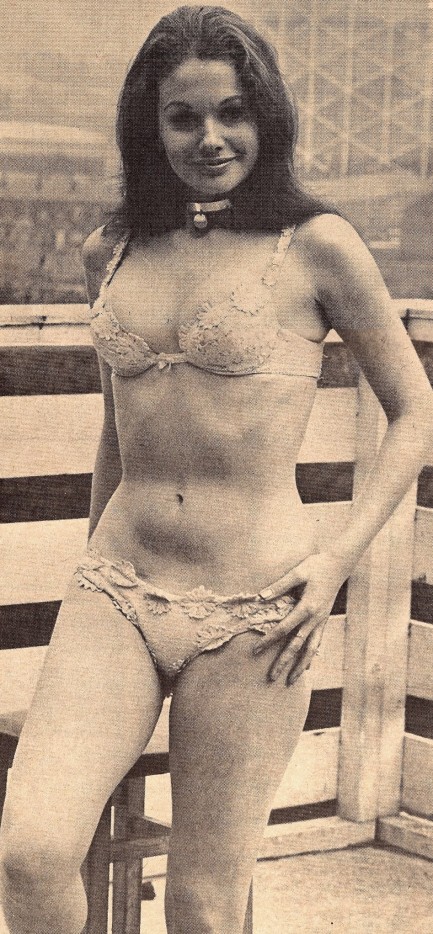
She's good with it, but she's even better with a 9 wood. 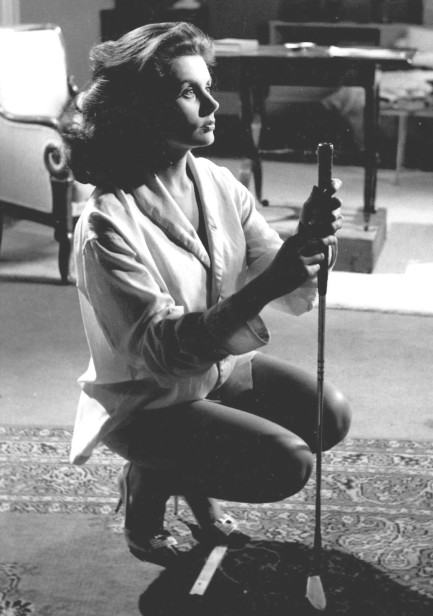
What is it about sports that all of them have so much terminology fit for sexual puns? Someone should do a study on that. Meanwhile, here you see British actress Eunice Gayson, who you remember as Sylvia Trench from the James Bond movies Dr. No (the source of this image) and From Russia with Love. In both films she serves as soft comic relief, as it were, when Sean Connery amusingly abandons her before they can consummate their lust. But that's probably why she survived both films—back then Bond's chance encounters usually were killed.
 Maybe if we were high we'd have bought it. 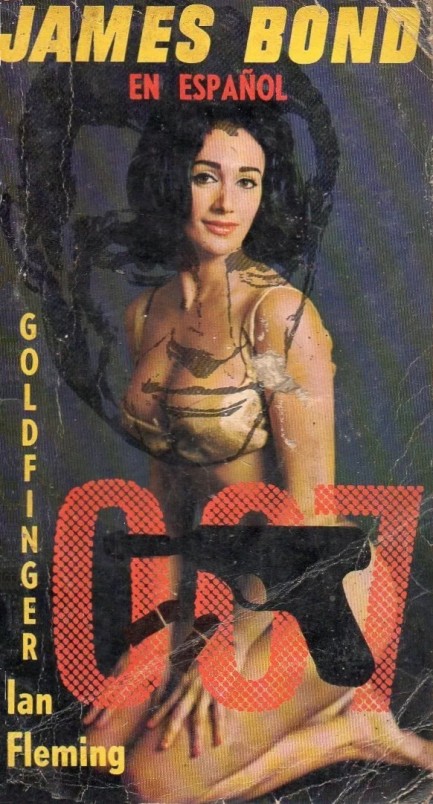
We ran across this on mercadolibre.com. It's Ian Fleming's Goldfinger from Ediciones Albon, out of Colombia, published in 1964. The vendor was asking 200 for this. Pesos? No—dollars. That's a lot of plata. We'd rather spend the money on actual Colombian gold, so we took a pass. But we love the cover.
 Diamonds are forever, but Connery wasn’t. 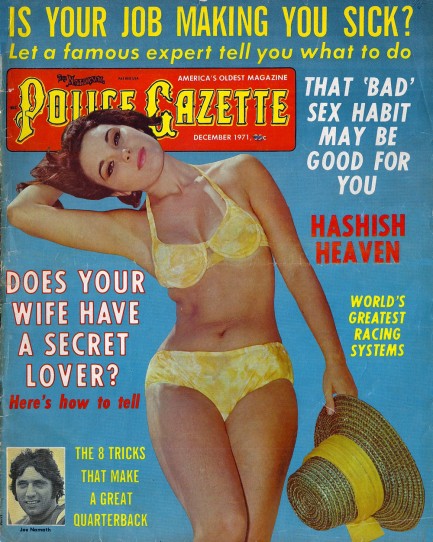
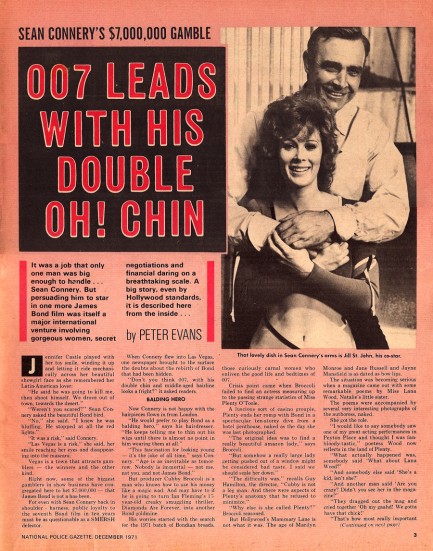
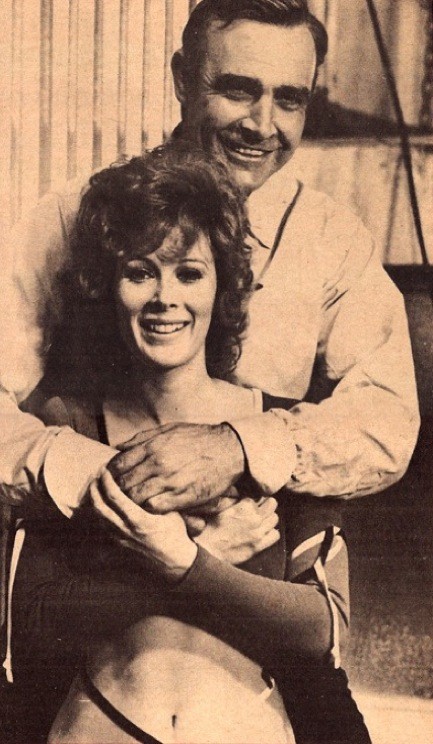
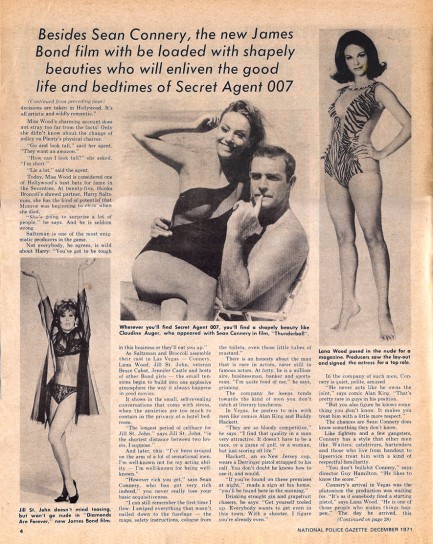
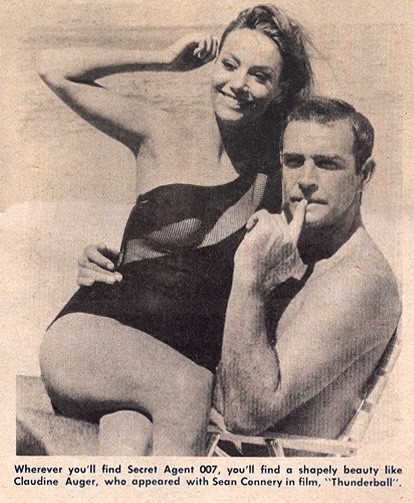
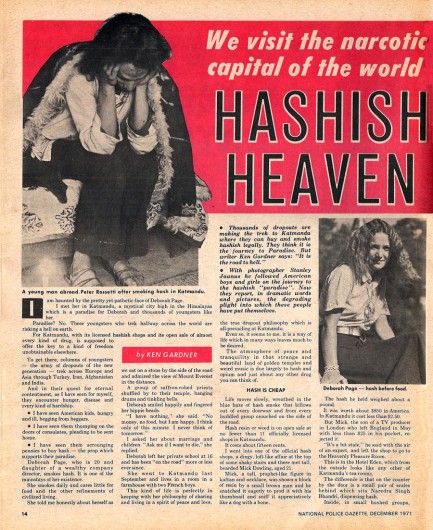
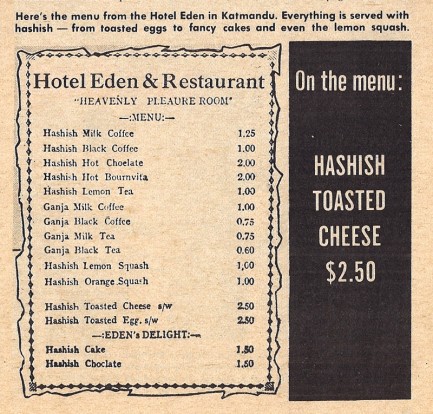
Sean Connery made as many appearances in sixties and seventies tabloids as just about any celeb of his time period, so here he is again in an article promoting his role in Diamonds Are Forever, which would premiere just a couple of weeks after this December 1971 National Police Gazette hit newsstands. we talked a bit about the source novel for the film, and author Ian Fleming's troubles with his publishers. It's interesting, so check here if you wish. In Gazette, Connery speaks of his futile struggle to portray James Bond as a balding hero, and quips about making his stylist thin his wigs so there was almost no point in wearing them at all. Connery said about Bond’s aging, “No one is immortal—not me, not you, and not James Bond.” It was a commendable sentiment, but naïve. Seems as though Connery didn’t realize United Artists had already branded Bond well beyond the point where the character was tethered to any concept of aging. The studio proved that when it brought the much younger Roger Moore on the scene for 1973’s Live and Let Die. Moore would later give way to Dalton, who gave way to Brosnan, who gave way to Craig, as Bond himself remained eternally forty-ish through the passing years. Elsewhere in the Gazette you get a report on the hash capital of the world, the world’s greatest racing systems, and the usual assortment of random beauties in bathing suits. All that, plus hashish toasted cheese, below.
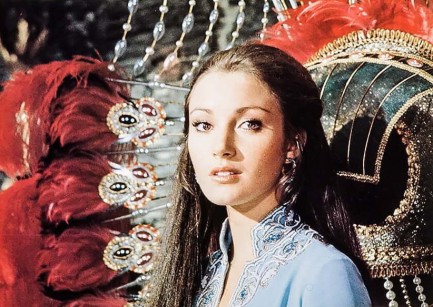
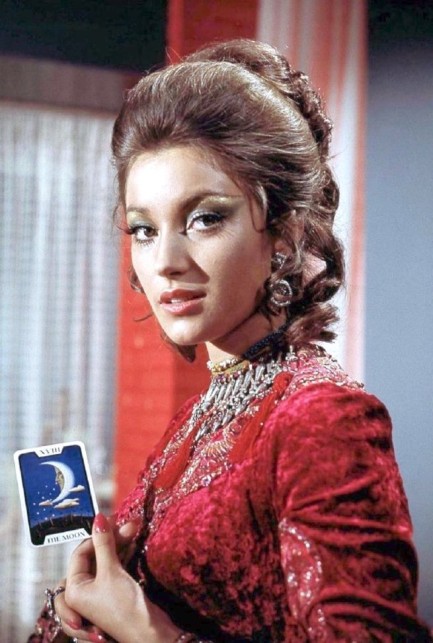
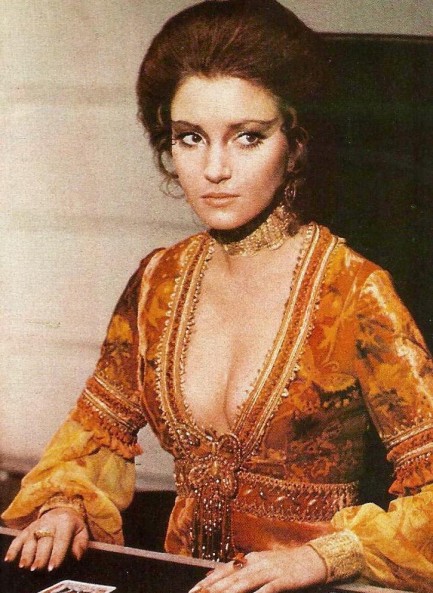
 She can Seymour in the cards than you can. 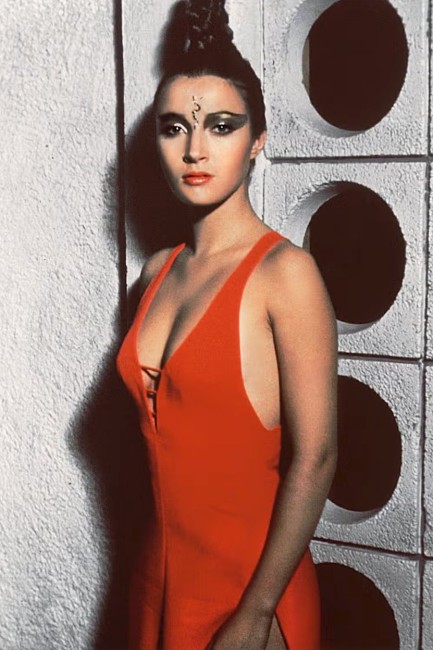
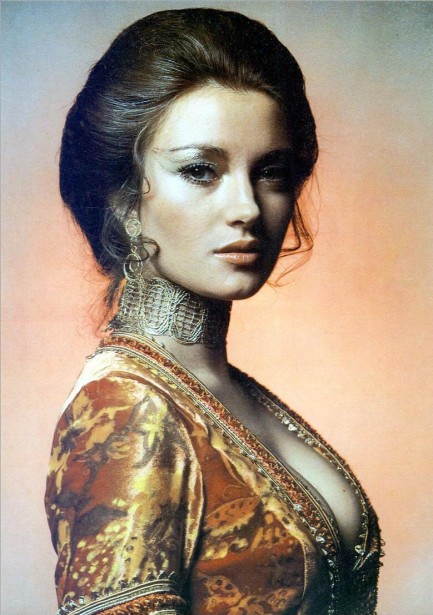
Playing the virgin tarot reader Solitaire in 1973's James Bond film Live and Let Die, British actress Jane Seymour wore probably a dozen hairstyles, but we don't remember this one. It's ridiculous, but when you're beautiful you can get away with it. Since shifting her career into top gear with Bond, she's racked up acting credits in something like 170 films and television shows. While she's appeared on the silver screen plenty, she truly made her mark in television, playing everything from an Old West physician in Dr. Quinn, Medicine Woman to Lady Brett Ashley in a mini-series of The Sun Also Rises. There's little doubt she's one of the more enduring small screen stars of her generation. We doubt even Solitaire saw that coming.
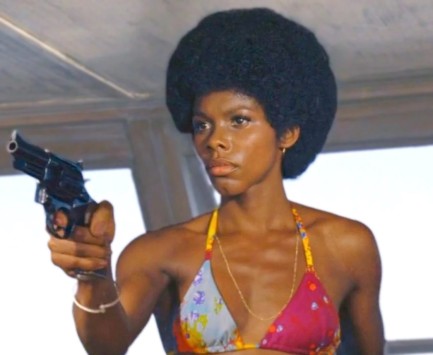
 We'd probably regret it, but in this situation we'd take a good long look before running. 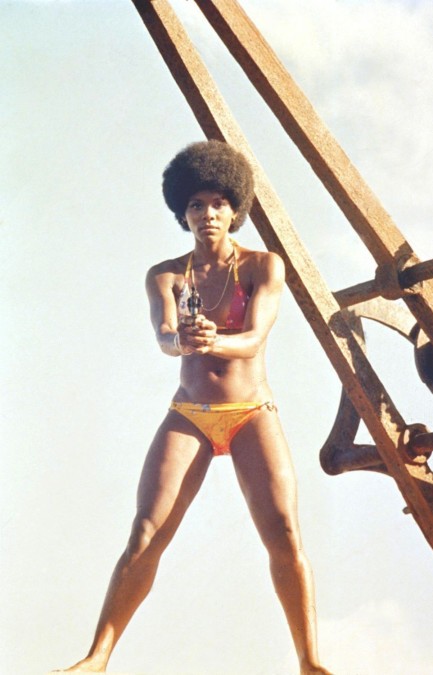
Yes, it's Gloria Hendry again. We've shown you a couple of her famed Uzi packing promo photos made for the James Bond flick Live and Let Die. In this image, also made for that film, she's ditched the rattling heavy weaponry for something a little more ergonomic. But based on appearances alone, we doubt she needed armaments of any sort to be seriously problematic for anyone who needed their behavior corrected. Her chisled body type was not the norm back in 1971 when the photo was made, but these days, in an era of numerous women action stars, she'd fit right in. See Gloria and her Uzi here.
 Live fast, die young, and leave a terribly damaged corpse thanks to James Bond. 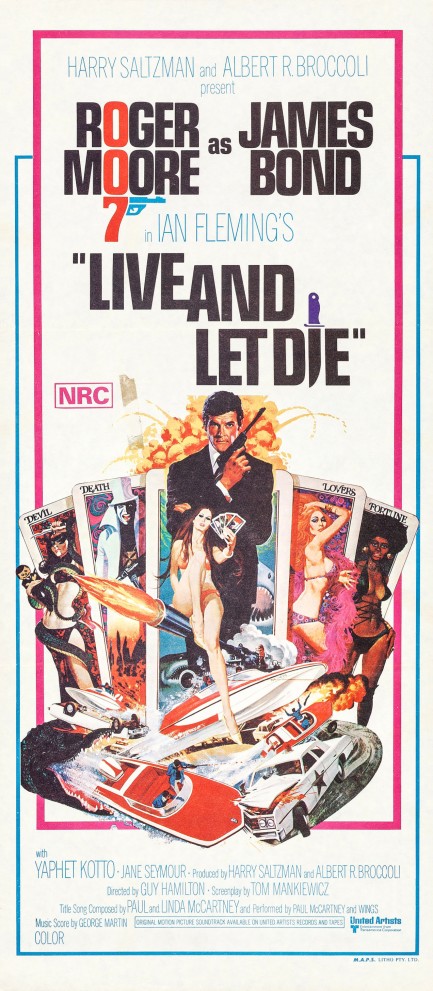
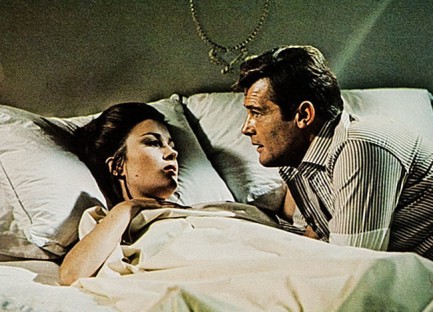
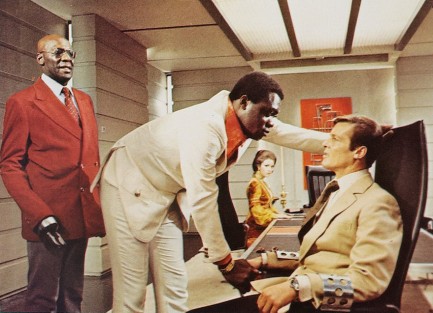
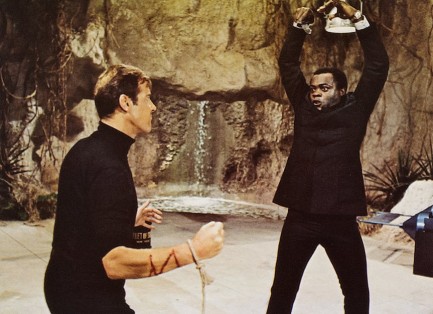
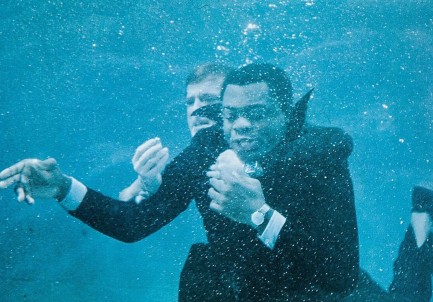
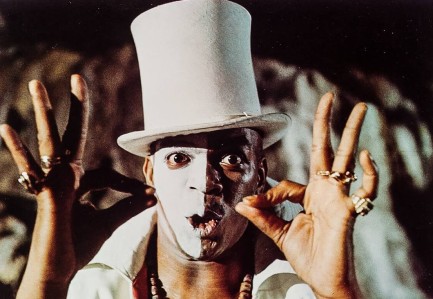
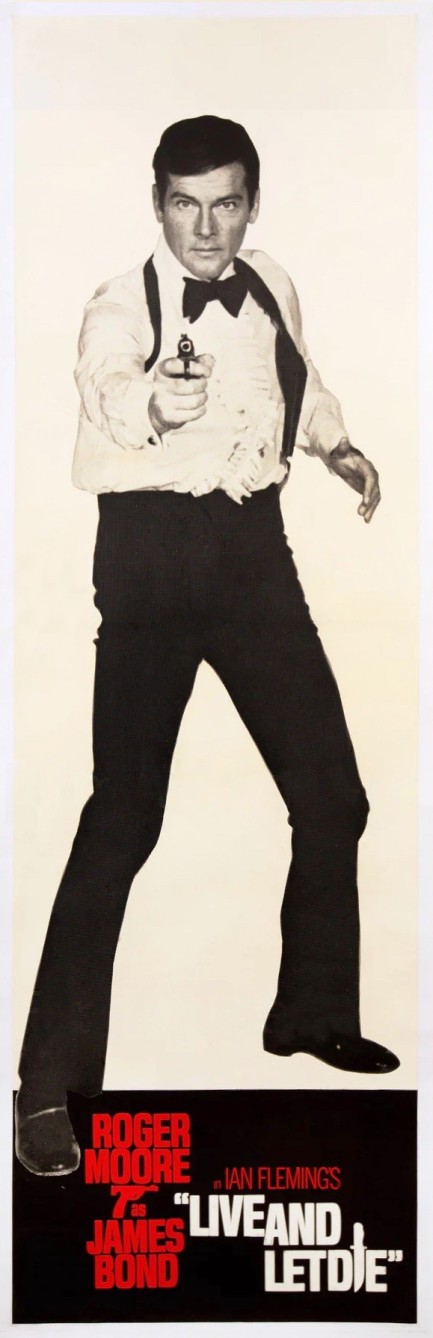
As with Shaft a few days ago, we can't add much new to the longtime assessments of 1973's Live and Let Die. We wouldn't discuss the film at all except that the posters were the work of illustration wizard Robert McGinnis. However, in light of our Shaft examination, there's an angle we can take: Live and Let Die was the first Bond movie to be clearly influenced by the diversification of Hollywood, becoming the first to include numerous black cast members in speaking roles. Since most participants in a Bond movie are there to get killed, including, often, all but one of the women he sleeps with, the rules didn't change even with the diversified cast. This leads to head villain Yaphet Kotto suffering perhaps the most brutal death in the franchise, and hottie Gloria Hendry departs for the hereafter too, which is criminal, in our view. But their participation was a landmark and gives Live and Let Die, even today, a different feel and look than the usual Bond fare.
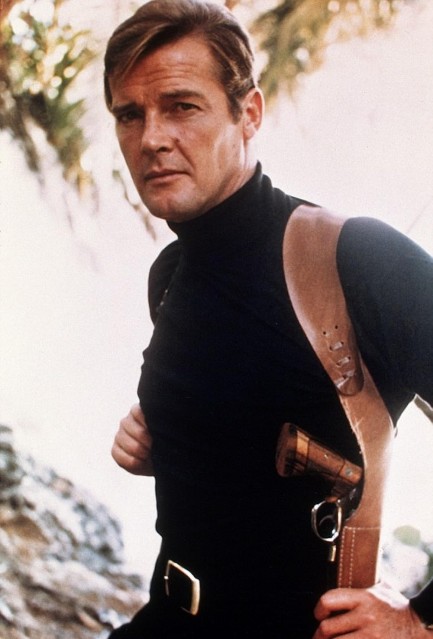
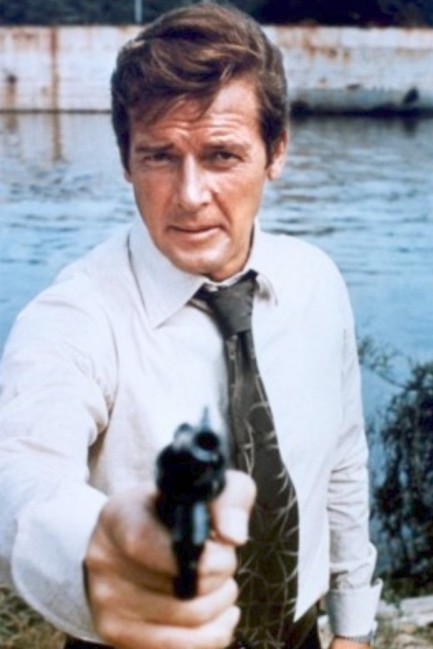
On other fronts, Live and Let Die seems like the movie in which Bond stuntwork kicked into high gear, beginning a push that would soon extend beyond the bounds of earthly physics. The speedboat chase produced a then-world record aerial leap of 110 feet. On the acting front, newcomer Roger Moore displayed even at the outset of his Bond journey some of the cheeseball tendencies that would eventually take over his later portrayals, but it works fine. He was probably one of the best looking actors in the world in 1973, and while he doesn't have a chiseled physique, he's still everything and a free refill. We consider Live and Let Die to be one of two good Moore outings as Bond, along with The Man with the Golden Gun. It's certainly worth a watch, even if you've already seen it. And if you want to have a really fun night, watch it back-to-back with Shaft.
  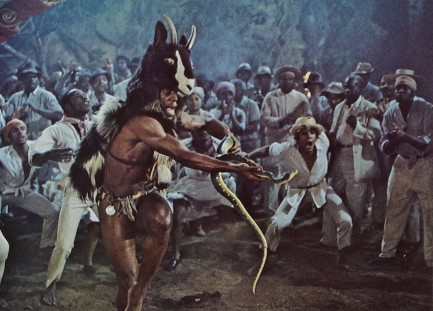 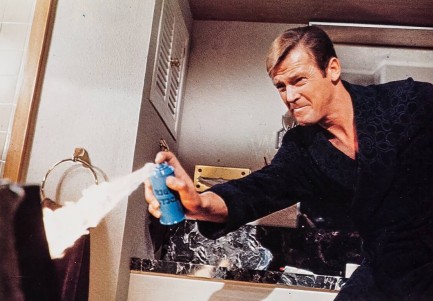  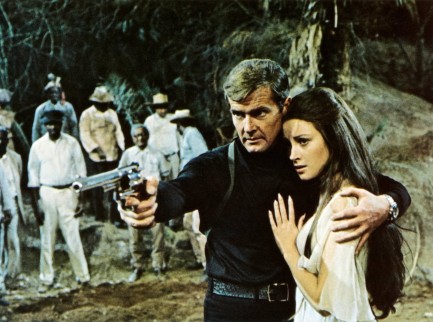 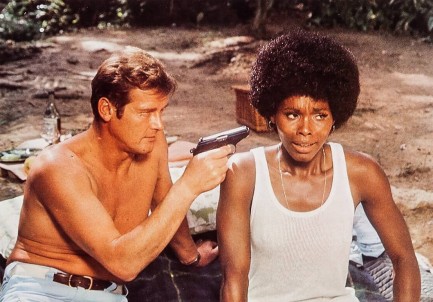 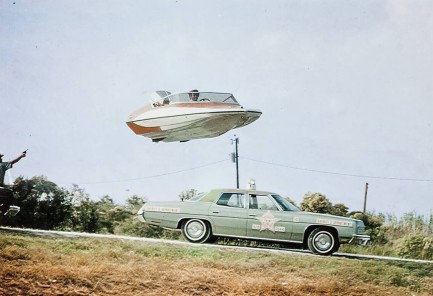 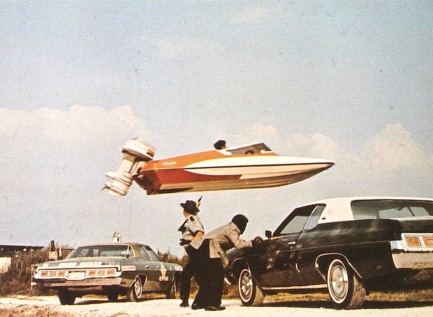 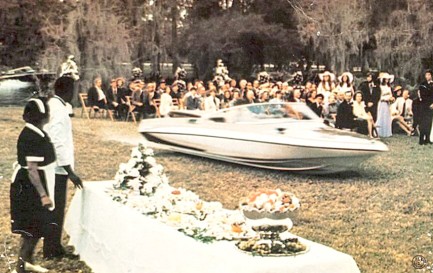          
 It's better to apologize later than to ask now. But she's not going to do either. 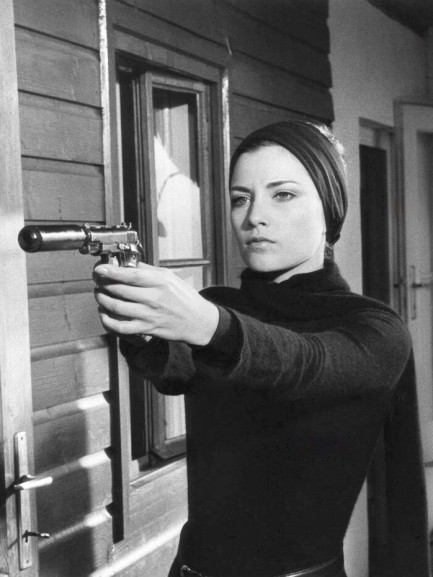
This photo shows French actress Nicole Calfan and was made for her 1975 thriller Permission To Kill, also known as The Executioner, a film we've taken notice of because it starred Ava Gardner in one of her later roles, and future Bond boy Timothy Dalton in one of his first. Calfan has made more than seventy movies and is still busy today, having appeared in four in 2022, plus a television series. We'll try to track down Permission To Kill and report back.
 Any kind of work is good work. 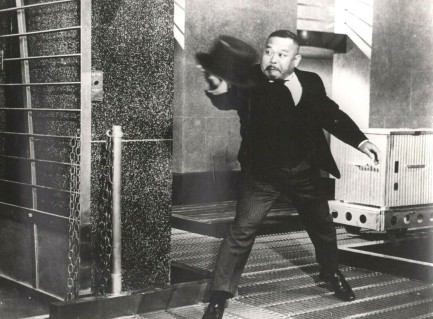
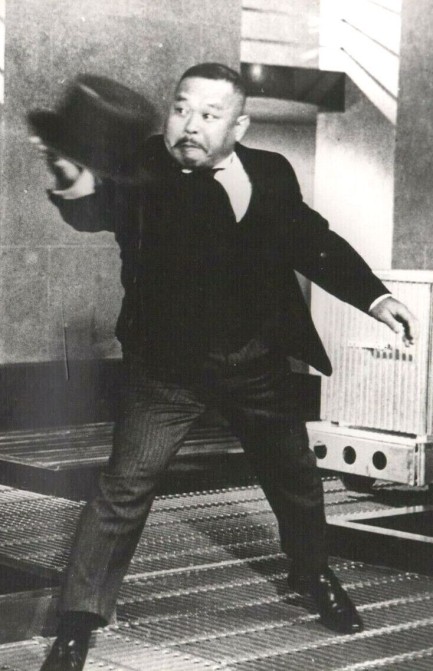
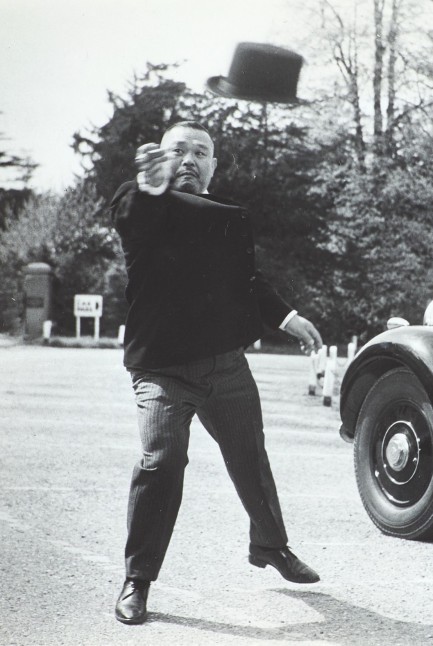
Probably needing no introduction, above, is Hawaii born actor Toshiyuki Sakata, who performed as Harold Sakata. We ran across this 1964 promo image on an auction site and had to share it. Sakata rose to fame initially as an Olympic weightlifter and professional wrestler, but was coaxed in front of the movie camera to play Oddjob in the film Goldfinger. He was one of Bond's most formidable foes, fighting with brute strength and his deadly top hat, which had a razor sharp steel brim that could take the head off a marble statue. Unfortunately, that same hat led to his character's demise when he was electrocuted inside Fort Knox. After that ugly death Sakata went on to amass more than thirty credits in cinema and television—a successful career by any measure. But he'll probably always be best known as Oddjob.
 *psst* Ever since Claudine got hold of that speargun the look in her eye really worries me. 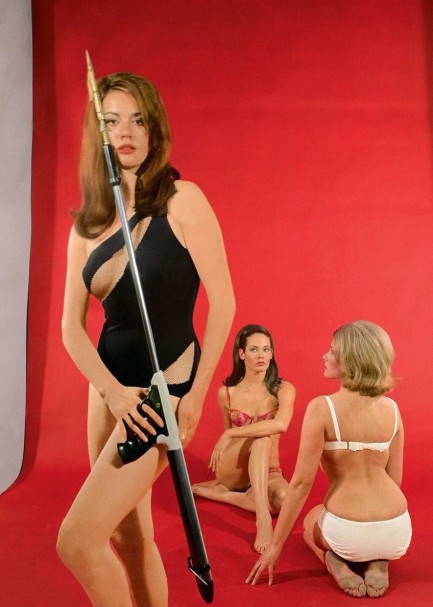
The James Bond flick Thunderball produced an unusually fertile crop of excellent promo images, owing largely to the three actresses you see above—Claudine Auger, Martine Beswick, and Luciana Paluzzi. It's Auger who's posing with the speargun, and there are other good shots of her wielding it. If Beswick and Paluzzi are worried, it's possibly because they suspect they won't survive the film. In early Bond adventures only one of his many love interests usually survived, and in Thunderball that's Auger. Her reward? A little thunderballing.
 Whatever the occasion is she's perfectly suited for it. 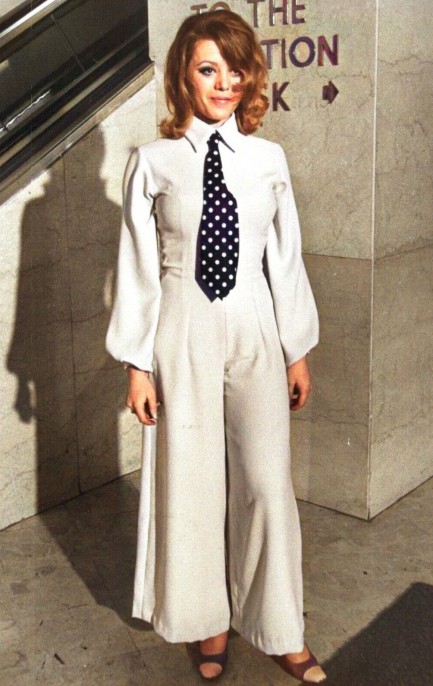
We actually know exactly what the occasion is. This amazing photo of British actress and model Margaret Nolan, aka Vicky Kennedy, shows her at the 1968 British Film Awards wearing what has to be one of the coolest outfits of all time. Nolan came to mainstream attention in the opening credits for the 1964 James Bond film Goldfinger, and made a quick appearance as Bond's masseuse, but she's also much beloved as a prolific nude model and star of occasional nudie loops. We've featured her photos in two issues of Folies de Paris et de Hollywood, which you can see here and here. Those represent a tiny fraction of her output, but we'll circle back to that later. As an actress she appeared in A Hard Day's Night and more than a dozen other films, but worked mainly on television, including on such shows as Mystery and Imagination, The Newcomers, and Take a Pair of Private Eyes. This shot was originally black and white, but has been colorized by an unknown. It's very nice work.

|
 |

The headlines that mattered yesteryear.
1945—Mussolini Is Arrested
Italian dictator Benito Mussolini, his mistress Clara Petacci, and fifteen supporters are arrested by Italian partisans in Dongo, Italy while attempting to escape the region in the wake of the collapse of Mussolini's fascist government. The next day, Mussolini and his mistress are both executed, along with most of the members of their group. Their bodies are then trucked to Milan where they are hung upside down on meathooks from the roof of a gas station, then spat upon and stoned until they are unrecognizable. 1933—The Gestapo Is Formed
The Geheime Staatspolizei, aka Gestapo, the official secret police force of Nazi Germany, is established. It begins under the administration of SS leader Heinrich Himmler in his position as Chief of German Police, but by 1939 is administered by the Reichssicherheitshauptamt, or Reich Main Security Office, and is a feared entity in every corner of Germany and beyond. 1937—Guernica Is Bombed
In Spain during the Spanish Civil War, the Basque town of Guernica is bombed by the German Luftwaffe, resulting in widespread destruction and casualties. The Basque government reports 1,654 people killed, while later research suggests far fewer deaths, but regardless, Guernica is viewed as an example of terror bombing and other countries learn that Nazi Germany is committed to that tactic. The bombing also becomes inspiration for Pablo Picasso, resulting in a protest painting that is not only his most famous work, but one the most important pieces of art ever produced. 1939—Batman Debuts
In Detective Comics #27, DC Comics publishes its second major superhero, Batman, who becomes one of the most popular comic book characters of all time, and then a popular camp television series starring Adam West, and lastly a multi-million dollar movie franchise starring Michael Keaton, then George Clooney, and finally Christian Bale. 1953—Crick and Watson Publish DNA Results
British scientists James D Watson and Francis Crick publish an article detailing their discovery of the existence and structure of deoxyribonucleic acid, or DNA, in Nature magazine. Their findings answer one of the oldest and most fundamental questions of biology, that of how living things reproduce themselves.
|

|
|
It's easy. We have an uploader that makes it a snap. Use it to submit your art, text, header, and subhead. Your post can be funny, serious, or anything in between, as long as it's vintage pulp. You'll get a byline and experience the fleeting pride of free authorship. We'll edit your post for typos, but the rest is up to you. Click here to give us your best shot.
|
|