 America's oldest tabloid continues its appointed rounds. 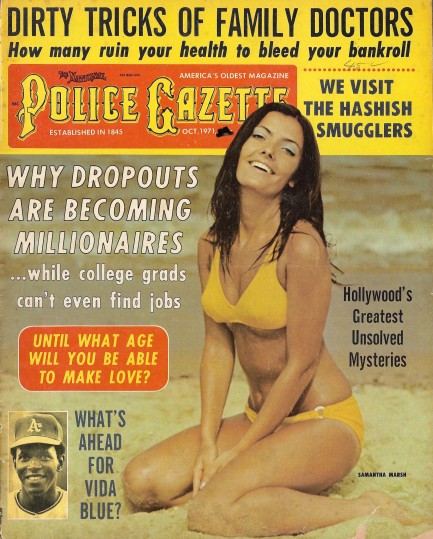
Today we have the cover and some interior scans from an October 1971 issue of the National Police Gazette, which dutifully explores its usual realms of sports, crime, and Hollywood. The magazine was founded in 1845, which is always astounding to consider. We bought a pile of these ages ago. In fact, they were the first bulk purchase of tabloids we ever made for the website. These ’70s issues of Gazette tend to be very cheap, but, as late stage editions, don't hold much intrigue, which is why we hadn't scanned one since 2014. But we have to clear some space in our Pulp cave, so we scanned this one and immediately sailed it into the recycling bin. On the cover you have Samantha Marsh, and inside you get Joe Louis and Max Schmeling, Australian model Deanne Soutar, speculations on how old men can be and still have sex, hashish smugglers from India, and a story on the mysterious death of actress Thelma Todd. More from Police Gazette coming soon. 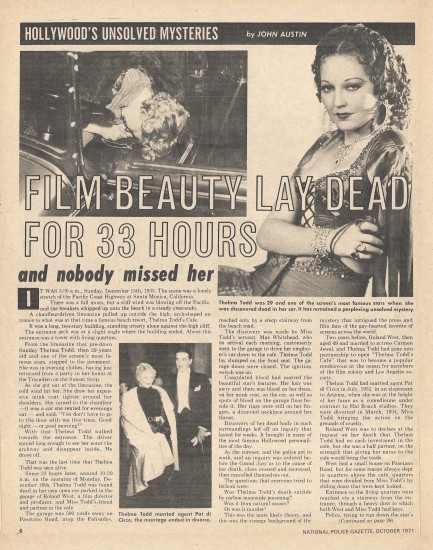 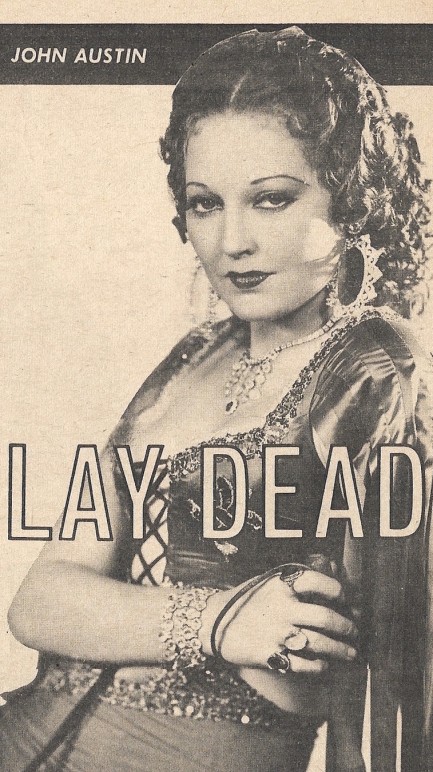 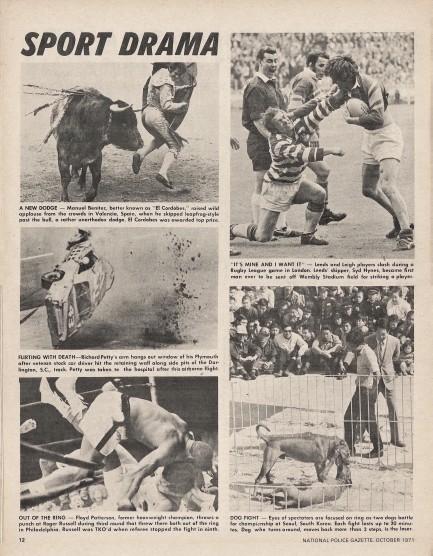 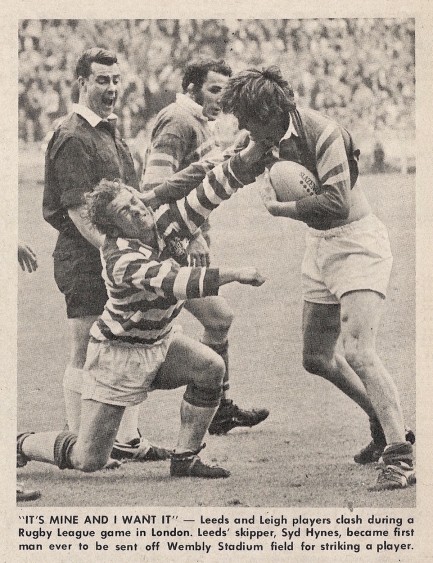 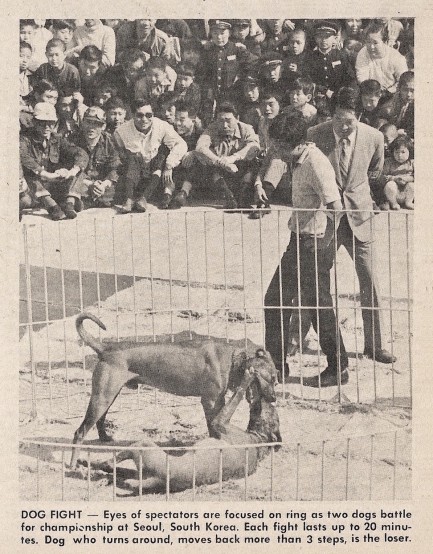 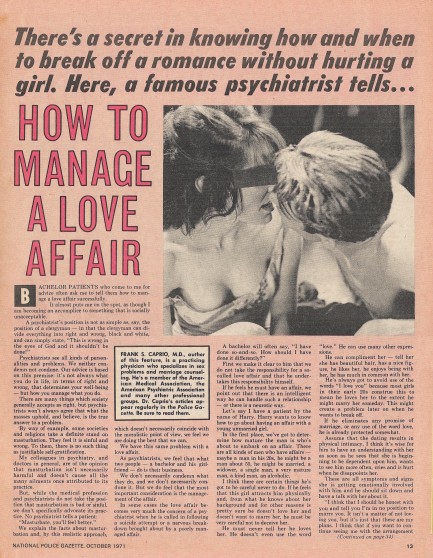 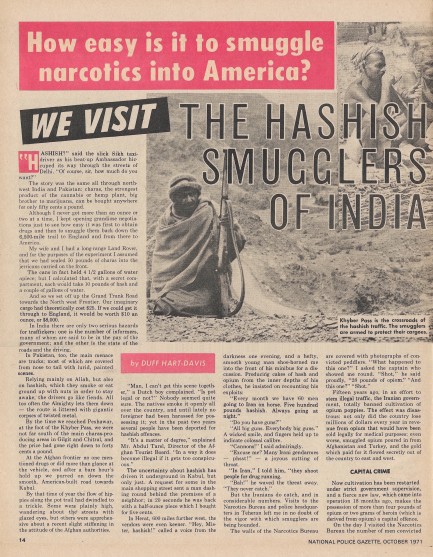 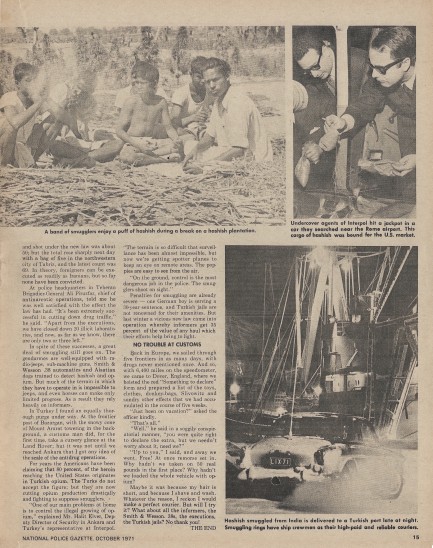 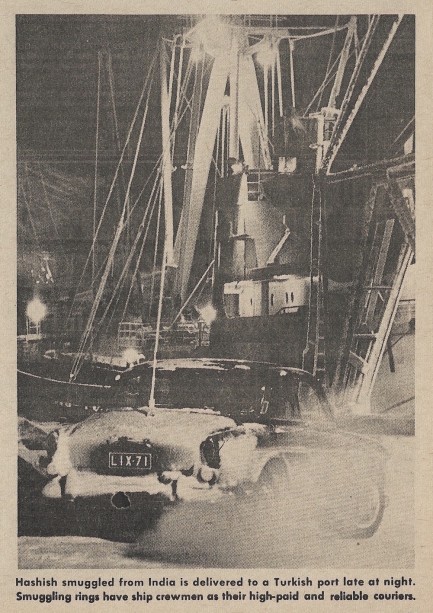 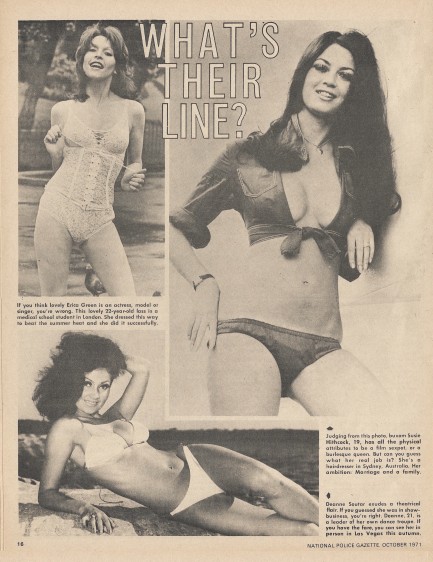  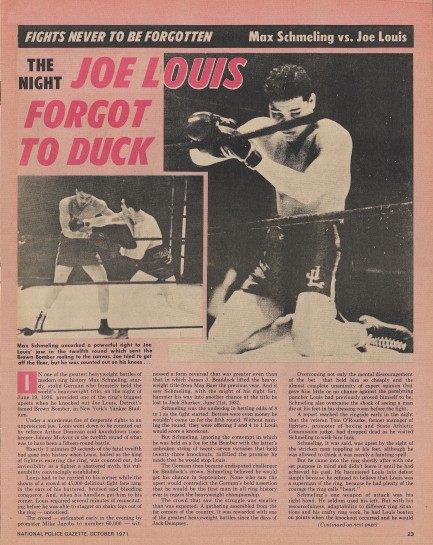 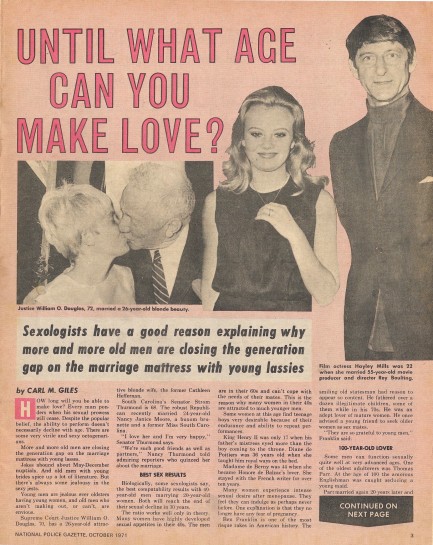 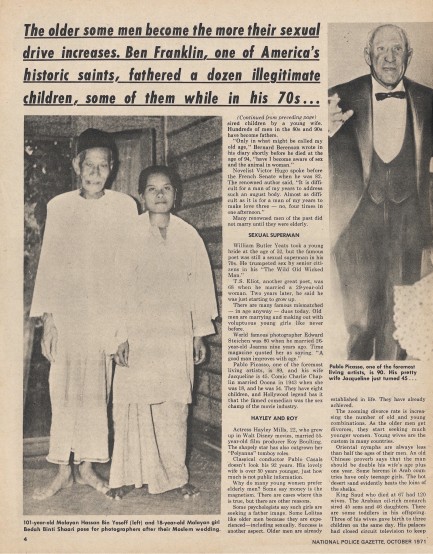 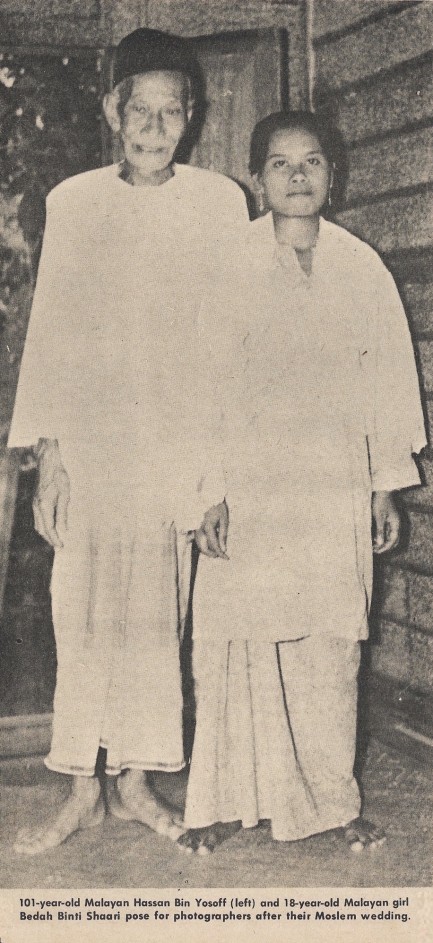 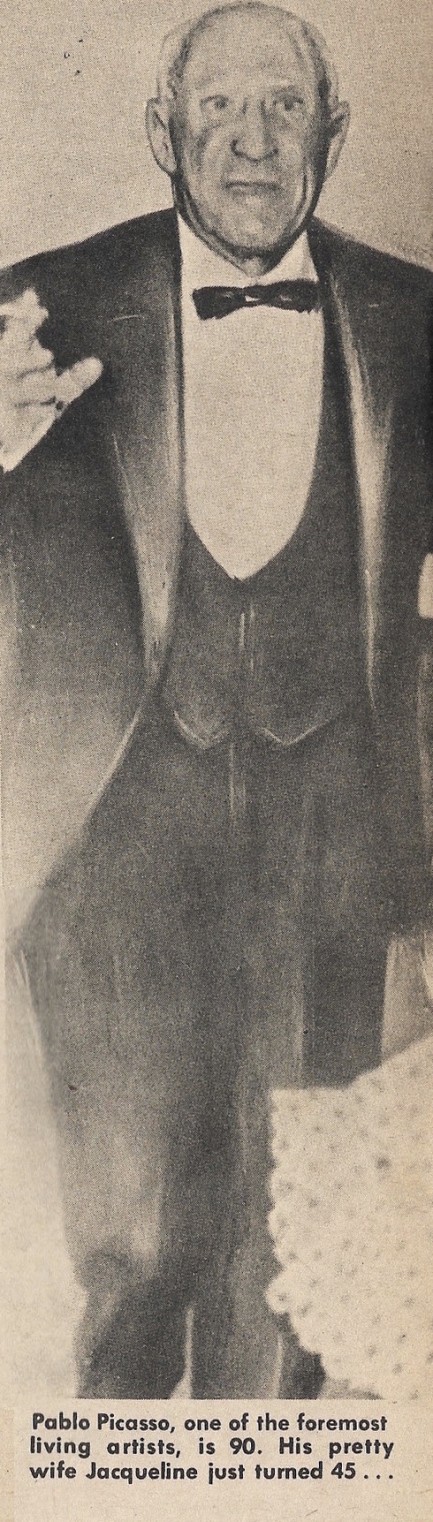 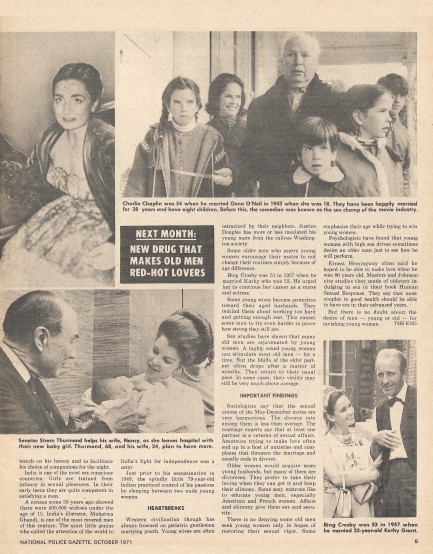 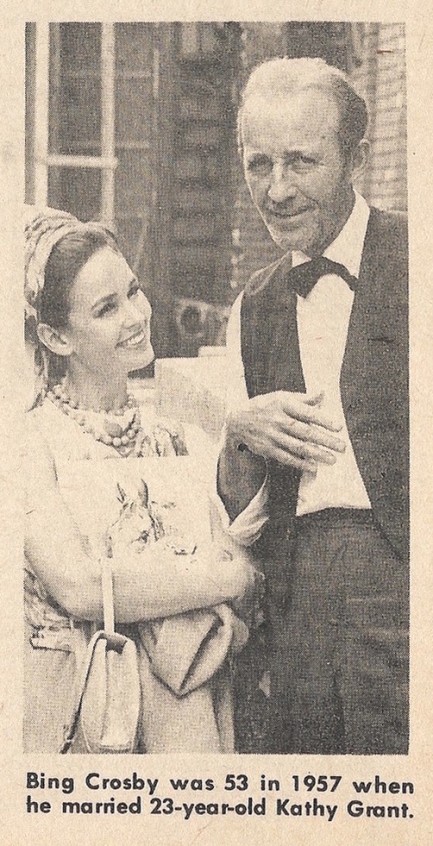
 Rumors spread, gossip revealed, scandals shared. 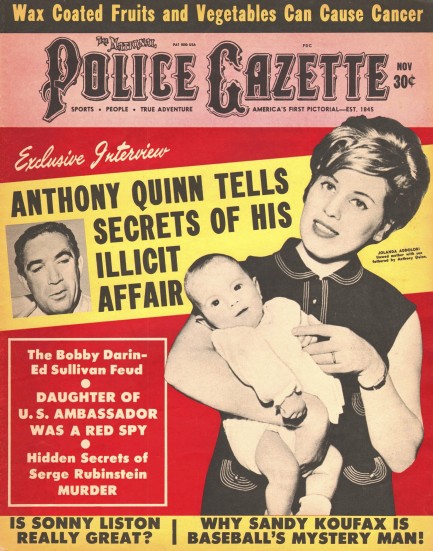
We're back to The National Police Gazette with an issue published this month in 1963. The cover is given to Jolanda Addolori and Anthony Quinn, who were unmarried but had a child together, a real no-no for the time period, particularly when you already have a wife and four children, as Quinn did. His wife was actress Katherine DeMille, who was most active during the 1930s, before devoting time to motherhood. Quinn eventually divorced her and married Addolori in 1966. Elsewhere in the issue you see Bobby Darin and Sandra Dee, get nice photos of Grazia Buccella and Veronique Vendell, and learn about the ring prowess of Sonny Liston and Max Schmeling. You can see many more Gazettes at our tabloid index located here.  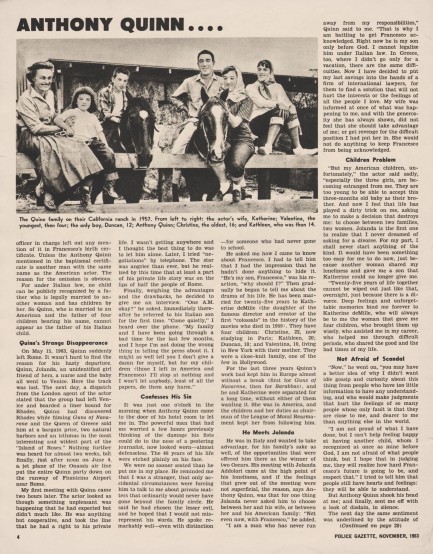  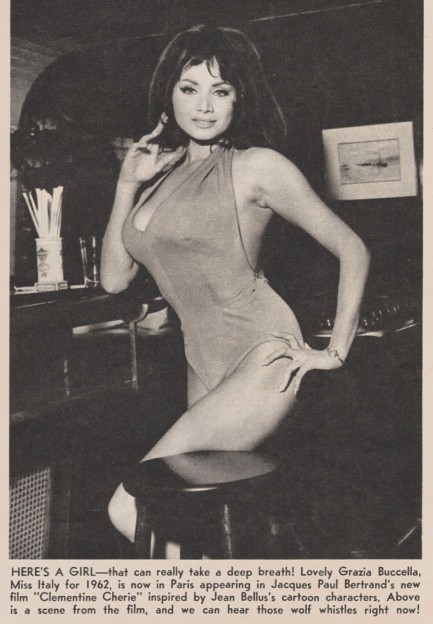 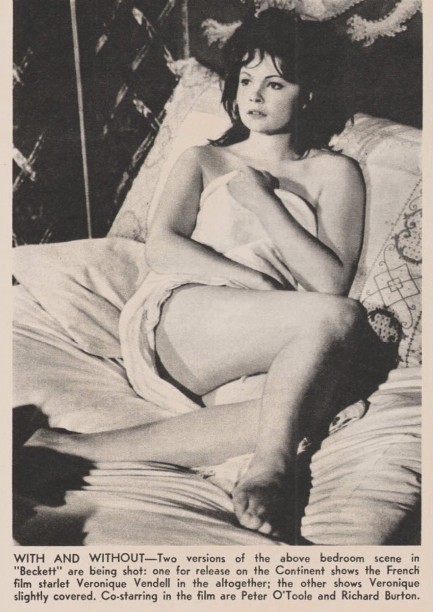 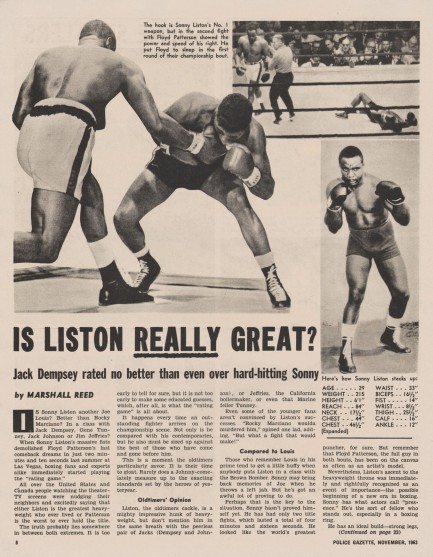 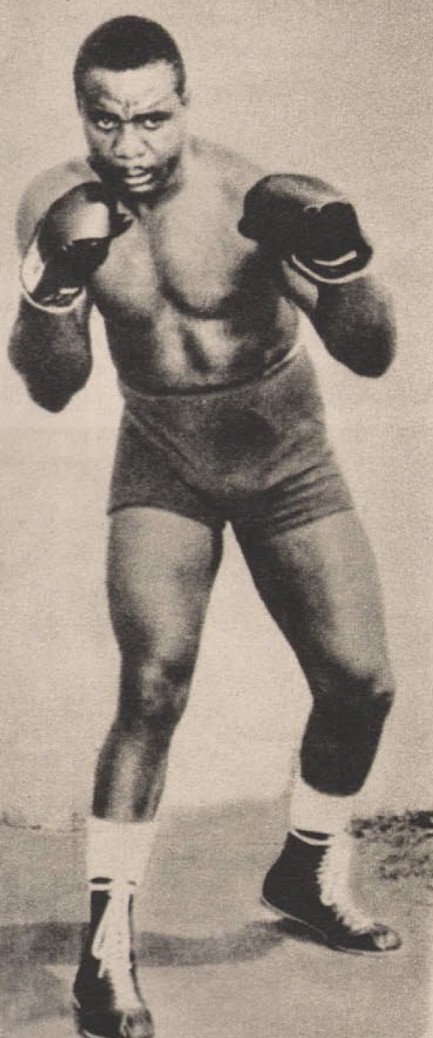 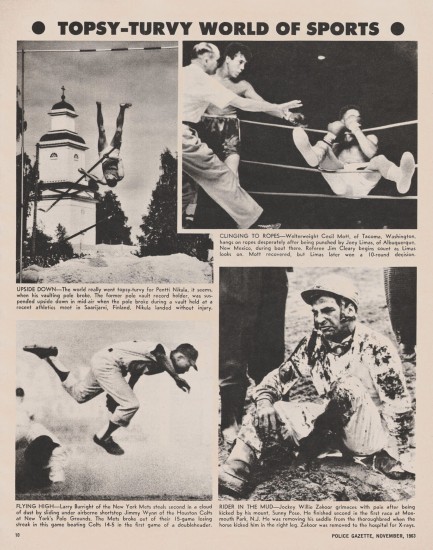 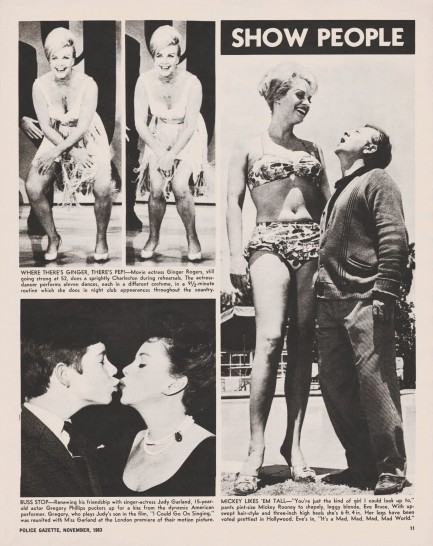  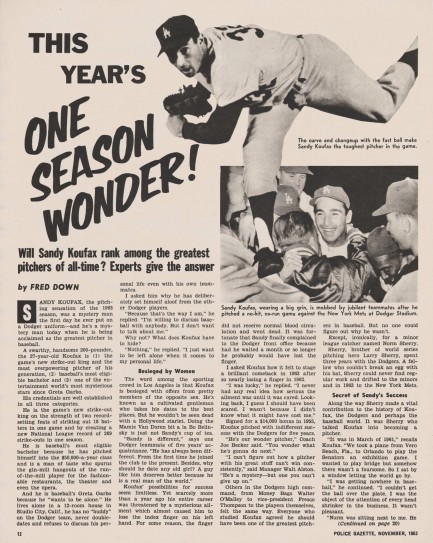 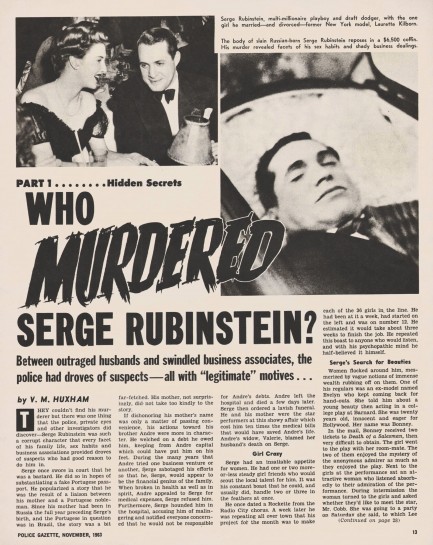 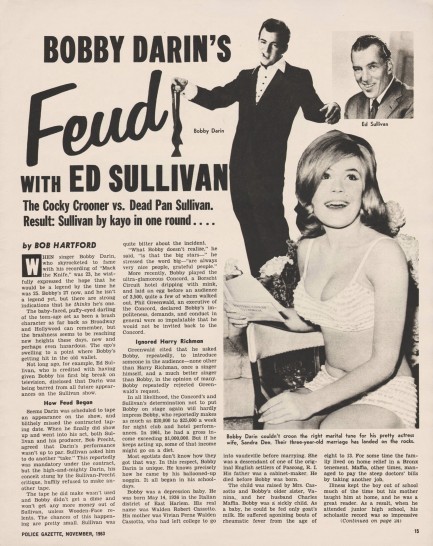 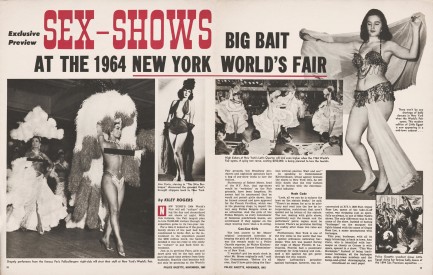 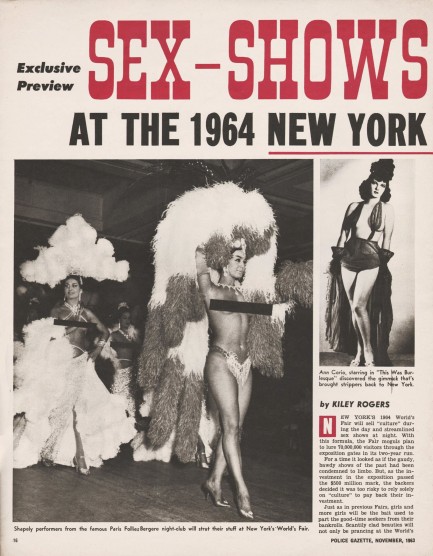 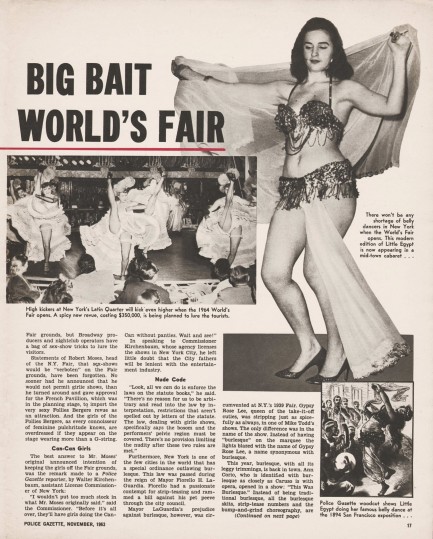 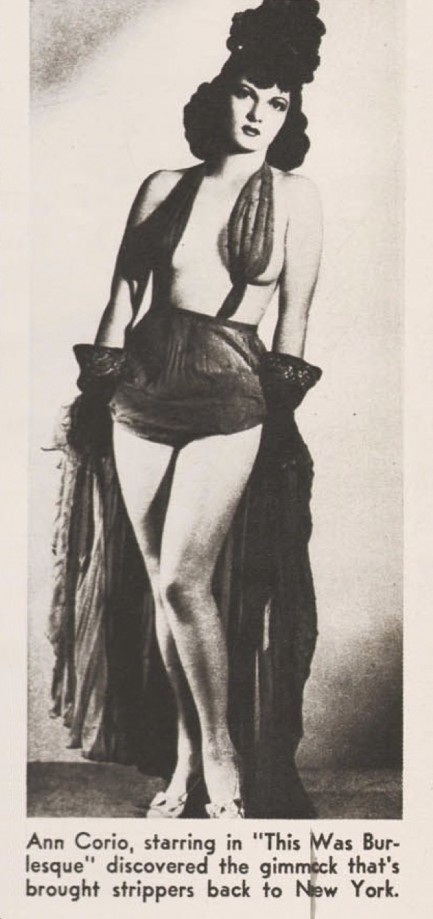 
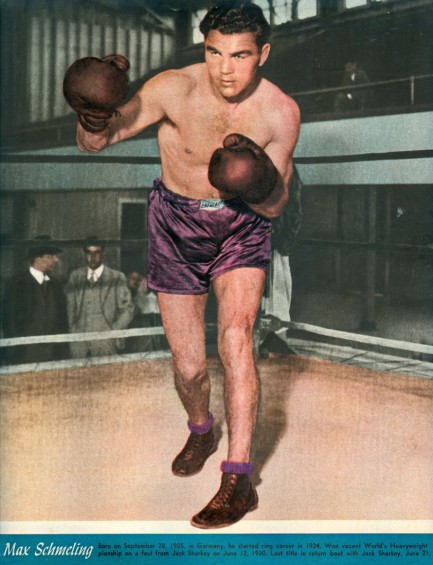
 In 1929 Max Schmeling was just another hungry young boxer. 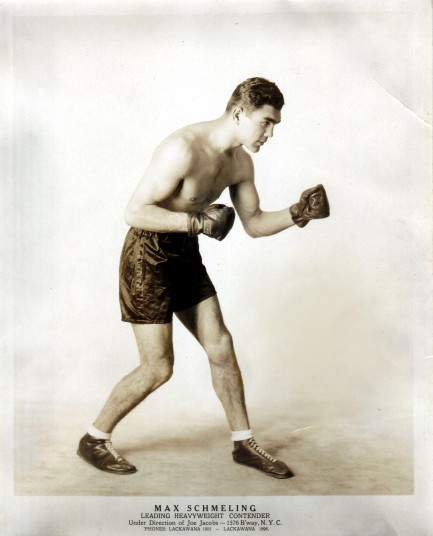
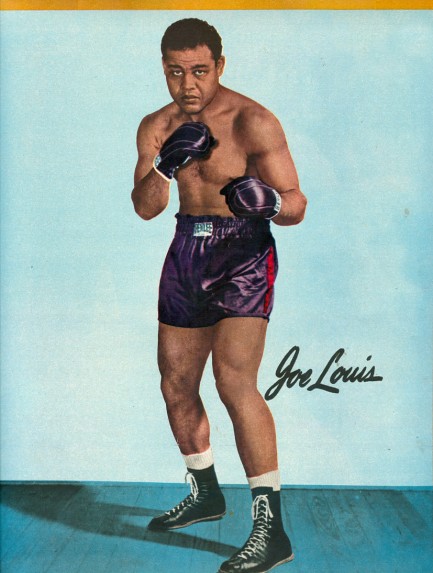
As long as we’re on the subject of promo materials (see next post), here’s another rare find. It’s a publicity still of German boxer Max Schmeling from late 1929, a time when he was being touted as a contender for the world heavyweight boxing title. The photo was shot in New York City, and was used as a press handout for newspapers and magazines writing features on the fast-rising fighter. Schmeling soon won the heavyweight belt, albeit in controversial fashion, and held it until 1932, when he lost to Jack Sharkey, also controversially. Actually, controversy followed Schmeling his entire career, peaking around the time of his second bout against Joe Louis, in 1938 at Yankee Stadium. The bout was billed “The Fight of the Century” because by then Schmeling had been anointed a hero of the Nazi Party (though reluctantly, biographers tend to agree), which made his first round destruction by Louis a cause for celebration (though it should be pointed out that many Americans, particularly some wealthy and prominent ones, were openly pro-Hitler). In 1939 the winds of war began to sweep across the world, and Schmeling fought for the German army in Crete. After the war he became an exec at Coca Cola in Germany, and amassed considerable wealth. Time passed,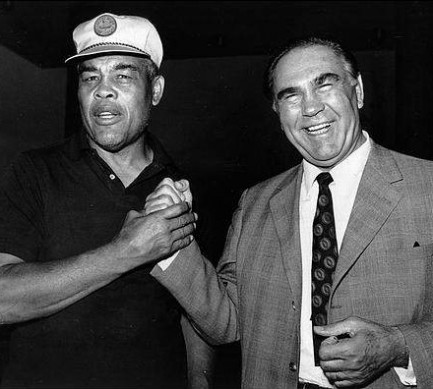 and he and Joe Louis became friends. When Louis died impoverished in 1981 Schmeling paid for a funeral with full military honors. and he and Joe Louis became friends. When Louis died impoverished in 1981 Schmeling paid for a funeral with full military honors. Max Schmeling lived fourteen more years, finally dying this week in 2005 at the age of ninety-nine. He is yet another of those complex characters from history, which means we may revisit his story sometime down the road. In the meantime, if you’re inclined, you can read a bit more about the great Joe Louis here.
|
 |

The headlines that mattered yesteryear.
1945—Hitler Marries Braun
During the last days of the Third Reich, as Russia's Red Army closes in from the east, Adolf Hitler marries his long-time partner Eva Braun in a Berlin bunker during a brief civil ceremony witnessed by Joseph Goebbels and Martin Bormann. Both Hitler and Braun commit suicide the next day, and their corpses are burned in the Reich Chancellery garden. 1967—Ali Is Stripped of His Title
After refusing induction into the United States Army the day before due to religious reasons, Muhammad Ali is stripped of his heavyweight boxing title. He is found guilty of a felony in refusing to be drafted for service in Vietnam, but he does not serve prison time, and on June 28, 1971, the U.S. Supreme Court reverses his conviction. His stand against the war had made him a hated figure in mainstream America, but in the black community and the rest of the world he had become an icon. 1947—Heyerdahl Embarks on Kon-Tiki
Norwegian ethnographer and adventurer Thor Heyerdahl and his five man crew set out from Peru on a giant balsa wood raft called the Kon-Tiki in order to prove that Peruvian natives could have settled Polynesia. After a 101 day, 4,300 mile (8,000 km) journey, Kon-Tiki smashes into the reef at Raroia in the Tuamotu Islands on August 7, 1947, thus demonstrating that it is possible for a primitive craft to survive a Pacific crossing. 1989—Soviets Acknowledge Chernobyl Accident
After two days of rumors and denials the Soviet Union admits there was an accident at the Chernobyl nuclear power plant in Ukraine. Reactor number four had suffered a meltdown, sending a plume of radioactive fallout into the atmosphere and over an extensive geographical area. Today the abandoned radioactive area surrounding Chernobyl is rife with local wildlife and has been converted into a wildlife sanctuary, one of the largest in Europe. 1945—Mussolini Is Arrested
Italian dictator Benito Mussolini, his mistress Clara Petacci, and fifteen supporters are arrested by Italian partisans in Dongo, Italy while attempting to escape the region in the wake of the collapse of Mussolini's fascist government. The next day, Mussolini and his mistress are both executed, along with most of the members of their group. Their bodies are then trucked to Milan where they are hung upside down on meathooks from the roof of a gas station, then spat upon and stoned until they are unrecognizable.
|

|
|
It's easy. We have an uploader that makes it a snap. Use it to submit your art, text, header, and subhead. Your post can be funny, serious, or anything in between, as long as it's vintage pulp. You'll get a byline and experience the fleeting pride of free authorship. We'll edit your post for typos, but the rest is up to you. Click here to give us your best shot.
|
|