She can Seymour in the cards than you can. 
Playing the virgin tarot reader Solitaire in 1973's James Bond film Live and Let Die, British actress Jane Seymour wore probably a dozen hairstyles, but we don't remember this one. It's ridiculous, but when you're beautiful you can get away with it. Since shifting her career into top gear with Bond, she's racked up acting credits in something like 170 films and television shows. While she's appeared on the silver screen plenty, she truly made her mark in television, playing everything from an Old West physician in Dr. Quinn, Medicine Woman to Lady Brett Ashley in a mini-series of The Sun Also Rises. There's little doubt she's one of the more enduring small screen stars of her generation. We doubt even Solitaire saw that coming.
 Young cats and old tricks. 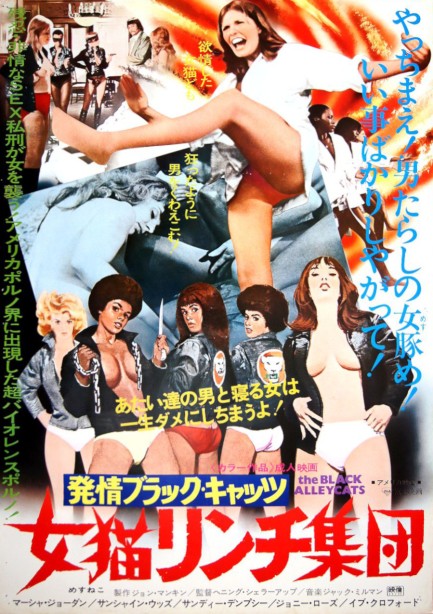
Sure, we just had a cat related movie on the website earlier this week with Cat Girls Gamblers, but cat tropes were popular with schlock film producers, so here we are again with a Japanese poster for the U.S. sexploitation flick The Black Alley Cats, about a group of abused women who fight back using fists, firearms, and generally fierce attitudes. It starred Sunshine Woods, Sandy Dempsey, Charlene Miles, and Johnnie Rhodes, and it was so bad it was the only film three of the four ever acted in. Dempsey had a cinema career already, lucky for her, so she survived what was an all-time stinker. But—and you knew there was a but—as bad as the the movie is, it's also, totally by accident, very funny. After opening in the U.S. in 1973 it premiered in Japan today in 1974.
Edit: Uschi Digard, who has a bit role in the movie, stars on the poster in the karate gi. That's another catch for regular Pulp reader Herman. What eyes that man has!
 Movie stars were always willing to give each other a hand. 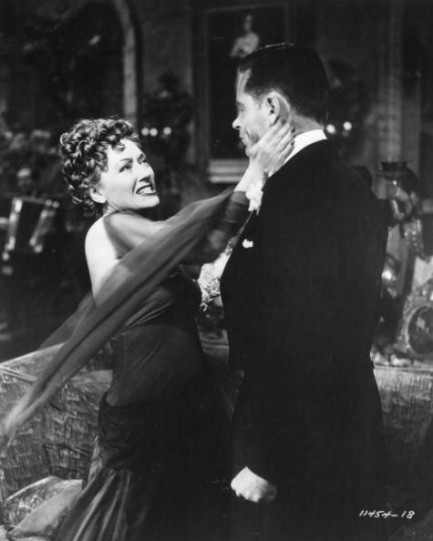
Once again we've been struck, so to speak, by the sheer number of cinema promo images featuring actors and actresses pretending to slap each other. The just keep turning up. The above shot is more about the neck than the face, but it still counts, as Gloria Swanson slaps William Holden in 1950's Sunset Boulevard. Below we have a bunch more, and you can see our previous collection at this link. Since we already discussed this phenomenon we won't get into it again, except briefly as follows: pretend slaps, film is not reality, and everyone should try to remember the difference. Many slaps below for your interest and wonder. 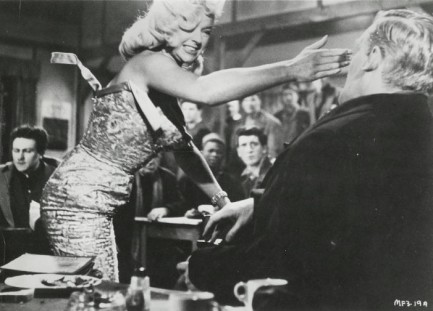 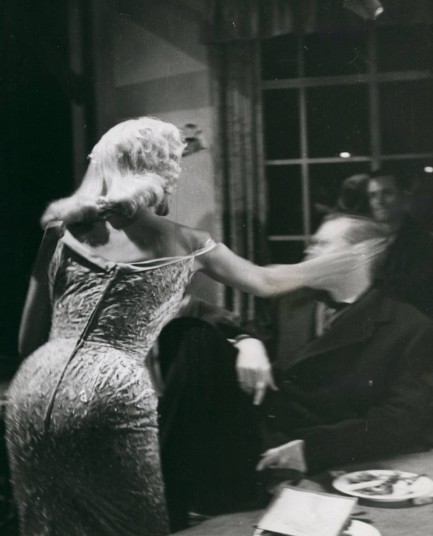 Diana Dors smacks Patrick Allen blurry in 1957's The Long Haul. Diana Dors smacks Patrick Allen blurry in 1957's The Long Haul.
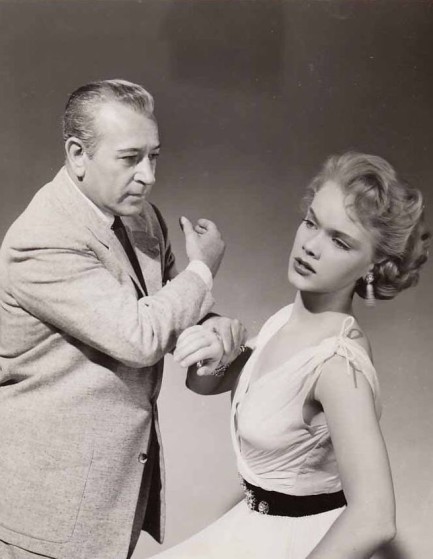 Mob boss George Raft menaces Anne Francis in a promo image made for 1954's Rogue Cop. Mob boss George Raft menaces Anne Francis in a promo image made for 1954's Rogue Cop.
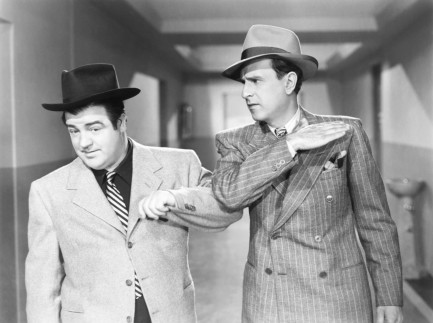 Bud Abbott gets aggressive with Lou Costello in 1945's Here Come the Co-Eds. Bud Abbott gets aggressive with Lou Costello in 1945's Here Come the Co-Eds.
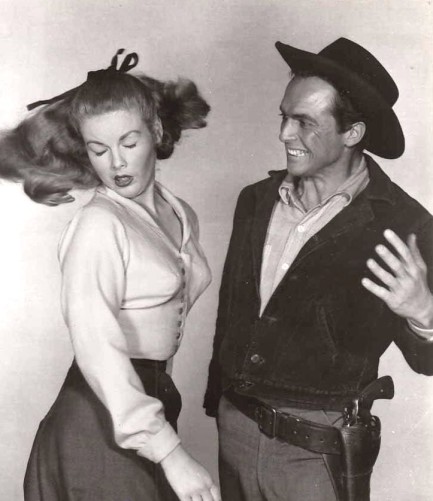 Jo Morrow takes one from black hat Jack Hogan in 1959's The Legend of Tom Dooley. Jo Morrow takes one from black hat Jack Hogan in 1959's The Legend of Tom Dooley.
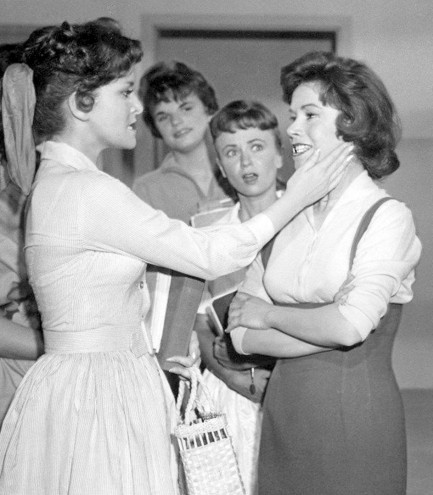 Chris Robinson and Anita Sands get a couple of things straight about who's on the yearbook committee in Diary of High School Bride. Chris Robinson and Anita Sands get a couple of things straight about who's on the yearbook committee in Diary of High School Bride.
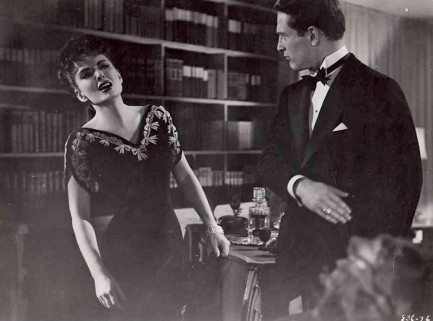 Paul Newman and Ann Blyth agree to disagree in 1957's The Helen Morgan Story. Paul Newman and Ann Blyth agree to disagree in 1957's The Helen Morgan Story.
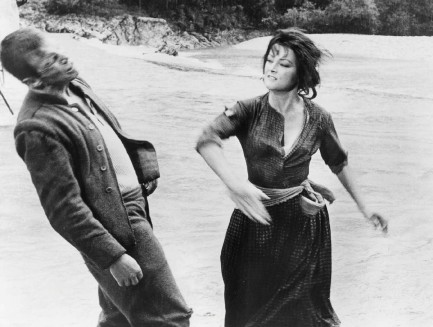 Verna Lisi shows Umberto Orsini who gives the orders in the 1967 film La ragazza e il generale, aka The Girl and the General. Verna Lisi shows Umberto Orsini who gives the orders in the 1967 film La ragazza e il generale, aka The Girl and the General.
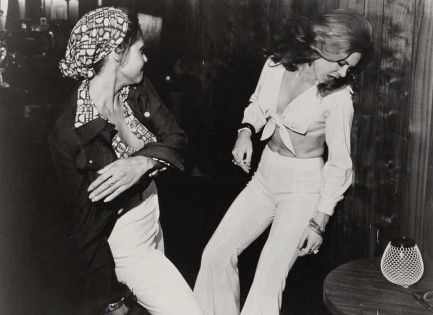 What the fuck did you just call me? Marki Bey slaps Betty Anne Rees loopy in the 1974 horror flick Sugar Hill. What the fuck did you just call me? Marki Bey slaps Betty Anne Rees loopy in the 1974 horror flick Sugar Hill.
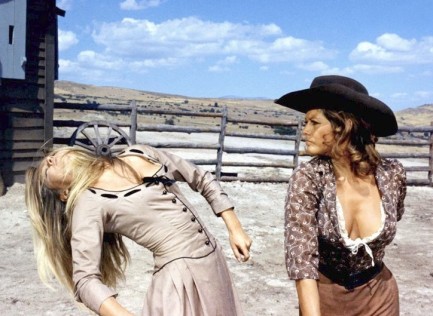 Claudia Cardinale slaps (or maybe punches—we can't remember) Brigitte Bardot in the 1971 western Les pétroleuses, known in English for some reason as The Legend of Frenchie King. Claudia Cardinale slaps (or maybe punches—we can't remember) Brigitte Bardot in the 1971 western Les pétroleuses, known in English for some reason as The Legend of Frenchie King.
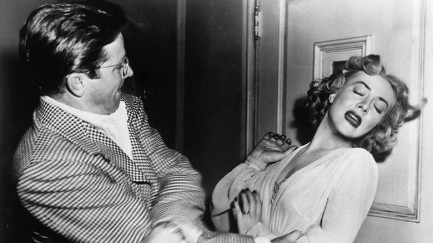 Audrey Totter reels under the attentions of Richard Basehart in 1949 Tension. We're thinking it was probably even more tense after this moment. Audrey Totter reels under the attentions of Richard Basehart in 1949 Tension. We're thinking it was probably even more tense after this moment.
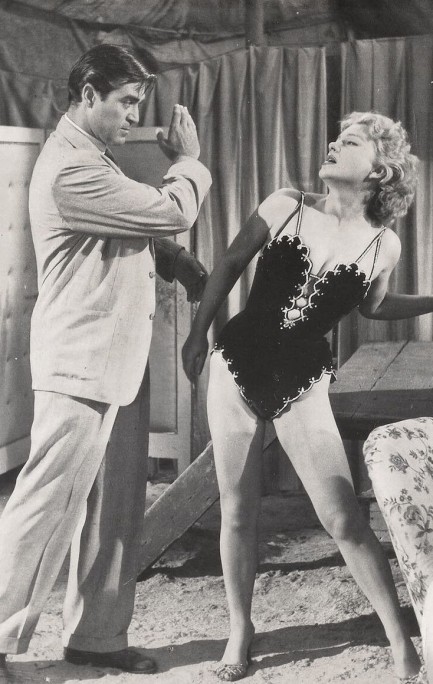 Anne Baxter tries to no avail to avoid a slap from heel Steve Cochran in 1954's Carnival Story. Anne Baxter tries to no avail to avoid a slap from heel Steve Cochran in 1954's Carnival Story.
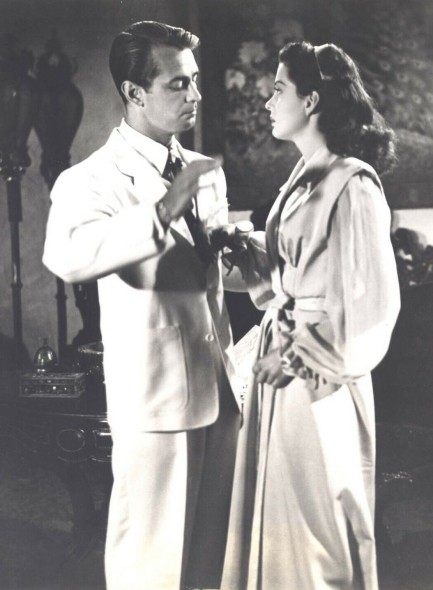 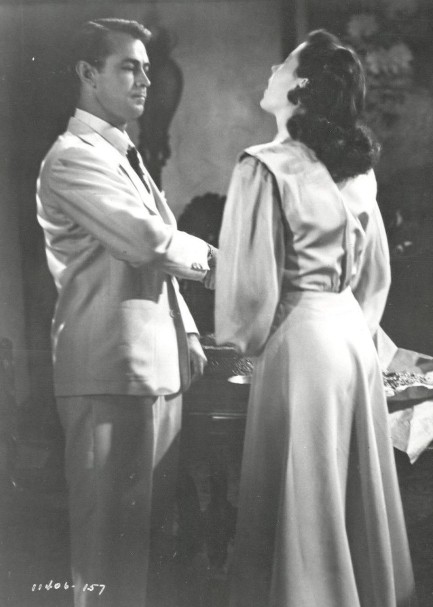 Though Alan Ladd was a little guy who Gail Russell probably could have roughed up if she wanted, the script called for him to slap her, and he obeyed in the 1946 adventure Calcutta. Though Alan Ladd was a little guy who Gail Russell probably could have roughed up if she wanted, the script called for him to slap her, and he obeyed in the 1946 adventure Calcutta.
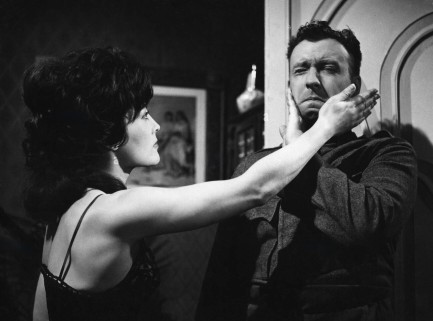 Peter Alexander guards his right cheek, therefore Hannelore Auer crosses him up and attacks his left in 1964's Schwejk's Flegeljahre, aka Schweik's Years of Indiscretion. Peter Alexander guards his right cheek, therefore Hannelore Auer crosses him up and attacks his left in 1964's Schwejk's Flegeljahre, aka Schweik's Years of Indiscretion.
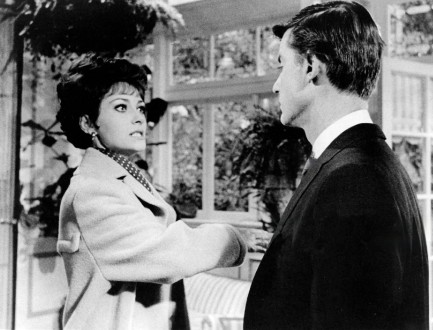 Elizabeth Ashley gives Roddy McDowall a facial in in 1965's The Third Day. Elizabeth Ashley gives Roddy McDowall a facial in in 1965's The Third Day.
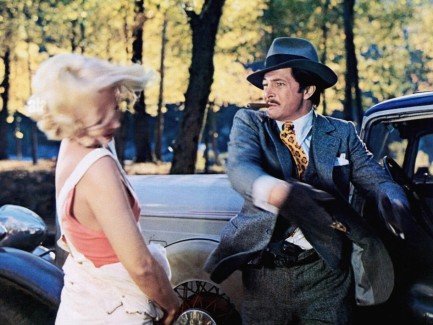 Tony Anthony slaps Lucretia Love in 1972's Piazza pulita, aka Pete, Pearl and the Pole. Tony Anthony slaps Lucretia Love in 1972's Piazza pulita, aka Pete, Pearl and the Pole. 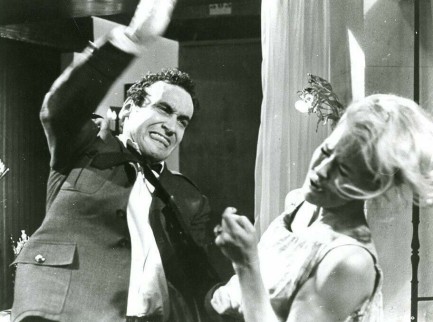 André Oumansky goes backhand on Lola Albright in 1964's Joy House. André Oumansky goes backhand on Lola Albright in 1964's Joy House.
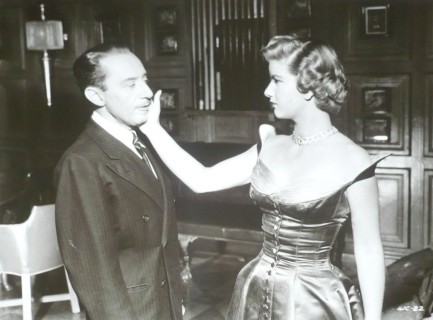 Frank Ferguson catches one from Barbara Bel Geddes in the 1949 drama Caught. Frank Ferguson catches one from Barbara Bel Geddes in the 1949 drama Caught.
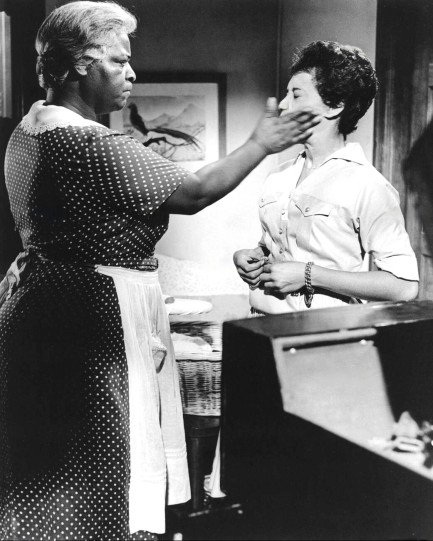 This looks like a real slap, so you have to credit the actresses for their commitment. It's from 1961's Raisin in the Sun and shows Claudia McNeil rearranging the face of Diana Sands. This looks like a real slap, so you have to credit the actresses for their commitment. It's from 1961's Raisin in the Sun and shows Claudia McNeil rearranging the face of Diana Sands.
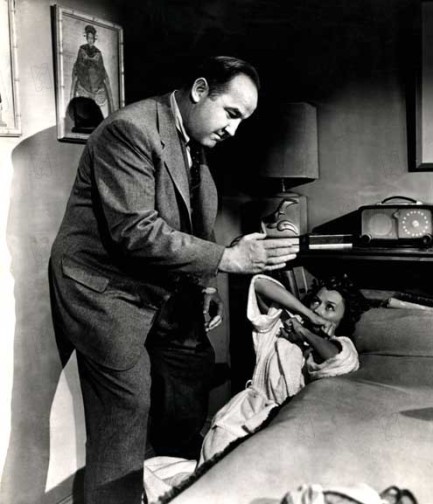 Gloria Grahame finds herself cornered by Broderick Crawford in 1954's Human Desire. Gloria Grahame finds herself cornered by Broderick Crawford in 1954's Human Desire.
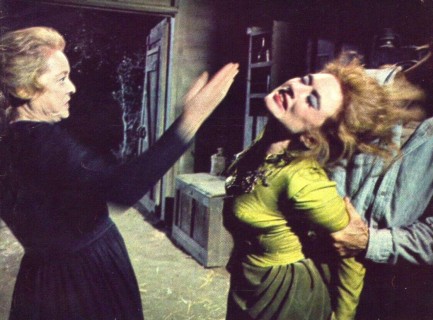 Bette Davis, an experienced slapper and slappee, gets a little assistance from an unidentified third party as she goes Old West on Amanda Blake in a 1966 episode of Gunsmoke called “The Jailer.” Bette Davis, an experienced slapper and slappee, gets a little assistance from an unidentified third party as she goes Old West on Amanda Blake in a 1966 episode of Gunsmoke called “The Jailer.”
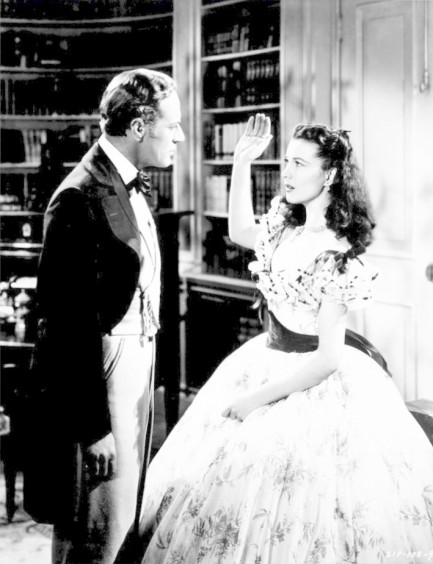 There are a few slaps in 1939's Gone with the Wind, so we had our pick. We went with Vivien Leigh and Leslie Howard. There are a few slaps in 1939's Gone with the Wind, so we had our pick. We went with Vivien Leigh and Leslie Howard.
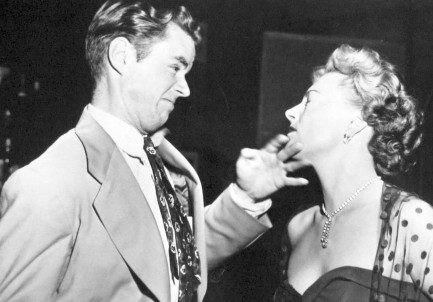 Virginia Field takes one on the chin from Marshall Thompson in Dial 1119. Virginia Field takes one on the chin from Marshall Thompson in Dial 1119.
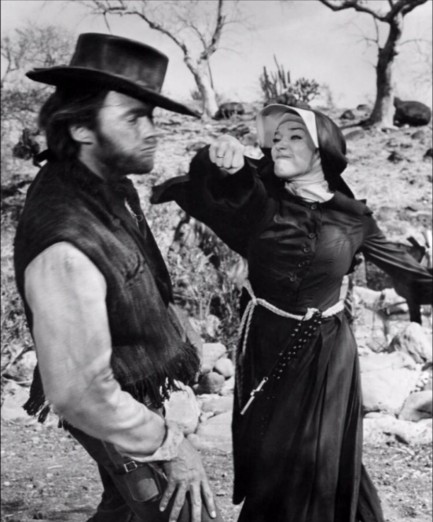 Clint Eastwood absorbs a right cross from nun Shirley MacLaine in 1970's Two Mules for Sister Sara. Clint Eastwood absorbs a right cross from nun Shirley MacLaine in 1970's Two Mules for Sister Sara.
 The people who got burned the worst were the movie's investors. 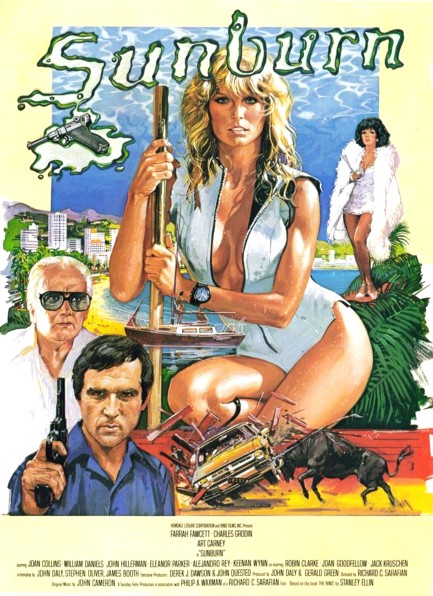
As we mentioned back in the spring, we started watching Sunburn, but stopped ten minutes in to backtrack to Stanley Ellin's source novel first because we thought the concept of an investigator hiring a woman to pose as his wife might be fun in written form. It was that, but the book wasn't perfect, as we discussed. Returning to the movie, above you see a painted promo poster, uncredited, though pretty nice, even if the central figure doesn't look as much like the star attraction as she should. But you recognize her anyway, right? That's Farrah Fawcett, or supposed to be, who headlined along with Charles Grodin, the latter of whose presence immediately marks the movie as a non-drama. But we forged ahead anyway to see what he, Fawcett, and co-stars Art Carney and Joan Collins could provide.
Sunburn, it must be said right off, flopped at the box office. That isn't definitive proof of a bad movie, but it's suggestive. The novel's premise and plot were retained: insurance investigator Grodin needs to get close to a rich Acapulco family in order to prove fraud, therefore he rents the villa next door and hires Fawcett to smooth his cover story by playing his wife. What's added that wasn't in the book is a thick layer of slapstick and Grodin's “comedy.” Fawcett is sunny, ingenuous, and sexy without guile, which was basically her brand, and it works as expected—wonderfully—but there's definitely no spark between her and Grodin. We don't think we've seen a woman's lips that tightly closed for a kiss since PI-1 lost a bet and had to smooch a friend's slobbery German boxer. As for the other participants, Carney finds himself in a wise old advisor role that fits, but Collins is wasted as a farcical nympho cougar.
Basically, the movie can be summed up this way: Grodin stumbles and bumbles his way through an investigation, Fawcett gives unsolicited and unappreciated help, and the plot veers inevitably toward reliable woman-in-danger tropes, buttressed by a standard cheeseball car chase that ends up going through a random fruit stand, round the inside of a colonial fortress, and into a bullring. The chase is capped by Fawcett's capture, which naturally leads to a chaotic rescue and a pat conclusion. From beginning to end the filmmakers whiff on all the good music of the late ’70s, which means the too-present soundtrack consists of only the worst pop hits of the era. Unhelpful, to say the least, and a lesson on the downside of using popular music on soundtracks.
We don't watch many movies from the late 1970s that aren't hard dramas, and Sunburn reminded us why—comedic acting from that time can be very idiosyncratic, and Grodin in particular hadn't yet perfected his distracted deadpan superior-attitude schtick. But if you get the feeling we disliked the movie, you'd be wrong. Its very obviousness makes it worth a smile. And we liked it a lot better than did our new consulting critic, Angela the sunbear, who'll mostly be advising us behind the scenes but may occasionally make a public appearance or two, depending on her mood. Today, she's feeling social. Give the Pulp Intl. readership a wave, Angela. 
Very good. And nice work standing on two legs. You look almost human, if that isn't offensive to say. Anyway, we could ask Angela to enumerate her many qualifications and credentials to critique cinema, including her degree from the Beijing Film Academy, but we assume you trust us to collaborate with only the most experienced and educated professionals. Also, it's 100 degrees where she lives, so she won't suffer an entire film unless it's really good. In this case, she waited about twenty minutes to see if any of her favorite fruits or wild berries made an appearance, discoursed on the tradition of comedians becoming actors (somehow tying in the Greek muses of comedy and drama—Thalia and Melpomene—which was way over our heads, if we're honest), pondered whether Grodin might get mauled at some point, then went for shade and water. So there you have it: Sunburn gets one reluctant thumbs up, but one definitive claw down. It premiered today in 1979.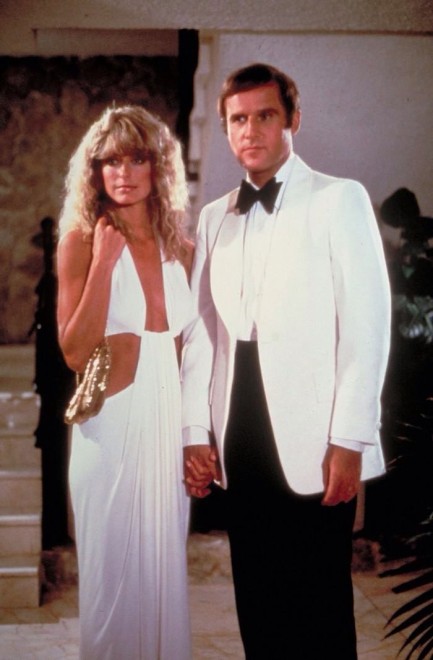 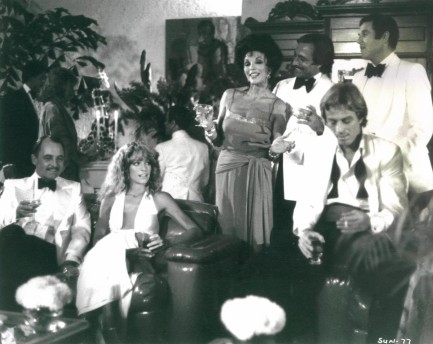 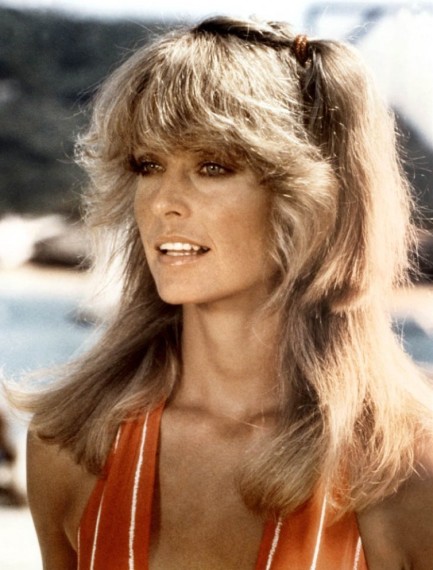 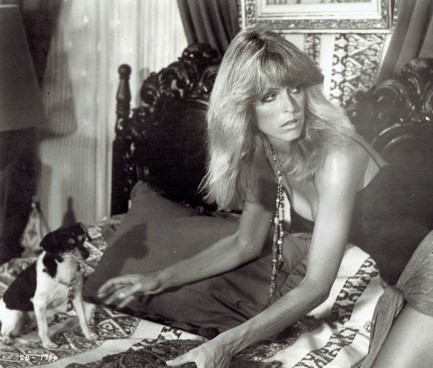 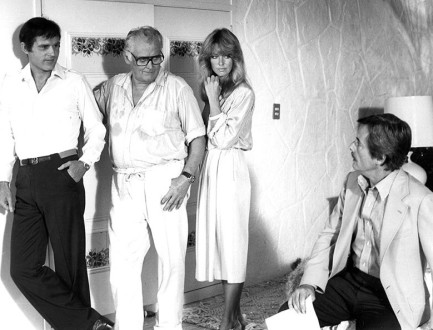 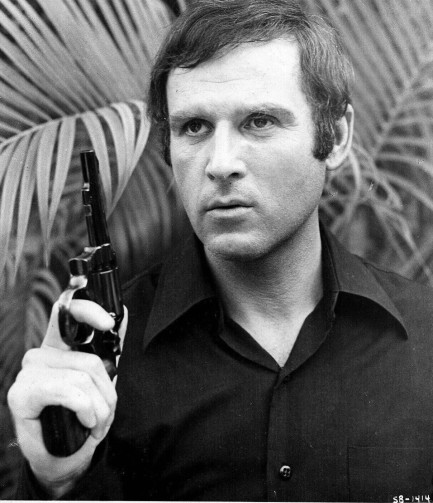 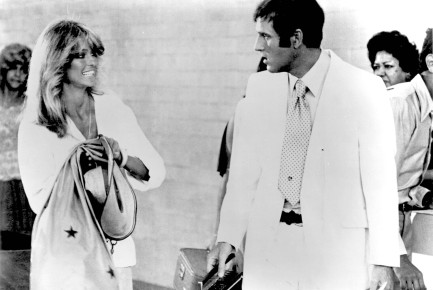 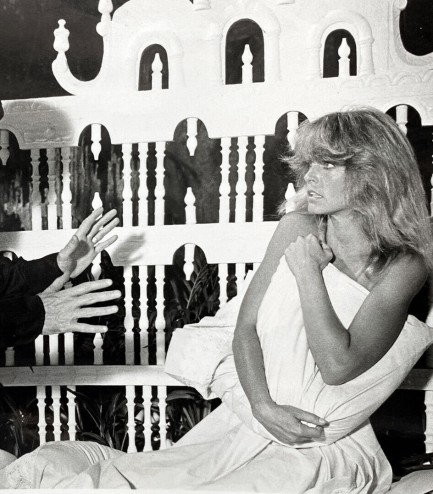 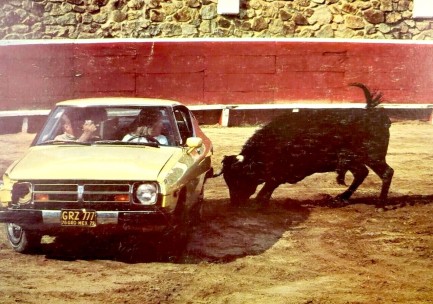  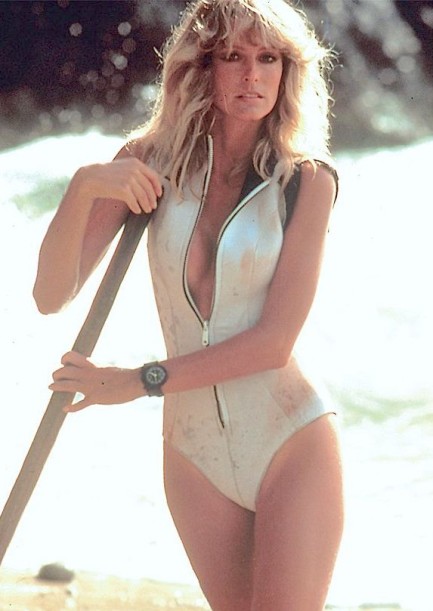  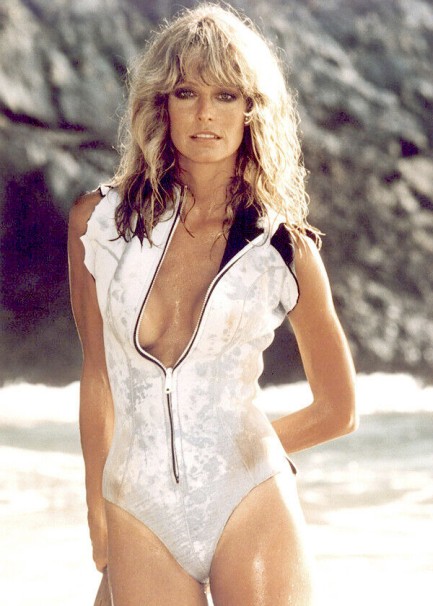 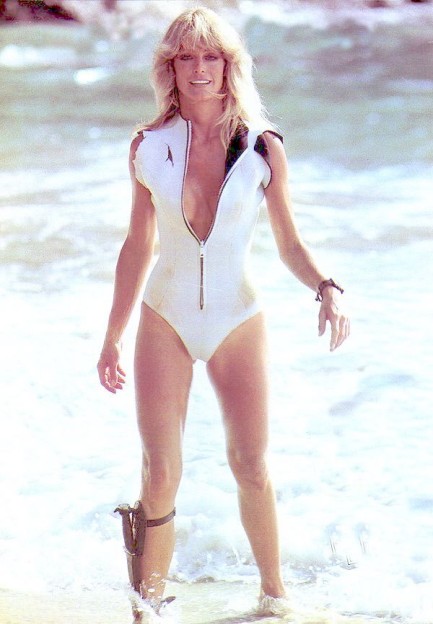
 Oh, it's a body. In my head I'd already blamed the weird smell around here on your dirty tennis shoes. 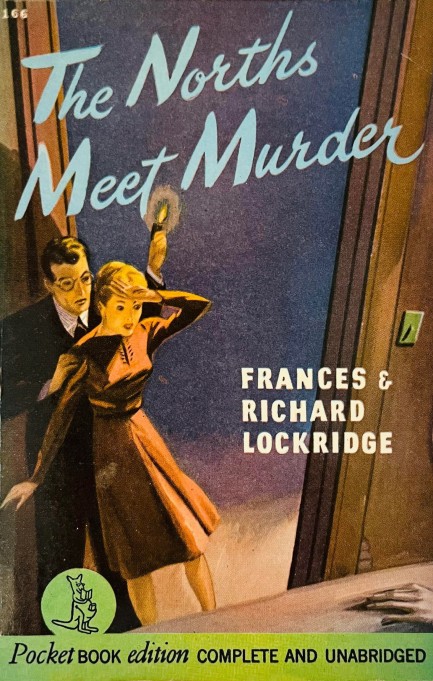
Originally published in 1940, the above Pocket Books edition of The Norths Meet Murder arrived in 1942. It was also published as Mr. & Mrs. North Meet Murder by Avon in 1958. The characters, Gerald and Pamela North, a Manhattan married couple who find themselves solving mysteries, had appeared in the New York Sun newspaper throughout the late 1930s, but The Norths Meet Murder is their first foray in novel form. We haven't read any of the others, but we own one, and we'll get to it. We've read a few mysteries featuring married sleuths. What's different here is that the authors Frances and Richard Lockridge write Pamela as an intuitive thinker whose leaps of logic—or illogic—leave her husband and the police scratching their heads. It could read as though she were a space case, but the Lockridges compensate for that by making her right most of the time. It's a winning formula in this tale that commences with Pamela deciding to throw a party in the empty apartment on the top floor of her building and discovering a corpse in the bathtub.
We were surprised that a detective named Weigand was the central character here, with the Norths serving in a supporting capacity. But that's just the Lockridges setting up the cop as a contact and pal for future novels, we suspect. By the end he was routinely enjoying cocktails with the Norths, though he initially suspected them of the murder. Pamela eventually figures out the solution about the same time as Wiegland, and it's clear she's gotten a taste for sleuthing. All very fun. In our view, for mystery fans The Norths Meet Murder is probably mandatory.
 I've decided to start a nudist colony. What do you think? Any chance of success? 
Monica Gayle was a b-movie actress extraordinaire, appearing in more than thirty mostly low budget films, including Switchblade Sisters, The Harem Bunch, The Erotic Adventures of Pinocchio, and, quite memorably, The Stewardesses, in which she's onscreen for only a few minutes but performs the lotus position in a way you've probably never seen. We also just saw her in Southern Comforts, which is why we're featuring her today—we figured after all those fuzzy screenshots we needed to give you a clearer look. Posing nude was no rarity for her. She appeared in probably a dozen men's magazines, often quite explicitly. This more modest shot of her comes from an issue of the nudist publication Sun Buffs and is from 1970.
 They're a hell of a lot of trouble. 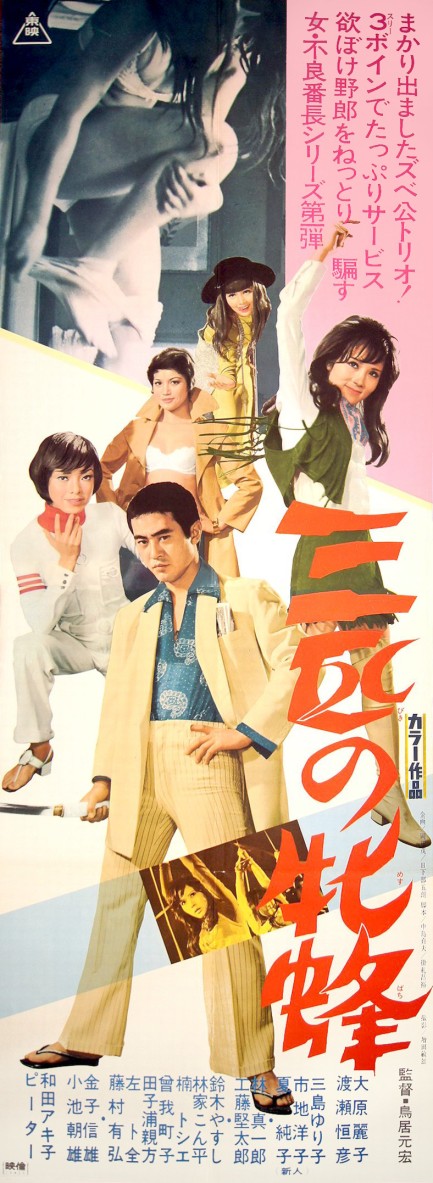
Above: an alternate poster in tateken format for a movie we highlighted last year—Sanbiki no mesubachi, aka Three Pretty Devils. It starred Reiko Ohara, Junko Natsu, and Yoko Ichiji, and preimiered in Japan today in 1970. See what we wrote about it here.
 The most inhospitable season just got worse. 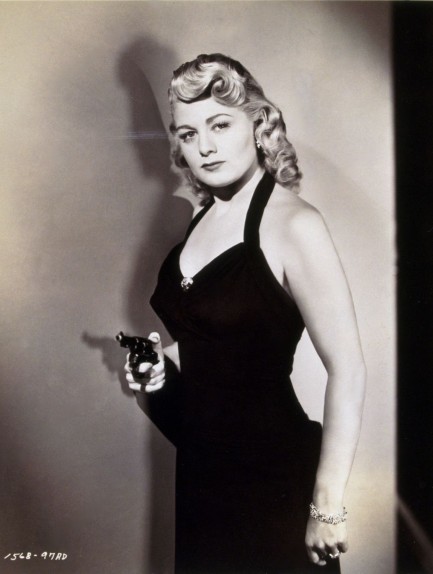
Shelley Winters, née Shirley Schrift, was one of the top actresses in Hollywood for five decades. Her notable films are many, and include A Place in the Sun, Night of the Hunter, Lolita, Alfie, The Poseidon Adventure, and even Cleopatra Jones. The above photo sees her in moll mode and was made for her 1948 crime drama Larceny. It's yet another film we haven't seen, but we'll get to it.
 Lines in the sand have a way of getting crossed. 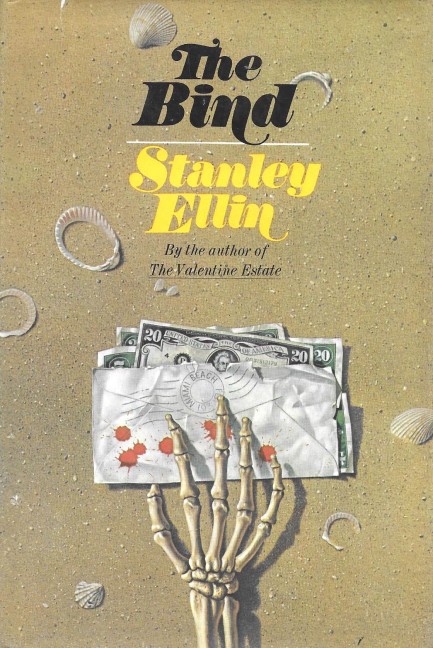
Considering our website's focus on beautiful art, you must be asking how we came to read Stanley Ellin's 1970 novel The Bind, with its beige post-GGA cover treatment by Joe Lombadero. What happened was we decided to watch the 1979 Farrah Fawcett movie Sunburn, but stopped during the opening credits when we saw that it was based on a novel. We'd decided to see the movie because it was helmed by cult director Richard C. Sarafian, and also because its premise interested us, but we figured that premise was probably more fully and interestingly developed in the source novel. We won't know for sure until we watch the film, but it's pretty much a given when you compare literature to cinema.
Here's the premise: insurance investigator Jake Dekker needs to get close to a secretive family to disprove a verdict of accidental death and save his employers a $200,000 payout, so he rents a house in their tony Miami enclave and hires an actress to pose as his wife. The family would be suspicious of a single man, but not a married couple. He's carried out similar scams and worked with the same actress over and over, but when she can't make the gig she instead sends down-on-her-luck colleague Elinor Majeski as a replacement. The fake wife aspect of Jake's scheme immediately gets complicated, both because this new actress is smarter and more curious than is convenient, and because she's unusually lovely. Uh oh. Professional comportment—out the window.
Ellin pushes his ripe premise for all it's worth. Jake insists on realism, which involves he and Elinor getting comfortable around each other, whatever intimate circumstances might arise. The only line they aren't to cross is sleeping in the same bed. Heh. How long do you think that lasts? Actually, it lasts a long while. Jake's shell is hard. He's borderline mean to Elinor, and therein lies the balancing act in the narrative. He's mean, but occasionally charming. Ellin's writing treads that crucial line well, but the book is overlong and its climax goes in a direction we didn't like. But we'd read him again. In any case, now we'll have to see what the filmmakers did with Farrah in the role of Elinor. Charles Grodin co-stars, so we expect the movie to be a bit silly, but who can resist Farrah?
 Petroleum reserves discovered deep in the jungle. 
No wonder the world can't get off petroleum. Photos of slippery actresses keep the addiction going. Above you see Maria Mari, who has starred in some of the most interestingly titled films you can imagine. Nympho Diver: G-String Festival may be her crowning achievement, but she also appeared in Lusty Transparent Man, Apartment Wife: Lust for Orgasm, and Do It Again: Like an Animal. All of those sound like much-watch flicks, and we did indeed watch and write about a couple, here and here. Mari appeared in five other films in a busy three-year career before moving onward to parts unknown. You can see another shot of her here, and more shiny actresses here, here, here, here, and here. Try not to become hopelessly depedent on oil.

|
 |

The headlines that mattered yesteryear.
1945—World War II Ends
At Reims, France, German General Alfred Jodl signs unconditional surrender terms, thus ending Germany's participation in World War II. Jodl is then arrested and transferred to the German POW camp Flensburg, and later he is made to stand before the International Military Tribunal at the Nuremberg Trials. At the conclusion of the trial, Jodl is sentenced to death and hanged as a war criminal. 1954—French Are Defeated at Dien Bien Phu
In Vietnam, the Battle of Dien Bien Phu, which had begun two months earlier, ends in a French defeat. The United States, as per the Mutual Defense Assistance Act, gave material aid to the French, but were only minimally involved in the actual battle. By 1961, however, American troops would begin arriving in droves, and within several years the U.S. would be fully embroiled in war. 1937—The Hindenburg Explodes
In the U.S, at Lakehurst, New Jersey, the German zeppelin LZ 129 Hindenburg catches fire and is incinerated within a minute while attempting to dock in windy conditions after a trans-Atlantic crossing. The disaster, which kills thirty-six people, becomes the subject of spectacular newsreel coverage, photographs, and most famously, Herbert Morrison's recorded radio eyewitness report from the landing field. But for all the witnesses and speculation, the actual cause of the fire remains unknown. 1921—Chanel No. 5 Debuts
Gabrielle Bonheur "Coco" Chanel, the pioneering French fashion designer whose modernist philosophy, menswear-inspired styles, and pursuit of expensive simplicity made her an important figure in 20th-century fashion, introduces the perfume Chanel No. 5, which to this day remains one of the world's most legendary and best selling fragrances. 1961—First American Reaches Space
Three weeks after Russian cosmonaut Yuri Gagarin became the first human to fly into space, U.S. astronaut Alan Shepard completes a sub-orbit of fifteen minutes, returns to Earth, and is rescued from his Mercury 3 capsule in the Atlantic Ocean. Shepard made several more trips into space, even commanding a mission at age 47, and was eventually awarded the Congressional Space Medal of Honor.
|

|
|
It's easy. We have an uploader that makes it a snap. Use it to submit your art, text, header, and subhead. Your post can be funny, serious, or anything in between, as long as it's vintage pulp. You'll get a byline and experience the fleeting pride of free authorship. We'll edit your post for typos, but the rest is up to you. Click here to give us your best shot.
|
|