| Femmes Fatales | Feb 11 2023 |

Hitomi hits the coast for a private holiday.



Here during the depths of winter (for those of you that experience winter) we thought we'd give you the hottest images we could find to stir your blood. Above are a few looks at Japanese actress Hitomi Kozue, who, according to a bit of accompanying text we didn't bother to show, is enjoying a rare sunny day during the 1974 tsuya, or East Asian rainy season. Hitomi is the star of such films as Sukeban Deka: Dirty Mary, Sex-Crime Coast: School of Piranha, True Story of a Woman Condemned, and its sequel, and you may remember we promised we'd return to her after sharing an image last year from this same photo session.
Based on what we've seen Hitomi seems to have been the boldest Japanese cinema star of the ’70s when it came to her promo images. These are nicely conceived and composed, tasteful, yet audacious and visceral. Some cultures, including the U.S., have regressed to the point where almost any nudity is now shocking, but eroticism has always been a valid art form, and it will thrive again once people remember that bodies forced under wraps are exactly what previous generations fought so hard against in order to wrest free expression from external control. Hitomi is uncontrollably beautiful.
JapanSukeban Deka: Dirty MarySukeban Deka: daati MariiSex-Crime Coast: School of PiranhaNikutai hanzai kaigan: Piranha no mureTrue Story of a Woman CondemnedJitsuroku onna kanbetsusho: sei-jigokuHeibon PunchHitomi Kozueroman pornopinkunudity


| Vintage Pulp | Jun 2 2022 |

Sinbad may be the star but it's the dancers who shine brightest.
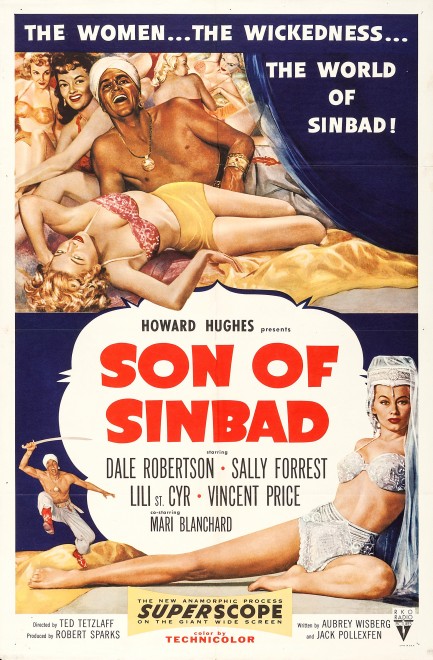
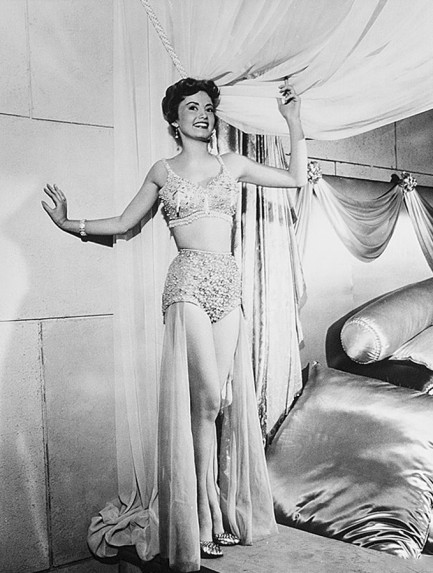
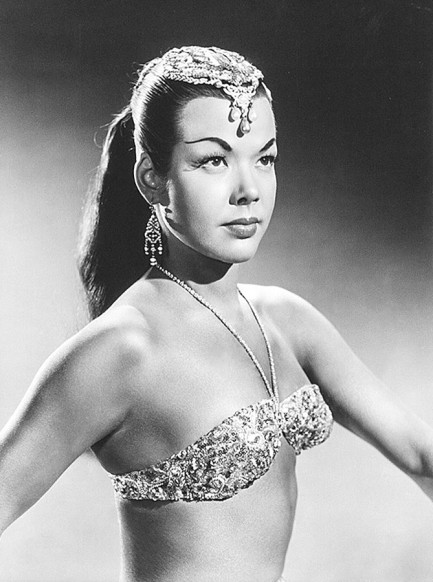
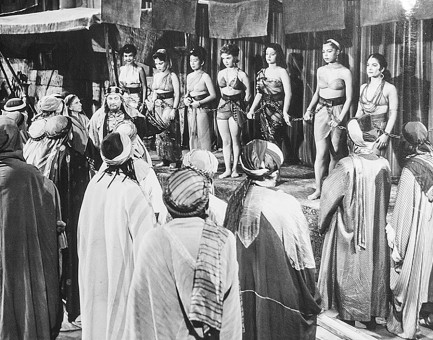
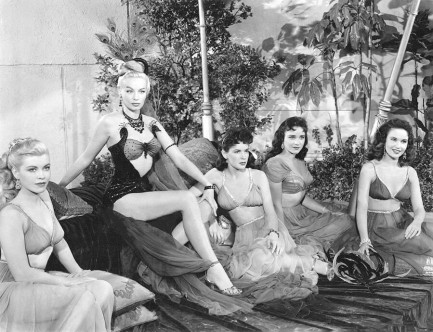
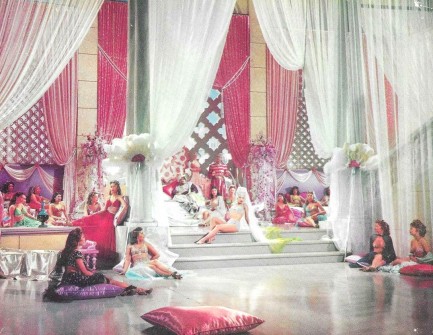
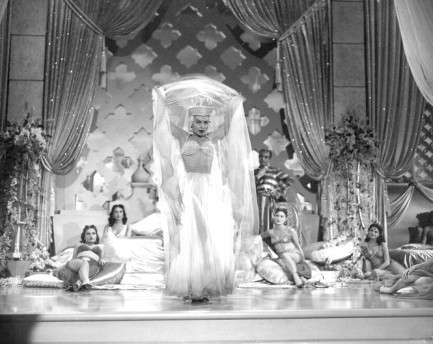
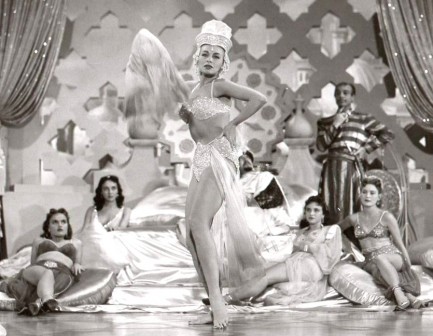
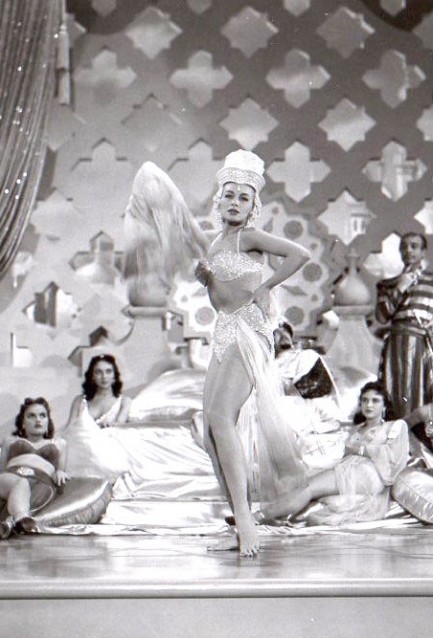
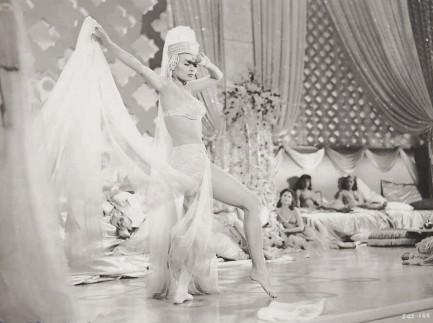
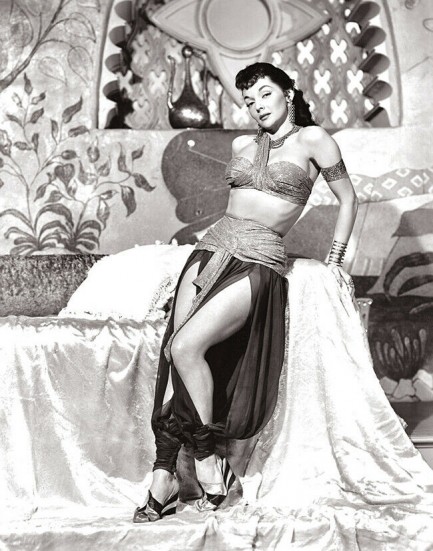
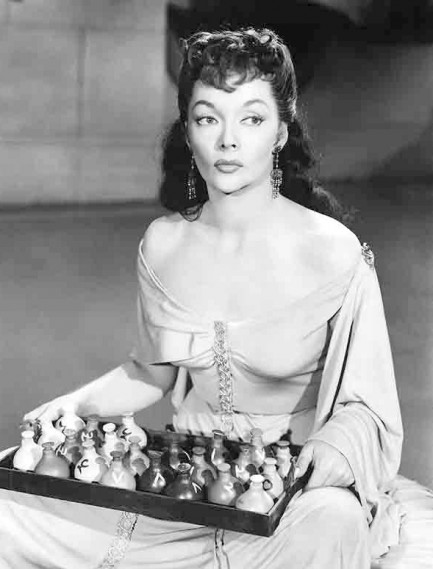
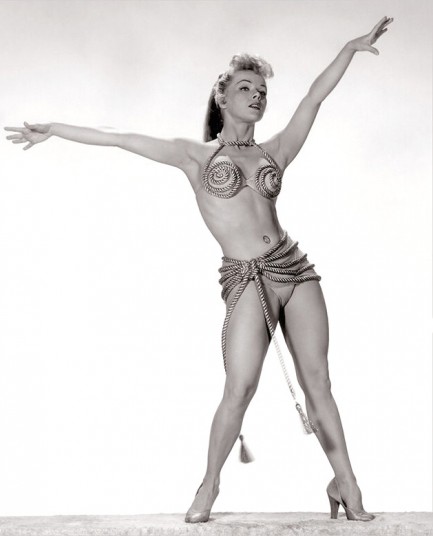
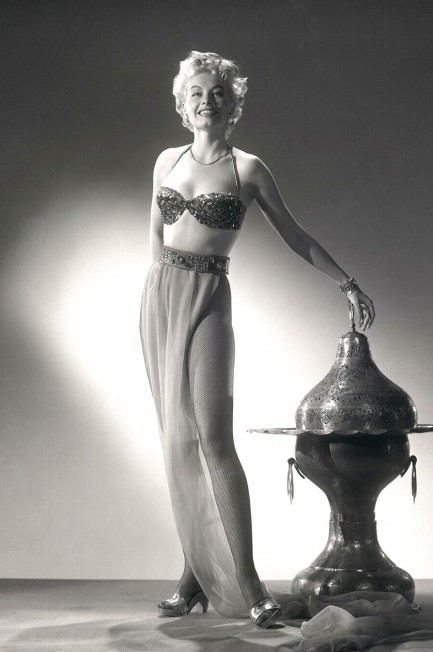
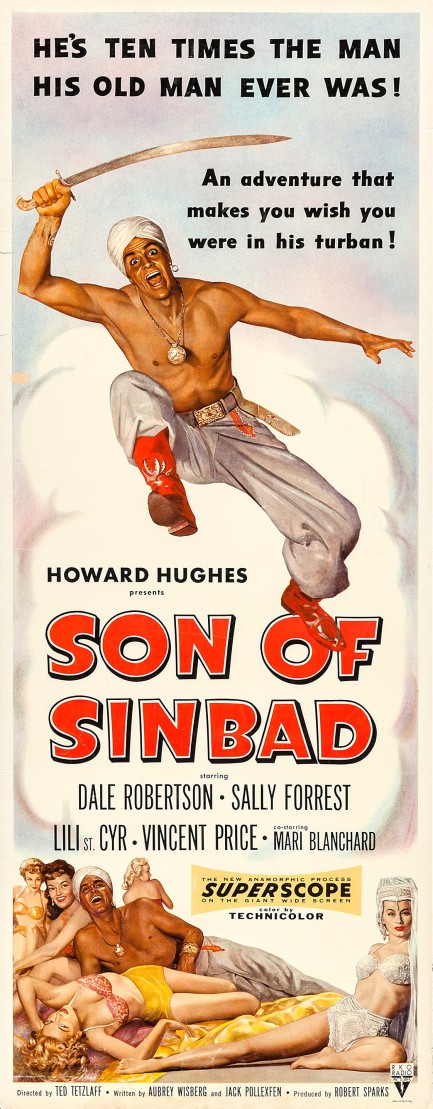
Howard Hughes had an entire slate of personal flaws, not least of which was that he was a frothing racist, but in terms of filmmaking he understood the concept of value-added cinema. He often battled censors, because if he had a beautiful actress on hand he'd build something around her that was as provocative as the market would bear. Jane Russell is his most famous protégée, but he shaped projects for Jean Harlow, Gina Lollobrigida, Faith Domergue, and others. In Son of Sinbad he wanted to show Lili St. Cyr to great advantage, and along the way, in typical fashion, added more, more, and more. He brought aboard MGM dancer-actress Sally Forrest and famed peelers Nejla Ates and Kalantan to compliment St. Cyr, made them all ornately clad harem girls, and ended up with a movie that was nearly banned.
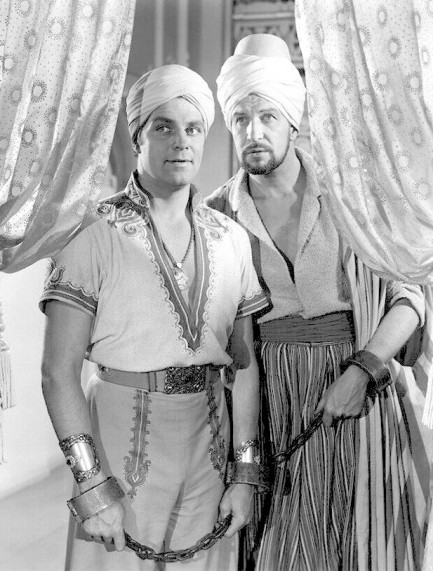
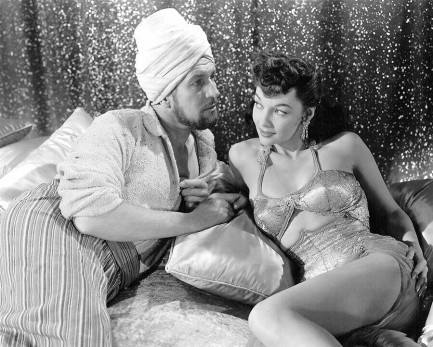
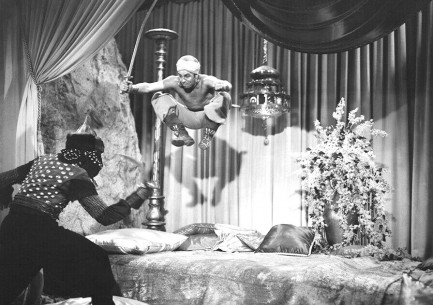
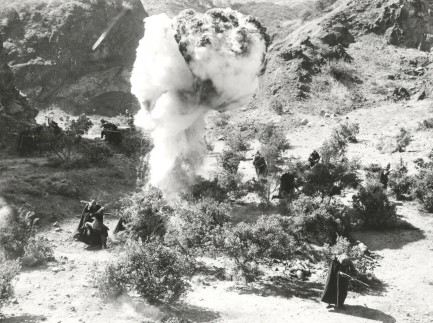
The stars of Son of Sinbad are Dale Robertson as the fictional Sinbad's son and Vincent Price as the historical figure Omar Khayyám, and in the story, which is set in Baghdad, horny Sinbad is busted making time with one of the Sultan's harem girls and is imprisoned along with Omar. In exchange for his freedom Sinbad reveals the existence of Greek fire, a dynamite-like explosive, which could come in handy because the Sultanate is at war with the Tatars. Sinbad doesn't actually have the secret to this weapon himself—it's locked inside the head of his friend Kristina, who can only reveal the process for making it while hypnotized. The Sultan is suitably impressed after a demonstration and agrees to free Sinbad and friends, but due to some palace spying third parties have learned about the weapon, and from that point forward more complications ensue.
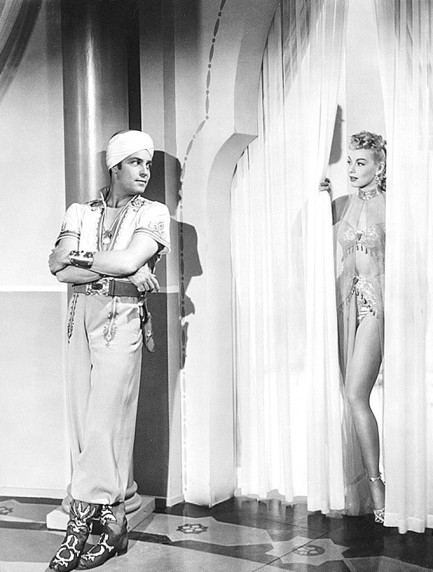
While Son of Sinbad is a fantasy adventure with elements of comedy, audiences also knew to expect titillation from RKO Radio Pictures, and the movie leans into that expectation with its sexy costumed dance numbers. Any movie that offers St. Cyr in motion is automatically recommended, and you'll get a sense of why she was probably the most famous burlesque dancer in America, though neither she nor the other dancers remove much clothing. Even so, it's a nice showcase of the burlesque arts, and the dancing offers reason enough to watch the film, and would even if the movie were terrible.
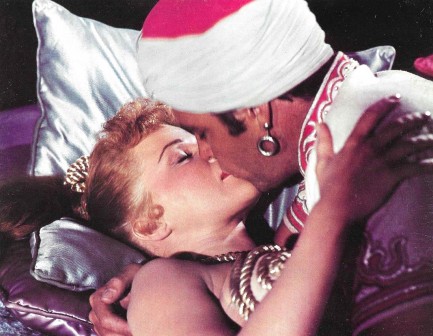
However, the bonus here is that the movie isn't terrible. The lavish sets, beautifully painted backdrops, and colorful costumes transport the viewer—not to ancient Baghdad, but to a magical, soundstage-bound, Technicolor realm similar to that from old Bible flicks. Robertson is fine as Sinbad Jr., but Price, as he tended to do, excels in his second banana role. The man was a born star, and a born ham. As long as you don't expect a masterpiece you'll be entertained. And as a point of added interest, Kim Novak makes a quick and uncredited appearance as a Tatar woman. It was her first screen role, but because the movie was delayed—like many Hughes projects—it was not the first time audiences had seen her. Son of Sinbad did eventually hit cinemas, though, premiering after more than a year of delays, today in 1955.
IranBaghdadRKO Radio PicturesSon of SinbadDale RobertsonMari BlanchardSally ForrestLili St. CyrVincent PriceNejla AtesHoward HughesKalantanKim Novakposter artcinemamovie review

| Femmes Fatales | Dec 18 2021 |

I really want these photos to help me connect with the commoners in my country. How am I doing?
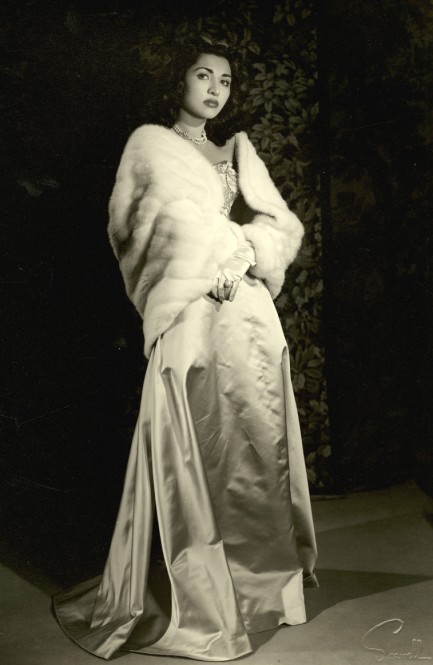
This elegant photo shows Fatimeh Pahlavi, the Princess of Iran, half sister of the Shah of Iran, shot by famed lensman Wallace Seawell. The princess looks every bit the femme fatale here, and as was common with women of her status and era, her life has many points of note. A few: she owned a bowling club, learned to fly a helicopter, amassed about $500 million through means said to be not fully ethical, and was ostracized by the Shah for marrying an American, though he had converted to Islam. This photo was made around the time of that marriage, circa 1948.

| Vintage Pulp | Aug 15 2021 |

No calm in the eye of this storm.

First of all, we're going to send an e-mail to the World Meteorological Organization lobbying for a hurricane to be named Hitomi. It's gotta happen. But about this poster art, we discussed Hitomi Kozue's roman porno actioner Nikutai hanzai kaigan: Piranha no mure, aka Sex-Crime Coast: School of Piranha a few years ago. Basically, four delinquents who call themselves the Piranhas go on a spree of crime and mayhem around Sagami Bay. The above promo is similar to the regular poster, but because it's monochrome and has some different text elements we thought it worth sharing. Plus we're completist when it comes to Kozue—anything she's in or on, we're all about.
JapanNikkatsuNikutai hanzai kaigan: Piranha no mureSex-Crime Coast: School of PiranhaHitomi KozueMasumi JunRikiya Danposter artroman pornopinkucinema

| Vintage Pulp | Jan 8 2021 |

The Devil went down to Southeast Asia looking for fortunes to steal.
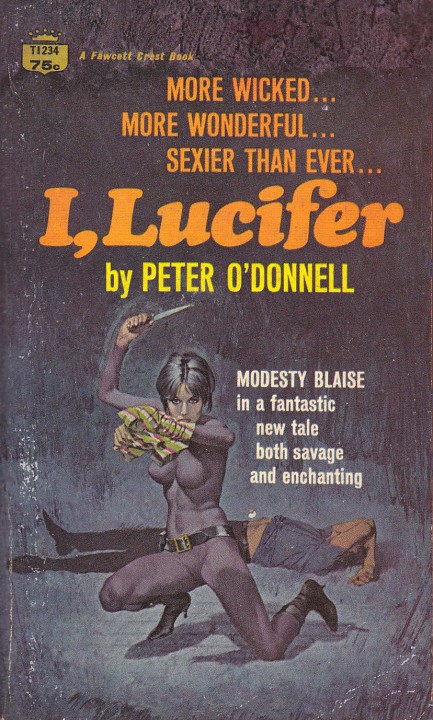
1969's I, Lucifer is Peter O'Donnell's third Modesty Blaise novel, and it's a series we're going through mainly to highlight the great cover art by Robert McGinnis. He didn't illustrate all the books. In fact, this might be the last, which means we'll probably move on to other authors. But that won't be because the Blaise books aren't good. In fact, for the sexy spy genre they're top notch—exotically located, compellingly plotted, and peopled by wacky Bond-style supervillains. Case in point: the titular character in I, Lucifer is a man suffering from a psychotic delusion that he's Satan. The funny part is he isn't evil. The real evil guy is Seff, the opportunist who launches a global extortion scheme that hinges on faux-Lucifer's participation even though his delusion prevents him having a clue what he's really doing. Lucifer might be the only villain we've encountered in a novel who's a victim.
When Seff's murderous extortion hits too close to home for Modesty, she and sidekick Willie Garvin gear up and eventually end up in the Philippines, where they right some wrongs, explosively. As usual Modesty uses sex to get over on the bad guys, and it's a major part of what readers enjoyed about the series. At one point she ponders whether a colleague thinks she's promiscuous. Well, no, she isn't by 1969 standards. But the joy of literature is she can be unpromiscuous, yet we can be there in the room for every one of her widely spaced encounters. This book is particularly amusing along those lines, as it brings two of Modesty's lovers together to be uncomfortable and/or jealous as they're displaced by a third. But sleaze fans will need to look elsewhere. O'Donnell is subtle—if not poetic—with his sex scenes.
Though the sexual aspects of Modesty Blaise were a major attraction of the novels, we enjoy even more the tactical nature of O'Donnell's action, which is probably an influence from his military service in Iran, Syria, Egypt, Greece and other places. It's also probably why so much of the Blaise series is connected to that region. While the tales are always exotic, this entry is even wilder than usual. How wild? It involves precognition, trained dolphins, Moro mercenaries, and body implants that kill remotely, yet it all works. That's because as always, in the center of the chaos, you have Blaise and Garvin, perfect friends, platonic soulmates, and two armed and extremely deadly halves of a razor sharp fighting machine. Abandon all hope ye who cross them.
PhilippinesIranSyriaGreeceEgyptFawcett PublicationsCrest BooksPeter O'DonnellRobert McGinnisModesty Blaisecover artliterature

| Femmes Fatales | May 28 2020 |

It's not an N95 mask but it's all I've got.
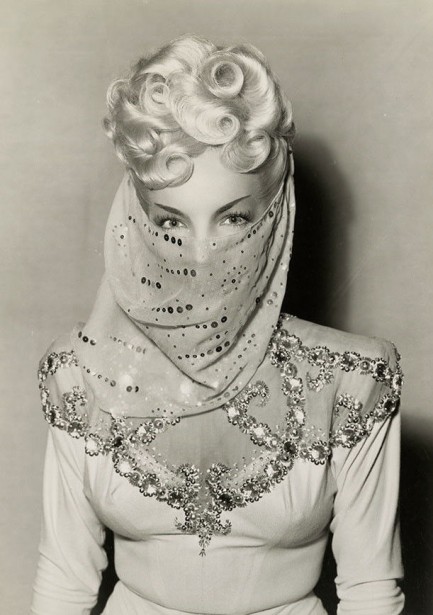
Visual references change. This is obviously a veil, but when we saw it the first thing that came to mind was mask. It's an elegant, somewhat erotic shot, which is no wonder, as veils are generally seen as sexy. Masks, meanwhile, are not, but might that change? There's already mask porn. Doesn't do anything for us, but maybe we're just not cutting edge enough. Anyway, this rare photo was made to promote the 1947 Groucho Marx comedy Copacabana, and the face behind the veil is that of legendary Portuguese-born Brazilian singer Carmen Miranda. We know what you're thinking. This can't be Carmen Miranda. But it is. In the film she's trying to hide her identity, which is why she's made-up so pale and is wearing a blonde wig. Her ruse worked, and not just in Copacabana—websites have misidentified this shot as everyone from Chili Williams to Lili St. Cyr.

| Vintage Pulp | Jan 15 2020 |

Nations to betray, people to murder. *yawn* Let me nap for about twelve hours before I spring into action.
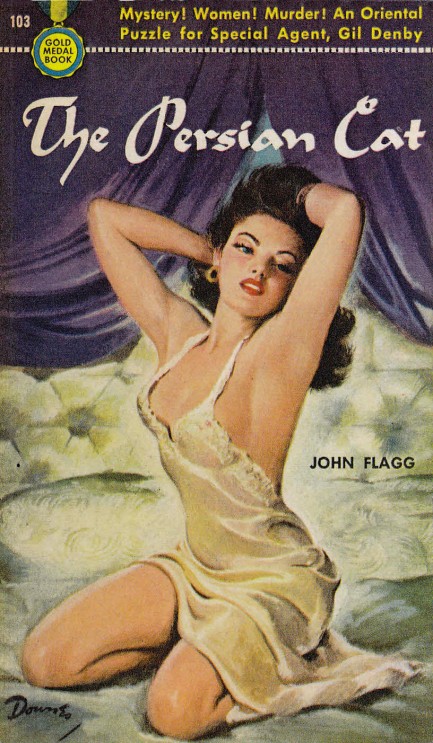
We move from yesterday's canines to today's felines. Pure pinup style art by Willard Downes adorns this Gold Medal paperback of John Flagg's, aka John Gearon's, novel The Persian Cat. Looking at this, we were pretty sure Downes painted it long before Gold Medal came knocking at his studio door, simply because this piece, while wonderful, is also generic enough to front probably a quarter of mid-century thrillers. A read through the tale seems to confirm our suspicion. The main character is ex-OSS agent Gil Denby, who money lures back into the spy game for a high stakes mission in Teheran, where he's supposed to bring to justice a femme fatale who was a Vichy traitor during World War II. The femme does plenty, but she never quite gets around to lounging abed in her undies.
This was published in 1950, a crucial period in Iranian history. Though the narrative doesn't reveal an exact time frame, it's a given that the tale and publication date are closely aligned. That means the story takes place when Iran was ruled by Mohammed Reza Pahlavi, aka the Shah, with some power also apportioned to a series of prime ministers. In fact, there were seventeen prime ministers from 1940 to 1950, which hints at the political volatility of the country. Iranians would eventually elect the reformist Mohammed Mossadegh as PM in 1951, and the U.S. and Britain would promptly overthrow him in 1953, leading to the Shah gaining unchallenged power.
You will learn none of this reading The Persian Cat. It isn't even there as deep background. Also missing is any affinity for language, culture, geography, architecture, or life in the streets. Nor does Flagg mention that the predominant language in Iran is Farsi, not Arabic, and he only hints that the predominant ethnic group is Persian, not Arab. In short, the book lacks a sense of place. When reading about the exotic and distant city of Teheran, this is a letdown. Flagg traveled the Middle East but could have written this novel without ever leaving the U.S. We can't say why the Iranian flavor is so weak, but lack of interest and/or lack of willingness to have learned usable details of the country are leading possibilities. See: David Dodge for how to write exotic locales successfully.
That said, The Persian Cat is a reasonably fun, well-written adventure. Yes, we know that assessment seems contradictory. We'd have liked a more atmospheric and informative tale, but Flagg has talent. His hero Denby deals with betrayal, murder, hairsbreadth escapes, and serious doubts about whether he wants to send that languorously stretching femme fatale to her death. The book's biggest flaw—besides the usual behavior toward women that might easily earn Denby a restraining order or prison time today—is a climax built on revelatory dialogue, pages of it, that will leave you screaming in your head, “Enough talk! Just shoot the fucker!” Still, Flagg overcomes these issues to craft nine tenths of a good book. We'll probably try him again down the line.
IranTeheranWorld War IIGold Medal BooksJohn FlaggJohn GearonMohammed Reza PahlaviThe Shah of IranWillard Downescover artliterature

| Modern Pulp | Aug 16 2018 |

Altman and company get gangsta in the heartland.
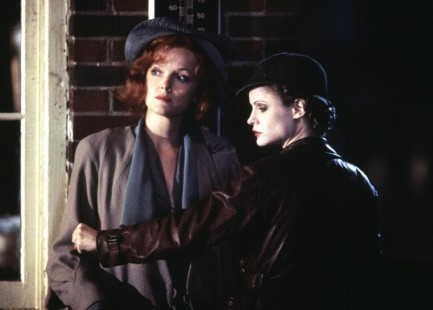
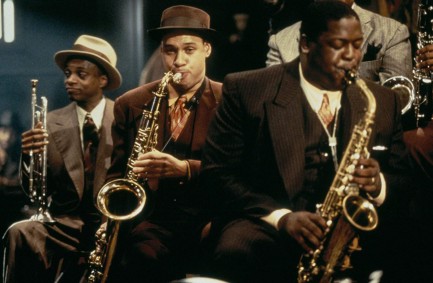
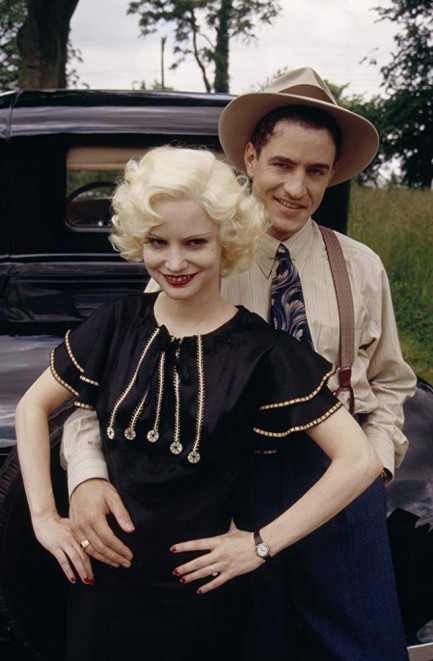
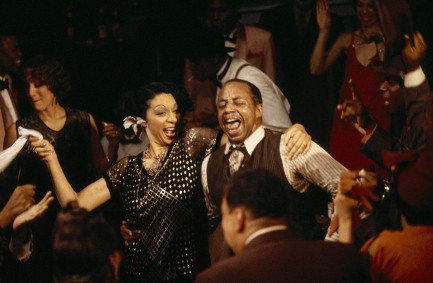
Auteur and maverick Robert Altman directed several films centered around crime, but perhaps only his 1930s gangster flick Kansas City truly fits the bill as a pulp style effort. The plot tells the tale of Blondie O'Hara, whose petty crook husband Johnny is captured by gangster Seldom Seen and held at a nightclub, prompting Blondie to kidnap the wife of a local politician in an attempt to blackmail him into using his connections to free Johnny. Sounds straightforward, but Altman's approach to this is leisurely and episodic.
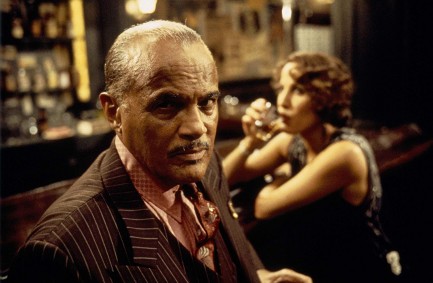
Kansas City is generally considered to be a lesser effort from the legendary director, but even if it's not in the class of Short Cuts or M*A*S*H*, it has some points of interest—a slithery jazz score, lots of smoky nightclub scenery, Steve Buscemi warming up for another gangster role in the brilliant Miller's Crossing, Harry Belafonte playing it cool, and Jennifer Jason Leigh giving her actorly all as the drawling, flapperesque Blondie.
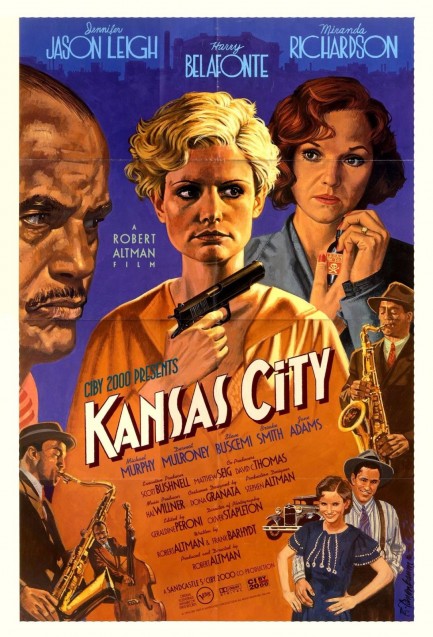
Another plus is this killer promo poster. When we saw it we had to watch the movie. But what's the most important reason to watch it? Altman, of course. It's always fun to see what a director does with the 1930s. What's the main drawback? Aside from its narrative quirkiness, we suspect its racial content may be a bit much for those with millennial sensibilities. But don't fault art for holding a mirror to history. When we can't reflect the past in cinema we'll have fallen pretty far. Kansas City premiered in the U.S. today in 1996.
Another plus is this killer promo poster. When we saw it we had to watch the movie. But what's the most important reason to watch it? Altman, of course. It's always fun to see what a director does with the 1930s. What's the main drawback? Aside from its narrative quirkiness, we suspect its racial content may be a bit much for those with millennial sensibilities. But don't fault art for holding a mirror to history. When we can't reflect the past in cinema we'll have fallen pretty far. Kansas City premiered in the U.S. today in 1996.

Kansas CityBoardwalk EmpireMiller's CrossingJennifer Jason LeighHarry BelafonteSteve BuscemiMiranda RichardsonDermot MulroneyRobert Altmanposter artcinemamovie review

| Vintage Pulp | Aug 15 2018 |

Ahoy there, miss! Do you mind if we pull abreast?
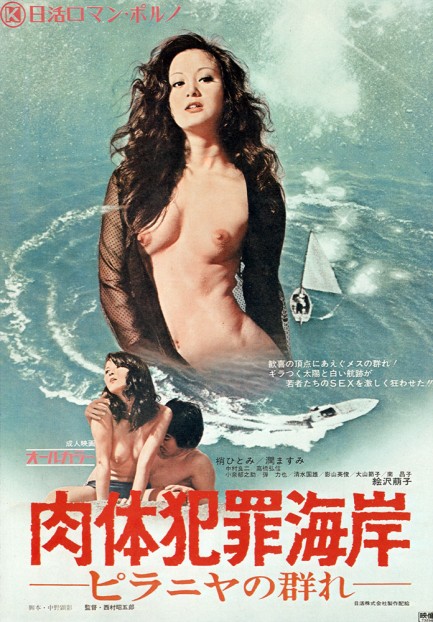
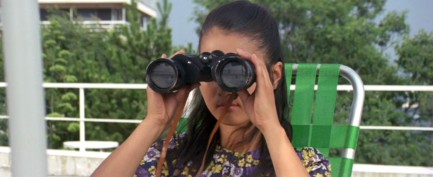
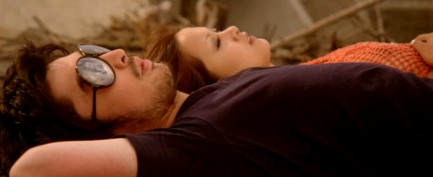
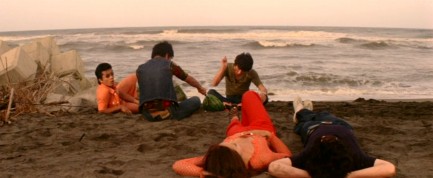
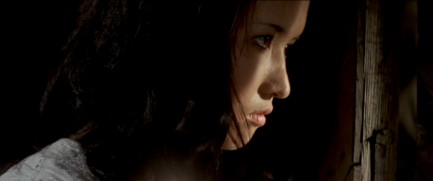
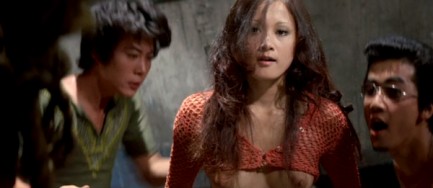
 At top, a poster for the Hitomi Kozue roman porno flick Nikutai hanzai kaigan: Piranha no mure, aka Sex-Crime Coast: School of Piranha. In this one Kozue rises out of the sea like Aphrodite, which is how we always suspected she came to be. Well, okay, she isn't actually a deity, but she's certainly one of the more beautiful actresses of her era. We'd have loved to see her in some western crossovers, but it never happened, though in our opnion she had the screen charisma to entice global audiences.
In this film she isn't showcased at her best. She plays an insipid and annoying bad girl who's part of a small gang of criminals in the seaside region of Shōnan, along Sagami Bay. The gang callis itself the Piranhas, and Hitomi's the main squeeze of the gang's leader Rikiya Dan. They happily commit mayhem together, but when Dan encounters Masumi Jun it looks as if Hitomi's position as HBIC is under threat. Romance is never easy in these films, and in this case jealousy brings distrust and violence into the Piranha clan.
We could tell you more, but why bother? This is Nikkatsu Studios, and it's roman porno, so you know exactly what you'll get here. There's joyful violence, a very blurry line where sexual consent resides, and straight-up rape too. We still don't truly understand these films and we probably never will, but millions of Japanese cinemagoers loved them, so we'll defer to their taste for the time being. But we're starting to form some definite opinions. Nikutai hanzai kaigan: Piranha no mure premiered in Japan today in 1973.


JapanShōnanNikkatsuNikutai hanzai kaigan: Piranha no mureSex-Crime Coast: School of PiranhaHitomi KozueMasumi Junposter artcinemapinkuroman pornomovie review

| Femmes Fatales | May 13 2018 |

Loneliness isn't always as bad as it sounds.

Soledad Miranda has one of the more interesting cinematic names you'll run across. Her first name is Spanish for “loneliness,” and her last is Latin for “worthy of admiration.” Because she was so worthy of admiration we doubt she was ever lonely for long. Her real name was Soledad Bueno, and that's rather nice too, if even more unlikely sounding. As Miranda, and sometimes as Susan Korda or Susan Korday, she appeared in more than thirty movies but became one of filmdom's tragic young figures when she was killed in an auto accident in 1970 at the age of twenty-seven. The above image is from that year.