| Vintage Pulp | Sportswire | Apr 29 2022 |

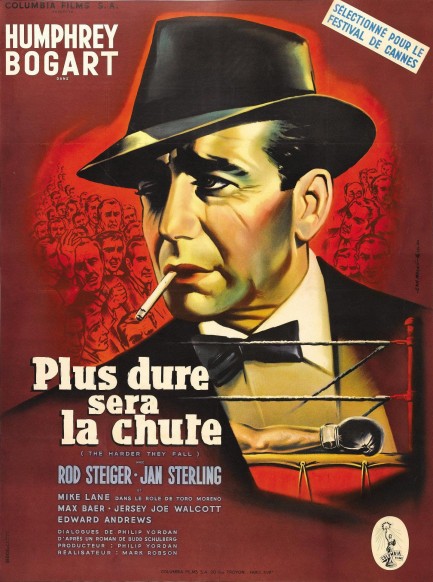
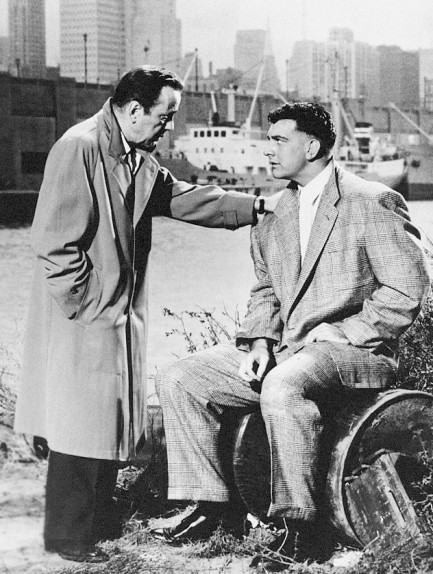 Fine, Toro, you're huge. Massive. Enormous. But you need to learn how to box or the champ is going to crush your face like a graham cracker.
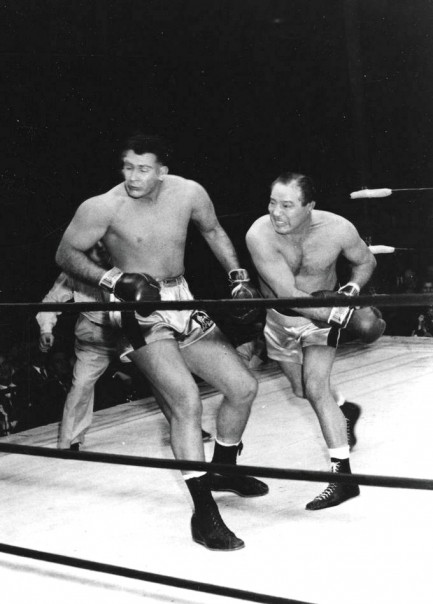 Hi, champ! Before we start, I just want to say I'm probably your biggest admir—
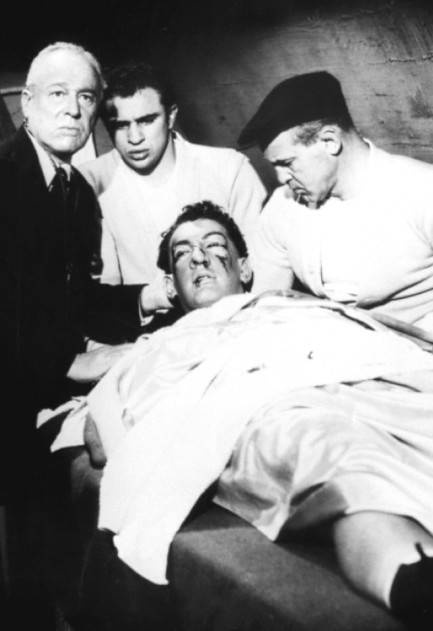 I thought that whole graham cracker speech was just Bogie being colorful.


| Sportswire | Sep 23 2015 |


| Vintage Pulp | Jun 8 2014 |


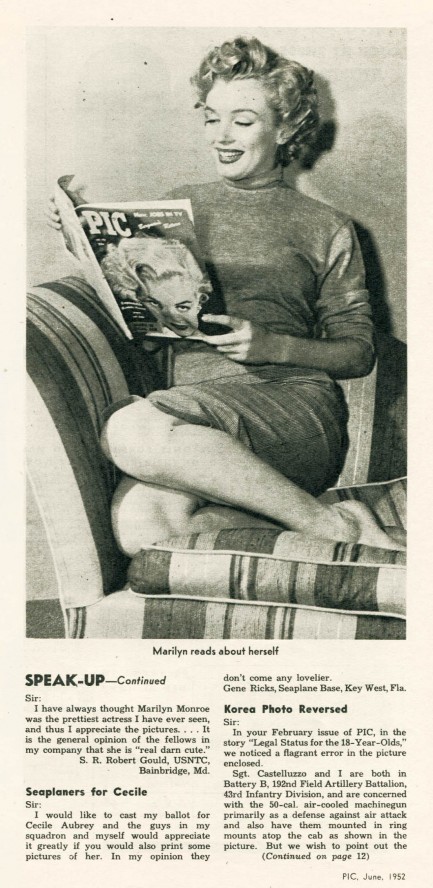
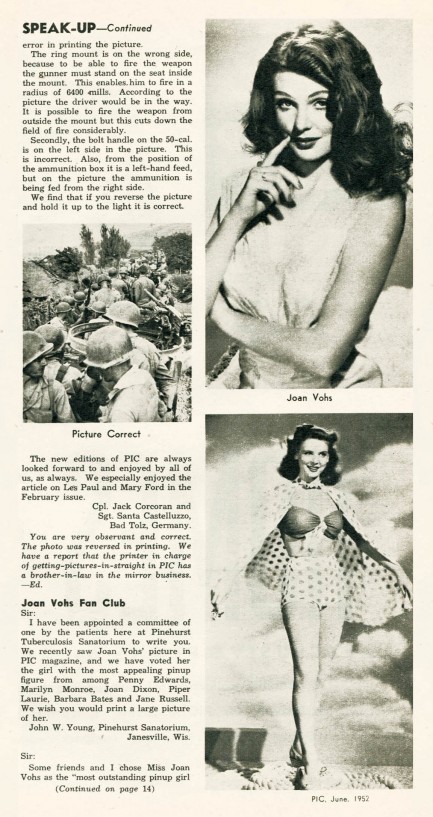
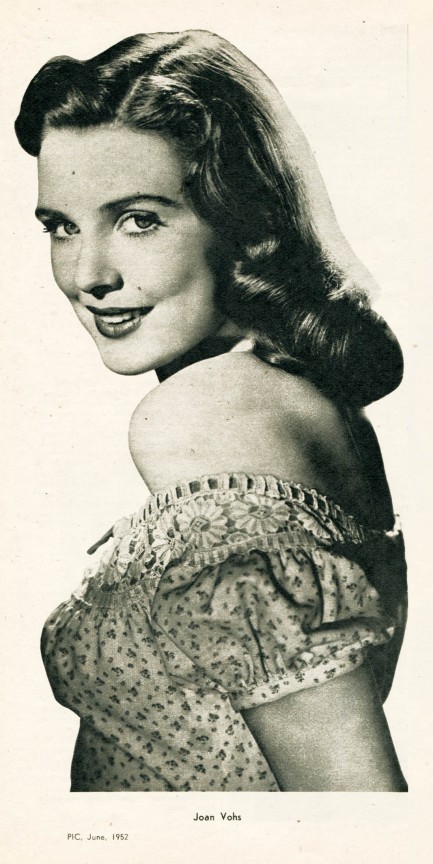
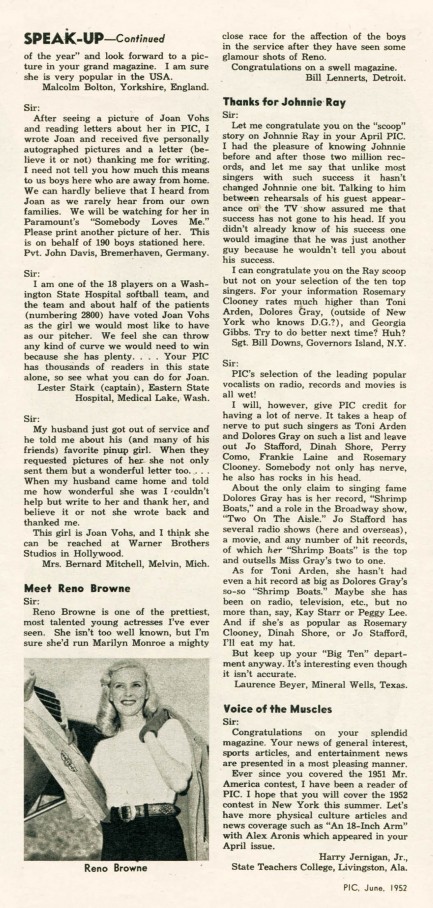
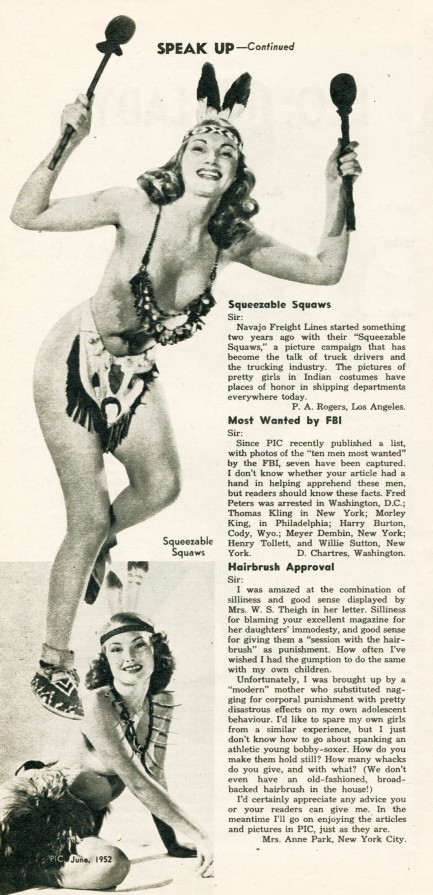
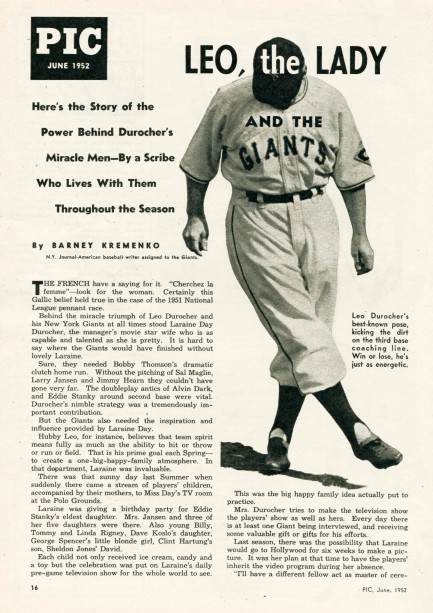
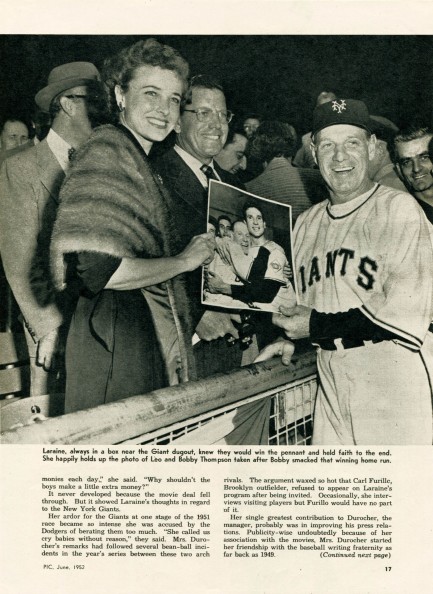
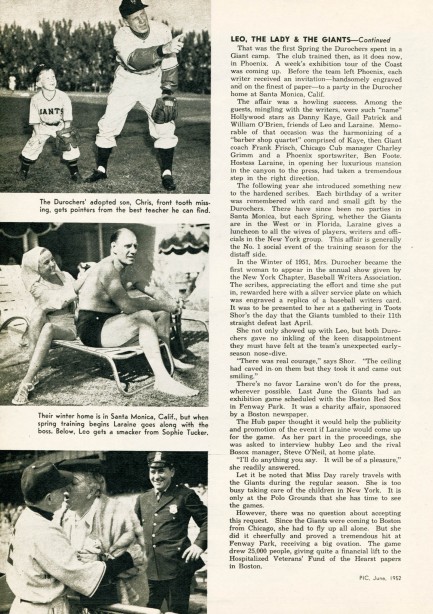
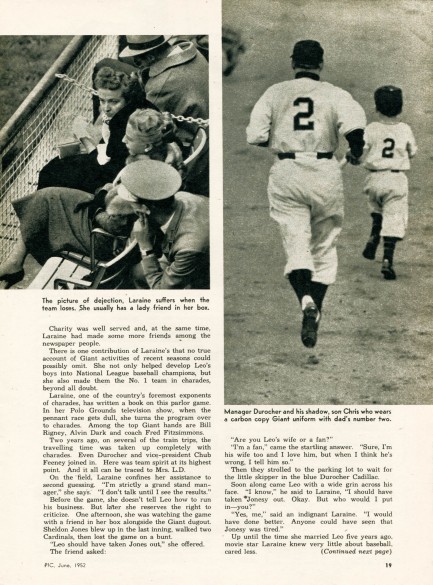
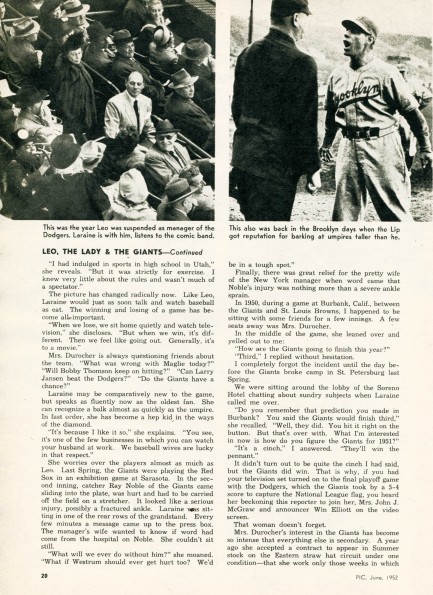
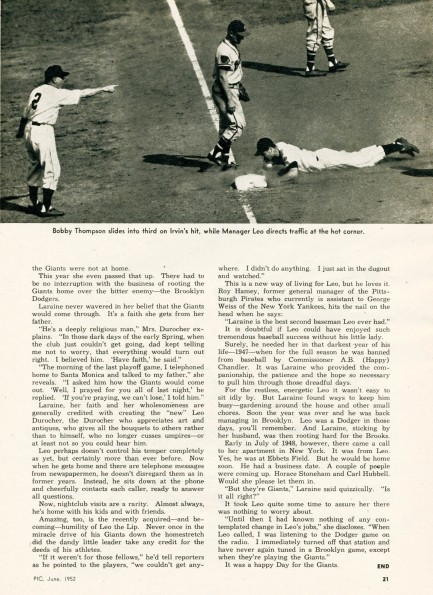
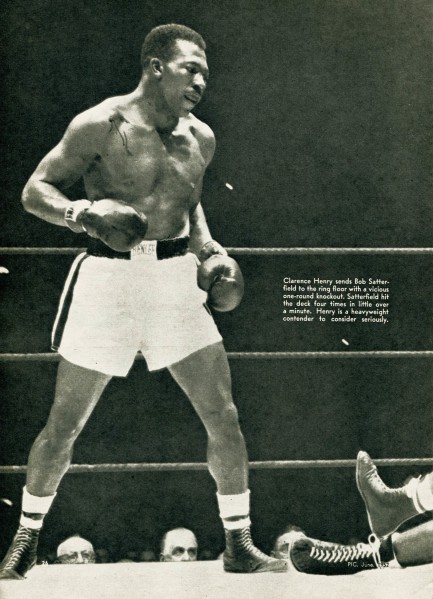
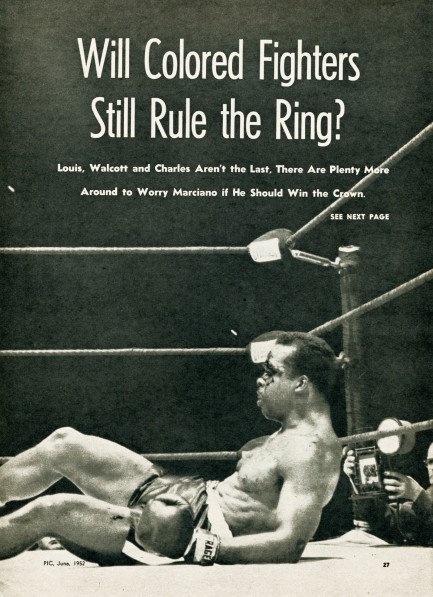
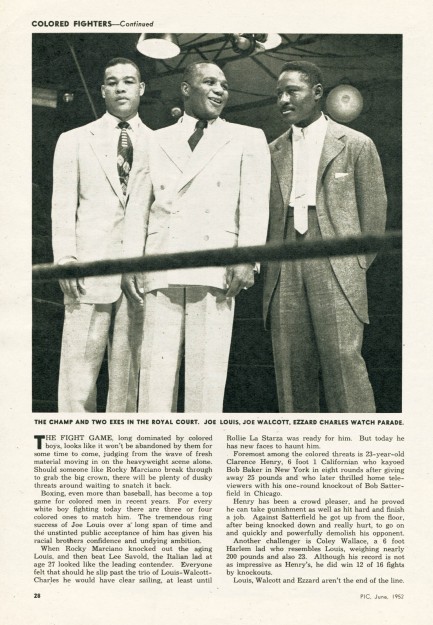
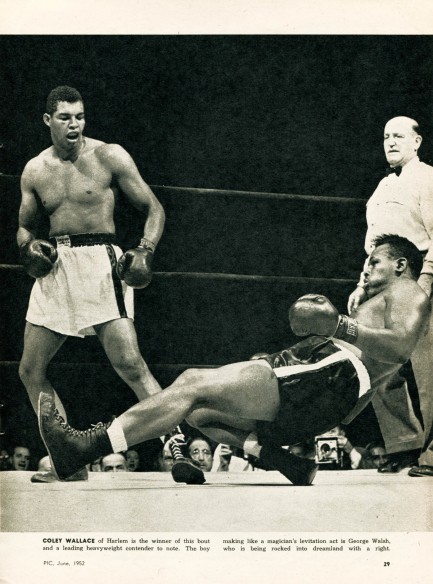
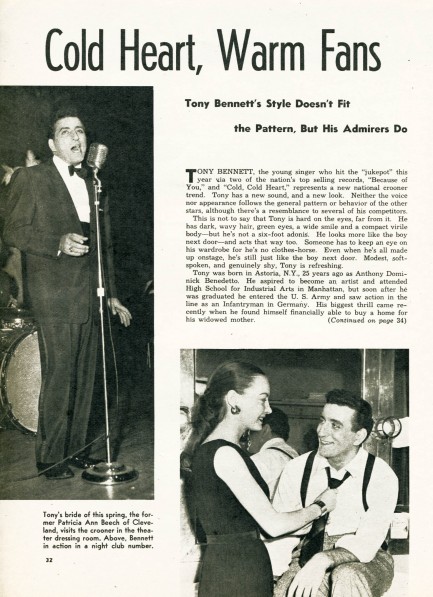
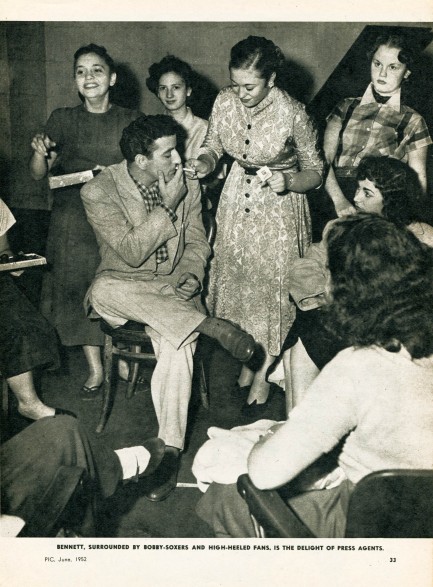
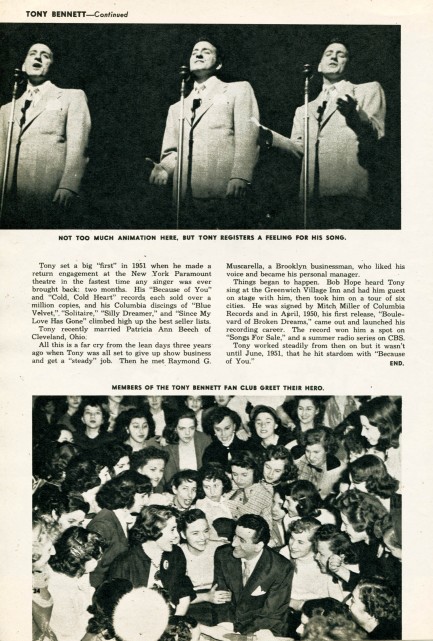
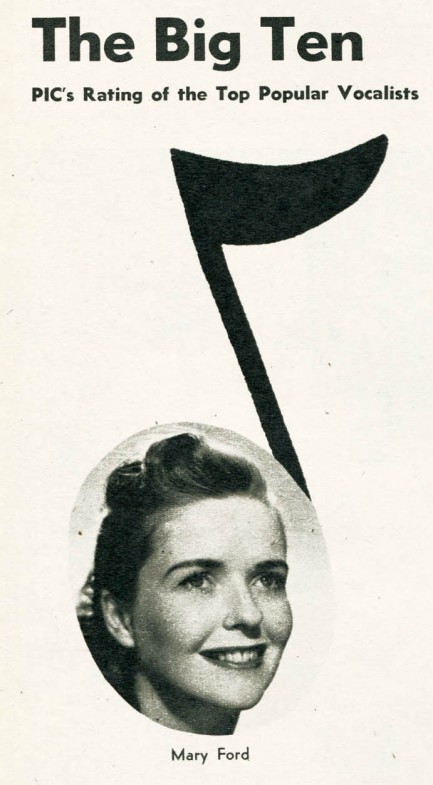
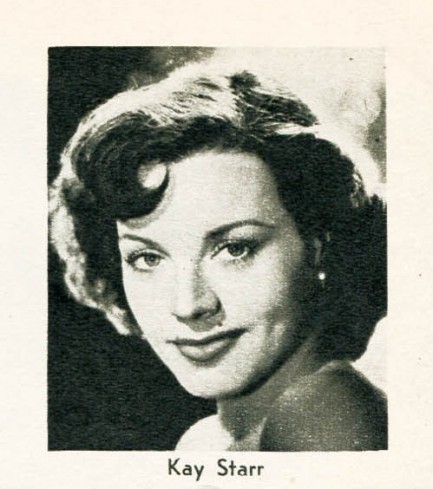
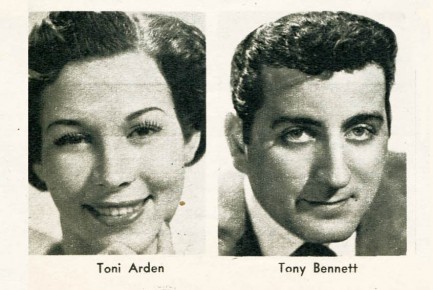
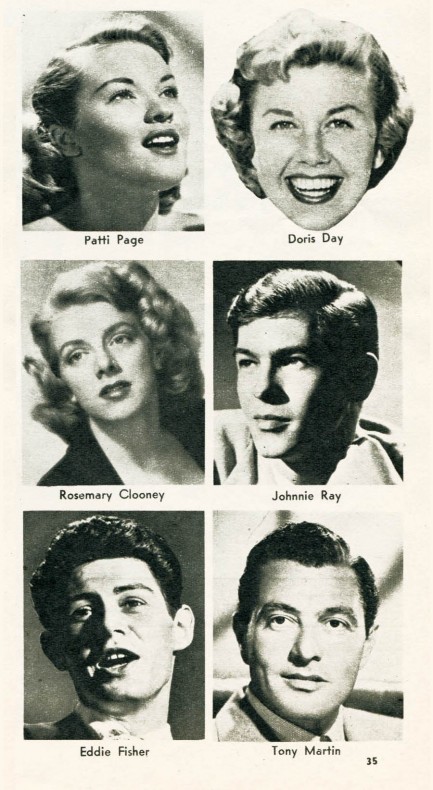
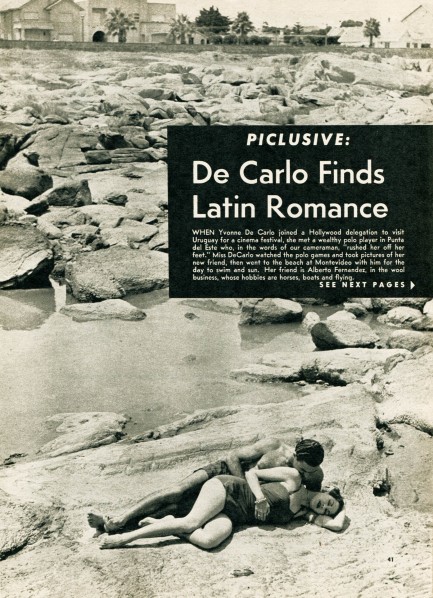
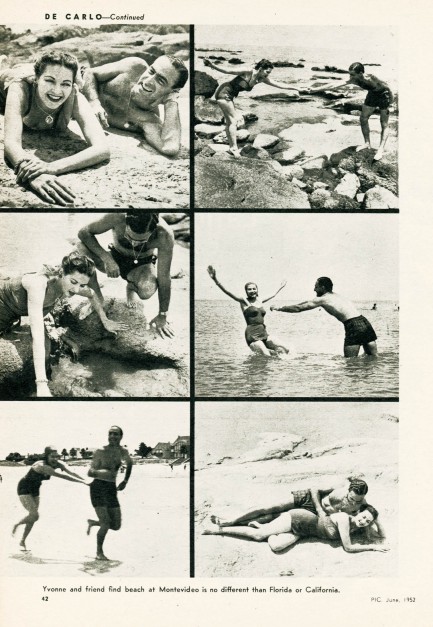
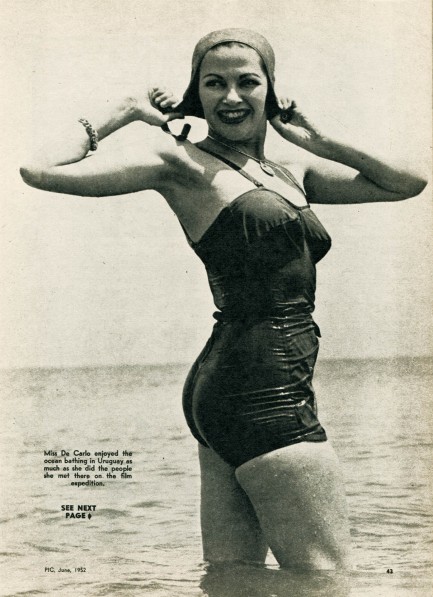
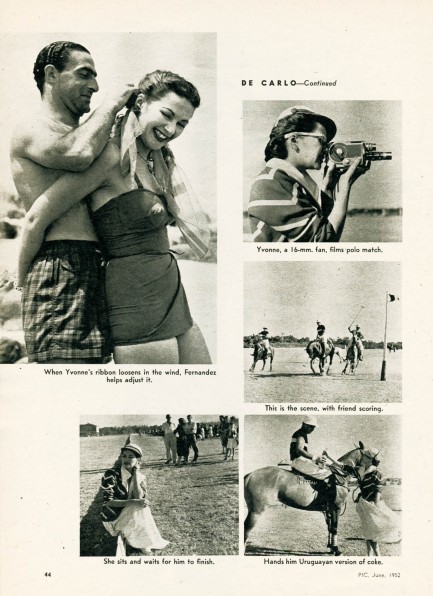
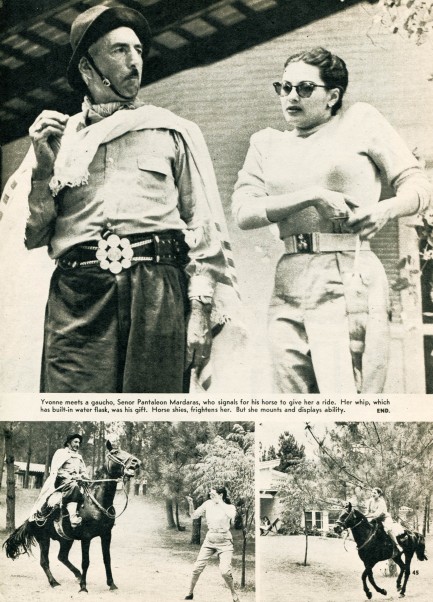
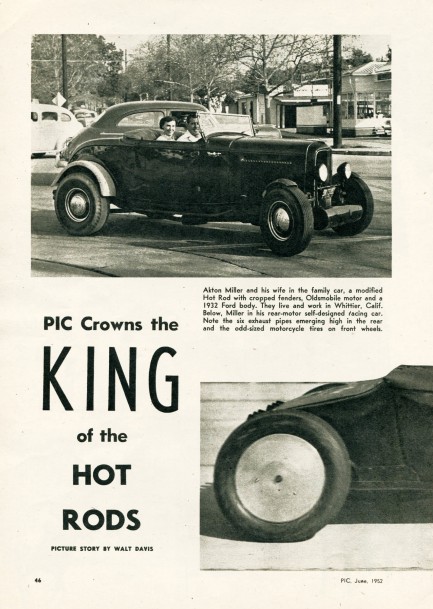
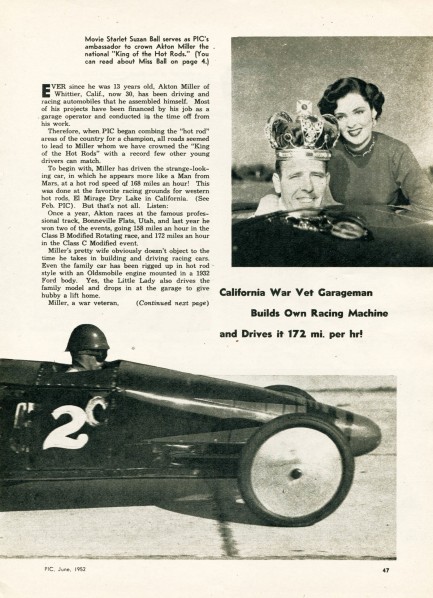
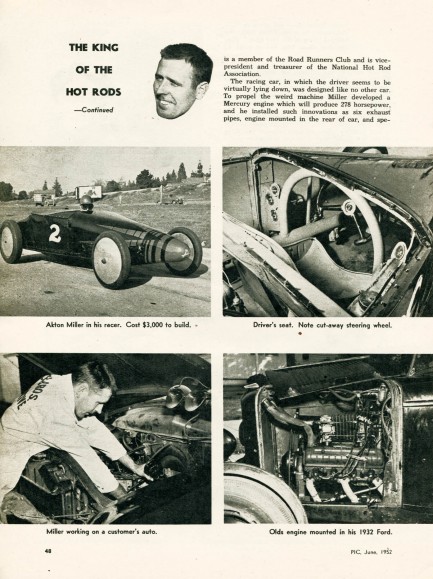
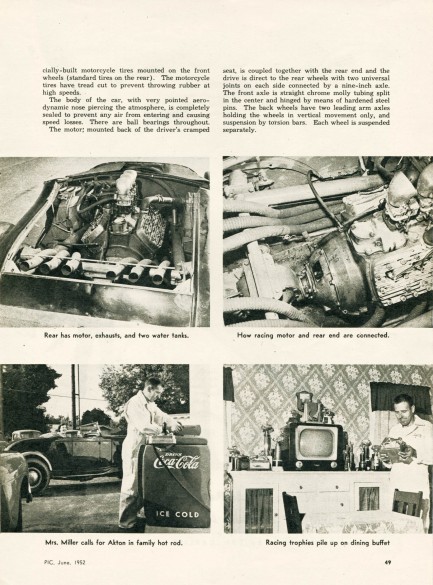
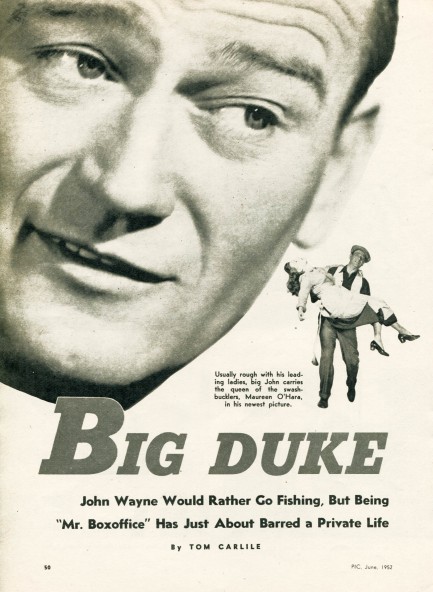
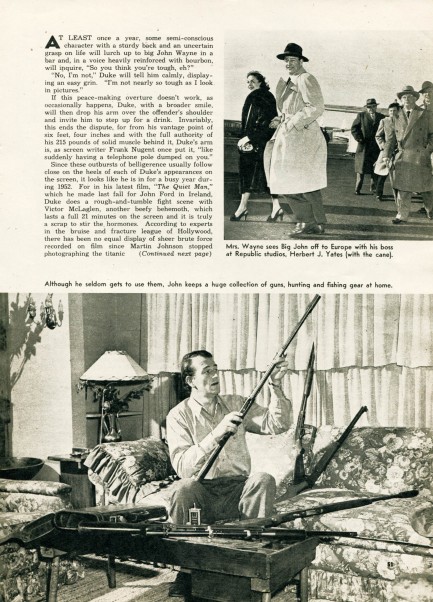
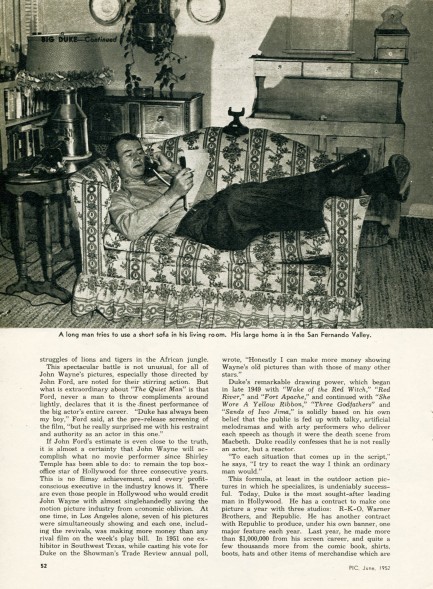
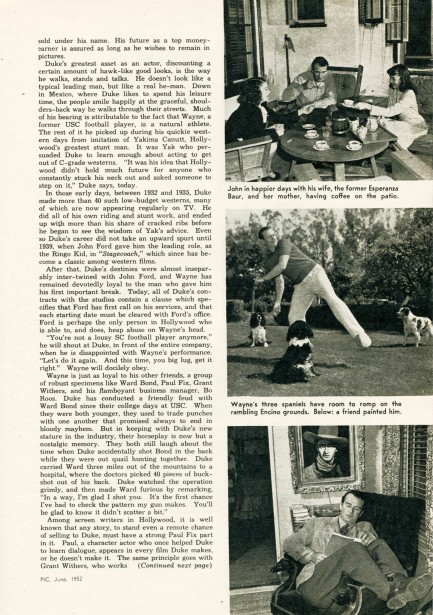
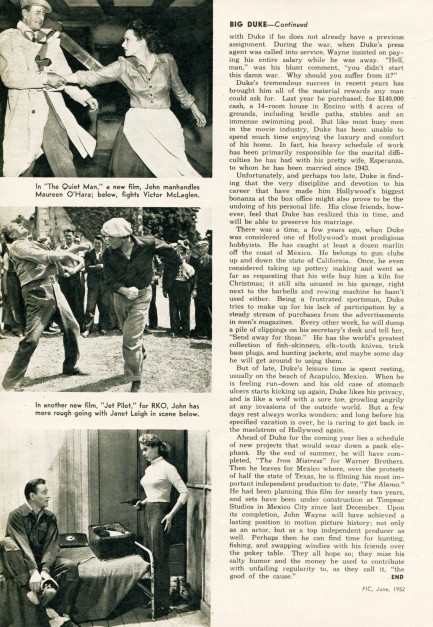
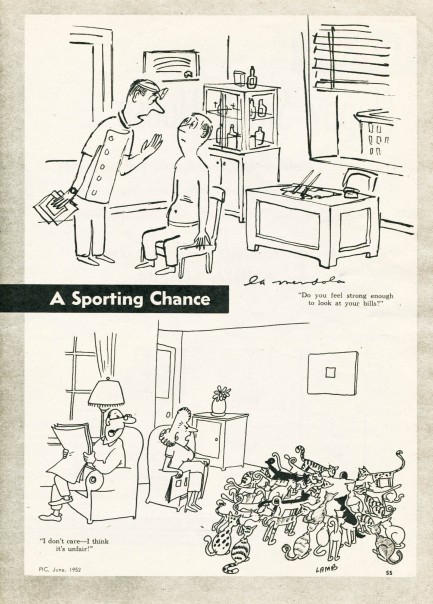
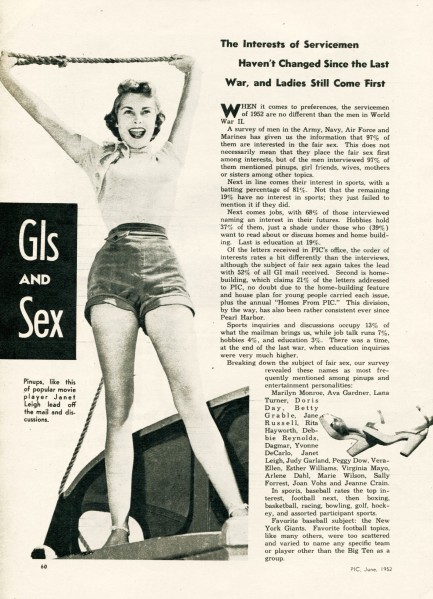
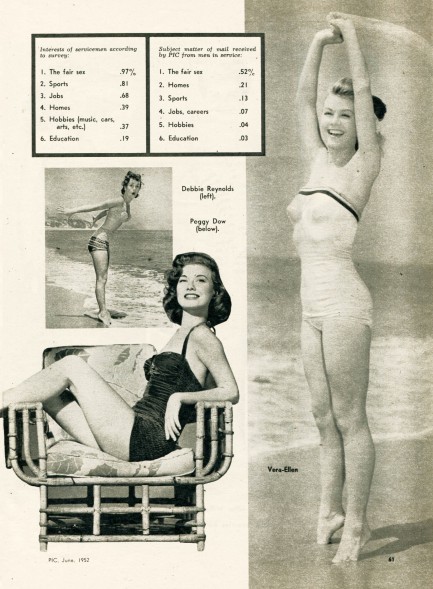
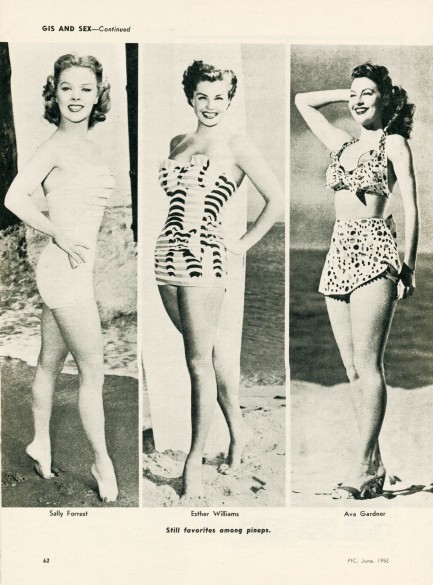
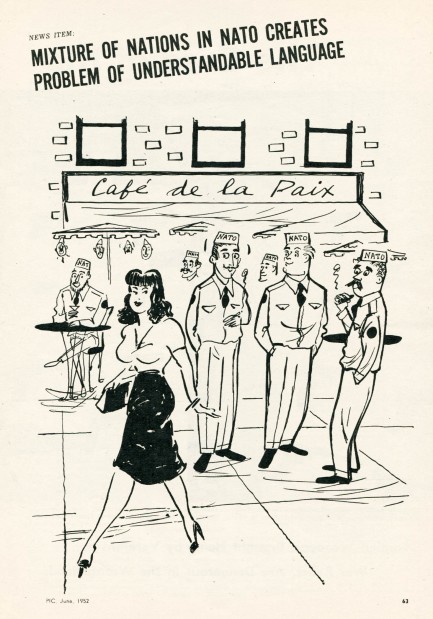
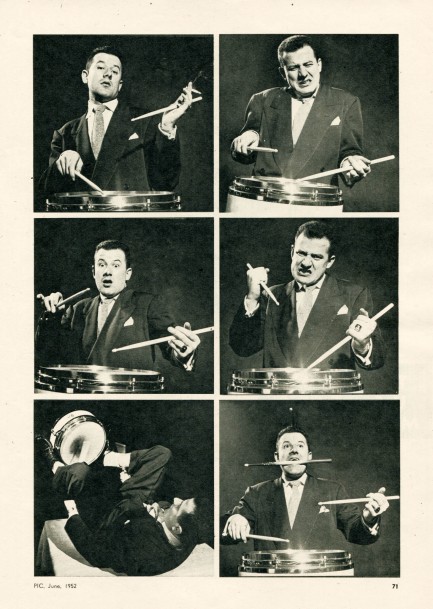
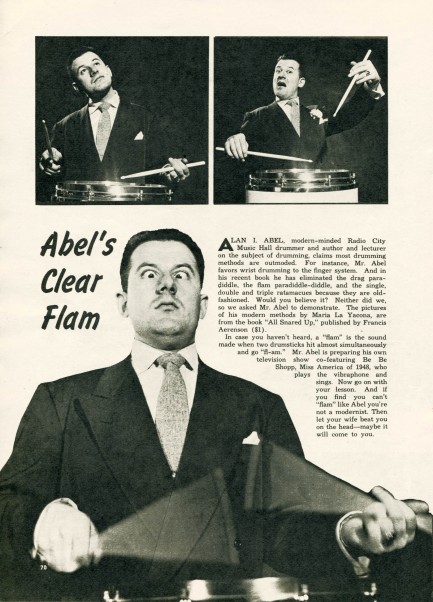
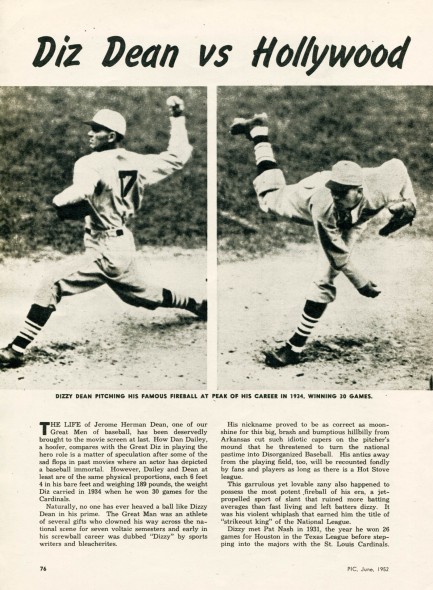
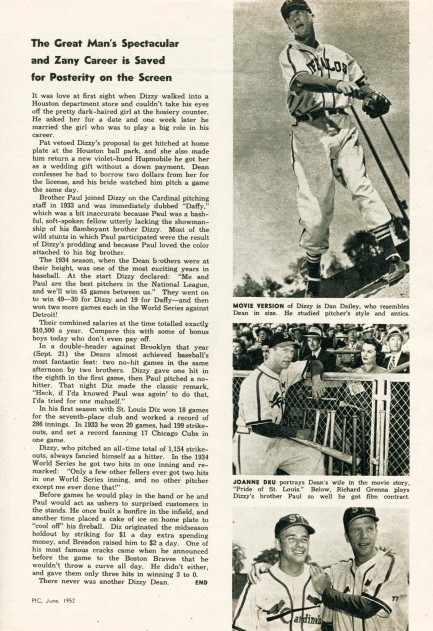
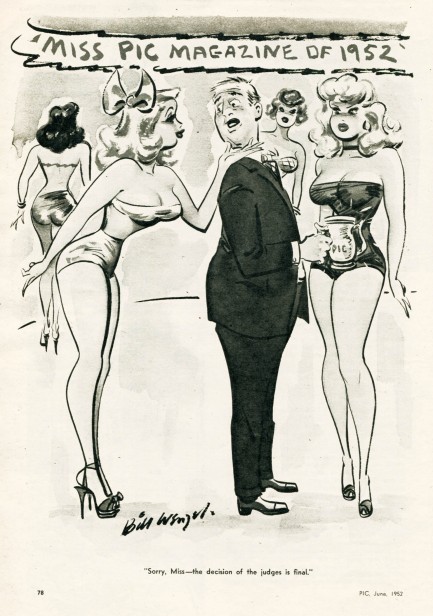
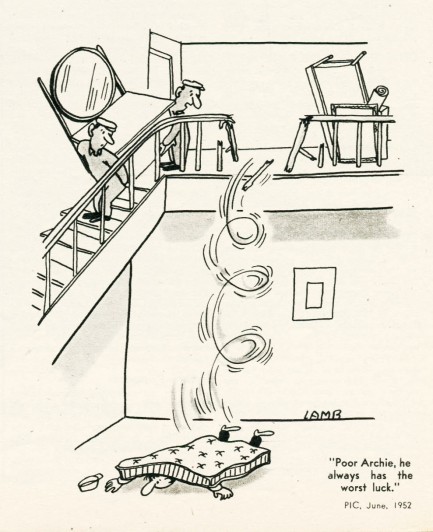
We’ve featured Pic magazine only once before, but not because it was an unimportant publication. Quite the opposite—we’ve seen issues as early as 1936 and as late as 1958, making it both a Depression and World War II survivor, presumably no easy feat and certainly a run indicative of sustained popularity. Early issues seemed focused on sports, but it soon broadened to include celebrities. It was launched by Wagner Publications of New York City, and this issue appeared in June 1952 with a cover featuring actress Suzan Ball placing a crown on the head of Akton Miller, a man Pic had chosen as its Hot Rod King. Inside you get a raft of Hollywood stars, including photos of Yvonne De Carlo in Uruguay, Marilyn Monroe, Janet Leigh, and Joan Vohs, shots of New York Giants manager Leo Durocher and his beautiful actress wife Laraine Day, and some nice boxing pictures. There’s also an interesting feature on the day’s top vocalists (with African-Americans notably excluded), and a profile of crooner Tony Bennett.
It was then that her train to stardom jumped the tracks. She injured her leg performing a dance number in East of Sumatra, and later in the year had a car accident and hurt the leg again. Treatment for those two injuries led to the discovery of a cancerous tumor. Soon afterward she fell and broke the limb, and when doctors decided they couldn’t remove the tumor they instead took the entire the leg. That was in January 1954. Ball soldiered on in her show business career with an artificial leg, starring in Chief Crazy Horse, though she lost fifteen pounds during the production, and later playing nightclub dates and appearing on television shows. In July 1955 she collapsed while rehearsing for the show Climax, whereupon doctors discovered the cancer had metastasized and spread to her lungs. A month later she died at age twenty-one. We have about fifty scans below.



| Intl. Notebook | Feb 22 2012 |


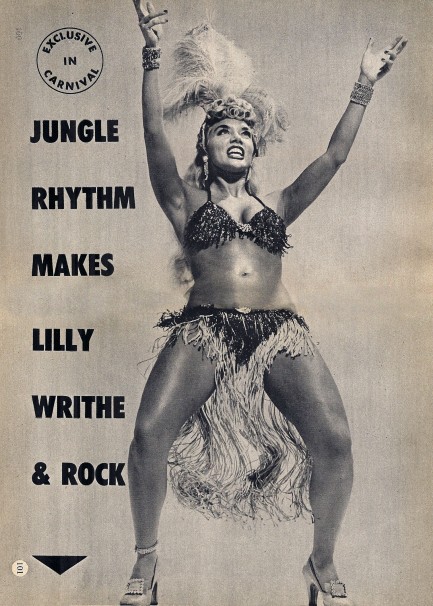
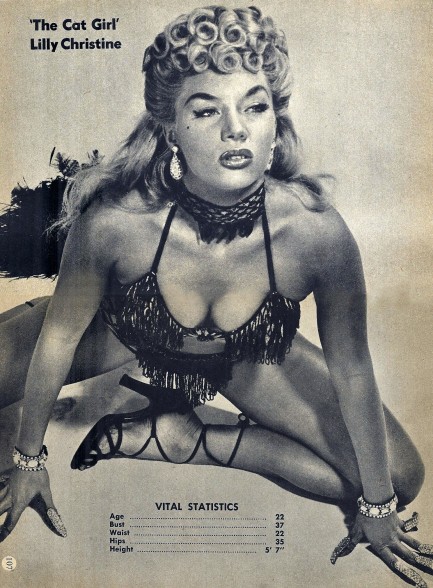
At the end of last month we posted a few images of Bettie Page that hadn’t appeared online before. They came from an issue of Carnival we were too lazy too scan in its entirety at the time. Today we have the rest of that great issue, vol. 1, no. 2, published out of Chicago, U.S.A. by Hillman Periodicals, who were the same people behind the magazine Show. The cover star is burlesque queen Lilly Christine, aka The Cat Girl, and she reappears in all her wild-eyed glory in a photo set we've placed at the very bottom of this post. We’ve seen at least two of those photos before in other magazines, however Carnival claims it was an exclusive set, shot especially for them, and indeed, that could be true, since theirs appeared before the others we saw.
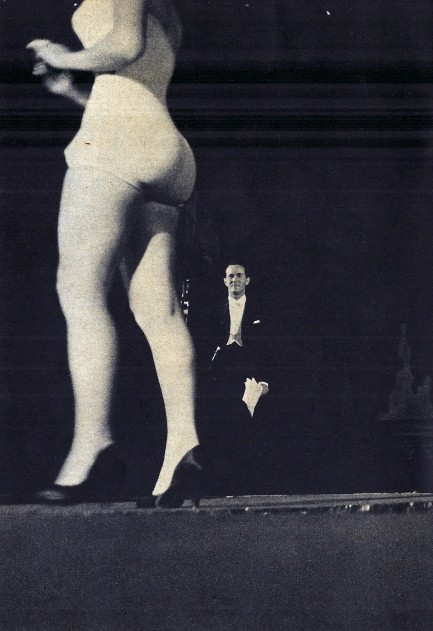
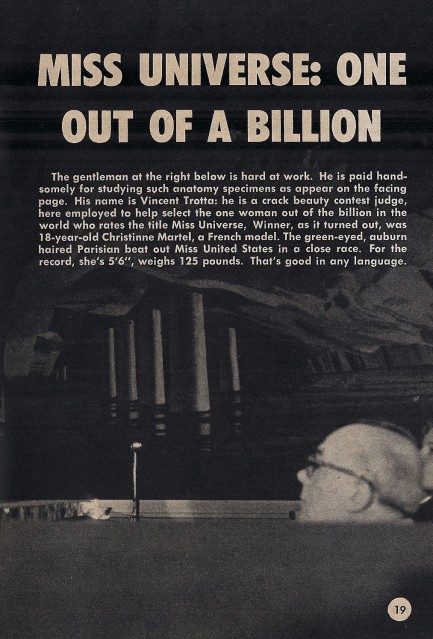
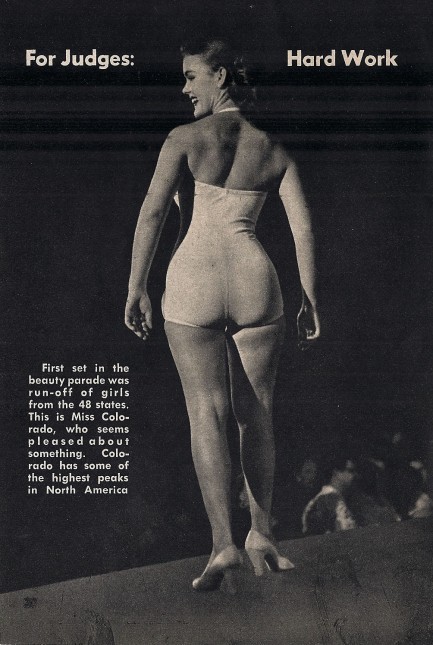
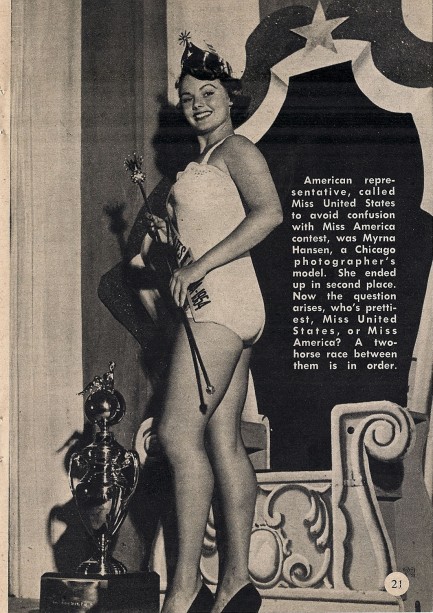
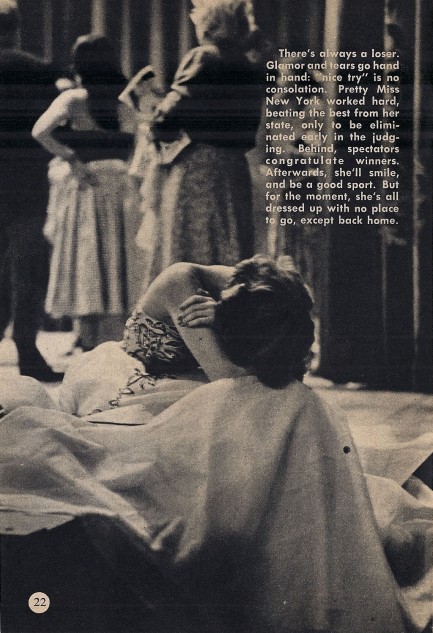
After a peek behind the scenes of the Miss Universe pageant, readers get a profile of Ernest Hemingway’s most recent trip to Spain. Hemingway was visiting the Festival of San Fermin in the Basque Country town of Pamplona in order to see how his favorite sport of bullfighting had fared in the years since he’d last visited. Since the text in these digest-sized magazines scans large enough to be legible, you can read what
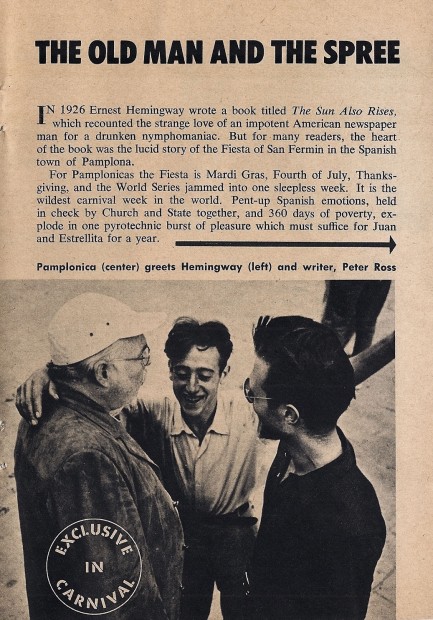

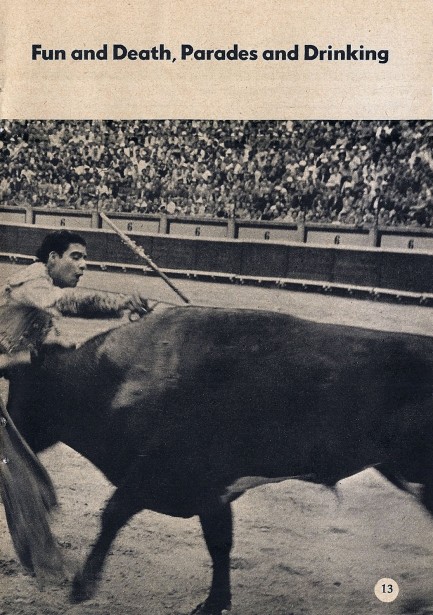
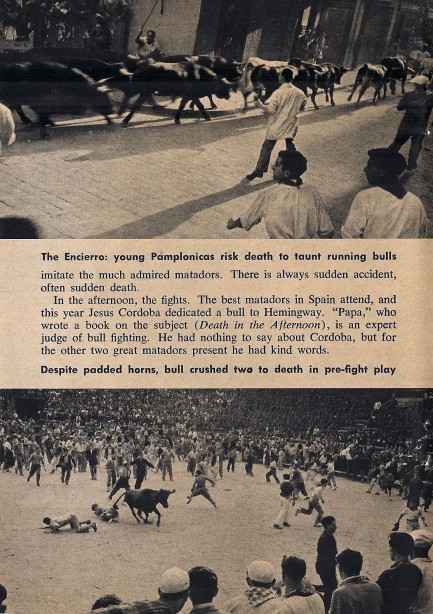
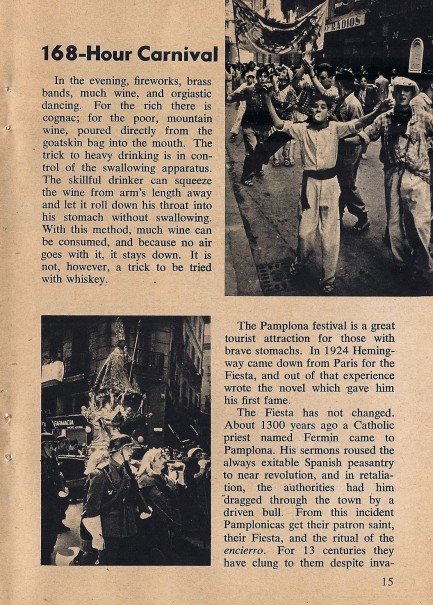
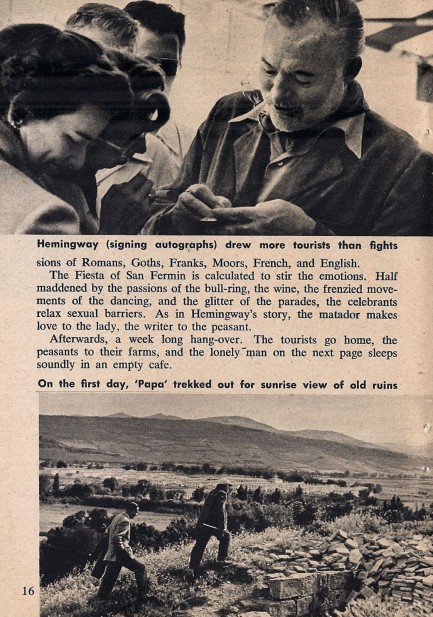
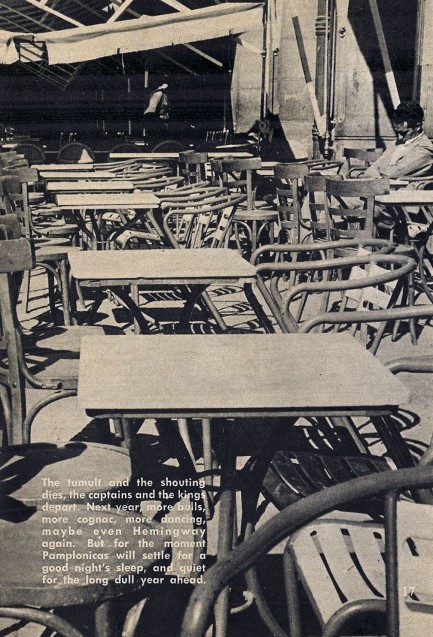 Carnival says about the famed festival yourself. We will note, however, that the writer’s description of Pamplona as dull when San Fermin isn’t happening is wrong. Spain in general, and the Basque Country in particular, are never dull. Trust us—we’ve spent a lot of time there. If you’re interested, you can read our firsthand observations of San Fermin here and here.
Carnival next presents readers with photos of dancer Nejla Ates, whose short set begins just below. We first saw one of these shots in an issue of Uncensored dating from June 1954, but once again Carnival seems to have gotten there first—their photos are from 1953. Ates, who for some reason often appears online unidentified, was Romanian born of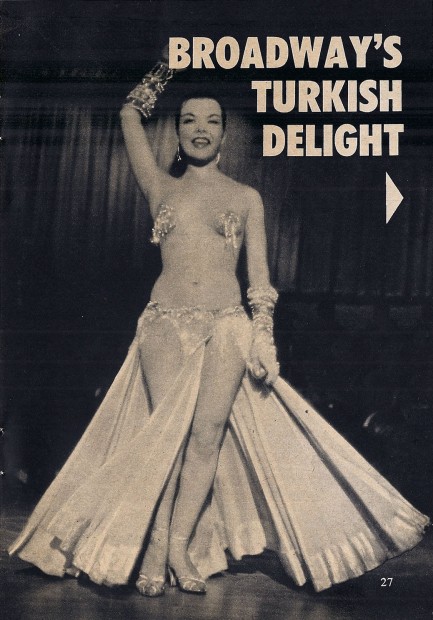
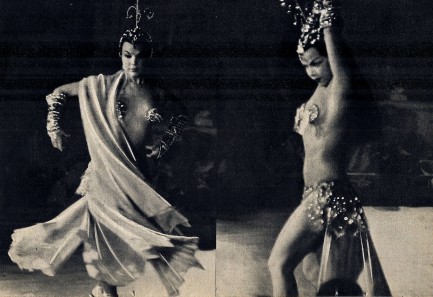
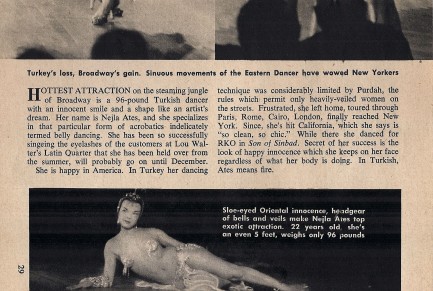 Tatar descent, and danced her way through Cairo, Rome, Paris, and London, before finally gaining international fame in New York City. She appeared in three American films during the 1950s, and was the go-to cover model for Middle-Eastern and bellydancing themed album sleeves, but despite her successes suffered the usual slate of dead end affairs and romantic heartbreaks with such men as, among others, Billy Daniels, George Sanders, and Gary Crosby.
Following Ates is a photo feature on American actress and party girl Barbara Payton, who burned a swath through Hollywood during the 1950s, bedding co-stars, feuding with her studio, and generally raising a ruckus before eventually drifting into prostitution and dying at 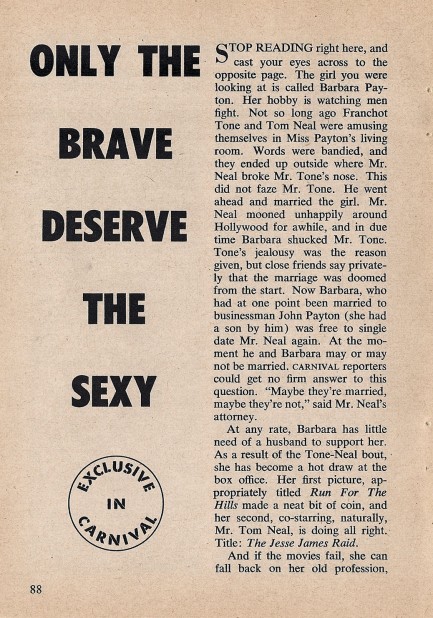
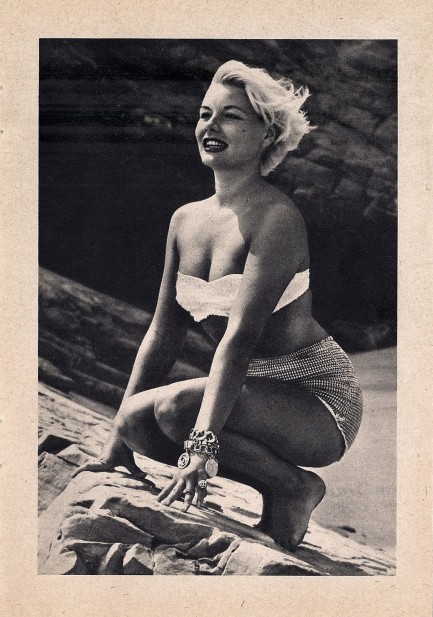
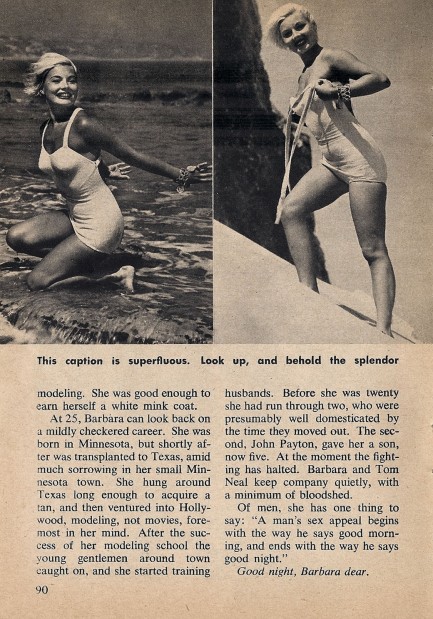
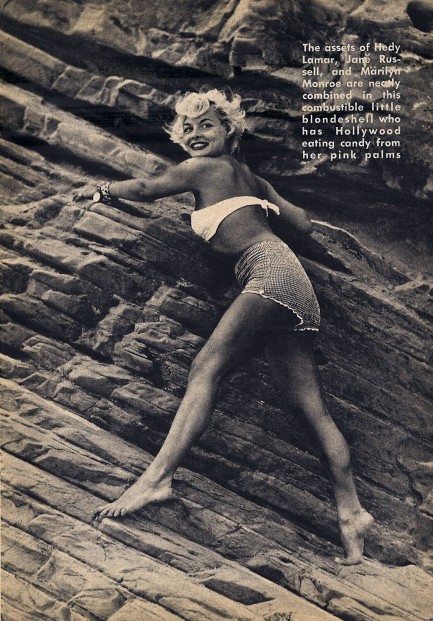 age thirty-nine of heart and liver failure. She’s described here as possessing the “assets of Hedy Lamarr, Jane Russell and Marilyn Monroe” all at once. Not sure about that, but we'll be finding out more about her later, because we will be examining her very pulpish life story in detail.
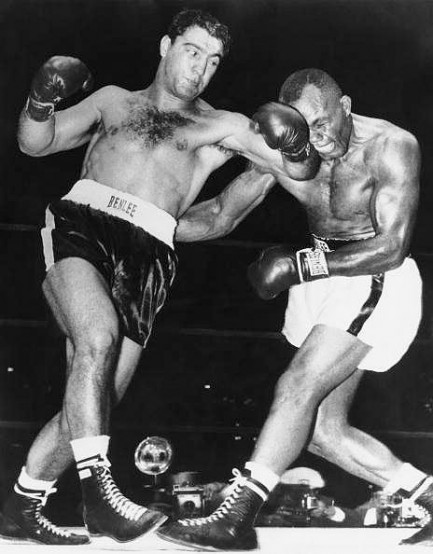
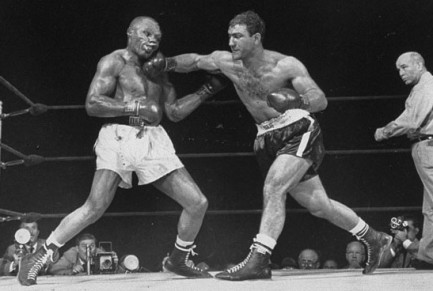
Next you get a great close-up photo of Jersey Joe Walcott having a disagreement with Rocky Marciano’s fist. Does that shot also look familiar? Perhaps because it was the cover of a January 1953 National Police Gazette. We had no idea that the fight was considered controversial at the time. Apparently, many thought Walcott took a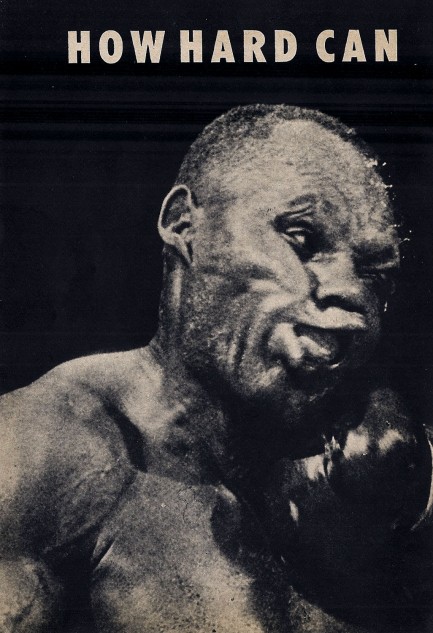
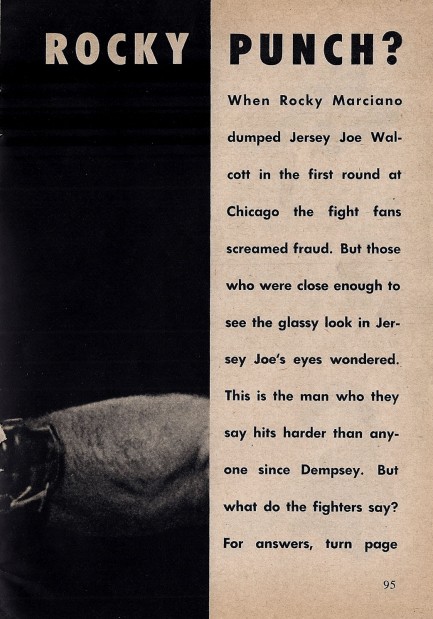 dive. Since this photo is of the actual the shot that sent Walcott to the canvas, we have to respectfully disagree. It’s lights out, and anyone can see that. In any case, you can take a gander at that Gazette cover and learn a bit about Marciano and Walcott here.
A few more treats: panel 24, just below, contains a hot shot of Marilyn Monroe at a charity baseball game; panel 26 features actress Sheree North, who doesn’t look very impressive, which means you should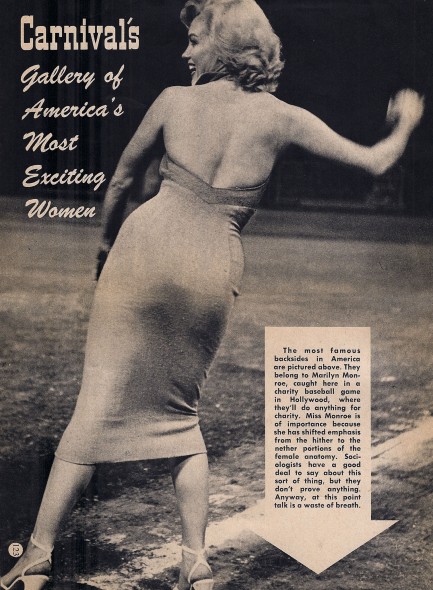
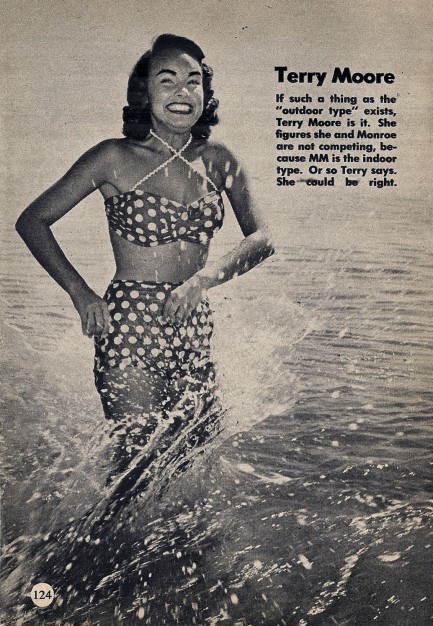
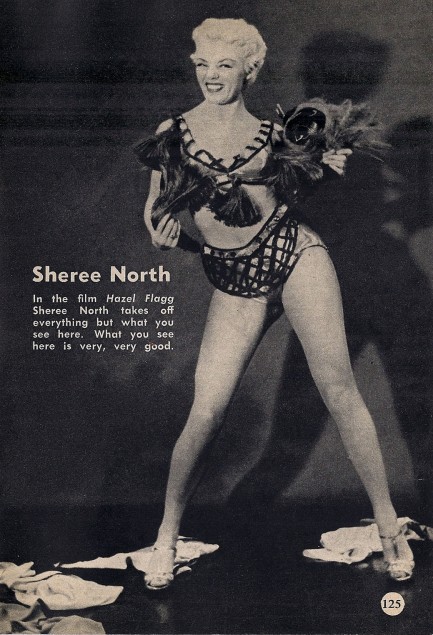
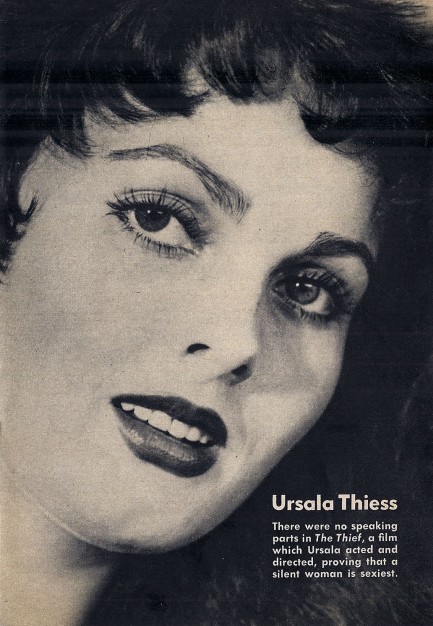
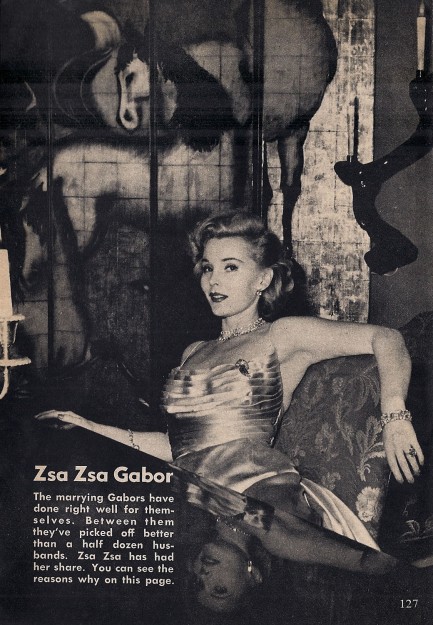
 click over to our lovely femme fatale post on her here and get a sense of what a knockout she really was; and lastly, in panel 28, above, you get a killer shot of Zsa Zsa Gabor, who, believe it or not, was already nearly forty at the time and had been married three times on the way to her final tally of nine.
Looking at all these pages and visiting the accompanying links, you perhaps get a sense of how the mid-century tabloid industry was fueled by handout photos, with all the publications using the same shots but concocting editorial angles to create the illusion that the images were exclusive. But in Carnival’s case, it does seem to have published many of these images first. It billed itself as “a magazine of excitement”, and we have to agree. It’s also a magazine that, because of its tightly bound construction, we had to destroy in order to scan. But even though this particular issue of Carnival is now only loose leaves scattered across the room, there are other issues out there, and we’ll have some of them later, hopefully.
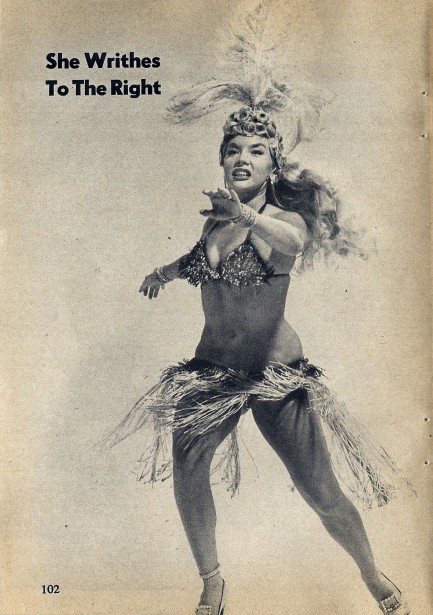
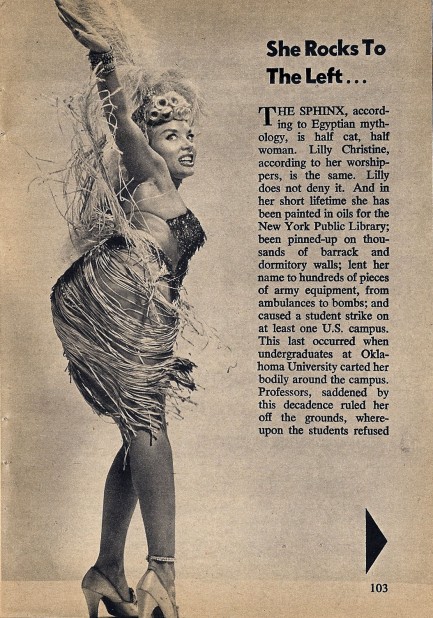
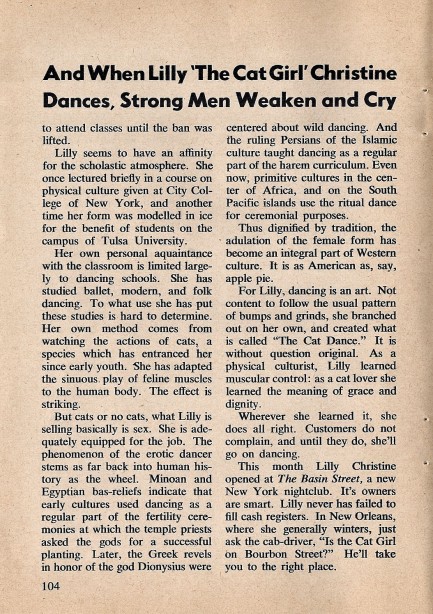
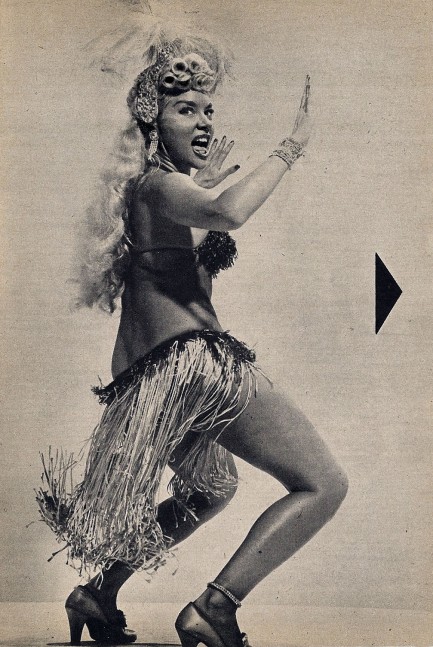

| Vintage Pulp | Jun 23 2011 |

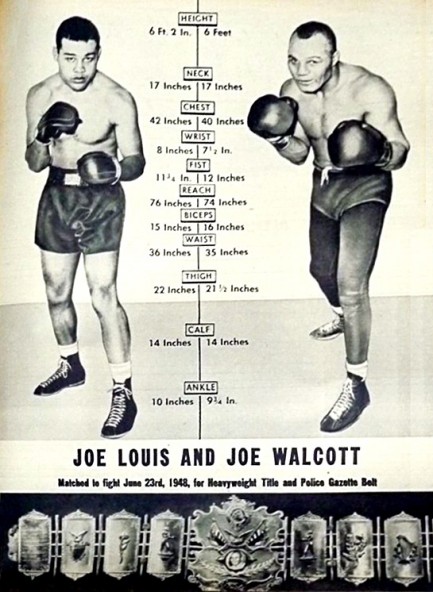
This poster from an issue of The National Police Gazette tells the tale of the tape between the immortal Joe Louis and Jersey Joe Walcott. This would be Louis and Walcott’s second bout, Louis having won a controversial decision the previous year. Walcott at thirty-four was the oldest man to ever fight for the heavyweight title, and he was smaller and less powerful than Louis, though he was a very crafty fighter. He lasted ten tough rounds, but Louis finally floored him for the count in the eleventh. That was today, 1948.

| Sportswire | Jan 3 2011 |

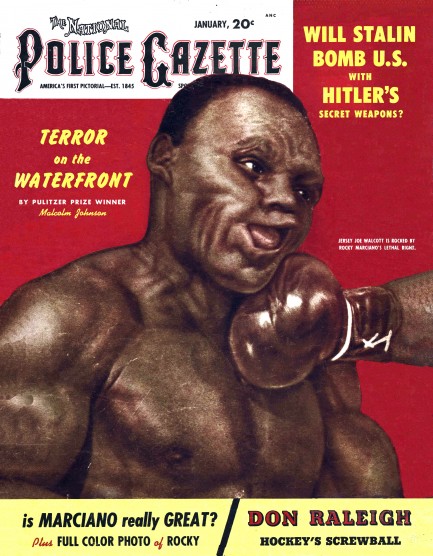
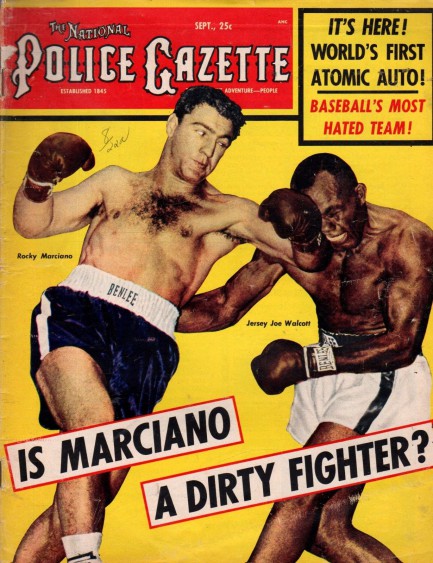
The National Police Gazette devoted more space to boxing than most magazines of its time, and Gazette editors especially loved using boxing photo-illustrations on their covers. The above, from January 1953, is yet another example—albeit an unusual one. You may think that this is actually just a bad painting, but no—it’s a colorized and retouched version of a famous photograph of heavyweight champion Jersey Joe Walcott losing to younger, hungrier Rocky Marciano. It happened September 23, 1952 in Philadelphia, and Walcott—having scored a knockdown in the first round—was ahead on points in round 13 when he walked into Marciano’s right hook. Walcott was a guy who had fought hard all his life. He was the son of Haitian immigrants and had gone to work in a soup factory when he was only thirteen. He had won a lot of bouts, but had lost 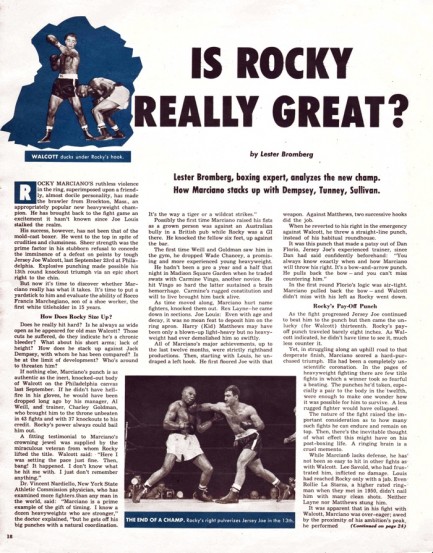
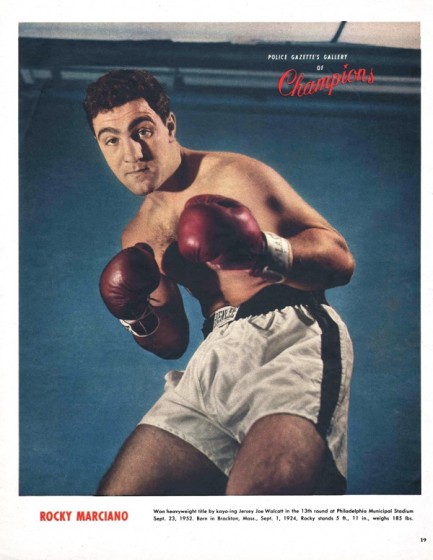 quite a few as well. He was also the oldest heavyweight champion ever at age thirty-seven. But even with all his experience, guile and drive, he had no chance of surviving the destructive power of a full-force Marciano right. Walcott hit the canvas, and the fight—as well as the best part of his career—was over.
But Jersey Joe Walcott didn’t just fade away—that would have been completely out of character. He had friends in Hollywood and three years later appeared on the silver screen with Humphrey Bogart in The Harder They Fall. He followed that up in 1962 when he acted in the television series Cain’s Hundred. He also became a boxing referee, and was in the ring when Muhammad Ali beat Sonny Liston for the heavyweight title in 1965. Walcott was heavily criticized for his officiating during that fight, which meant the end of his career as a ref. But he proved that some men are impossible to keep down when he became sheriff of Camden County,
New Jersey, and later head of the New Jersey State Athletic Commission, a position he held until the age of 70. In 1994 Jersey Joe Walcott died at age 80. He had been neither the greatest nor the least of boxing champions, but he had certainly been one of the most persistent.