She had nothing left to hang onto. 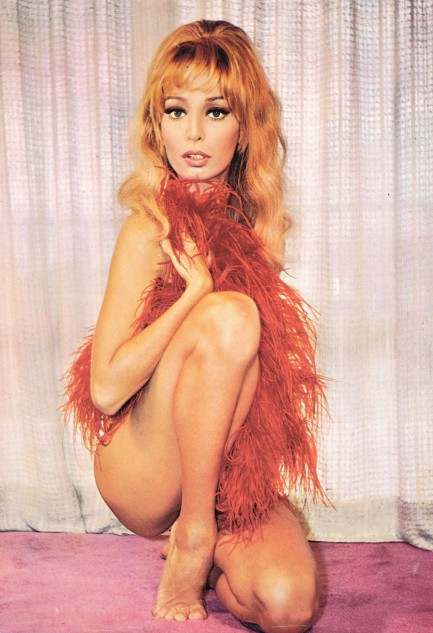
Arabella Árbenz, née Arabella Árbenz Vilanova, was born and raised in our former (and still beloved) home Guatemala, moved to Canada for college, and became a fashion model in France. She also tried acting and had one credited role, playing the lead in the 1965 drama Un alma pura, which was made in Mexico. We've seen it, and she's decent in it, enough so that we suspect she'd have had a future on the screen. But nothing having to do with Guatemala is ever simple, therefore Arabella's life had many twists and turns. She was the daughter of Jacobo Árbenz, who was elected president of Guatemala in 1951, but was overthrown in a CIA sponsored coup lobbied for by the United Fruit Company. Under the collaborationist dictator Jorge Ubico Castañeda, United Fruit had been given 99-year leases on millions of acres of land amounting to 42% of the country's total area, and was exempted from taxes. Arabella didn't weather her family's subsequent exile well, and after problems in romance and with drugs, in 1965 shot herself dead in front of her paramour, Mexican bullfighter Jaime Bravo Arciga, in Colombia, at age twenty-five.
 She's trouble right from square one. 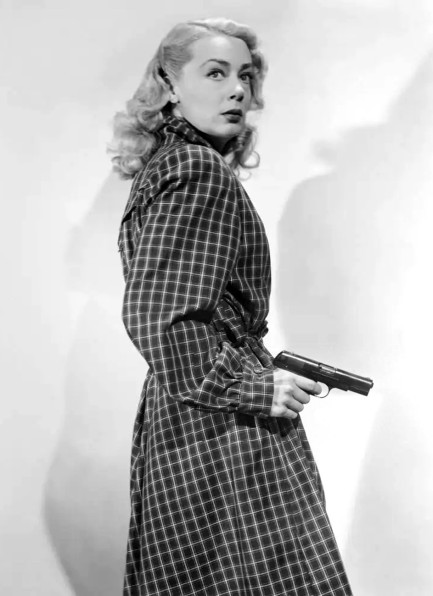
Above is a nice photo of Canadian actress June Havoc made for her 1947 drama Intrigue. We were intrigued by her name, an obvious pseudonym, but it turns out it wasn't far off from her real name—Hovick. She was born Ellen Evangeline Hovick. In our opinion there's a missed opportunity there. Her stage name should have been Helen Havoc. Or even Hellen Havoc. You can see a couple more shots of her here and here. And while you're doing that we'll be playing Scrabble. Don't know why, but we're suddenly in the mood for a game or two. Update: We received an e-mail from Herman, who helps us with celebrity and model identifications: "Please tell me you know that June Havoc is Gypsy Rose Lee's sister. You've posted information about her without mentioning so, and it made me wonder." Wonder no longer. We had no idea. Or if we did, we forgot. We also forgot to get back to Gypsy's second crime novel, something we said more than a year ago we'd do. So your message has killed two birds with one stone. Thanks, as always.
 Fillette gets overheated and the final result isn't pretty. 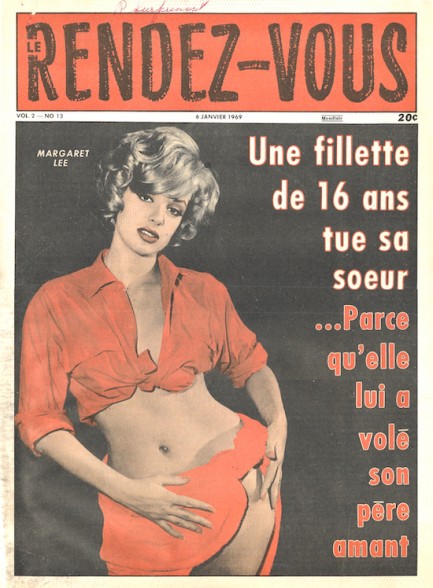
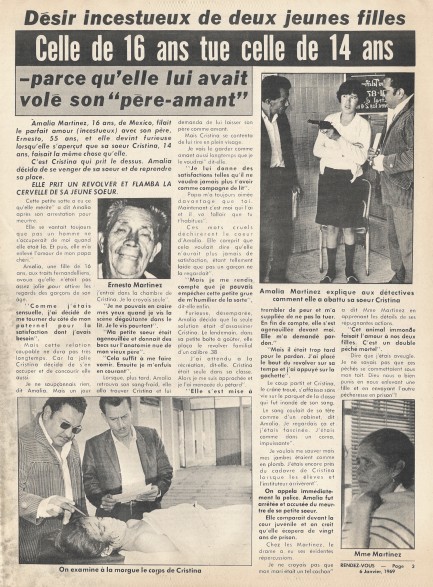
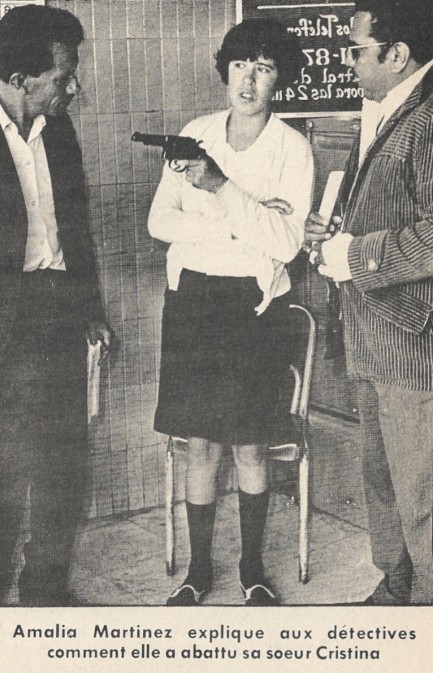
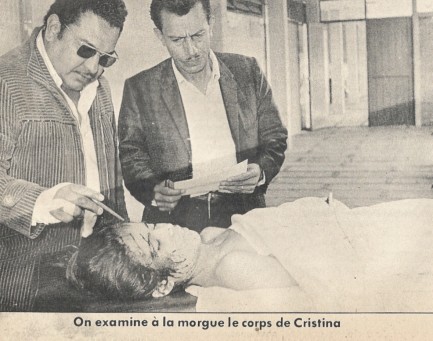
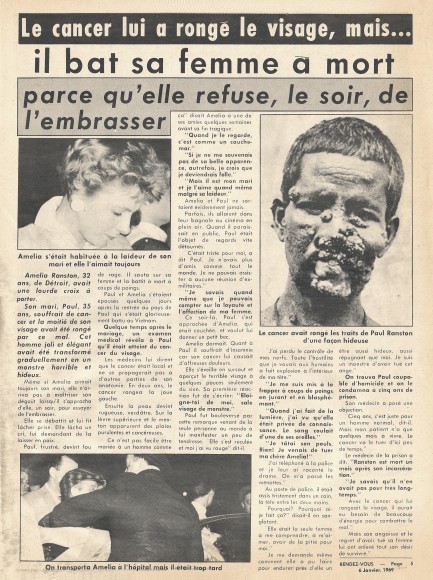
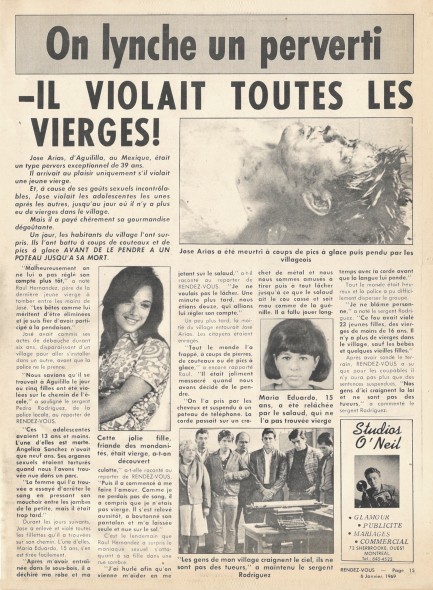
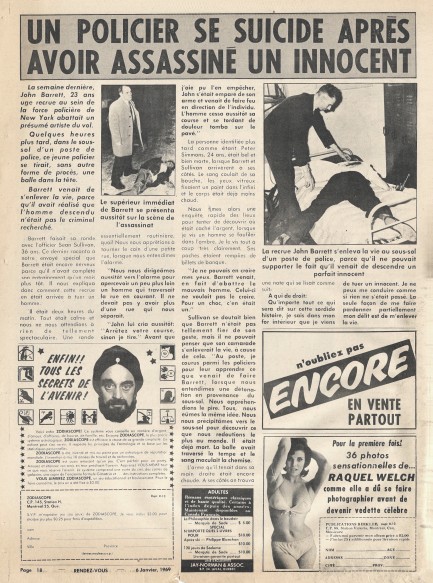
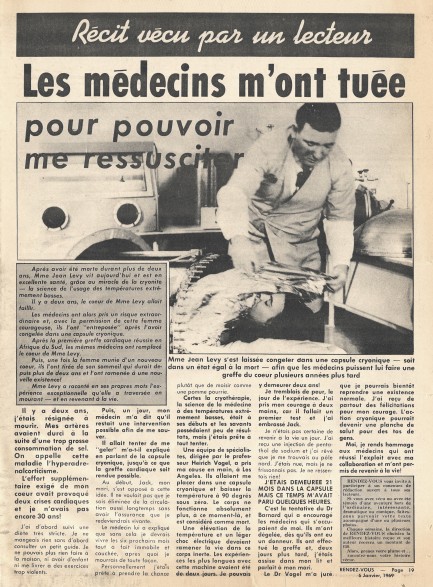
Montreal based Le Rendez-Vous is one of the more interesting mid-century tabloids. It faithfully catalogued celebrity, crime, and nature's misfortunes and atrocities—the classic tabloid formula—but did so with an extra layer of brutality that's amazingly raw for a Canadian publication. Was it that way because Canada was such a safe country and its readers liked to walk on the dark side? We think that could be a factor, though it's true to an extent for all tabloids that their readers seek exotic thrills. But as if to prove our point about Le Rendez-Vous, the crime stories in this issue from today in 1969 all come from outside countries: Mexico, South Africa, and the good ole USA. Canada seemingly wasn't a good source of chaos and killing. The editors first pump up the sex factor with British actress Margaret Lee on the cover, then, to the right, you see a stack of text about a “fillette de 16 ans.” No, it's not about a dry-aged steak. It says: 16-year-old girl kills her sister... Because she stole her lover father. Lover father? That sounds ominous. And indeed, turns out a Mexico City girl named Amalia Martinez, her sister Cristina, and father Ernesto, were in an incestuous love triangle. Amalia solved this family beef by shooting her sister in the head. “That little silly girl,” she said after being arrested, “got what she deserved.” Clearly she still hadn't quite worked through her anger. Probably she always had to share everything with her sister, and usually got the short end of the stick. It's quite a story from Le Rendez-Vous—100% prime tabloid journalism.
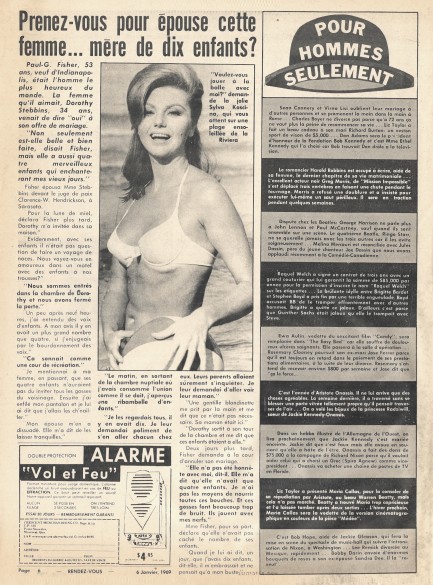
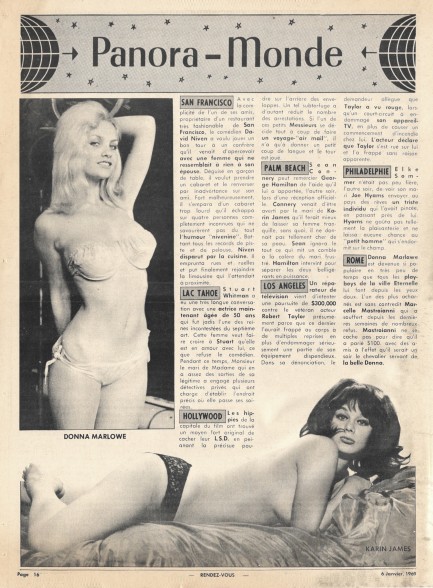
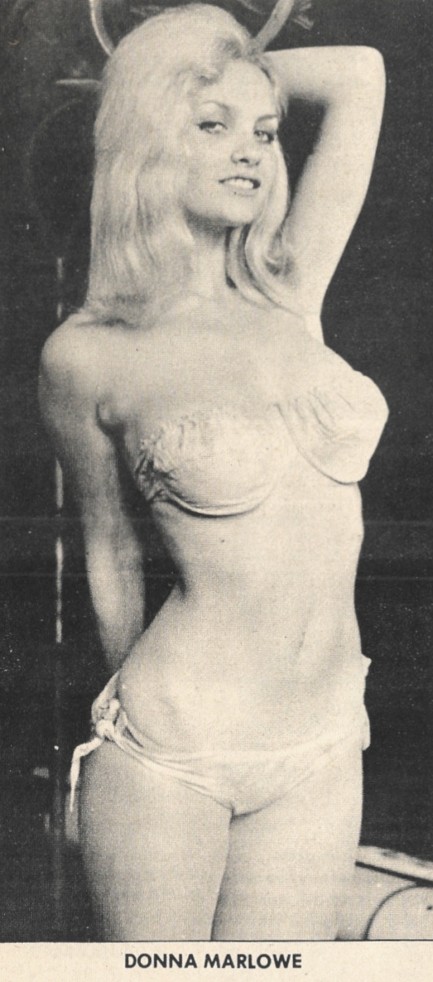
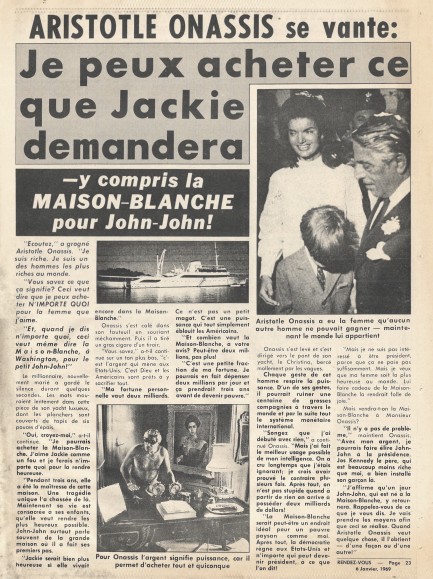
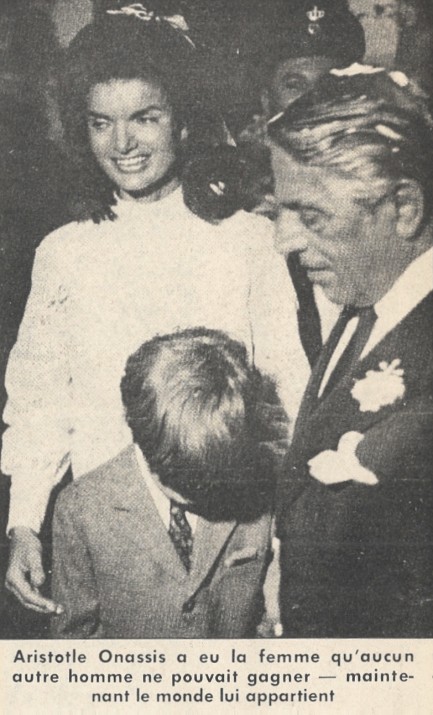
Elsewhere in the issue readers get a feature on circus performers, including a photo of a contortionist that brings to mind the time we saw a woman in Marrakech crawl through a tennis racket (we were searching for a cursed monkey's paw, but seeing that feat was a worthy consolation prize). Also inside is Croatian actress Sylva Koscina on the Côte d'Azur, Italian actress Antonella Dogan in the centerfold, ex-first lady Jaqueline Onassis in Greece, and our old friend, model and actress Donna Marlowe, in a bikini. We have plenty of scans of those items and more below, two other issues of Le Rendez-Vous here and here, and more from this publication to come.
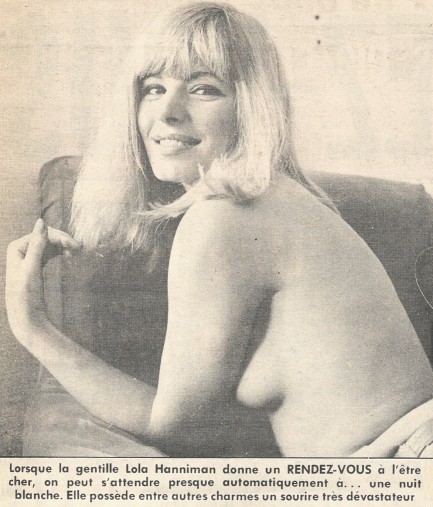       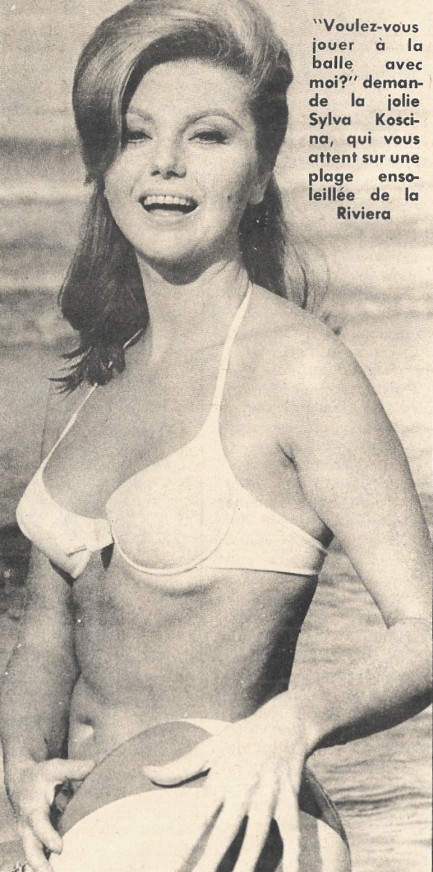 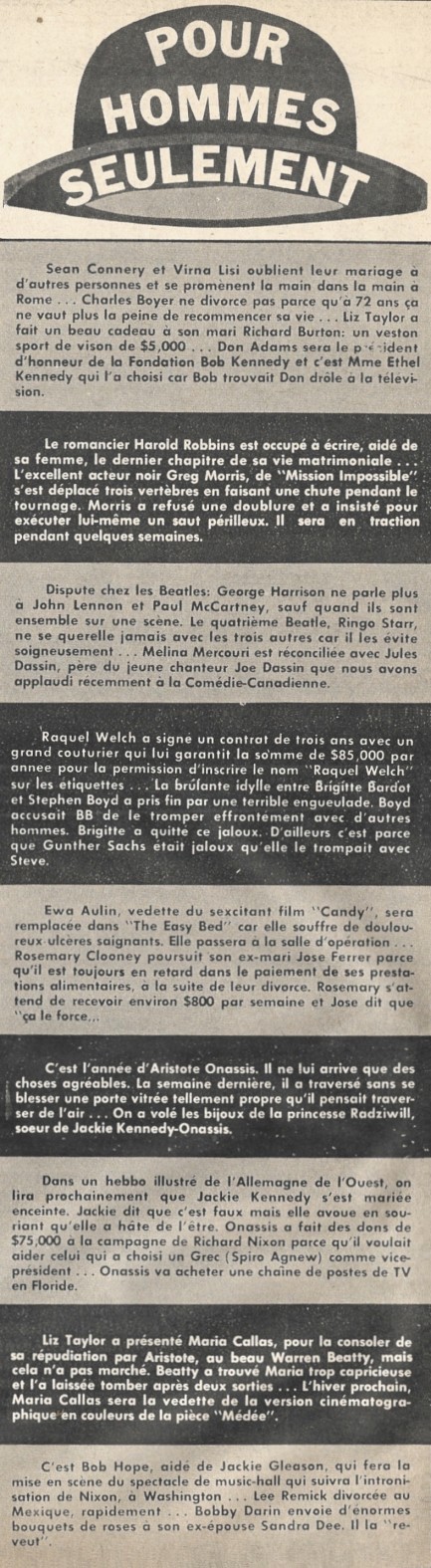 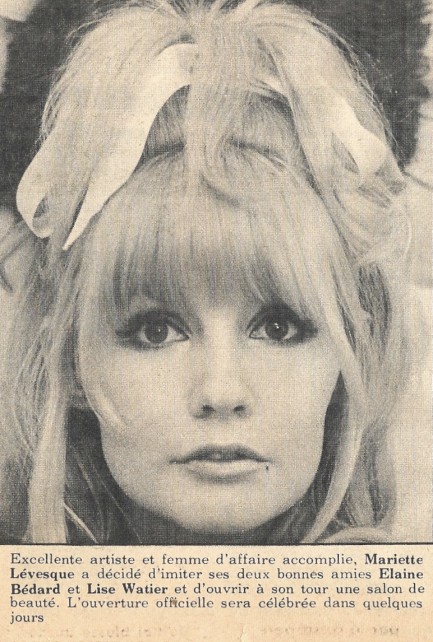 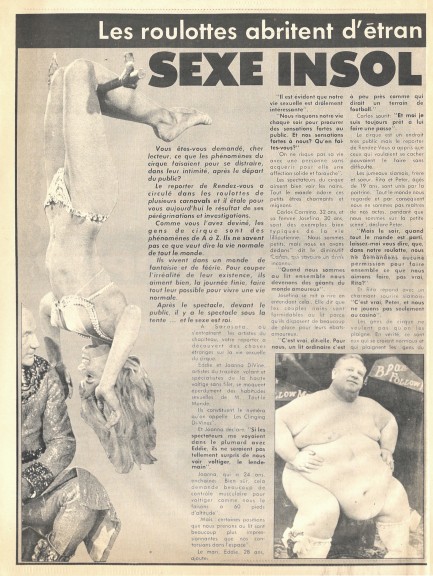 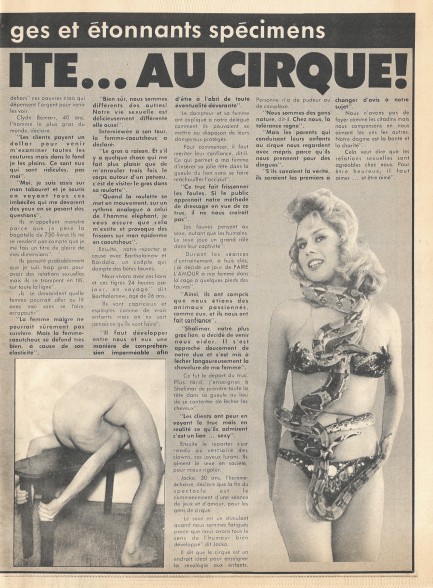 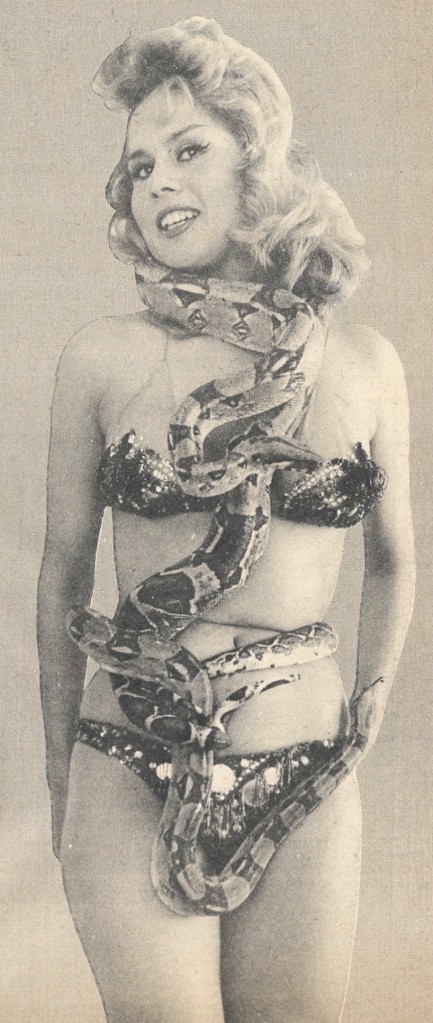 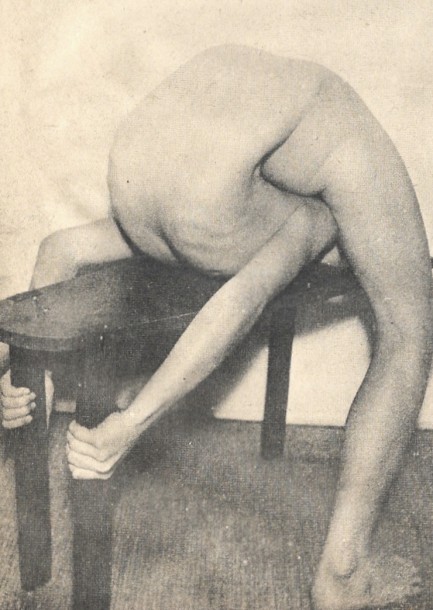 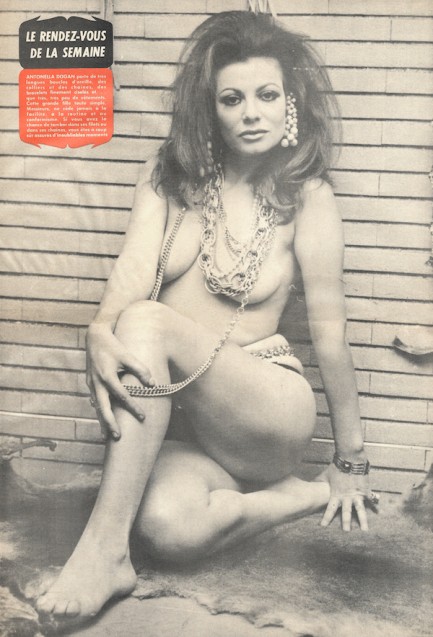          
 Ciné-Revue was the go-to publication for movie stars seeking exposure. 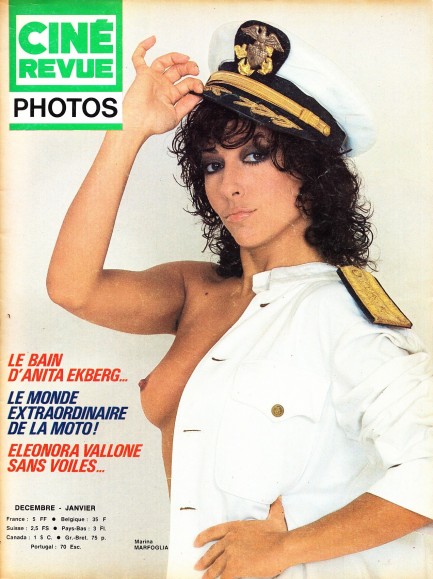
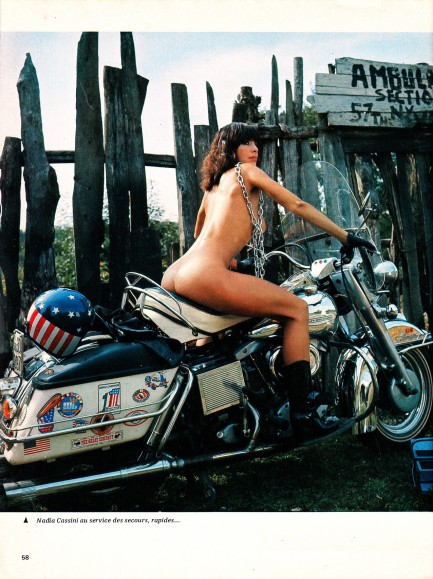
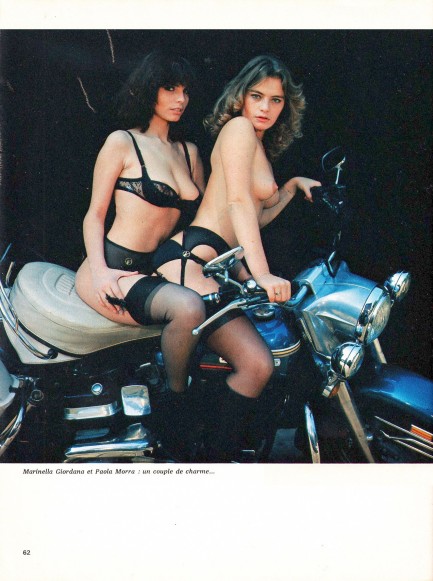
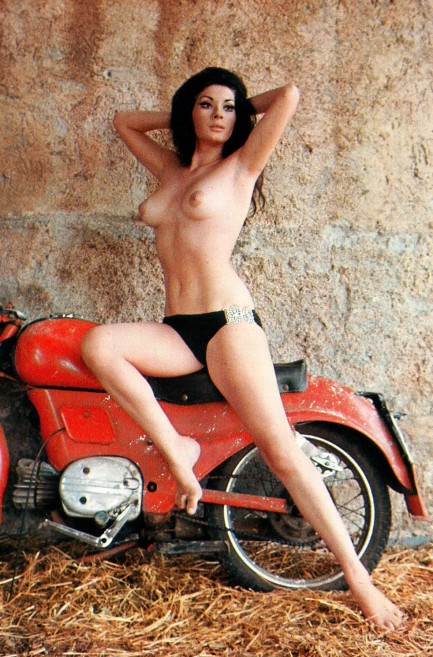
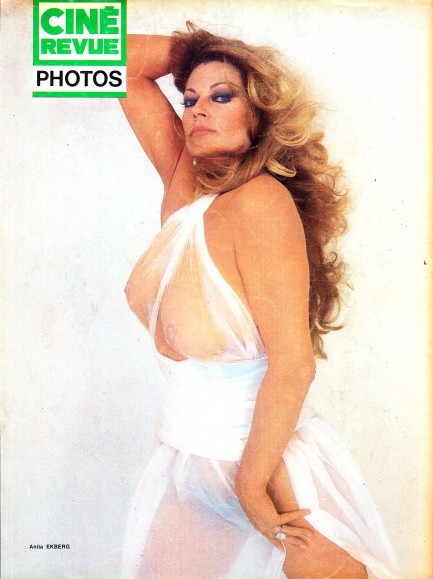
Here's your official Christmas gift, a prime example of that mid-century phenomenon we discuss often, the intersection of mainstream and adult cinema during the sixties and seventies. Ciné-Revue, which was published in Belgium and distributed there and in France, Switzerland, Canada, Portugal, Britain, and the Basque region of Spain, was at the vanguard of that idea. It highlighted both popular stars and their adult counterparts, blurring the line between the two. It wasn't hard to do. Famous performers often acted in sexually oriented films, and Ciné-Revue was a platform that helped cinematic explorations of sexual ideas be taken seriously.
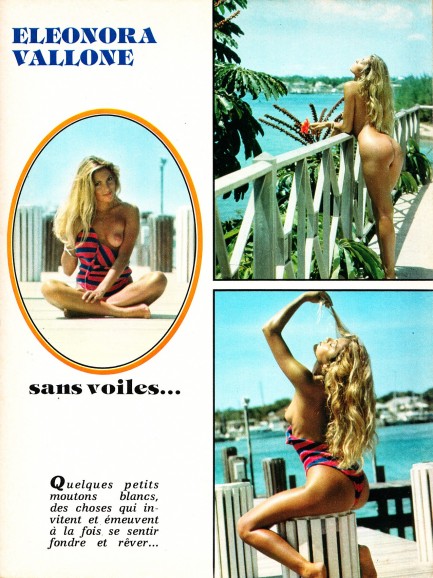
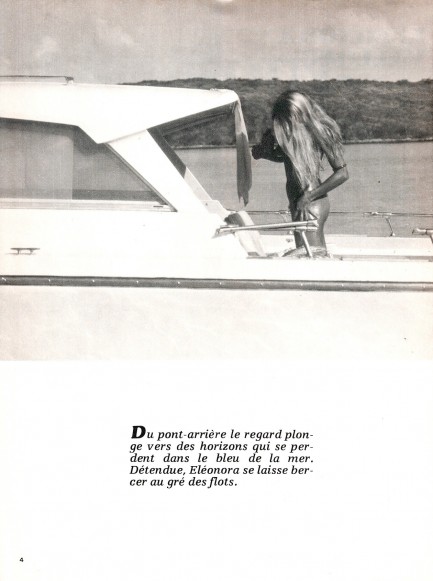
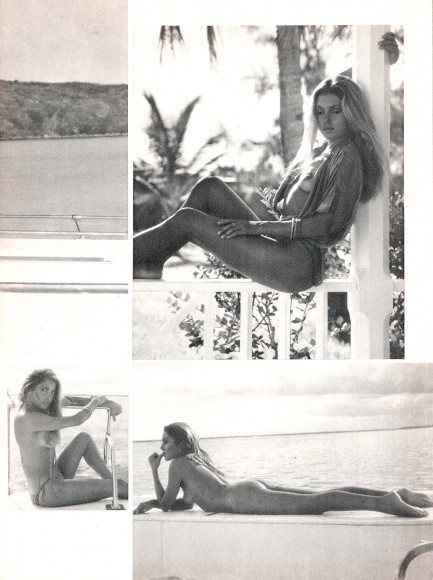
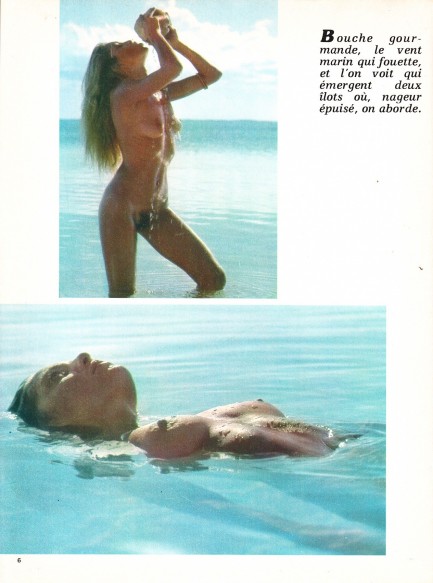
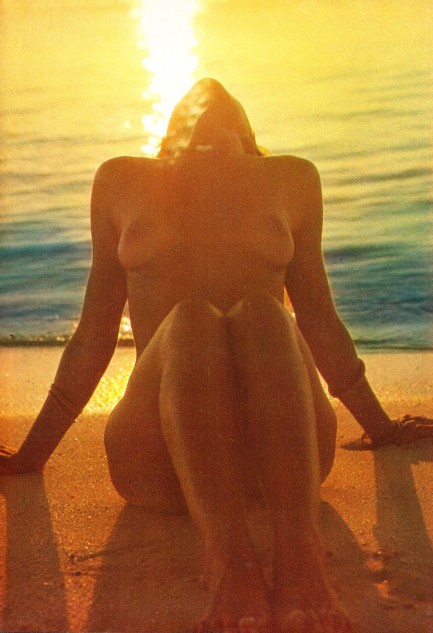
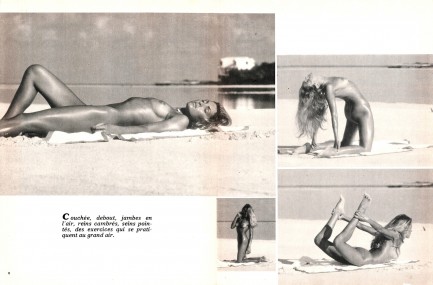
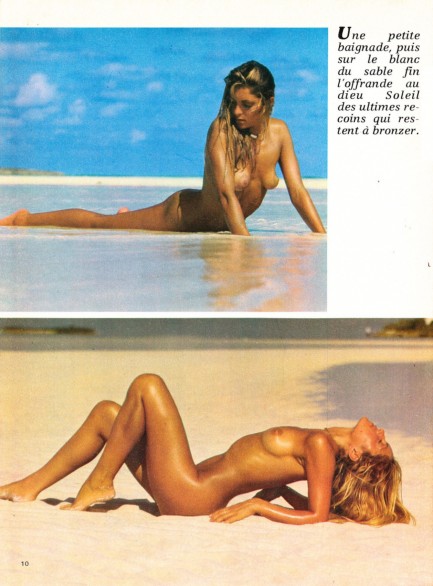
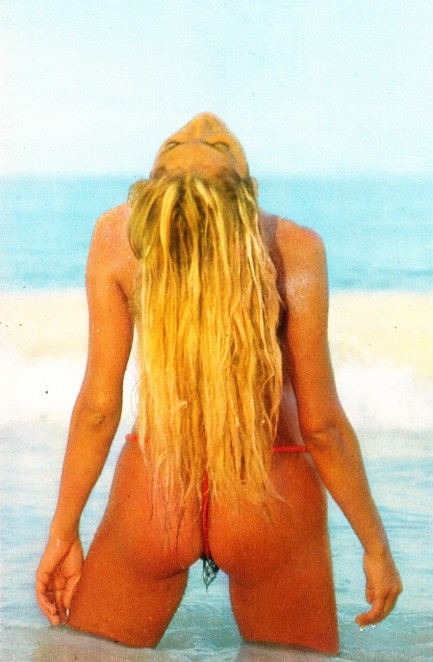
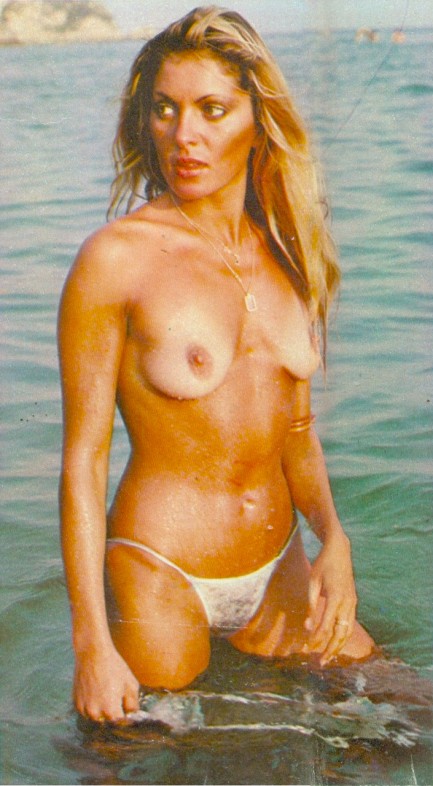
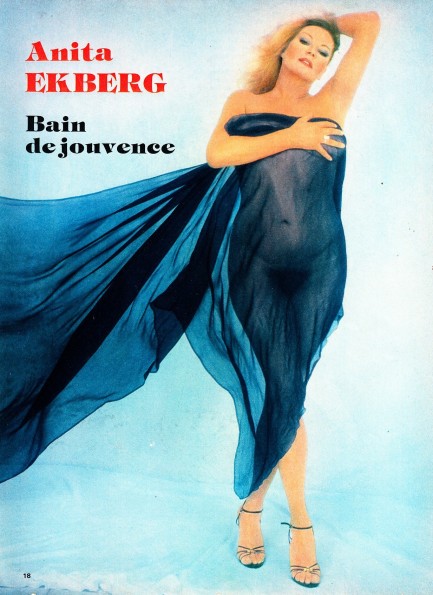
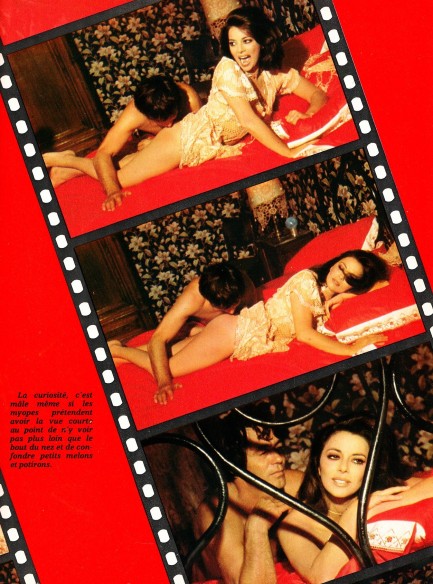
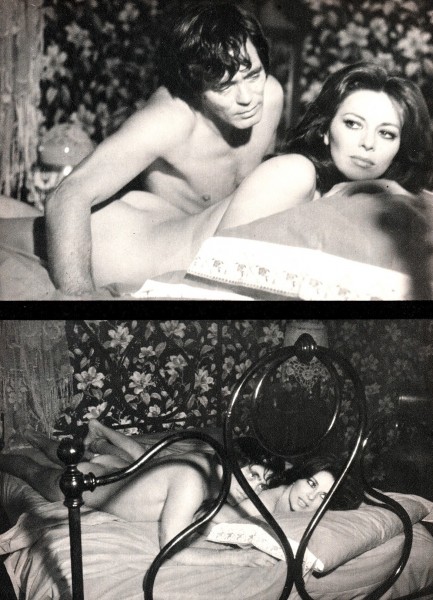
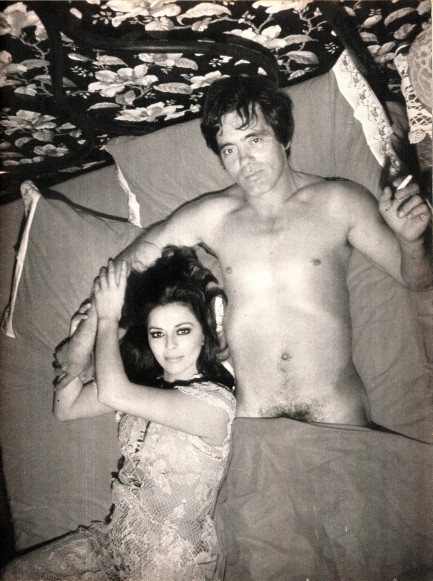
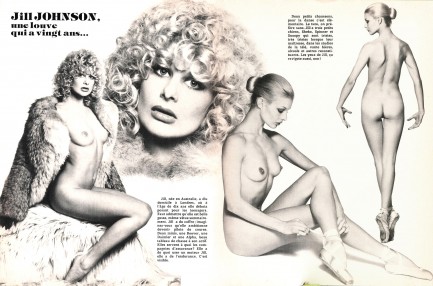
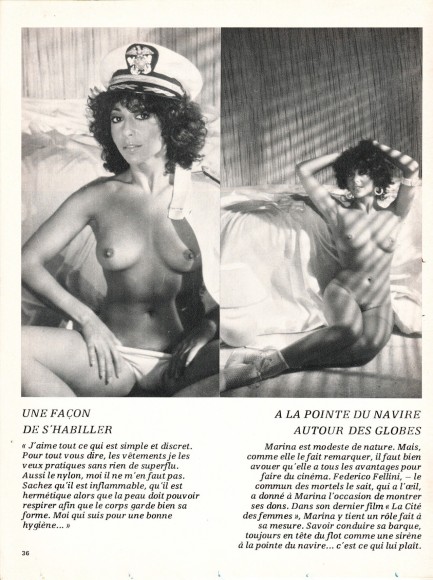
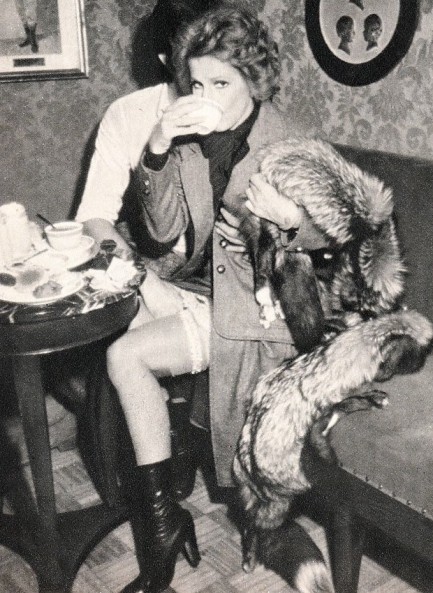
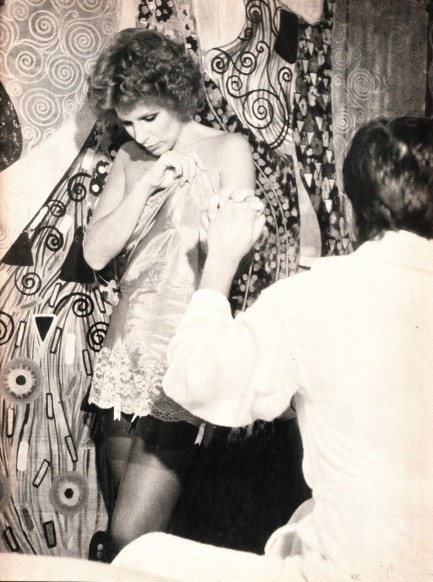
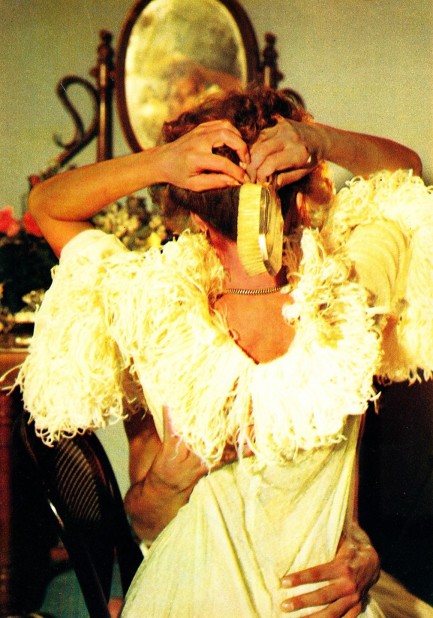
The issue you see above is the cover of Ciné-Revue Photos 49, a visual compendium of actresses both world famous and somewhat obscure. The names run the gamut from Anita Ekberg to Marina Marfoglia. Marfoglia gets the cover, while Ekberg gets the rear, and that's exactly what we're talking about—the obscure elevated over the known. Both are also featured in multiple pages inside—but while Ekberg gets seven, Marfoglia gets eight and the centerfold. The issue is about a hundred pages, but we're unable to put together a post that long. Instead, we've selected some of the nicer images to warm up this winter day. Enjoy, and don't worry about us slaving over a computer. We put this collection together last week. Right now, on Christmas, we're traveling with the PIs.
            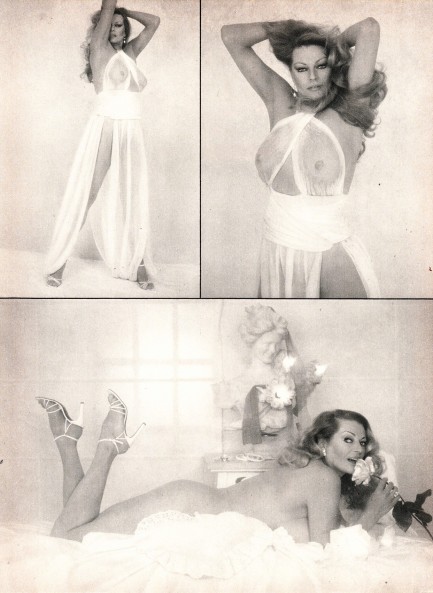 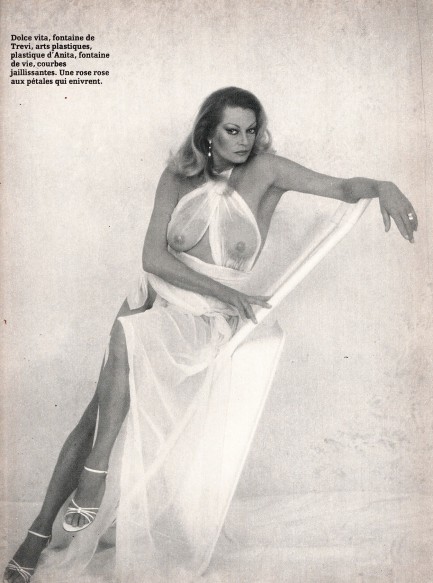 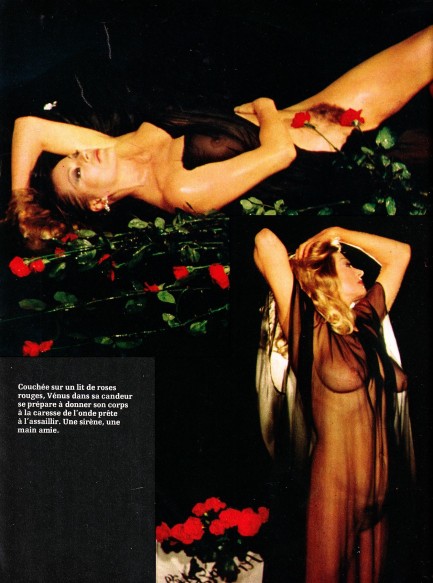 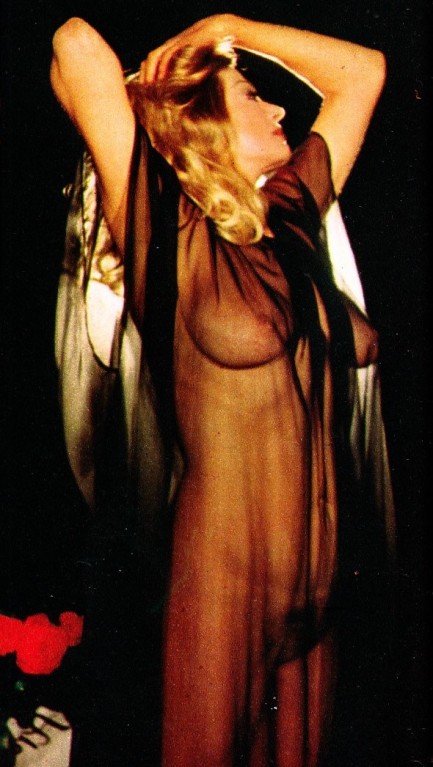 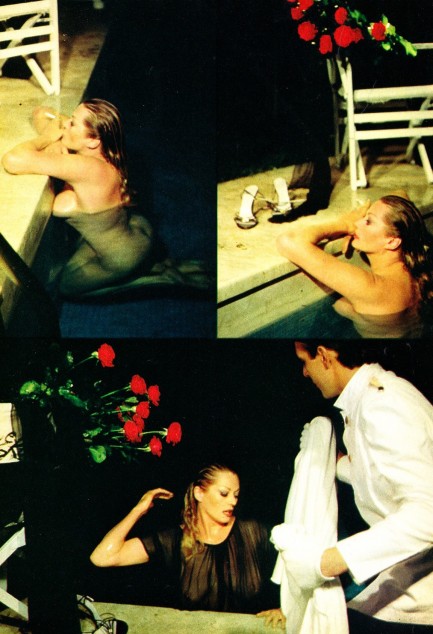 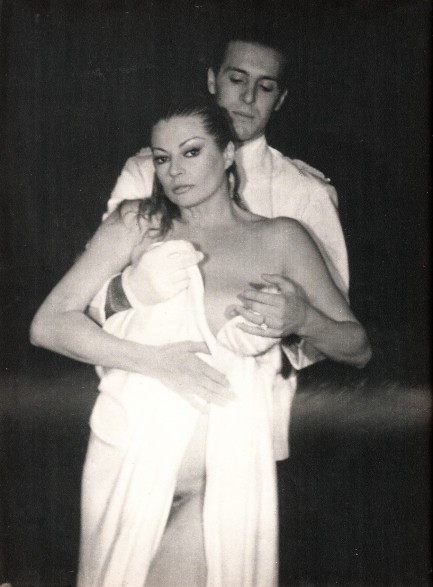 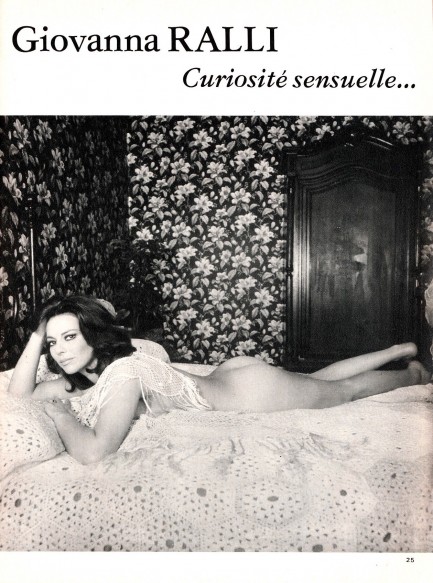 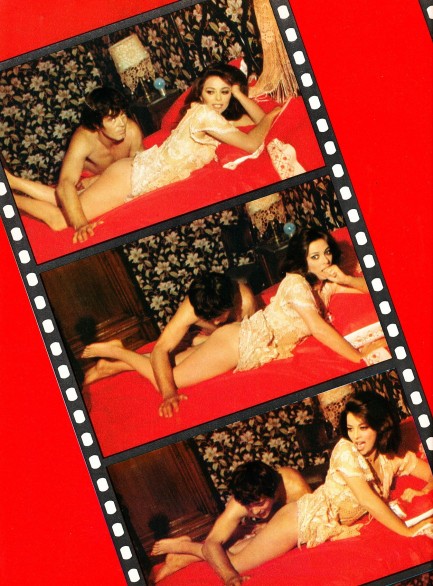     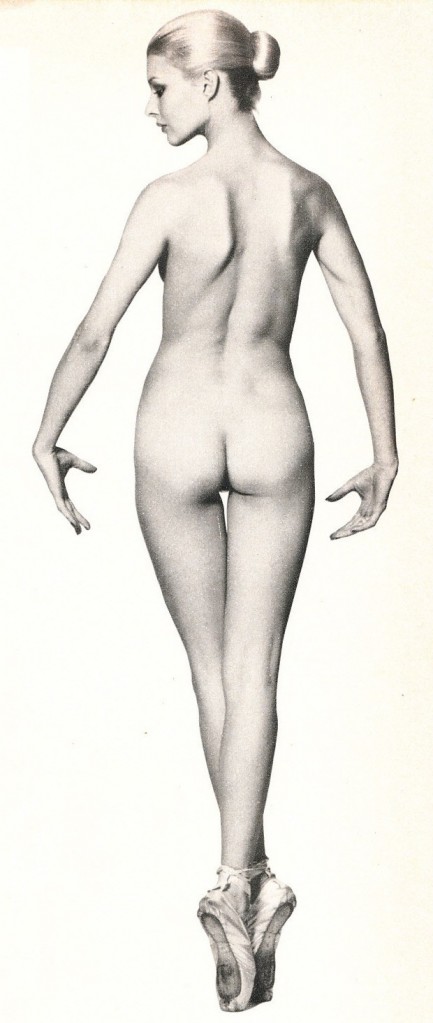 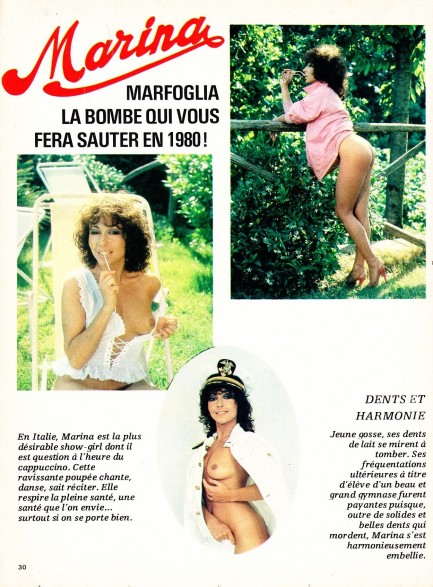   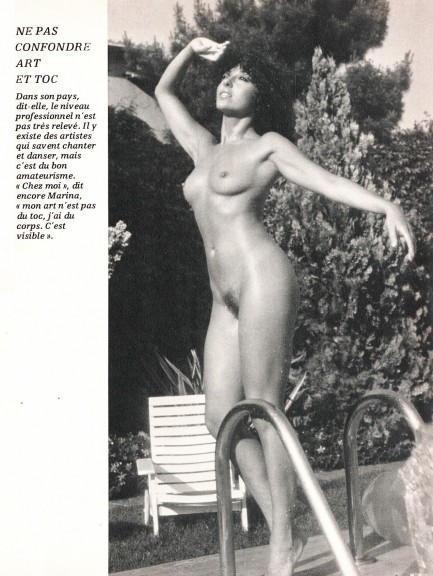 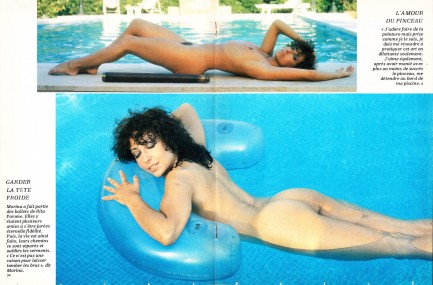      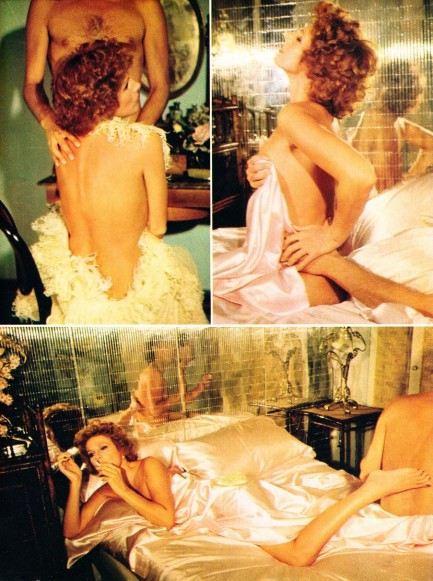 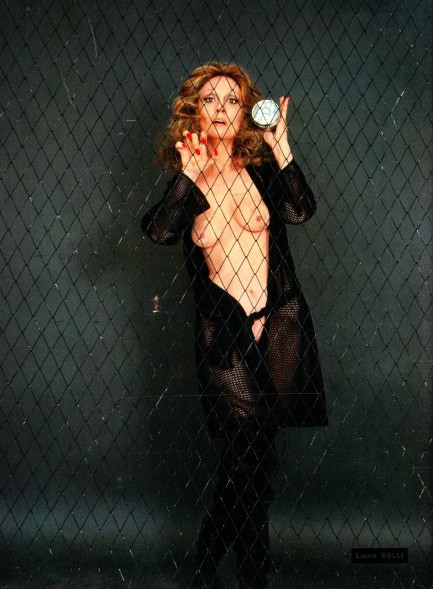  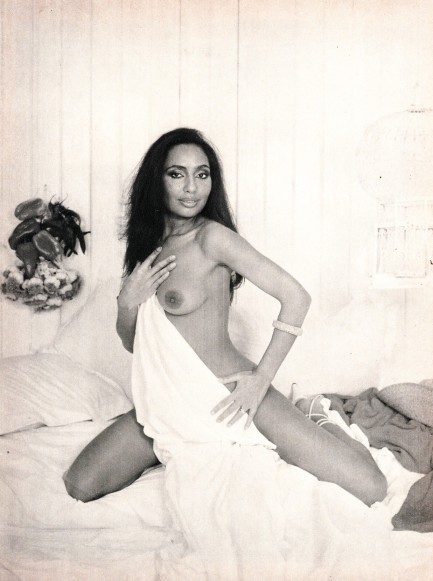  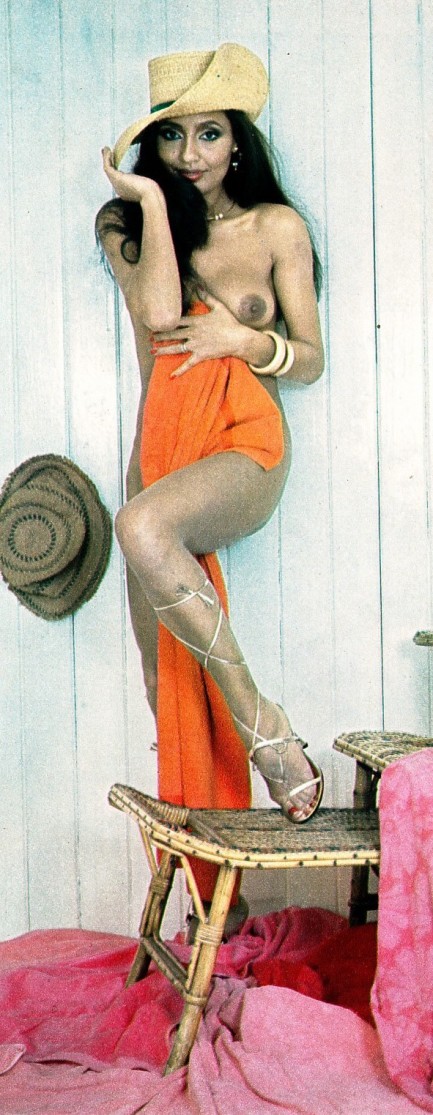  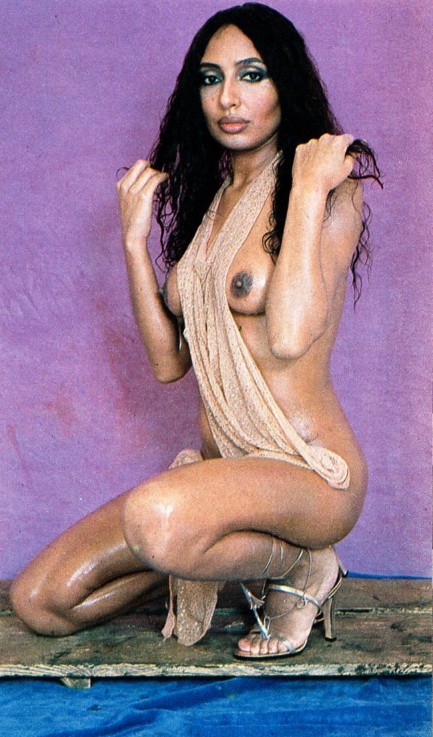  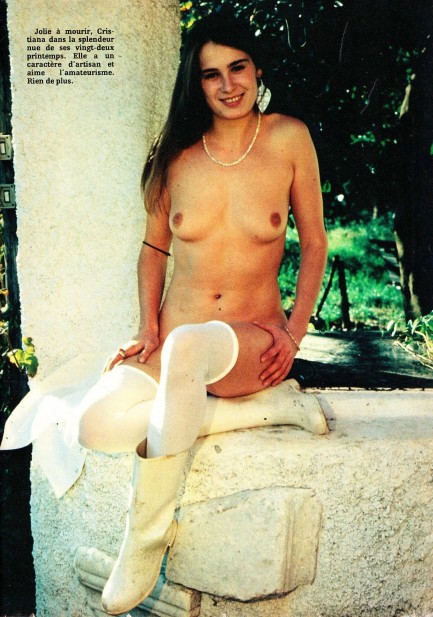 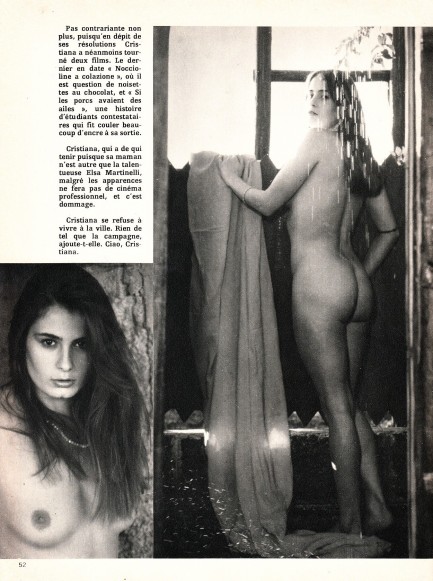   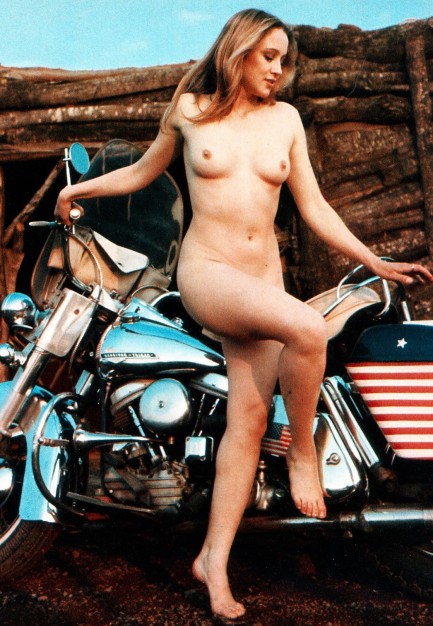     
 Dark on the outside, darker on the inside. 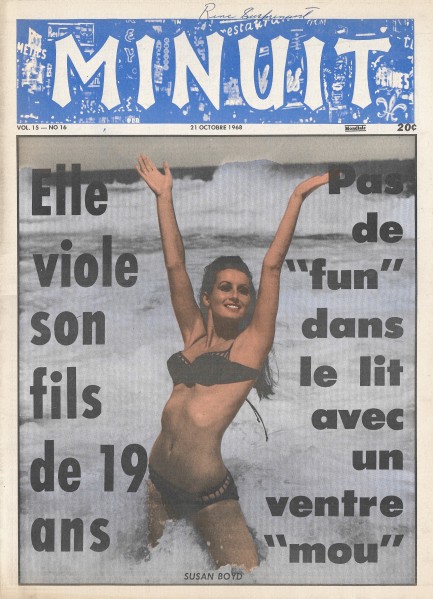
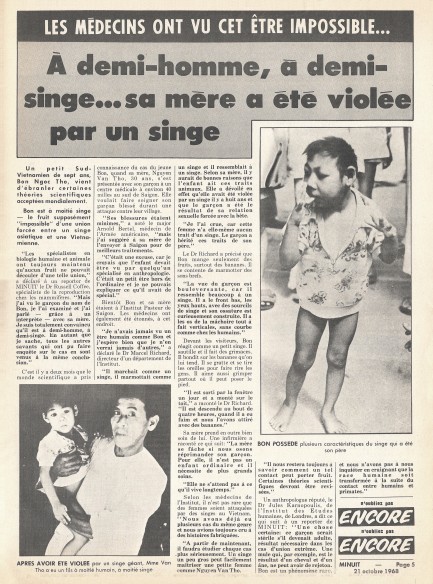
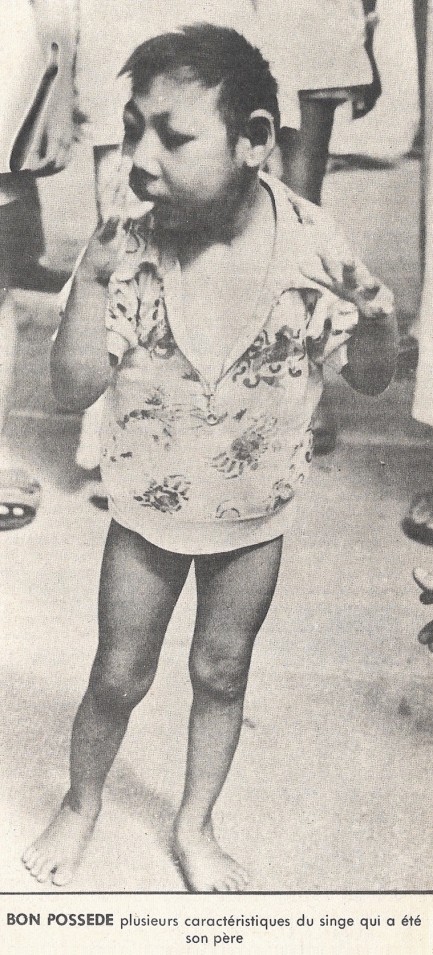
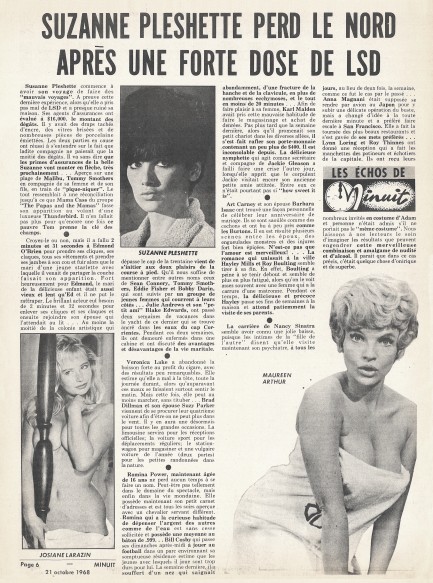
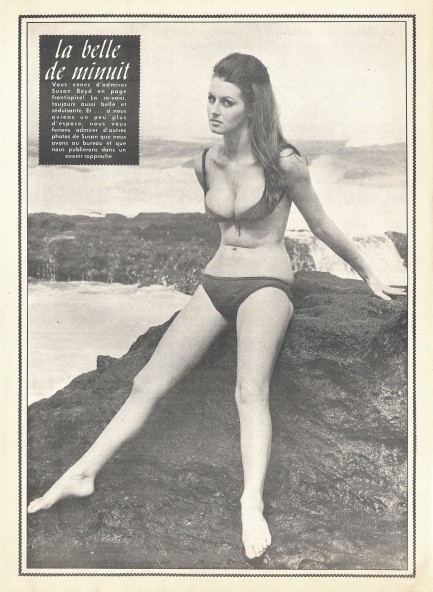
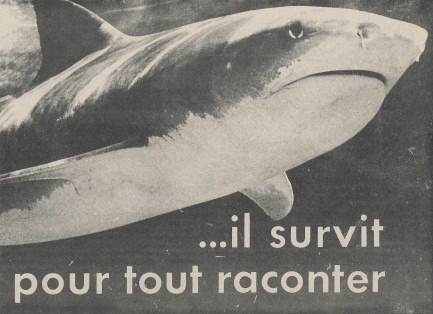
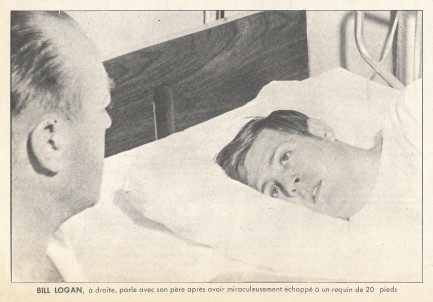
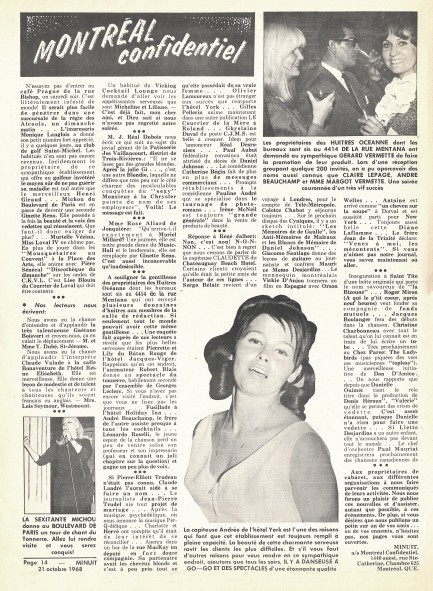
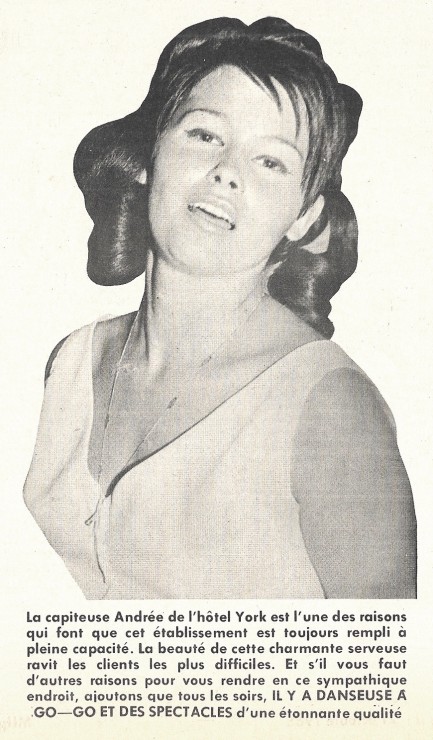
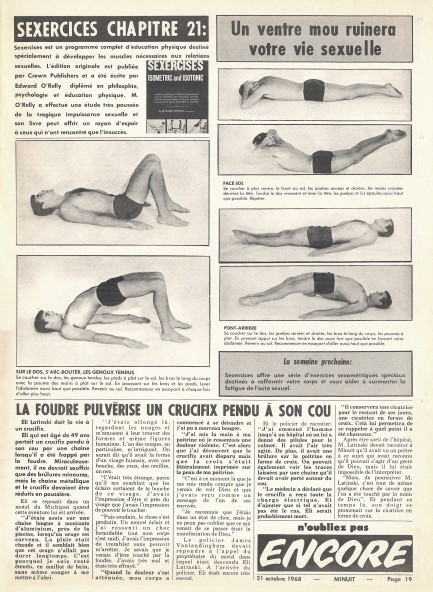
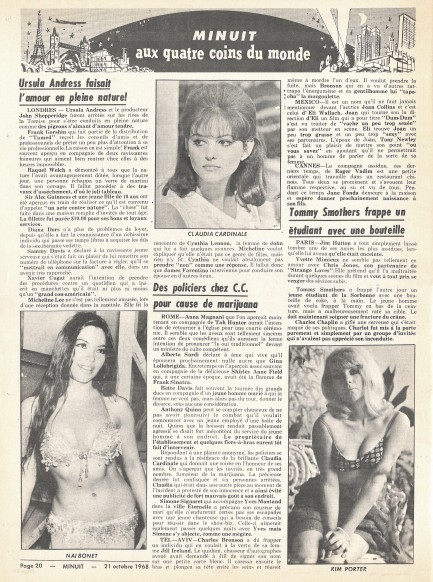
This is the second Canadian tabloid we've shared in October, and we have several others upcoming in the next few months. This time we're back to Minuit, the sister publication of Midnight, published today in 1968 with a cover featuring Susan Boyd. She's looking a little radioactive, and in unusually dark waters. This could everyone's fate the way things are going in 2022. We don't know what Minuit editors were shooting for here. Maybe they had a problem during the printing phase. But in it an odd way it's actually a nice cover, and Boyd pops up again in the centerfold, looking much healthier. Elswewhere inside the issue Minuit wastes no time with its efforts to shock. We learn about Vietmanese youngster Bon Ngoc Tho, who editors claim is a demi-homme born with many characteristics of his father—a monkey. We can say a lot about this, but let's skip most of it and simply note that the 1960s were the tail end, so to speak, of a long-running fascination with supposed human freaks.
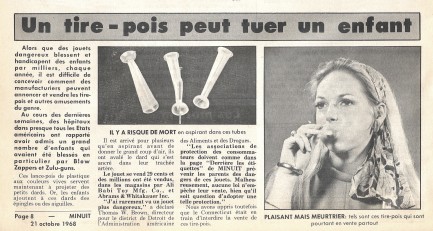
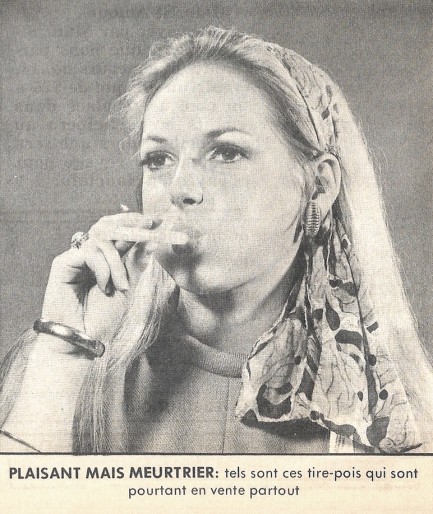
Moving on, editors have a curious photo of a model with something unidentifiable in her mouth. We took several guesses what the thing was, and they were all wrong. Turns out it's a pea shooter—a tire-pois. No, we'd never seen one, but a few of you probably recognized it. Minuit editors claim it can kill a kid, and that hospitals around the U.S. have been treating serious pea shooter injuries, along with wounds inflicted by “blow zappers and Zulu-guns.” The article explains that the injuries come not from shooting the projectiles, but from swallowing them while inhaling to fire the weapon, occasionally piercing arteries in the neck.
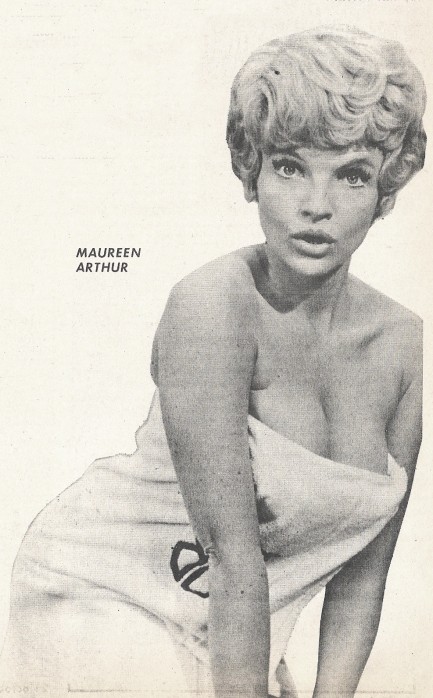
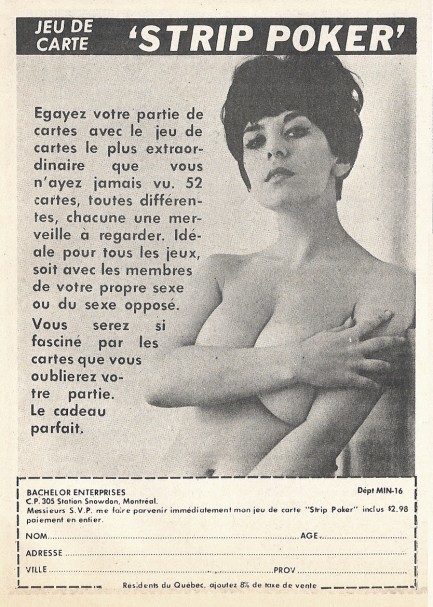
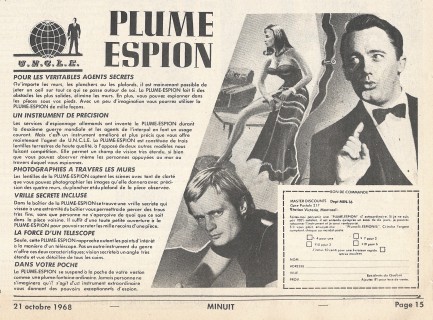
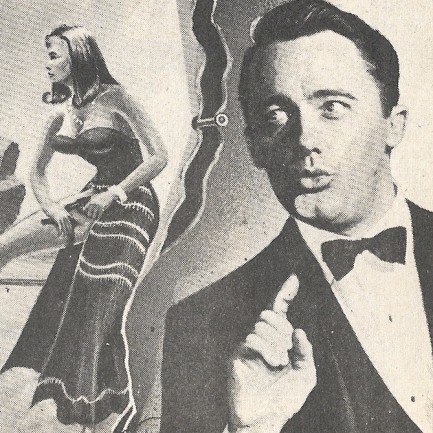
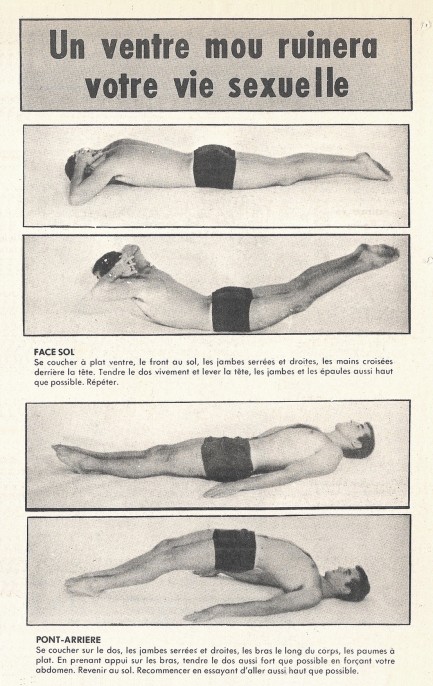
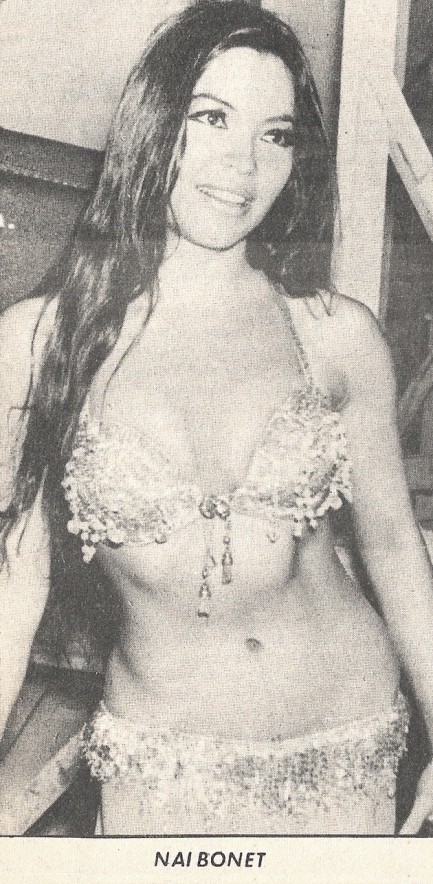
There are more stories along those lines, but it isn't all dark at midnight. Elsewhere in the issue you get men's fitness, nymphomania, and plenty of celebs, such as Claudia Cardinale, Nai Bonet, and Maureen Arthur, plus Robert Vaughn hawking a 100% legitimate Man from U.N.C.L.E. “plume espion.” That means “spy feather,” which doesn't help at all in determining exactly what it is. But a careful scan of the text suggests that it's an x-ray vision device that works on everything from walls to clothes. Right. We'll take two, and see you at the beach. Twenty-one scans below.
                  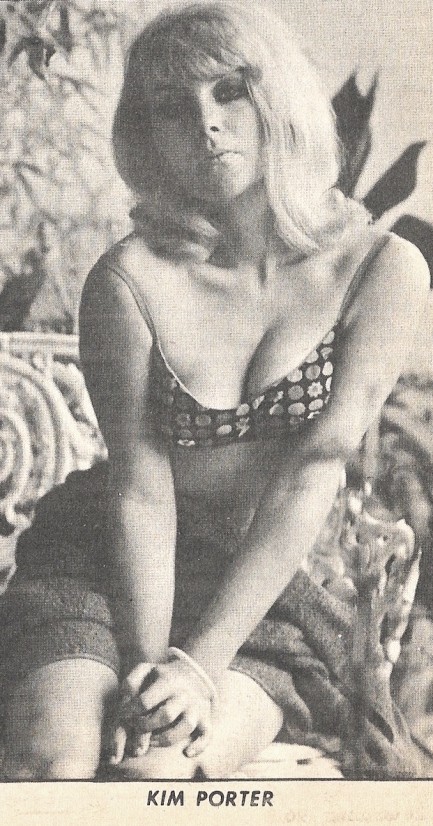 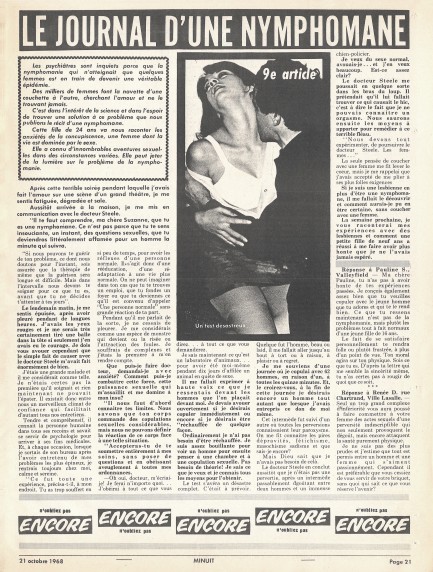 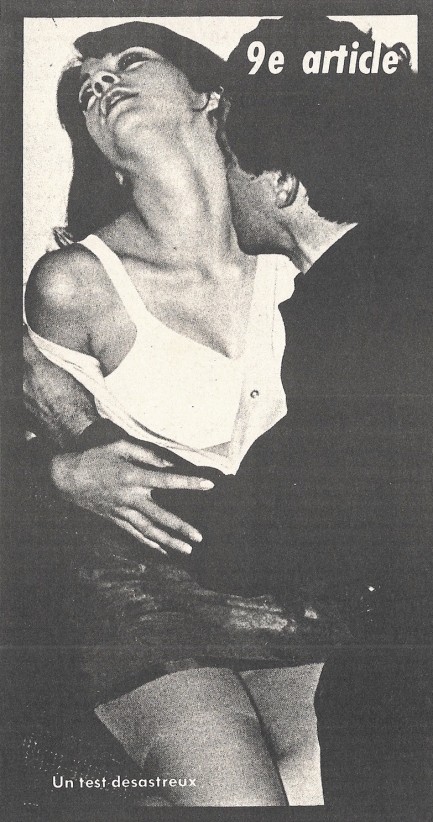
 Voulez vous Rendez-Vous avec moi ce soir? 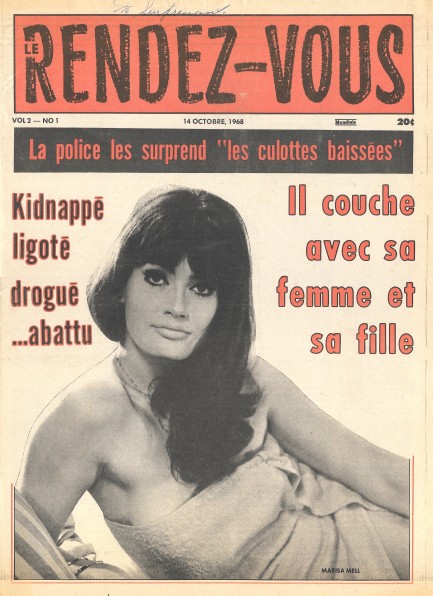
We have a new Canadian tabloid for you, an issue of Le Rendez-Vous published today in 1968 with a cover shot of Austrian star Marisa Mell, and in the centerfold a brilliant photo of German actress Elke Sommer we're pretty sure has never been seen online before. We had to scan that in four pieces and merge the quadrants, which is time consuming, but in this case worth it, because—as you know if you visit the site often—we think Sommer is one of the all-time vintage goddesses. And speaking from a graphic design perspective, we think we did a pretty good job of assembling her, if we may say so. Fellow German actress Babsi Zimmermann also makes an appearance, and we thought we'd never see her again, but 1968 seems to have been a very visible year for her—particularly in Canadian tabloids. In typical cheapie scandal sheet style, Le Rendez-Vous is filled with ridiculous material on subjects ranging from crime to medicine. You'll see a photo below of a human brain. The text there says, unsurprisingly, “Finally the secret of immortality... We can keep the brain alive separated from a dead body!” A Doctor Jacobsen claims brain transplants will become as popular as heart transplants. Okay, but heart transplants aren't popular—they're necessary. Big difference. However, if brain transplants were ever to become routine, we'd take one. Sure why not? It would be the ultimate mind altering experience, and we've never been against those. Twenty-plus scans below. 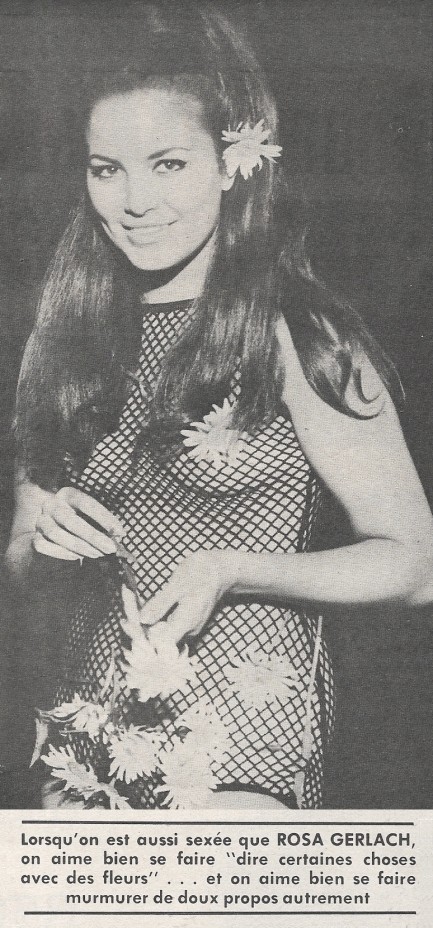 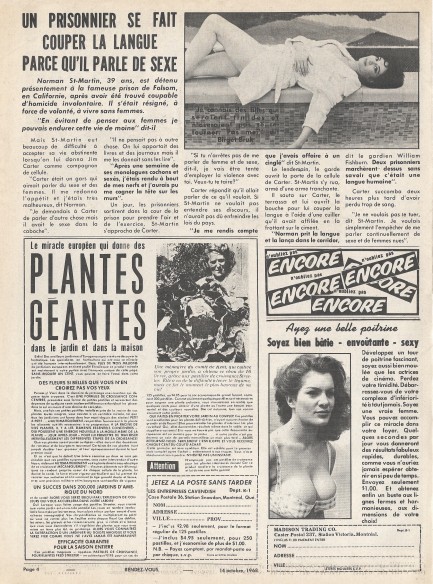  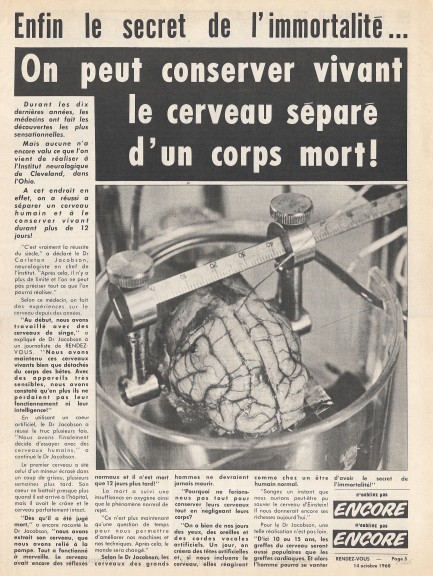 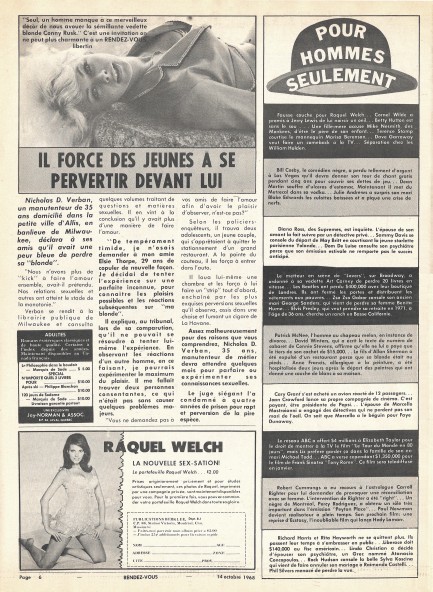 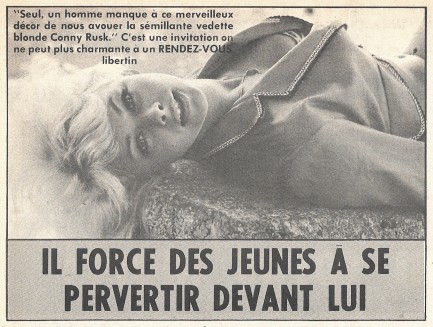  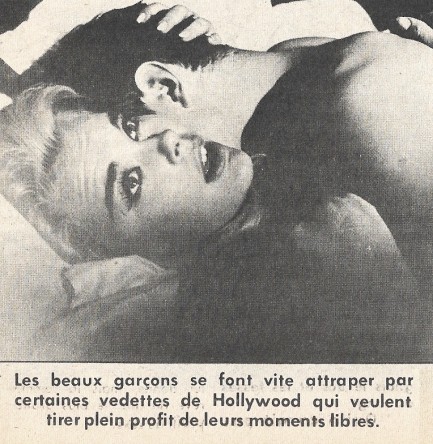 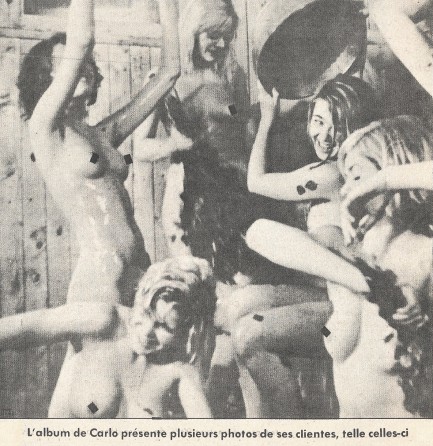 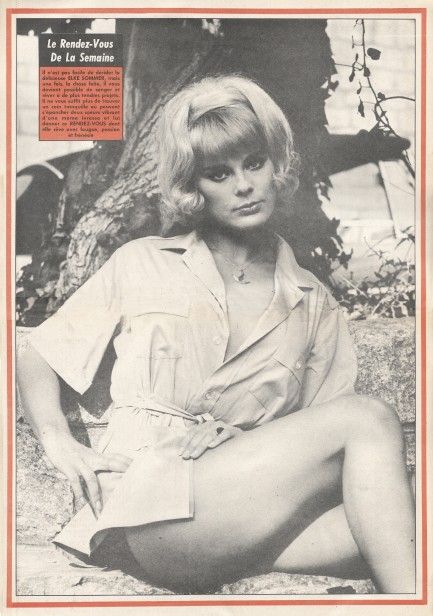 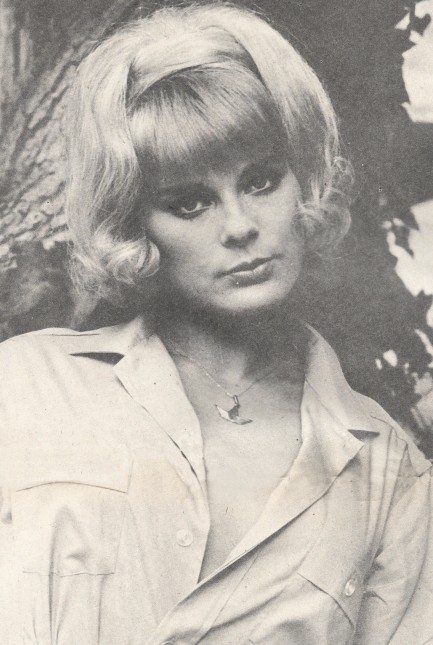 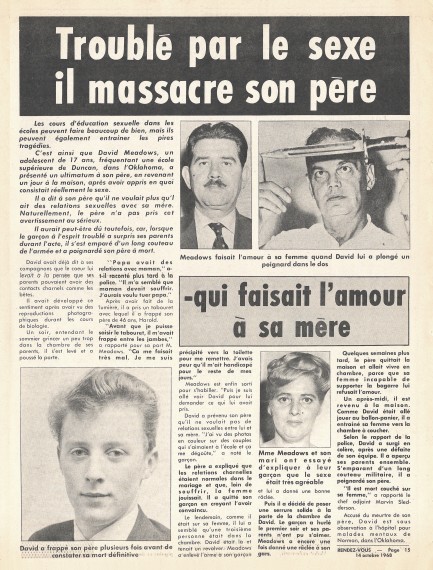 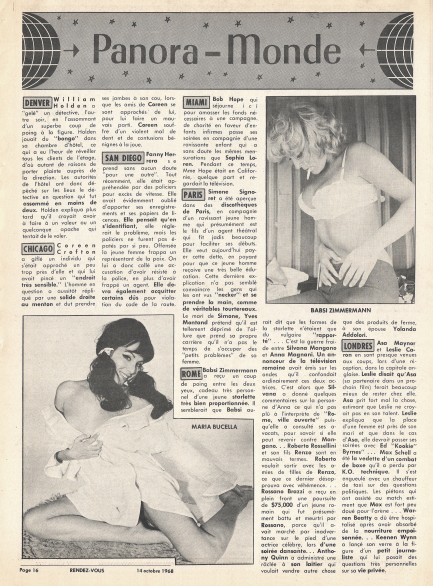 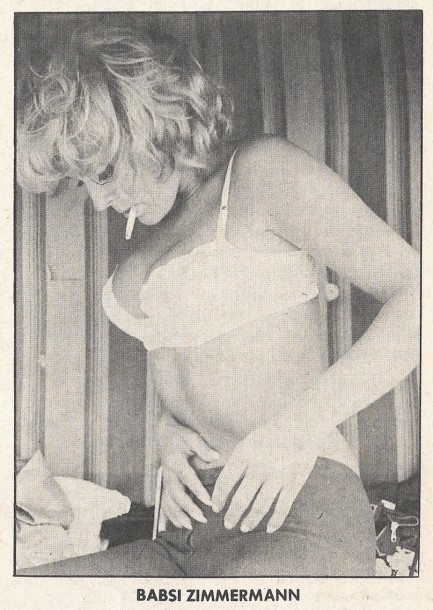 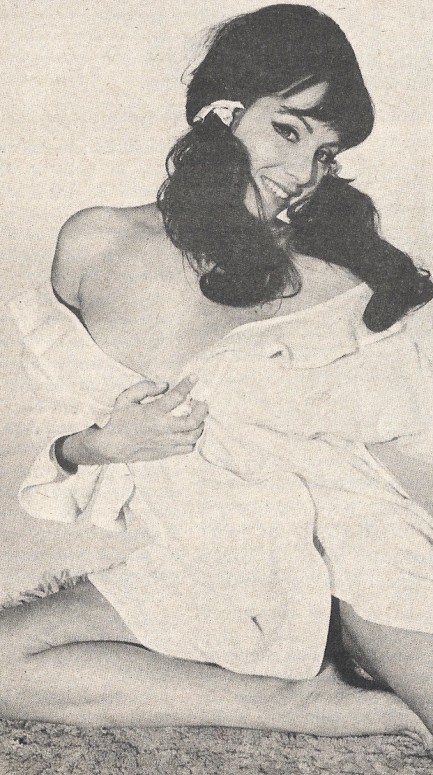 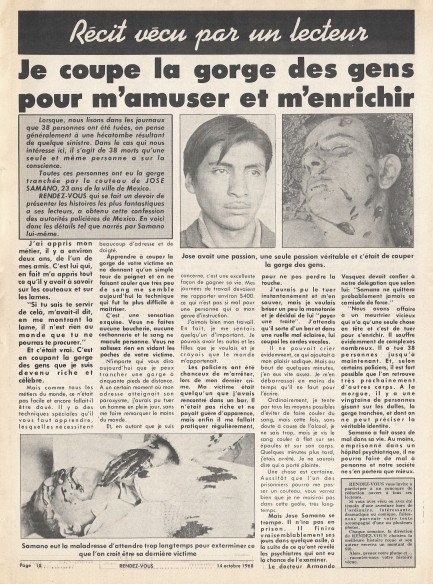 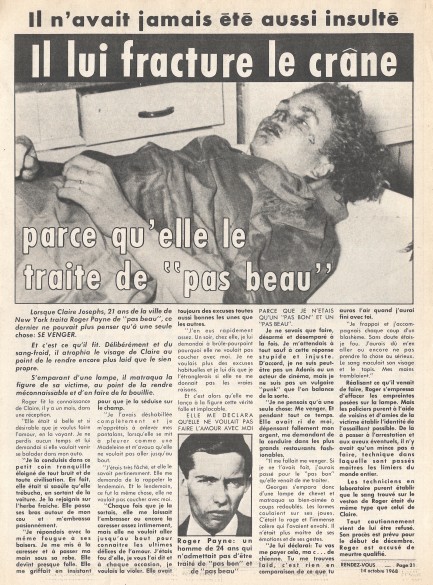 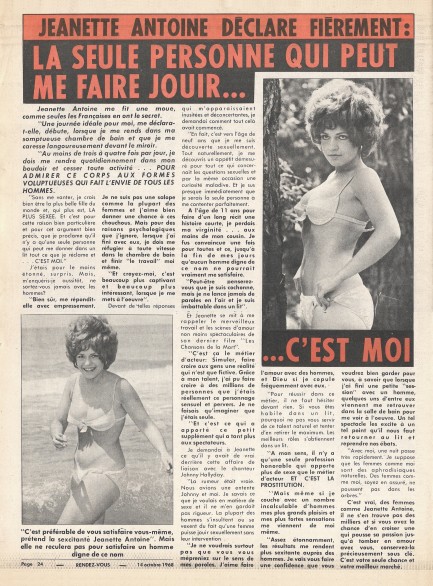 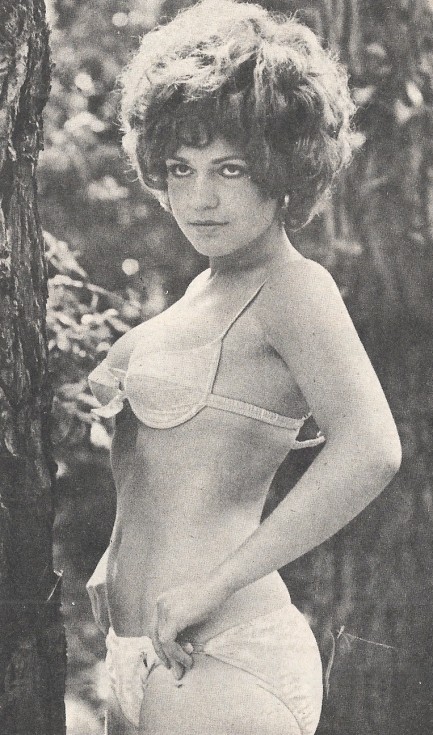
 Oh, good. Hard liquor. I hope you have more, because I'm gonna need lots before we continue. 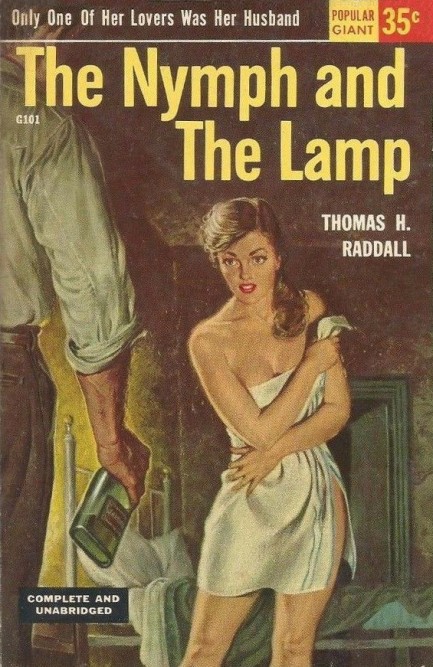
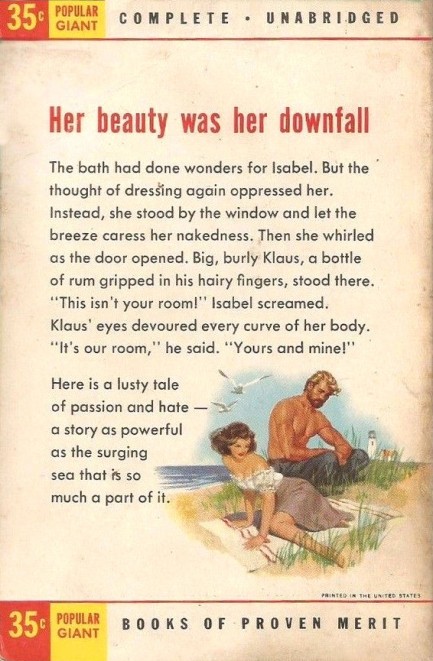
It's another case of a good-girl-art makeover, as this 1952 Popular Giant paperback edition of Thomas H. Raddall's 1950 novel The Nymph and the Lamp disguises as titillation what is actually a piece of serious literature by one of Canada's most renowned authors. The guy even has a park named after him—Thomas Raddall Provincial Park, located in Nova Scotia, where he lived much of his life. He also co-founded the Queens County Historical Society, which runs the Thomas Raddall Research Centre, where visitors can see an exact replica of his study, furnished with his actual possessions. And there's even the Thomas Head Raddall Award, which is given yearly to a writer from Canada's Atlantic provinces who produces the best work of adult fiction.
But we didn't know any of that when we read The Nymph and the Lamp, so we merely noted that it was an expertly written and deep reaching book about a grizzled telegraph operator named Matthew Carney who brings a somewhat younger woman named Isabel Jardin with him back to the lonely North Atlantic island outpost of Marina where he works with a small crew of colleagues, and lives together with them in the ancient telegraph building. Isabel didn't realize she was signing up for cohabitation with multiple men in a sort of industrial workplace, and naturally has adjustment issues:
The place reeked of hot oil. It had a concrete floor and in the midst of it a large single-cylinder gasoline engine whirled a pair of flywheels. From one of these a long slatting belt led her eye to the generator, spinning and whining at the farther end of the room. [snip] Isabel, standing on the greasy floor, was startled by a terrific sound as sharp, as deafening as rifle shots, and the little engine room was lit by a rapid succession of bright violet flashes that sprang, like the sound, from the revolving brass spark-studs at the end of the generator shaft. Casting dignity aside she fled into the hall and covered her ears with her hands.
Matthew merely grinned. “You’ll get used to it,” he declared calmly. “There’s a muffling drum that fits over the spark disc but we leave it off.”
“Do you mean to say,” she demanded in a voice that sounded thin and strange in her singing ears, “that it goes on like that, day and night?”
“Only when the chap on watch is transmitting.”
“But the transmitting goes on day and night—at intervals, I mean?”
“Oh yes. As I say, you’ll get used to it.”
The island has other inhabitants aside from Isabel and the telegraphers. There's a cadre of lifesavers who patrol the beaches for survivors of the frequent wrecks, a permanent lighthouse crew, and all the various workers' wives and children. There are also wild ponies living among the windswept dunes, and plenty of seals and oceangoing birds. None of it thrills or interests Isabel, but she's legitimately committed to Carney. The question is whether that committment can survive all the obstacles of life on a wild frontier.
Returning to the cover art, the creator here is Rafael DeSoto, who doesn't really get across the mood of the story. The rear cover text, which is written in such a way as to compliment the painting, is also misleading. Someone does barge in on Isabel, but it's an accident, and he has zero designs on her. He's so drunk he doesn't realize he's in the wrong room. He's soon removed, and the incident has no further bearing on the tale. But we'll say this for GGA art—it has lured us into reading not just pulp style fiction, but obscure literary fiction too. Some of it, like The Nymph and the Lamp, is very good.
 I heard this was a no Parkins zone. I'd like to have a word with you about that. 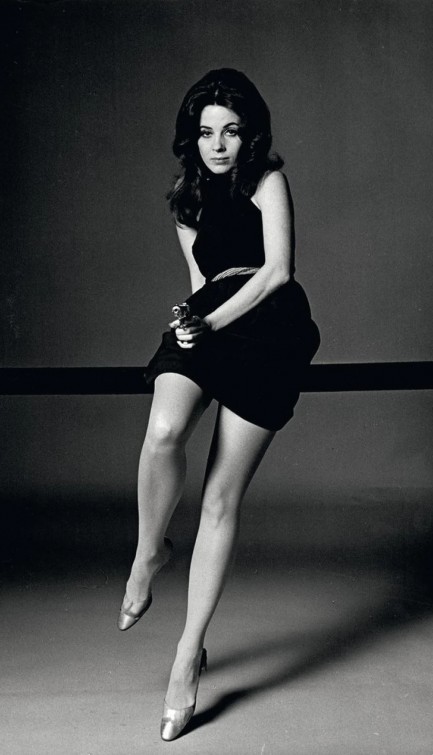 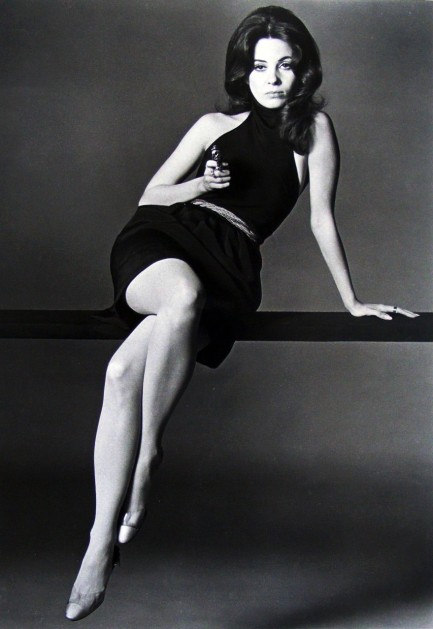
Canadian actress Barbara Parkins strikes a couple of fun poses in the above two promo images made when she was co-starring in The Kremlin Letter in 1970. She was mostly a television actress and is best remembered today for the soapy series Peyton Place, but she also appeared in the mostly forgotten but very interesting horror movie The Mephisto Waltz, and the Hollywood takedown Valley of the Dolls, which has become a cult fave. In total, she acted for almost forty years before retiring in 1998. We've seen quite a few shots of her, but we think these are the best.
 Alexis: the relentless pursuit of perfection. 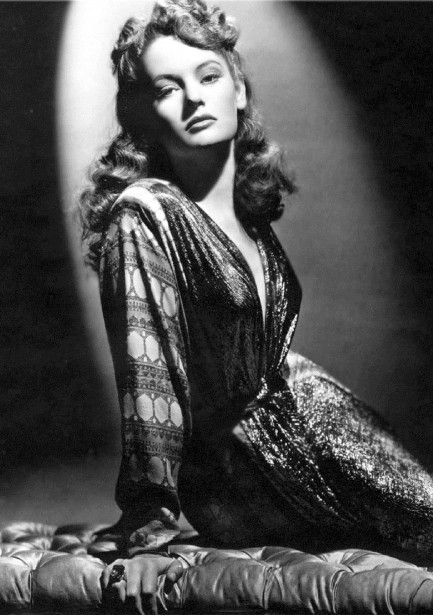
Above: Canadian actress Alexis Smith in a promo image befitting her classic looks. We've watched her in such films as Conflict, The Turning Point, and Undercover Girl. There are dozens more from which to choose, ranging from westerns such as Cave of Outlaws to horror flicks like The Little Girl Who Lives Down the Lane. We aren't able to date this photo, but it's obviously from her prime, so call it 1950.
 Minuit puts the country's hospitable reputation to the test. 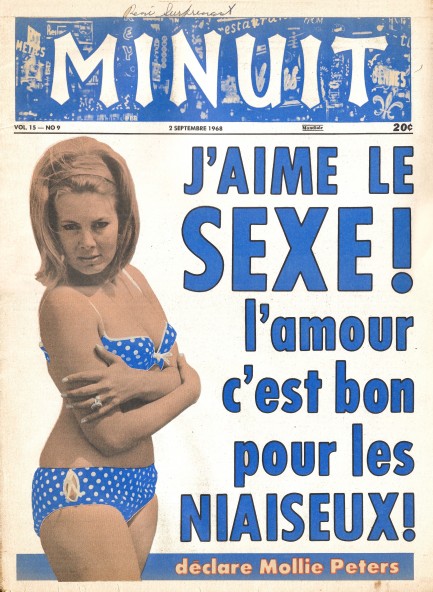
Ever since we discovered a while back that the U.S. tabloid Midnight was actually a spin-off of Montreal based Minuit we've been looking around for issues. We finally had some luck. This example hit Canadian newsstands today in 1968, and on the cover is British actress Mollie Peters, or Molly Peters. Inside, various Hollywood stars are spotlighted in unflattering ways. Edy Williams was allegedly attacked by a lesbian; Paul Newman resorted to transcendental meditation to cut down on his drinking; Jason Robards, Jr. broke everything Humphrey Bogart related in Lauren Bacall's house; Robert Vaughn paid off his extensive gambling debts and cancelled his credit cards; Janet Margolin allegedly ate a pound of ground beef every day for health reasons; and Ursula Andress attacked Anita Ekberg in a Paris restaurant for making eyes at Andress's boyfriend Jean-Paul Belmondo.
There's also a note on Babsi Zimmermann, who Minuit claims just refused a nude role in a French film. We noticed the blurb because of her name, which seems too good to be true, and familiar too. We looked her up and she did exist. It turns out she was better known as Barbara Zimmermann. She changed her stage name after the release of her first film, a counter-culture sexploitation romp called Heißer Sand auf Sylt, aka The New Life Style (Just to Be Love). Maybe she wanted a fresh start because the movie was such a stinker. We know it was bad because we wrote about it, which is why her name sounded familiar. She's naked as a donskoy cat in it, so Minuit's claim that she refused the French movie makes sense if she wanted to rebrand herself. The change still has people confused. Currently IMDB has separate entries for Babsi and Barbara.
Minuit reserves special attention for U.S. actor George Hamilton, who had been generally targeted by tabloids for avoiding military service in Vietnam. Why him? We wrote about the reason a long while back, and if you're curious you can check. Minuit wryly informs readers that, “George Hamilton somehow managed to break his toe the day after he received a notice to report to the U.S. Army recruiting center. This gives him an interesting three-month [deferral]. It's clever, isn't it?” Obviously, toes heal. Hamilton eventually received a full deferral for other reasons.
Also in this issue, Minuit editors treat readers to a story about a man cut in half by a train. We feel like it's urban folklore, but there are photos—for any who might be convinced by those—and a long story explaining how a man named Regerio Estrada caught his wife Lucia in bed with another man, beat him unconscious, and tied him to a train track to await the next express. Do we buy it? Not really. The internet contains only a fraction of all knowledge and history, but we think this tawdry tale is so bizarre that it would have found its way online. There's nothing. Or maybe we're just the first to upload it. Anything is possible. We have additional colorful Canadian tabloids we'll be sharing in the months ahead. You'll find eighteen scans below. 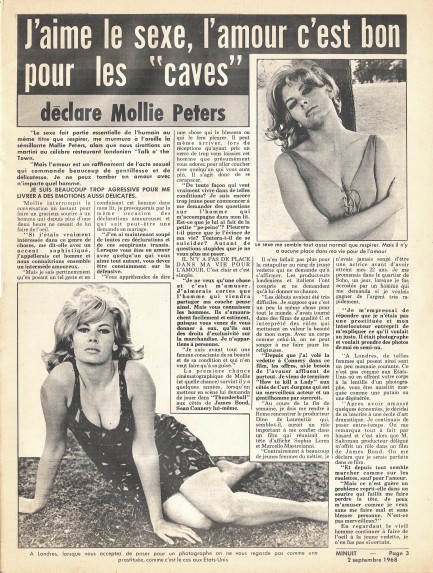 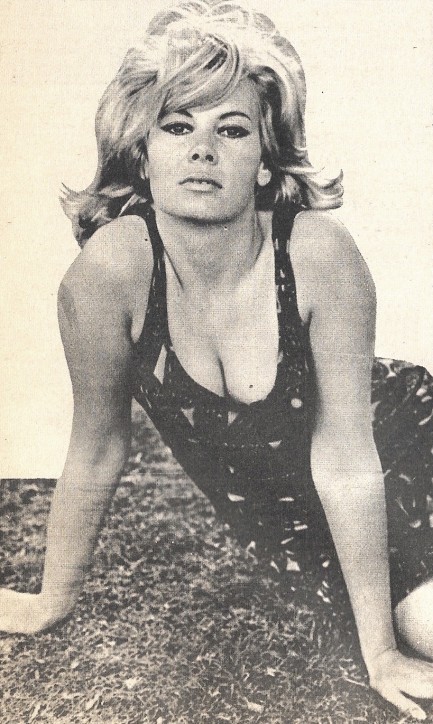 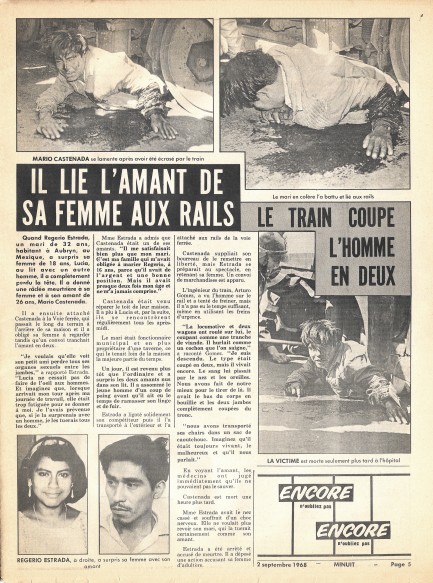 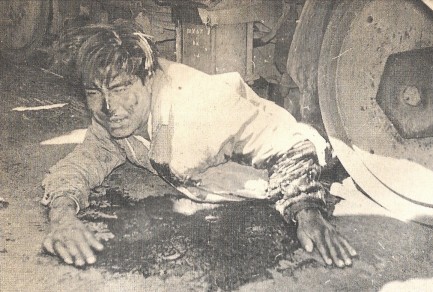 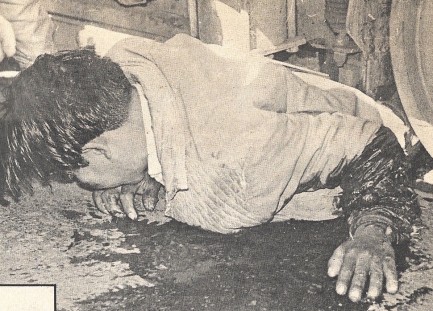 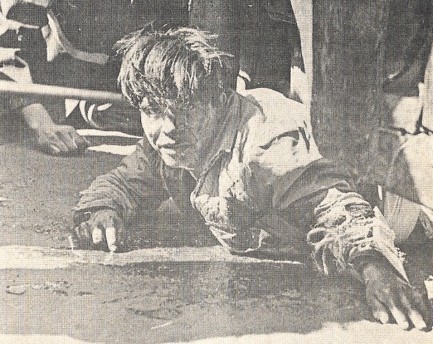 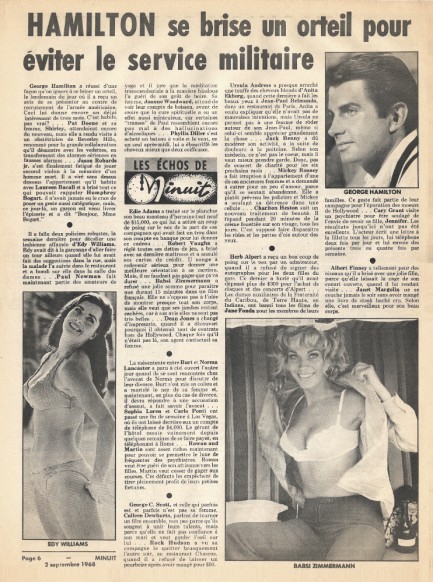 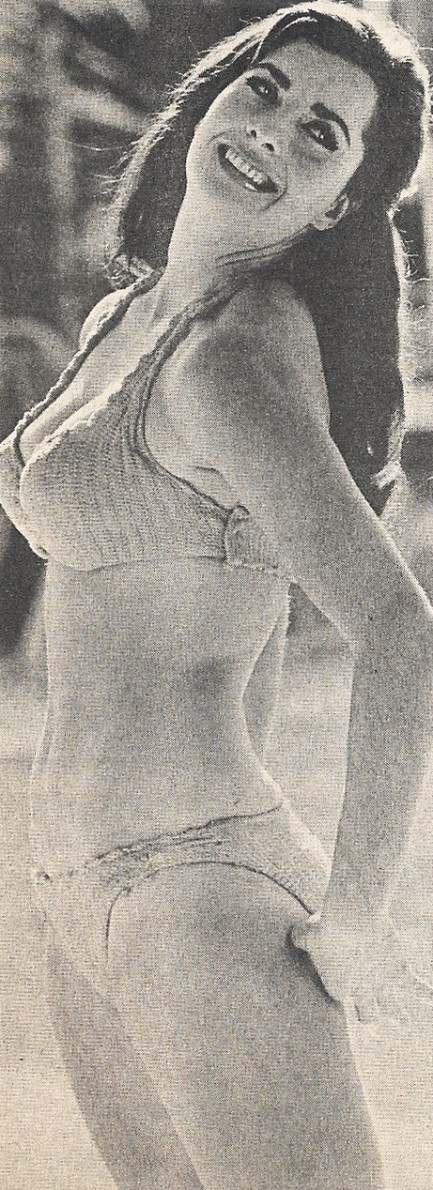 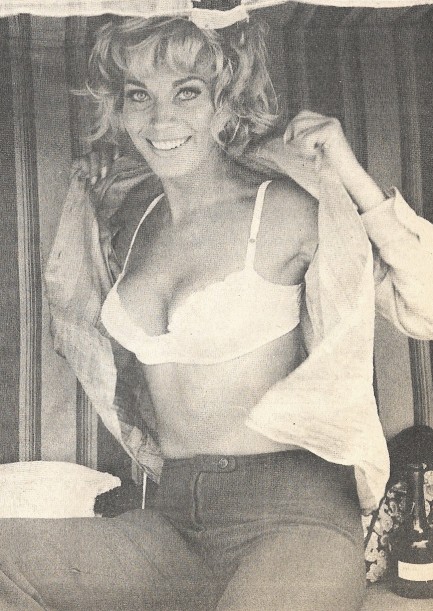 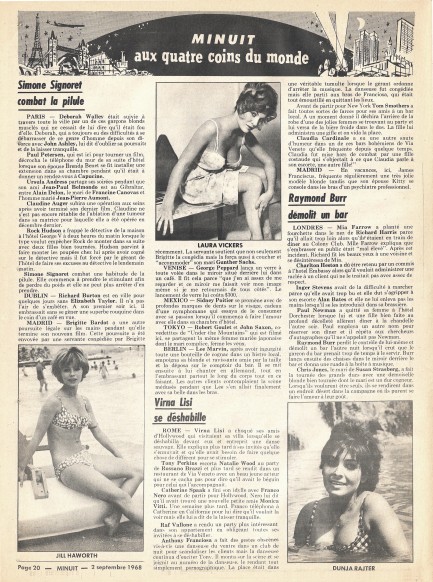 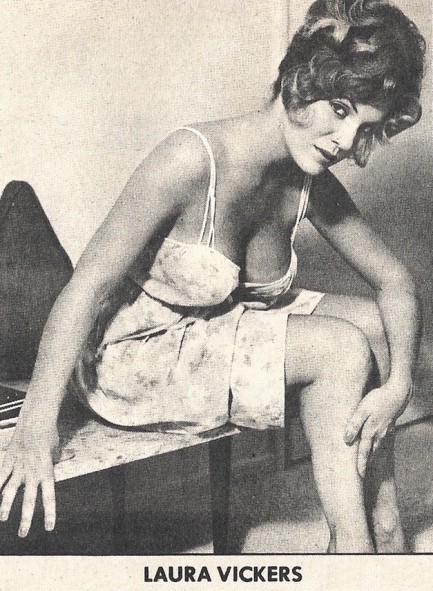 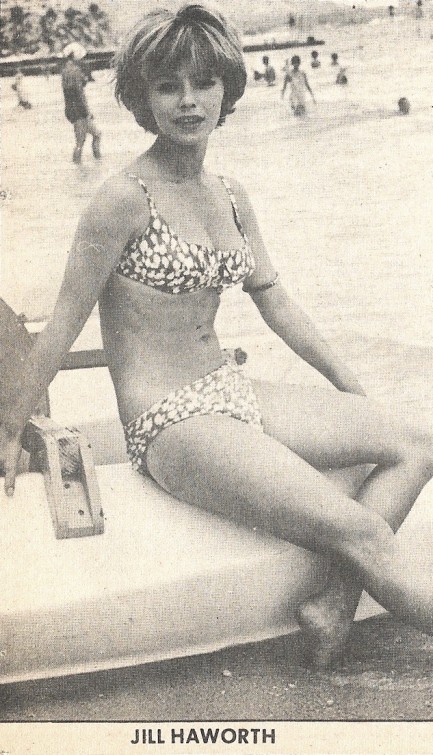 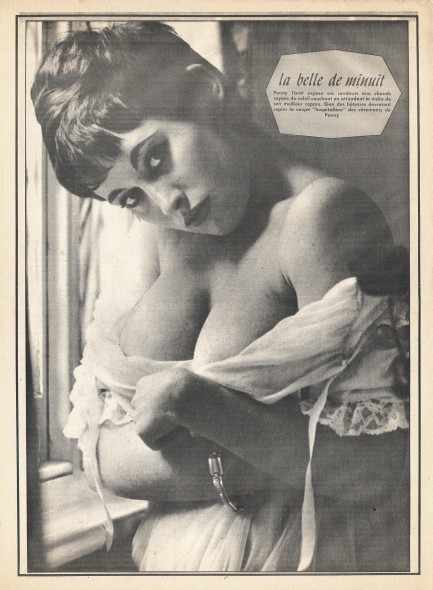 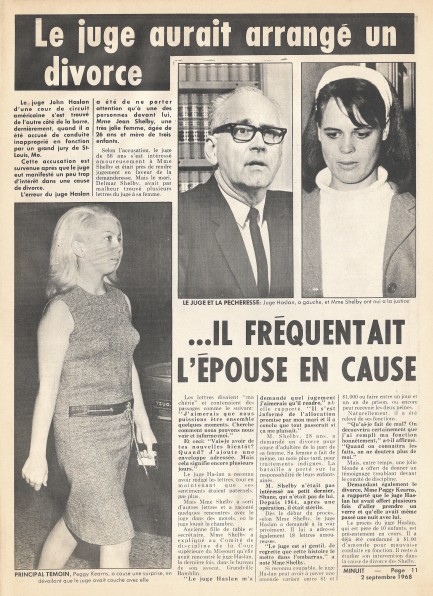 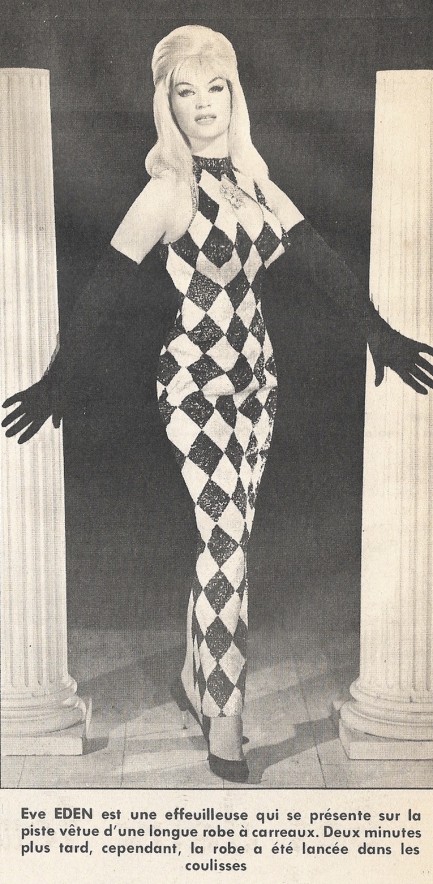  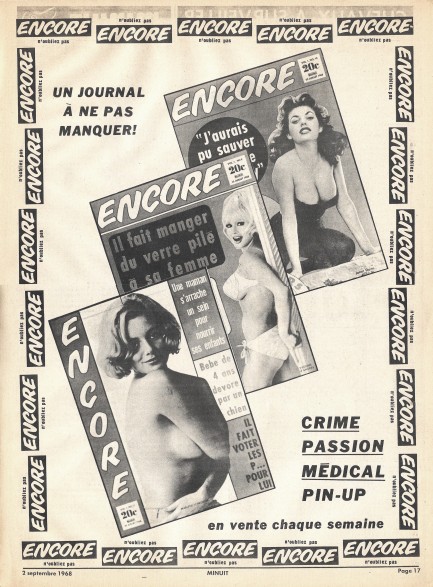

|
 |

The headlines that mattered yesteryear.
1945—Mussolini Is Arrested
Italian dictator Benito Mussolini, his mistress Clara Petacci, and fifteen supporters are arrested by Italian partisans in Dongo, Italy while attempting to escape the region in the wake of the collapse of Mussolini's fascist government. The next day, Mussolini and his mistress are both executed, along with most of the members of their group. Their bodies are then trucked to Milan where they are hung upside down on meathooks from the roof of a gas station, then spat upon and stoned until they are unrecognizable. 1933—The Gestapo Is Formed
The Geheime Staatspolizei, aka Gestapo, the official secret police force of Nazi Germany, is established. It begins under the administration of SS leader Heinrich Himmler in his position as Chief of German Police, but by 1939 is administered by the Reichssicherheitshauptamt, or Reich Main Security Office, and is a feared entity in every corner of Germany and beyond. 1937—Guernica Is Bombed
In Spain during the Spanish Civil War, the Basque town of Guernica is bombed by the German Luftwaffe, resulting in widespread destruction and casualties. The Basque government reports 1,654 people killed, while later research suggests far fewer deaths, but regardless, Guernica is viewed as an example of terror bombing and other countries learn that Nazi Germany is committed to that tactic. The bombing also becomes inspiration for Pablo Picasso, resulting in a protest painting that is not only his most famous work, but one the most important pieces of art ever produced. 1939—Batman Debuts
In Detective Comics #27, DC Comics publishes its second major superhero, Batman, who becomes one of the most popular comic book characters of all time, and then a popular camp television series starring Adam West, and lastly a multi-million dollar movie franchise starring Michael Keaton, then George Clooney, and finally Christian Bale. 1953—Crick and Watson Publish DNA Results
British scientists James D Watson and Francis Crick publish an article detailing their discovery of the existence and structure of deoxyribonucleic acid, or DNA, in Nature magazine. Their findings answer one of the oldest and most fundamental questions of biology, that of how living things reproduce themselves.
|

|
|
It's easy. We have an uploader that makes it a snap. Use it to submit your art, text, header, and subhead. Your post can be funny, serious, or anything in between, as long as it's vintage pulp. You'll get a byline and experience the fleeting pride of free authorship. We'll edit your post for typos, but the rest is up to you. Click here to give us your best shot.
|
|