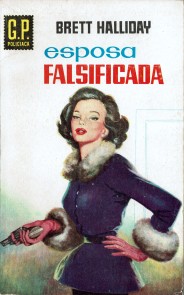
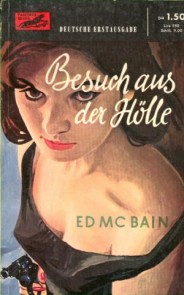
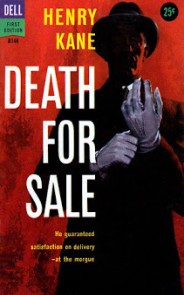
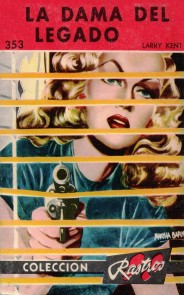
 Who you gonna call when 007 can't get the job done? 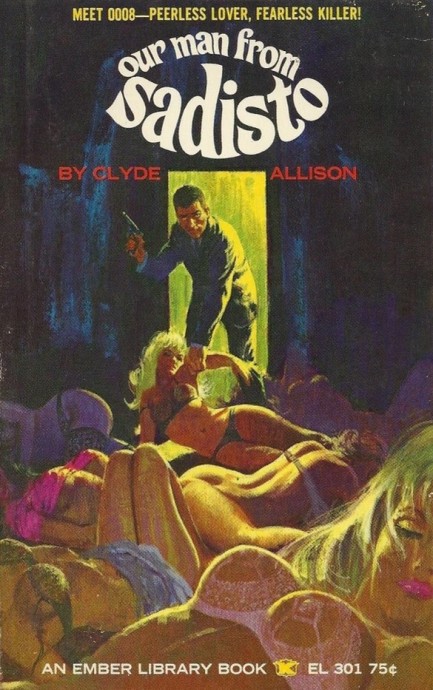
We said we'd get to Clyde Allison's, aka William Knoles' Agent 0008 and here we are, sooner than you thought. Above and below are covers for all twenty entries in the series. The idea here, of course, is a sleaze riff on James Bond, or possibly even a riff on the many imitators of Bond. The dominant literary motif is satire, but as a wise man once said, just because it's satirical doesn't mean it's smart or good. The cover art on most of these is by Robert Bonfils, doing some of his better work, with Darrel Millsap handling the chores on Platypussy, and an unknown tapped for The Sin Funnel.
So we read a couple of these and they involve the spy agency SADISTO (Security and Administration Division of the Institute for Special Tactical Operations), which is located in a sprawling bunker beneath the Maryland countryside. There the agents, about sixty of them, male and female, attend briefings in a pillow covered den while lounging mostly nude, and take on assignments too difficult for MI5, the FBI, SPECTRE, the CIA, etc. Their main weapon is sex, and their main advantage is that they're utterly ruthless. They even use kidnapped college co-eds for live fire training sessions. Because they're sadistic like that.
In The Desdamona Affair SADISTO's budget has been cut, their fleet of Jaguars exchanged for Volkswagens, and their banks of IBM computers swapped out for calculators and an abacus. 0008 goes after a villainess named Desdamona Eva de Struxion (D. Eva de Struxion) in order to steal a secret formula that could eliminate world hunger. Along the way he fights trained panthers, is captured by Indian maidens, and imprisoned in an oil tanker, but ends up with all the money de Struxion has accumulated selling the formula, which means SADISTO can once again afford fancy cars and big computers. The whole narrative is absurd the same way Sharknado is absurd.
In Gamefinger 0008 is sent by SADISTO to the island of a madman named Cantwell Undershaft, aka Gamefinger, who wants to end war by broadcasting to the world via satellite lethal gladiatorial spectacles. The unwilling deaths of hundreds of kidnapped naked men and women, he reasons, will prevent the deaths of billions in World War III by slaking humanity's bloodlust. This book differs from the previous one due to the extreme violence, but the formula is the same. In a text with so many jokes, a few will hit the target, but the percentage is depressingly low and the glib approach generally wears thin.
At this point you must be wondering how we got through these. All we can say is they're curiostities—stupid, poorly written curiosities. We can't imagine anyone reading more than two—one to get the general dumb idea, and the second to confirm that the idea remains dumb. Most of the content is sex, but written entirely without making a single explicit reference to penises, vaginas, oral sex, or bodily fluids. Doesn't that sound stimulating? If you should happen to want your own copies of these they usually go for around $100, which we consider wishful thinking on the part of the vendors, but with online buying, if you bide your time, someone will always sell at a more reasonable price. 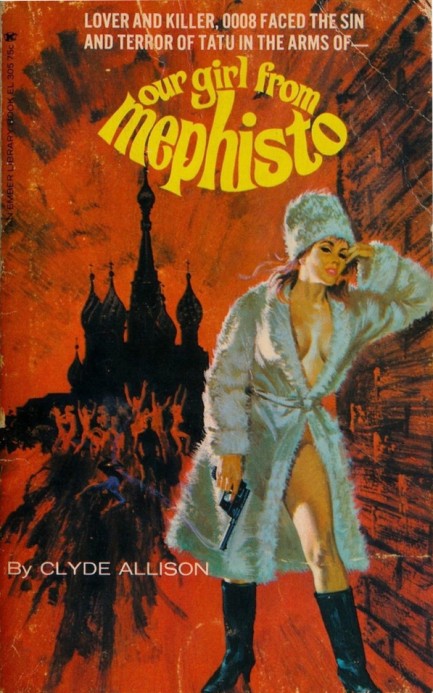 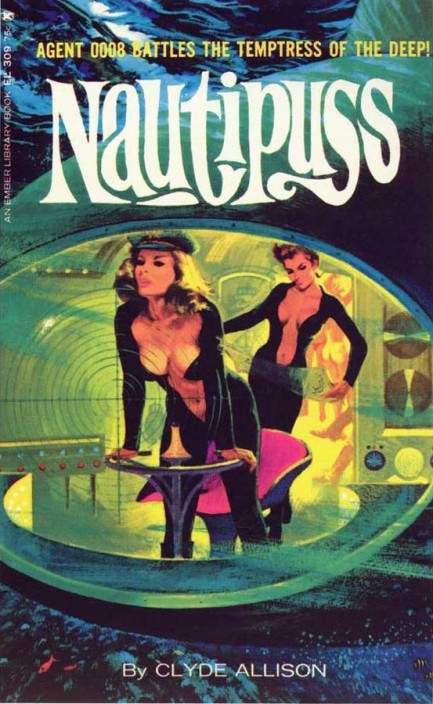 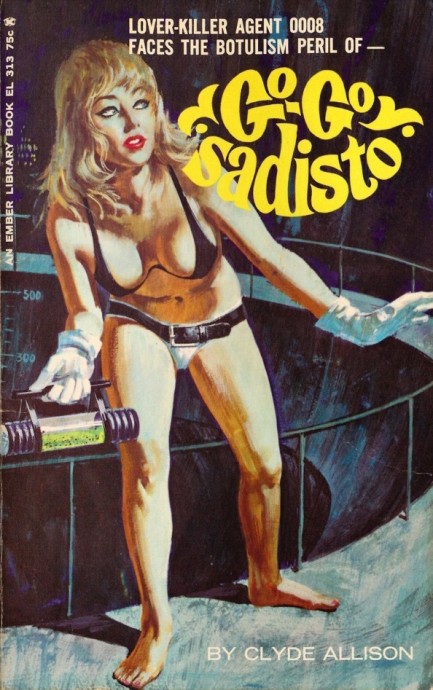 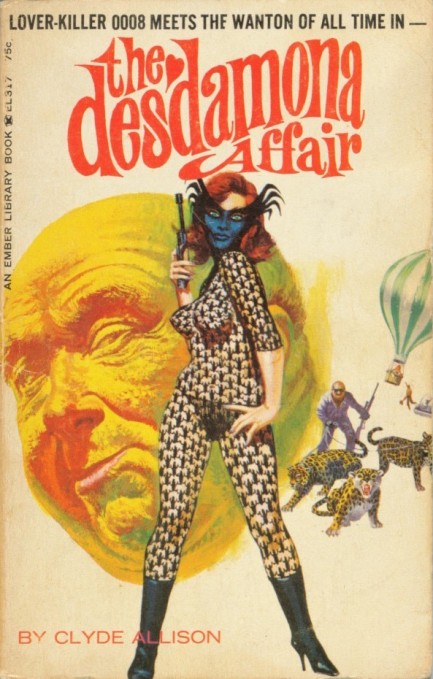 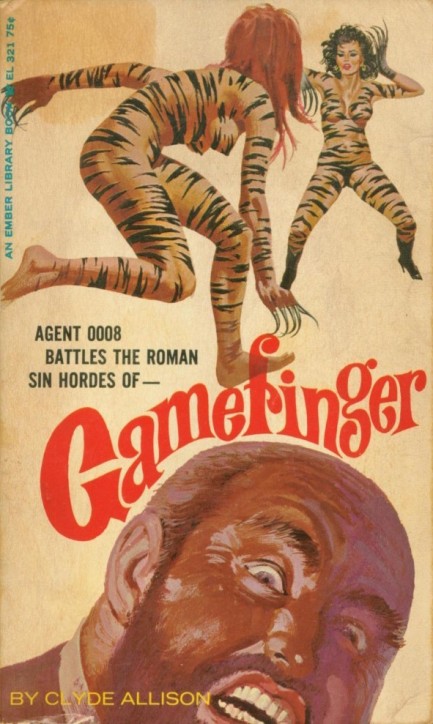 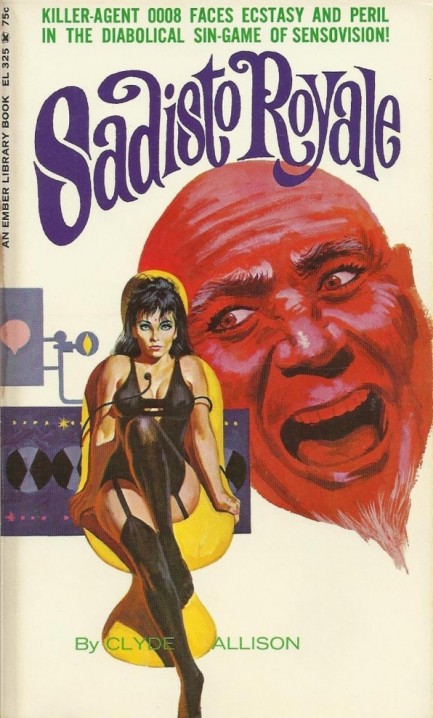 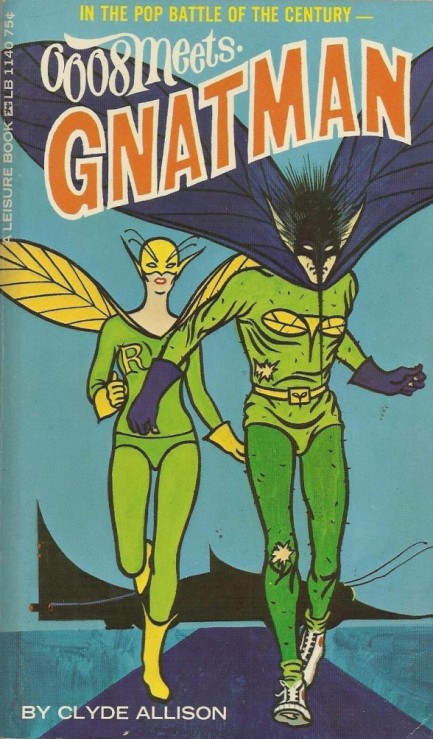 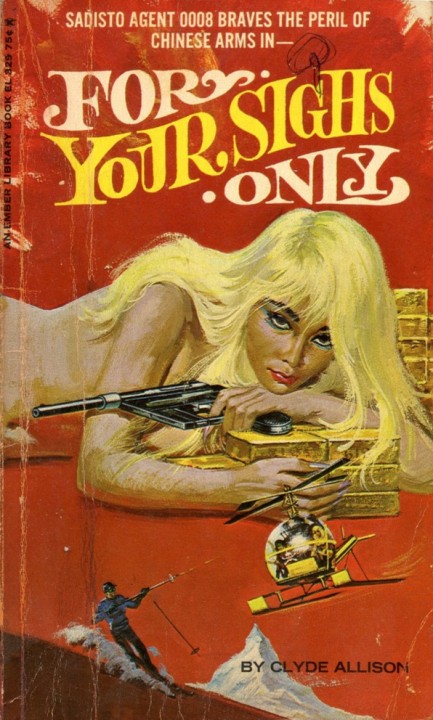 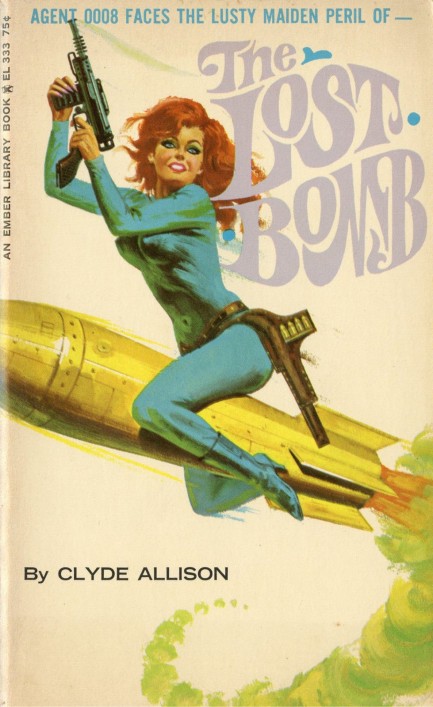 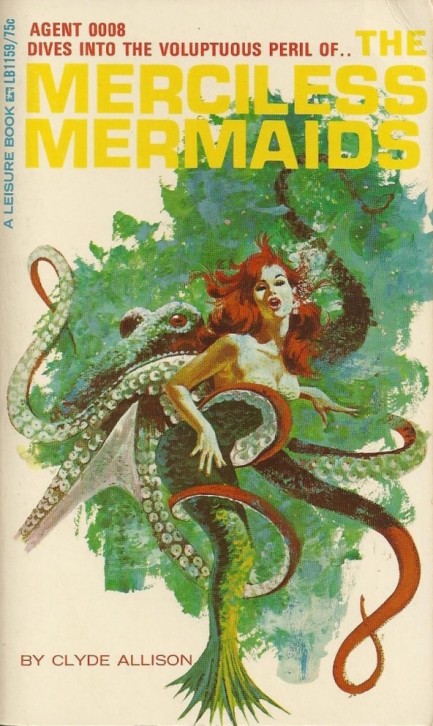 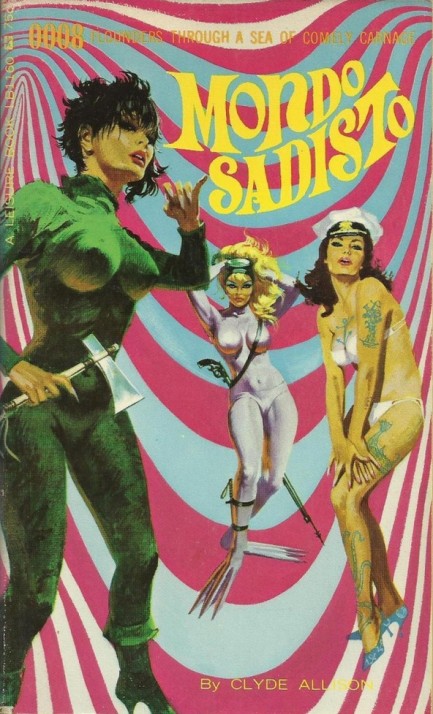 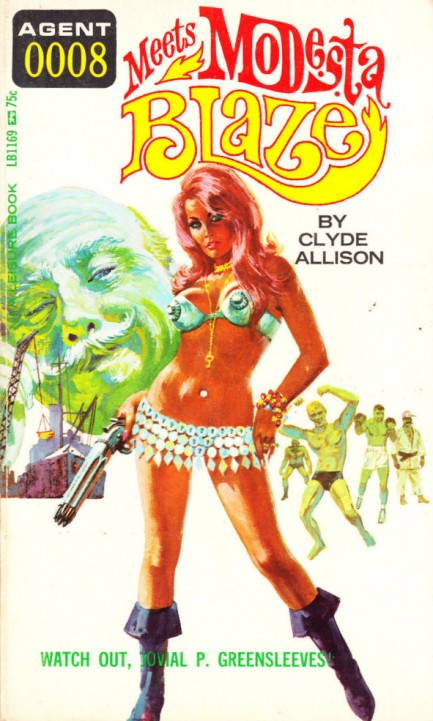 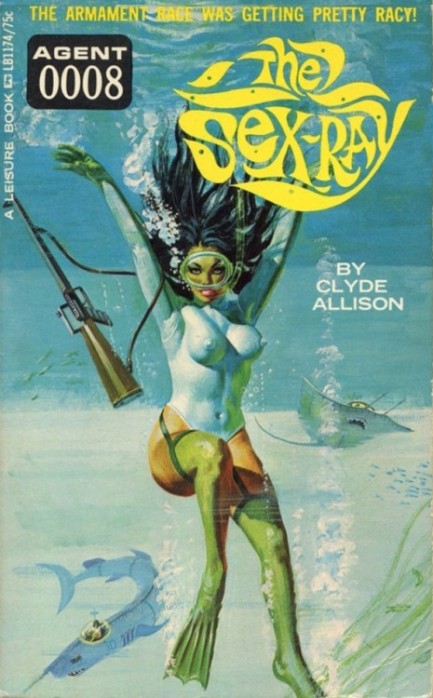 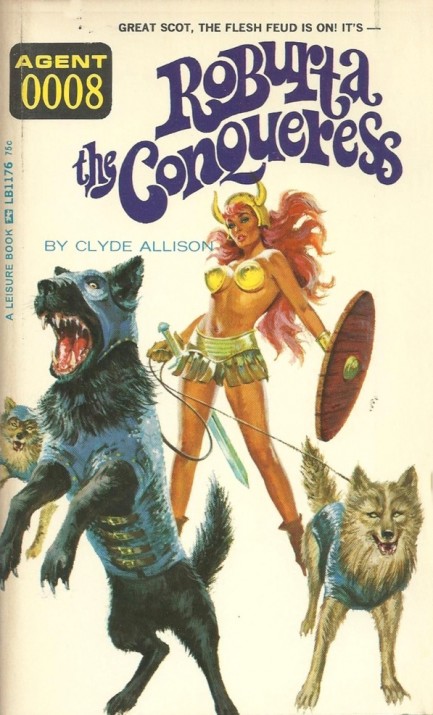 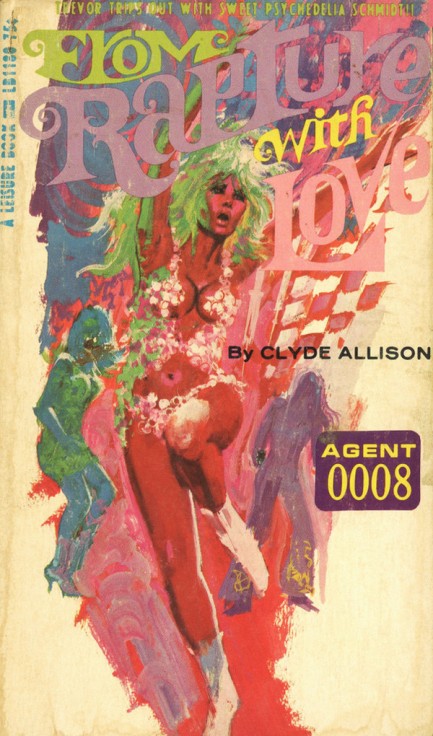 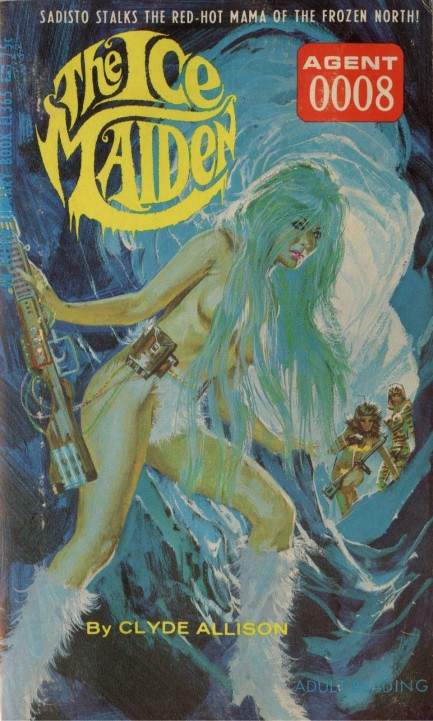 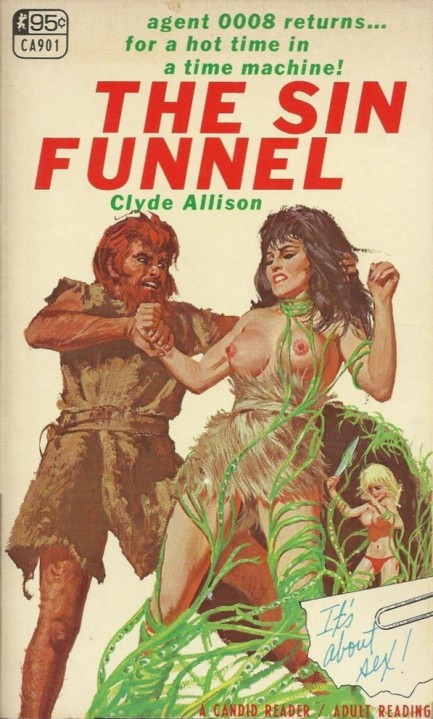 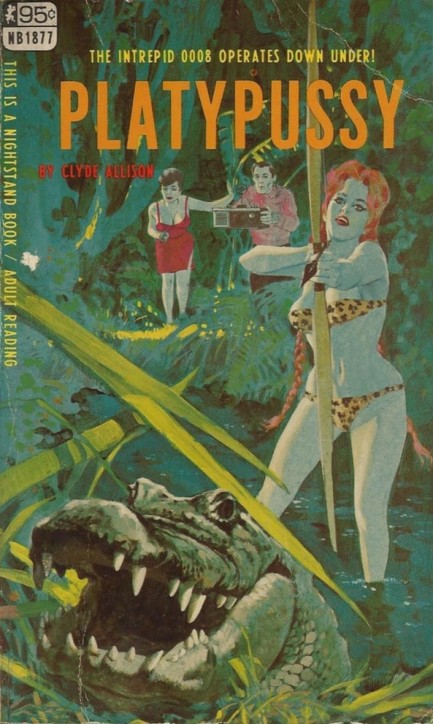 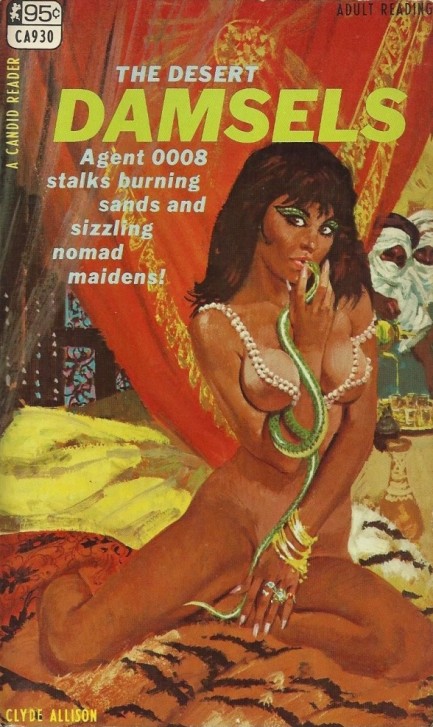
 Section of CIA trove of declassified material reveals research into psychic phenomena. 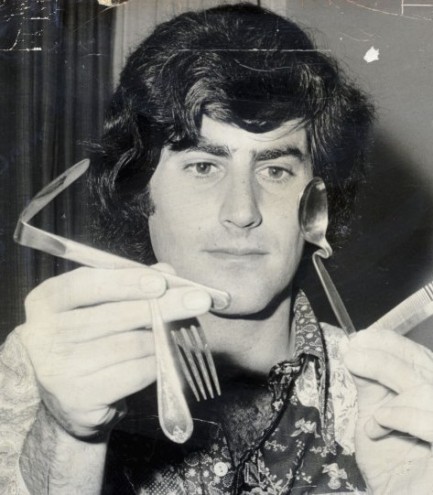
The Central Intelligence Agency has just published 800,000 formerly classified files online. The data dump, comprising some 13 million separate documents, isn't technically new. The files had been declassified years ago, but had only been available at the National Archives in Maryland, on only four computers tucked away at the back of the building which were accessible only during business hours. A freedom-of-information group called MuckRock sued the CIA and forced it to upload the collection, and the process took more than two years. Among the discoveries in the trove are documents related to the Stargate Project, which was tasked with examining psychic phenomena. A subset of those investigations involved celebrity paranormalist Uri Geller in 1973. For those who don't know, Geller is a guy who used to show up on television programs like The Tonight Show and perform various paranormal tricks. His fame drew the roving gaze of the CIA, and they had him come in for a series of tests. No word on whether he had a choice in the matter. The testers ultimately reached the conclusion that Geller was legit, stating in the declassified dox that he had, “demonstrated his paranormal perceptual ability in a convincing and unambiguous manner.” How did they reach that conclusion?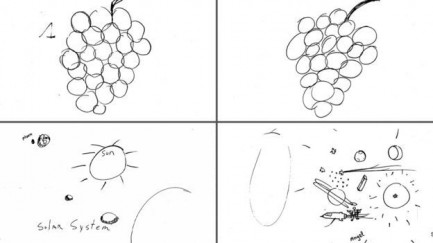 Through double blind experiments, one of which involved sealing Geller in a room, having a worker make a drawing, and asking Geller to recreate the drawing without having seen it. The images above and below show three of the original drawings, and Geller's eerily accurate renderings. Through double blind experiments, one of which involved sealing Geller in a room, having a worker make a drawing, and asking Geller to recreate the drawing without having seen it. The images above and below show three of the original drawings, and Geller's eerily accurate renderings. Geller made a nice career for himself finding hidden objects, bending spoons, and reproducing hidden sketches, but the really interesting part is he may have been a spy. In 2013, a BBC documentary titled The Secret Life of Uri Geller–Psychic Spy? claimed Geller worked for the CIA, was recruited by Mossad, and performed such missions as using only the power of his mind to erase floppy discs carried by KGB agents. Geller allegedly spent years in Mexico working as security for President José López Portillo, and the aforementioned documentary suggests he was also involved in some capacity in the famed Israeli hostage rescue in Entebbe, Uganda in 1976. It may take a few more CIA declassifications before we get to the bottom of all that. Geller is still around at age seventy (looking about fifty, which might the most convincing evidence yet of his paranormal ability) and he still appears in news reports for antics such as purchasing Lamb Island, off the eastern coast of Scotland, which was the site of many witch trials, and for building a 12 foot-tall statue of a gorilla made from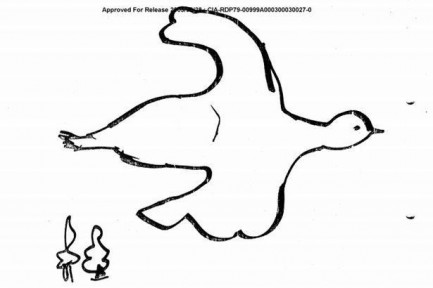 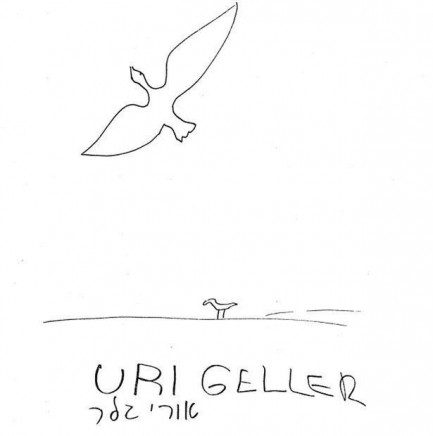 40,000 metal spoons. We aren't believers in psychic ability or any form of the paranormal. And we won't be unless we see evidence proving these realms exist. But the CIA said Geller was the real deal, so that's worth something. Of course, they also said Iraq had a nuclear weapons program, so maybe their opinion should be taken with a grain of salt. 40,000 metal spoons. We aren't believers in psychic ability or any form of the paranormal. And we won't be unless we see evidence proving these realms exist. But the CIA said Geller was the real deal, so that's worth something. Of course, they also said Iraq had a nuclear weapons program, so maybe their opinion should be taken with a grain of salt.
 Diane Webber brings a bit of warmth to winter in Baltimore. 
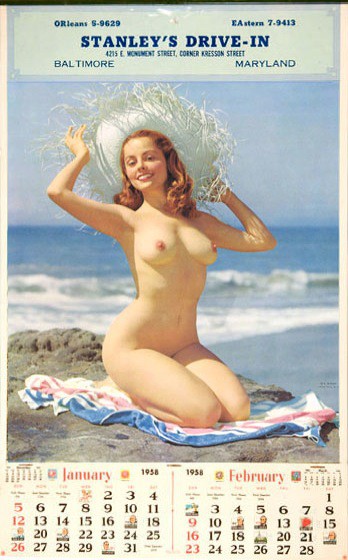 Today’s Technicolor lithograph features a recognizable figure for once—the much adored Diane Webber, a California born model, dancer, and actress who was also known as Marguerite Empey and became one of the most important fixtures of the 1950s and 1960s nudist magazine scene. You can see a few examples of those here. Webber was also a two-time Playboy centerfold under her Empey persona, in May 1955 and February 1956. We’ve mentioned before that the blank spaces at the tops of these Technicolor prints were made for the insertion of advertising, and at right you see how that worked with a calendar for a Baltimore, Maryland establishment called Stanley’s Drive-In. The original image came from the A. Scheer Company, was called Exclusively Yours, and appeared in 1955. The calendar came out in the winter of 1958. Today’s Technicolor lithograph features a recognizable figure for once—the much adored Diane Webber, a California born model, dancer, and actress who was also known as Marguerite Empey and became one of the most important fixtures of the 1950s and 1960s nudist magazine scene. You can see a few examples of those here. Webber was also a two-time Playboy centerfold under her Empey persona, in May 1955 and February 1956. We’ve mentioned before that the blank spaces at the tops of these Technicolor prints were made for the insertion of advertising, and at right you see how that worked with a calendar for a Baltimore, Maryland establishment called Stanley’s Drive-In. The original image came from the A. Scheer Company, was called Exclusively Yours, and appeared in 1955. The calendar came out in the winter of 1958.
 Like an Oreo cookie, the best part of Highway 301 is the stuff in the middle. 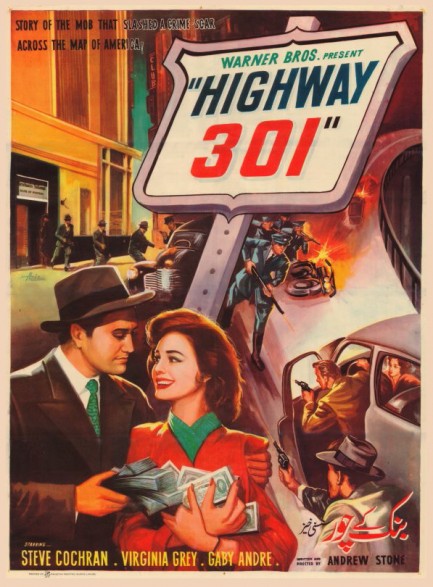
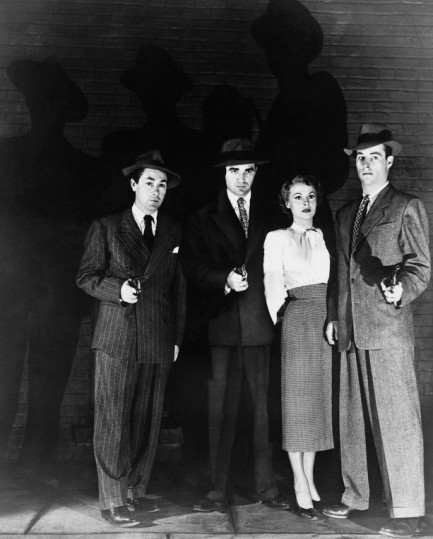
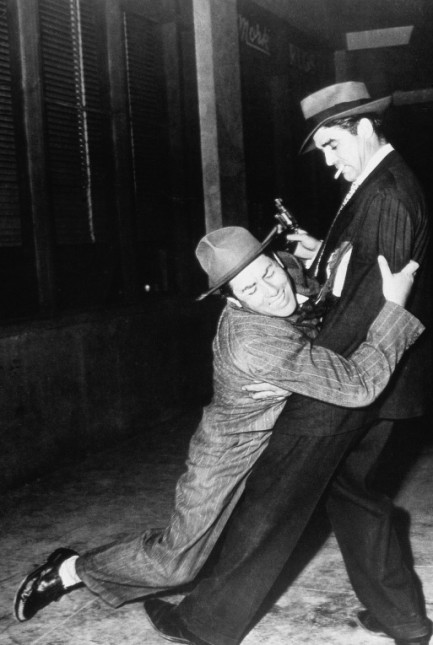
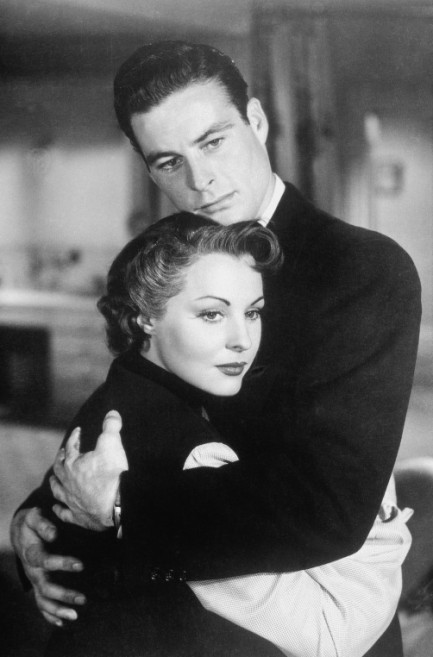
Though we can’t find much online about the making of the 1950 b-budget film noir Highway 301, we have a suspicion what happened during its production. The studio holding the purse strings, Warner Bros., had a look at the rough cut and said there’s no way we’re putting out a movie this intense. How intense is it? Influential New York Times critic Bosley Crowther called it “a straight exercise in low sadism.” So what does a studio do when it has on its hands a movie it thinks is likely to bad vibe audiences right out of the cinema? Simple—tell the audiences before the movie starts how it’s going to end. Get three sitting state governors—W. Kerr Scott of North Carolina, John S. Battle of Virginia, and William P. Lane, Jr. of Maryland—to announce in a prologue that crime does not pay, and that every member of the Tri-State Gang depicted in the movie ended up dead, except for one, who ended up in prison. Was Warner Bros. really responsible for such a blatant mutilation of Highway 301? It’s a very good bet, simply because a screenwriter can’t write a script that counts on the participation of three state governors. But for Jack Warner, well, all it would have taken was a phone call to each. If you pretend the hamfisted prologue never happened, what you end up watching is one of the most underrated and entertaining noirs ever filmed. There are two robberies, a few shootouts, and other action pieces, but the intensity in this film is supplied by its unflinching exploration of the vagaries of fate. Taking an elevator rather than the stairs, choosing to hide rather than run, heading for the back exit rather than the front—it’s decisions such as that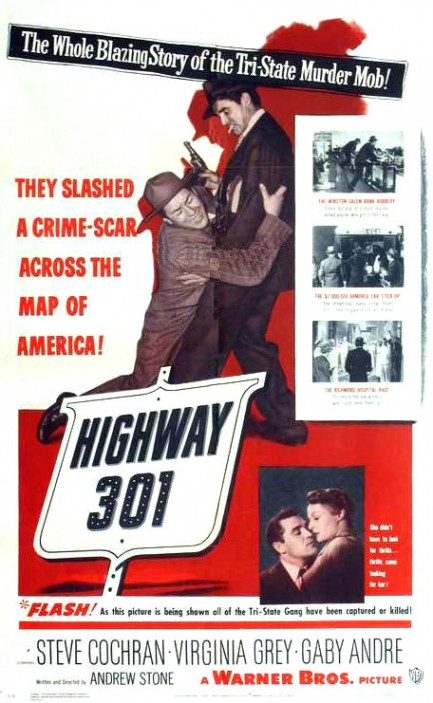 determine the fortunes and misfortunes of the characters, and which gnaw at the nerves of an audience that knows which choice is right but can only watch events unfold. At the center of it all is Steve Cochran as the gang’s murderous leader, a guy who solves every problem with a gun. The supporting cast includes Virginia Grey, Gaby Andre, and Robert Webber, and all are good in their roles. determine the fortunes and misfortunes of the characters, and which gnaw at the nerves of an audience that knows which choice is right but can only watch events unfold. At the center of it all is Steve Cochran as the gang’s murderous leader, a guy who solves every problem with a gun. The supporting cast includes Virginia Grey, Gaby Andre, and Robert Webber, and all are good in their roles. While we know the Tri-State Gang will lose in the end, there’s still plenty of suspense supplied by Gaby Andre’s predicament—she knows too much and the only reason she’s still alive is because Cochran thinks she’s beautiful. But the spell will soon wear off and at that point she’ll be just another dead witness—unless she can escape. Fate continues to intervene. Will it intercede on her behalf? Or against? We know not to anticipate her survival based on her status as the protagonist female. The body count has already told us movie convention is no refuge. That’s the genius of Highway 301—there’s no respite from tension. Every sigh of relief catches in the throat as peril mounts yet again.
Writer/director Andrew L. Stone deserves a lot of credit for putting this together. He was an experienced hand at this point, but never before had he created something so innovative. Highway 301 ends on a down note with more moralizing, but sandwiched in between is a highly recommendable drama. Flawed, yes, but only due to the intrusion of front office types, we suspect. A re-release without the moral parentheses and intermittent narration would elevate this to classic status. The poster at top is classic in its own right. It was painted by someone who signed it Aziz, and the Arabic script in the lower right corner confirms it was made for release in the Middle East or North Africa, most likely Egypt, but don’t quote us on that.
   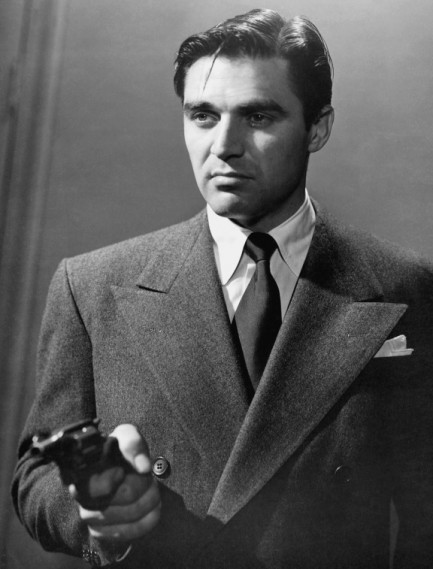 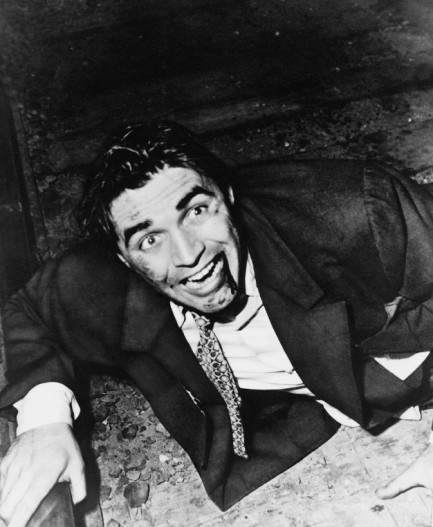
 Albert Nussbaum was good at almost everything—but what he really enjoyed was crime. 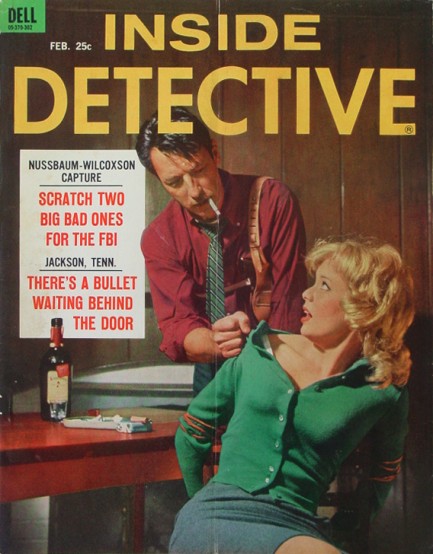
Above is an Inside Detective published February 1963, containing a feature on Albert Nussbaum and Bobby Wilcoxson, a pair of armed robbers who were among the most sought after fugitives of their time. Nussbaum was the brains of the operation, and was adept at chess and photography, and was a locksmith, gunsmith, pilot, airplane mechanic, welder, and draftsman. With his spatial and mechanical aptitude, many careers would have been available to him, but he chose instead to become a bank robber. Predictably, he was good at that too. Nussbaum and Wilcoxson knocked over eight banks between 1960 and 1962, taking in more than $250,000, which back then was the equivalent of more than two million. During a December 1961 Brooklyn robbery, Wilcoxson got an itchy trigger finger and machine-gunned a bank guard. The killing landed him on the FBI’s most wanted list. But even after the Feds distributed more than a million wanted posters and involved upwards of 600 agents in the case, they could locate neither him nor the elusive Nussbaum. The pair were just too smart.
But brains are not the same as intuition. Nussbaum was clever enough to arrange a meeting with his estranged wife right under the authorities’ noses, but apparently had no clue his mother-in-law was capable of dropping a dime on him. What followed was a 100 mph chase through the streets of Buffalo that ended only after a civilian rammed Nussbaum’s car.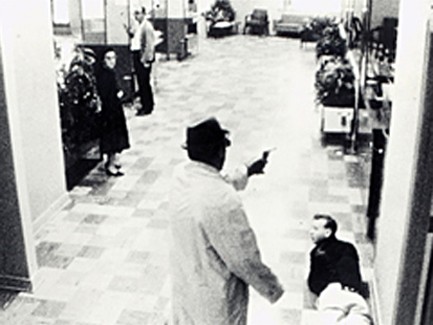 Wilcoxson was arrested soon afterward in Maryland, and both robbers were convicted of murder. But where Wilcoxson got the chair (a sentence which was commuted to life upon appeal), Nussbaum got forty years, which made him eligible for parole. Wilcoxson was arrested soon afterward in Maryland, and both robbers were convicted of murder. But where Wilcoxson got the chair (a sentence which was commuted to life upon appeal), Nussbaum got forty years, which made him eligible for parole.
Before being arrested Nussbaum had begun corresponding with mystery author Dan Marlowe, who encouraged him to put his experiences into fiction. He suddenly had plenty of time on his hands, so he wrote some short stories, and of course, he had an aptitude for that, too. With Marlowe’s help, he scored a gig writing film reviews for the Montreal magazine Take One, and after being paroled years later, wrote fiction that appeared in Ellery Queen’s Mystery Magazine, Alfred Hitchock’s Mystery Magazine, and other places. He and Marlowe eventually lived together, with Nussbaum acting as a sort of caretaker for his mentor, who was in failing health and suffering from amnesia. Marlowe died in 1987 and Nussbaum continued to write, as well as host workshops, and get himself elected president of the Southern California chapter of the Mystery Writer’s Association.
Truly, Albert Nussbaum’s story is one of the most interesting you’ll ever run across, and there’s much more to it than we covered here. Perhaps a suitable summation would be to say that before there was such a term as “street cred” Nussbaum had it in spades. His crimes resulted in a man’s death, and his later fame traded on the very experiences that led to that tragic event—unforgivable, on some level. But still, he proved that, given a second chance, some people are capable of making the most of it. Albert Nussbaum died in 1996, aged 62.
 Great weapon! Mind if I hold it? Wow, this little darlin' is just amazingly—KABOOM! 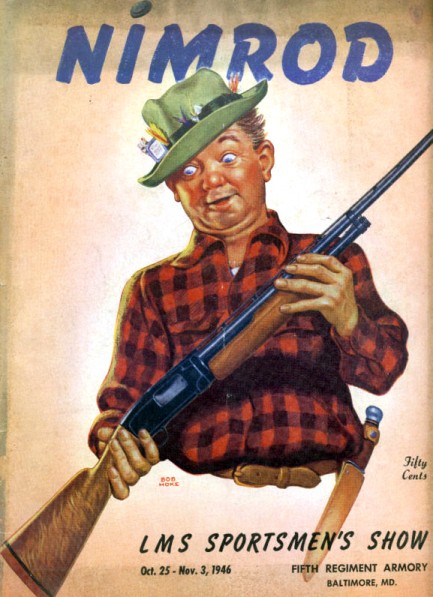
We could do an entire comedy routine on this one, vis-à-vis “Nimrod” and whether anyone involved here understood the non-literal aspects of the term, but instead we’ll just deliver the facts. This is the cover of a program for the L.M.S. Sportsmen’s Show, held in Baltimore, Maryland in the autumn of 1946, with Bob Hoke art in a Norman Rockwell vein. Inside you get a bunch of fishing and hunting articles, along with a few photos, lots of coupons for things like bullets and bait, and zero content on what to do in the event of accidentally shooting a friend in the face, i.e. pulling a Cheney. On the bright side, with his hunting buddy in intensive care, maybe he’ll get to keep the gun.
|
 |

The headlines that mattered yesteryear.
1945—Mussolini Is Arrested
Italian dictator Benito Mussolini, his mistress Clara Petacci, and fifteen supporters are arrested by Italian partisans in Dongo, Italy while attempting to escape the region in the wake of the collapse of Mussolini's fascist government. The next day, Mussolini and his mistress are both executed, along with most of the members of their group. Their bodies are then trucked to Milan where they are hung upside down on meathooks from the roof of a gas station, then spat upon and stoned until they are unrecognizable. 1933—The Gestapo Is Formed
The Geheime Staatspolizei, aka Gestapo, the official secret police force of Nazi Germany, is established. It begins under the administration of SS leader Heinrich Himmler in his position as Chief of German Police, but by 1939 is administered by the Reichssicherheitshauptamt, or Reich Main Security Office, and is a feared entity in every corner of Germany and beyond. 1937—Guernica Is Bombed
In Spain during the Spanish Civil War, the Basque town of Guernica is bombed by the German Luftwaffe, resulting in widespread destruction and casualties. The Basque government reports 1,654 people killed, while later research suggests far fewer deaths, but regardless, Guernica is viewed as an example of terror bombing and other countries learn that Nazi Germany is committed to that tactic. The bombing also becomes inspiration for Pablo Picasso, resulting in a protest painting that is not only his most famous work, but one the most important pieces of art ever produced. 1939—Batman Debuts
In Detective Comics #27, DC Comics publishes its second major superhero, Batman, who becomes one of the most popular comic book characters of all time, and then a popular camp television series starring Adam West, and lastly a multi-million dollar movie franchise starring Michael Keaton, then George Clooney, and finally Christian Bale. 1953—Crick and Watson Publish DNA Results
British scientists James D Watson and Francis Crick publish an article detailing their discovery of the existence and structure of deoxyribonucleic acid, or DNA, in Nature magazine. Their findings answer one of the oldest and most fundamental questions of biology, that of how living things reproduce themselves.
|

|
|
It's easy. We have an uploader that makes it a snap. Use it to submit your art, text, header, and subhead. Your post can be funny, serious, or anything in between, as long as it's vintage pulp. You'll get a byline and experience the fleeting pride of free authorship. We'll edit your post for typos, but the rest is up to you. Click here to give us your best shot.
|
|