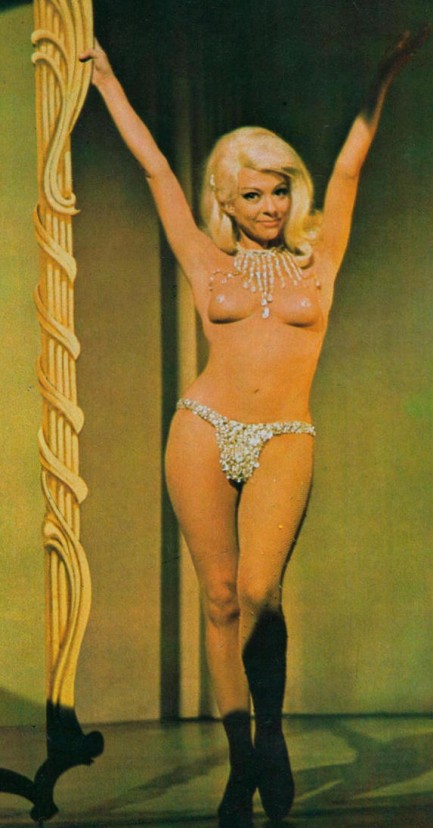
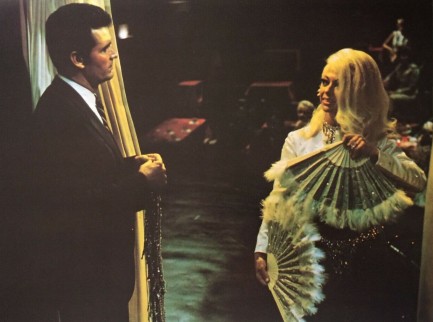
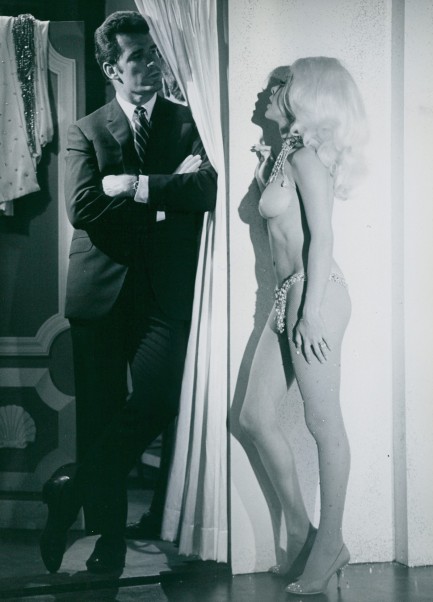
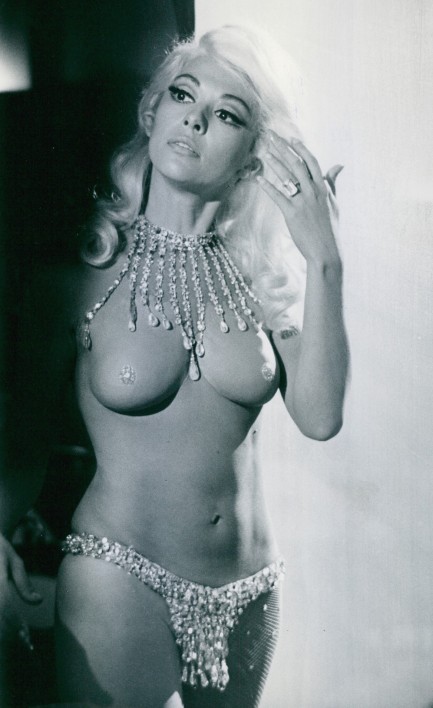
She's good with it, but she's even better with a 9 wood. 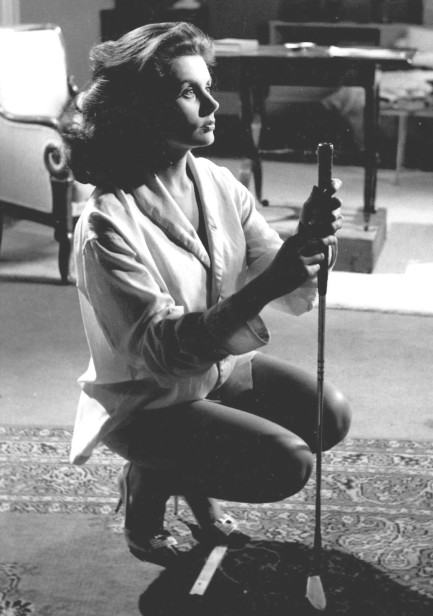
What is it about sports that all of them have so much terminology fit for sexual puns? Someone should do a study on that. Meanwhile, here you see British actress Eunice Gayson, who you remember as Sylvia Trench from the James Bond movies Dr. No (the source of this image) and From Russia with Love. In both films she serves as soft comic relief, as it were, when Sean Connery amusingly abandons her before they can consummate their lust. But that's probably why she survived both films—back then Bond's chance encounters usually were killed.
 It's not for me. It's for you. Because if you knew who I am I'd have to kill you. 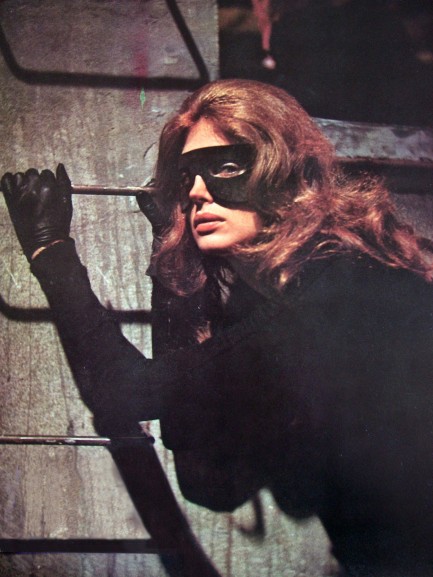
Actually, everybody would be able to figure out who she is, because a mask does nothing to hide Gayle Hunnicutt's true identity. She had one of the most unique show business faces ever, which you can see better by looking at this shot. The world lost that face over the summer when Hunnicutt died aged eighty. The above image of her about to steal everything that isn't nailed down was made for her 1974 French crime caper flick Nuit rouges, aka Shadowman. We'll return to that subject later.
 I've got the wardrobe. Now I need a ship, a crew, and a parrot. 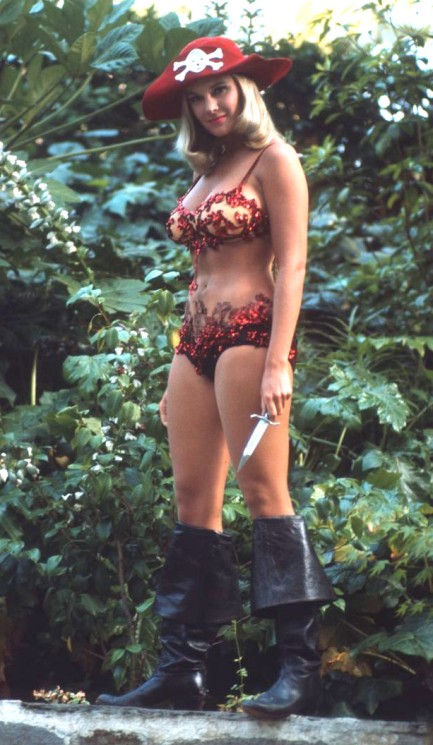
 Above is a fun photo of U.S. actress Gay MacGill, who looks a bit like a pirate here on International Talk Like a Pirate Day, but is actually costumed as a Slaygirl from her only movie, the 1966 Matt Helm spy adventure The Silencers. The Slaygirls appeared in all four movies in the Matt Helm series, though they were barely there in the second entry Murderers' Row, and in The Wrecking Crew, the last movie, they became Slaymates. In either case, you can see some examples we shared from The Ambushers here, and another from The Silencers, here. And of course—arrrrr. Above is a fun photo of U.S. actress Gay MacGill, who looks a bit like a pirate here on International Talk Like a Pirate Day, but is actually costumed as a Slaygirl from her only movie, the 1966 Matt Helm spy adventure The Silencers. The Slaygirls appeared in all four movies in the Matt Helm series, though they were barely there in the second entry Murderers' Row, and in The Wrecking Crew, the last movie, they became Slaymates. In either case, you can see some examples we shared from The Ambushers here, and another from The Silencers, here. And of course—arrrrr.
 I've decided to start a nudist colony. What do you think? Any chance of success? 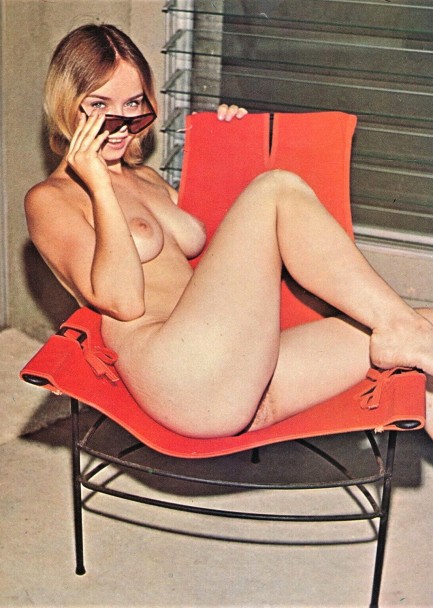
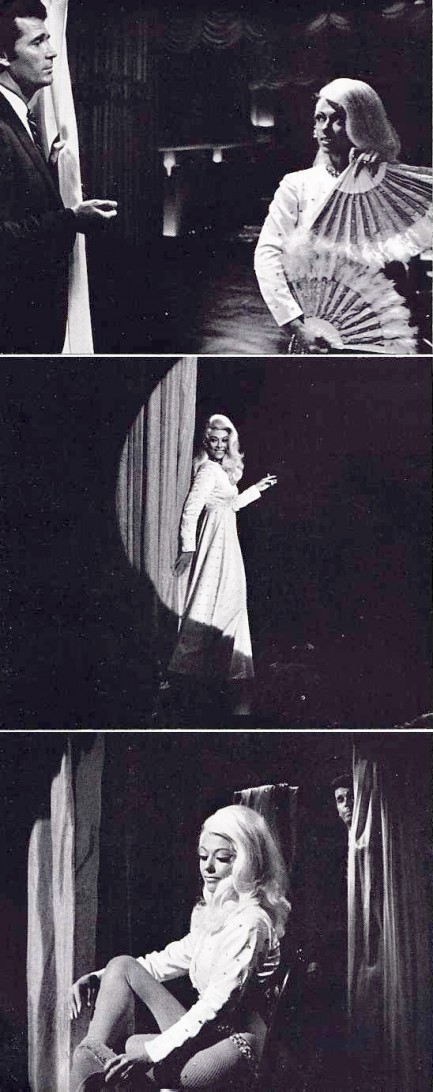
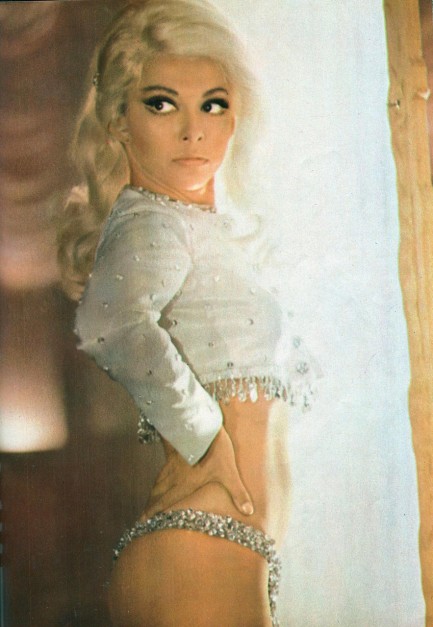
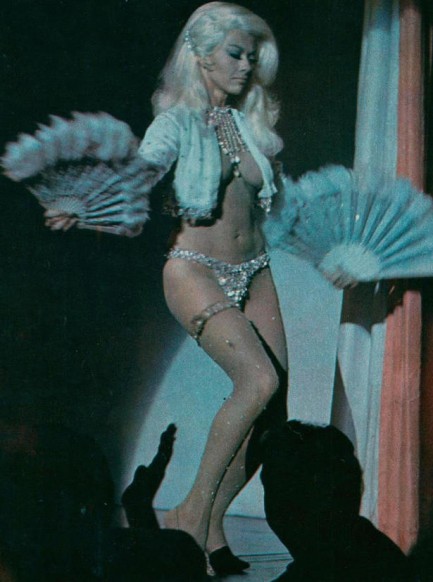
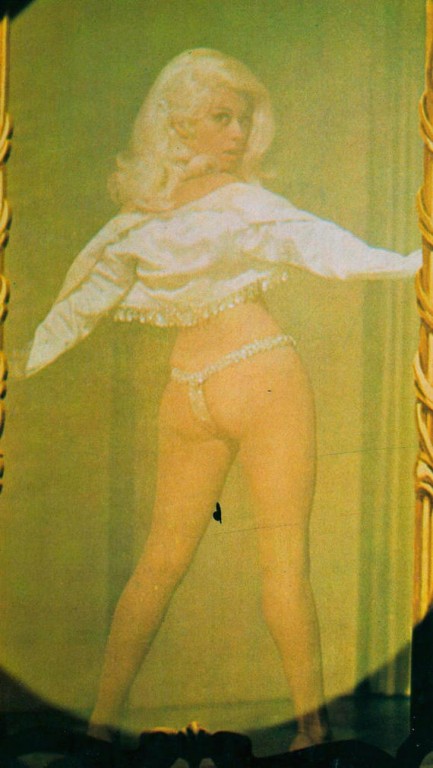
Monica Gayle was a b-movie actress extraordinaire, appearing in more than thirty mostly low budget films, including Switchblade Sisters, The Harem Bunch, The Erotic Adventures of Pinocchio, and, quite memorably, The Stewardesses, in which she's onscreen for only a few minutes but performs the lotus position in a way you've probably never seen. We also just saw her in Southern Comforts, which is why we're featuring her today—we figured after all those fuzzy screenshots we needed to give you a clearer look. Posing nude was no rarity for her. She appeared in probably a dozen men's magazines, often quite explicitly. This more modest shot of her comes from an issue of the nudist publication Sun Buffs and is from 1970.
 Looking pretty sharp, Gayle. 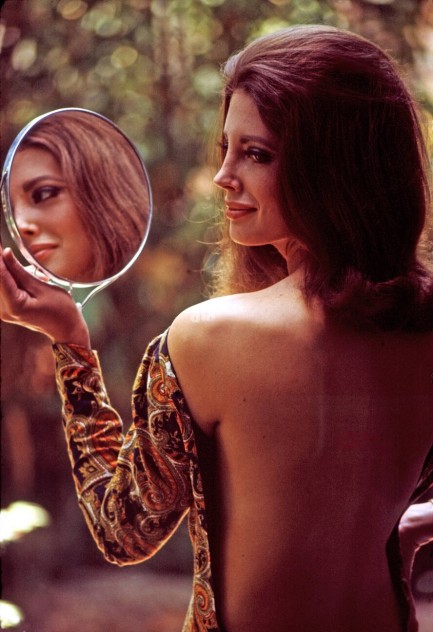
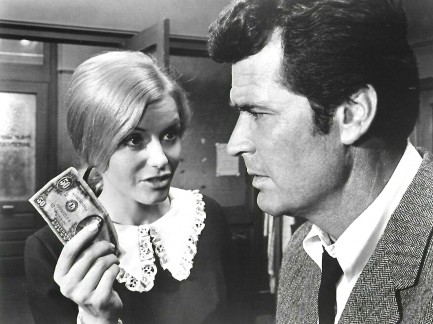
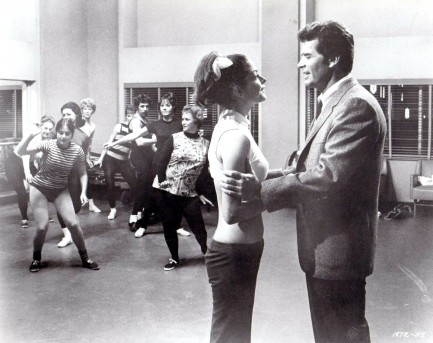
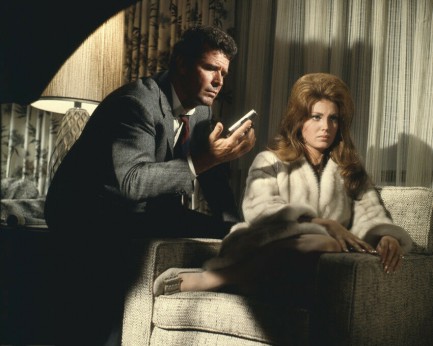
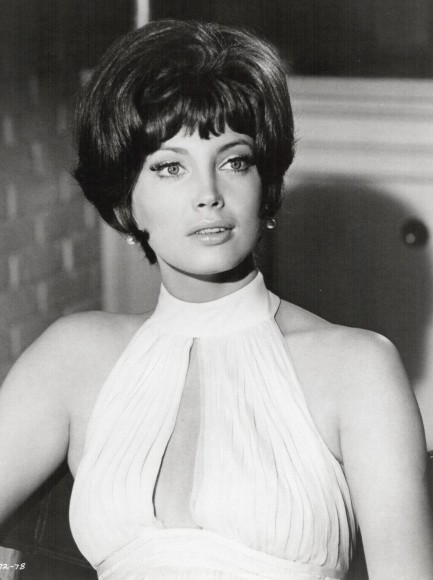
Have you ever seen a profile like this? It belongs to Texas born actress Gayle Hunnicutt, who we last saw in 1969's Marlowe with James Garner. She also appeared in The Wild Angels, The Spiral Staircase, The Legend of Hell House, and several other pulp-pertinent flicks before migrating over to television. She retired from acting in 1999, but her sharp profile will always be remembered.
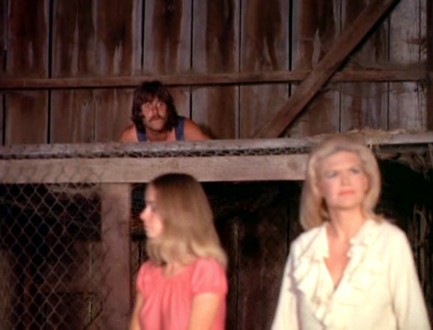
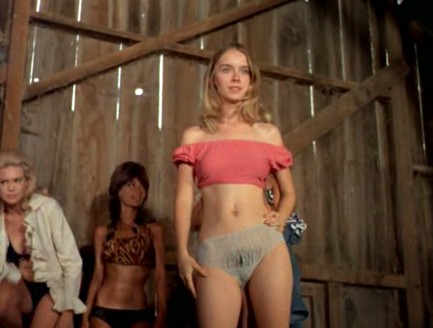
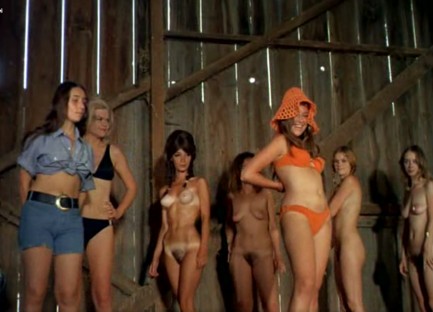
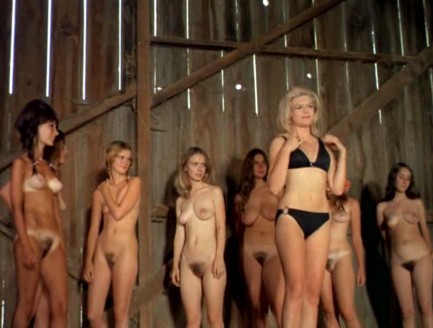
 California stands in for Dixie as sexploitation goes country. 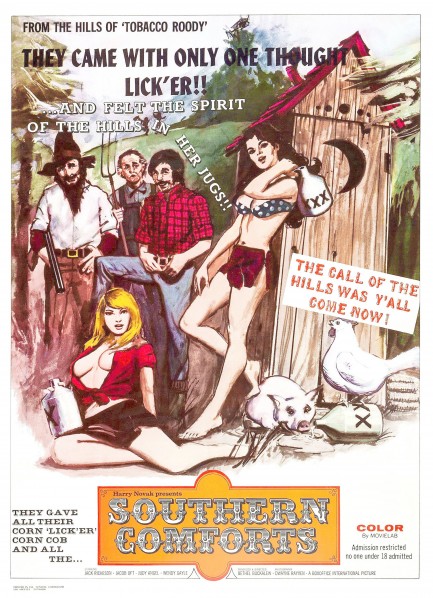
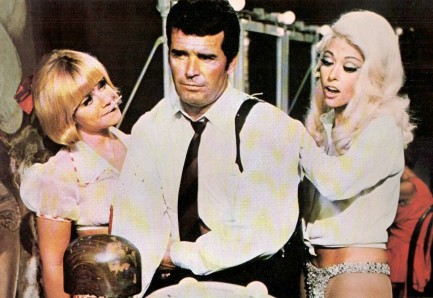
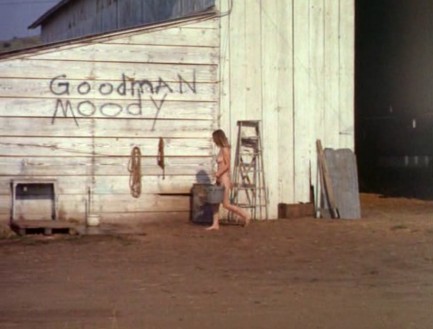
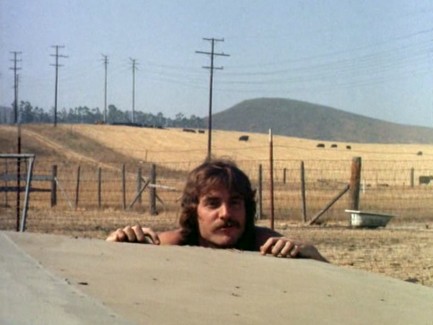
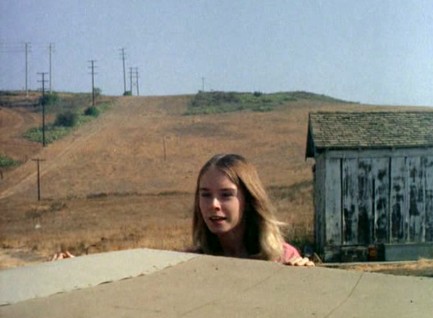
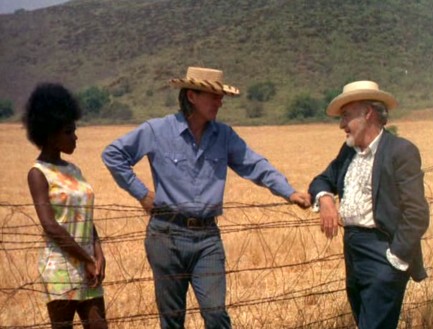
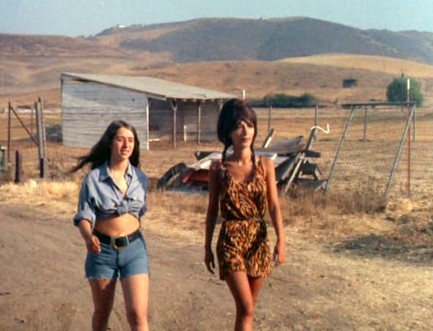
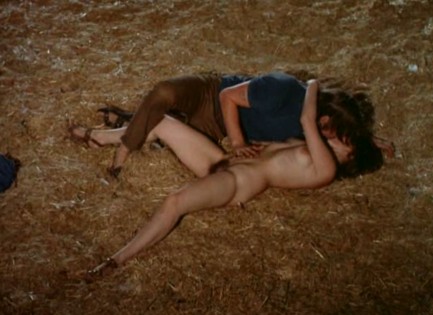
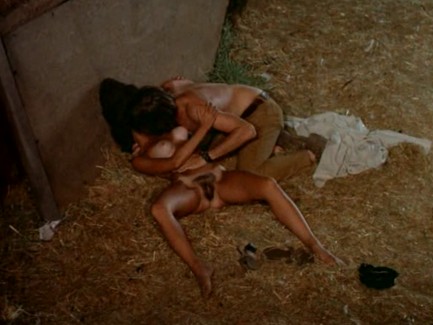
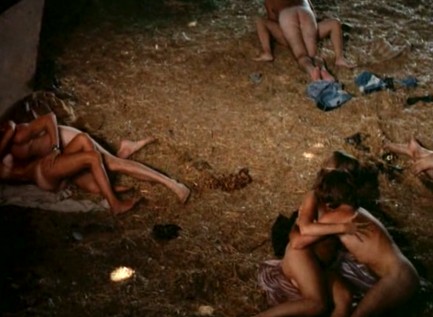
American movies are made today in many places other than southern California as a way to reduce production costs. Regions like Georgia, New Mexico, and British Columbia have built thriving film industries. But once upon the not-so-distant past the reverse was true. In order to avoid high location costs you filmed in and around Los Angeles no matter where your film was set, even if it looked ridiculous. Southern Comforts, which premiered today in 1971, is ostensibly set in the deep south, but one look at its bone dry Dukes of Hazzard landscapes tells you're about as close to the south as Manhattan is to the Bahamas.
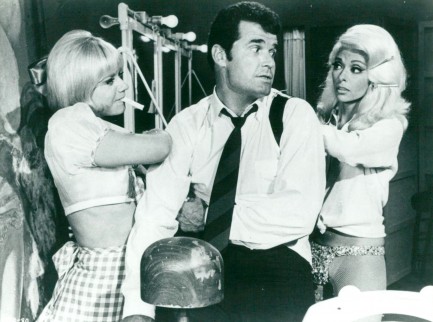
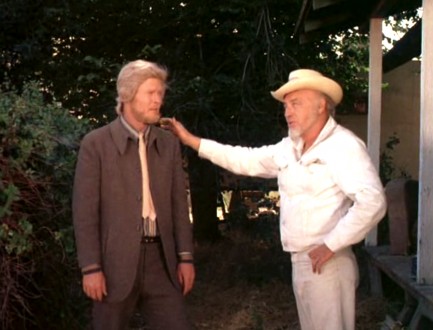
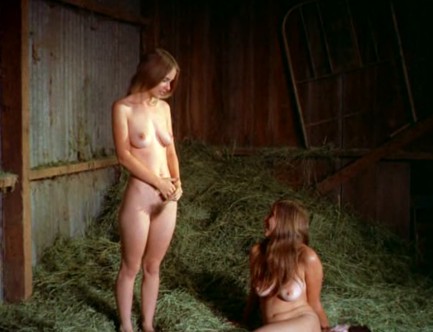
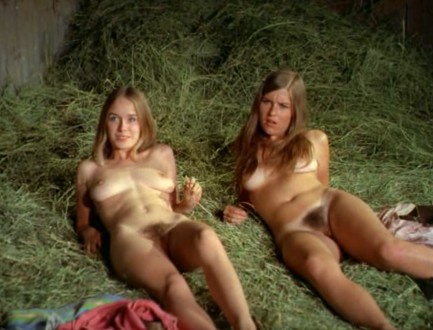
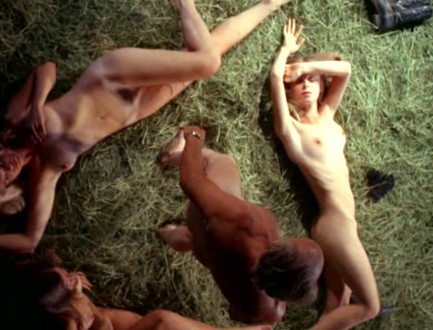
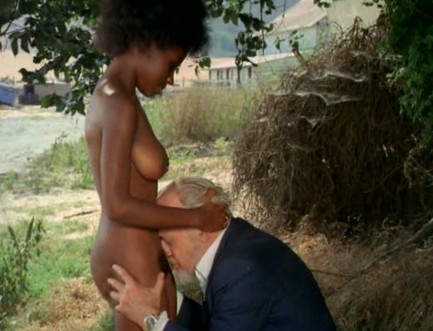
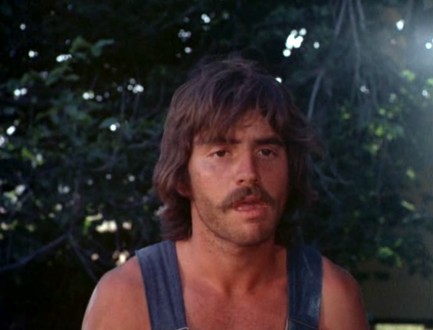
A middle-aged huckster and his three mini-skirted companions drive across “the south” looking to stage a beauty contest, but get stranded in hayseedville and decide to do it in the barn of a gentleman rancher named Colonel Melany, who insists on being paid not only in money, but in flesh. Eventually some girls from around the way show up to compete, and everybody gets naughty in the hay as a hoe-down band plays in the background. When the beauty contest finally takes place, it turns into a group striptease, which is eventually raided by local cops. That pretty much covers the plot.
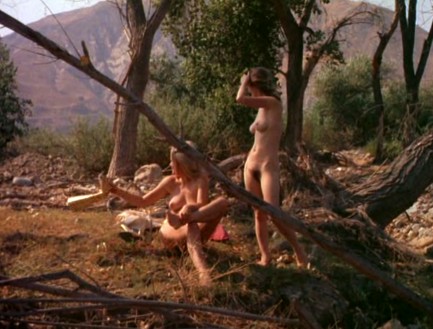
The director of all this, Bethal Buckalew, who had also made the softcore efforts Tobacco Roody and Midnite Plowboy, understood the box office dynamic of the early 1970s wherein it was enough to guarantee profit if you showed a lot of nudity. While less cynical types toiled with plots and production values, the visionary Buckalew simply trafficked in boobs, bush, and flashes of vulva (which earned this film an x rating). The only requirement for his formula was that a few of his actresses be totally uninhibited and somewhat beautiful, and he's covered thanks to co-star Monica Gayle and a couple of uncredited contributors.
Gayle was the reason we watched this. She was in the cult hit Switchblade Sisters, and clearly she moved up in the world, because Southern Comforts doesn't reach anywhere near the level of her girl-gang classic. But we'll give this movie credit for one thing—it looks like everyone had a laugh making it. Back during the liberated ’70s nobody worried that their awful sexploitation flicks might last forever thanks to digital technology. They figured to have fun, get paid, and maybe, just maybe, ascend into mainstream cinema. This amateurish effort helped nobody's career, but at least—along with a few drinks—it helped our Friday night.
             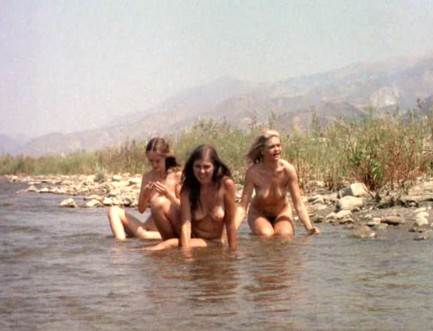 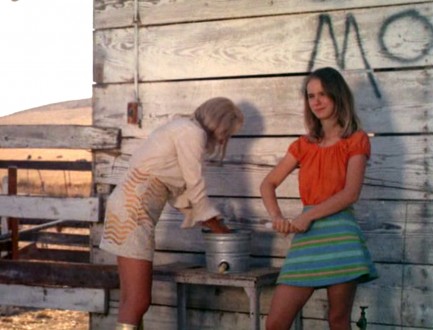 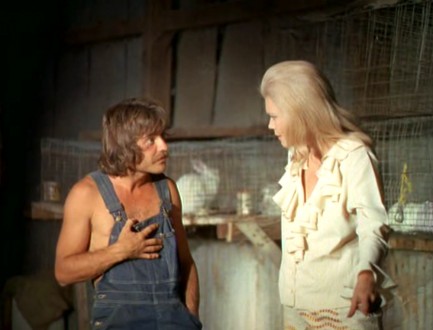 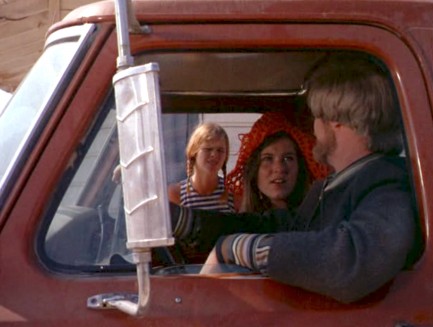       
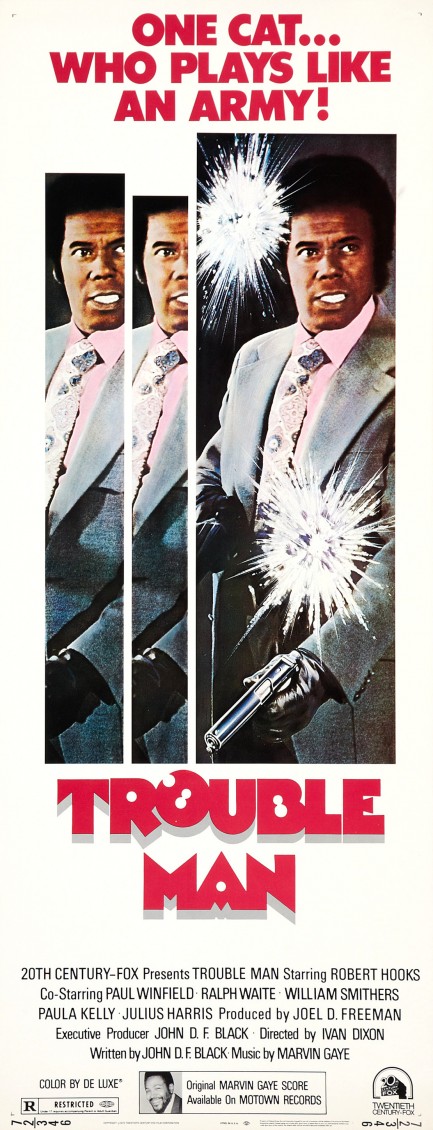
 There are only three sure things: taxes, death, and trouble. 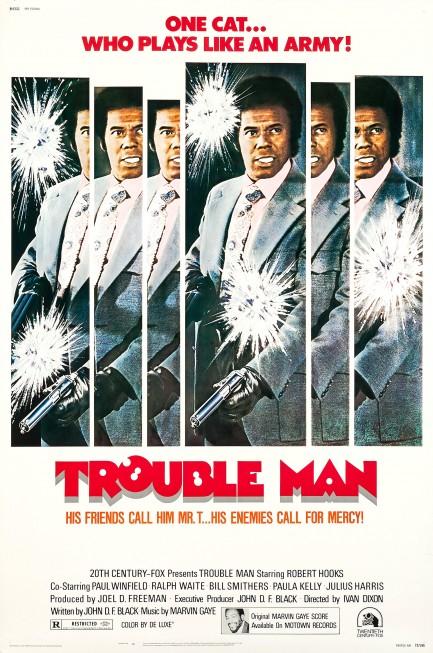
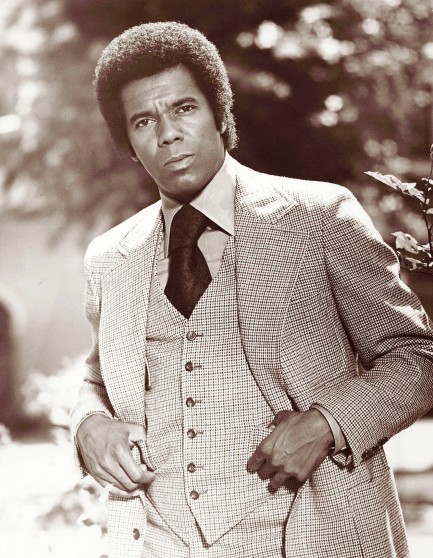
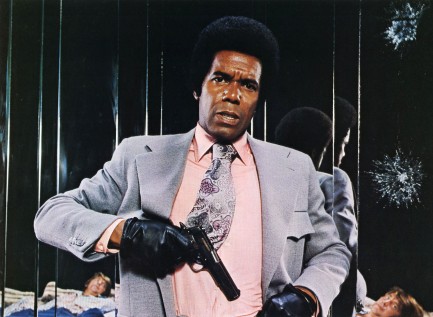
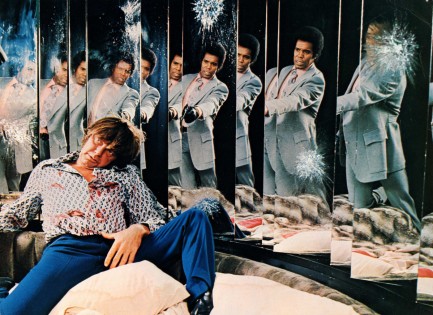
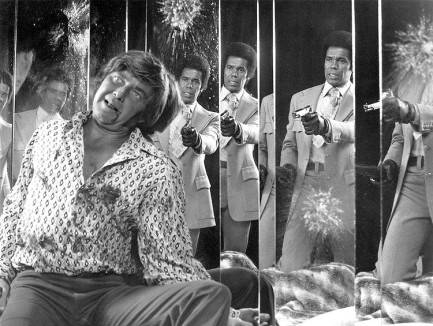
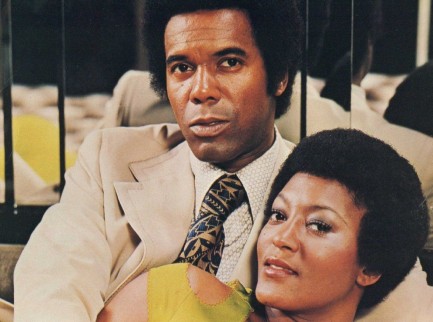
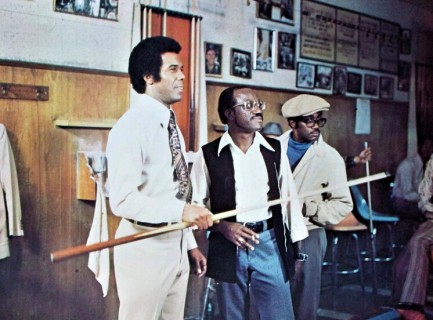
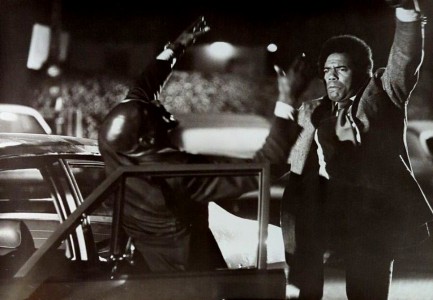
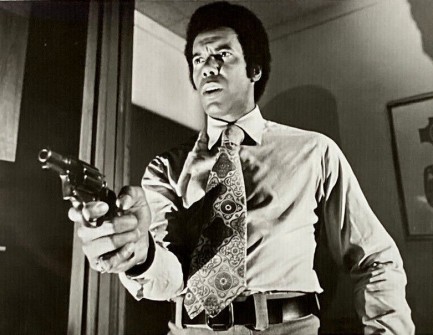
Above is a poster for the drama Trouble Man, a well known movie from the blaxploitation cycle, not least because Marvin Gaye wrote the excellent soundtrack. In fact, a line from his theme song provided our subhead about taxes, death, and trouble. Like his music, unusual talent went into the film. That goes for the direction by Ivan Dixon, the writing, and the acting. All of that is pretty well known. The movie usually makes it onto lists of best blaxploitation movies. But it can also hold its own with most detective movies from outside the genre made during the early seventies, and because blaxploitation had so many cheap, fly-by-night productions, the fact that you don't have to squint beyond many shortcomings to see it as a good movie is something to appreciate.
Robert Hooks plays a Los Angeles badass who everyone calls simply Mr. T. He makes his money as a fixer, taking care of people's troubles for payment. That's where the “T” comes from—T for trouble. Two underworld figures who run craps games come to him because their game nights are being robbed by masked men. For $10,000 T agrees to stop the thieves. Unfortunately, the robbery tale is a set-up. The two underworld guys plan to frame T for murder. The how of it is a bit complicated to explain in a short write-up, but the important detail is why—the planned mark is a top henchman of a rival gangster, and his death will make the rival's territory ripe for a takeover. The plan works, as does the frame, but T doesn't end up in jail or dead, which means he's on the loose to dig for answers.
Hooks had already been a working actor for years by the time he took on the role of Mr. T, and the experience shows. He's far better than the music stars and ex-athletes that often headlined blaxploitation productions (though a few of them were good too). An ace cast is needed because this is the type of film where the audience knows exactly what's going on from the beginning, while T and the cops are in the dark. Without a mystery, the tension is provided by filling the movie with numerous tough guys who don't give an inch. Hooks has more than enough presence to hold his own. Thanks to him and his capable co-stars, including the regal Paula Kelly as his girlfriend, Julius Harris as a top criminal figure, and Vince Howard as Harris's main strongman, Trouble Man delivers the goods. It premiered today in 1972.
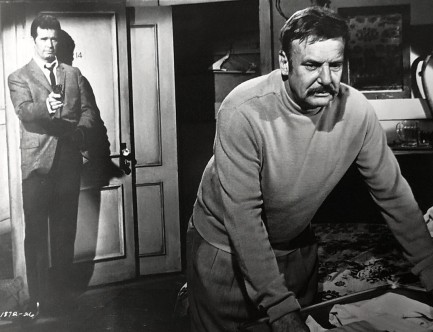
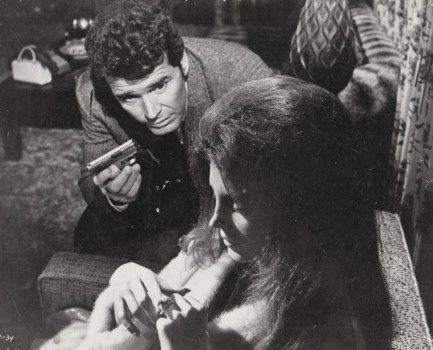
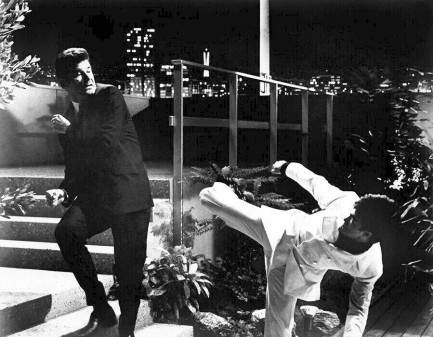
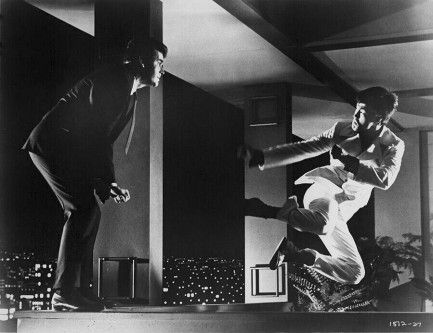
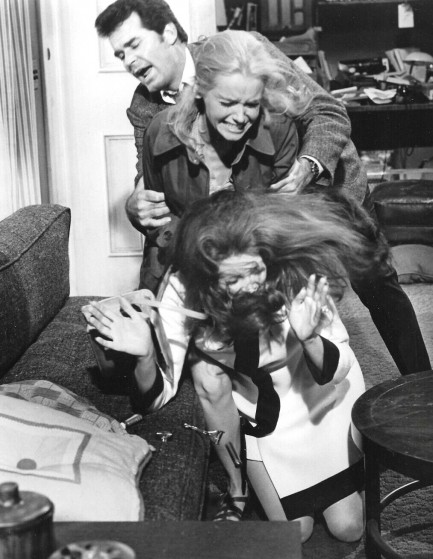
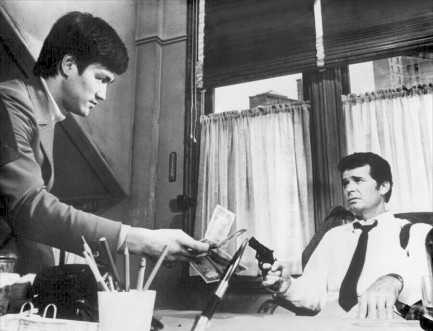
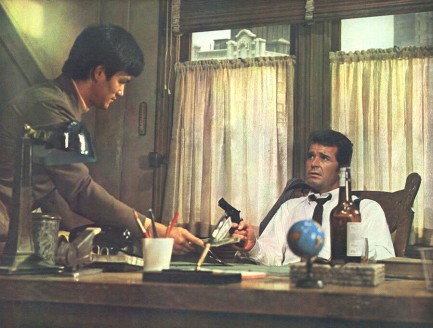
 Garner's portrayal of a classic detective feels a lot like a Rockford Files test run. 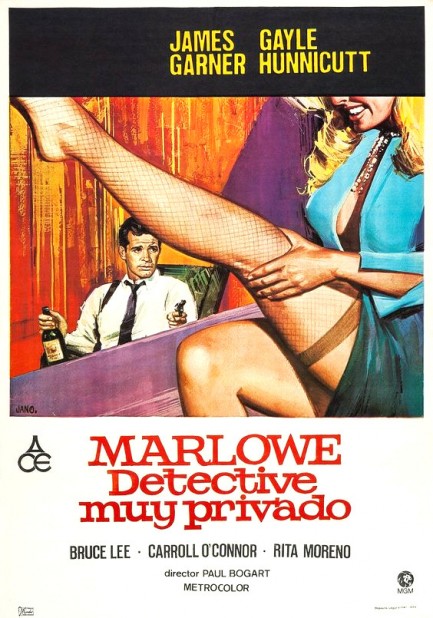
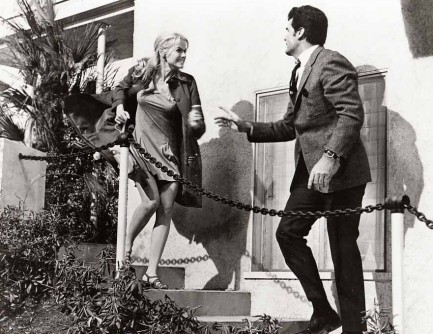
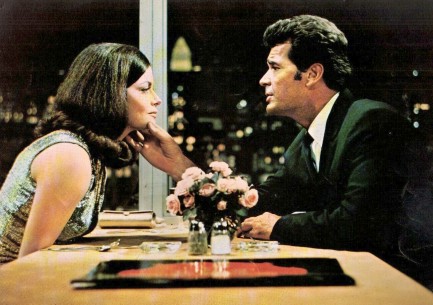
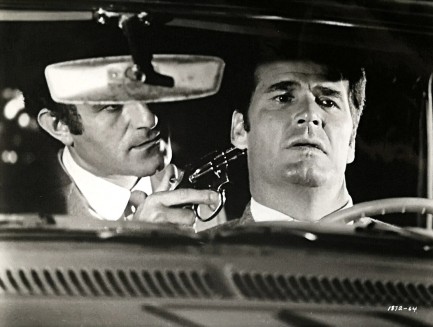
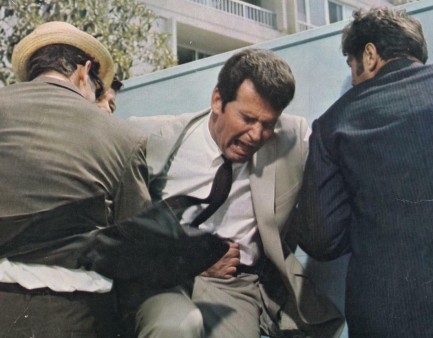
Raymond Chandler's novels have been adapted to the screen several times. One of the lesser known efforts was 1969's Marlowe, which was based on the 1949 novel The Little Sister and starred future Rockford Files centerpiece James Garner as Chandler's famed Philip Marlowe. You see a cool Spanish popster for the movie above, painted by Fernandez Zarza-Pérez, also known as Jano. As usual when we show you a foreign promo for a U.S. movie, it's because the domestic promo isn't up to the same quality. In this case the U.S. promo is almost identical, but in black and white. The choice was clear.
Since you know what to expect from a Chandler adaptation, we don't need to go into the plot much, except to say it deals with an icepick murderer and ties into show business and blackmail. What's more important is whether the filmmakers made good use of the original material, either by remaining true to its basic ideas or by imagining something new and better. They weren't going for new in this case. They were providing a vehicle for the charismatic Garner and ended up with a movie that features him in the same mode he would later perfect in Rockford.
Marlowe has a few elements of note. Rita Moreno plays a burlesque dancer, and it's one of her sexier roles. Bruce Lee makes an appearance as a thug named Winslow Wong. Garner is the star, so it isn't a spoiler to say that Lee doesn't stand a chance. He's dispatched in unlikely but amusing fashion. Overall, Marlowe feels like an ambitious television movie and plays like a test run for Rockford, but it's fun stuff. We recommend it for fans of Chandler, Moreno, Lee, Carroll O'Connor (who co-stars as a police lieutenant), and especially Garner. It premiered in the U.S. in 1969, but didn't reach Spain until today in 1976.
 Back by popular demand.
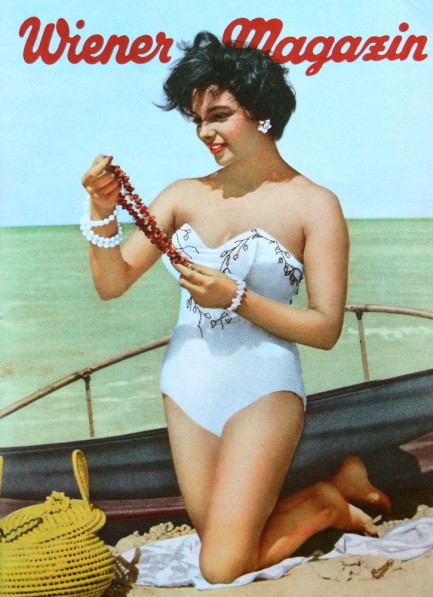
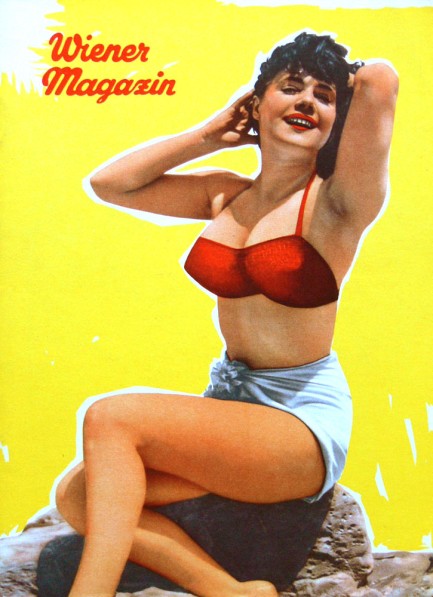
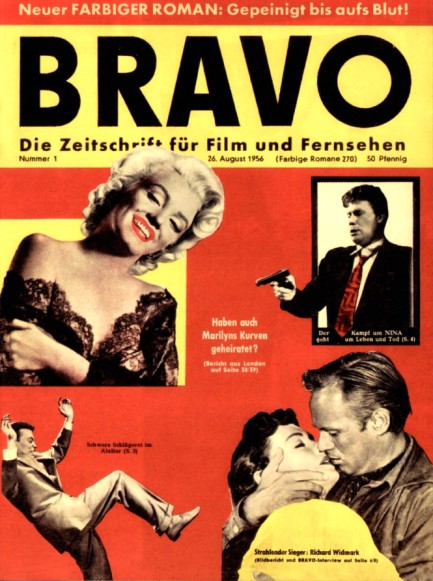
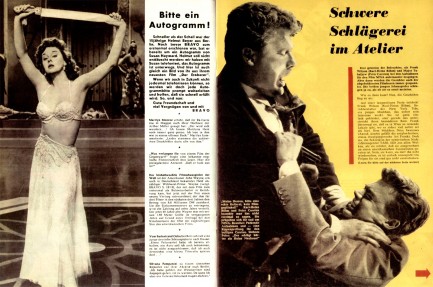
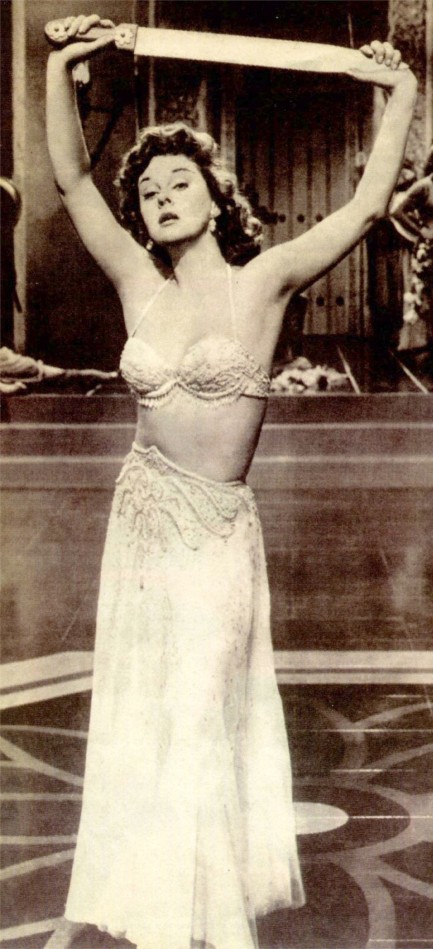
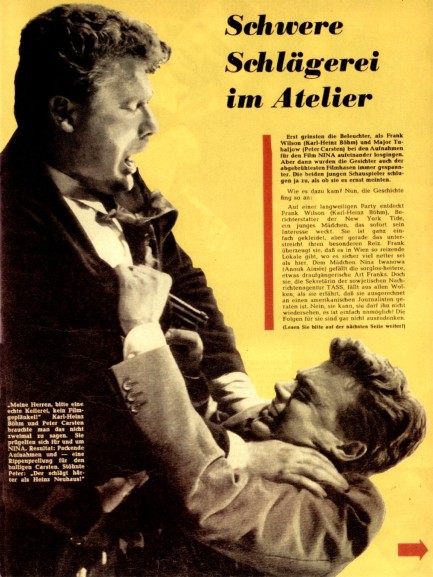
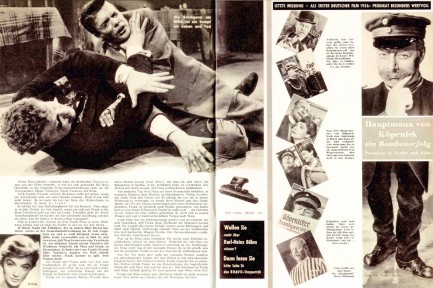
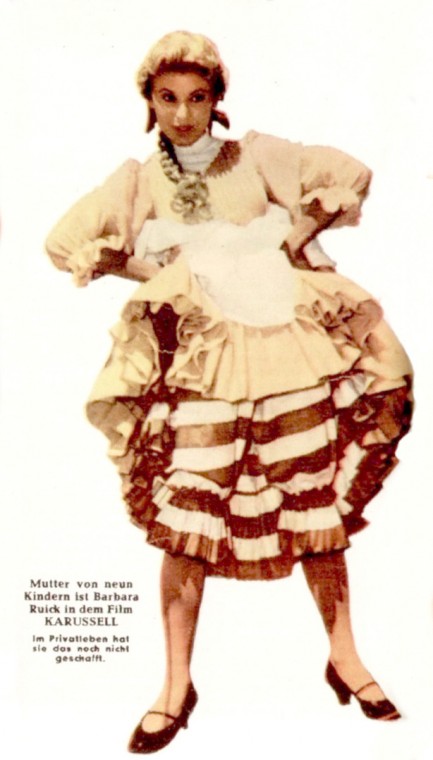
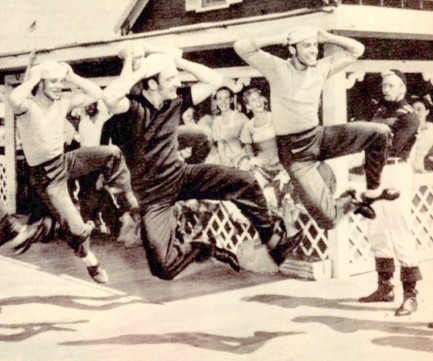
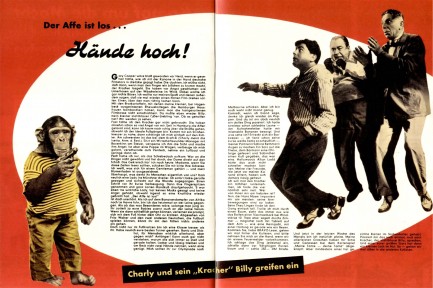
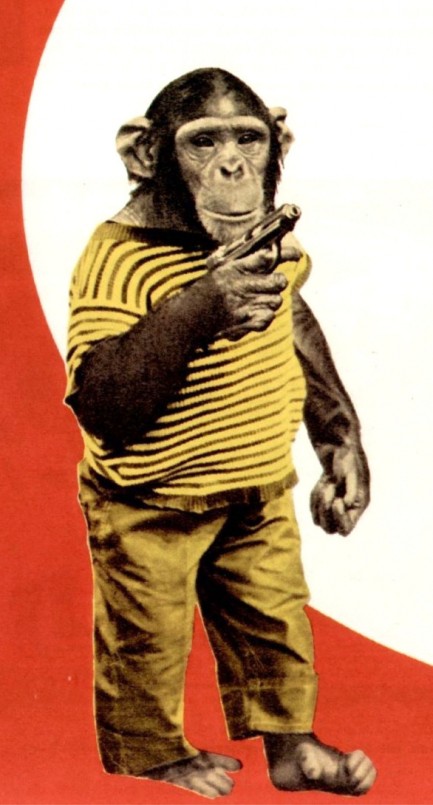
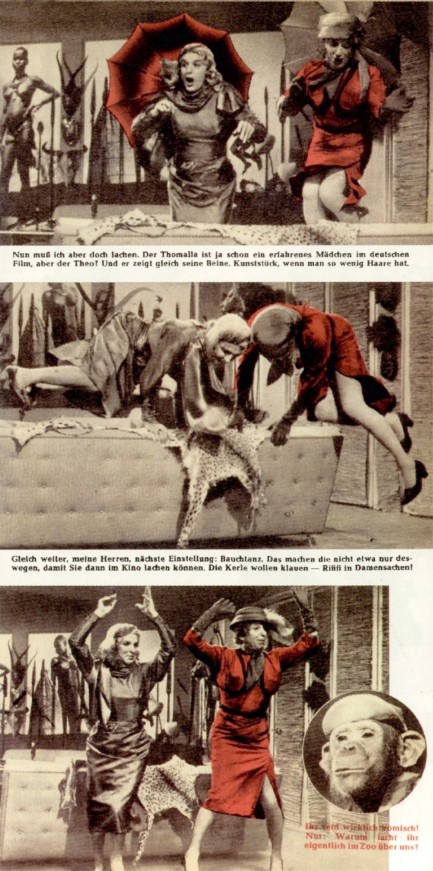
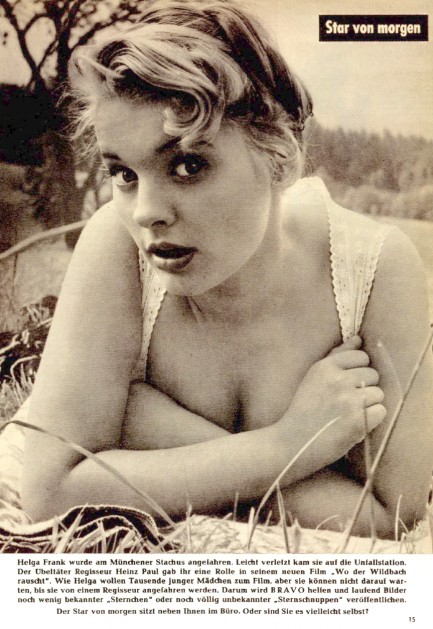
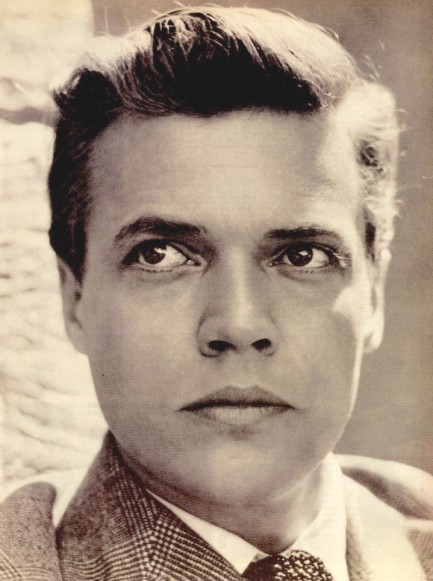
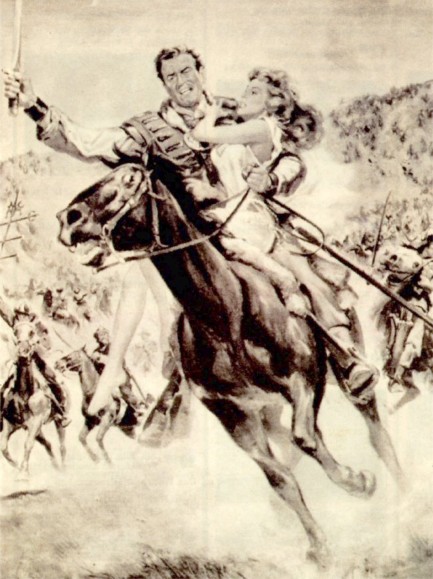
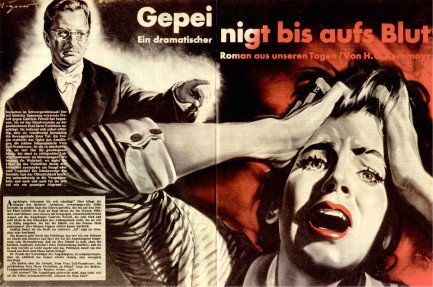
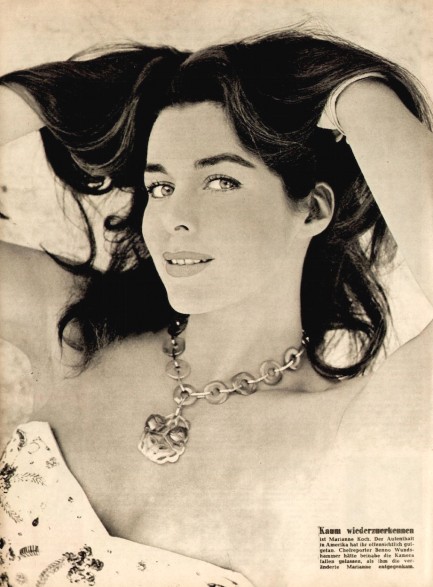
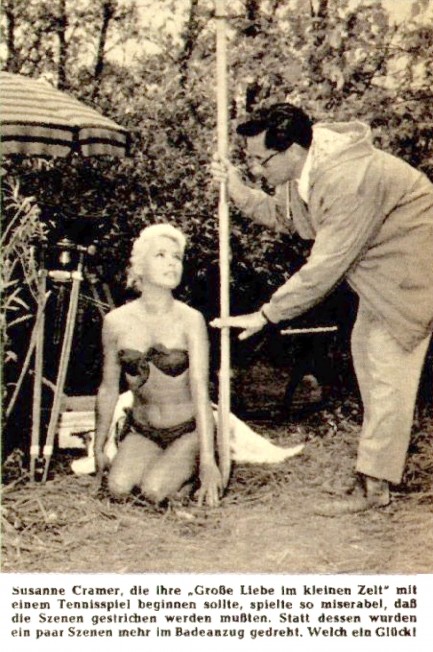
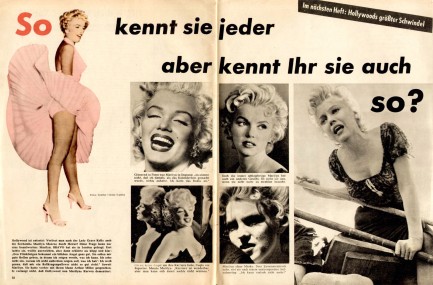
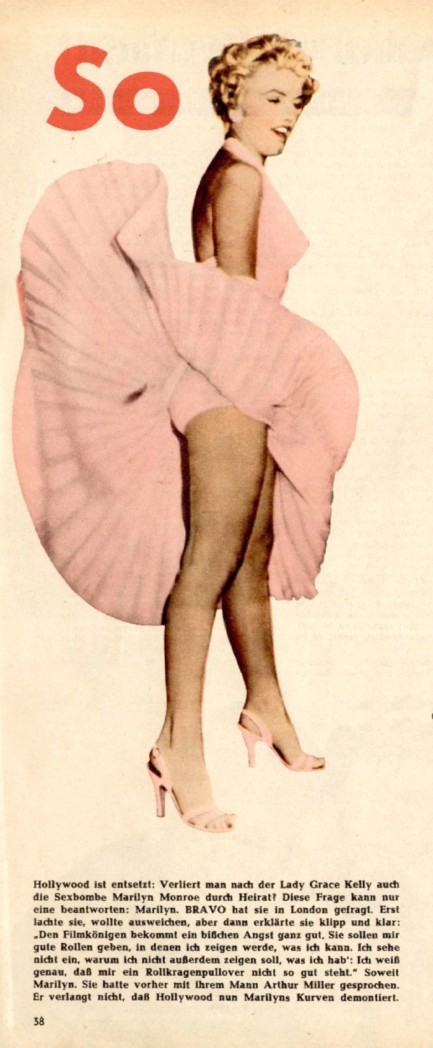
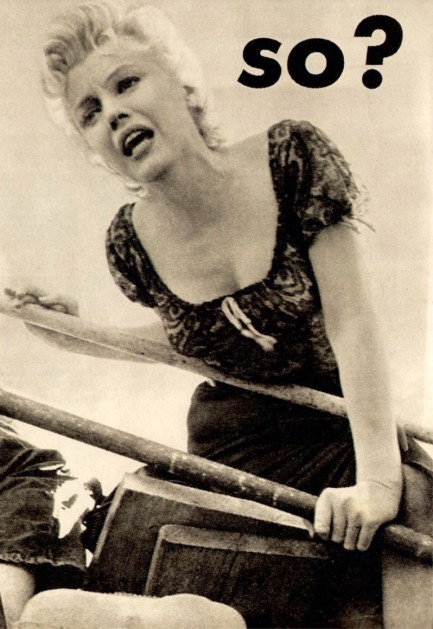
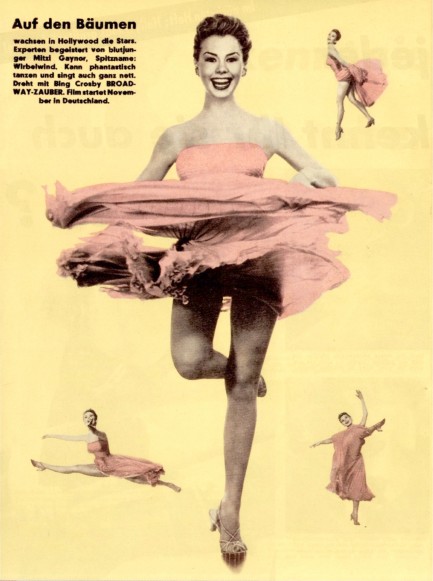
Earlier this year we shared an issue of one of the prettiest mid-century celebrity magazines—West Germany's Bravo. We have pages from another issue, published today in 1956. We'll return to this publication a bit later.

|
 |

The headlines that mattered yesteryear.
1945—Mussolini Is Arrested
Italian dictator Benito Mussolini, his mistress Clara Petacci, and fifteen supporters are arrested by Italian partisans in Dongo, Italy while attempting to escape the region in the wake of the collapse of Mussolini's fascist government. The next day, Mussolini and his mistress are both executed, along with most of the members of their group. Their bodies are then trucked to Milan where they are hung upside down on meathooks from the roof of a gas station, then spat upon and stoned until they are unrecognizable. 1933—The Gestapo Is Formed
The Geheime Staatspolizei, aka Gestapo, the official secret police force of Nazi Germany, is established. It begins under the administration of SS leader Heinrich Himmler in his position as Chief of German Police, but by 1939 is administered by the Reichssicherheitshauptamt, or Reich Main Security Office, and is a feared entity in every corner of Germany and beyond. 1937—Guernica Is Bombed
In Spain during the Spanish Civil War, the Basque town of Guernica is bombed by the German Luftwaffe, resulting in widespread destruction and casualties. The Basque government reports 1,654 people killed, while later research suggests far fewer deaths, but regardless, Guernica is viewed as an example of terror bombing and other countries learn that Nazi Germany is committed to that tactic. The bombing also becomes inspiration for Pablo Picasso, resulting in a protest painting that is not only his most famous work, but one the most important pieces of art ever produced. 1939—Batman Debuts
In Detective Comics #27, DC Comics publishes its second major superhero, Batman, who becomes one of the most popular comic book characters of all time, and then a popular camp television series starring Adam West, and lastly a multi-million dollar movie franchise starring Michael Keaton, then George Clooney, and finally Christian Bale. 1953—Crick and Watson Publish DNA Results
British scientists James D Watson and Francis Crick publish an article detailing their discovery of the existence and structure of deoxyribonucleic acid, or DNA, in Nature magazine. Their findings answer one of the oldest and most fundamental questions of biology, that of how living things reproduce themselves.
|

|
|
It's easy. We have an uploader that makes it a snap. Use it to submit your art, text, header, and subhead. Your post can be funny, serious, or anything in between, as long as it's vintage pulp. You'll get a byline and experience the fleeting pride of free authorship. We'll edit your post for typos, but the rest is up to you. Click here to give us your best shot.
|
|