 The lawless of the jungle. 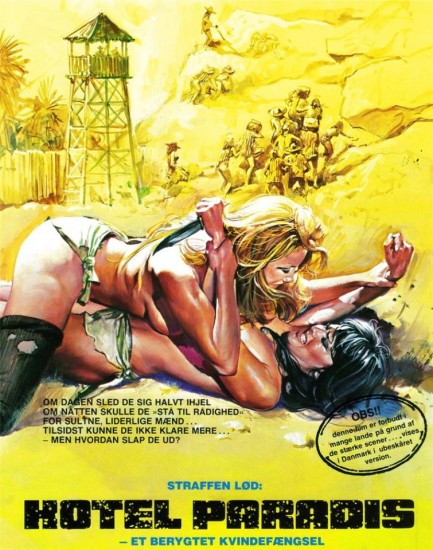
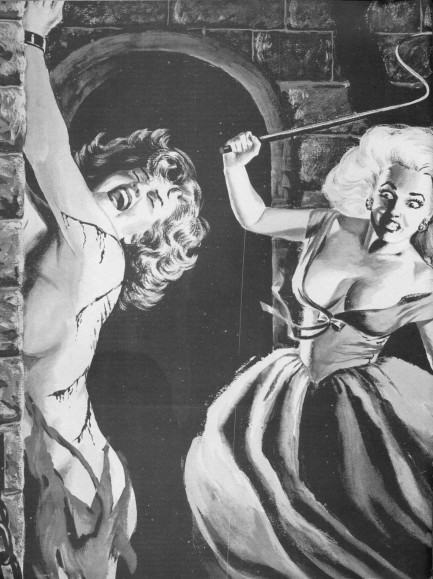
The curious and certainly never-to-reappear style of movies referred today as women-in-prison, or WIP, is a subgenre of sexploitation cinema that came about for one reason: it used settings in which women were helpless. Well, in theory. The dramatic thrust of the plots always derived from attempts to retain dignity and to escape captivity. The protagonist was usually an odd woman out—an unjustly imprisoned victim or an undercover operative—surrounded by a mix of prisoners who were hopeless, cruel, sexually predatory, and complicit, plus the abusive guards, one of whom nearly always was a sadistic woman.
Hotel Paradis stars Anthony Steffen, Ajita Wilson, and the slinky Cristina Lay, sometimes referred to as Cristina Lai. There are numerous posters for it, but we like the above Danish effort featuring a fight to the death. Its text notes: This film is banned in many countries because of its strong scenes.... it's shown in Denmark in uncut version. Indeed. Interracial lesbian sex might be to blame for the banning. There are other possible reasons too. We won't waste our time trying to figure it out. As an aside, the movie was filmed concurrently with the WIP flick Femmine infernali using the same cast, director, and sets. So consider this a write-up of that movie too, since the pair are basically identical.
Plotwise, a group of women are being transported to a jungle hellhole prison where forced labor is used to dig for emeralds. When their guards are ambushed and killed by patriot soldiers seeking to steal the emeralds to fund a nebulous revolt, the women agree to continue posing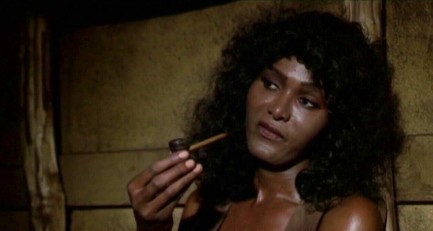 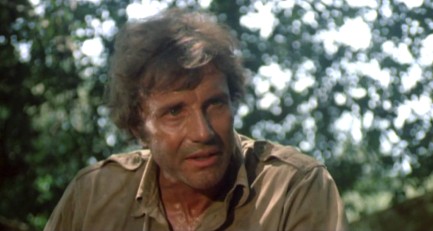 as prisoners in order to aid the infiltration of the camp. Behind bars is one inmate—Wilson—who has the shining or something, and keeps telling the others that violence, death, and freedom are coming. Also coming are WIP staples such as the evil wardenness, languorous shower scenes, whippings, baroque tortures, and sexual assault. It all ends pro forma with a climactic shootout. as prisoners in order to aid the infiltration of the camp. Behind bars is one inmate—Wilson—who has the shining or something, and keeps telling the others that violence, death, and freedom are coming. Also coming are WIP staples such as the evil wardenness, languorous shower scenes, whippings, baroque tortures, and sexual assault. It all ends pro forma with a climactic shootout.
Obviously, you have to go into these types of movies with a sense of humor if you can. When Lay first meets Wilson in the camp, she says, “My name's Maria. I'm frightened.” Why, oh why, didn't Wilson respond, “I'm Ajita. I'm a virgo”? Too bad we didn't write the script. Lay then helps herself to Wilson's pipe—which Wilson just a bit earlier had used to masturbate. If she can obtain a pipe you'd think she could get a dildo, but whatever, in prison you have to find your pleasures where you can. And in women-in-prison movies the same holds true—we thought the scene was hilarious. It was merely one of many.
It should be noted that while Wilson is the female lead, and we've shared a couple of racy images of her and highlighted her importance as a trans trailblazer, Lay is the audience draw here. She's unusually beautiful, and director Edoardo Mulargia and the movie's producers know it quite well. She gets the most loving camera work, the wettest shower scene, a nice interlude with Wilson, and goes through the entire final shootout obviously naked beneath her tattered prison tunic and with the top of it hanging wide open. It's not quite Frauen für Zellenblock 9, in which Karine Gambier and company perform their long escape sequence completely starkers, but it's notable just the same.
Hotel Paradis is obviously sexist and exploitative. As we've said before, in the same way blaxploitation movies usually show a racist power structure before the hero shatters it, sexploitation movies sometimes do the same with sexism. Sometimes. Not here. There are additional flaws. Compared to better WIP efforts it lacks the winking sense of humor, the empowerment undercurrent, and the sense of actors having fun while making something they know is ridiculous. There's a hardcore cut of this film with explicit scenes spliced in. It merely amplifies the aforementioned issues, so we suggest you avoid that version. But really, if you avoid Hotel Paradis entirely you'll probably be a better person for it. It premiered in Italy as Orinoco: Prigioniere del sesso in the autumn of 1980, and in Denmark today in 1983.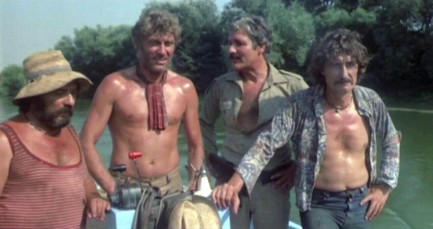  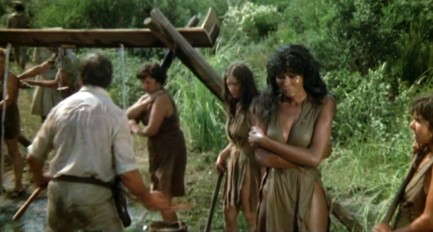 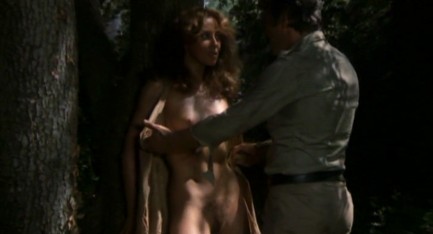 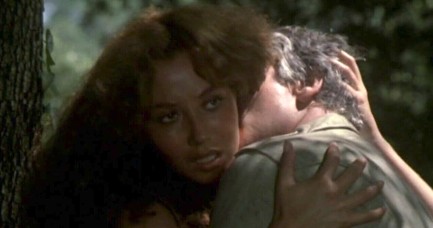 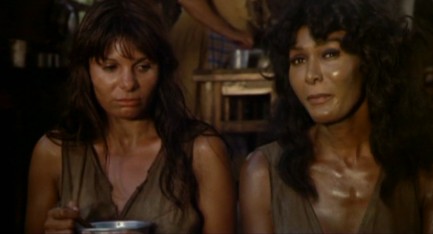 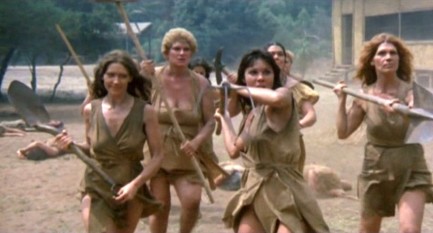 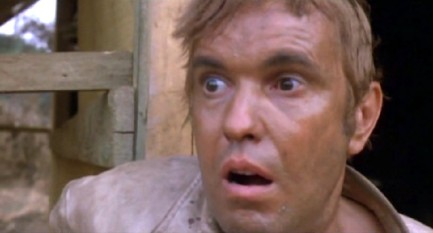 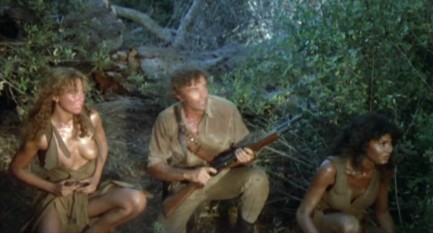 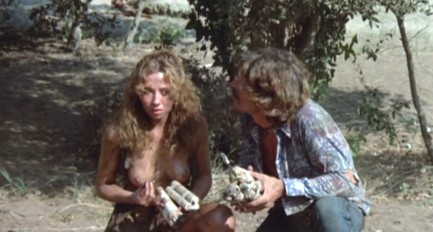
 If she was fishing for compliments she probably got them. 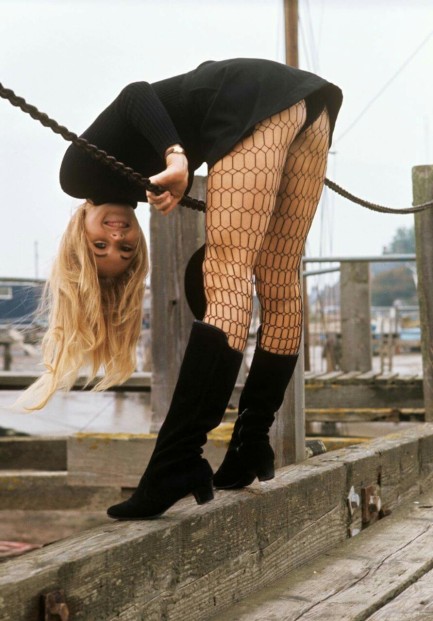
Danish actress Kirsten Lindholm strikes an interesting pose in this promo image made around 1970. Acting under her own name and as Kirsten Betts, she had small roles in seven movies, including The Love Factor, Crescendo, Twins of Evil, The Vampire Lovers, and Lust for a Vampire. Four of those were horror flicks made by Hammer Studios, which is why she's remembered by cult movie fans as a “Hammer horror babe,” which is like being a James Bond girl but with more blood and screaming. She was also a model, and turned up at one point in Playboy, which made occasional use of this pose, as we've seen previously with Dolores Donlon. We've not yet screened a Lindholm/Betts movie during our long pulp project, but that's probably inevitable. Expect to see her again.
 MGM's fantasy version of Africa goes swinging into northern Europe. 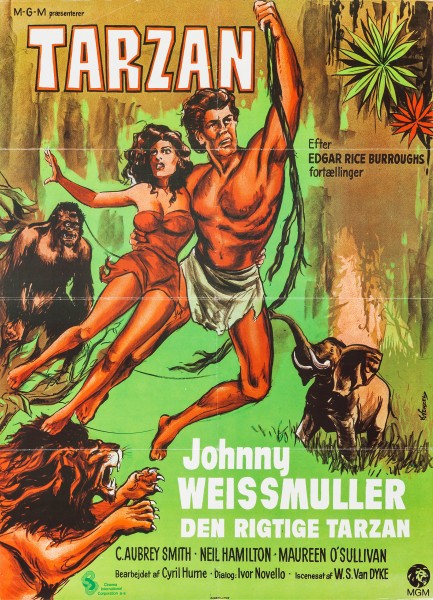
From up Scandinavia way comes this colorful borderless Danish poster for Tarzan the Ape Man, which starred Johnny Weissmuller and Maureen O'Sullivan. It was called simply Tarzan in Denmark, though Danes who've since seen it on DVD know it as Abemanden Tarzan. This was painted by Kurt Wenzel, whose signature you can see at the righthand margin, and who also painted well known posters for The Flying Tigers, The Killers, and The Searchers. We saw Tarzan for the first time last year and enjoyed it despite its flaws. We enjoyed the sequel too, equally flawed. Shorter version: watch it only with your historical accuracy and outrage filters turned off. After opening in the U.S. in March 1932, Tarzan premiered in Denmark today the same year.
 Many miles to go before you Sleep. 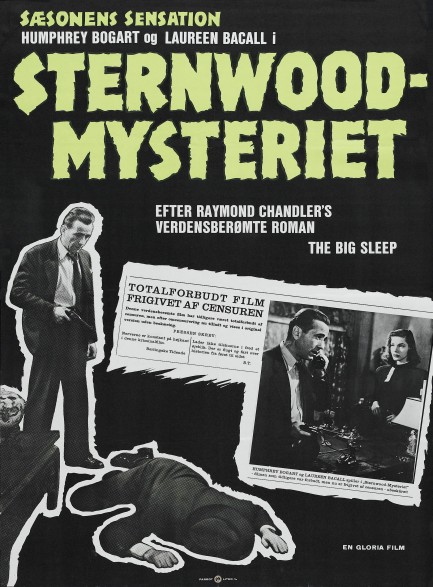
This unusual Danish photo poster was made for Sternwood-mysteriet— Actually, a quick digression. That would be a good pub quiz question, wouldn't it? It could be part of a foreign titles round. “Okay, next question. What is the original title of the film released in Denmark as Sternwood-mysteriet?” Did we ever mention that PSGP has hosted numerous pub quizzes? That's why it came to mind. Funny story: He once lost a bet and had to host one in a Speedo. Anyway, any noir fan would get the question right—Sternwood-mysteriet is better known as The Big Sleep, starring Humphrey Bogart and someone named “Laureen” Bacall.
The movie didn't premiere in Denmark until today in 1962. Why? Apparently it was banned. There could be a couple of different reasons why, or both at once. Bogart's character Sam Spade gets laid—by implication—with a bookstore clerk played by the lovely Dorothy Malone. And a central part of the complex mystery deals with illicit photos, implied to have been pornographic shots of a drugged Martha Vickers. The bookstore seduction isn't in Raymond Chandler's source novel, but the smut photos are. Haven't seen the movie? You should watch it. But carefully. 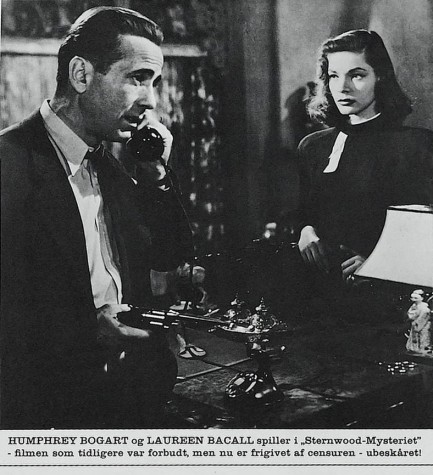 Humphrey Bogart and Lauren Bacall play in the “Sternwood-Mystery” - the film that was previously banned but is now released by the censor - uncut! Humphrey Bogart and Lauren Bacall play in the “Sternwood-Mystery” - the film that was previously banned but is now released by the censor - uncut!
 Hong Kong sexploitation epic isn't very good, but give it credit for ripping the scab off a historical wound. 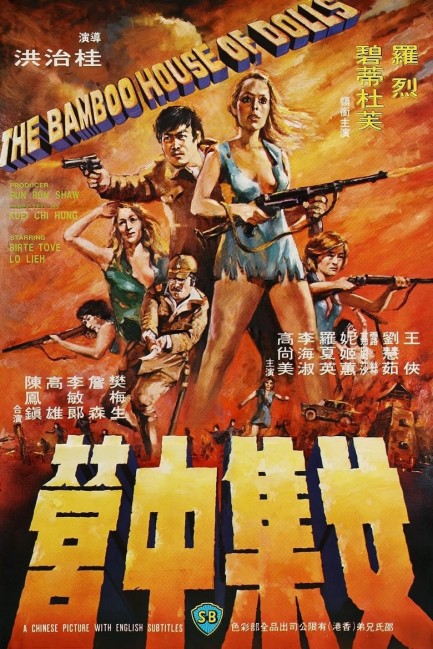
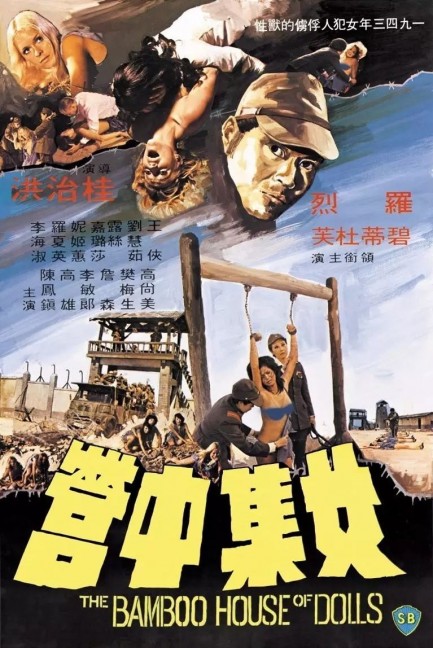
Above is a poster for the sexploitation flick Nu ji zhong ying, known in English as The Bamboo House of Dolls, and to get right to the heart of the matter, this one must have set Sino-Japanese relations back a few years. The film stars Danish actress Birte Tove as a nurse in Hong Kong who during World War II gets corralled along with her co-workers into Japanese Women's Concentration Camp 13, there to undergo various indignities before finally deciding that escape is her only option. You know the drill. Tove is the marquee attraction, but the film is largely cast with Hong Kong actresses such as Lee Hye-Sook, Hseih Wang, and others, which means that while the movie resembles entries in the women-in-prison sub-genre—with the scheming wardeness, lesbian sex, group showers, and half-cocked escapees made into examples of what not to do while in a tropical women's prison—the obvious historical context of Japan actually sexually abusing Chinese women during the war gives it an underlying grimness that's hard to ignore.
We suspect that if this were made today it would spark an international crisis, insults traded by high ranking officials on Twitter, and possibly diplomats kicked out of China and Japan, but 1970s filmmakers did not shy away from uncomfortable subject matter—and this is about as uncomfortable as it gets. That isn't the problem, though. Well, that isn't the problem for us. The objective problem is the movie is just bad. Legendary Hong Kong producers the Shaw Brothers (and by legendary we mean Run Run Shaw would be knighted in 1977) wanted to copy Jack Hill's women-in-prison movies The Big Bird Cage and The Big Doll House, but possibly overlooked the fact that setting such films in imaginary Central American hellholes as Hill did was worlds away from making the Japanese the villains in a historically laden sexual abuse epic. But what do we know? Run Run got knighted, not us. In any case, Tove's escape plan runs into some snags, but we won't reveal what those are, just in case you're in the mood for politically explosive titillation. Our advice? Give it a pass. Nu ji zhong ying premiered in Hong Kong today in 1973. 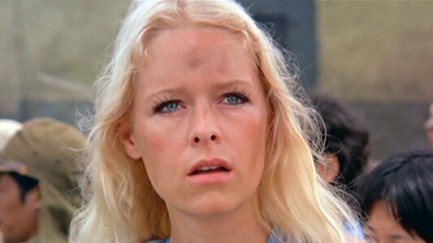 I get the feeling there's history here. Since I'm from Denmark, maybe I can I just leave? I get the feeling there's history here. Since I'm from Denmark, maybe I can I just leave?
 The best reporters know how to lay their subjects bare. 
In these virus times we need viral stories more than ever. An item hit the wires yesterday concerning Louise Fischer, a journalist in Denmark, who conducted an interview at a suburban Copenhagen sex club called Swingland and got into the swing herself. In a move that would have impressed Hunter S. Thompson, she demonstrated experiential jounalism to the utmost and took her interviewee on a Fischer expedition. Her story orginally dealt with the club reopening after many months closed due to virus prevention. We mean COVID-19, not HPV. But the story evolved. The video clip she later posted lasted only two minutes, but we can be pretty sure her research went on longer than that. This actually happened back in March, but it takes time for rumors about who you had sex with to proliferate. Trust us—we know. A prude has to find out, then they'll check to be sure everyone they know is outraged.
Yesterday Denmark's Radio 4 reshared the interview, and this time British and U.S. internet outlets provided the prudes by spreading the story far and wide. Anytime someone talks about sex it's the perfect clickbait to agitate legions of self-appointed moral judges, particularly when that sex comes without negative consequences and abject regret attached. We glanced at the comment threads on a couple of websites and were reminded what benighted lives some people lead. Many commenters zeroed in on the reactions of Fischer's parents, who dared to not be outraged or shamed, and even, seemingly, believe that sex is a part of life and casual sex can be healthy and fun.
As a sex positive site, we here at Pulp Intl. didn't blink. If our parents had been more open about sex we'd have spent less time reading Penthouse Letters, and PSGP probably wouldn't have torn his ulnar collateral ligament masturbating. Reconstructive surgery was a wake-up call, and he's sexually healthy today. We have a few friends who aren't. Some are so repressed that their lives have been ruined. We think of one in particular who was so intent on saving her virginity for the right man—who of course had to be wealthy and handsome and funny but mainly wealthy—that she reached her middle thirties with only a single unfulfilling sexual experience on her résumé and was in therapy trying to discover her self worth. We're talking about a good-looking woman. Nicely proportioned, creamy skin, nose surgically nudged toward perfection. We tried to steer a male friend or two her way but her doctrine of having a like-new vagina to bestow upon a future husband scared away well-adjusted guys by the third date.
Fischer has some ideas about sexual repression too. Here she is in her own words: “Hypersensitivity to our own sexuality and drive is dangerous. At least I totally believe that you can and should do what you want. Then life becomes much more fun.” We agree, and we're all about her in-depth journalism. Find a story, follow wherever it leads, even if it's on top of a dick. Her objective assessment: “It wasn't the best sex I ever had.” But it wasn't bad either, judging by the moans that can be heard emanating from the interview audio (see captions below). Would we go to a 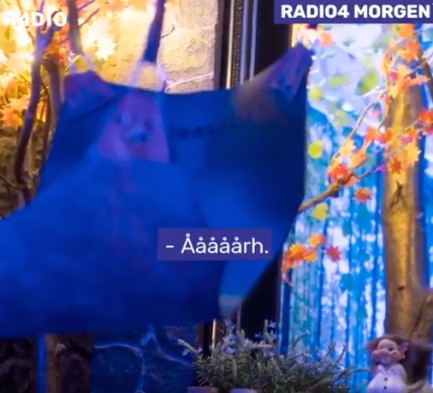 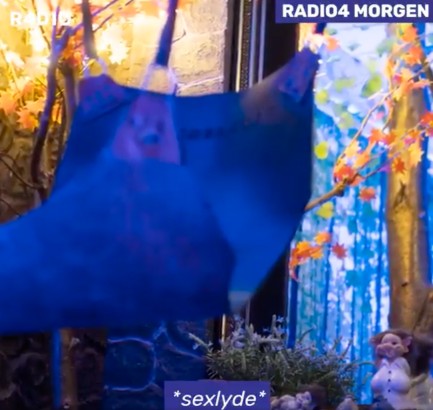 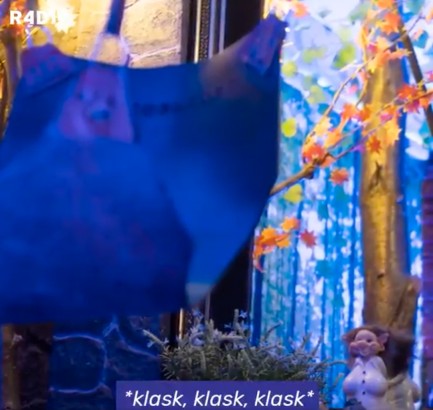 swinger's club? Only if we wanted our crab-gnawed corpses to wash up on the local beach with dents in our skulls matching the Pulp Intl. girlfriends' prized cast iron skillet. But even if we were single we wouldn't do it. Just not our bag. But it's some people's bag and we respect that. And we respect Louise Fischer. Hell, we admire her. She'll get genuine laughs telling her swingers club story for the rest of her life. swinger's club? Only if we wanted our crab-gnawed corpses to wash up on the local beach with dents in our skulls matching the Pulp Intl. girlfriends' prized cast iron skillet. But even if we were single we wouldn't do it. Just not our bag. But it's some people's bag and we respect that. And we respect Louise Fischer. Hell, we admire her. She'll get genuine laughs telling her swingers club story for the rest of her life.
 Humphrey Bogart meets an immoveable object. 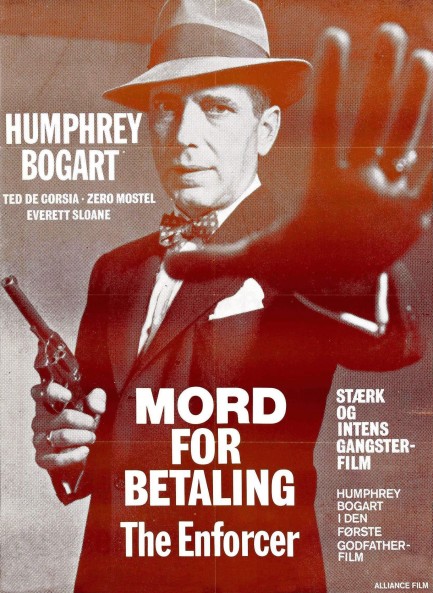
If you haven't seen Mord for betaling, better known as The Enforcer, you may want to add it to your queue. In addition to featuring yet another excellent Humphrey Bogart performance, it's a historical curiosity. Central to its plot is Murder, Inc., a group of killers-for-hire used by organized crime gangs. Murder, Inc. contracted anonymous killers for mob hits, leaving police with bodies but no motives and no suspects. In fact, the terms “contract” and “hit” were invented by Murder, Inc. The Enforcer is also of historical significance because showings featured a foreword in which Senator Estes Kefauver, chairman of the U.S. Senate Committee to Investigate Organized Crime, talked to the audience about the mafia, which the general public was just learning about at the time.
In the film Bogart plays a prosecutor who has been trying for years to bring down a crime boss named Albert Mendoza. When a witness dies, Bogart becomes aware of the existence of Murder, Inc. (though they aren't named that in the film), which to him seems like an impossibly bizarre idea. But he keeps uncovering more traces of the group until he finally believes. The rest of the film deals with his efforts to convince (or coerce) one of the cartel's members into being a witness in order to fry Mendoza. There are some twists and turns that force Bogart to shift gears more than once, and all of this is told in flashback, after the death of his stool pigeon, which happens in the first reel to set up the plot.
As we said, Bogart is solid as always, and he's helped greatly by Zero Mostel, who's quite good as a shaky potential witness. As far as the film as a whole goes, most vintage cinema fans consider it middling Bogart, but that's plenty good enough to warrant a look. The poster you see above, which we absolutely love, was made for Denmark, where the movie's title means, appropriately, “murder for payment.” We have several other posters for the film you can see at this link, and a cool Bogart promo photo that mirrors the above image, viewable at this link. The Enforcer premiered in the U.S. in 1951 and opened in Denmark today in 1952.
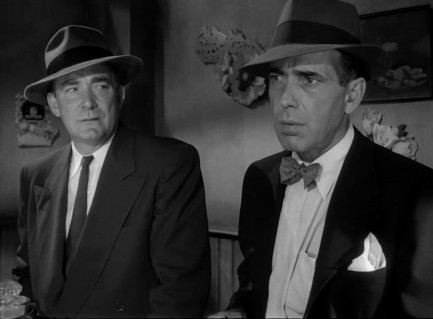 But I distinctly remember being told this was a bow tie-only affair. But I distinctly remember being told this was a bow tie-only affair.
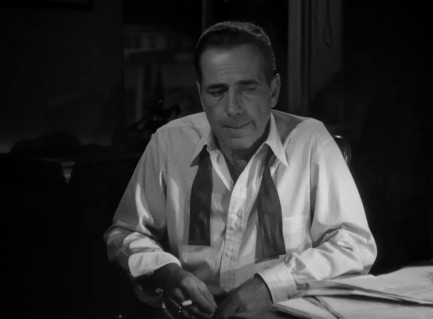 I guess not. I guess not.
 U.S. Adam goes in search of adult entertainment after dark. 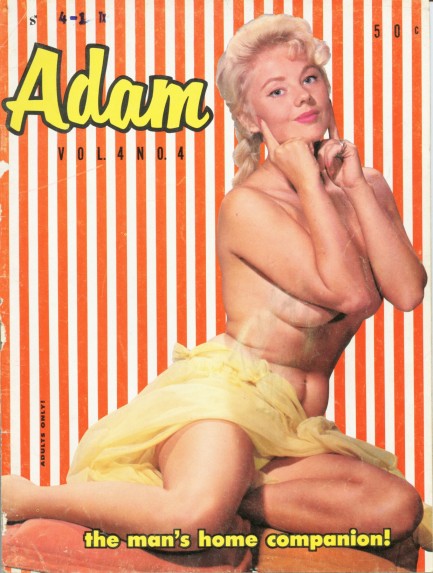
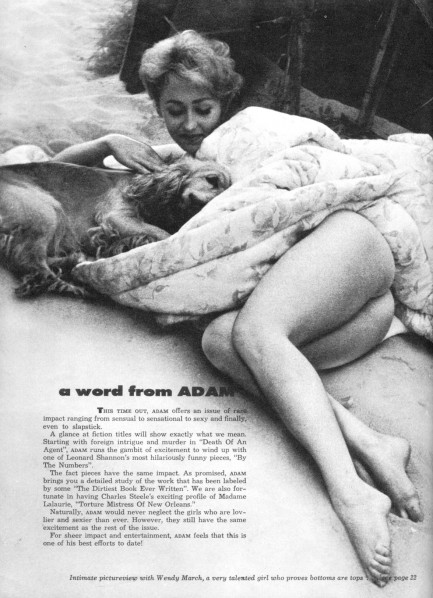
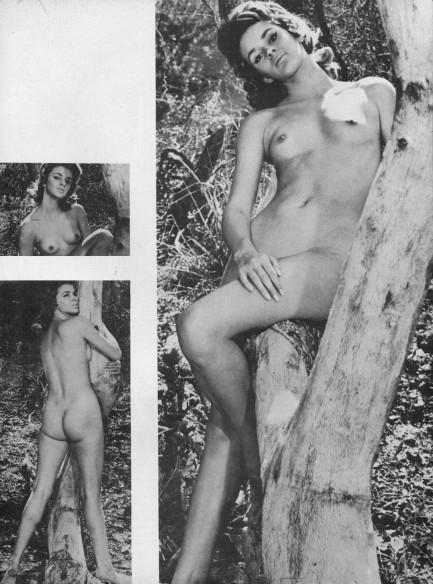
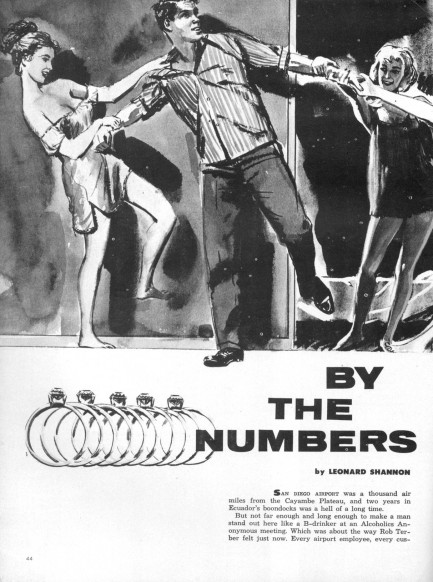
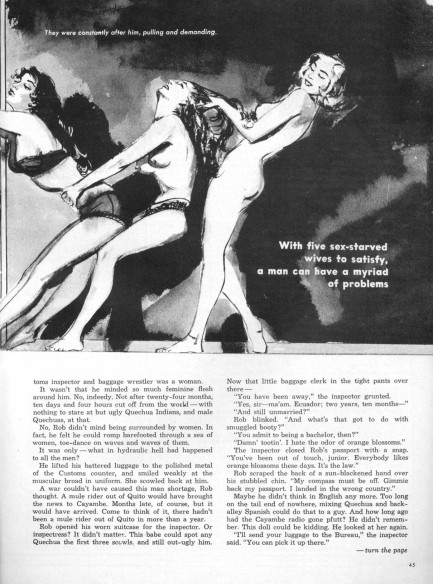
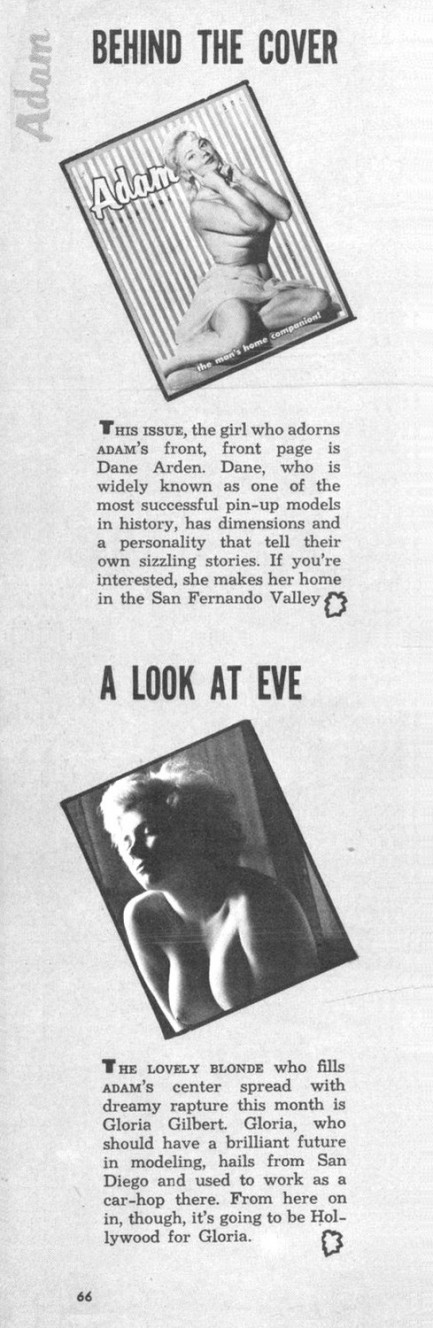
We're taking a break from the Australian Adam magazine to remind everyone that the unrelated U.S. men's magazine Adam was also filled with colorful art, fun fiction, weird facts, and beautiful models—in this case Danish pin-up and centerfold Elsa Sorensen, aka Dane Arden, who you see on the cover. We still think the down under Adam is the best, but northern Adam is always worth a look, and this issue published in 1960 is a representative example. Actually, there were two northern Adams. There was a French magazine of that name too, unrelated to the others. We've been meaning to locate one to buy online, but the price hasn't been right yet.
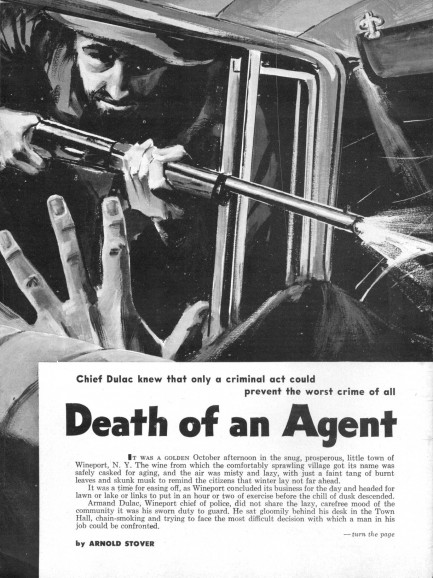
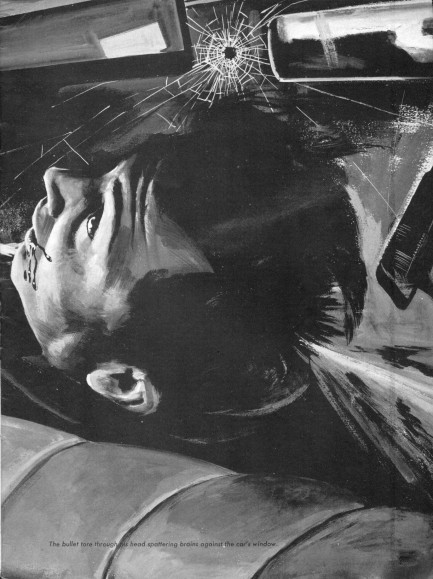
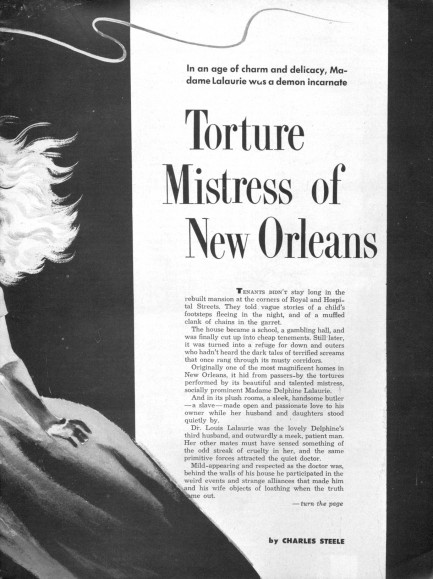
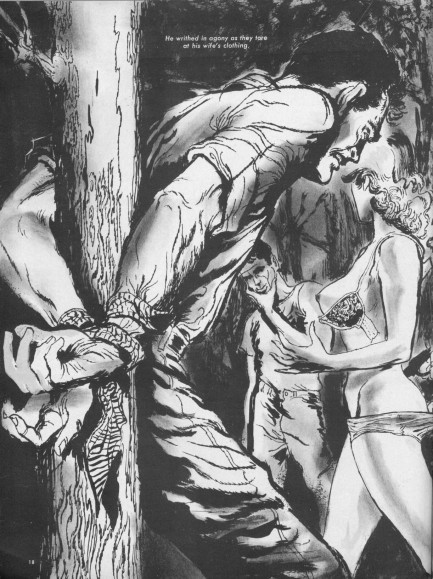
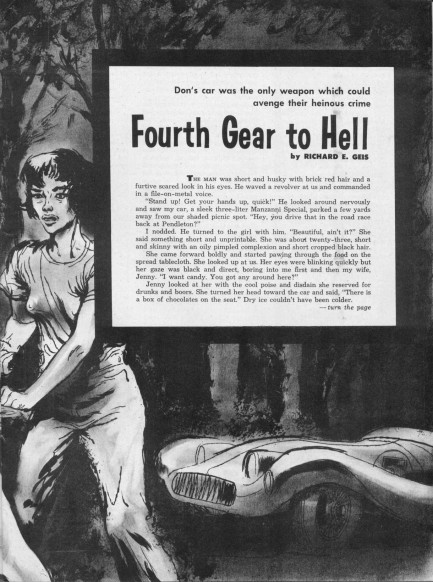
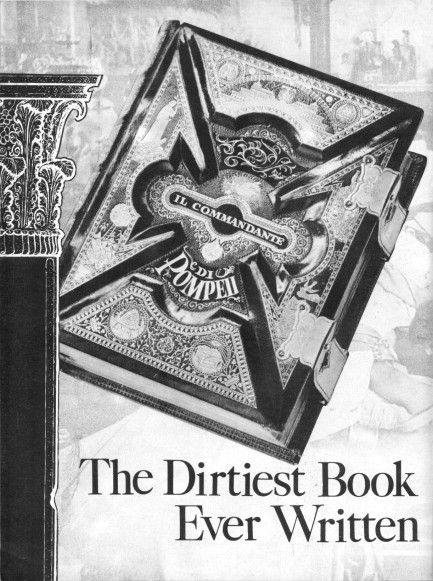
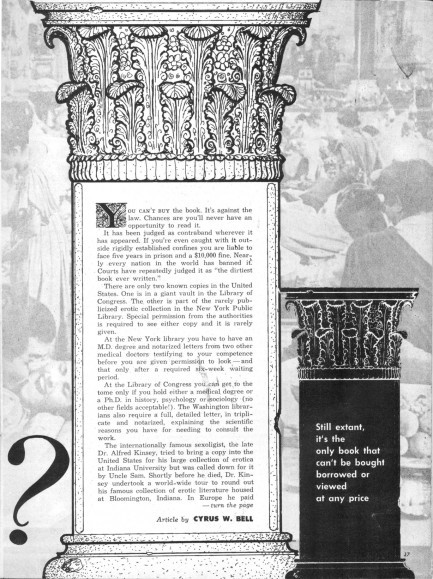
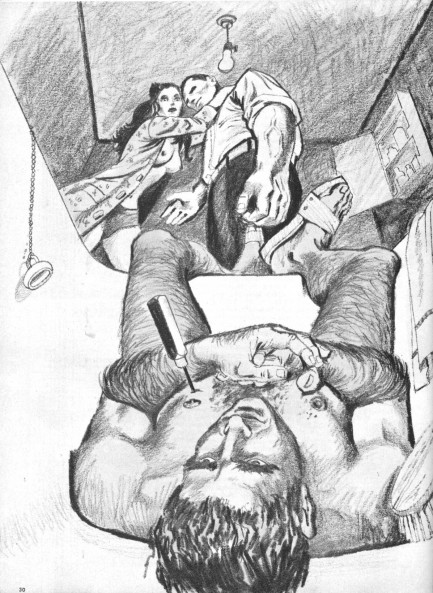
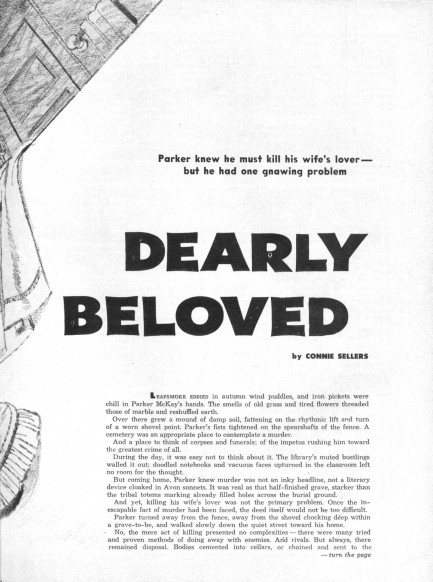
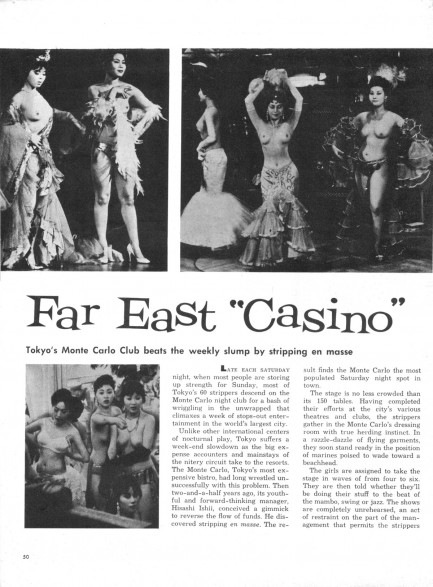
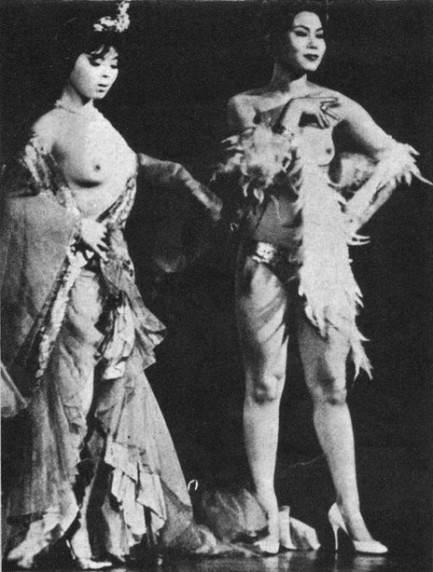
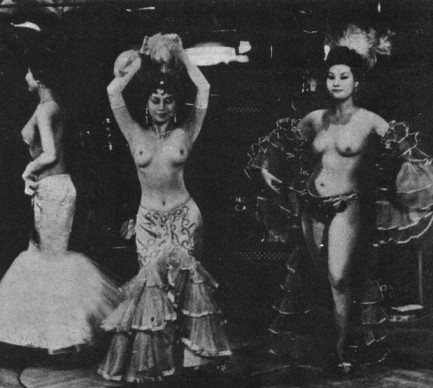
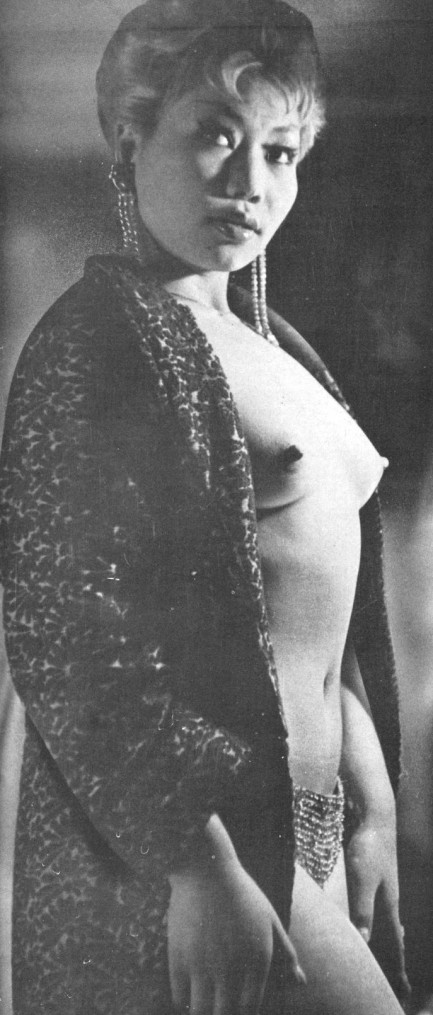
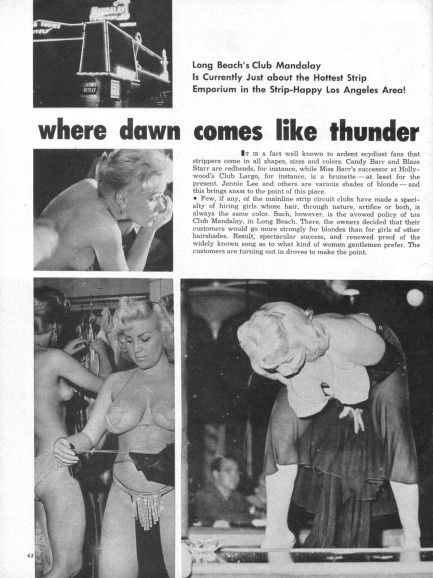
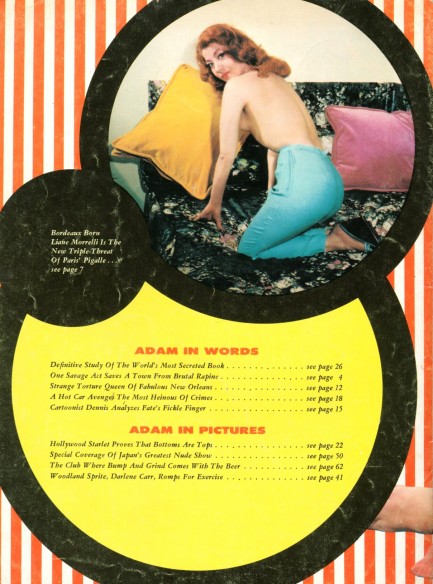
Anyway, this issue of Adam contains the usual fiction and humor, plus features on strip clubs in Paris, Tokyo, and Long Beach, a profile on New Orleans torture mistress Madame Delphine Lelaurie, and other pleasures of the evening. It also highlights the “dirtiest book ever written”—supposedly Il Commandante di Pompeii, which we suppose can keep you company on lonely nights if you don't get to Paris, Tokyo, or Long Beach. We have many scans below, and other issues of U.S. Adam you can find here, here, here, and here. And if you're interested in the Aussie Adam we have scans from almost seventy issues in the website, and you can see them by starting here.
 And possibly Arne Jacobsen's greatest feat. 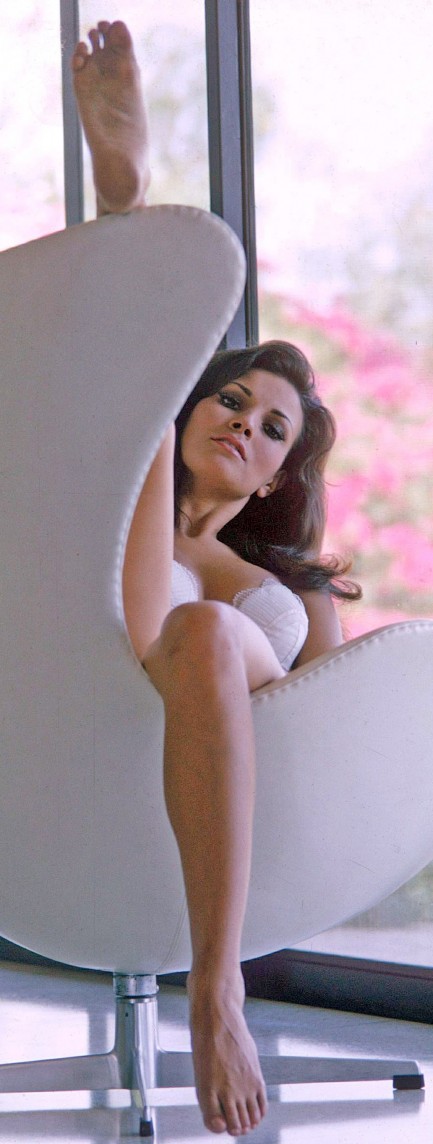
It's never a bad time for Raquel Welch. Here you see her nestled into an egg chair, circa 1970, proving that she's special work from the bottoms of her feet to the crown of her head. These chairs, by the way, were designed by Arne Jacobsen in 1958 for the SAS Royal Copenhagen Hotel in Denmark. He designed the building, its furniture, its fittings and fixtures, its souvenirs, and even its airport shuttle. But it was not within even his considerable powers to design Welch.
The shot makes us realize we've posted images of other famous women in iconic chairs, for example, Catherine Deneuve in an inflatable Quasar Khanh chair in 1969, Sylvia Kristel and Mia Nygren in wicker peacock chairs, and a gloriously nude Pam Grier in a Le Corbusier lounge in 1974. Well, we can add Welch to the chair list. Maybe even top of the list.
 Jungle orphan grows from little duckling into beautiful Swan. 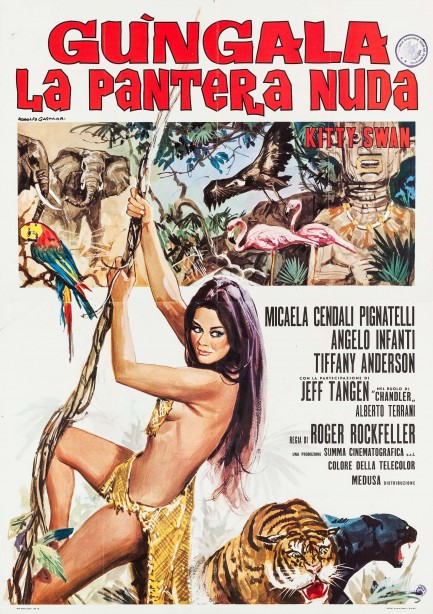 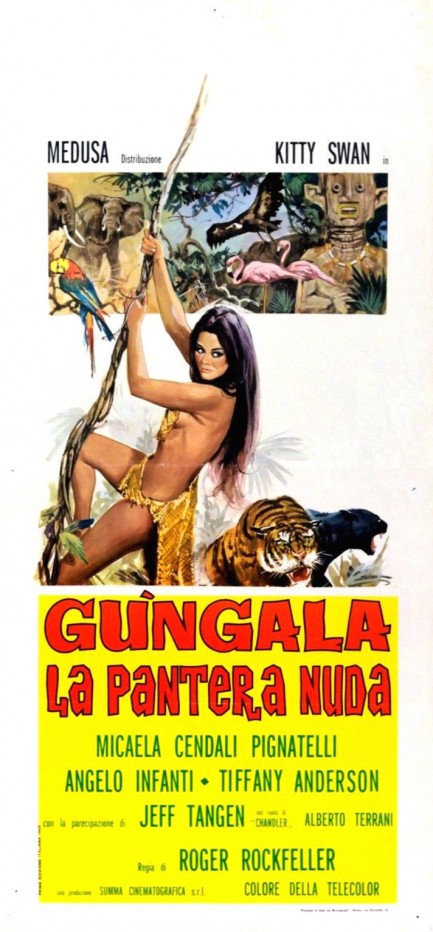 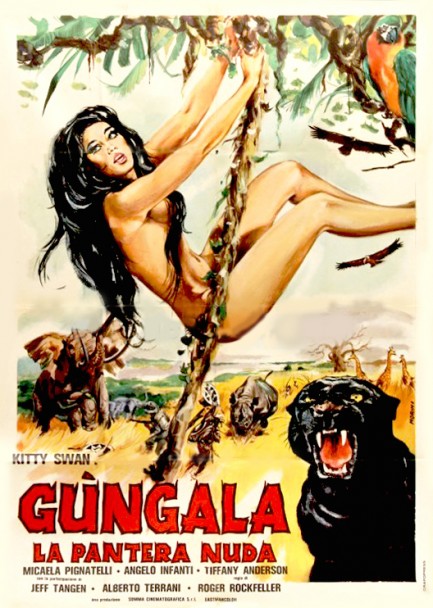 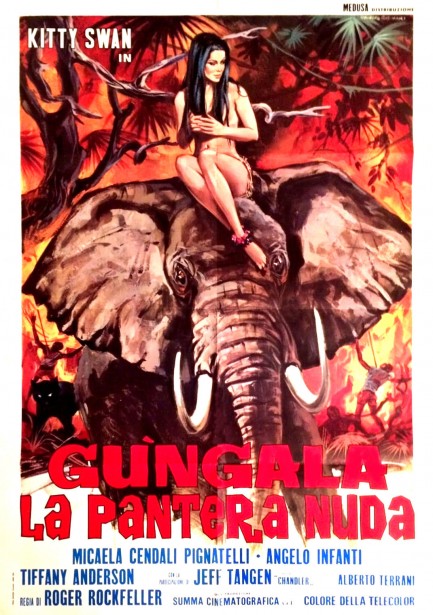
Above are four Italian posters for Gungala la pantera nuda, aka Gungala the Black Panther Girl, starring Swedish actress Kitty Swan, née Kirsten Svanholm. Four posters? This must be a good movie, right? Well, not really. But the lost world concept was incredibly popular in international cinema during the 1960s, and in landing Swan for the title role, Summa Cinematografica and director Roger Rockfeller (Ruggero Deodato) knew they had something special on their hands. Tasked with making the most of an exceptionally beautiful star, they dutifully take care of the nuda aspect in the opening credits, and keep Swan lightly clothed throughout a movie that's basically Tarzan re-gendered—i.e. a young heiress survives a plane crash in the jungle, is taught by tribespeople to survive in a hostile environment, but has her idyllic existence of running hither and yon in slow motion ruined when folk from the civilized world come searching for her. And when these modern interlopers bring greed, guns, interpersonal dysfunction, and inheritance law to Swan's paradise, it looks like perhaps it's they who are uncivilized, not the primitive panther girl... We've seen it all before, but at least this iteration has Swan to keep the yawning at bay. Gungala la pantera nuda premiered today in 1968. 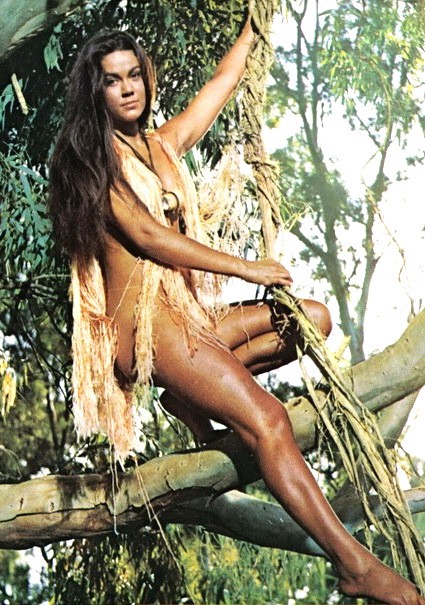 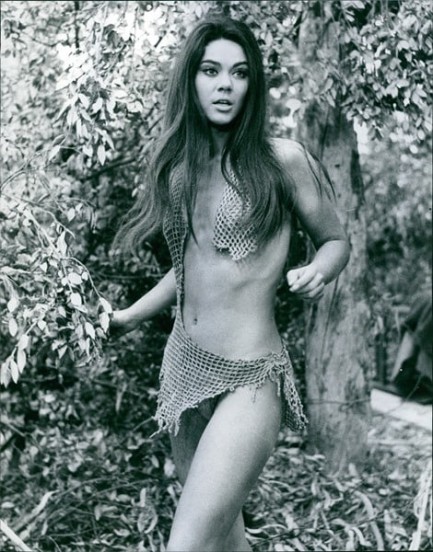 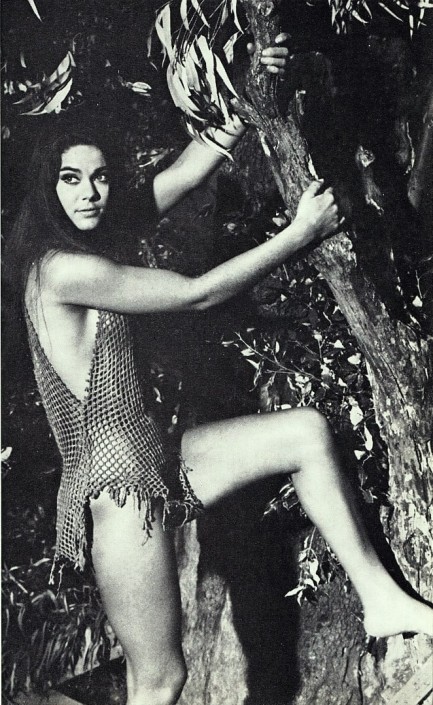 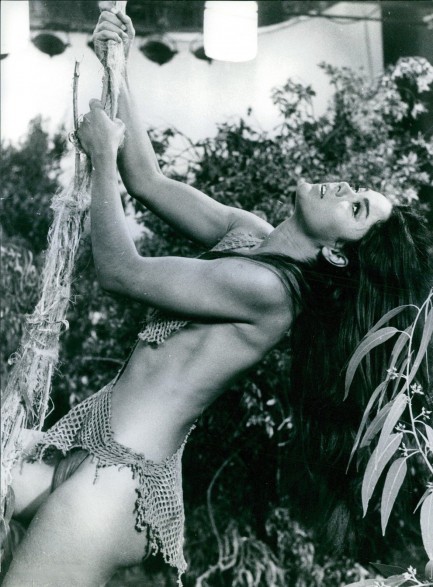 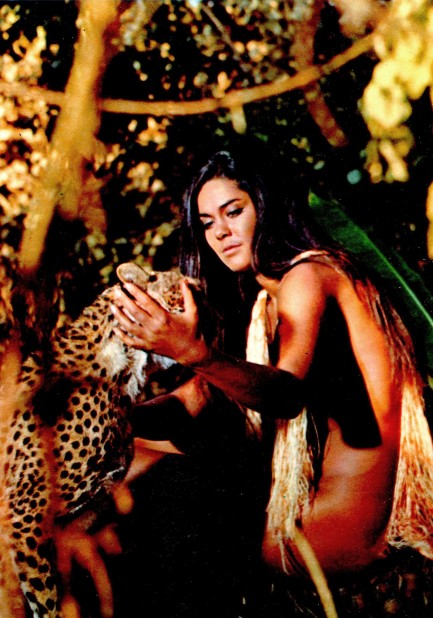

|
 |

The headlines that mattered yesteryear.
1945—Mussolini Is Arrested
Italian dictator Benito Mussolini, his mistress Clara Petacci, and fifteen supporters are arrested by Italian partisans in Dongo, Italy while attempting to escape the region in the wake of the collapse of Mussolini's fascist government. The next day, Mussolini and his mistress are both executed, along with most of the members of their group. Their bodies are then trucked to Milan where they are hung upside down on meathooks from the roof of a gas station, then spat upon and stoned until they are unrecognizable. 1933—The Gestapo Is Formed
The Geheime Staatspolizei, aka Gestapo, the official secret police force of Nazi Germany, is established. It begins under the administration of SS leader Heinrich Himmler in his position as Chief of German Police, but by 1939 is administered by the Reichssicherheitshauptamt, or Reich Main Security Office, and is a feared entity in every corner of Germany and beyond. 1937—Guernica Is Bombed
In Spain during the Spanish Civil War, the Basque town of Guernica is bombed by the German Luftwaffe, resulting in widespread destruction and casualties. The Basque government reports 1,654 people killed, while later research suggests far fewer deaths, but regardless, Guernica is viewed as an example of terror bombing and other countries learn that Nazi Germany is committed to that tactic. The bombing also becomes inspiration for Pablo Picasso, resulting in a protest painting that is not only his most famous work, but one the most important pieces of art ever produced. 1939—Batman Debuts
In Detective Comics #27, DC Comics publishes its second major superhero, Batman, who becomes one of the most popular comic book characters of all time, and then a popular camp television series starring Adam West, and lastly a multi-million dollar movie franchise starring Michael Keaton, then George Clooney, and finally Christian Bale. 1953—Crick and Watson Publish DNA Results
British scientists James D Watson and Francis Crick publish an article detailing their discovery of the existence and structure of deoxyribonucleic acid, or DNA, in Nature magazine. Their findings answer one of the oldest and most fundamental questions of biology, that of how living things reproduce themselves.
|

|
|
It's easy. We have an uploader that makes it a snap. Use it to submit your art, text, header, and subhead. Your post can be funny, serious, or anything in between, as long as it's vintage pulp. You'll get a byline and experience the fleeting pride of free authorship. We'll edit your post for typos, but the rest is up to you. Click here to give us your best shot.
|
|