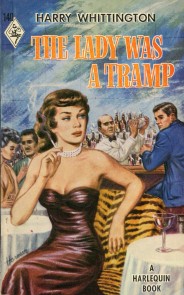
She's good with it, but she's even better with a 9 wood. 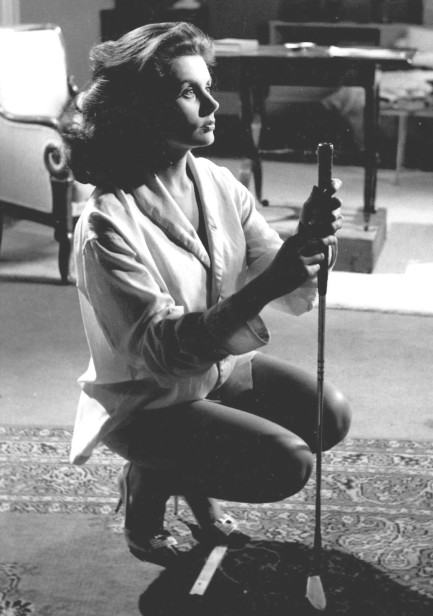
What is it about sports that all of them have so much terminology fit for sexual puns? Someone should do a study on that. Meanwhile, here you see British actress Eunice Gayson, who you remember as Sylvia Trench from the James Bond movies Dr. No (the source of this image) and From Russia with Love. In both films she serves as soft comic relief, as it were, when Sean Connery amusingly abandons her before they can consummate their lust. But that's probably why she survived both films—back then Bond's chance encounters usually were killed.
 Russell sets the screen aflame in one of her iconic roles. 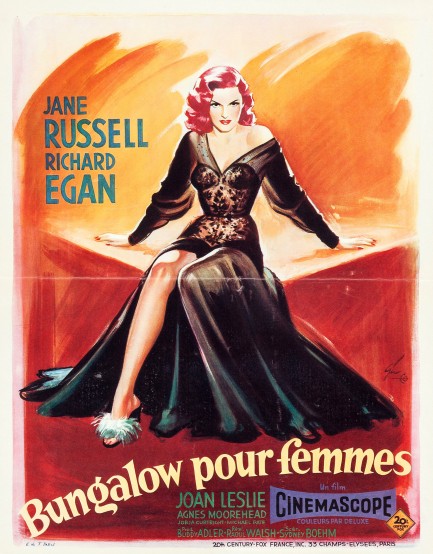 
This French promo for The Revolt of Mamie Stover, which opened in Paris today in 1956 after being retitled Bungalow pour femmes, is yet another fantastic effort from the brush of Russian illustrator Boris Grinsson. Jane Russell starred in the film, and we especially like the poster's emphasis on her red hair. We talked about Mamie Stover as well as its complicated source novel last year. Check here for the movie and here for the book. We'll put together a larger collection on Grinsson later.
 Have you ever tried para shooting? It's a total blast. 
Above is a fun image of Italian actress Daniela Bianchi. She's best known for playing Tatiana Romanova in 1963's From Russia with Love. Her fame as a so-called Bond girl far outstrips any recognition she received for her other thirteen credited film roles, but this shot, made in 1966 for the spy flick Mission speciale Lady Chaplin, makes us want to see what she's like outside of the Bond franchise. If we do we'll report back.
 Mystery attackers of U.S. embassy workers in Havana might not be Cuban—or human. 
A couple of nights ago PSGP and PI-1 were in deep slumber in their seaside apartment when a high pitched noise sprang up in the wee hours. It took only moments to identify the sound as a cricket, which somehow had gained entry to their bedroom though it's on the top floor three stories up, and the exterior doors were shut. What followed was a comedy of errors, as PSGP tried in vain to pinpoint the noise and eject the interloper, while PI-1 cursed all of creation because insects were now conspiring to disturb her sleep. They ended up moving out of the bedroom. The next day PSGP had another look around, and after a more careful examination located the cricket—outside on the balcony. It had never gained entry to the flat in the first place. It was just that loud and disorienting. This is an absolutely true story, and even the timeline is factual. It really did happen night before last.
So imagine our surprise when an item came across the wires this morning about the infamous Havana Syndrome. You know the one. U.S. embassy personnel stationed in Cuba, beginning in 2016, reported mysterious sounds in the building, which brought on headaches, dizziness, tinnitus, balance problems, and other weird effects. The State Department and the American press immediately ran a political football the entire length of the unverified news field and claimed Cuban or Russian sonic or energy weapons were probably the cause. Nobody explained what Cuba or Russia had to gain from quasi-effectual sonic attacks, and it didn't matter, because you never let implausibility get in the way of rekindling the Cold War. But there are these people called scientists, and they have a way of studying things until they find answers, and yesterday the most likely cause of the dastardly Havana Syndrome was revealed to be crickets.
The JASON Group, an independent organization of scientists that works with the U.S. government, analyzed recordings made by embassy personnel and found only one phenomenon to be a sonic match—the Indies short-tailed cricket. There the sneaky bugger is just below. This mystery was actually unravelled back in 2019, but the report was classified—probably to milk a few more years from a patently ridiculous story of being targeted by commies. Let's face it—when you have top level Cuban figures defensively trying to explain that they have no sonic or energy weapons, and the American press is pretty much dismissing those claims, you keep the pressure on. Some experts note that sonic weapon frequencies wouldn't be recordable, and the enemy attack theory is thus unaffected. In other words, the recordings given to JASON scientists weren't of the actual phenomenon in question. Well, okay, but we prefer crickets. Please let it be crickets. Or maybe the answer is twofold. Maybe Havana Syndrome is caused by crickets trained by Cuba or Russia. Bet those egghead scientists didn't even think of that. sonic or energy weapons, and the American press is pretty much dismissing those claims, you keep the pressure on. Some experts note that sonic weapon frequencies wouldn't be recordable, and the enemy attack theory is thus unaffected. In other words, the recordings given to JASON scientists weren't of the actual phenomenon in question. Well, okay, but we prefer crickets. Please let it be crickets. Or maybe the answer is twofold. Maybe Havana Syndrome is caused by crickets trained by Cuba or Russia. Bet those egghead scientists didn't even think of that.
 Tabloid crosses line between science and science fiction. 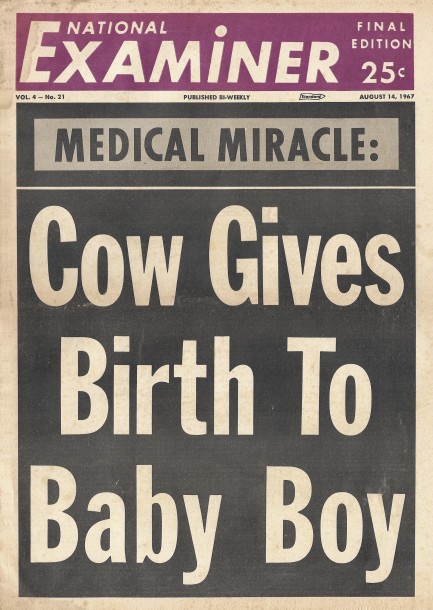
Our examples of the cheapie tabloid National Examiner all have art on their front pages, but when you have a scoop like this cow blockbuster, typography alone is more than adequate. Needless to say—but we'll do it anyway because in this millennium people believe in illuminati pedophile rings in pizza parlors—a cow never gave birth to a baby boy. Hope that wasn't disappointing to hear. The story, from this issue that hit newsstands today in 1967, claims that it happened in Russia when a woman named Natasha Kropotkin was critically ill and her fetus was transferred to a cow in order to save its life. The fetus, not the cow. Anyway, the achievement stands second only to the launch of Sputnik in Soviet scientific annals. Kropotkin is a Russian word meaning gullible, by the way. If the child had been real, though, he'd be in his fifties today, and we imagine him working in the field of animal husbandry, middle management level. Medically speaking, other than involuntarily mooing at times of stress and having a tremendous problem with gas, we picture him as normal in every way. He'd also be hung like a bull. Elsewhere inside Examiner are many more bizarre stories, and a couple of nice photos of Italian actress Maria Grazia Bucella. You can see plenty more mid-century tabloids in our comprehensive index located here. 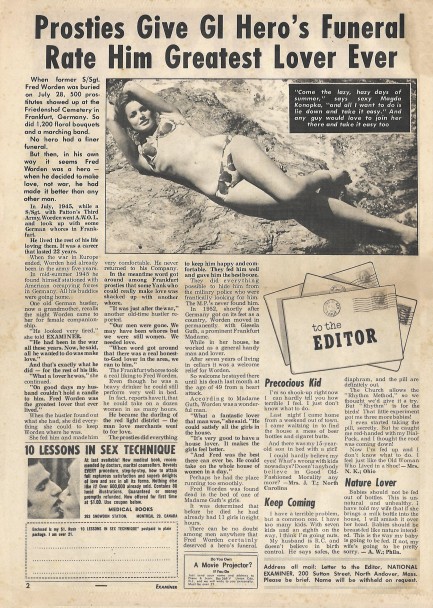  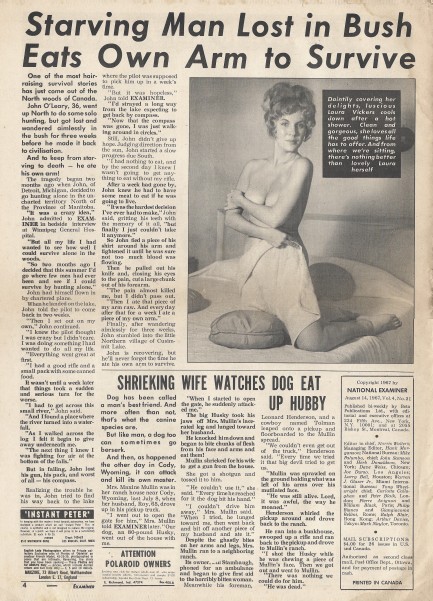  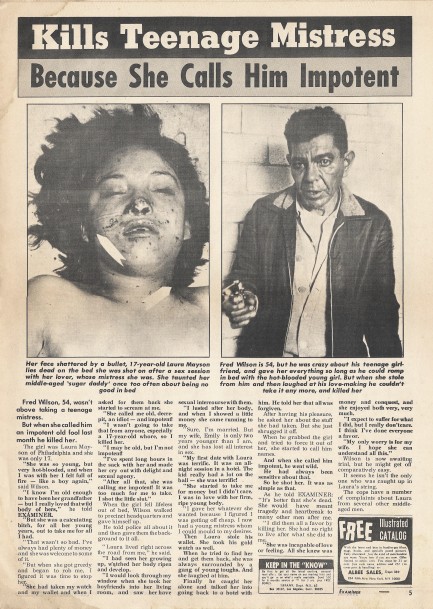 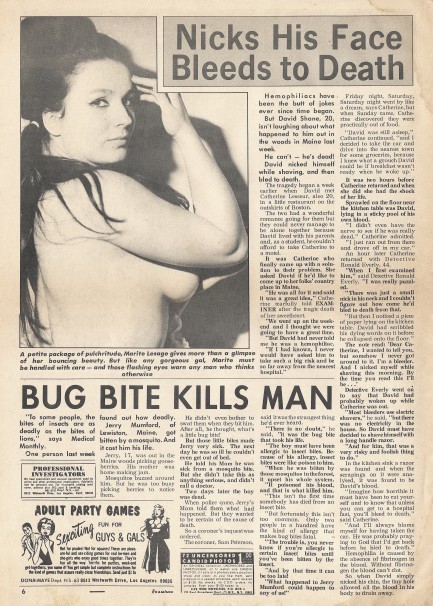  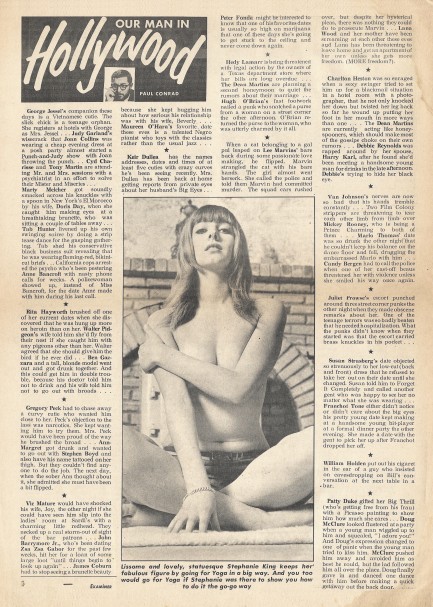   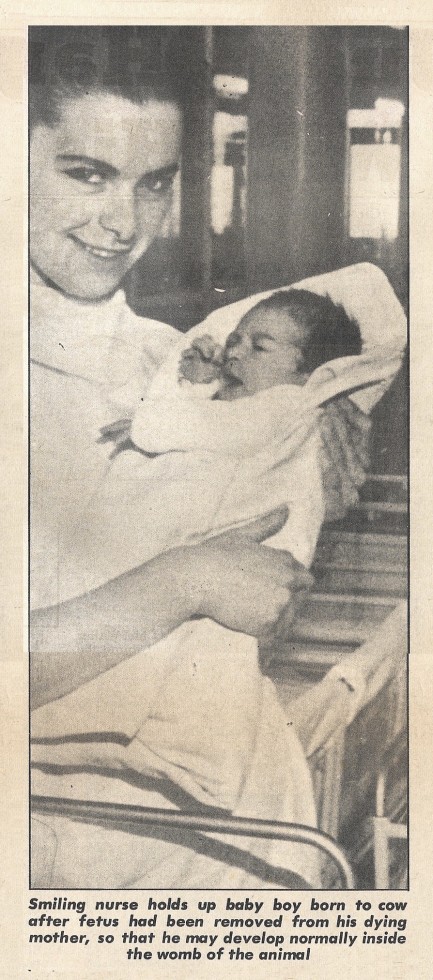 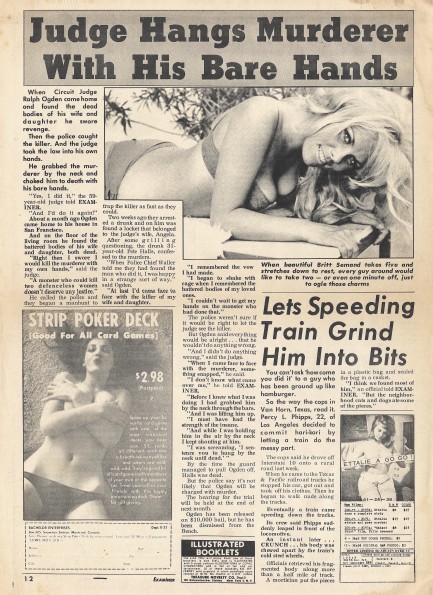  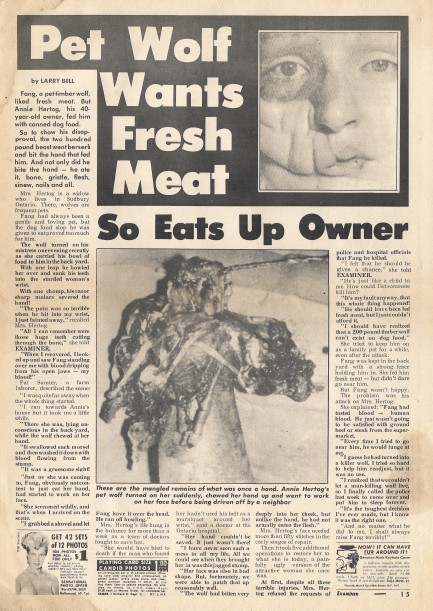 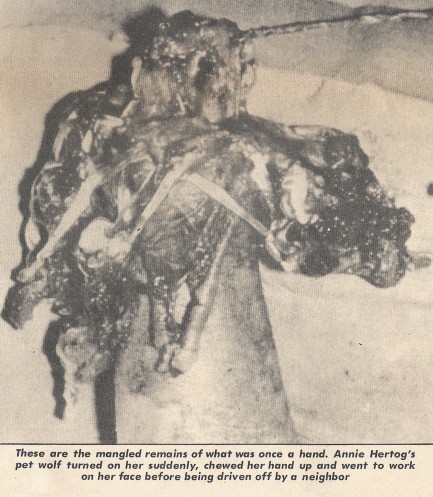   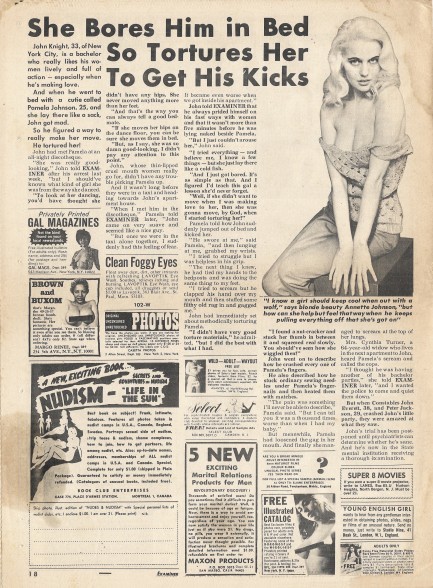  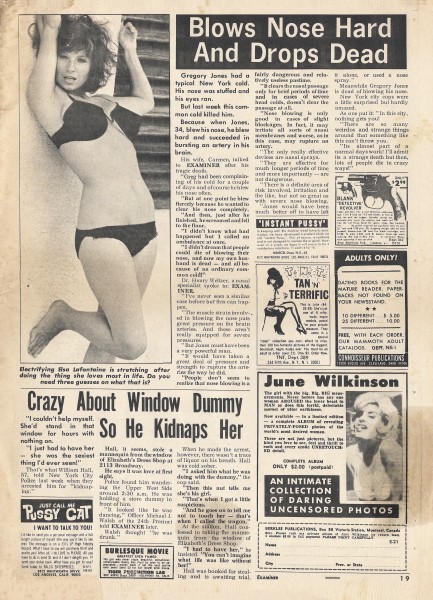 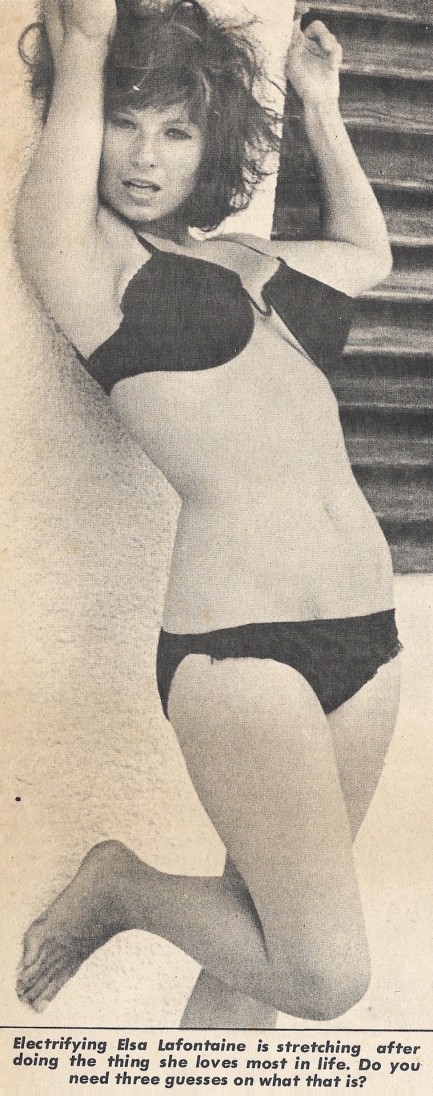
 That's right, I'm looking at you. Read this magazine and learn how to be a real man. 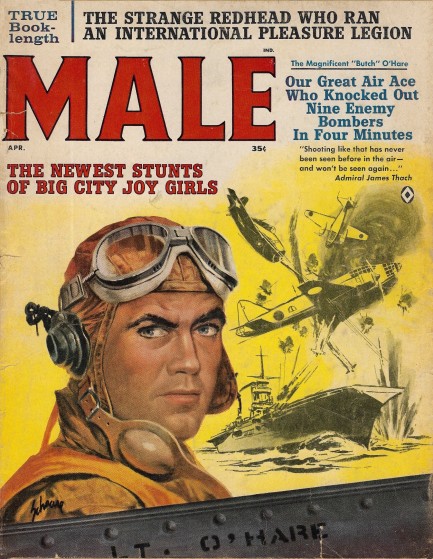
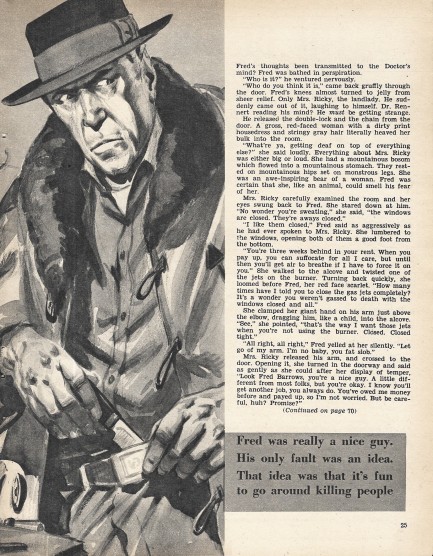
It seems to us that the purpose of men's adventure magazines was to teach ordinary schlubs a little something about how to keep it real, and this issue of Male published in April 1962 fulfills the mandate. Behind the steely-eyed cover art by Harry Schaare, and mixed between interior art by Charles Copeland, Rafael de Soto, James Bama, and Walter Popp, readers learn how to navigate big city vice, survive a nuclear attack, avoid appliance repair scams, pick the perfect car to cruise the open road, and—most importantly—get a raise at their soulsucking office jobs. Those are all fine offerings, but we particularly like the story, “Let's Let the Russians Beat Us to the Moon,” which suggests that if the Russians are so eager to get to the moon let them serve as sacrificial lambs—since the place is filled unknown dangers. Journalist and skeptic Ray Lunt reasons, “For all our scientists know, the moon may be 10,000 miles from where we think it is, paved with quicksand 90 feet deep, and full of brain gas instead of air.” Instead of air? Sounds like he was the one inhaling brain gas. We checked out the story just to find out what brain gas was, and learned basically nothing. He mentions that some scientists—unnamed of course—believe the moon might harbor poisonous gas, but the brain thing never comes up. What a tease. He does, though, run through a long list of other moon horrors fit for a Heinlein novel. He must have been really bummed in 1969 when it turned out to be just a big, dusty rock. We have scans below, and more Male in the website. Feel free to click the keywords.   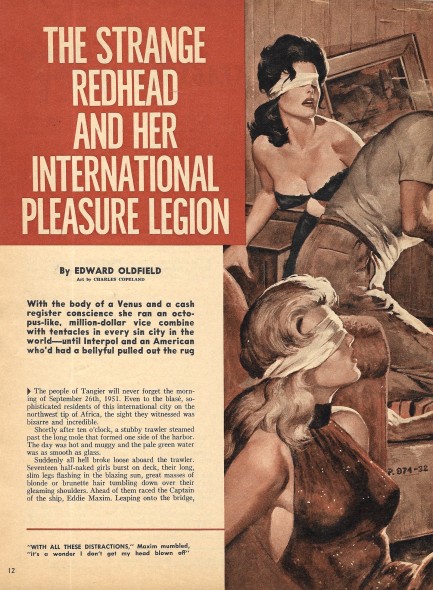 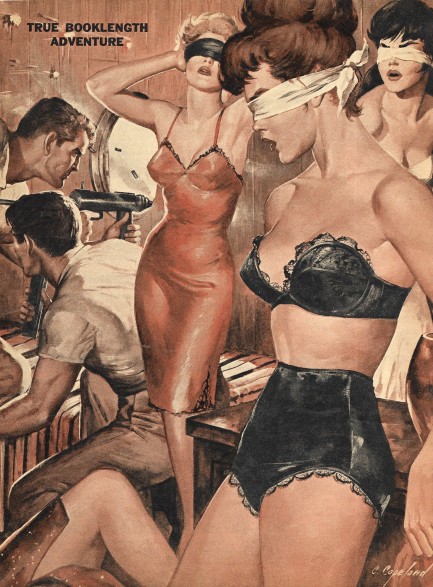    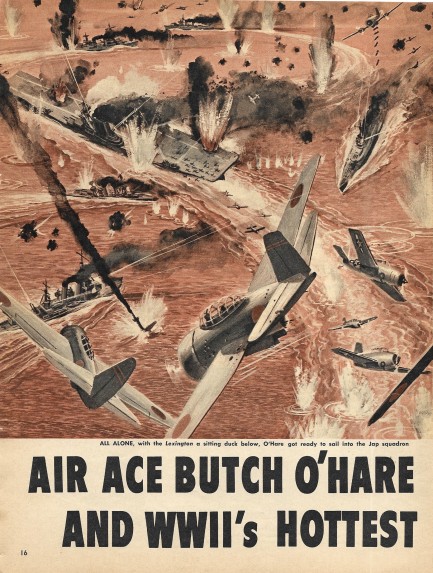 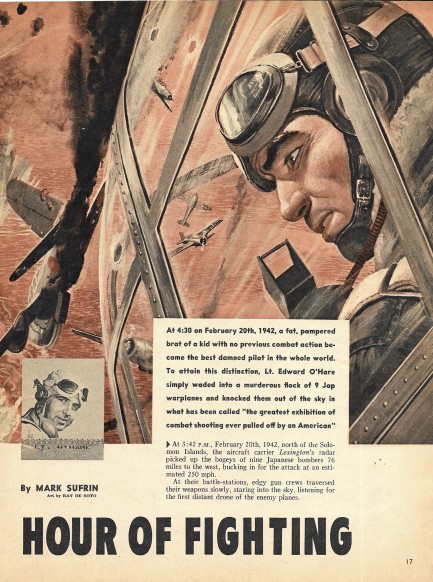 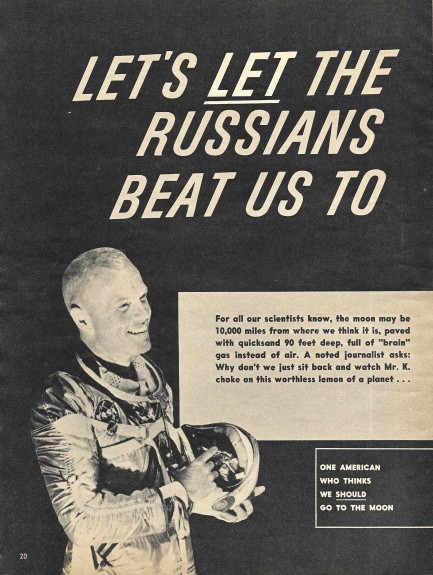 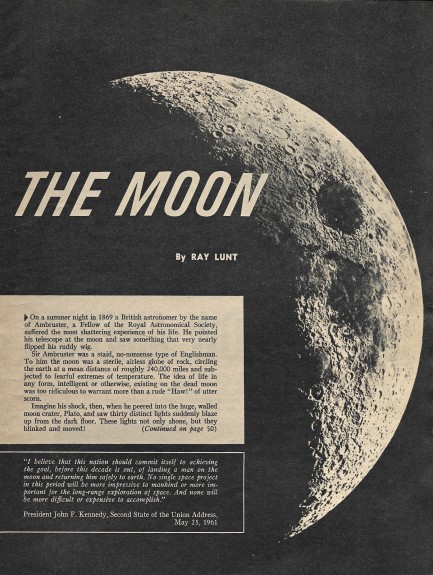 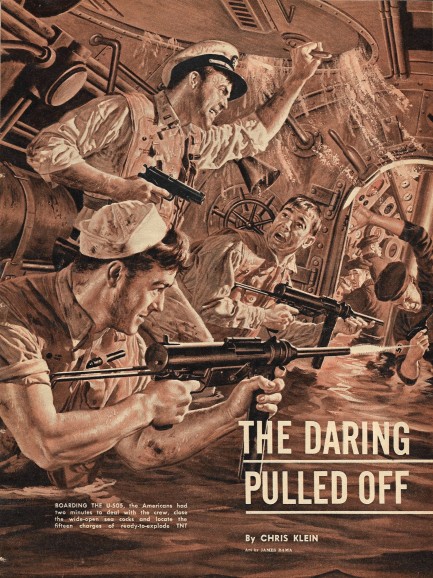 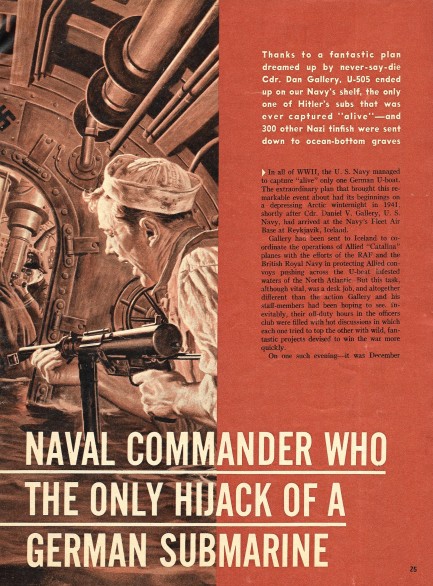 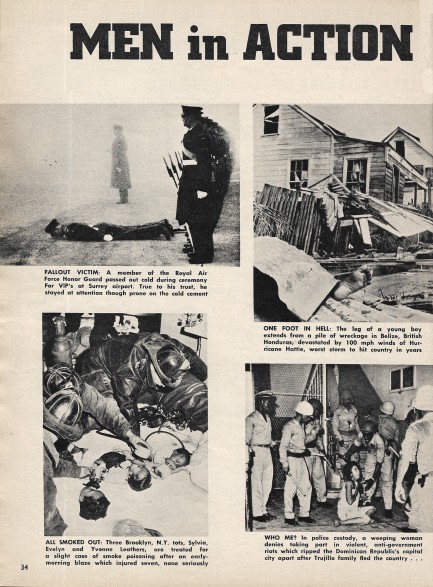     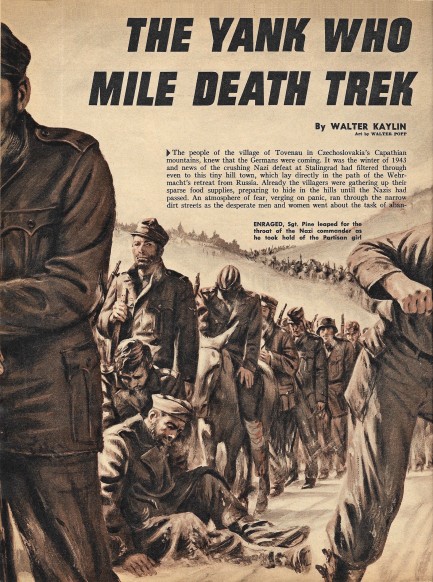 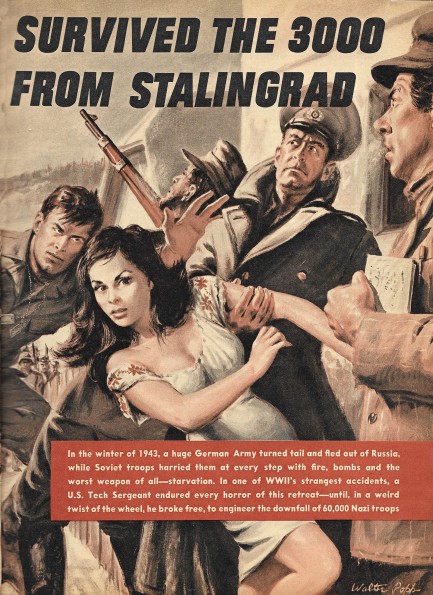 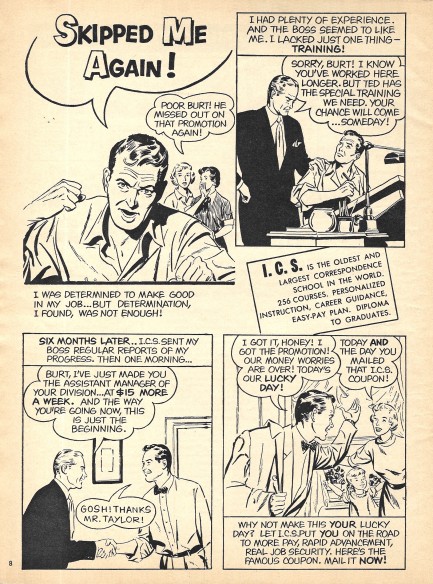 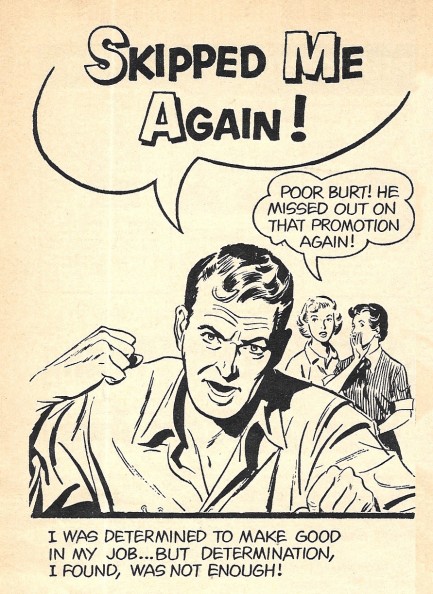 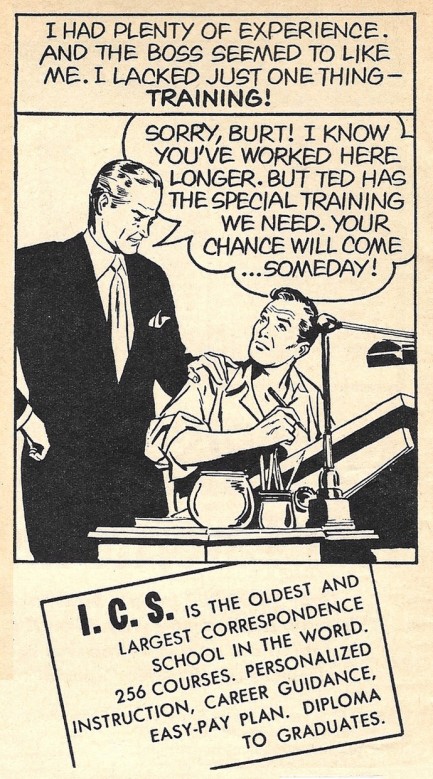    
 It's a tough job but some tabloid has to do it. 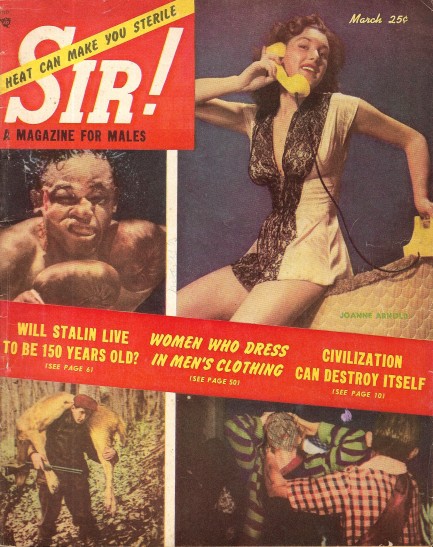
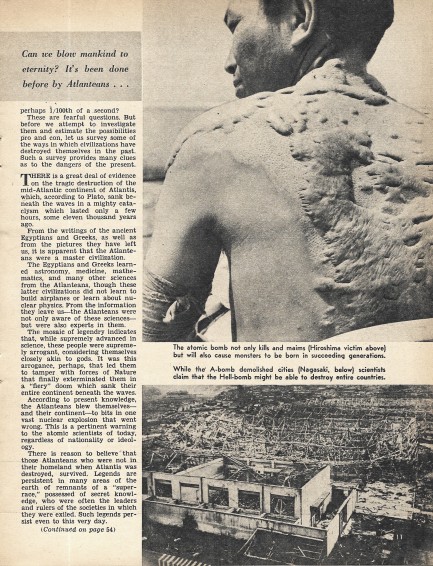
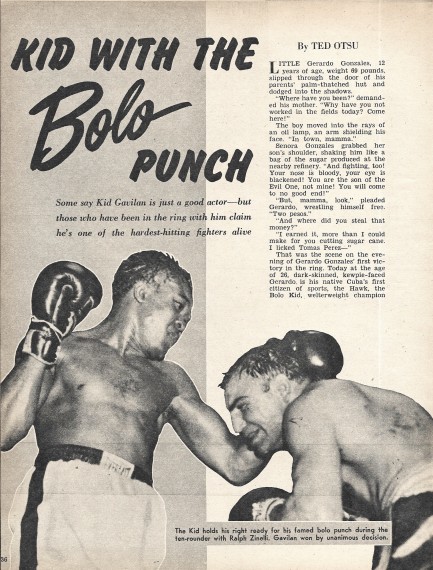
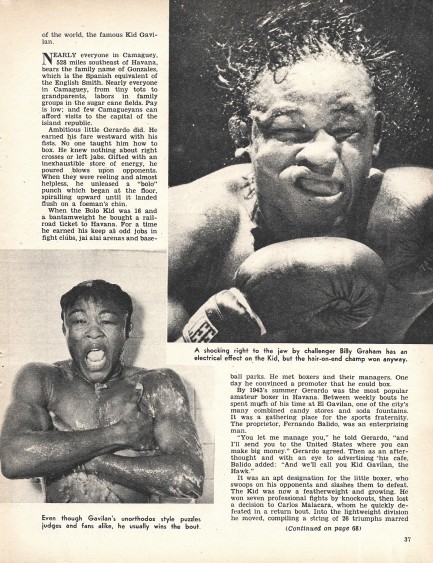
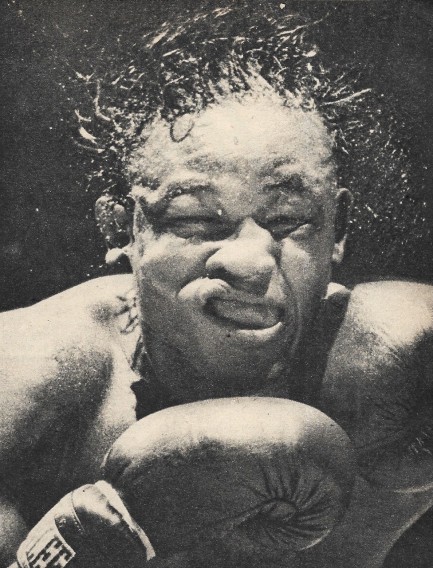
Above is the cover of a March 1953 issue of Sir! magazine, and in an example of the ephemeral nature of such items, shortly after we scanned this we spilled a glass of red wine on it. So behold! It's even more rare than it was when we bought it. Above the slash you see boxer Kid Gavilan, he of the famed bolo punch, and on the right is model Joanne Arnold, who we've featured before here, here, and here. She doesn't appear inside. But what you do get is a jaunt through such exotic locales as Melanesia, Tahiti, and Lisbon in search of knowledge and thrills.
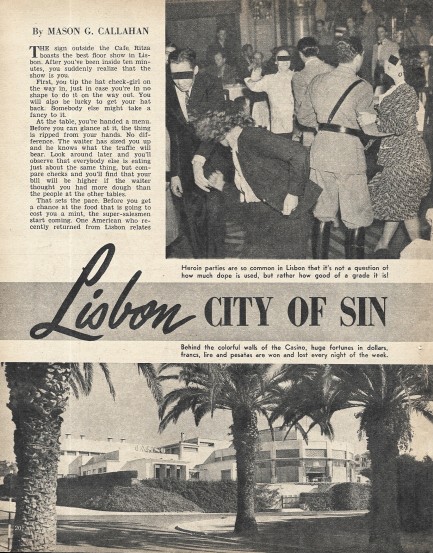
We were drawn to the Lisbon story, which the magazine describes as a capital of sin. To us the word “sin” means late nights, good intoxicants, fun women, and excellent entertainment. To Sir! it means being cheated, robbed, framed, and arrested. To-may-to to-mah-to, we guess. We've spent some time in Lisbon and we love it. We don't know what it was like in 1953, but Europe was still coming out of World War II, which means many countries—even non-combatants like Portugal—were wracked by poverty. So we wouldn't be surprised if thieves were out in droves.
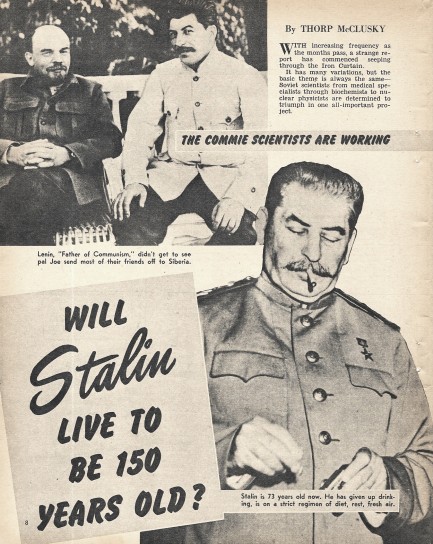
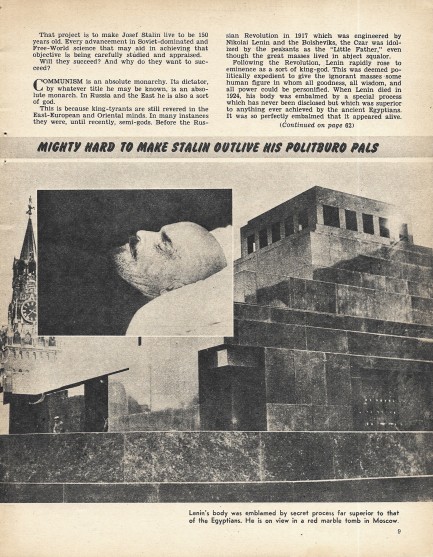
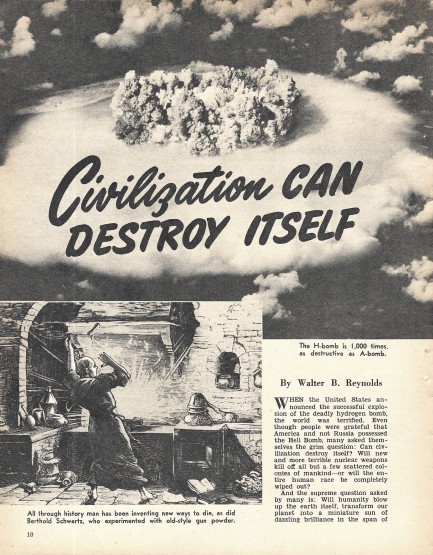
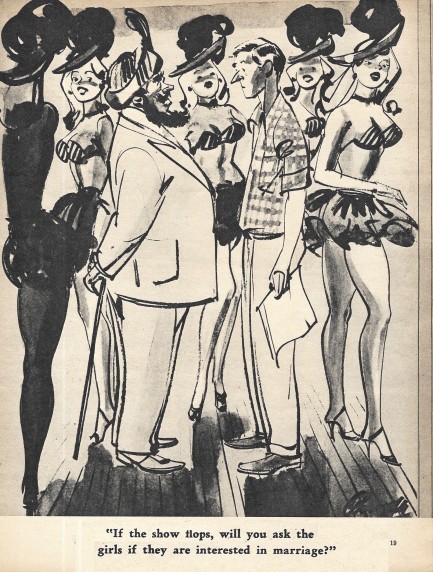
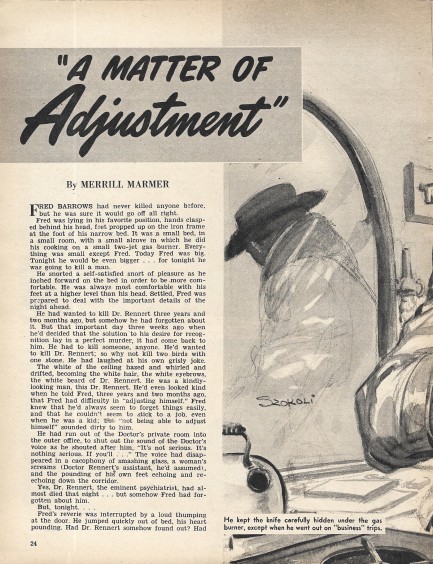
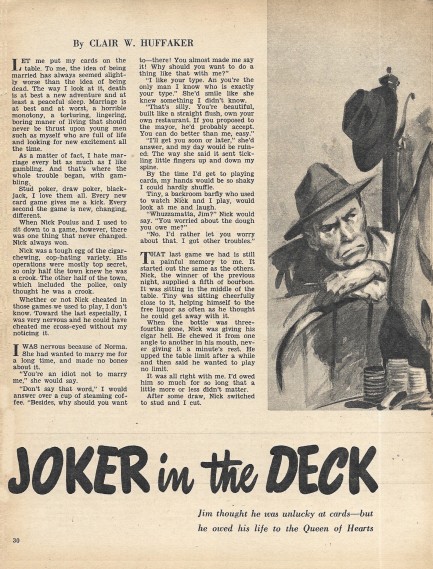
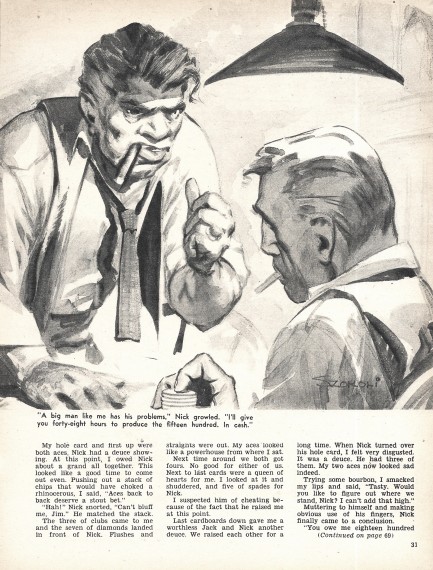
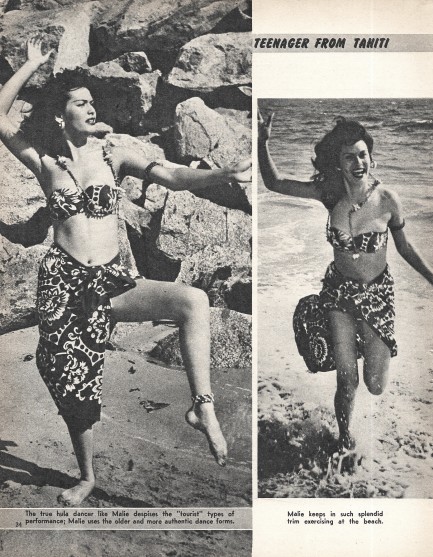
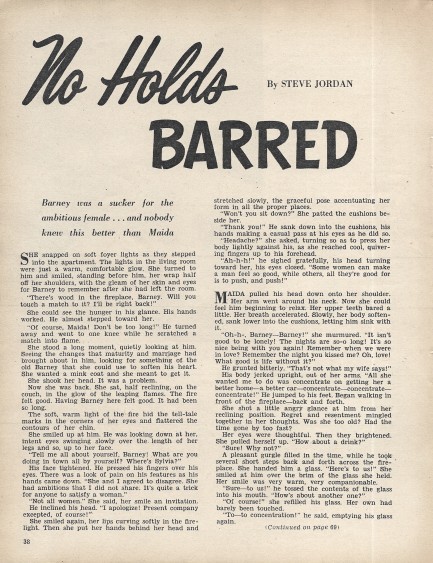
Elsewhere inside Sir! you get art from Jon Laurell and Joseph Szokoli, photos of model Jean Williams and Tahitian beauty queen Malie Haulani, a story on the danger of nuclear weapons, anthropological snobbery in exposés about New Caledonia and the Kogi people of Colombia, and fanciful theories about Russian scientists working to keep Josef Stalin alive for 150 years—which didn't work, because he died a mere five days after this issue of Sir! hit the newsstands. Clearly, the magazine is cursed. It certainly cursed our wine glass. We have thirty-five scans below for your enjoyment and other issues of Sir! here and here.
 James Bond heats up the Cold War in Istanbul. 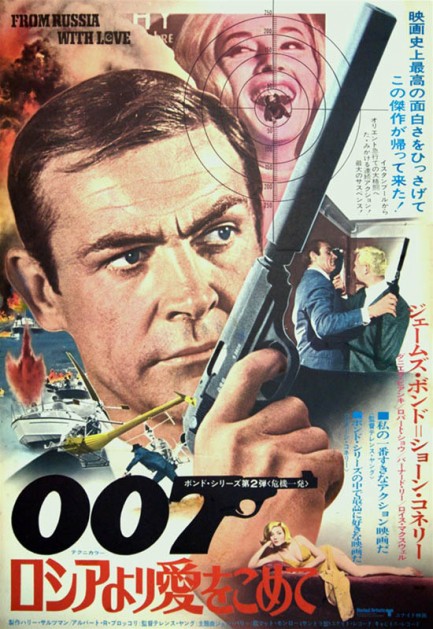
We take it on faith that everyone has seen all the old James Bond films, and that most people love them. But we haven't actually sat down and watched some of them in twenty years. So when we saw all these Japanese posters for 007ロシアより愛をこめて, also known as 007/危機一発, but much better known as From Russia with Love, we said why not take a fresh look at it like we'd never seen it before. Plus, you know, lockdown. Bond seemed like just the sort of reliable adventure we needed to spice up the idle hours. The film definitely proves that when it comes to action movies budget is almost everything, and a decent script helps. Call it Q=BS2. Budget and script squared equals quality. From Russia with Love scores well there.
We had forgotten how fun Pedro Armendáriz is as Ali Kerim Bey, Bond's counterpart in Istanbul, which is where much of the film is set. Interesting factoid about Armendáriz: he'd been diagnosed with cancer and was already fatally ill when he made the movie. After filming he shot himself to skip the suffering that was on tap and never got to see the finished product. Another bit of trivia is that Eunice Gayson, who was reprising her role as Sylvia Trench from the earlier Dr. No., was supposed to appear in six films, serving as Bond's recurring love interest and the central figure in a running gag. In short, every time Bond would try to get hot and heavy with her, headquarters would interrupt and call him away, leaving the loyal Gayson serially unfulfilled.
We love that idea, but studio heads changed their minds, possibly because they wanted to make Bond a little sluttier than originally written. Don't quote us on that, but it was the ’60s, after all. Make love not war. Of course, in the end, Bond makes both. In any case, if you have time to kill, From Russia with Love might just do the trick. It's exotic, reliable, and familiar, but since you probably haven't seen it for years it will also be fresh enough to keep you interested. Also, Robert Shaw as the secondary villain doesn't hurt, nor does Daniela Bianchi as the primary female character, and Lotte Lenya as a Russian assassin with a dagger that extends from the toe of her pump is a hoot. Talk about the cruel shoes. From Russia with Love premiered in England in 1963, and reached Japan today in 1964. 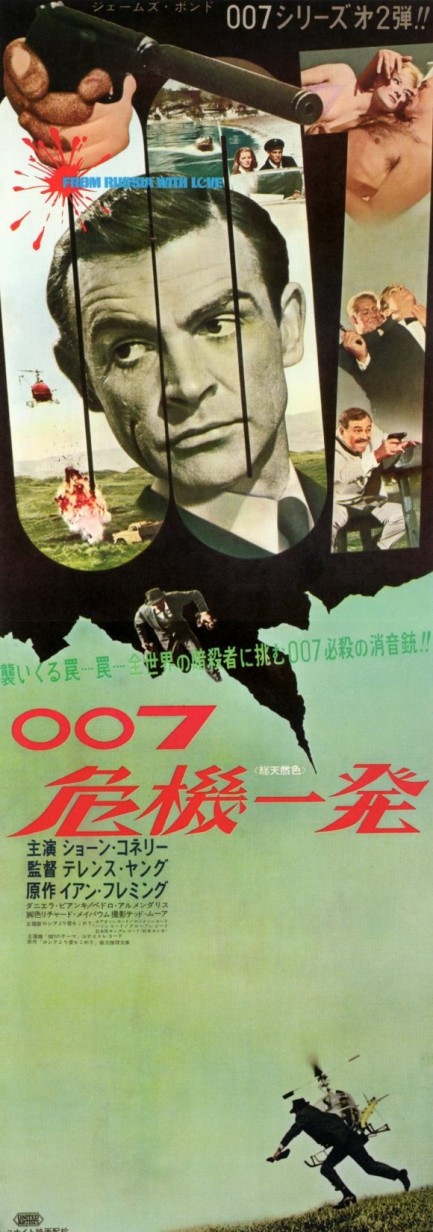 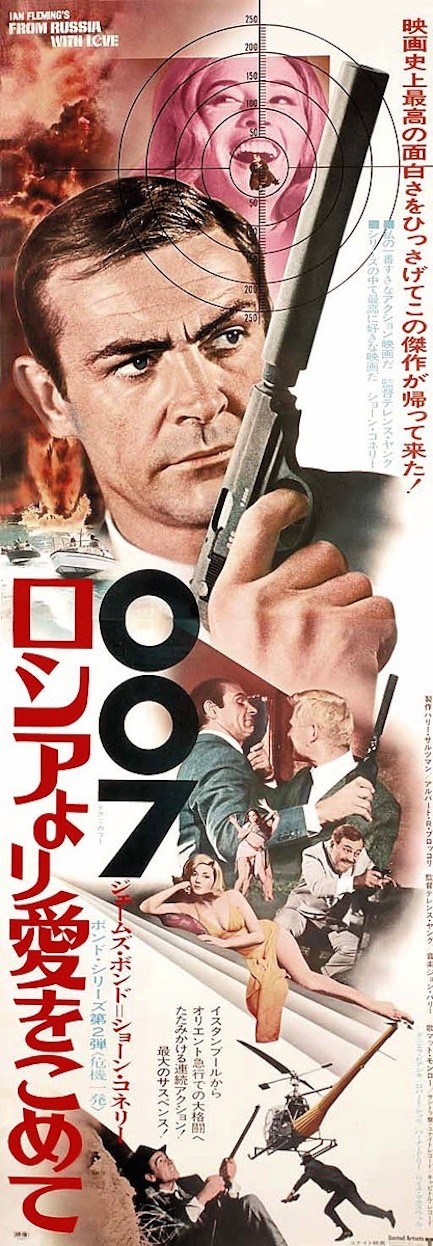 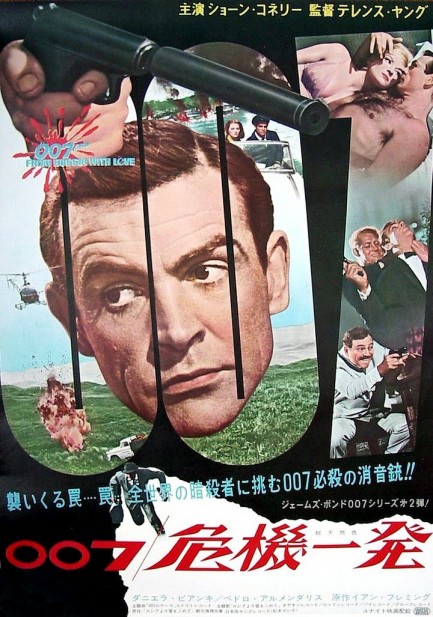 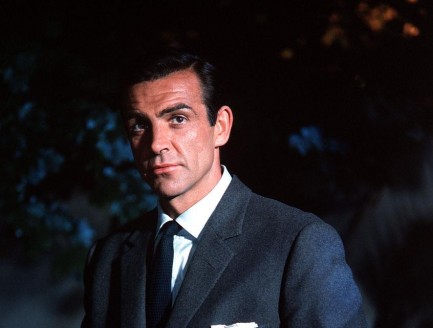  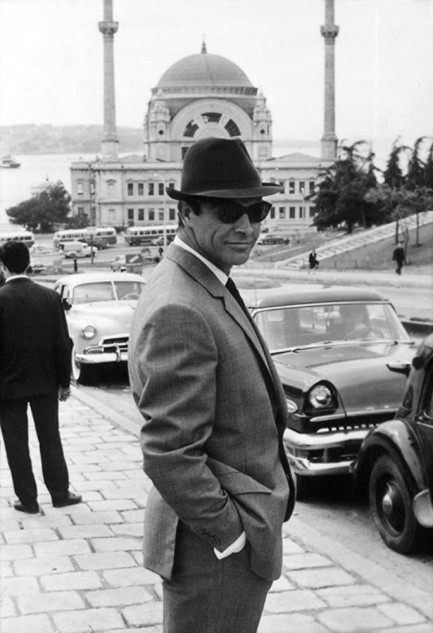  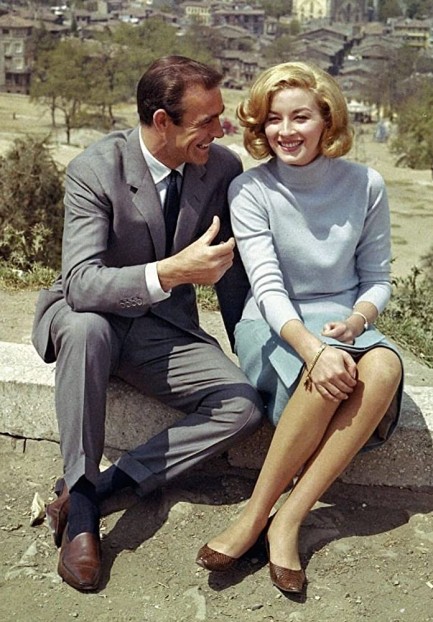 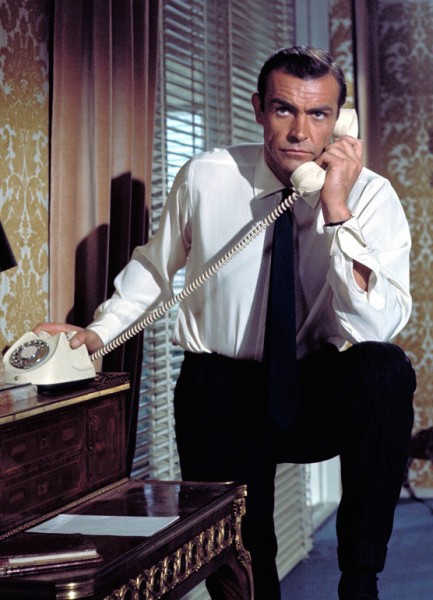 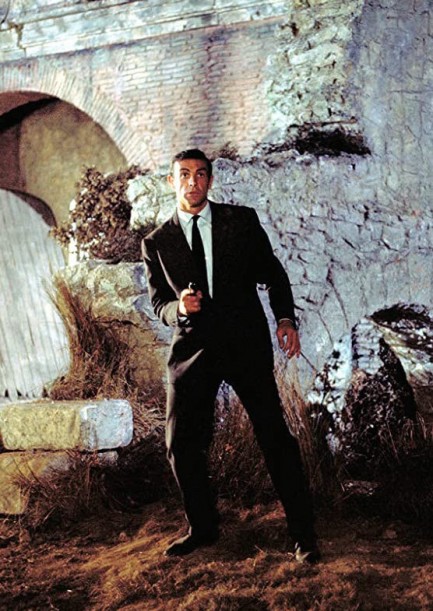 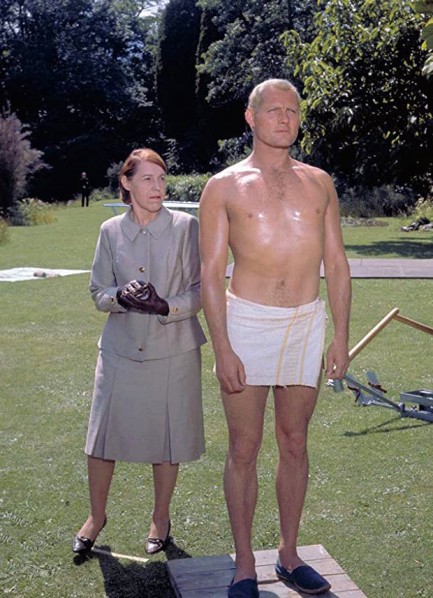  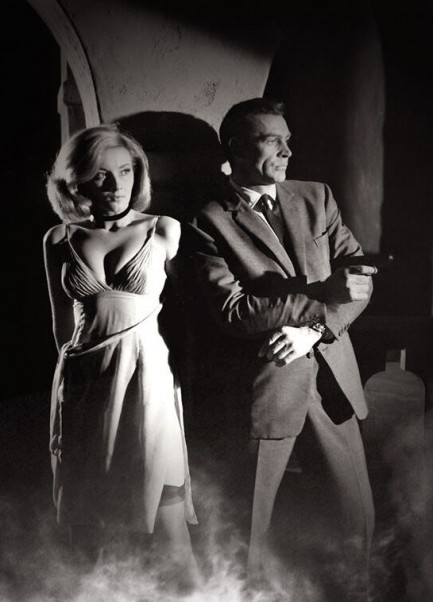 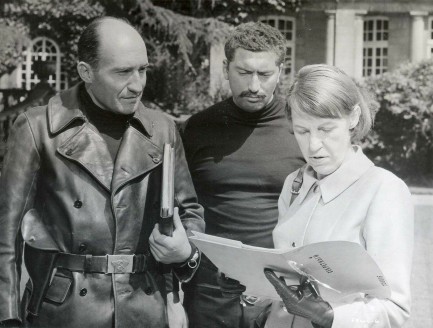 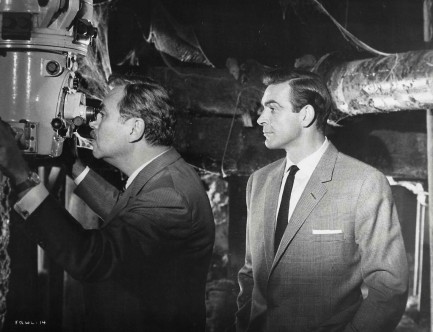 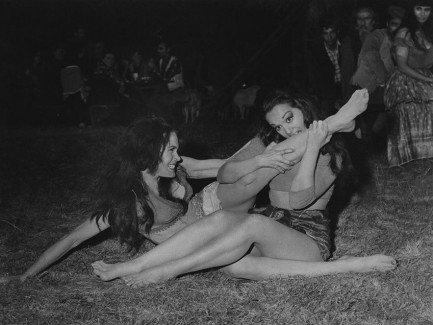 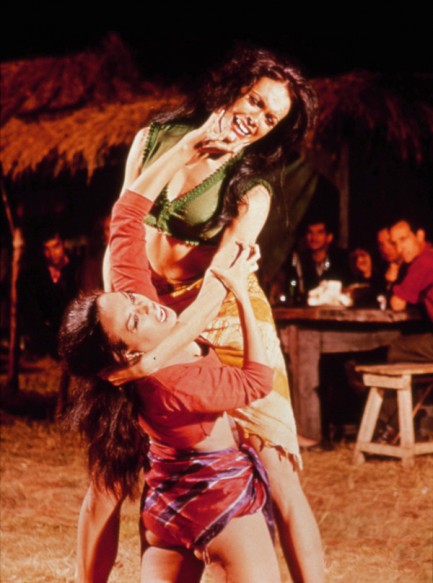  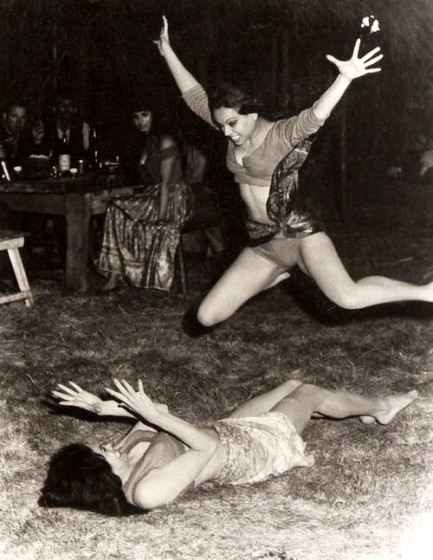
 Albert Camus' fatal 1960 auto accident may have been a KGB assassination. 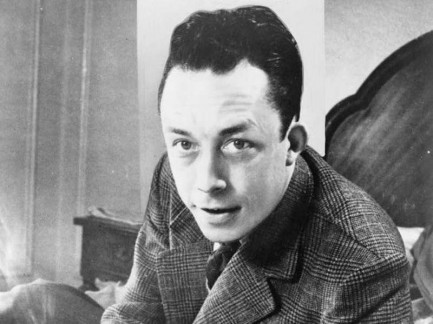
Italian author Giovanni Catelli has just published a book that claims French writer Albert Camus was assassinated by the KGB, rather than dying in an auto accident, as largely believed. When you say the words “Cold War intrigue,” we're all in, so the story caught our eye. Catelli's theory, which he first began airing in 2011, is that the KGB silenced Camus because he was a globally famous figure who made a habit of criticizing the Soviet Union. The order was allegedly given by Dmitri Shepilov, the USSR’s minister of internal affairs, after Camus slammed him in the French newspaper Franc-Tireur in March 1957. Camus died in 1960, so the killing took three years to come to fruition, according to Catelli.
His book length argument, La mort de Camus, is getting white hot press right now, however it's very interesting to look back at contemporary articles about the crash. Camus was riding as a passenger in a car driven by his publisher Michel Gallimard, with Gallimard's wife Janine and their daughter Anne in the rear seat. Michel Gallimard died, but his wife and daughter survived to 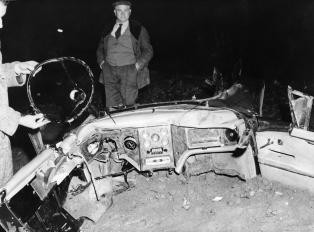 describe the crash. Michel was driving fast and had been told to slow down, and had drunk wine at dinner. describe the crash. Michel was driving fast and had been told to slow down, and had drunk wine at dinner. A gander at the wreckage of the heavy Farcel Vega HK500 attests to its speed. We checked the various articles popping up online and found none that mentioned either the velocity of the car or the drinking of the driver, but that's how the internet works—a fantastic claim circles the world five times faster than anything resembling balance or a fact check.
Catelli, though, has an answer for the reckless driving theory—the Soviets had attached a device to the car that would puncture a tire only in the event of sufficient speed. If the Soviets came up with the device described, it would not kick in without the added ingredient of driver haste, which often happens in conjunction with alcohol consumption, which in turn is a near certainty when talking about French people, all of which means the chances of a crash with muddied circumstances were pretty high. The device, if it ever existed, was certainly clever. It would be like a device that tied your shoelaces together, but only if you went downstairs in a rush, and you happened to live in a fourth floor flat with a balky elevator.
Catelli's belief that Camus was disposed of via assassination is bolstered by the fact that the car he was riding in somehow careened off a stretch of straight road thirty feet wide. Nobody described Michel Gallimard trying to dodge a hedgehog or pothole, so despite speed and possible drunkenness, some unforeseen factor seems required to send the vehicle into the weeds. On the other hand, three years is a long time to enact a death plot. We've seen Yankees and Red Sox fans patch their shit up in less time. But let's move this death from the settled bin into the mysterious bin, which is where we like everything to be anyway. Camus, the famed absurdist, once wrote that, “There can be nothing more absurd than to die in a car accident.” And if Catelli is correct, nothing can be more convenient either. 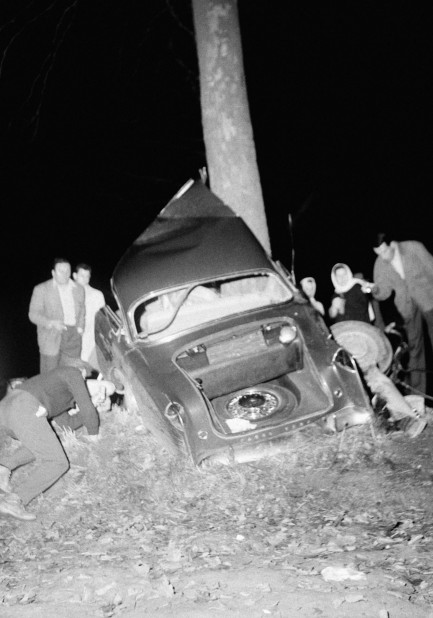 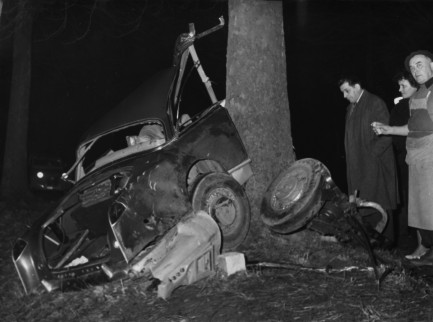
 It's all skin no wit as tabloid stumbles along on its last legs. 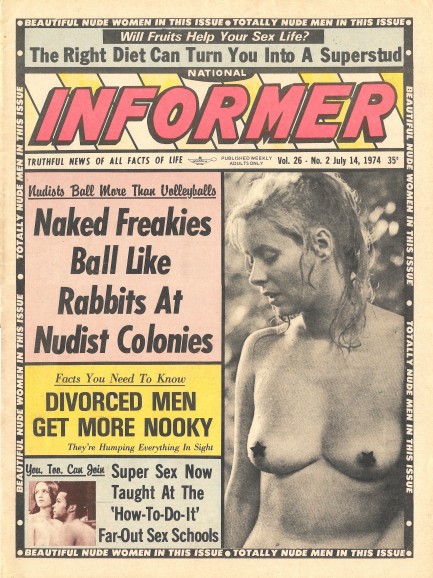
It's July 14, 1974 and it's getting late in the game for National Informer. This issue shows that the magazine is exhausted of ideas and inspiration, and is bereft of all but the crassest humor. We suspect staff reductions. As magazines decline in circulation they lose pages and bleed staff. This issue is a full eight pages shorter than two years earlier. We aren't sure how much longer Informer lasted, but by this point the writing seems to be on the wall.
One mainstay, though, is resident seer Mark Travis, who offers his thoughts about the far future, predicting that Greenland will become the next frontier by 2050 due to underground volcanoes turning it into a tropical paradise, and Brazil will become a world power by 2075, ranking only after the U.S., China, and the U.S.S.R., thanks to cheap labor and the vast resources of the Amazon.
This guess is not far wide of the mark. The current president of Brazil is selling off the Amazon. But Travis's prediction is undermined by the fact that the U.S.S.R. no longer exists. Future visions tend to be notoriously select, but a non-U.S.S.R. future should be glaringly readable even within swirling clairvoyant mists. Well, no seer is perfect. Maybe Travis will do better in the next issue. You'll find out, because we have more to come. 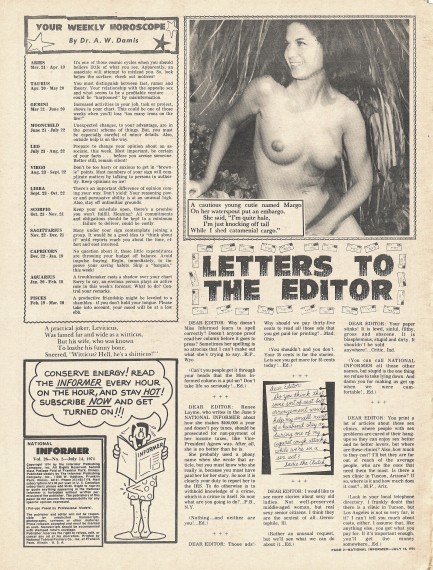    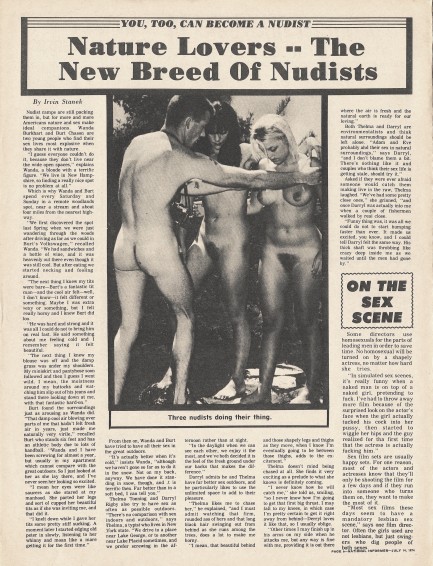 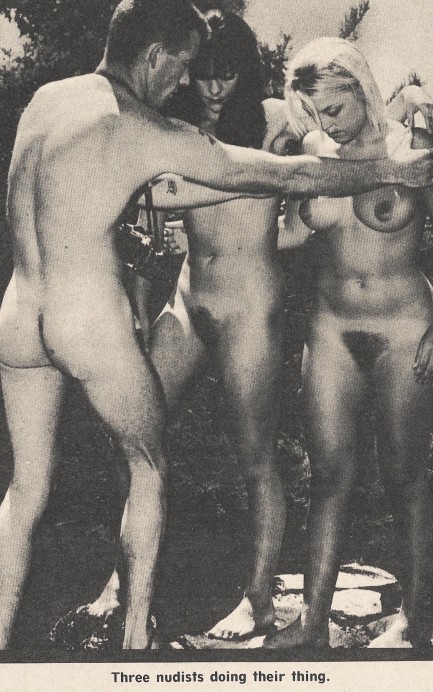 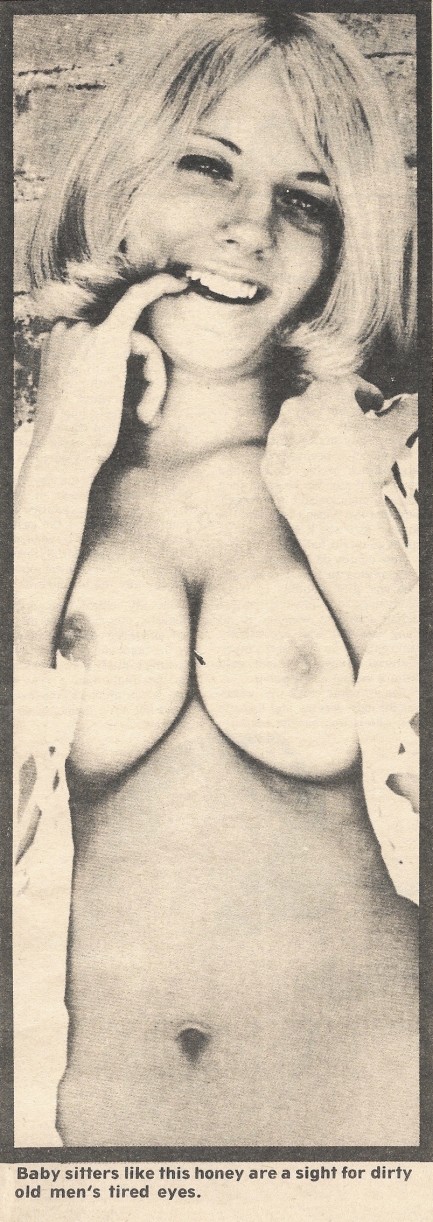  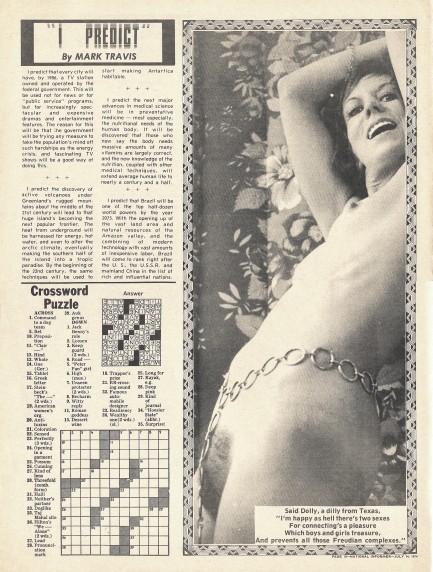      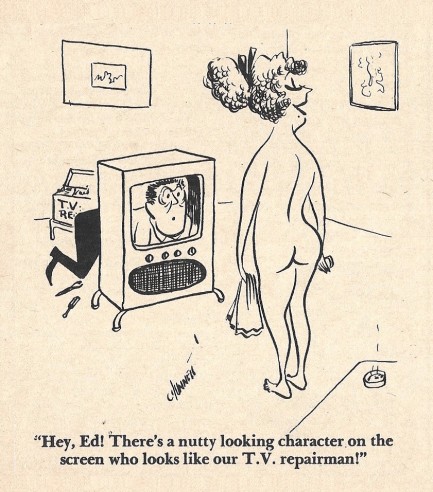

|
 |

The headlines that mattered yesteryear.
1945—Mussolini Is Arrested
Italian dictator Benito Mussolini, his mistress Clara Petacci, and fifteen supporters are arrested by Italian partisans in Dongo, Italy while attempting to escape the region in the wake of the collapse of Mussolini's fascist government. The next day, Mussolini and his mistress are both executed, along with most of the members of their group. Their bodies are then trucked to Milan where they are hung upside down on meathooks from the roof of a gas station, then spat upon and stoned until they are unrecognizable. 1933—The Gestapo Is Formed
The Geheime Staatspolizei, aka Gestapo, the official secret police force of Nazi Germany, is established. It begins under the administration of SS leader Heinrich Himmler in his position as Chief of German Police, but by 1939 is administered by the Reichssicherheitshauptamt, or Reich Main Security Office, and is a feared entity in every corner of Germany and beyond. 1937—Guernica Is Bombed
In Spain during the Spanish Civil War, the Basque town of Guernica is bombed by the German Luftwaffe, resulting in widespread destruction and casualties. The Basque government reports 1,654 people killed, while later research suggests far fewer deaths, but regardless, Guernica is viewed as an example of terror bombing and other countries learn that Nazi Germany is committed to that tactic. The bombing also becomes inspiration for Pablo Picasso, resulting in a protest painting that is not only his most famous work, but one the most important pieces of art ever produced. 1939—Batman Debuts
In Detective Comics #27, DC Comics publishes its second major superhero, Batman, who becomes one of the most popular comic book characters of all time, and then a popular camp television series starring Adam West, and lastly a multi-million dollar movie franchise starring Michael Keaton, then George Clooney, and finally Christian Bale. 1953—Crick and Watson Publish DNA Results
British scientists James D Watson and Francis Crick publish an article detailing their discovery of the existence and structure of deoxyribonucleic acid, or DNA, in Nature magazine. Their findings answer one of the oldest and most fundamental questions of biology, that of how living things reproduce themselves.
|

|
|
It's easy. We have an uploader that makes it a snap. Use it to submit your art, text, header, and subhead. Your post can be funny, serious, or anything in between, as long as it's vintage pulp. You'll get a byline and experience the fleeting pride of free authorship. We'll edit your post for typos, but the rest is up to you. Click here to give us your best shot.
|
|