| Hollywoodland | Jul 28 2017 |

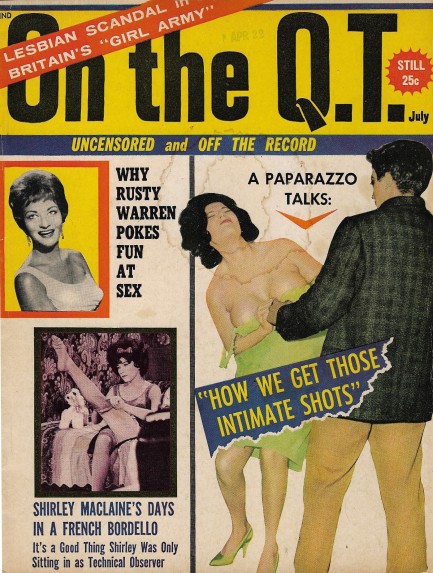
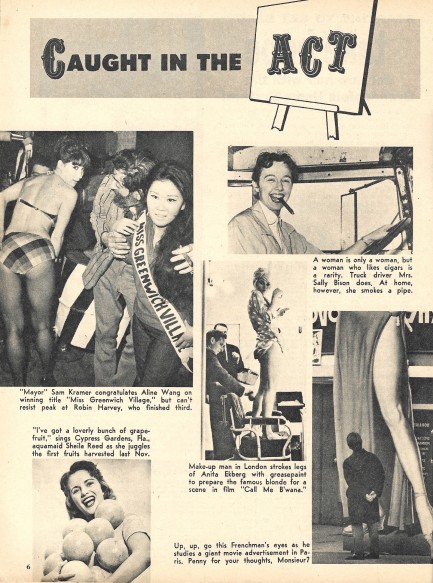
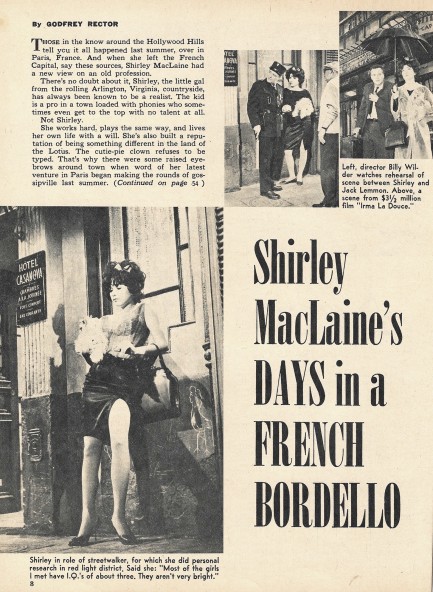
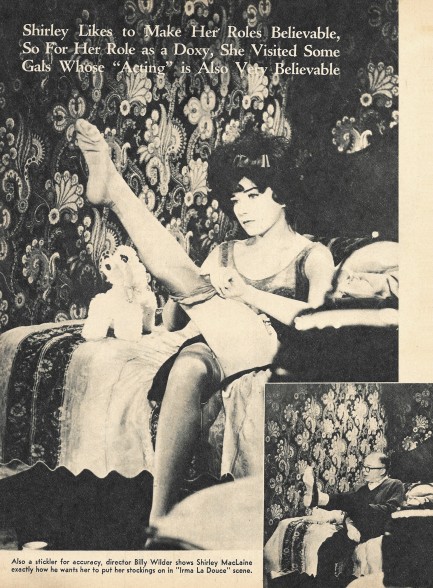
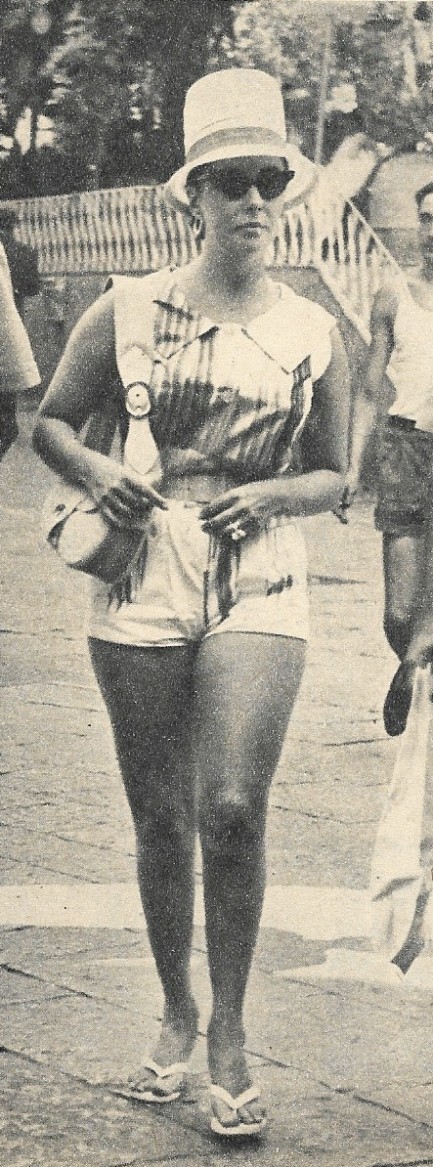
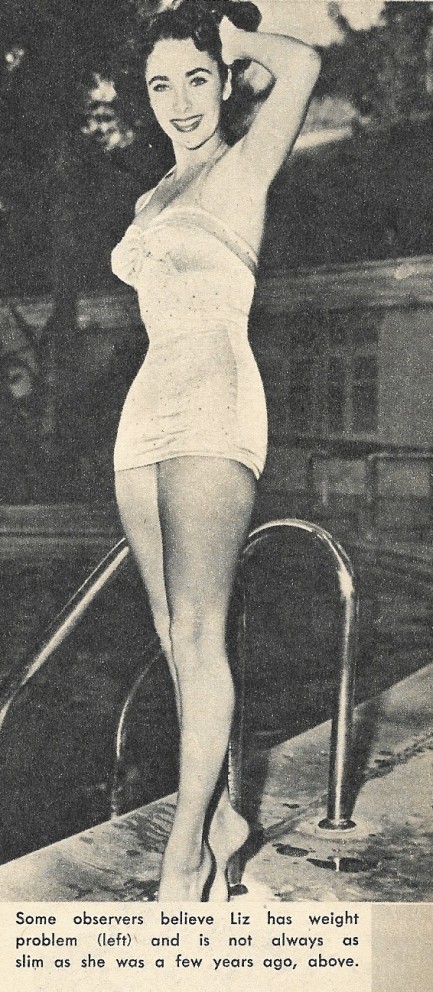
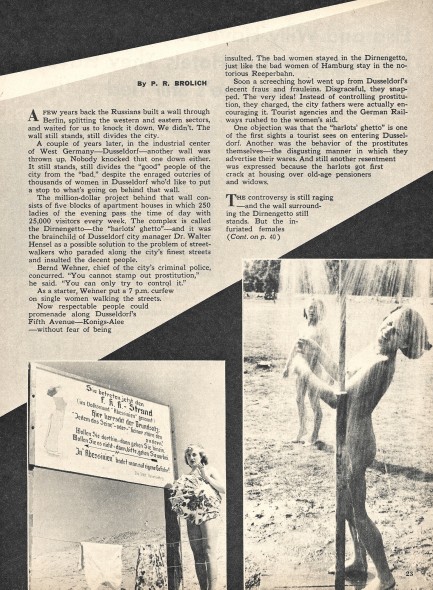
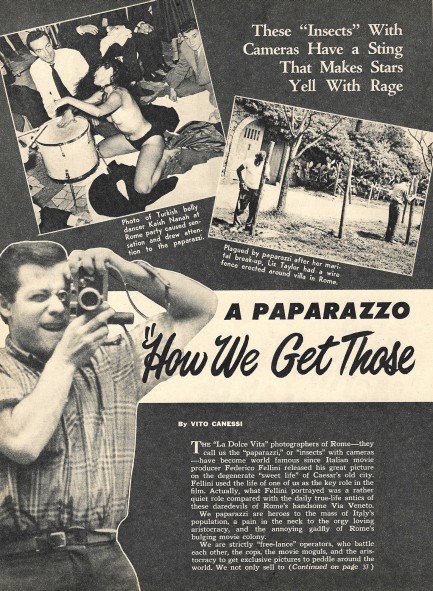
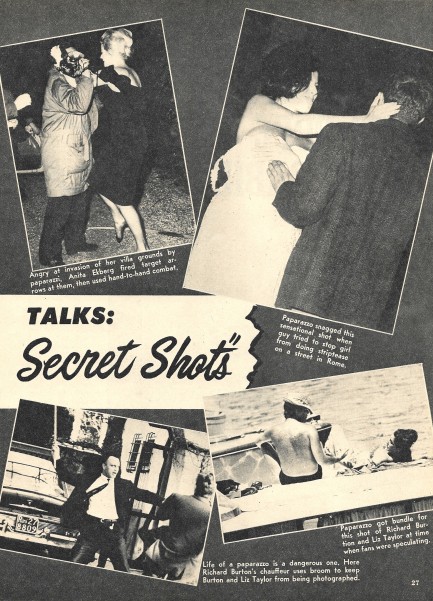
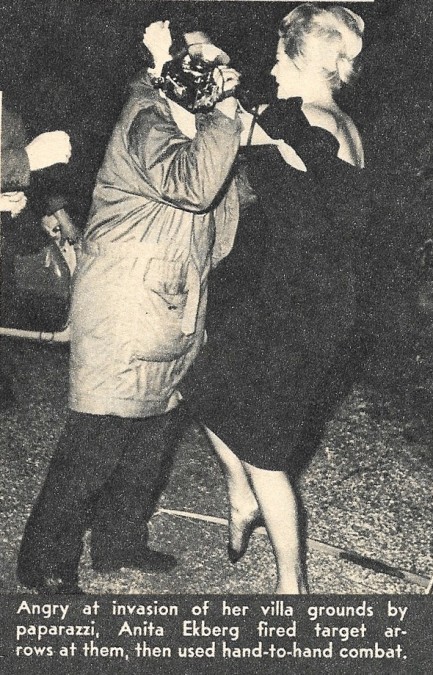
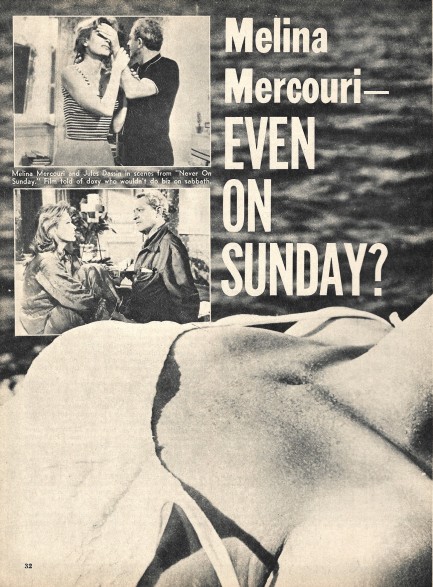
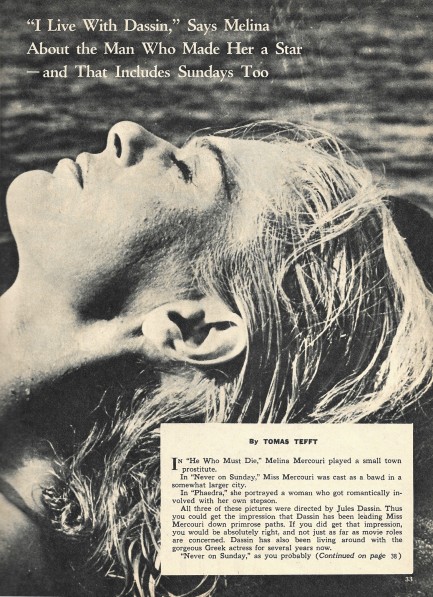
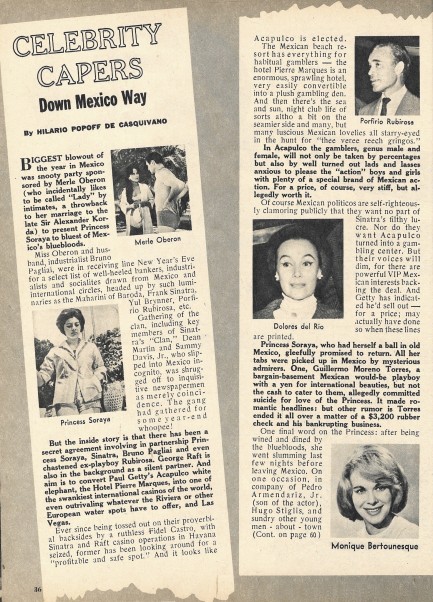
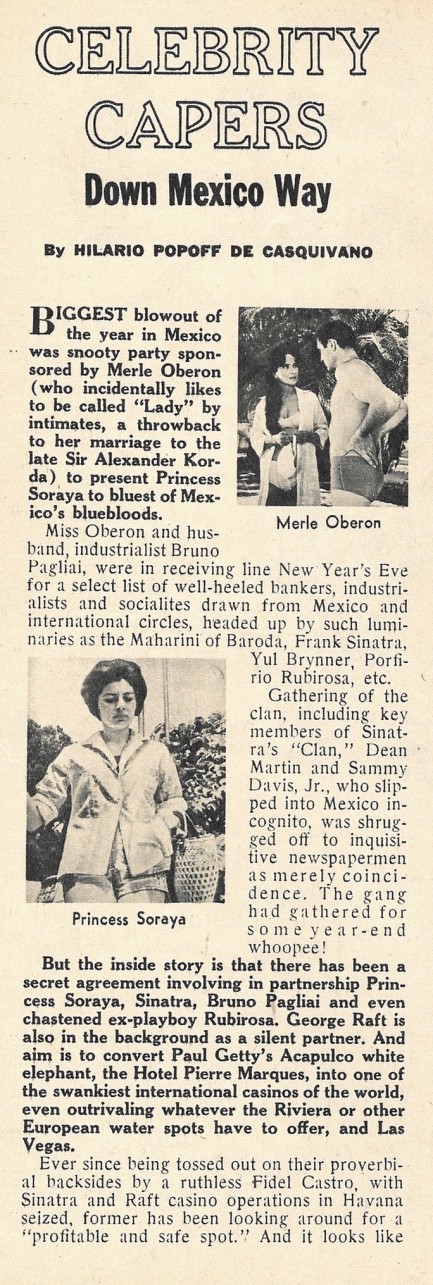
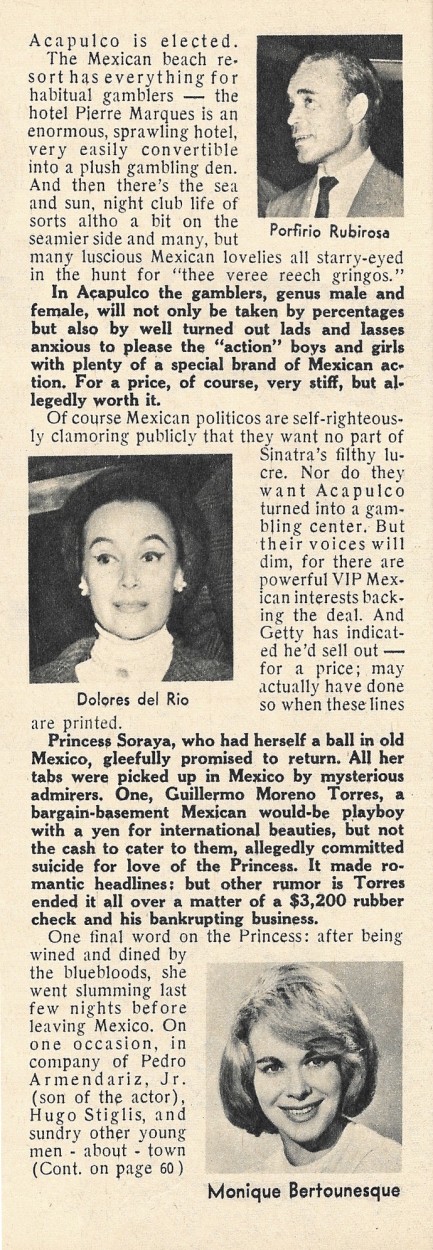
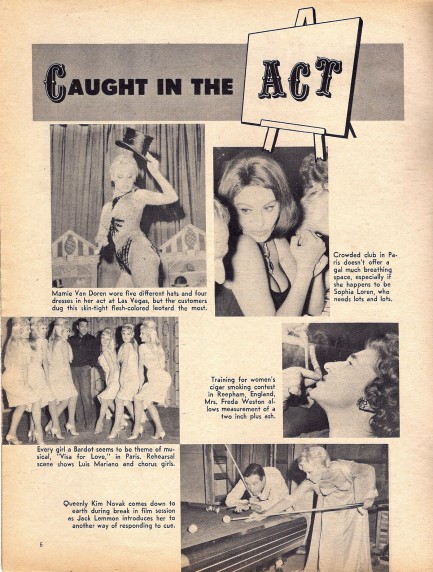
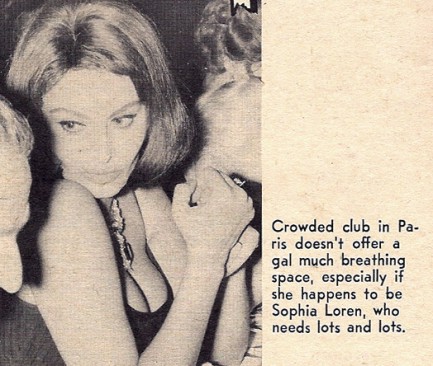
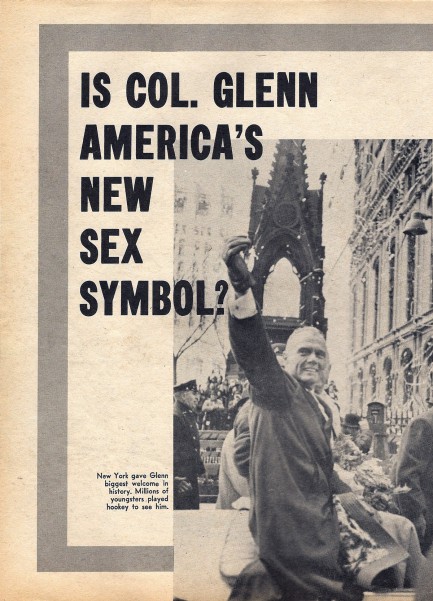
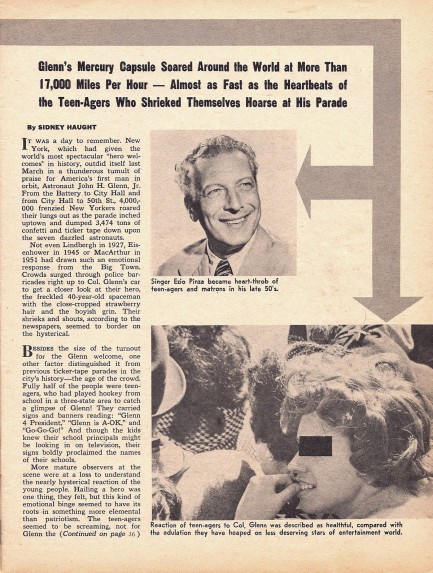
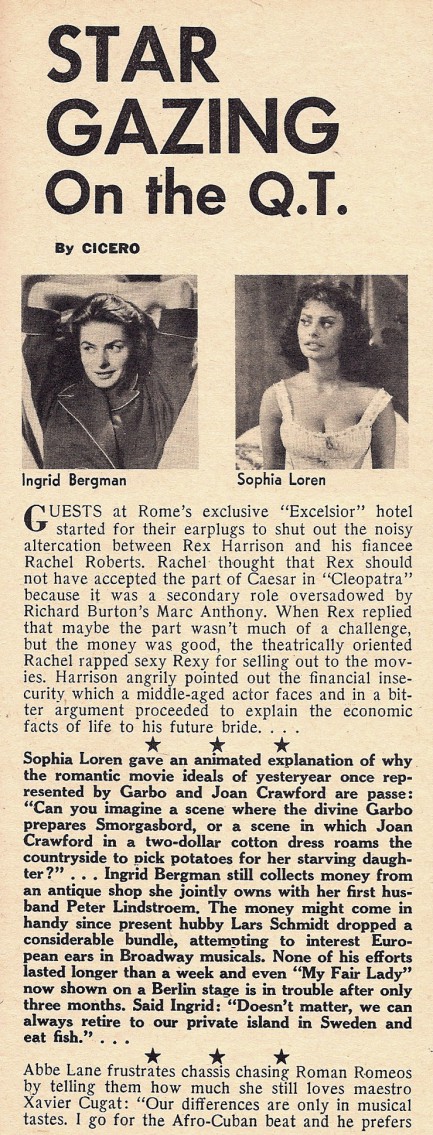
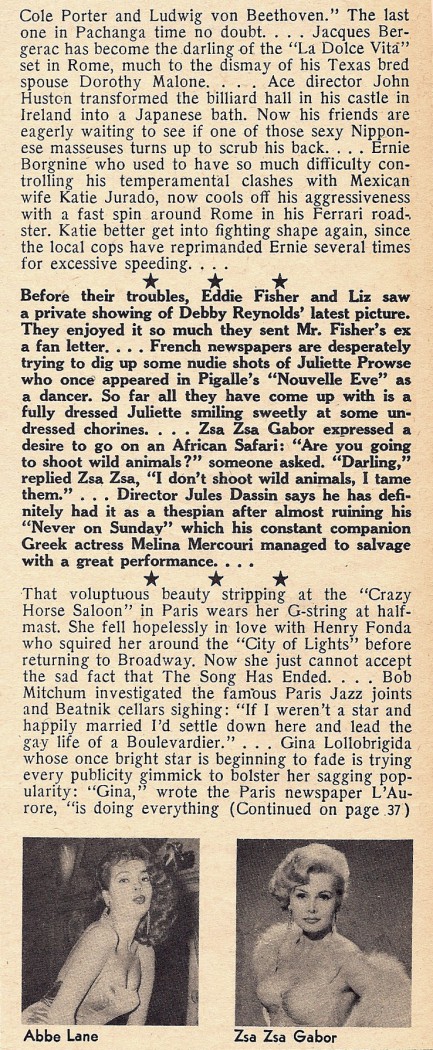
We managed to buy this issue of On the Q.T. published in July 1963 for seven dollars, which is about the range we prefer for a tabloid that's often overpriced. Inside we found Shirley MacLaine, Melina Mercouri, Elsa Martinelli, Richard Burton and Liz Taylor. As expected the focus is on Hollywood, but in this issue the piece that jumped out at us was an insider's account of the Italian paparazzi lifestyle written by top paparazzo Vito Canessi. He details his techniques for obtaining photos, his legal obligations, and the lengths some paps go to in getting saleable shots.
Though paparazzi come under the umbrella of defenders of press rights, with their often malleable ethics they're probably not people you'd have at your dinner table. It often works that way. Rights defenders tend to be either people actually testing the limits of rights, or people negatively affected by forces that would curtail those rights. Either way, they're sometimes outside the social mainstream. But the rights they defend apply to all. Thirty scans below.
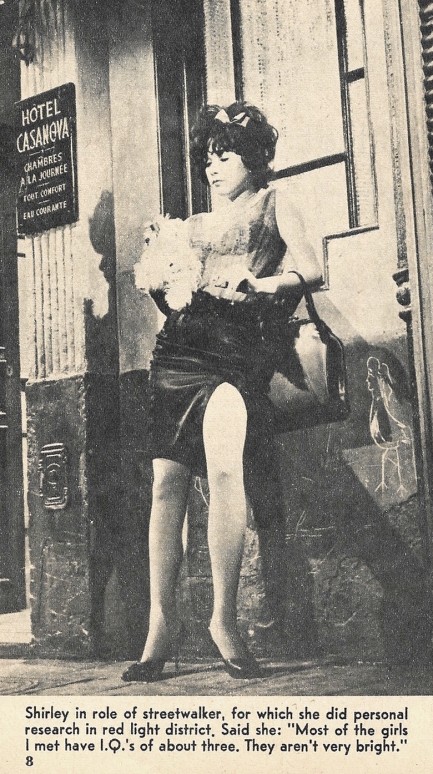
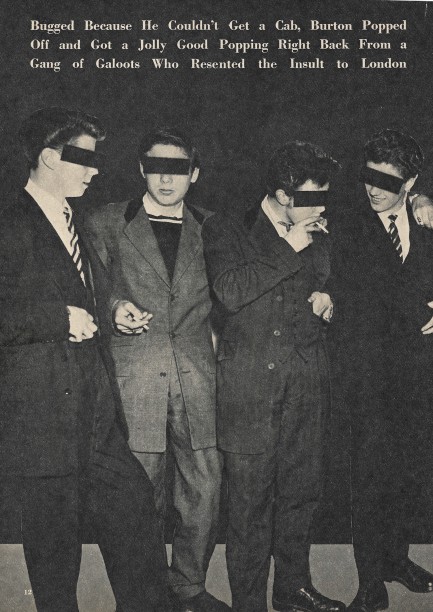
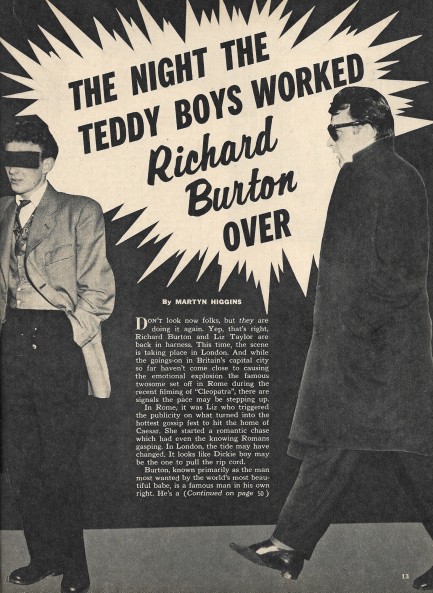
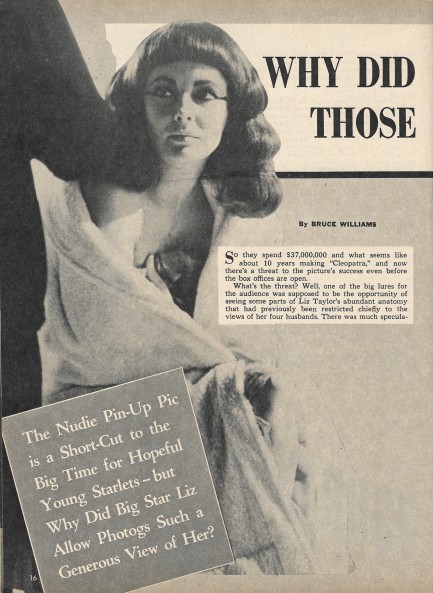



| Hollywoodland | Sep 15 2015 |


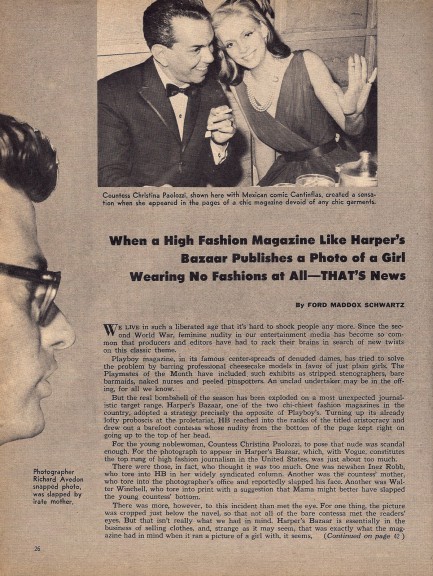
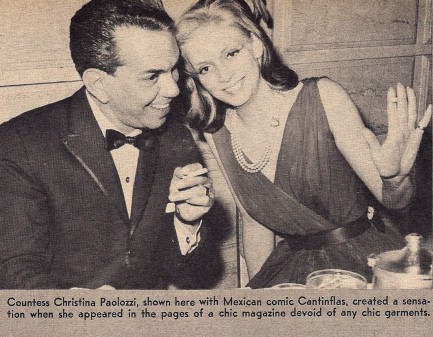
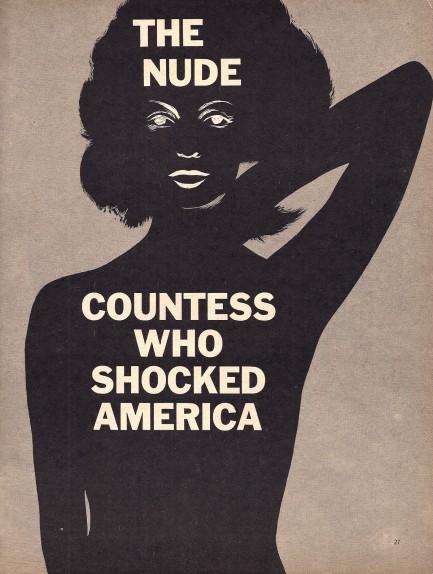
On the Q.T. labeled itself “The class magazine in its field.” In practice that was less than true. This cover from September 1962 offers teasers about Liz Taylor’s inability to be made happy, the fatal ring beating of boxer Kid Paret, and the inside story about Ivy Nicholson’s suicide attempt. But the banner goes to the nude countess who shocked America. That would be Christina Paolozzi, aka Christina Bellin, who was a New York City fashion model and the offspring of United Fruit Company heiress Alicia Spaulding and Italian conte Lorenzo Paolozzi. The photo was shot by Richard  Avedon and appeared in Harper’s Bazaar. Paolozzi was already considered “the first of the ’60s free spirits” by the tabloids, and by stripping for Avedon she became the first recognized fashion model to pose nude, a practice that is now common.
While Avedon earned widespread recognition for the shot, which you see at right, Paolozzi was dropped from the New York City Social Register, shunned by Manhattan’s upper crust, and subjected in the press to what is today sometimes called “body shaming.” Columnist Inez Robb wrote that Paolozzi was “no more favored by nature than the average daughter of Eve,” and added for good measure, “Harper’s Bazaar, with its excursion into overexposure, has unwittingly proved that not diamonds but clothes are a girl’s best friend.” If that wasn’t bad enough, just imagine what people wrote in the comments section. They had those then, right?
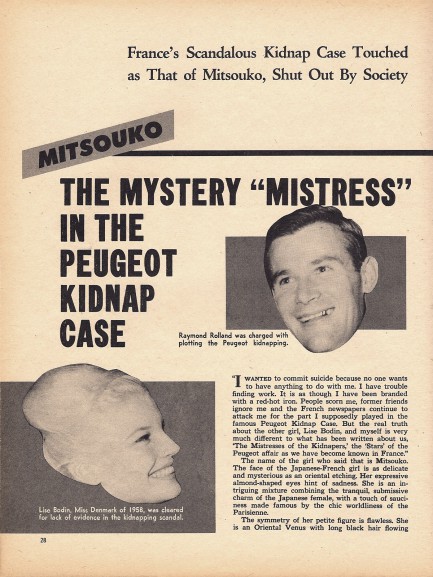
In any case, Paolozzi was a bold personality, and she went on to make waves yet again with her many wild parties and open marriage to cosmetic surgeon Howard Bellin, commenting in a mid-1970s newspaper article, “[It’s] just the way life is today—one man is simply not enough.” But she didn’t just spend the years having a good time. She also raised money for hospitals in Cambodia and Gabon, orphanages in Afghanistan, and supported eighteen foster children. In a sense, she gave the shirt off her back. Twenty-eight scans from On the Q.T. below.
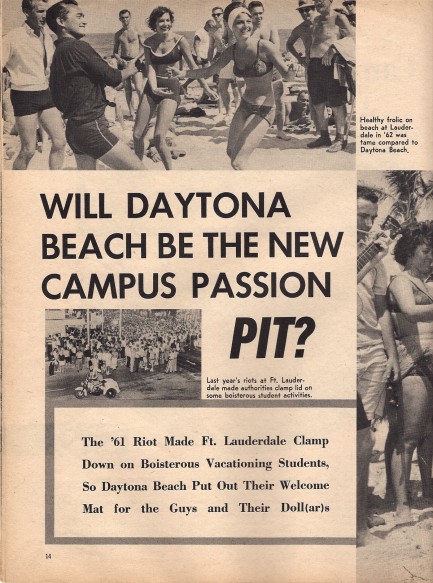
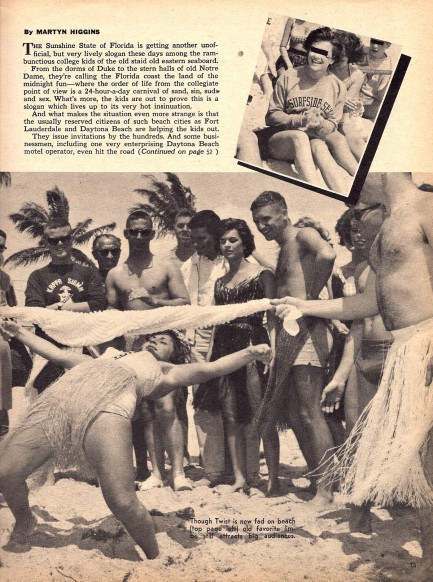
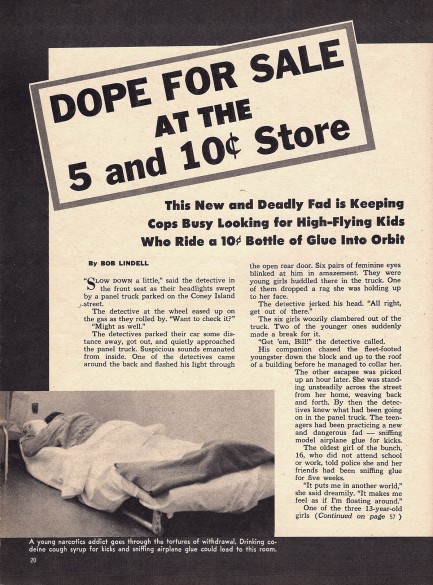
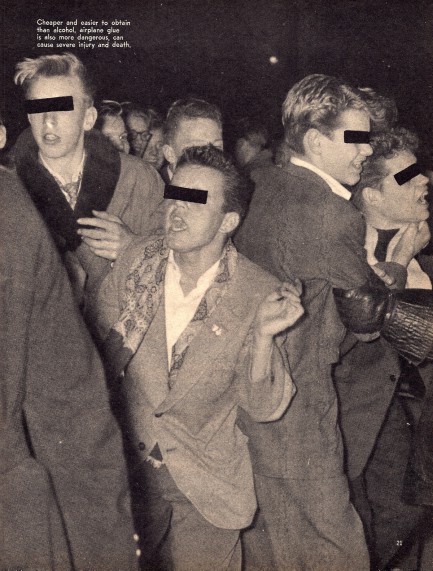
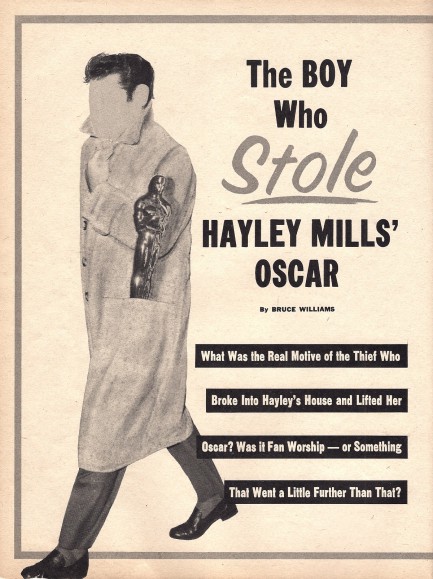
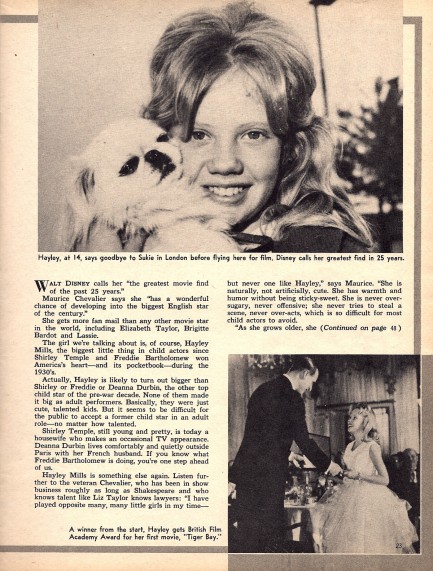
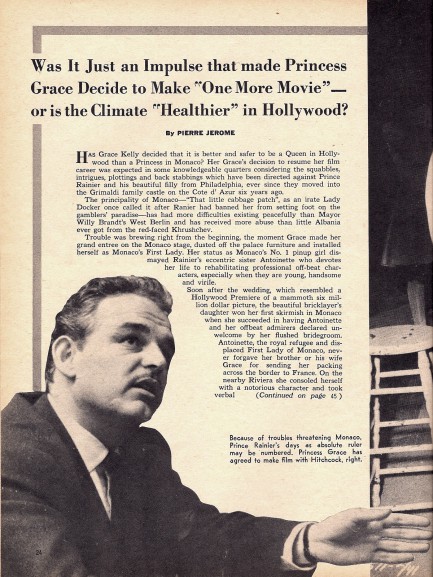
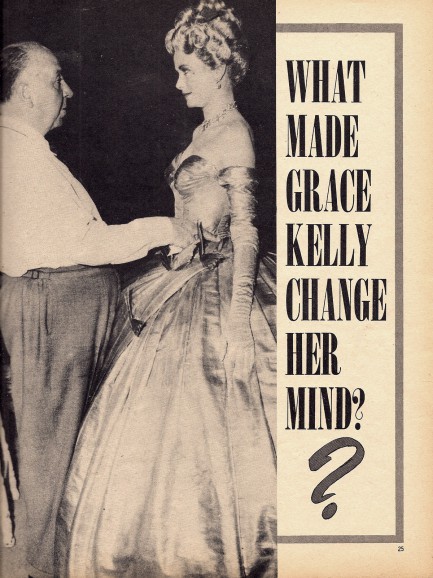
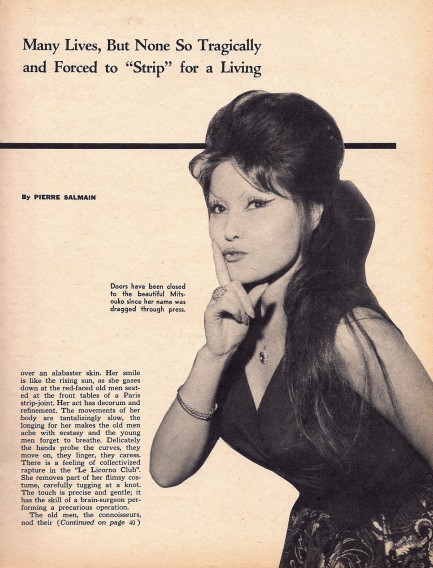

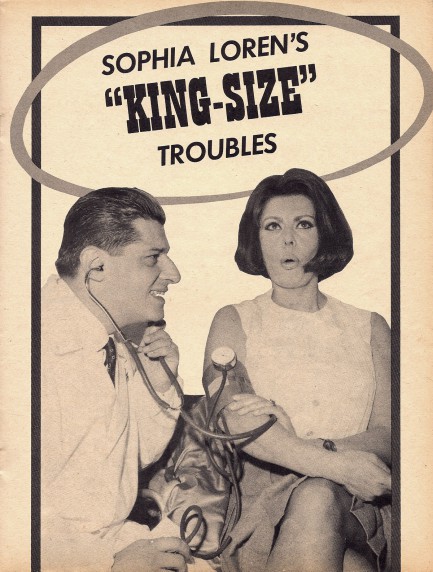
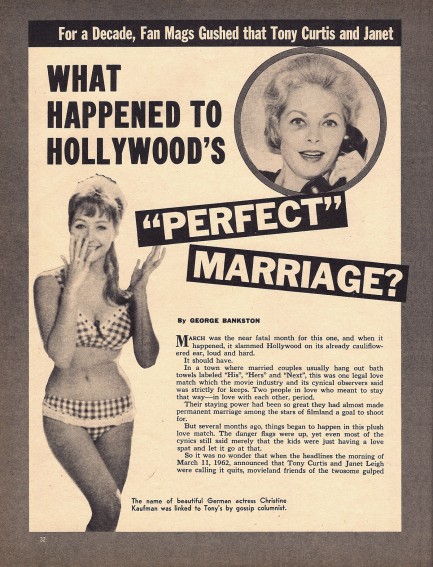
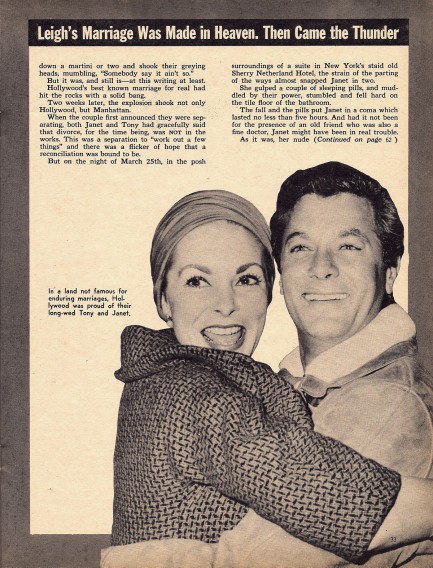
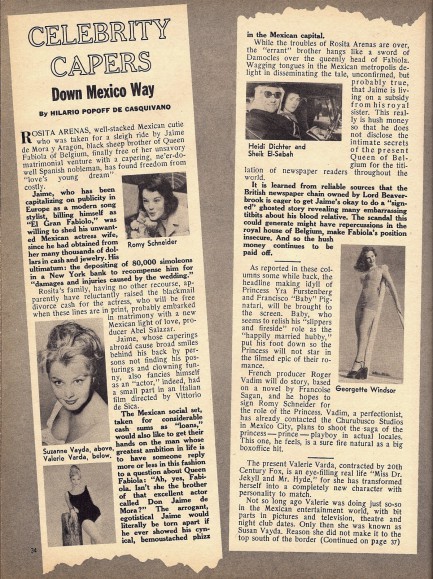
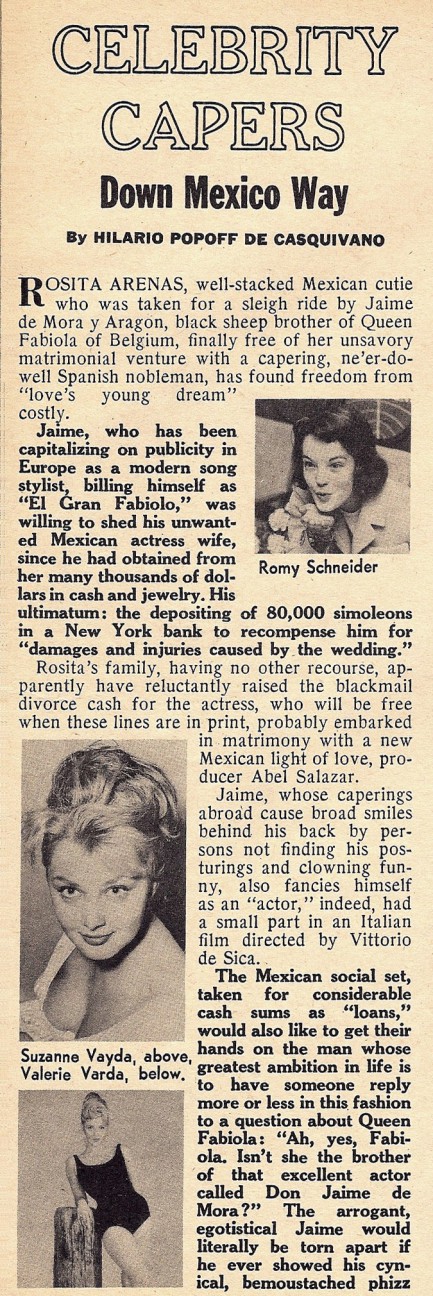
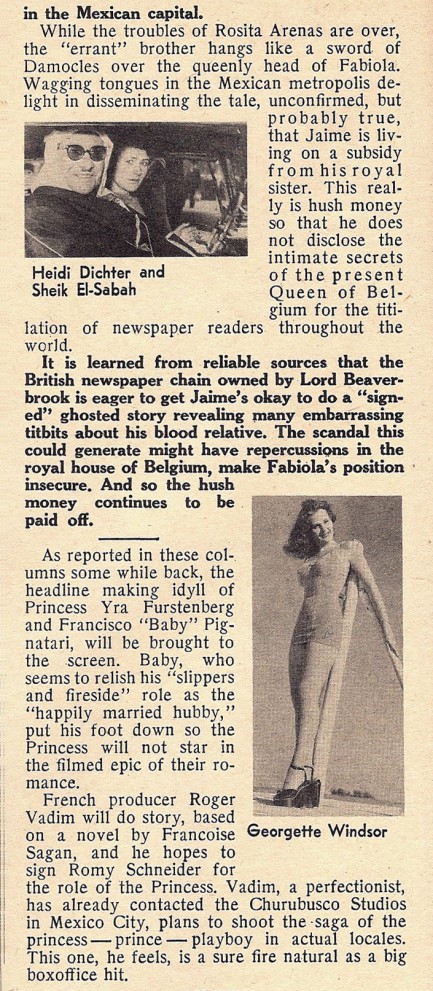
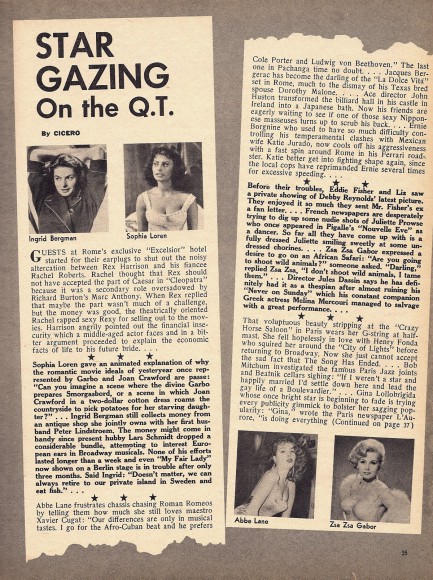

| Intl. Notebook | Mar 12 2013 |

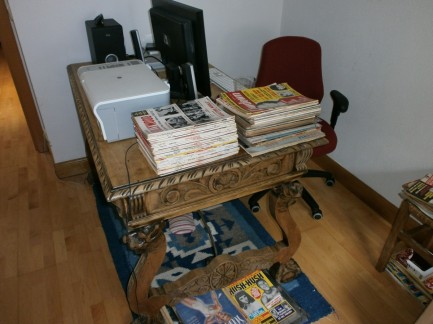
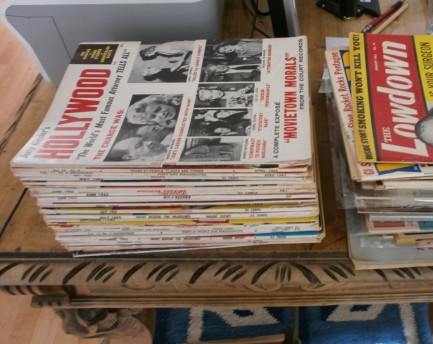
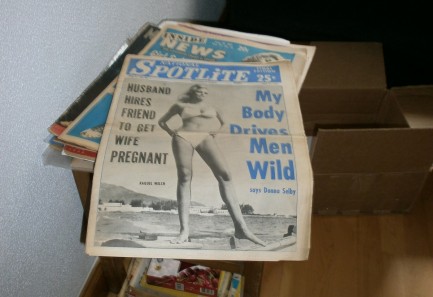
Well it worked again. We’re definitely feeling total confidence in the postal system now. Why that first issue of Adam disappeared a while back we’ll never know, but after that little mishap we successfully received one shipment, so this time we decided to go for broke. Above is the result of that experiment—forty-four American tabloids. Even with postage in the $40 range, these came out to about two dollars apiece. Very exciting, and since the collection consists of all the heavyweights—Whisper, Hush-Hush, On the QT, Confidential, Uncensored, The Lowdown, et al.—we’re pretty much set for the foreseeable future. You want mid-century tabloids? This is where to find them. Accept no substitutes. On a side note, remember we said we were refinishing a 150-year-old desk? There it is above in final form. Note that the legs are topped by carved demon heads. We haven’t yet figured out who he’s supposed to be, but he emanates a palpable aura of evil that’s a bit… Hang on a sec. Did you hear that noise? Probably the wind, but we better go check anyway. Be right ba—

| Hollywoodland | Sep 15 2010 |

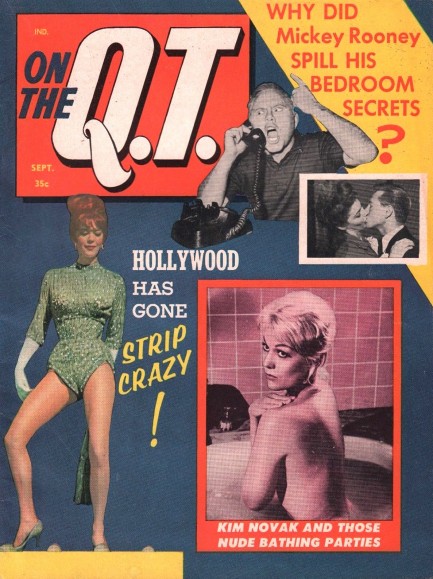
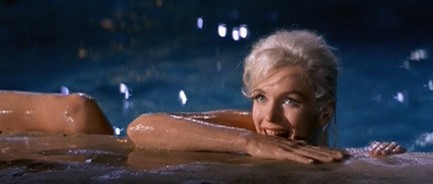
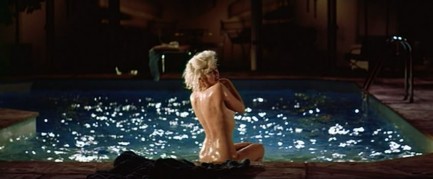
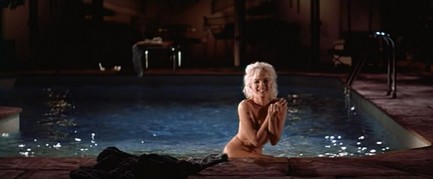
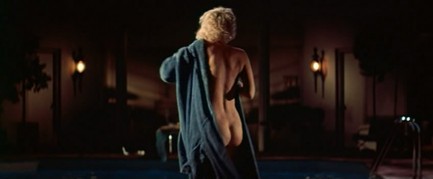
On the Q.T. asks on this September 1963 cover whether Hollywood has gone strip crazy, and they have a bit of a point, for once. In the previous year, more or less, movies that featured stripping as a major plot device included Natalie Wood’s Gypsy Rose Lee biopic Gypsy, as well as A Cold Wind in August, Portrait of a Young Man, Girl in Trouble, Night of Evil, Satan in High Heels and The Stripper, with Joanne Woodward. There were possibly even more films, but you get the drift—Hollywood had indeed discovered strippers and had begun featuring them to titillating effect. But while some of the films were more serious and racy than others, none actually showed any naughty bits, despite the breathlessness of On the Q.T.’s reporting.
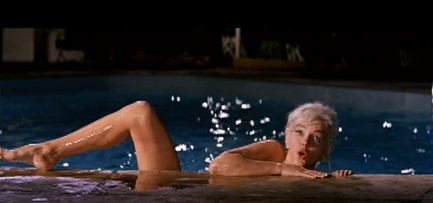
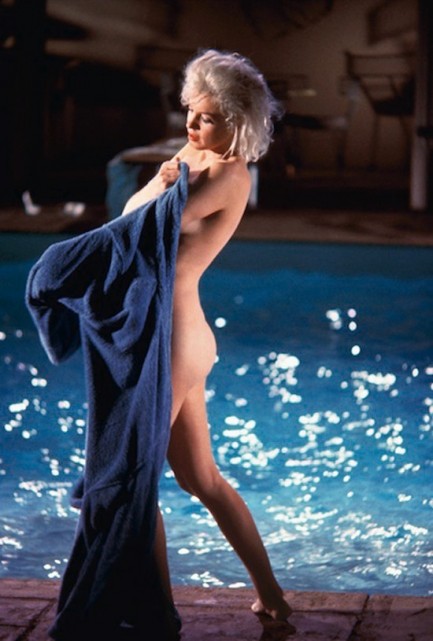
Other countries, notably France, had already unveiled the human form in cinema, but the first true nude scene in a mainstream American motion picture (excepting the pre-Code films of early Hollywood) came in Sidney Lumet’s 1964 drama The Pawnbroker when both Linda Geiser and African-American actress Thelma Oliver bared their torsos. Interestingly, the nudity barrier probably would have been breached in 1962 by Marilyn Monroe, who filmed a semi-nude pool frolick in Something’s Got To Give. But the production was scrapped, so we’ll never know whether the scenes would have been released as originally shot. Thus two obscure actresses take the prize, and from that point forward Hollywood’s floodgates were open.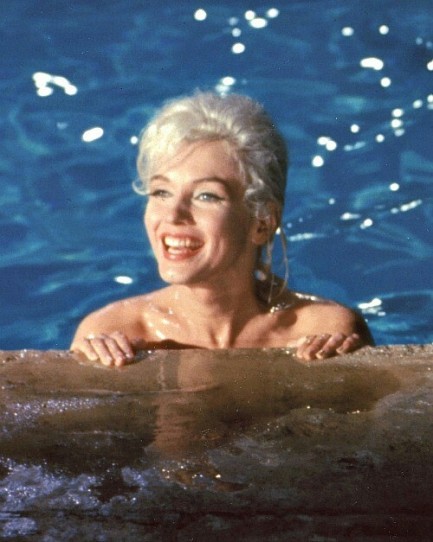

| Hollywoodland | Jul 7 2010 |

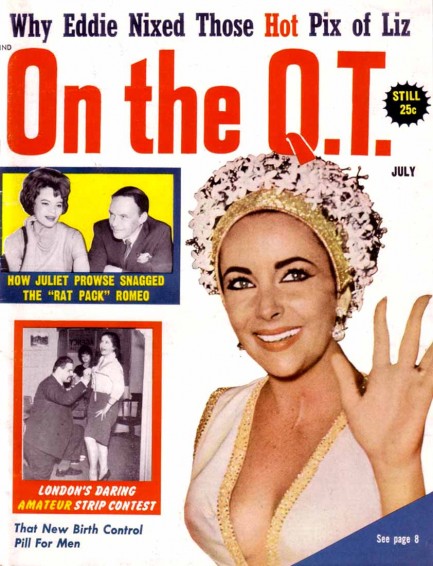
Above is an On the Q.T. from July 1962 with cover stars Elizabeth Taylor, Juliet Prowse and Frank Sinatra. Sinatra was about to marry Prowse, a South African dancer and actress who he had met while both were filming the musical Can-Can. There was just one snag, though—Sinatra didn’t want Prowse to work once they were wed. Asked about the subject, Prowse, pictured below, said that if Sinatra asked her to quit dancing she “would probably yield.” But she didn’t, and the marriage never happened. But what interests us more about this cover is the shot of Liz Taylor and her tracheotomy scar. During the filming of Cleopatra in 1961 she picked up a case of double pneumonia and a surgeon saved her life by inserting a breathing tube through an incision into her windpipe. Taylor’s physical ailments were already the stuff of legend by that point, but her troubles hadn’t even reached their peak yet—to date she has had more than one hundred surgeries.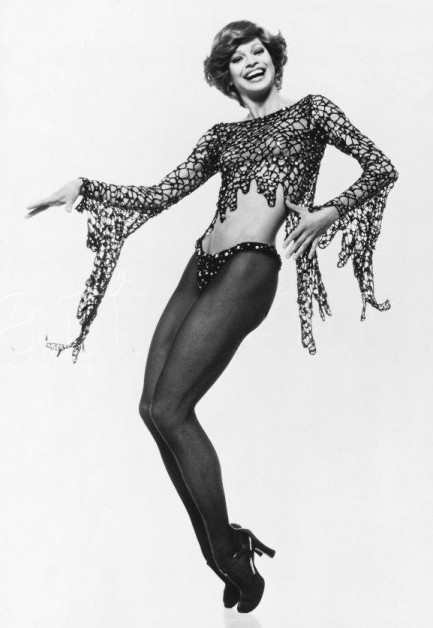

| Hollywoodland | May 31 2010 |

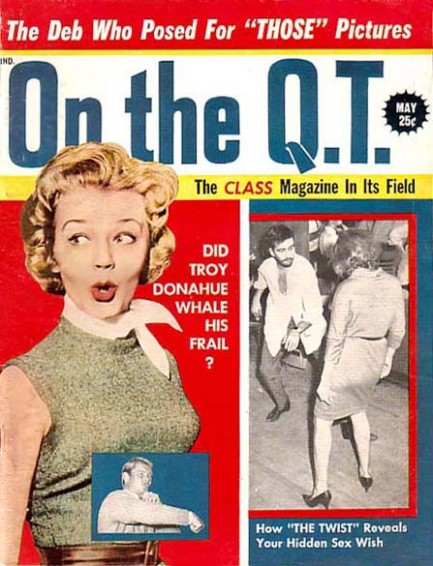
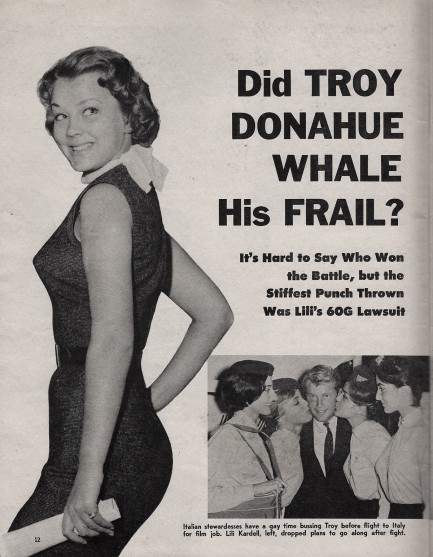
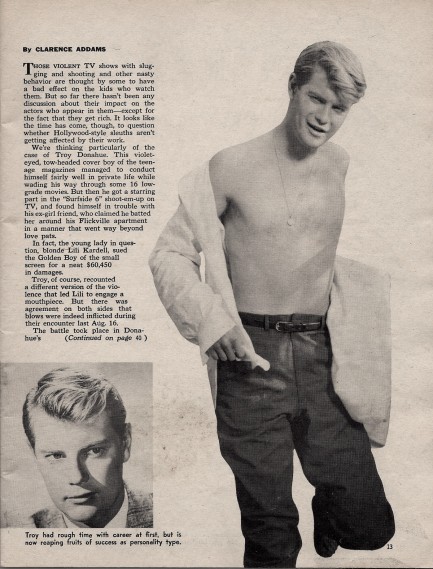
Above, a cover from On the Q.T., May 1962, with curious editors asking if Hollywood heartthrob Troy Donahue beat his girlfriend, Swedish actress Lili Kardell. She said yes. He said no. A lawsuit resulted and Donohue settled out of court. As far as we know, the question of whether he actually beat her was never answered, but curiously, none of his four marriages lasted long, including a union with Suzanne Pleshette that endured a mere three months. Suffice it to say Donahue had trouble in relationships, probably due to his admitted booze and drug problems, yet there were always women willing to take the leap. He was engaged to be married for a fifth time in 2001, but died of a heart attack that September.


| Politique Diabolique | Nov 4 2009 |

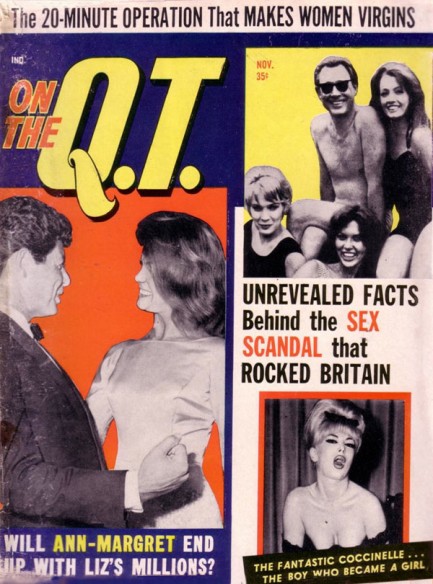
Above we have a well-worn On the Q.T. from November 1963, with Christine Keeler on the cover. Keeler, at upper right and below, was a London showgirl who had a brief relationship with Britain’s married Secretary of State for War, a man named John Profumo. The two met at a party in Buckinghamshire, in a mansion owned by Lord Astor, and though Keeler wasn’t a full-time prostitute, she occasionally made herself available to wealthy and powerful men and they sometimes gave her cash gifts.
She and Profumo were involved only a few weeks, but that was long enough for people to notice. When Profumo was paraded before the House of Commons and asked to answer to the rumors, he claimed there had been no impropriety between him and Keeler. It wasn’t just the lie that sank him—members of the government were alarmed because Keeler’s many acquaintances included Yevgeny Ivanov, a Russian attaché at the Soviet embassy in London. With the Cold War in full swing, officials feared Keeler was working Profumo for nuclear secrets on behalf of Ivanov and the Russkies.
The mess cost Profumo his job and reputation, and also may have brought down conservative Prime Minster Harold Macmillan, who resigned six months later for “health reasons.” It was the scandal of the century in Britain, and really, it still is. Never since have sex, politics, and state secrets been fused in such a way. There are many detailed retellings of the story, but for people interested in an inside account, Keeler published an autobiography in 2001 that sparked an outcry because she wrote that actress Maureen Swanson was one of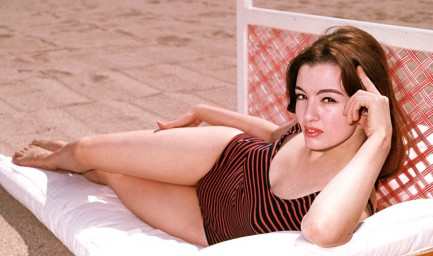
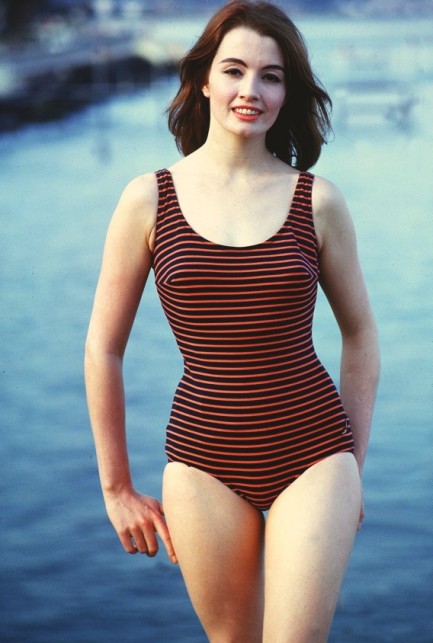 the girls who attended private orgies arranged by Dr. Stephen Ward (in sunglasses on the magazine cover). Ward was an osteopath who dabbled in pimping, and his orgies were infamous. Open only to the rich and powerful, they featured not only beautiful girls, but the occult, sadomasochism, interracial sex shows, and so forth. Maureen Swanson later became the Countess of Dudley through marriage to Lord Ednam, so Keeler’s naming of her as a participant caused quite a bit of embarrassment to British nobility, for which she sued and won a settlement.
We could go on, but life is short and history’s intrigues are many. For cinematic types, the 1989 film Scandal, starring Joanne Whalley and Bridget Fonda, is an entertaining way to learn more about the event. We watched it, and, while Whalley is fine in the lead role and Fonda is good as always, only reading Keeler’s own words can convey the sense of ’60s liberation and breeziness that was such a large part of her personality, and which the British public reacted to with such revulsion. More than one writer of the period observed that when Britain crucified Keeler, they were really trying to destroy a part of themselves. Keeler said it herself: “I took on the sins of everybody, of a generation, really.”

| Hollywoodland | Jun 19 2009 |

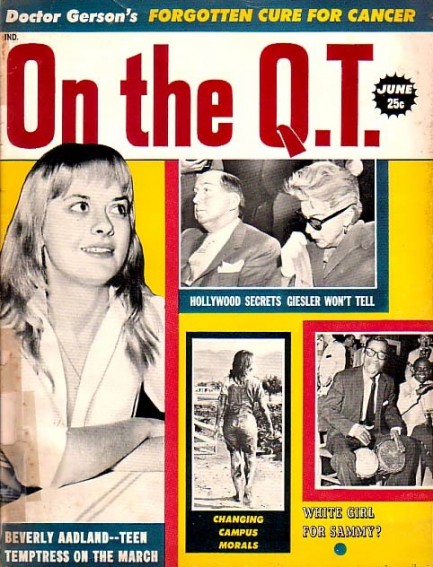
We have another issue of On the Q.T. today. The cover subject, Beverly Aadland, was a teenaged actress who earned notoriety for being Errol Flynn’s last lover. Flynn always preferred young girls—oftentimes too young, depending on whom you believe. When he wrote his disappointingly bland (at least to us) autobiography My Wicked, Wicked Ways, the dedication read: To a small companion. We would have guessed Flynn meant his cock, since it got him into so much trouble during his life, but more informed sources than us say the companion he meant was Beverly Aadland. We stand corrected, and she stands explained for those who didn’t know who she was.
Moving on, On the Q.T. also mentions a person named Giesler. This would be Jerry Giesler, who is little known now, but was once Tinseltown’s lawyer-to-the-stars. To say he possessed secrets is an understatement considering he represented the likes of Charlie Chaplin, 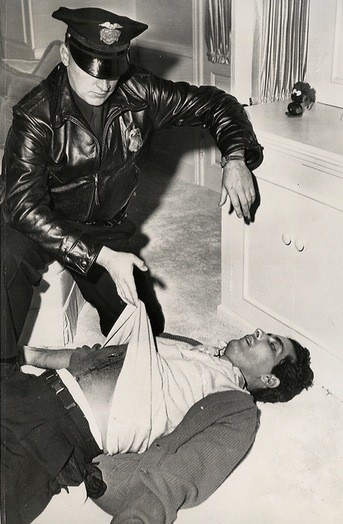 Edward G. Robinson, Marilyn Monroe, Shelley Winters, Lili St. Cyr, Busby Berkeley (from triple manslaughter charges), Zsa Zsa Gabor, Errol Flynn (again, with Flynn), and too many more to name. But of all his exploits, the most famous was his sensational defense of fourteen year-old Cheryl Crane from murder charges.
It’s one of the most lurid stories in Hollywood history. Crane was the daughter of megastar Lana Turner, and had endured many difficulties early in life, including alleged molestation and rape by Turner’s fourth husband, actor Lex Barker. Turner had an abusive situation of her own with mob enforcer Johnny Stompanato, a violent man who slapped her around but clung onto her for dear life no matter how hard she tried to dump him. On April 4, 1958, Cheryl Crane stabbed Stompanato to death. She claimed the mobster was beating her mother and she had no choice but to attack him. Not to be morbid, but oh to have been a fly on the wall as this fourteen year-old girl went Benihana on a feared mobster. What an astounding scene that must have been, especially to Stompanato, who you see in peaceful repose above. Anyway, Cheryl Crane said the stabbing was done in her mother's defense, and Jerry Giesler convinced a jury she was right.
Already famous enough to command what were at the time enormous retainers, Giesler's reputation was forever sealed after the Crane trial. He was simply the best, the go-to attorney for a celeb in a town that was always boiling with trouble. As a result of Giesler's exploits, Hollywood coined a catchphrase, a collection of magic words believed to possess the power to solve even the toughest problems. The phrase? "Get me Giesler."

| Hollywoodland | May 8 2009 |

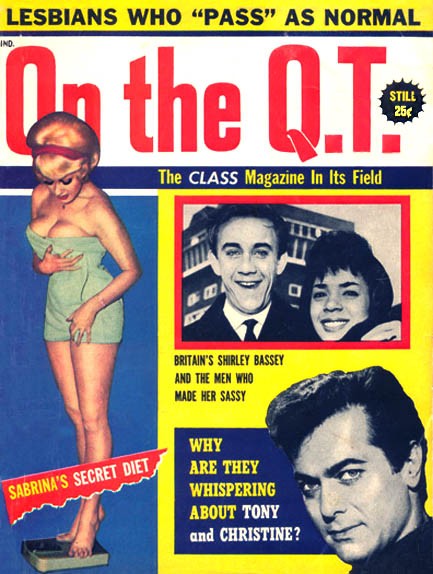
Check out this issue of the tabloid On the Q.T. from May of 1963. As always, at least one of the stars referenced on the cover is no longer widely known. In this case it’s Sabrina. She was a British model and television actress whose real name was Norma Sykes, but who became a legitimate one-name celeb based upon the anomaly of her forty-two inch bust and eighteen inch waist. Sabrina had a thing for royalty, and allowed her hourglass measurements to be thoroughly explored by such personages as the Duke of Kent, the Marquis of Milford-Haven, Prince Christian of the House of Hanover, Knight of the British Empire Sean Connery, and King Dingaling of Las Vegas Frank Sinatra. Sabrina did indeed have a specific diet she credited with helping maintain her figure, and if you absolutely can’t go to your grave without that knowledge, it’s here.
Scanning the cover again, we see Shirley Bassey has made an appearance. Bassey is a Welsh performer who sang, among other hits, the title track to the Bond film Goldfinger. What may not be immediately apparent to those unfamiliar with her is that she is black. So the photo of her with a white man speaks implicitly of interracial scandal without trumpeting it to the heavens in a headline. Perhaps that sort of restraint is why On the Q.T. called itself the class magazine in its field. Of course, on the not-so-classy side of the ledger is the banner concerning lesbians, with quotation marks around the word “pass.” Either this is to emphasize the word as slang, or to suggest that a lesbian’s quest to blend in with straight folk is fruitless. In either case, there's no doubt it implies this is a burning desire for all lesbians. How times change. These days, lesbians are considered chic and quite a few straight folk have a burning desire to associate with them—preferably after getting a good charge on the dvdcam and making sure the lighting is sufficient. We’ll have more from On the Q.T. later.