| Hollywoodland | Mar 21 2024 |

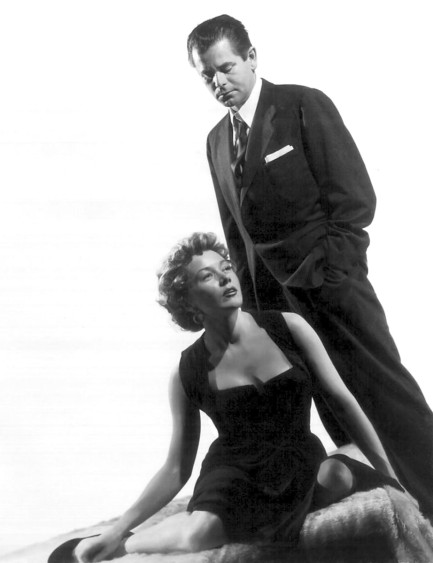
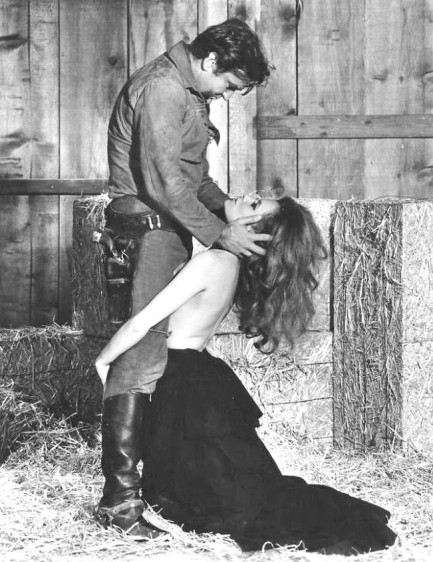
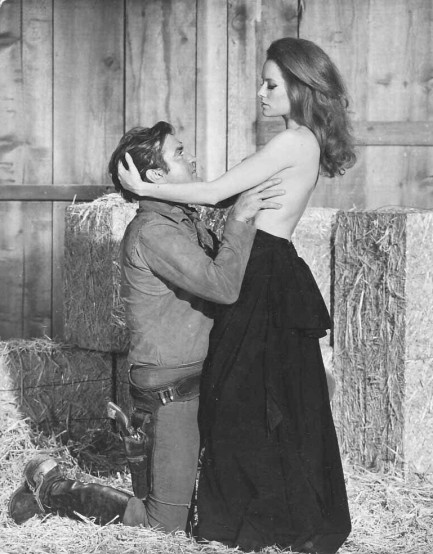 Rod Taylor and Luciana Pauluzzi swap subordinate positions for 1967's Chuka.
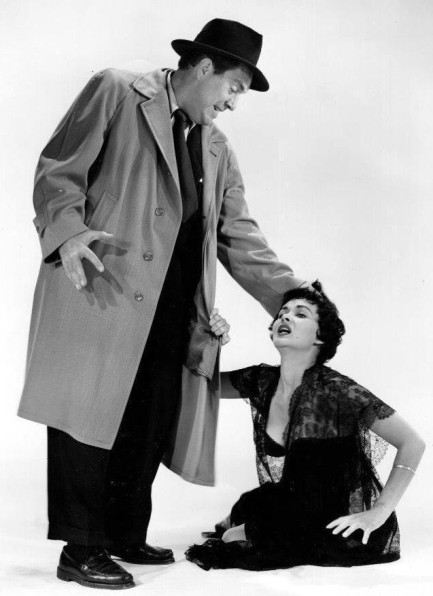 Edmund O'Brien goes for the time honored hair grab on Marla English for 1954's Shield for Murder.
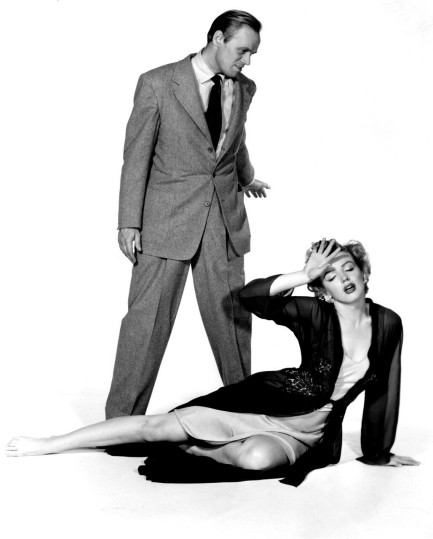 Marilyn Monroe swoons as Richard Widmark snarls for Don't Bother To Knock, 1952.
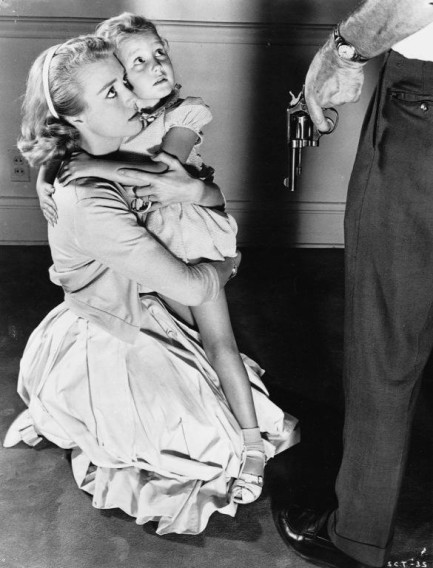 Inger Stevens and Terry Ann Ross for Cry Terror, an adaptation of a novel we talked about a few years ago.
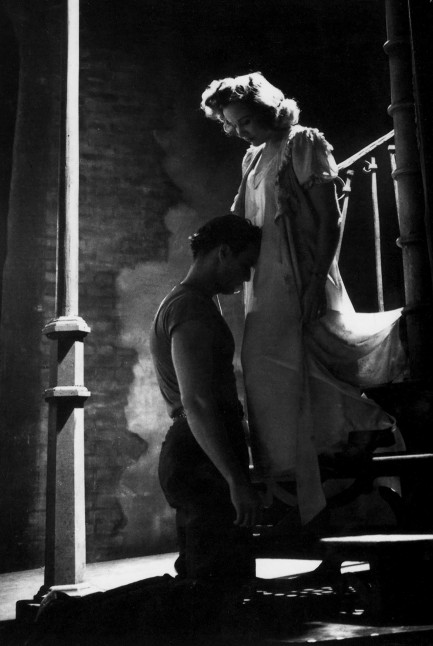 Kim Hunter soothes an overheated Marlon Brando in a promo for 1951's A Streetcar Named Desire.
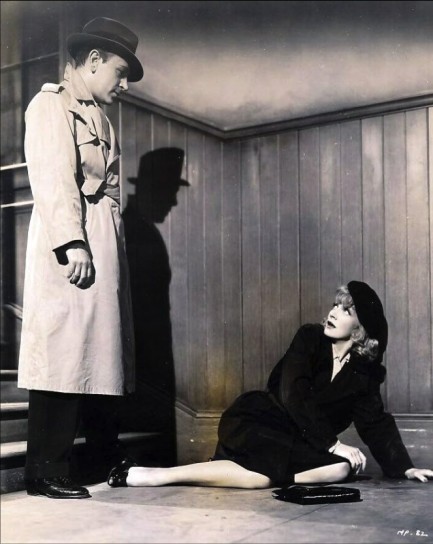 George Raft menaces Marlene Dietrich in the 1941 comedy Manpower.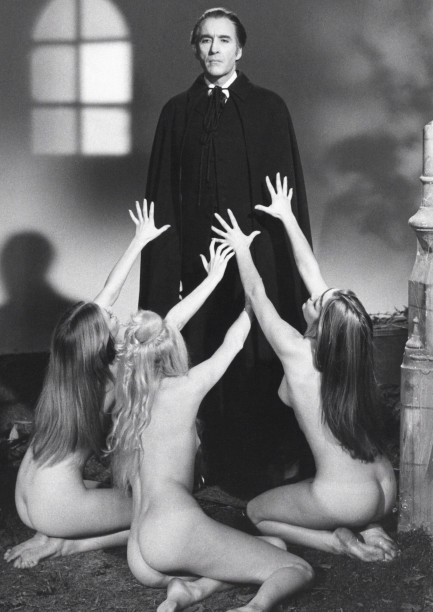
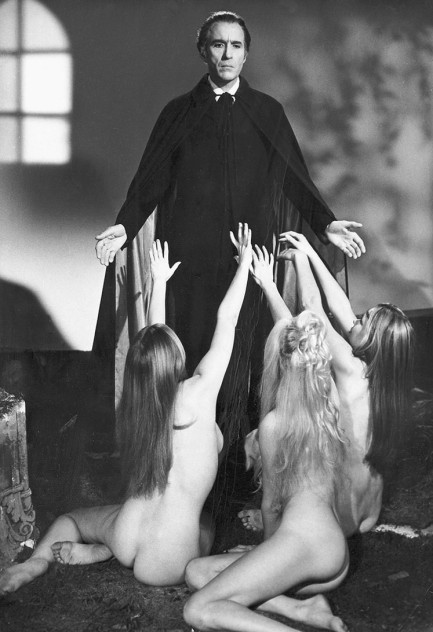 As promos go, these actually make sense. They show three unidentified models mesmerized by vampire Christopher Lee for 1970's Taste the Blood of Dracula.
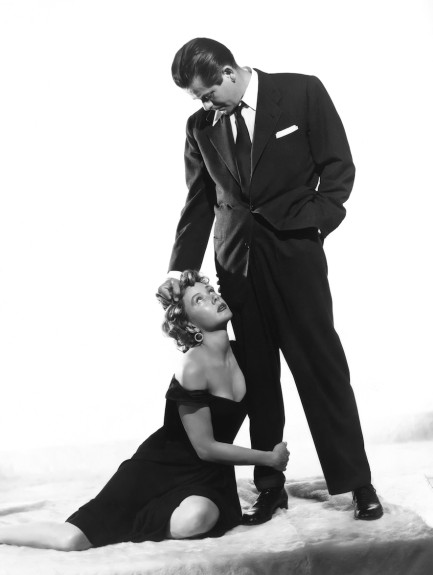
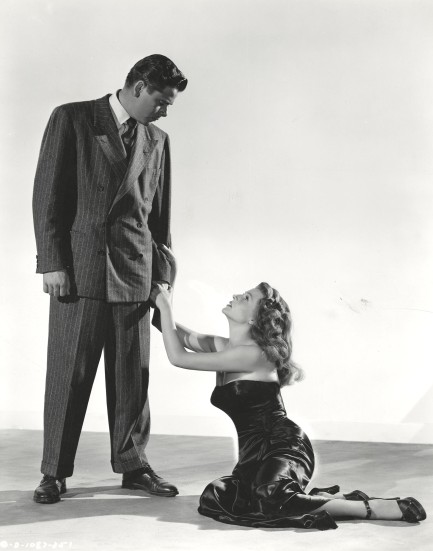 Glenn Ford is at it again, this time looming over Rita Hayworth for the 1946 classic Gilda.
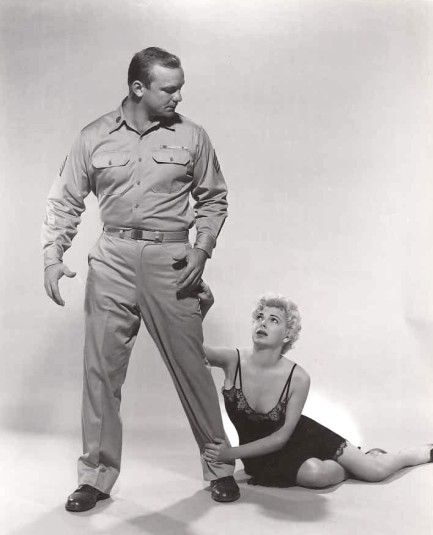 Aldo Ray and Barbara Nichols for 1958's The Naked and the Dead.
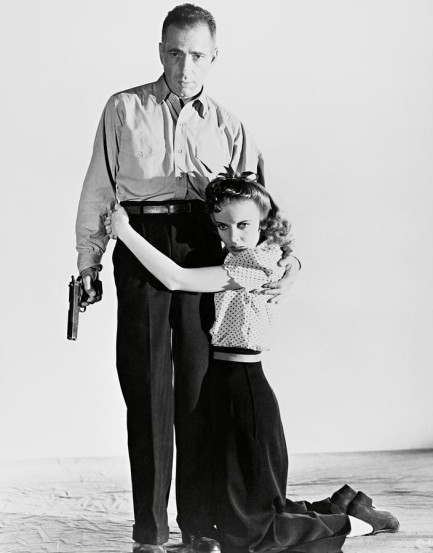 This one shows less domination and more protectiveness, as Humphrey Bogart prepares to defend Ida Lupino for High Sierra, 1941.
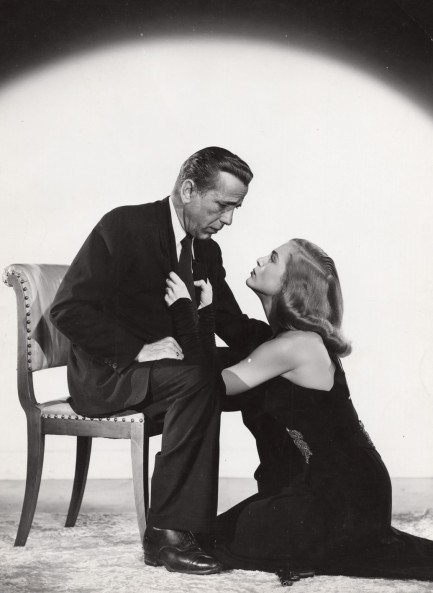 Humphrey once more. Here he's with Lizabeth Scott for Dead Reckoning, 1947.
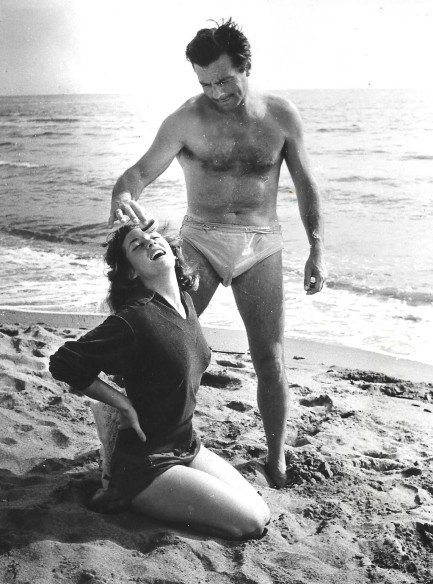 This shot shows Brazilian actress Fiorella Mari with an actor we can't identify in a movie we also can't identify.
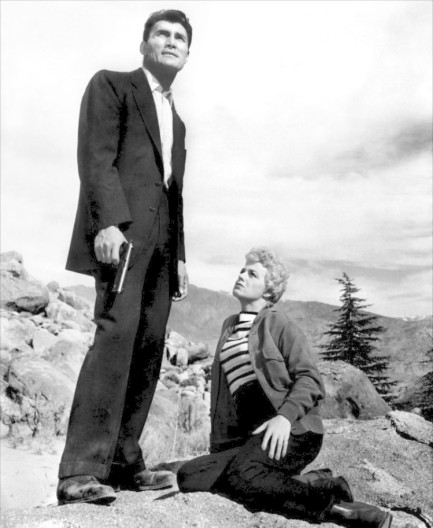 Shelly Winters and Jack Palance climb the highest mountain together for I Died a Thousand Times, 1955.
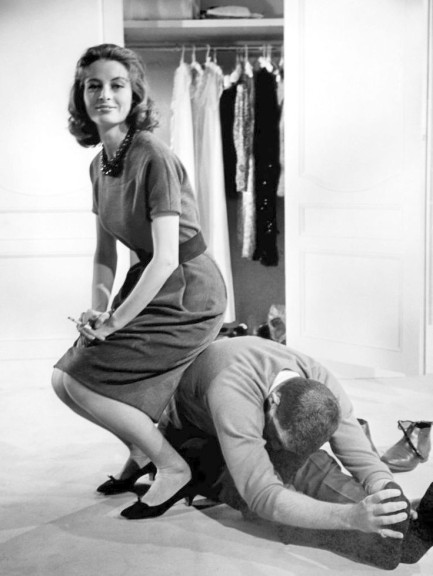 As we said, we didn't find as many examples of kneeling men, but we found this gem—Cappucine makes a seat of director Blake Edwards on the set of The Pink Panther in 1963. Does this count, though? While Edwards is subordinate, he isn't kneeling and it really isn’t a legit promo.
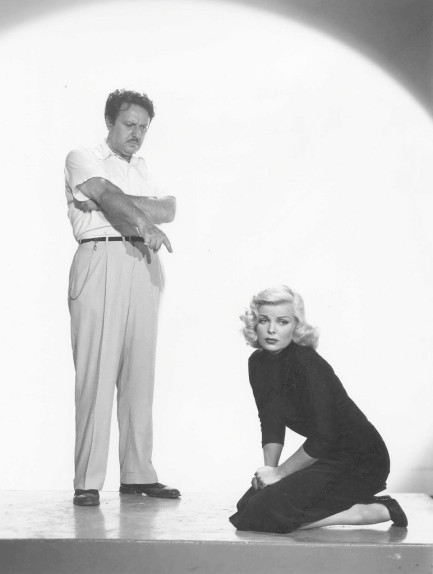 And lastly, in a curious example, Hugo Haas seems to tell Cleo Moore to stay in a shot made for 1953's One Girl's Confession.


| Hollywoodland | Feb 21 2024 |

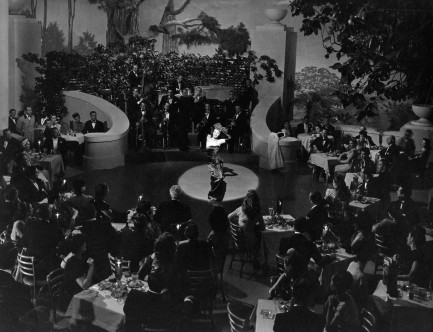
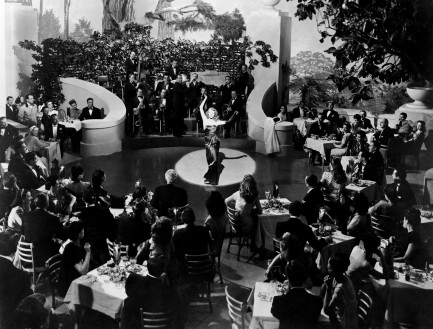
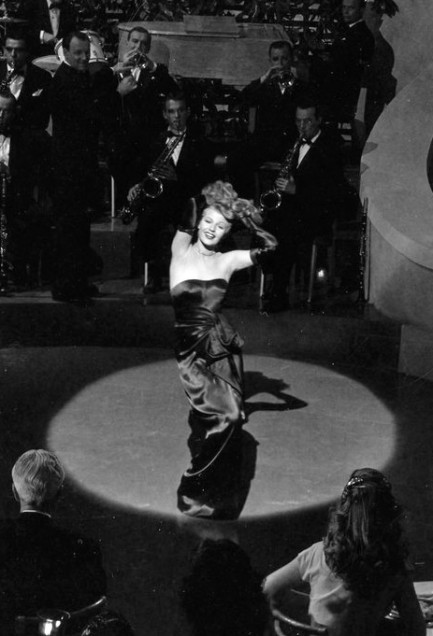
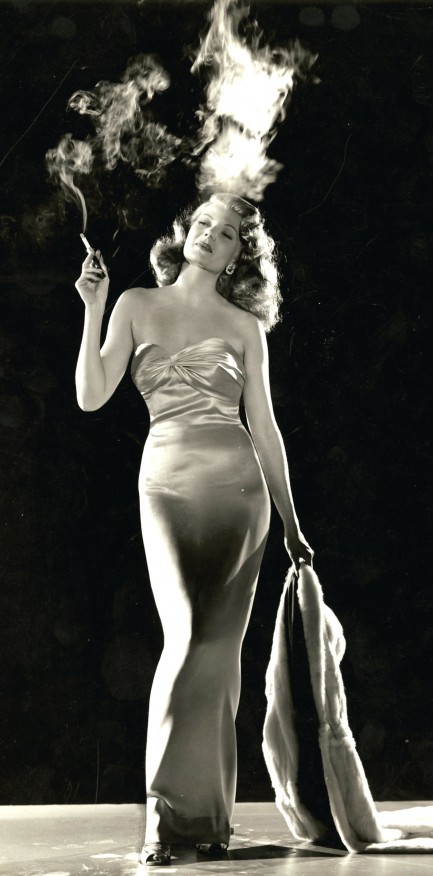
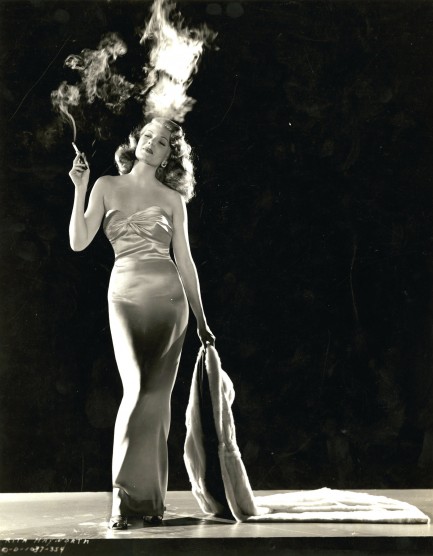
How many times have we circled back to Gilda? Four or five, we guess. It isn't because it's good, which it is, of course, but rather because it has excellent promo materials. Above are two images (plus a crop we made) from the Hollywood set of the film showing Rita Hayworth performing her signature number “Put the Blame on Mame,” which was one of the more provocative sequences put onscreen post-Hays Code. For those who don't remember or haven't seen it, just after the number ends she's willing to let audience members undress her. Supporting actor Joe Sawyer prevents it by intercepting the guys struggling at Hayworth's zipper. But nothing is preventing you from watching Gilda. We consider it at least a top fifteen film noir.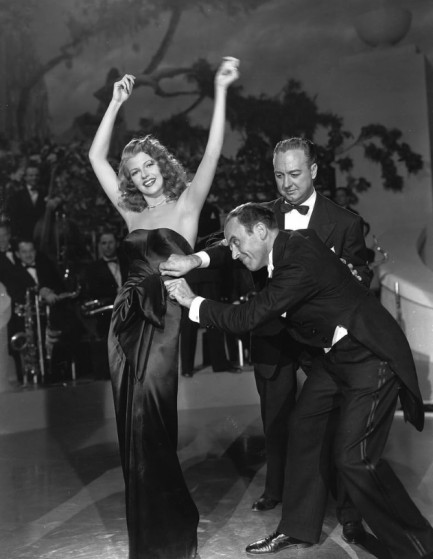

| Vintage Pulp | Sep 8 2022 |

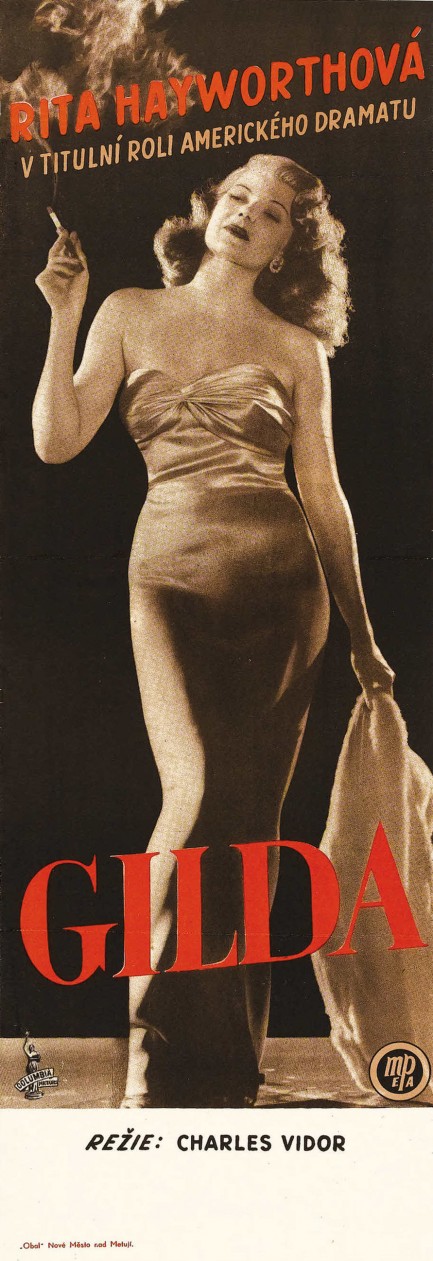
This Czech poster for the film noir classic Gilda isn't substantially different from the U.S. promo, but the Czech text makes it worth a share. Rita Hayworthová? Love it. “V titulní roli americkeho dramatu”? That's easy to figure out—“In the title role of the American drama.” The online translator agreed. There's no Czech release date for this, but we can make a guess. It was released in early 1946, played at the Cannes Film Festival in September of that year, and began to reach secondary European markets in early 1947. So it probably reached then-Czechoslovakia in mid-1947. But whenever it showed up, Hayworthová made it a mandatory night at the movies.

| Vintage Pulp | Nov 25 2021 |


| Hollywoodland | May 22 2021 |

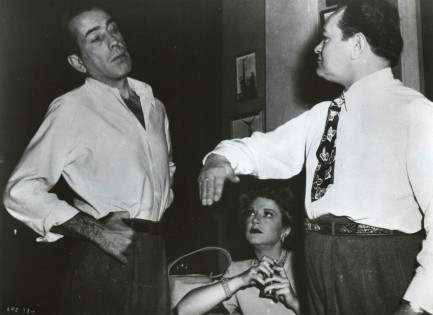
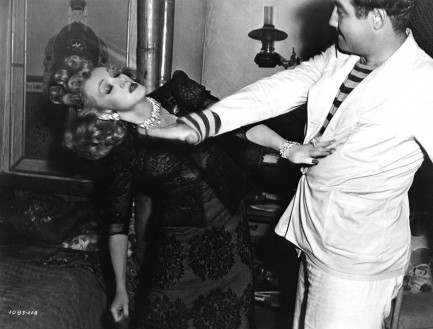 Broderick Crawford slaps Marlene Dietrich in the 1940's Seven Sinners.
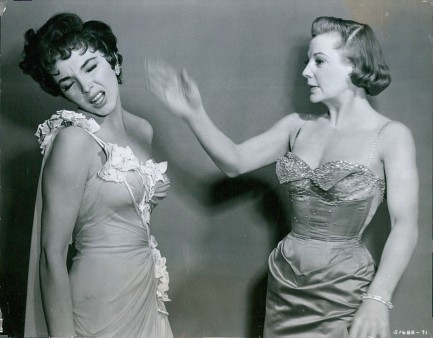 June Allyson lets Joan Collins have it across the kisser in a promo image for The Opposite Sex, 1956.
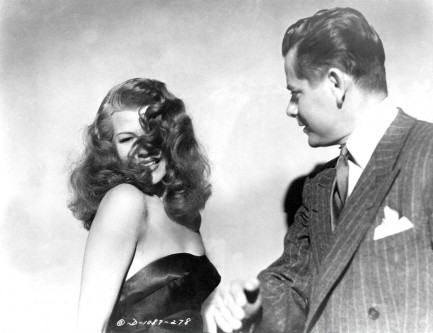 Speaking of Gilda, here's one of Glenn Ford and Rita Hayworth re-enacting the slap heard round the world. Hayworth gets to slap Ford too, and according to some accounts she loosened two of his teeth. We don't know if that's true, but if you watch the sequence it is indeed quite a blow. 100% real. We looked for a photo of it but had no luck.
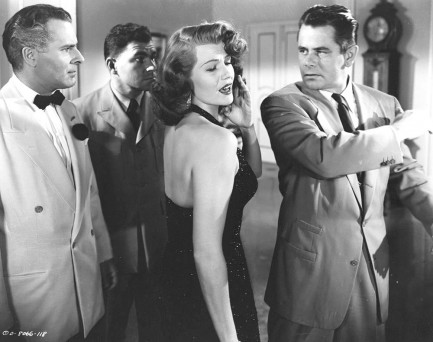 Don't mess with box office success. Ford and Hayworth did it again in 1952's Affair in Trinidad.
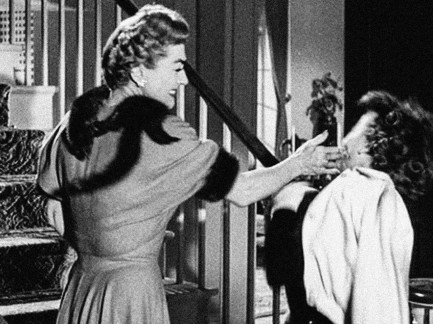 All-time film diva Joan Crawford gets in a good shot on Lucy Marlow in 1955's Queen Bee.
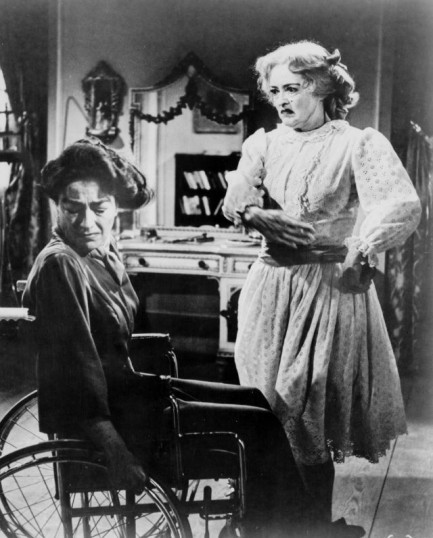 The answer to the forthcoming question is: She turned into a human monster, that's what. Joan Crawford is now on the receiving end, with Bette Davis issuing the slap in Whatever Happened to Baby Jane? Later Davis kicks Crawford, so the slap is just a warm-up.
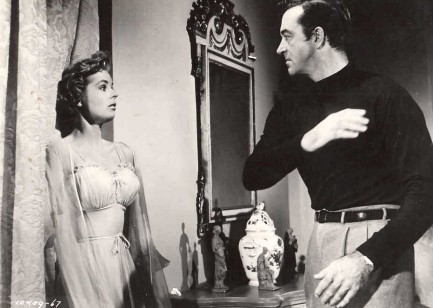 Mary Murphy awaits the inevitable from John Payne in 1955's Hell's Island.
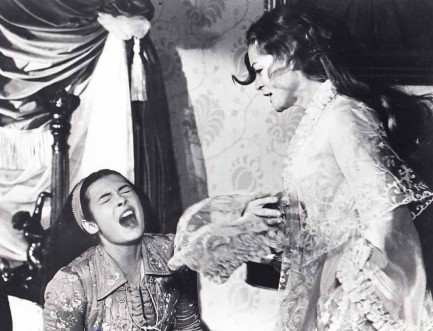 Romy Schneider slaps Sonia Petrova in 1972's Ludwig.
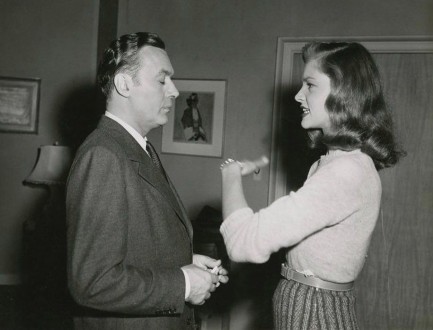 Lauren Bacall lays into Charles Boyer in 1945's Confidential Agent and garnishes the slap with a brilliant snarl.
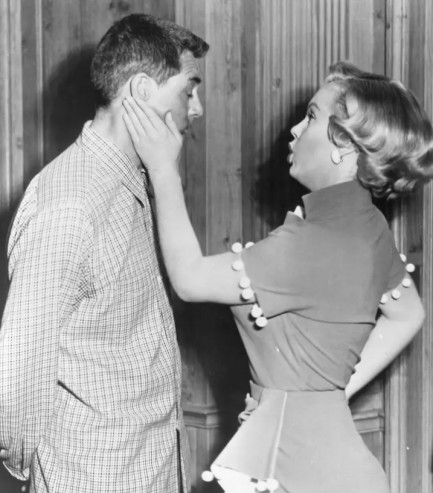 Iconic bombshell Marilyn Monroe drops a smart bomb on Cary Grant in the 1952 comedy Monkey Business.
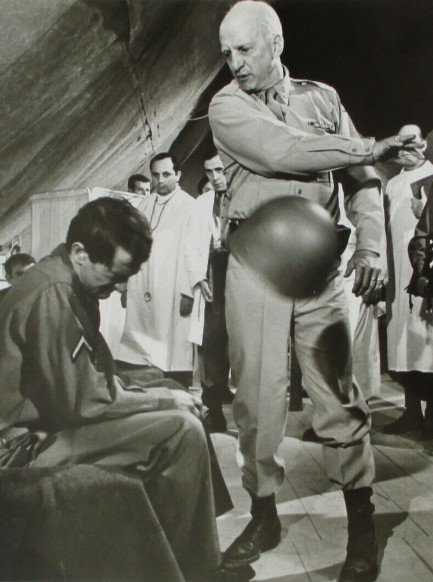 This is the most brutal slap of the bunch, we think, from 1969's Patton, as George C. Scott de-helmets an unfortunate soldier played by Tim Considine.
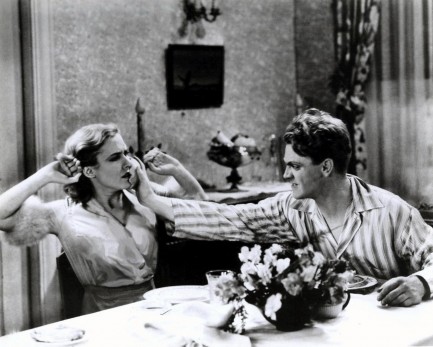 A legendary scene in filmdom is when James Cagney shoves a grapefruit in Mae Clark's face in The Public Enemy. Is it a slap? He does it pretty damn hard, so we think it's close enough. They re-enact that moment here in a promo photo made in 1931.
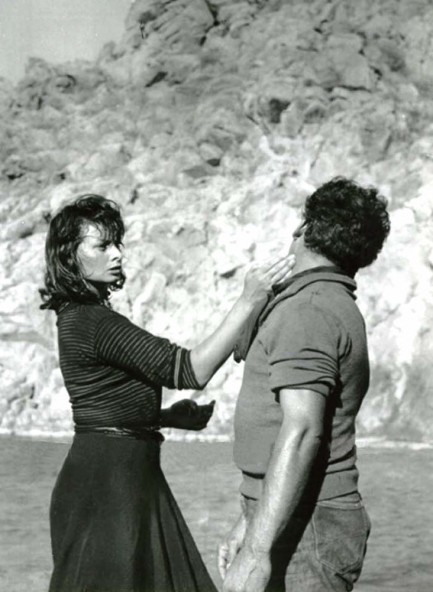 Sophia Loren gives Jorge Mistral a scenic seaside slap in 1957's Boy on a Dolphin.
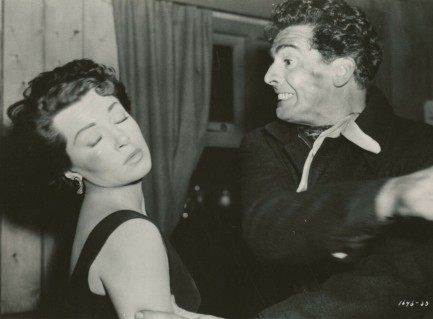 Victor Mature fails to live up to his last name as he slaps Lana Turner in 1954's Betrayed.
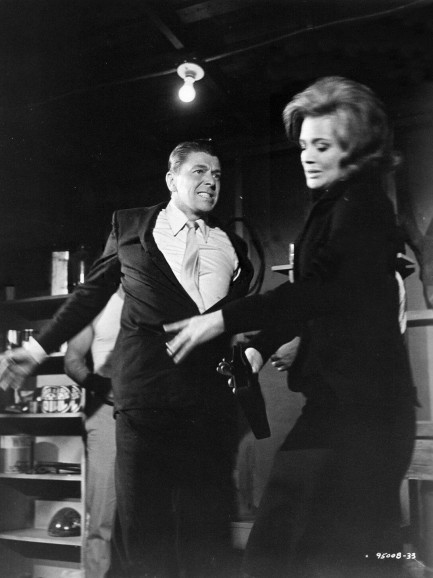 Ronald Reagan teaches Angie Dickinson how supply side economics work in 1964's The Killers.
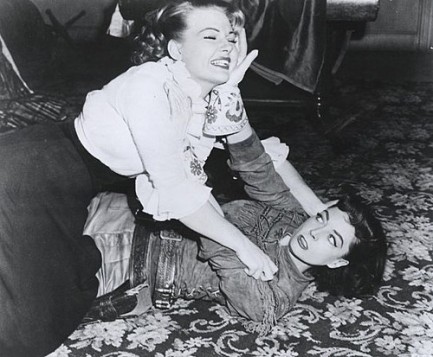 Marie Windsor gets in one against Mary Castle from the guard position in an episode of television's Stories of the Century in 1954. Windsor eventually won this bout with a rear naked choke.
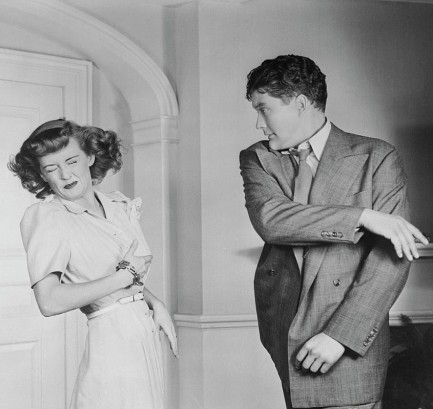 It's better to give than receive, but sadly it's Bette Davis's turn, as she takes one from Dennis Morgan in In This Our Life, 1942.
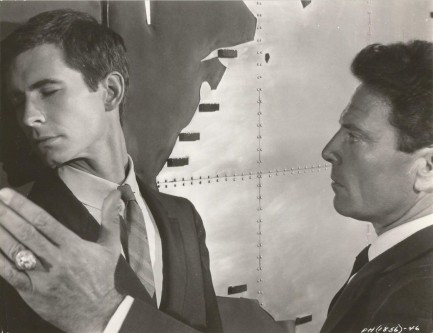 Anthony Perkins and Raf Vallone dance the dance in 1962's Phaedra, with Vallone taking the lead.
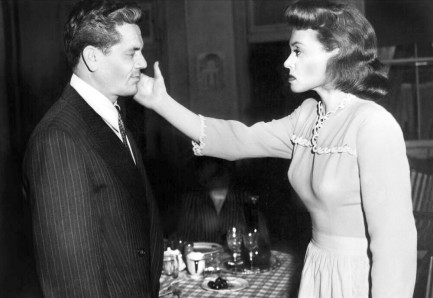 And he thought being inside the ring was hard. Lilli Palmer nails John Garfield with a roundhouse right in the 1947 boxing classic Body and Soul.
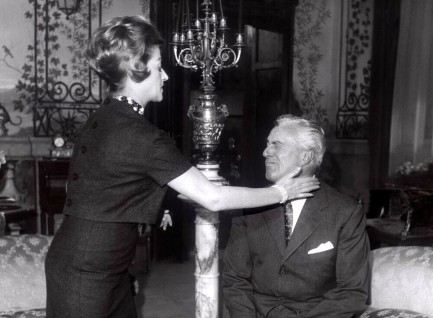 1960's Il vigile, aka The Mayor, sees Vittorio De Sica rebuked by a member of the electorate Lia Zoppelli. She's more than a voter in this—she's also his wife, so you can be sure he deserved it.
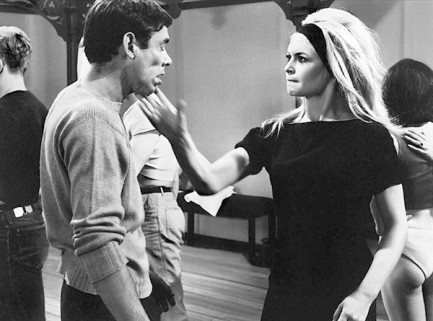 Brigitte Bardot delivers a not-so-private slap to Dirk Sanders in 1962's Vie privée, aka A Very Private Affair.
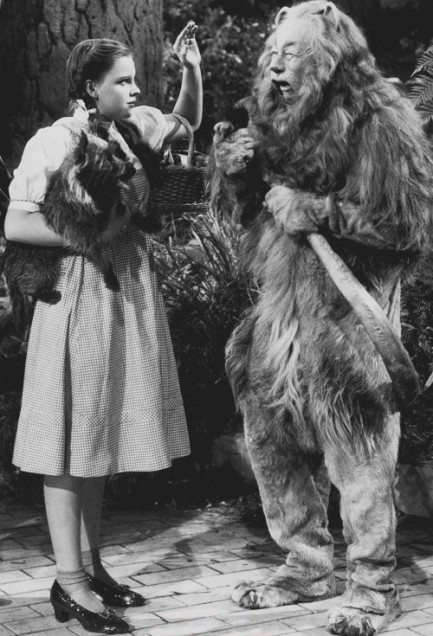 In a classic case of animal abuse. Judy Garland gives cowardly lion Bert Lahr a slap on the nose in The Wizard of Oz. Is it his fault he's a pussy? Accept him as he is, Judy.
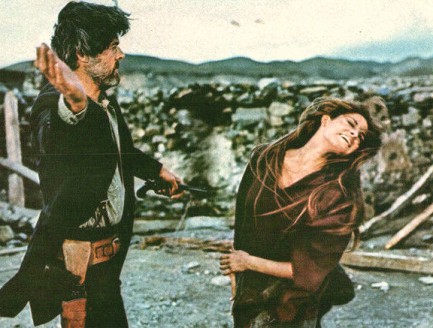 Robert Culp backhands Raquel Welch in 1971's Hannie Caudler.
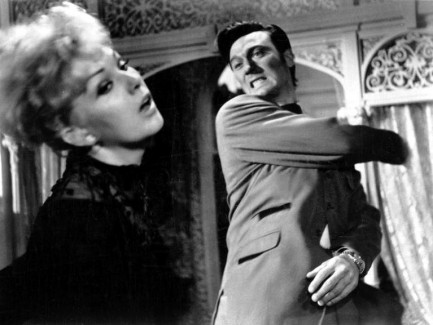 And finally, Laurence Harvey dares to lay hands on the perfect Kim Novak in Of Human Bondage.
| Femmes Fatales | May 20 2020 |


| Vintage Pulp | Jul 17 2017 |


| Vintage Pulp | May 28 2017 |

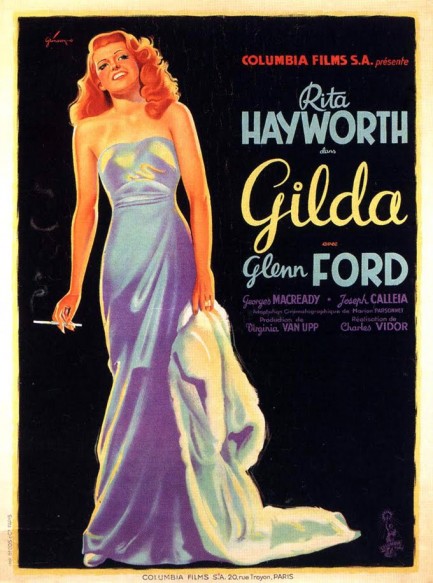
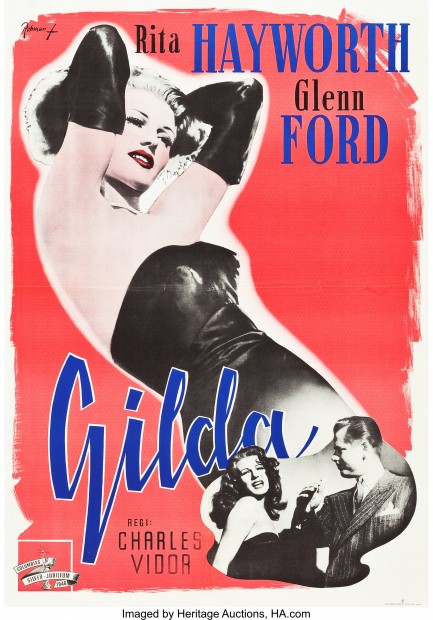
Above you see a poster for the game changing film noir Gilda, which opened today in 1946 with Rita Hayworth and Glenn Ford in the starring roles as a casino owner's wife and a gambling drifter. This promo is different from the three we showed you some years back, so we thought we'd upload it just to further bolster our visual documentation of this classic. The piece was painted by the storied Russian born artist Boris Grinsson, who we've discussed only briefly but will certainly get back to. As for Gilda, it's been exhaustively covered by virtually every film writer far and wide, so we've got nothing to add. Watch it.

| Femmes Fatales | Oct 12 2015 |



| Vintage Pulp | Mar 13 2009 |

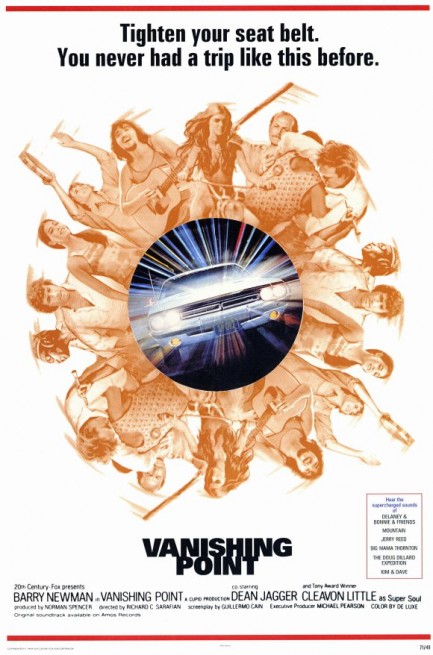
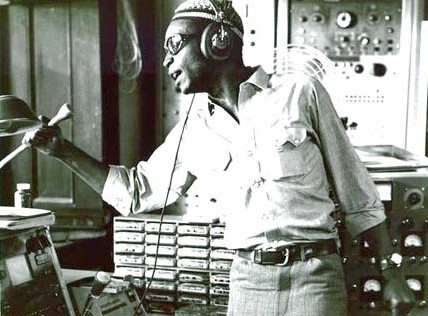
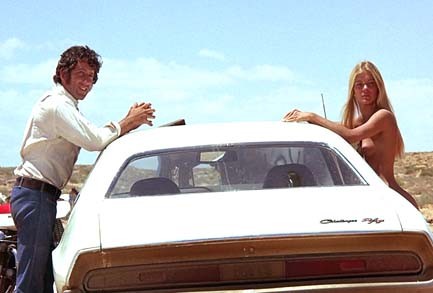
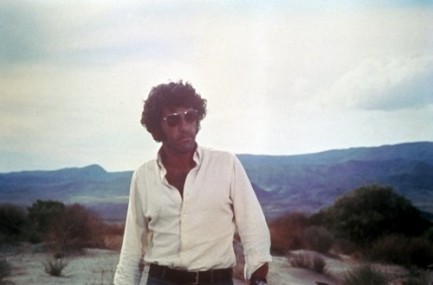
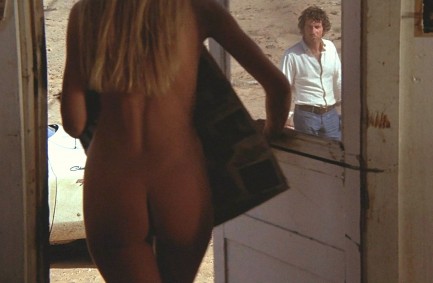
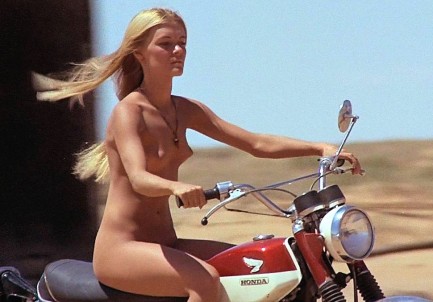
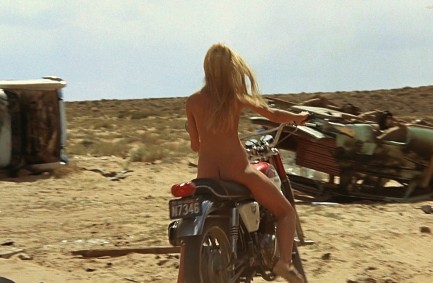
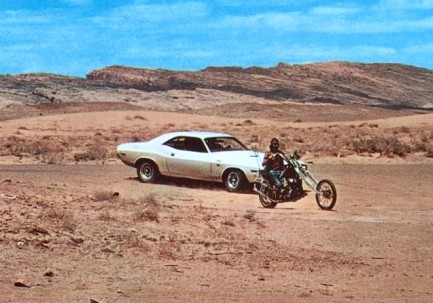
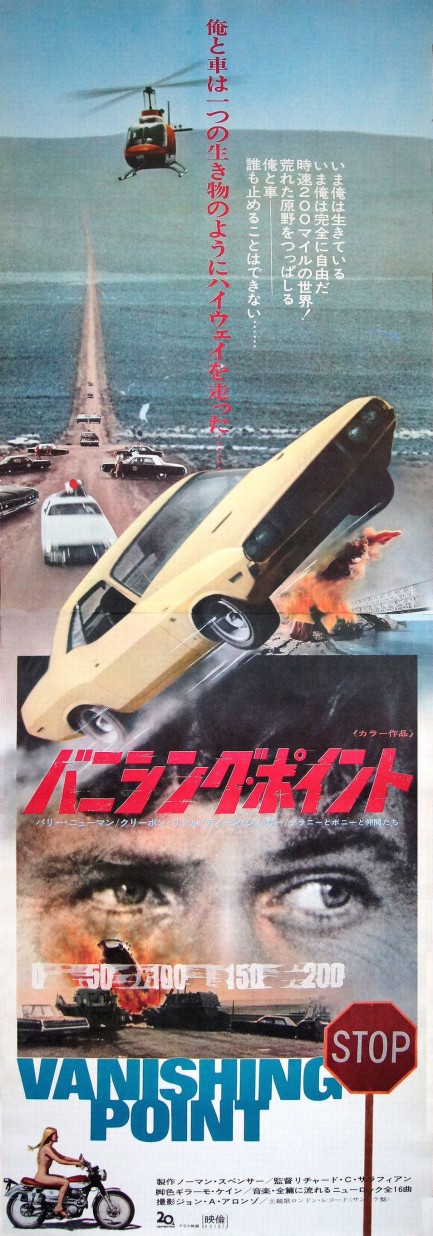
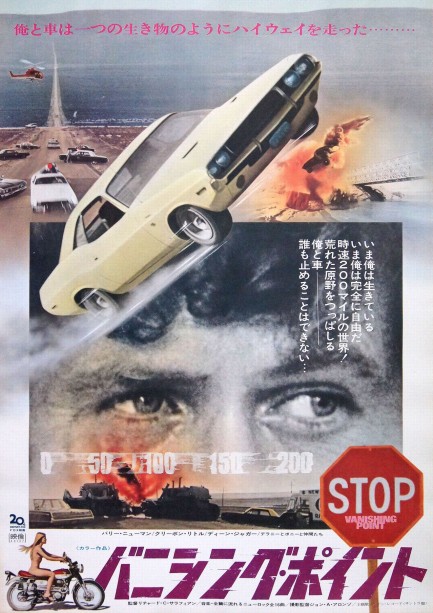
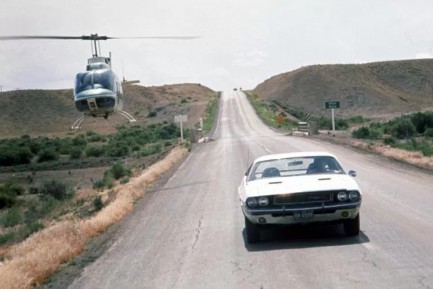
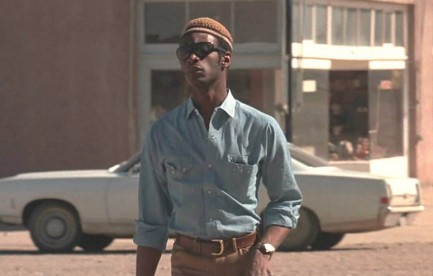
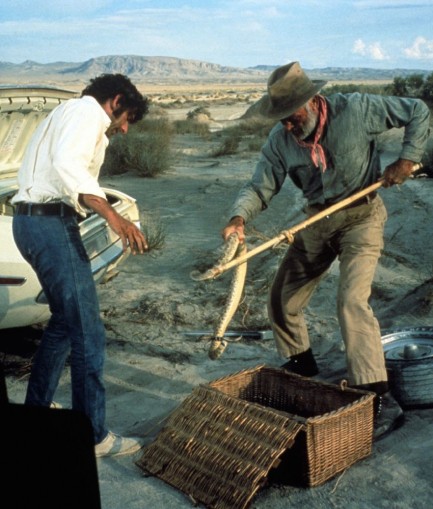
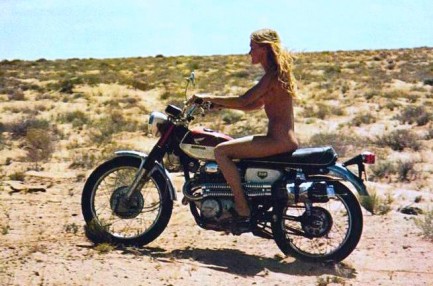
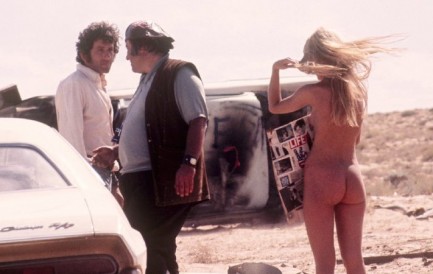
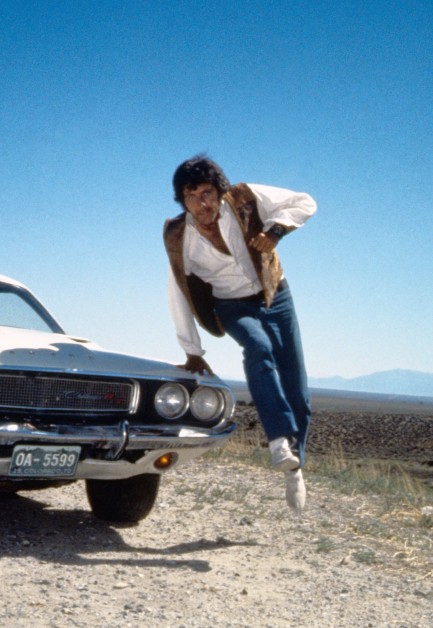
Vanishing Point’s hard-driving anti-hero Kowalski is nobody special before the fateful moment he decides to deliver a Dodge Challenger from Denver to San Francisco in fifteen hours. He has to drive like a bat out of hell to do it, and suddenly what could have been a meaningless trip becomes instead a deadly serious rebuke to authority. Kowalski burns up mile after mile of open road, ripping along in a wash of dust and noise, and occasionally stopping to meet some of the denizens of the vast American west. This is one of the best counterculture movies ever made, in our humble view. Like Easy Rider, it portrays the establishment as fiercely opposed to freedom, and exposes its patriotic rhetoric as empty of substance. The two movies are almost companion pieces, telling us that when you rattle your cage, trouble will always be waiting around the next bend, or just over the horizon. Vanishing Point premiered in the U.S. today, 1971.