| Vintage Pulp | Apr 20 2023 |

He was honest. Everyone else made the mistake.
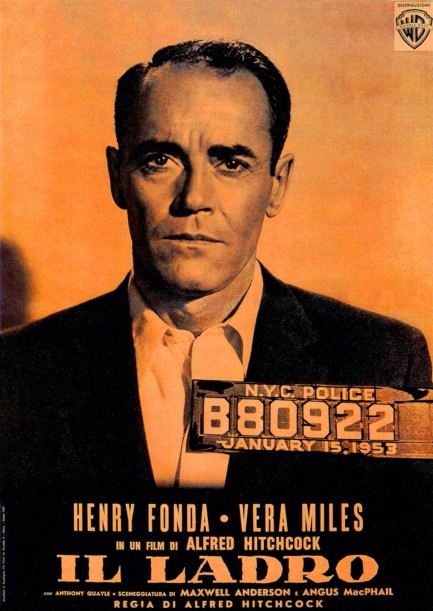
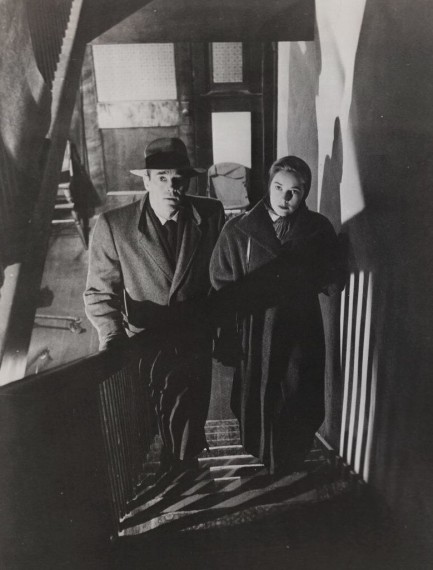
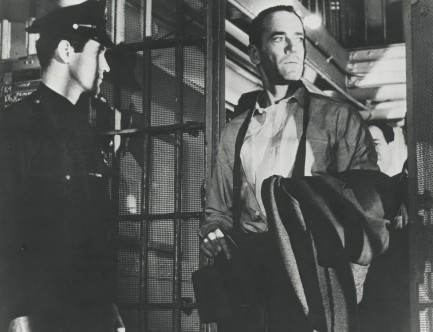
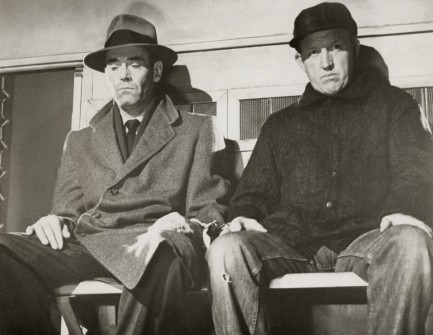
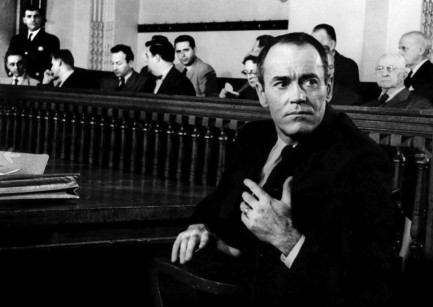
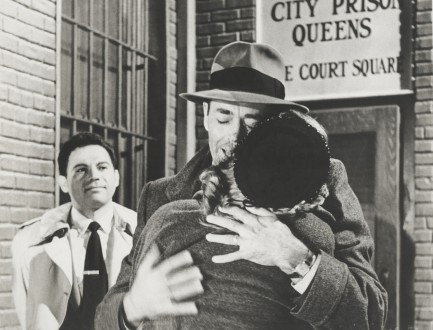
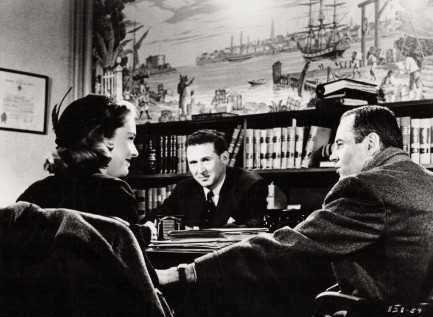
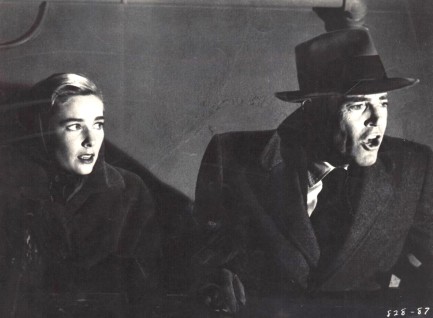
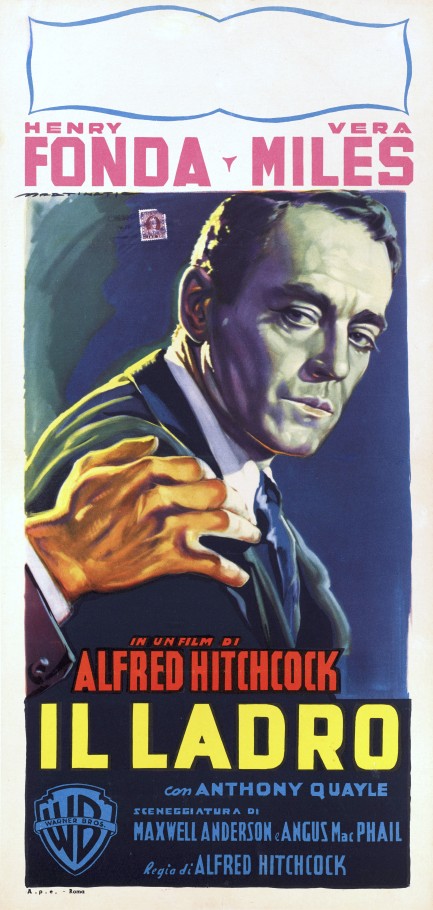
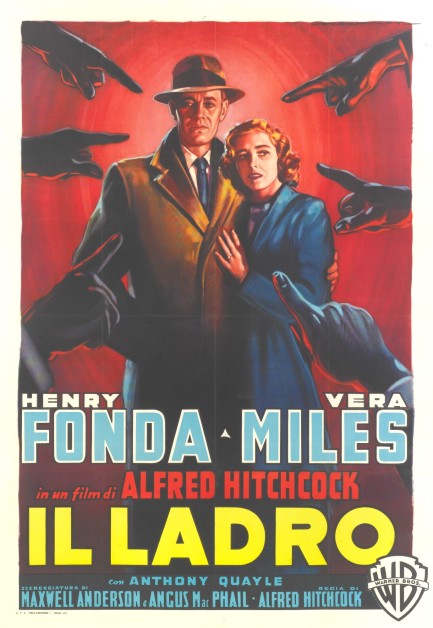
An array of posters were made for Alfred Hitchcock's crime drama The Third Man, which was titled in Italy simply Il ladro—“the thief”—but we've chosen this unusual mugshot based promo because it encapsulates the film nicely. The tired look on star Henry Fonda's face says it all. He's mega-screwed. There are probably other movies that took the mugshot route with their poster art, but we can't remember seeing any examples. For Il ladro, the mugshot poster was part of a series of photo promos taken from various frames in the film, but today we'll just share the one above. Also, below you'll see two more Italian posters painted by Luigi Martinati. It's rare that we prefer photo art to paintings, but this case, because of the subject matter of the film, is one of those exceptions.
Said subject matter is the true tale of Emmanuel Balestrero, an everyman who is falsely identified as an armed robber. This leads to his arrest, ordeal in jail, trial, and retrial. The movie hails from a more naive time, before Americans realized that when the police come asking questions the only answer you give is: “Am I under arrest?” And if the answer is yes, the next thing you say is: “Lawyer,” and that's all you ever say. It's crucial never to talk, because in the U.S. cops are allowed to lie to you, claim there are witnesses that don't exist, or that there's evidence they don't really have. That isn't legal in England, Australia, New Zealand, and many other countries. But Fonda doesn't know any of that, and ultimately that's largely why he ends up behind bars.
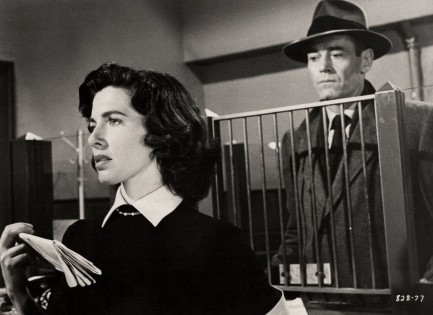
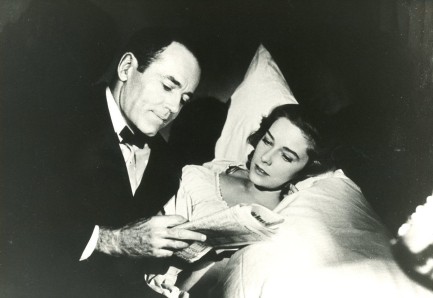
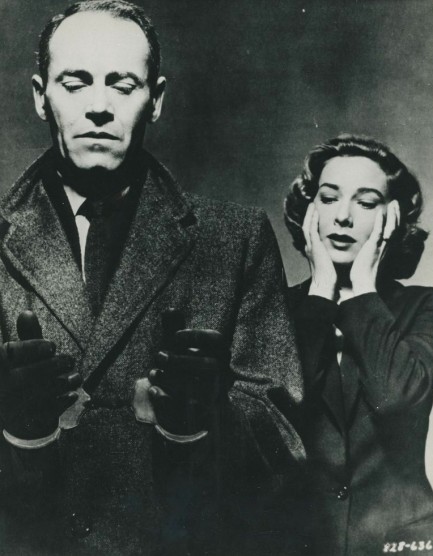
After he makes bail he and co-star Vera Miles pound the pavement investigating the false accusation. We doubt that happened in real life, but that's the movies for you. Their amateur sleuth bit works fine narratively. There's a psychological digression that's less compelling, but was included because it was part of the true story. On the whole, though, we like the movie. And we like Hitchcock's style here during his middle phase (he began directing in 1922 and finished in 1976), before high concept thrillers like Vertigo and Rear Window—though those are also good. Here he keeps it mostly basic, and the result is a harrowing drama, which is hard to bear as Fonda is slowly railroaded, but is extremely well put together and compellingly acted. The Wrong Man premiered in the U.S. in 1956 and reached Italy today in 1957.
ItalyIl ladroThe Wrong ManHenry FondaVera MilesAnthony QuayleAlfred HitchcockEmmanuel BalestreroLuigi Martinatiposter artcinemamovie review


| Vintage Pulp | Nov 12 2022 |

Sometimes it's better if you don't go all the way.
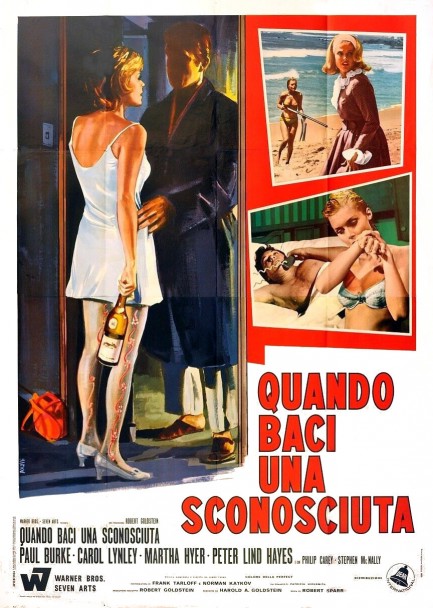
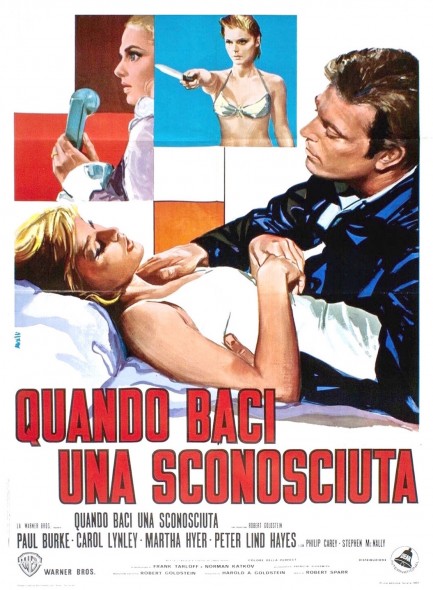
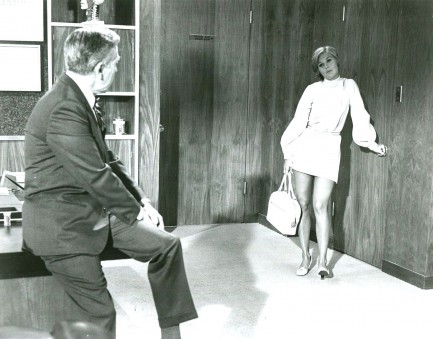
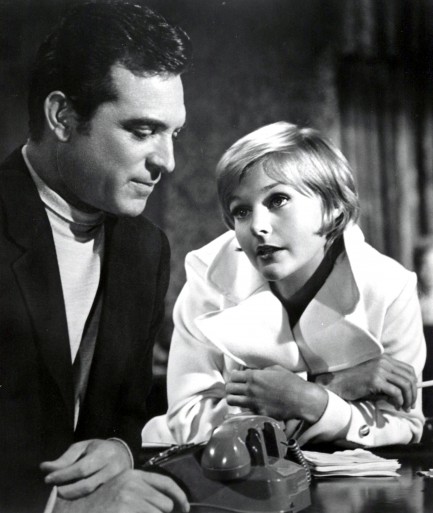
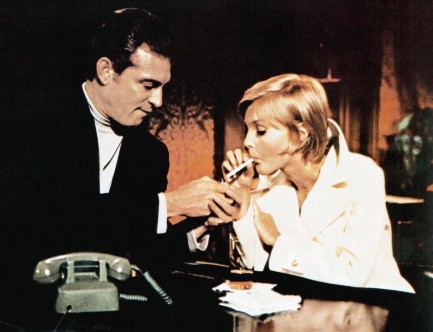
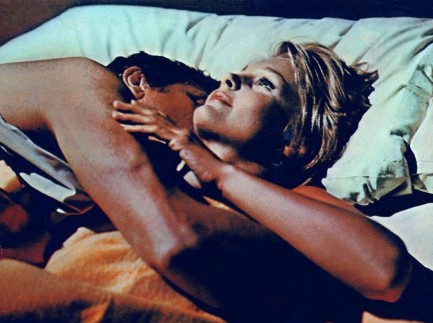
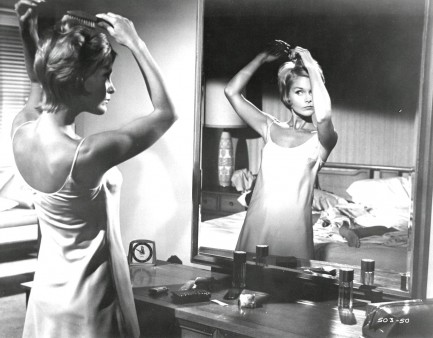
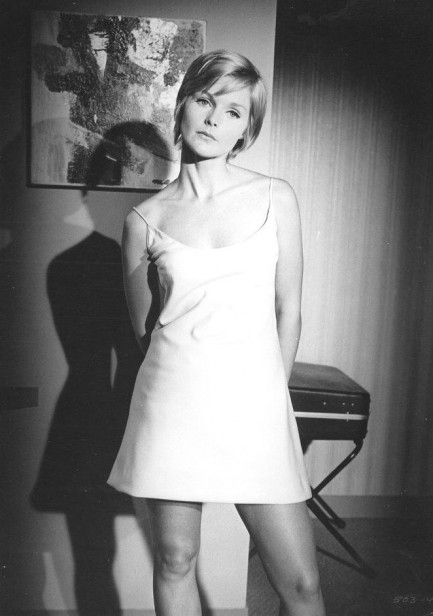
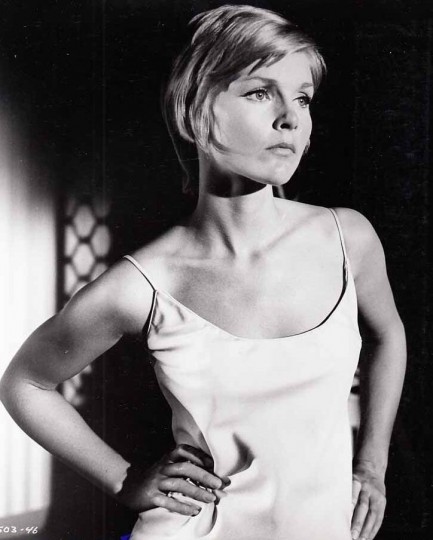
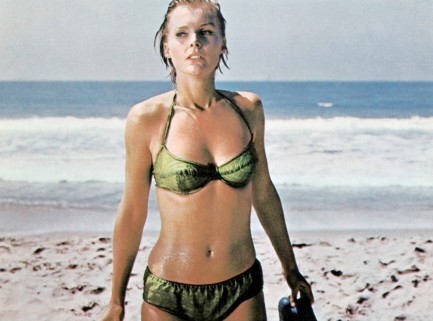
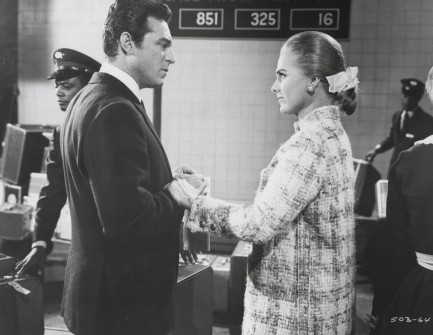
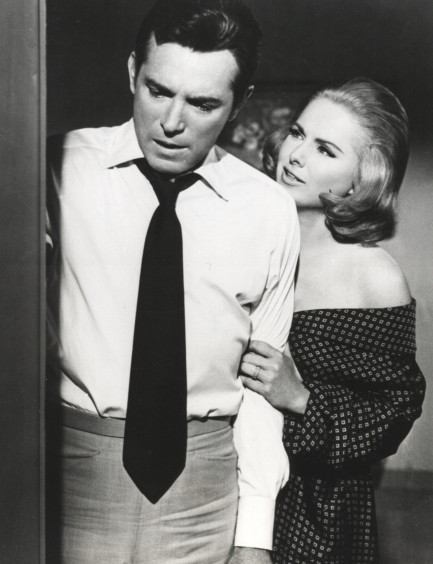
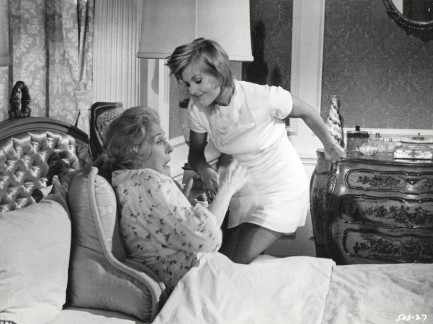
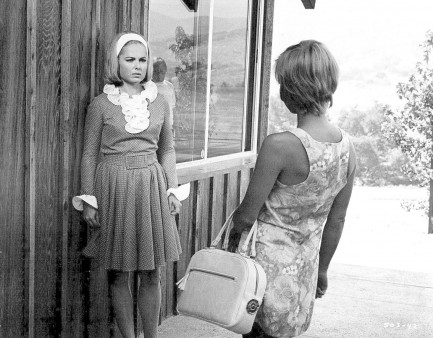
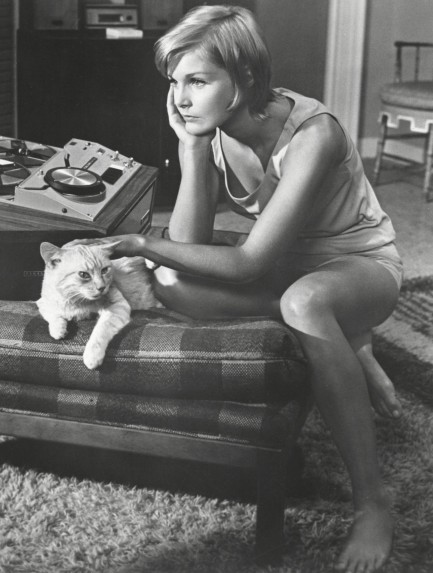
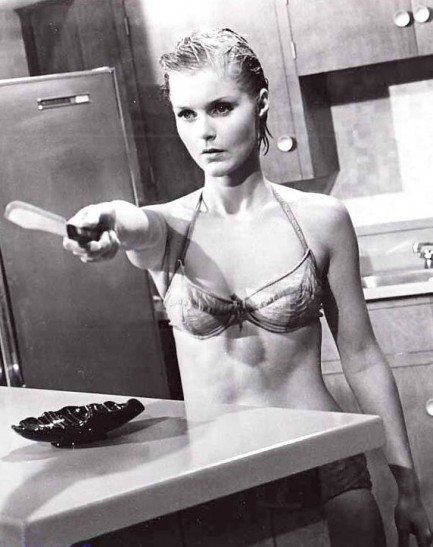
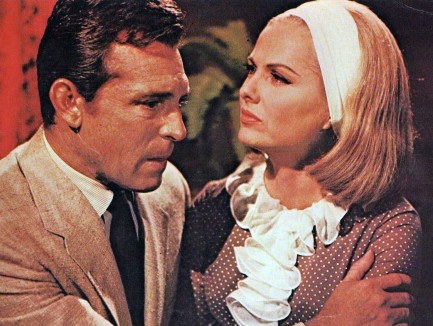
Above is another case where the foreign promo material for a film surpasses the domestic version, something that happened increasingly as U.S. studios gave up on painted art, while foreign distributors kept on with the traditional ways. These two Italian promos were made for Quando baci una sconosciuta, which was produced in the U.S. as Once You Kiss a Stranger. The film stars the lovely Carol Lynley, so the odds of ending up with a nice domestic poster were high, but Warner Brothers flubbed it. Have a look at their effort below and we think you'll agree it's almost disgracefully bad. Meanwhile the Italian promos were painted by Tino Avelli, someone whose we've highlighted before, and while these don't rise to the level as some of most magnificent posters from Italy, they're still pretty nice.
Once You Kiss a Stranger is a reworking of Patricia Highsmith's 1950 novel Strangers on a Train, but with a woman in one of the leads. These days many would complain that this is evil “gender swapping,” but dramatic plotlines are finite in number, therefore freshening up old material in this way has always been attractive to Hollywood. They're doing it a bit more of late because today there are fewer new ideas than ever, and because ticket buyers—by which we mean the diverse people under age thirty who actually fuel profits—like it and put down good money to see it.
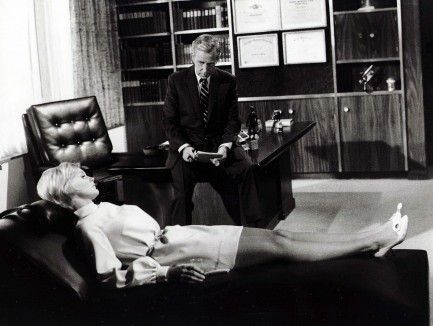
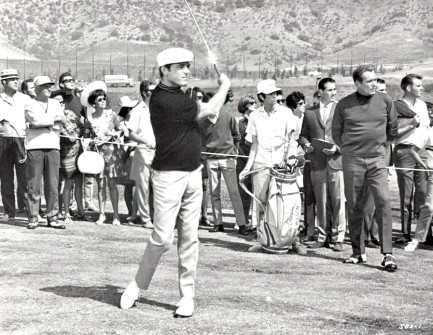
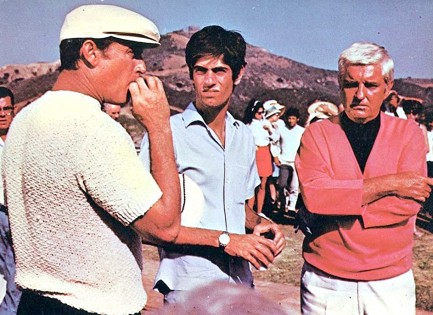
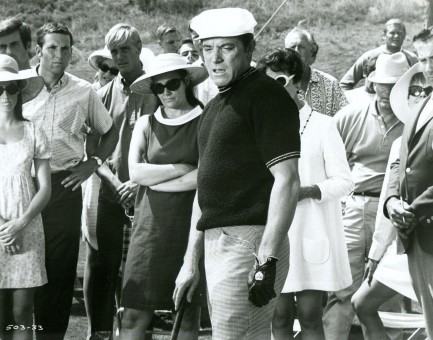
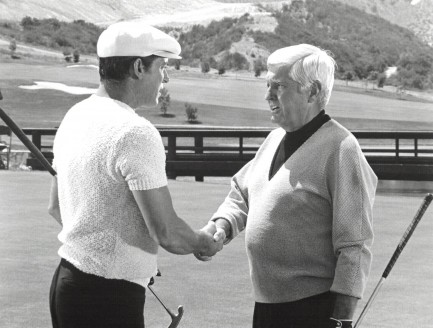
Lynley plays a deranged woman who intends to exchange murders with a golf pro played by Paul Burke. Lynley is about to be permanently committed to a mental institution, while Burke always finishes second in his tournaments to Phil Carey. Lynley offers to solve that problem by killing Carey, and expects Burke to kill her psychiatrist in exchange. Just as in the novel, as well as Alfred Hitchcock's 1951 cinematic adaptation, the key to making this plot device work is the protagonist 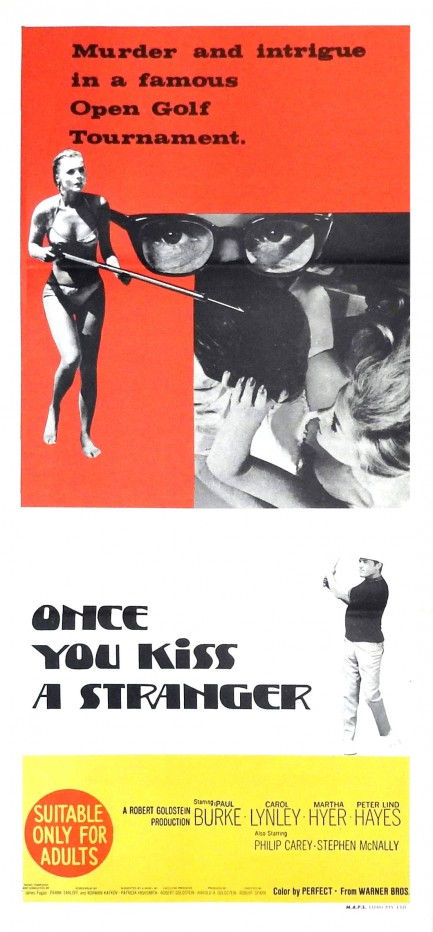 not believing what he's being told. Once You Kiss a Stranger makes that part more realistic than either Highsmith or Hitchcock by simply having Burke agree to anything that gets the tanned and toned Lynley into bed. This is where casting a woman pays dividends. The entire entrapment is now in shorthand because everyone in the cinema understands the visceral need to get inside Lynley. Hell, for her we'd promise to rope the moon. We'd swear an oath while covered in goat's blood. We'd swim a lake of fire.
not believing what he's being told. Once You Kiss a Stranger makes that part more realistic than either Highsmith or Hitchcock by simply having Burke agree to anything that gets the tanned and toned Lynley into bed. This is where casting a woman pays dividends. The entire entrapment is now in shorthand because everyone in the cinema understands the visceral need to get inside Lynley. Hell, for her we'd promise to rope the moon. We'd swear an oath while covered in goat's blood. We'd swim a lake of fire.Point is, you can understand Burke's attitude being, “Uh huh... I hear you... murder... understood... can you take off your panties real slow?” However, Burke being led by his dick into trouble is the only improvement Once You Kiss a Stranger manages over what came before. The rest is a pale imitation of two scintillating sources, and done on a level dialogue-wise that Mystery Science Theater 3000 would epically mock. We can't recommend it, but speaking only for ourselves, we'll watch anything with Lynley. Full stop. Once You Kiss a Stranger, with her, Burke, Carey, and the lovely Martha Hyer aged forty-five and looking fantastic, premiered today in 1969.
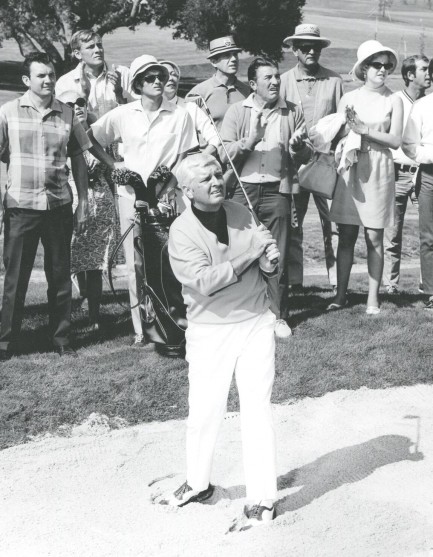
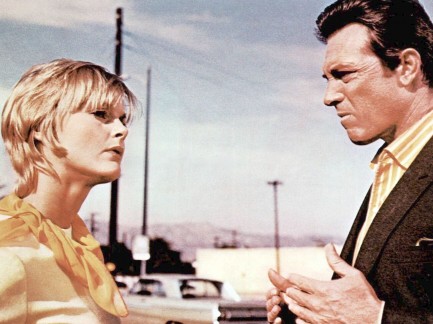
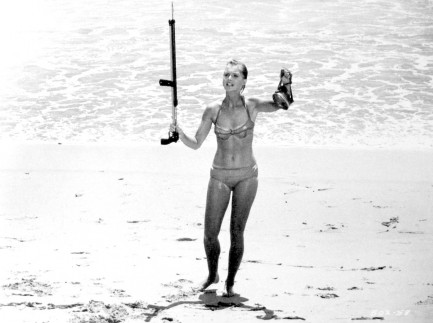
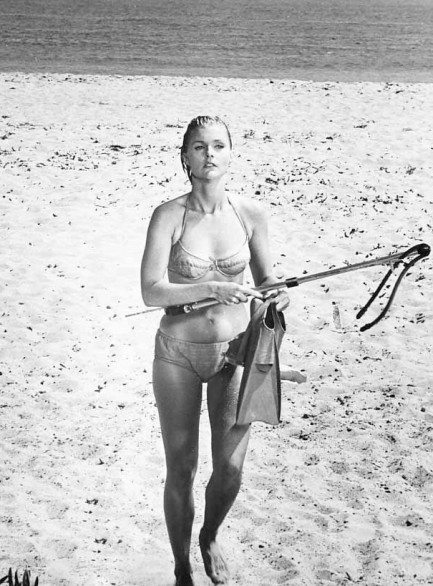
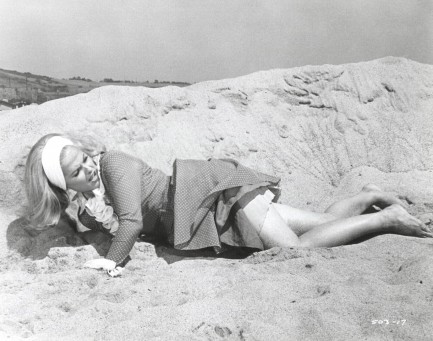
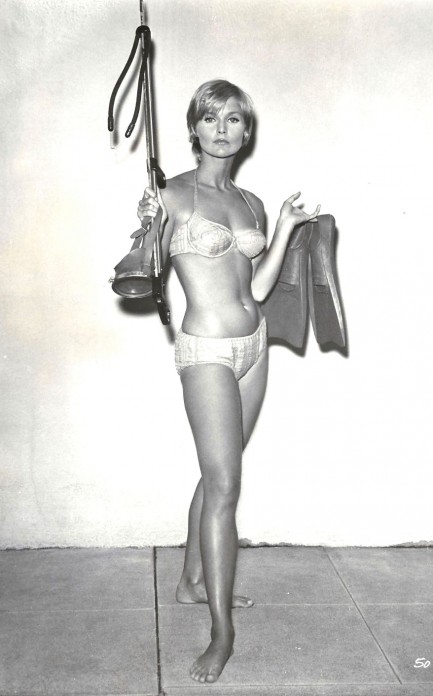
ItalyQuando baci una sconosciutaOnce You Kiss a StrangerStrangers on a TrainCarol LynleyPaul BurkeMartha HyerPhilip CareyPeter Lind HayesPatricia HighsmithAlfred HitchcockTino Avelliposter artliteraturecinemamovie review

| Vintage Pulp | Nov 19 2021 |

How do you spell murder in Italian? H-i-t-c-h-c-o-c-k.
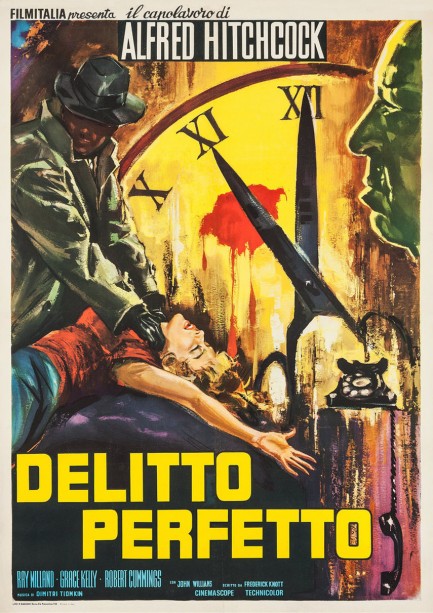
Above is a beautiful Italian poster for Delitto perfetto, better known as Alfred Hitchcock's Dial M for Murder, a movie we watch every five or seven years and always greatly enjoy. This semi-abstract effort isn't the only Italian poster for the film, but it's the best, in our view. We weren't able to find out who painted it, and considering it sold on a swanky auction site without that info, it seems as if nobody knows. Such good work uncredited, it's a shame. However, at this link you see another poster for the film, and that one is signed by Angelo Cesselon. Since both have a Hitchcock profile, and there's a stylistic similarity in other areas too, especially if you focus on the women's faces and the males' trench coats, we think it's possible Cesselon painted both pieces. The evidence wouldn't hold up in court, but it's good enough for us. Nice work, Angelo. Delitto perfetto premiered in Italy today in 1954.
ItalyDelitto perfettoDial M for MurderAlfred HitchcockGrace KellyRay MillandAngelo Cesselonposter artcinema

| Femmes Fatales | Sep 9 2021 |

You think crawling is going to help? Have some pride. Get up and take it like a man.
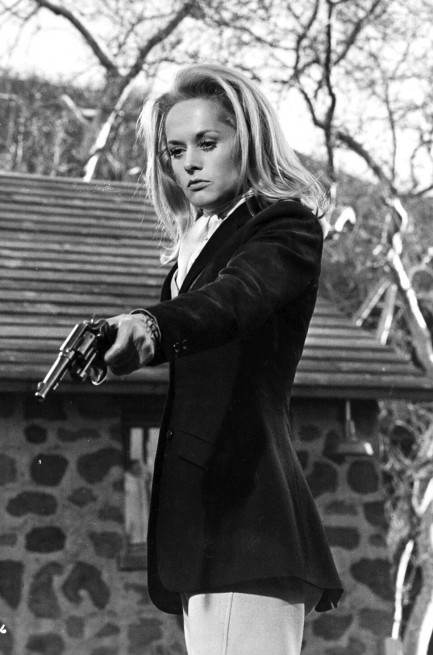
Above, a fun shot of U.S. actress Tippi Hedren, née Nathalie Hedren, made when she was filming the 1964 Alfred Hitchcock thriller Marnie. Despite having one of the odder pseudonyms of the era there's no elaborate story involved. Her father nicknamed her Tippi when she was four. Hedren also appeared in such films as The Birds, The Harrad Experiment, and the unbelievable Roar. Have you heard of Roar. No? Well, it's certainly one of the most bizarre movie projects in history.
Rather than get into the plot (such as it is), we'll just tell you that during its making Hedren broke her leg after being bucked off an elephant's back, and received thirty-eight stitches after a lioness gnawed the back of her head. In addition, her daughter Melanie Griffith, cinematographer Jan de Bont, and producer Noel Marshall were also mauled by lions. Griffith needed fifty stitches in her face and plastic surgery, de Bont needed one hundred twenty stitches and his scalp sewn back in place, and lucky Noel Marshall merely developed gangrene.
If you haven't seen Roar and are an aficionado of weird cinema, we can't recommend watching that one highly enough. Ironically, while we've seen that all-time obscurity, we haven't seen the well-known Marnie. But there's a reason—one of the worst people we ever knew, someone who stole several of our most prized belongings, was named Marni, so avoiding that reminder has kept us from getting around to the film. But it isn't like that's Tippi's fault, so her movie is finally in the queue. When we watch it we'll report back.
MarnieThe BirdsThe Harrad ExperimentRoarTippi HedrenNathalie HedrenAlfred HitchcockMelanie GriffithJan de BontNoel Marshallcinema

| Vintage Pulp | Oct 31 2020 |

Some people need a mental health day every day.
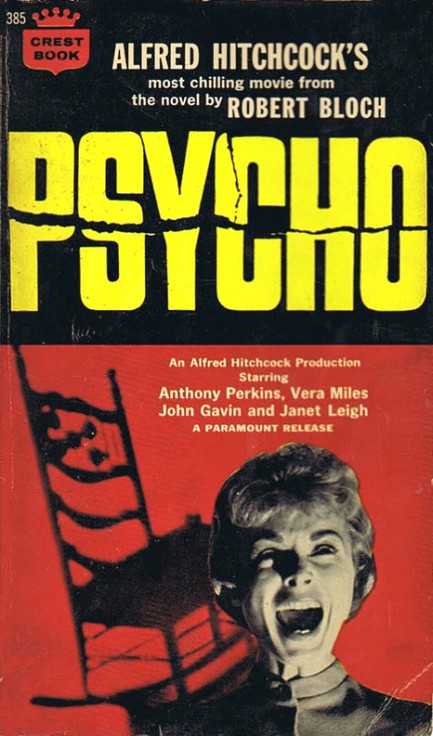
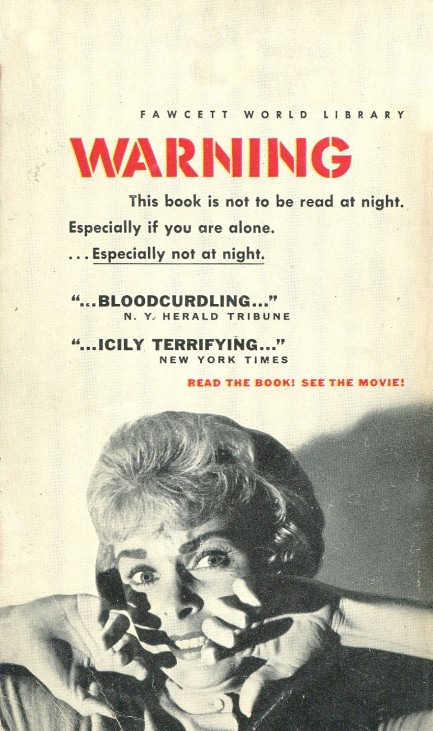
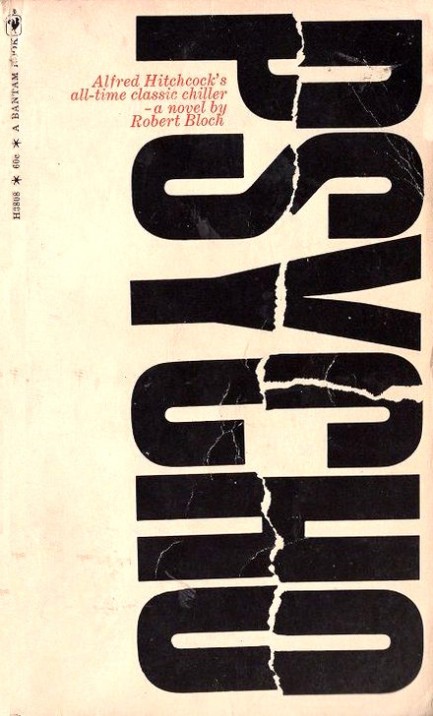
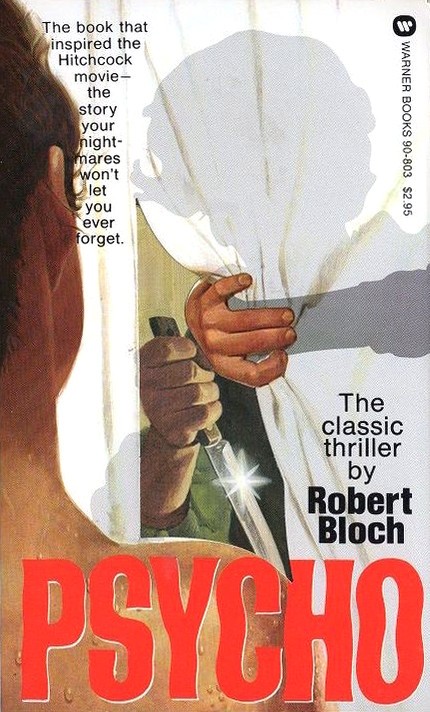
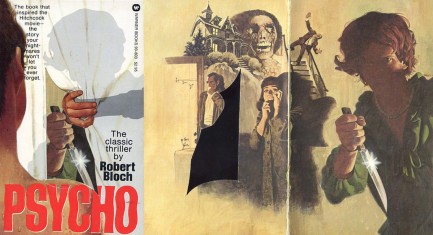
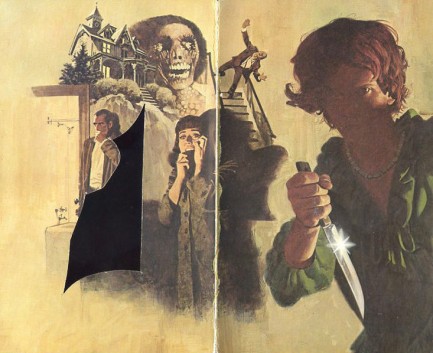
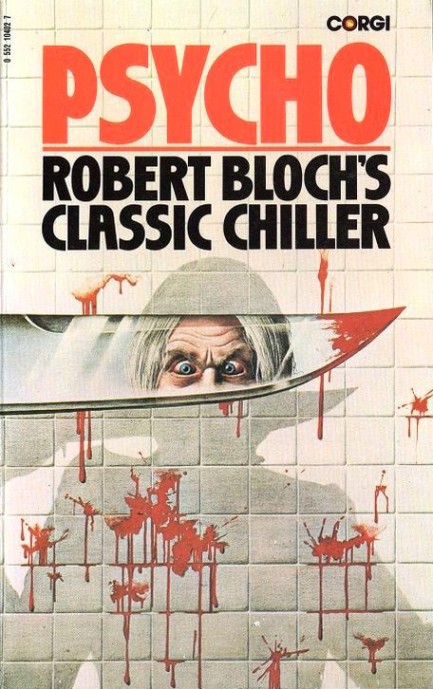
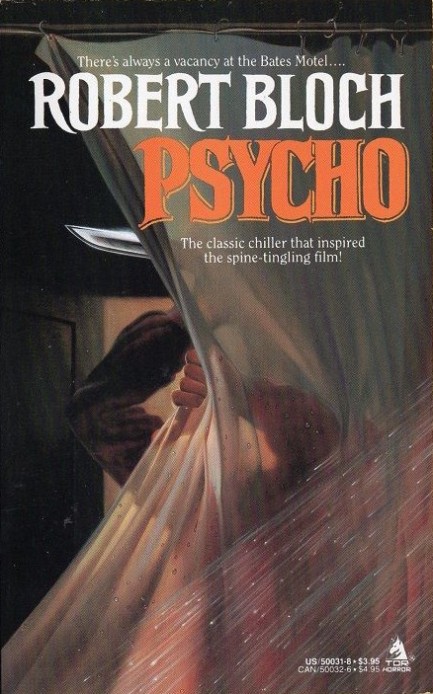
We were going to post an assortment of covers we thought were scary, but when we came across these Psycho fronts we realized they were all we needed. The creation of veteran horror author Robert Bloch and originally published in 1959, one of literature's early homicidal psychopaths remains frightening even today. When Bloch wrote Psycho the concept of psychopathy was little known in American culture, but after Alfred Hitchcock's 1960 movie adaptation, as well as the real-world Dahmers and Specks and Bundys, that naïveté evaporated. Now everyone knows psychopaths are real and live among us.
Bloch's man-child Norman Bates, a sadist and misanthrope with lust/hate feelings toward women, was able despite his dysfunctions to operate in society with a veneer of civility, and was capable of love, but only a stunted and twisted variety instilled by an emotionally violent forebear from whose shadow he could never fully escape. Sound like anybody you know? We have mostly front covers below, along with a rear cover and a nice piece of foldout art we found on the blog toomuchhorrorfiction. These are all English editions. We'll show you one or two interesting non-English covers later.
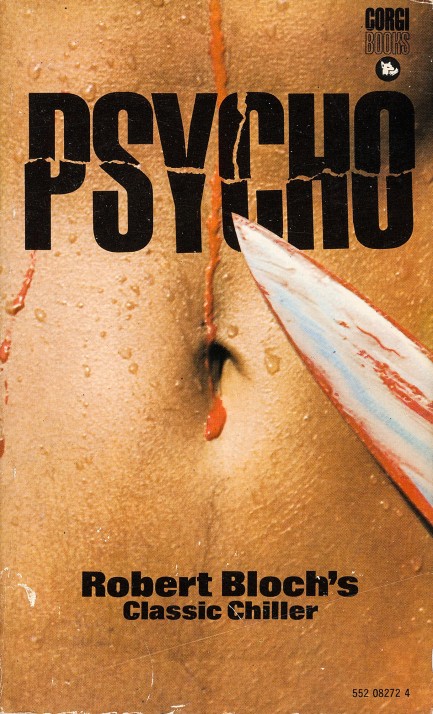
Crest BooksWarner BooksCorgi BooksTOR BooksPsychoRobert BlochAlfred HitchcockJanet Leighcover artcover collectionliteraturehorror

| Intl. Notebook | May 12 2020 |

Hitchcock says no festival for you this year!
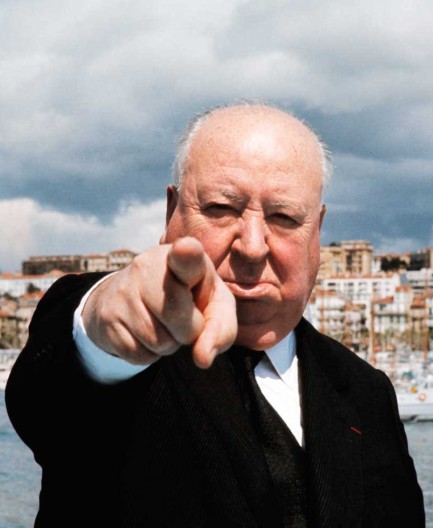
The 73rd edition of the Festival de Cannes, aka the Cannes Film Festival, would have kicked off today in the south of France, but was cancelled a while back. It's just one of a wave of event cancellations that will cascade through the year. Festivals as diverse as Burning Man and San Fermin, aka the Running of the Bulls, have also been shelved. But getting back to Cannes, we thought this would be a good moment to commemorate past fests with some historical photos. Above you see Alfred Hitchcock on a boat with the town in the background, in 1972, and below are about fifty pix from the 1940s through 1970s, documenting various iconic moments, and a few quieter ones. Maybe the Cannes Film Festival will back next year, maybe not. At this point, predicting anything is an exercise in futility. But at least we'll always have the memories.
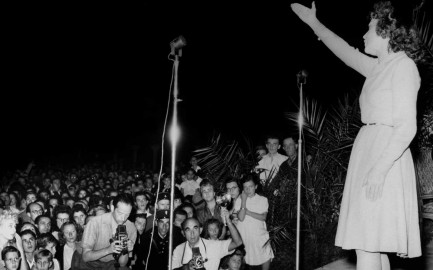
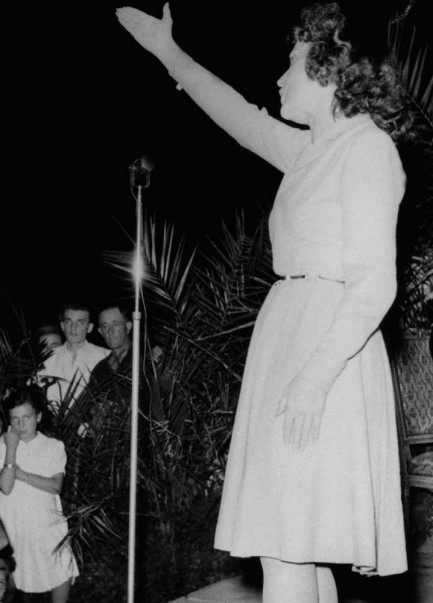 Edith Piaf sings on the terrace of the Carlton Hotel on the iconic Boulevard de la Croisette at the first Festival de Cannes to be held under that name, in 1946. Back then the event took place in September and October, but would shift to May a bit later.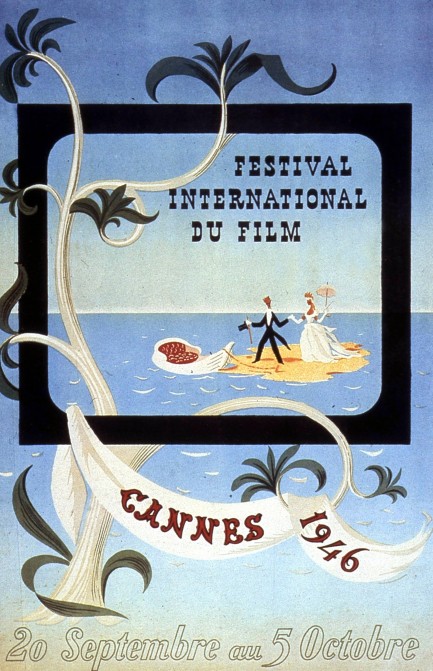
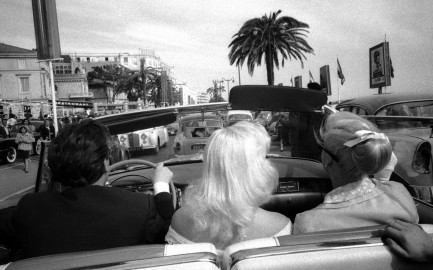 Diana Dors and Ginger Rogers arrive at the fest the only way anyone should—breezing along the beachfront in a convertible, in 1956, with an unknown driver.
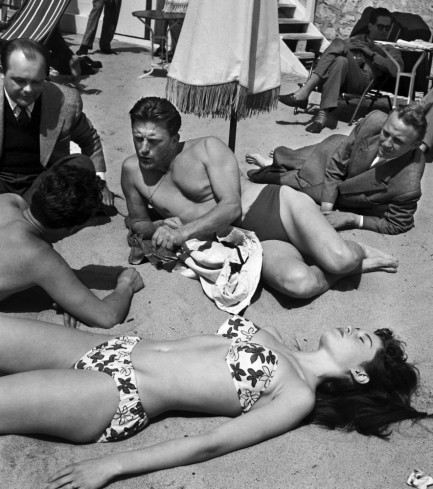 Kirk Douglas holds court on the beach in 1953, and Brigitte Bardot soaks up rays in the foreground.
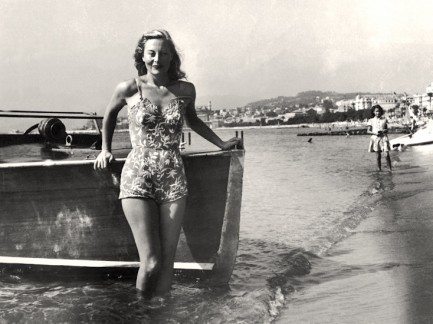 Michele Morgan poses at the first Festival in 1946. Photo ops of this sort were essential sources of publicity for stars, and would soon become opportunities for non-stars seeking to be discovered.
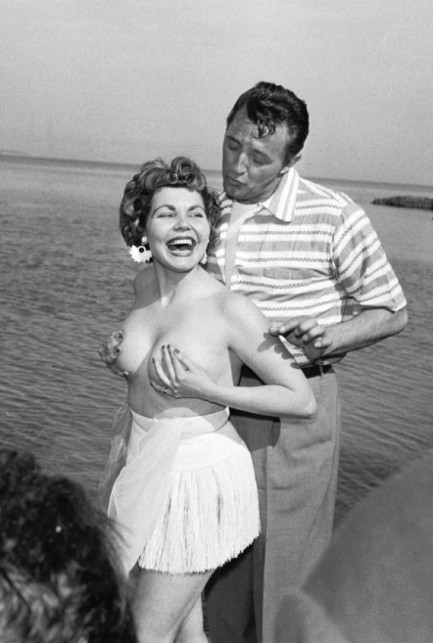 Case in point. Robert Mitchum poses with actress Simone Sylva in 1954. Sylva was allegedly not supposed to be there, but shucked her top and photo-bombed Douglas in an attempt to raise her profile. It didn't work. She made only a couple of credited movie appearances after her topless stunt.
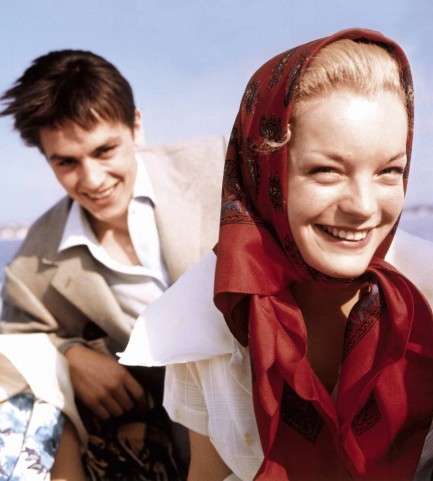 Romy Schneider and Alain Delon at the 1959 fest.
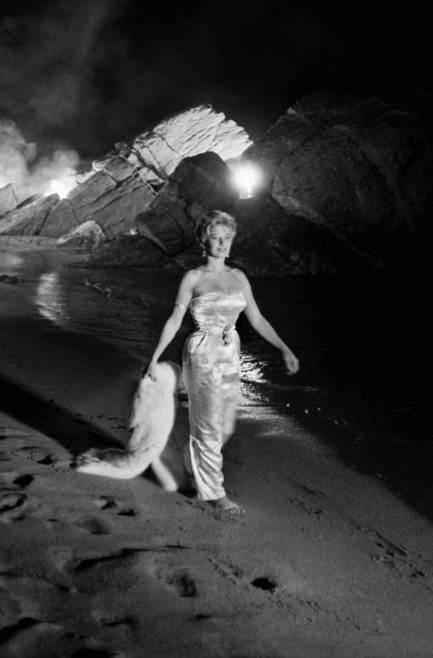 An unidentified model or actress poses in the style of Anita Ekberg from La dolce vita in 1960. This looks like it was shot at Plage du Midi, which is a beach located a little ways west of the Cannes town center.
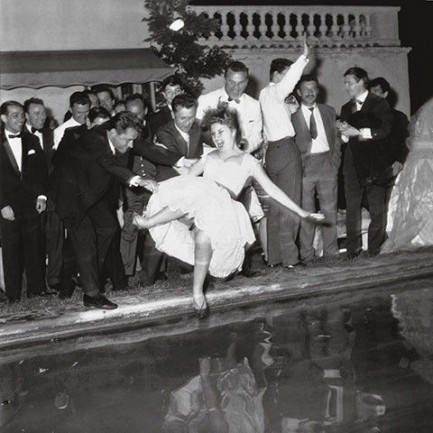 A unidentified partygoer is tossed into a swimming pool after La Dolce Vita won the the 1960 Palme d’Or. The Festival is almost as well known for legendary parties as for legendary film premieres.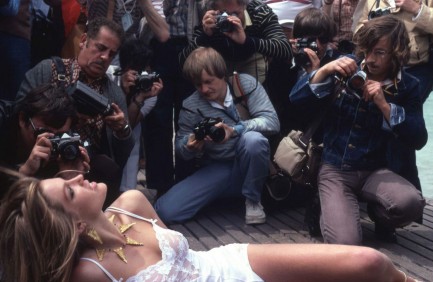
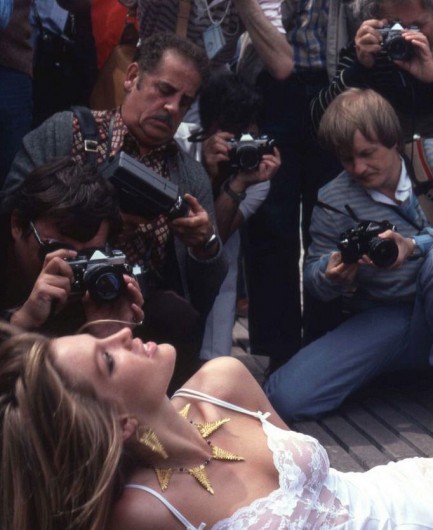 Another unidentified model or actress poses on the boardwalk in 1979. Generally, you don't have to be known to draw a crowd of photographers—you just have to be nearly bare. She's wearing lingerie, so that explains the interest, though this is modest garb for a Cannes publicity stunt. It's never a surprise to see a headline-seeking film hopeful strip all the way down to a string ficelle féminin, or thong, which is the limit of what is legal in Cannes
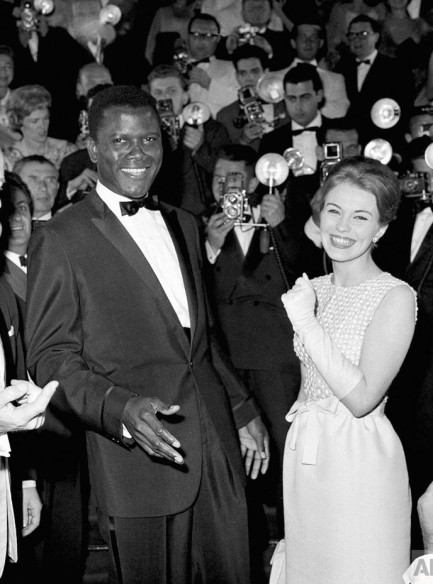 Sidney Poitier and Jean Seberg have a laugh in 1961. This was the year Poitier's flick Paris Blues was released, so it's possible he had jetted down from the capital for the Festival.
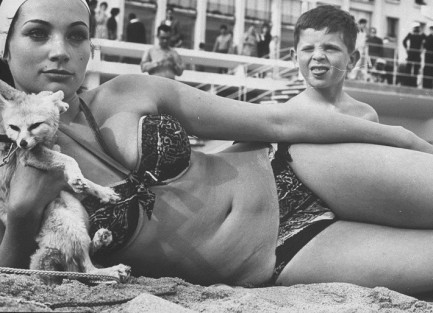 Philomène Toulouse relaxes on the sand in 1962 while a boy practices the classic French look of disgust he'll be using the rest of his life.
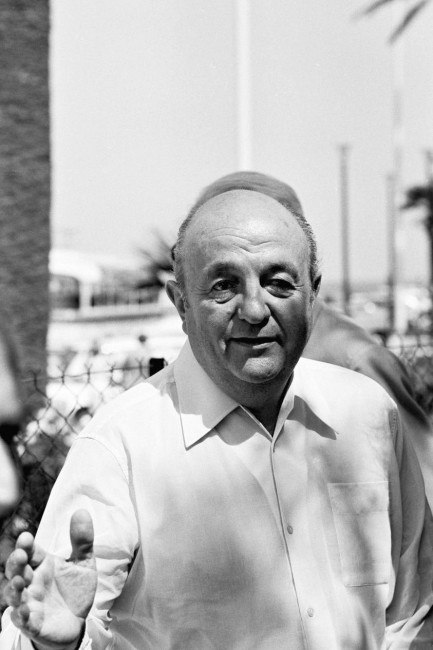 Actor Bernard Blier, 1975.
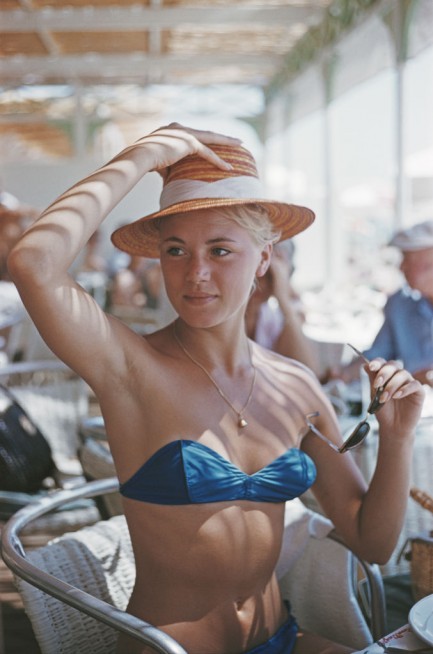 An unidentified bikini wearer boldly enjoys a lunch in a café on the Croisette, 1958.
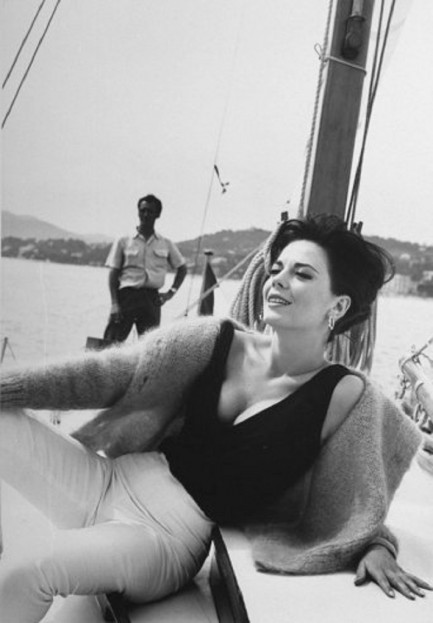 Natalie Wood aboard a sailboat in 1962.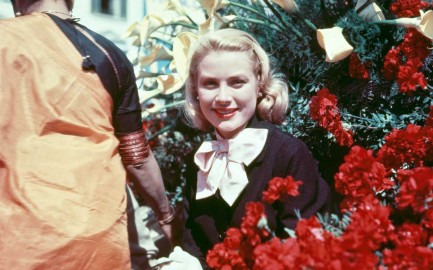
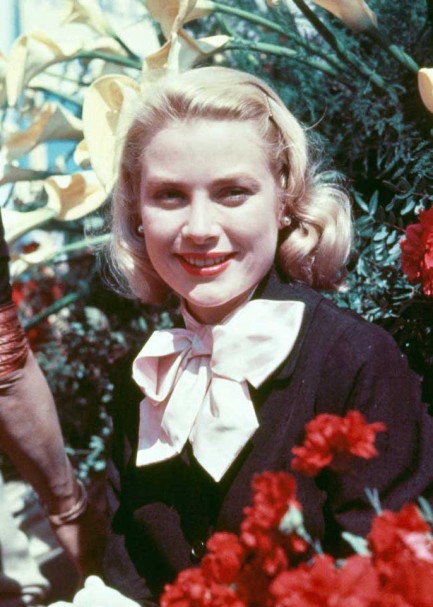 Grace Kelly, 1955.
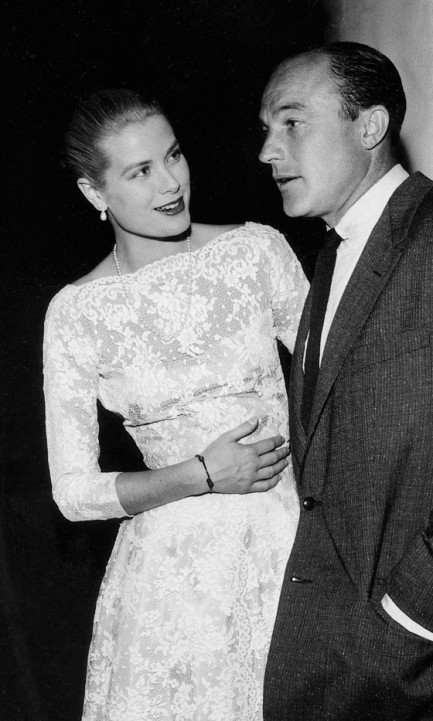 Kelly times two—Grace Kelly and Gene Kelly, hanging out, also in 1955.
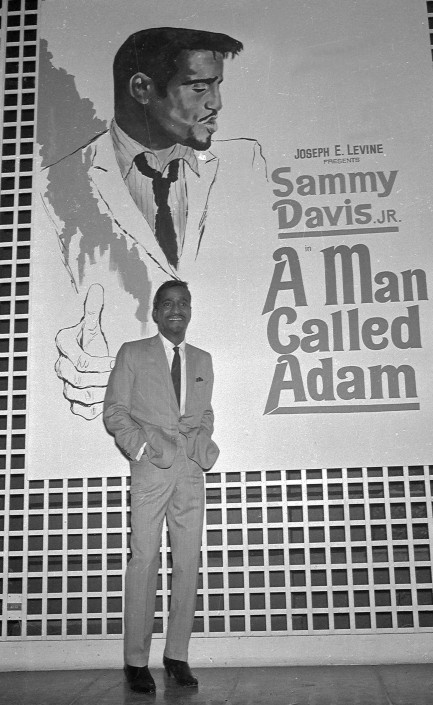 Sammy Davis, Jr. poses in front of a billboard promoting his film A Man Called Adam, 1966.
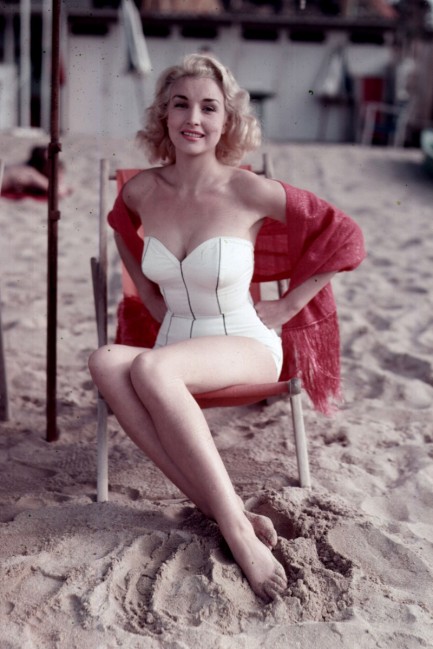 Joan Scott gets sand between her toes in 1955. Scott is obscure. She isn't even the most famous Joan Scott anymore. The IMDB entry for the only Joan Scott near the appropriate age is for an actress born in 1920 who didn't begin acting until 1967. The Joan Scott above doesn't look thirty-five, though, and we doubt she would have been the subject of this somewhat well-known photo without parlaying it into a film appearance before twelve years had passed. So we don't think this is the Joan Scott referenced on IMDB.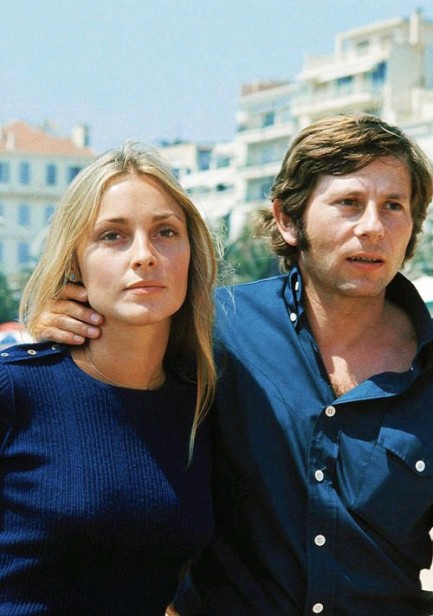
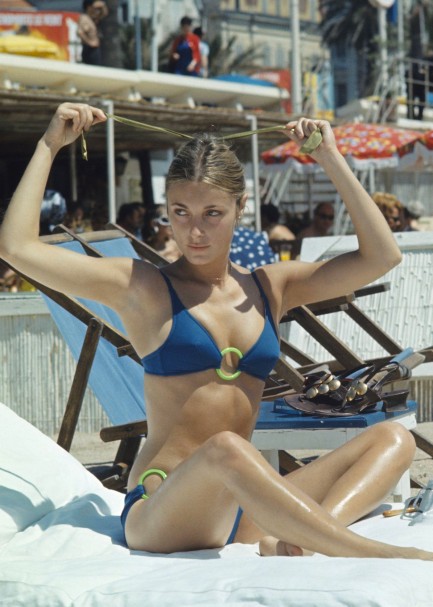 Sharon Tate, with Roman Polanski, and solo, 1968.
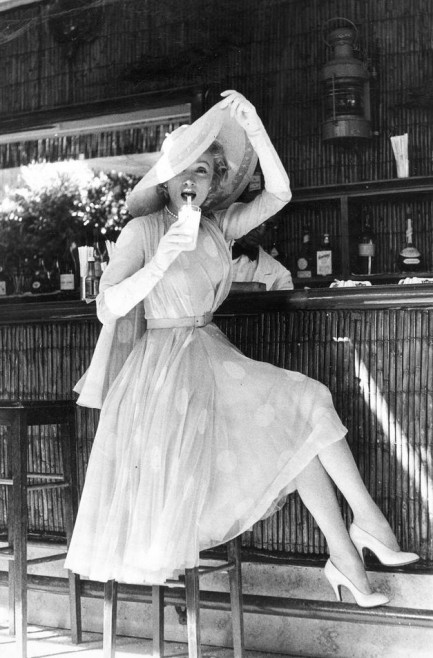 Marlene Dietrich brings glamour to a tiki themed bar in 1958.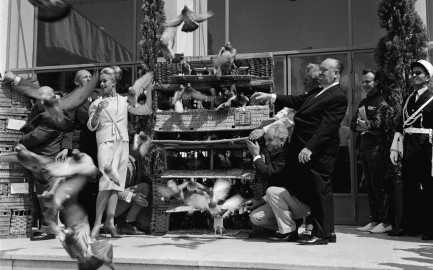
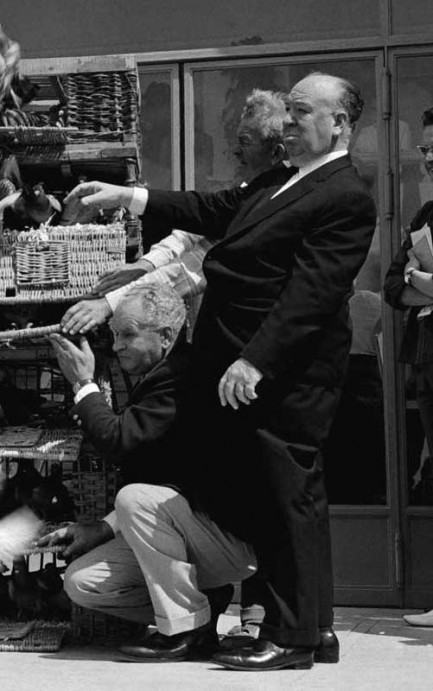 Tippi Hedren and Alfred Hitchcock release caged birds as a promo stunt for The Birds in 1963.
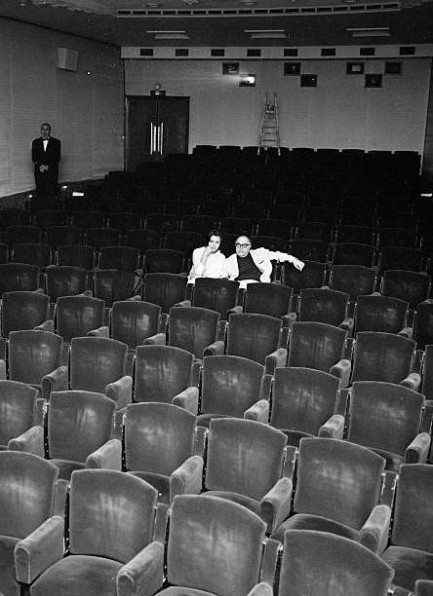 Sophia Loren sits with husband Carlo Ponti, who was a member of the 1966 Festival jury.
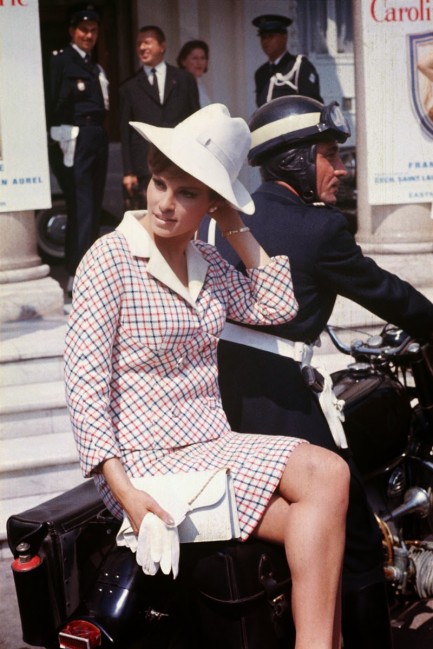 Raquel Welch poses on a motorcycle in 1966.
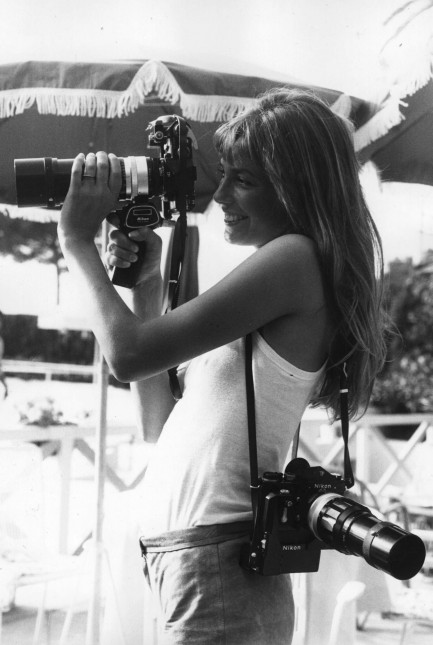 Jane Birkin takes aim with one of her cameras in 1975.
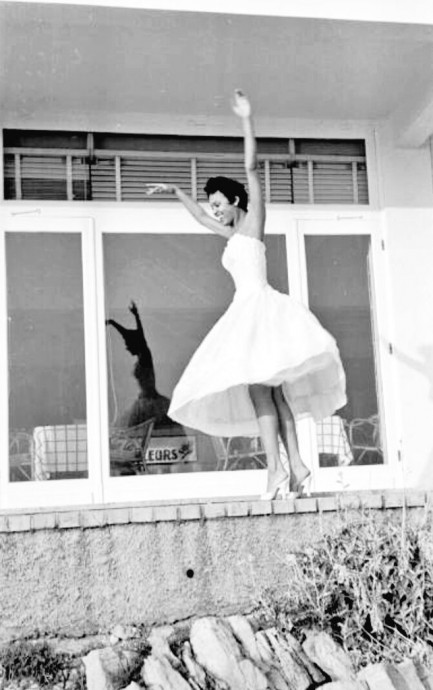 Dorothy Dandridge frolics in 1955, when she was promoting her film Carmen Jones.
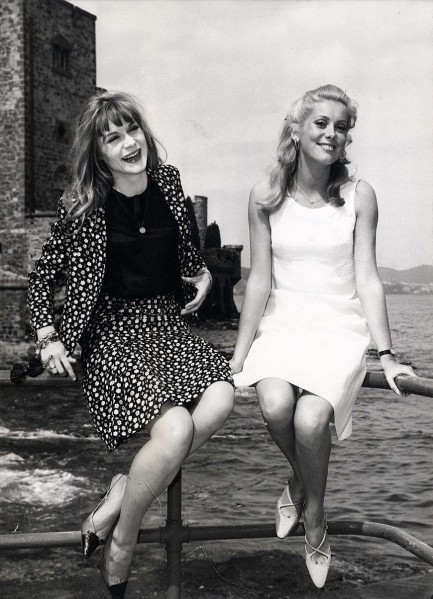 Cinematic icon Catherine Deneuve and her sister Françoise Dorléac in 1965. Dorléac died in an automobile accident a couple of years later.
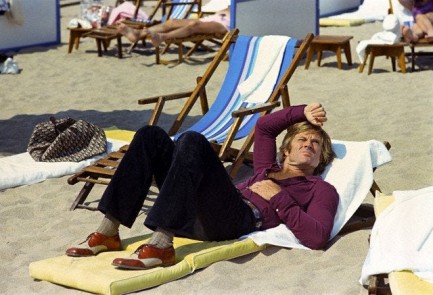 Robert Redford lounges on the beach in 1972. Based on his outfit you'd think he was in Cannes to promote The Sting, but he was actually there for his western Jeremiah Johnson, which screened May 7 of that year.
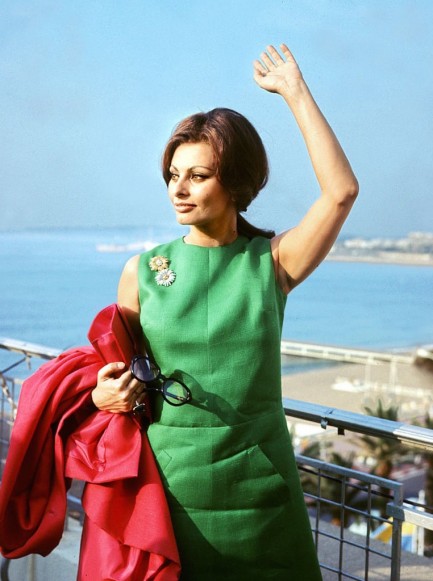 Sophia Loren waves to well-wishers in 1964.
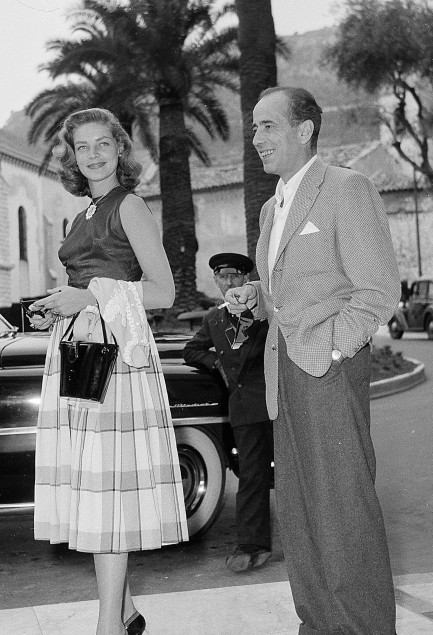 Bogie and Bacall paired up and looking distinguished in 1957.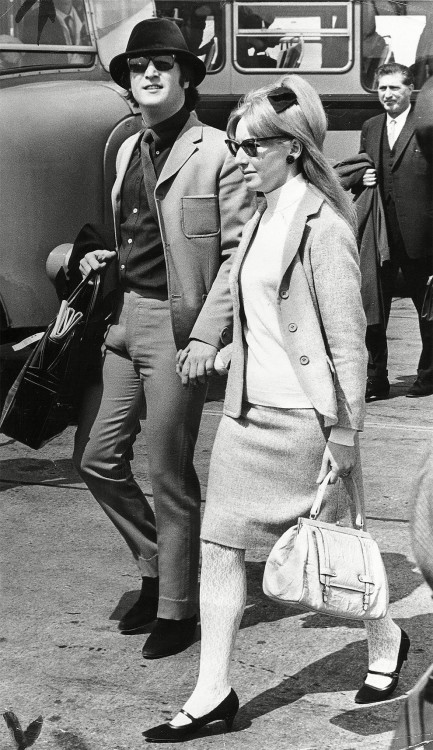
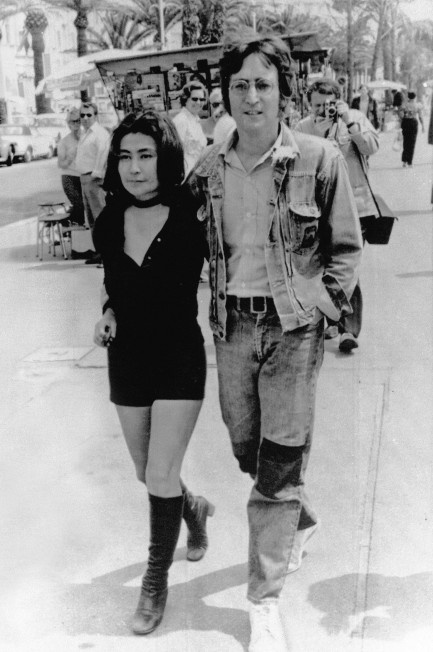 John and Cynthia Lennon in 1965, and John with Yoko Ono in 1971. Every story John told on that second trip probably started with, “When I was here with the first love of my life...” until Yoko smacked him across the mouth.
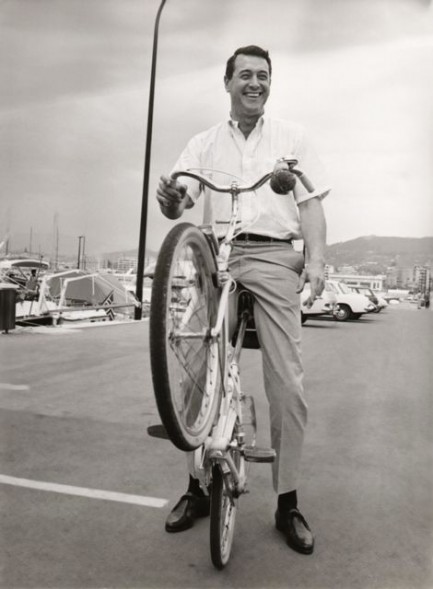 Rock Hudson and bicycle in 1966.
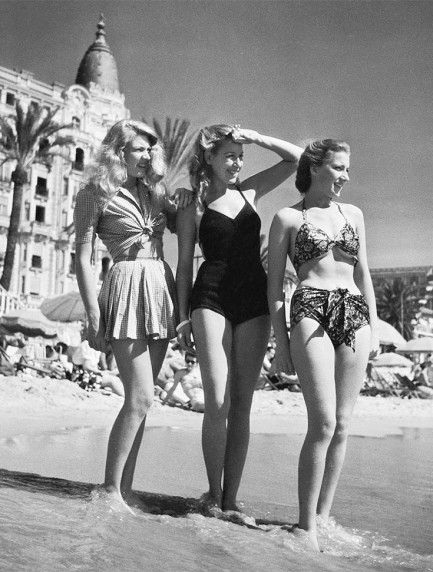 Unidentified actresses pose on the beach in 1947. To the rear is the Hotel Carlton, mentioned in the Edith Piaf image, built on the Croisette and finished in 1910.
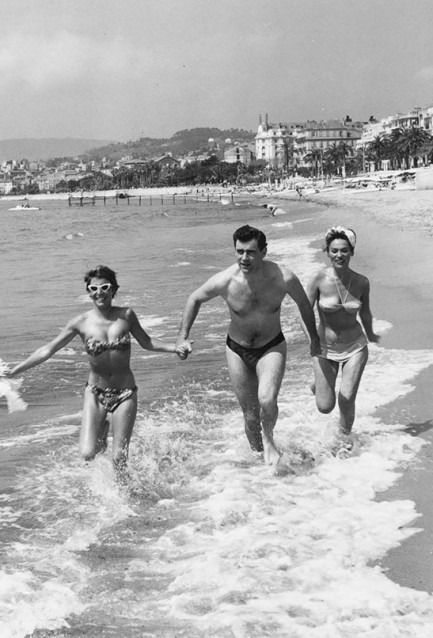 George Baker, Bella Darvi (right—your right, not his), and an unknown acquaintance have a surfside run/photo op in 1956.
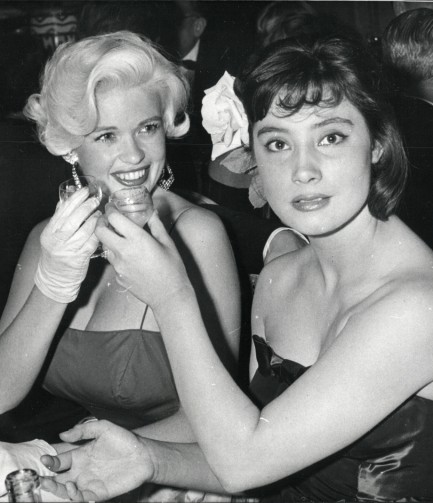 Jayne Mansfield and Russian actress Tatiana Samoïlova enjoy a toast in 1958. Mansfield probably shared the story of how she once made Sophia Loren stare at her boobs, and Samoïlova said, “Cheers to you—well played, you provocative American minx.”
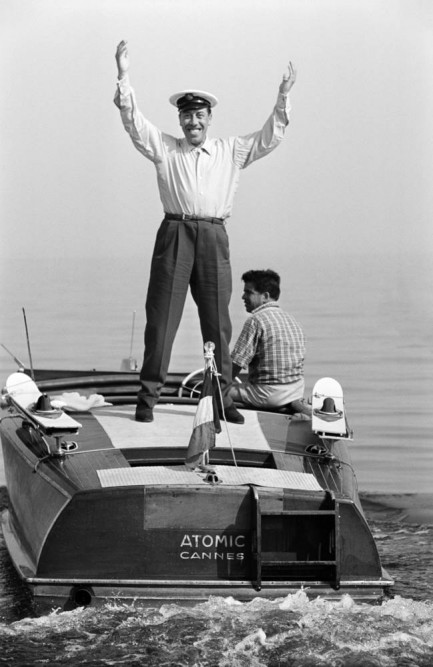 French actor Fernandel, whose real name was Fernand Contandin, on his boat Atomic in 1956.
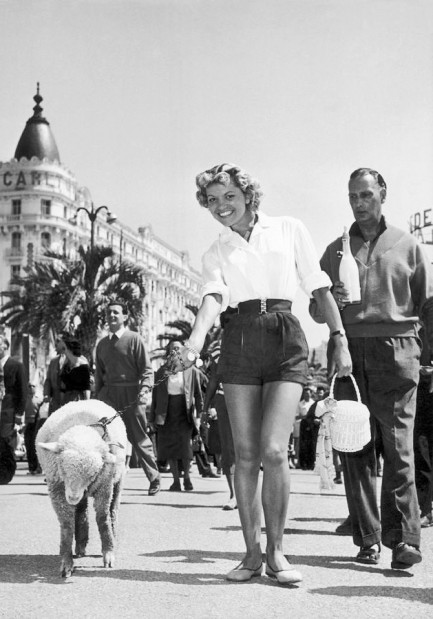 Arlette Patrick figures out a different way to generate publicity—by walking her sheep on the Croisette in 1955.
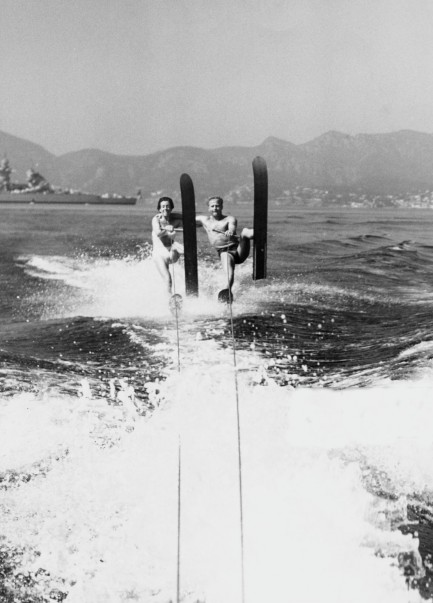 A pair of water skiers show perfect form in 1955, as a battleship floats in the background.
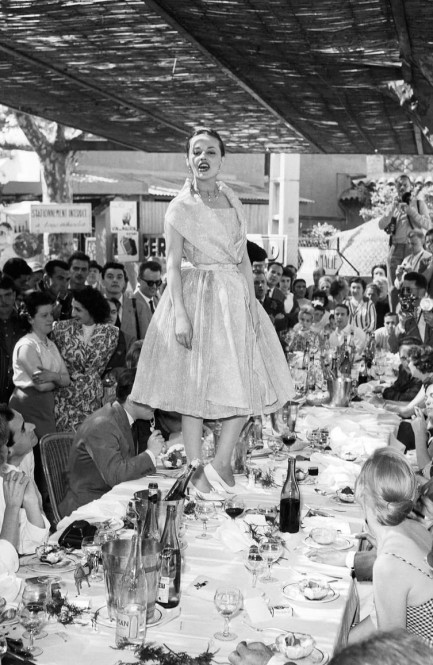 Jeanne Moreau, for reasons that are unclear, poses on a banquet table in 1958. Most sources descibe this in such a way as to make it seem spontaneous, but we have our doubts. It's a great shot, though.
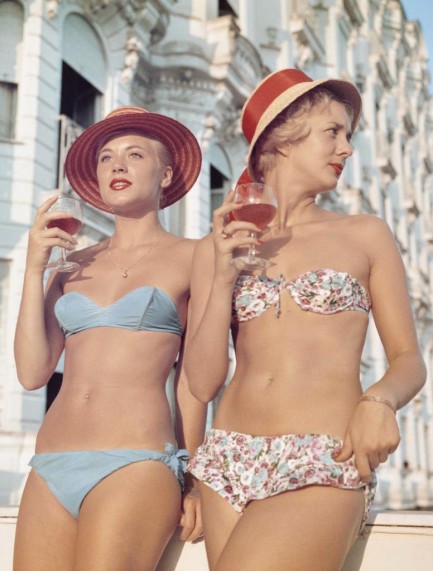 Two unidentified women take in the scene from the terrace of the Hotel Carlton, 1958. This shot is usually said to portray two tourists, but the woman on the left is the same person as in the bikini lunch shot from earlier, which tells us she's a model or actress, and both photos are staged. Like we said, publicity is everything in Cannes.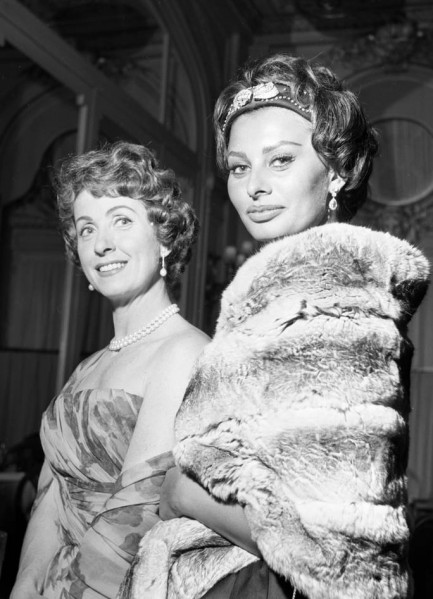
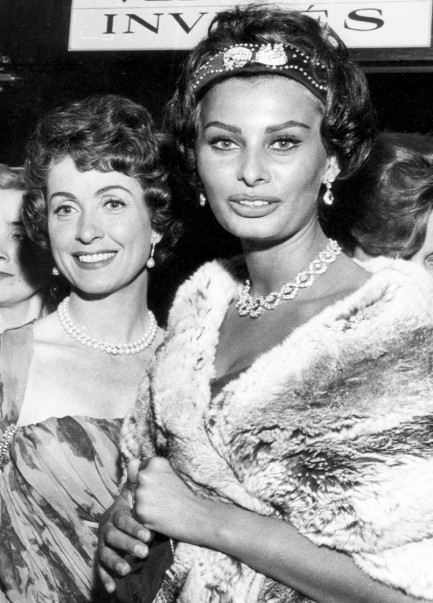 Danielle Darrieux and Sophia Loren at the 11th Cannes Film Festival, 1958.
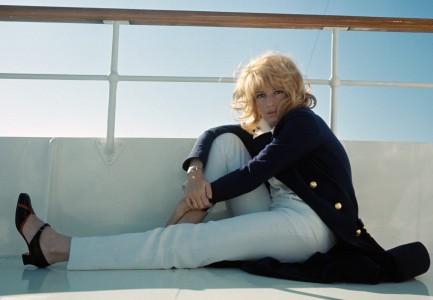 Italian actress Monica Vitti chills on a boat in 1968.
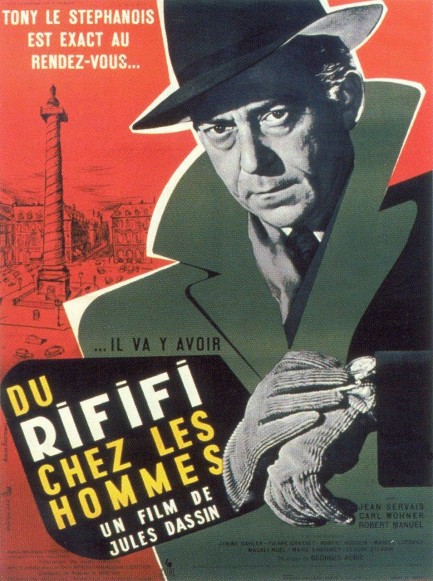
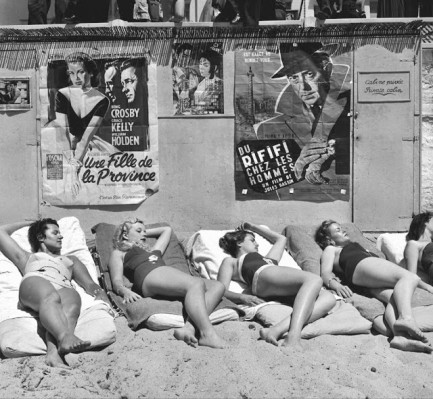 Aspiring stars catch some rays on the Croisette beach in 1955. The two large posters behind them are for The Country Girl with Grace Kelly, and Jules Dassin's Du rififi chez les hommes, both below.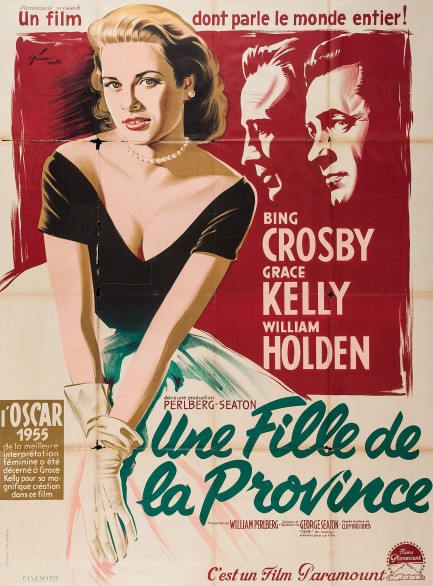
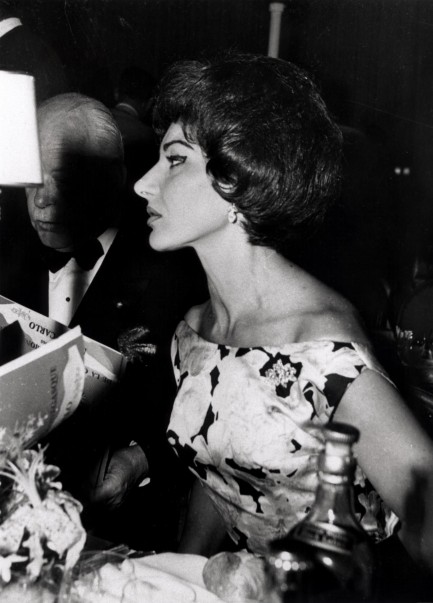 The renowned opera singer Maria Callas, 1960.
FranceCannesFestival du CannesCannes Film FestivalPalme d’OrLa dolce vitaA Man Called AdamThe BirdsAlfred HitchcockEdith PiafDiana DorsGinger RogersKirk DouglasBrigitte BardotMichèle MorganRobert MitchumSimone SylvaRomy SchneiderAlain DelonSidney PoitierJean SebergNatalie WoodGrace KellySammy Davis Jr.Sharon TateRoman PolanskiMarlene DietrichTippi HedrenGene KellyMaria CallasSophia LorenCarlo PontiRaquel WelchJane BirkinJoan ScottDorothy DandridgeRobert RedfordJohn LennonCynthia LennonYoko OnoRock HudsonLauren BacallHumphrey BogartGeorge BakerBella DarviJayne MansfieldTatiana SamoïlovaCatherine DeneuveFrançoise DorléacFernandelArlette PatrickJeanne MoreauDanielle DarrieuxBernard BlierPhilomène ToulouseMonica Vittiposter artcinema

| Vintage Pulp | Aug 28 2019 |

Big screen Thief gets the job done but isn't quite the perfect crime.
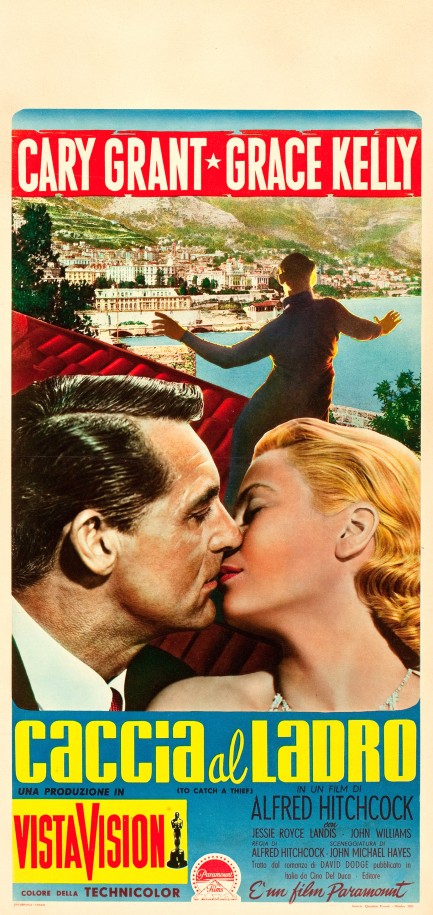
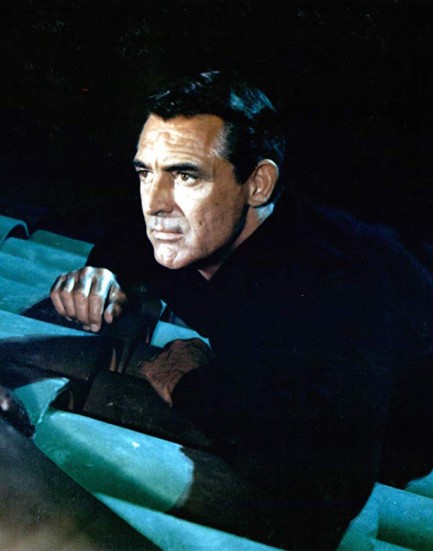
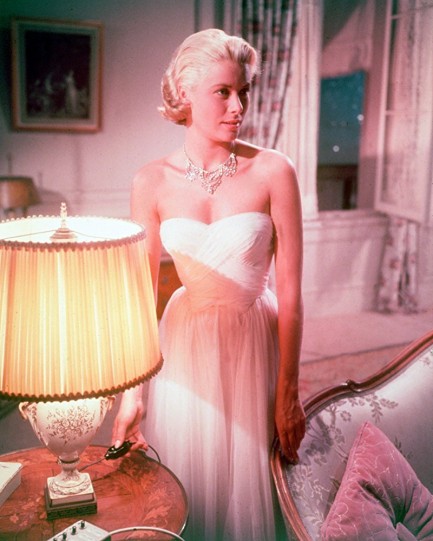
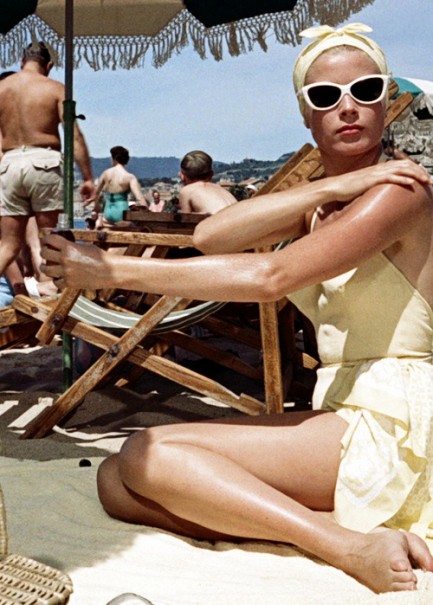
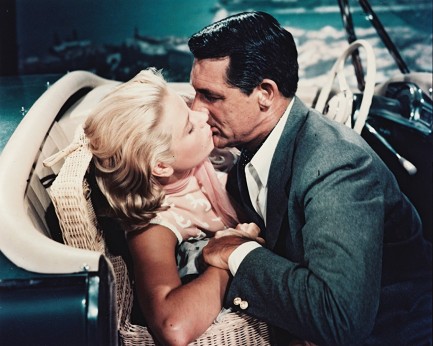
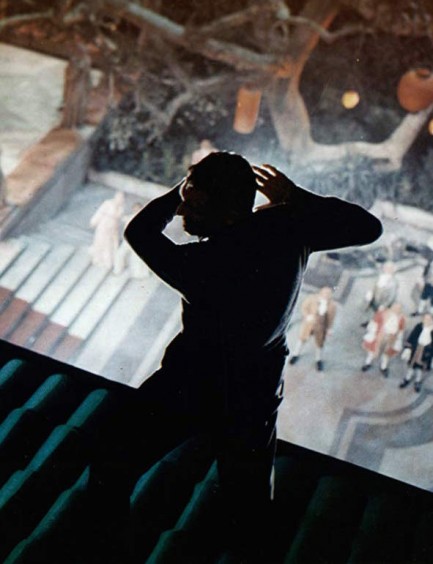
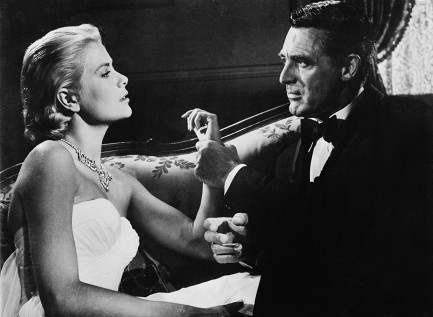
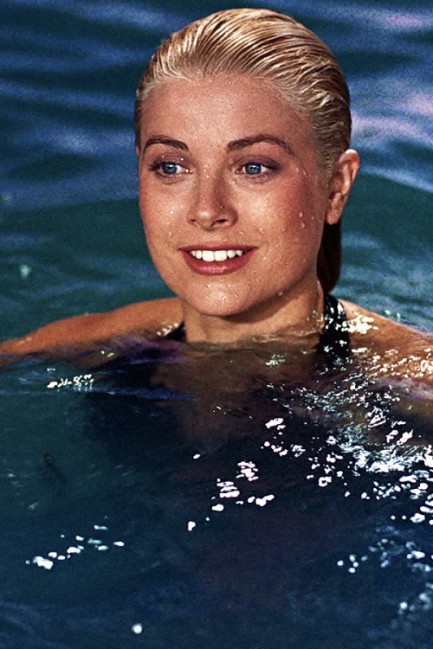
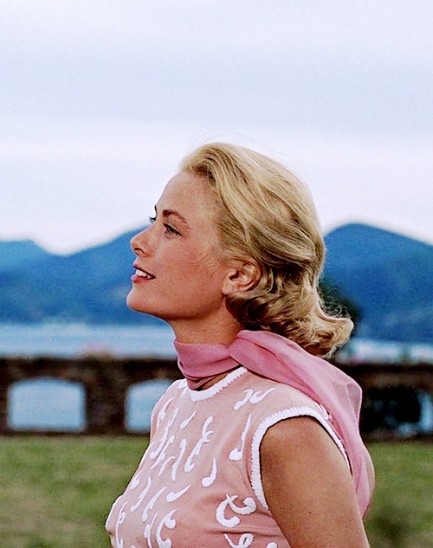
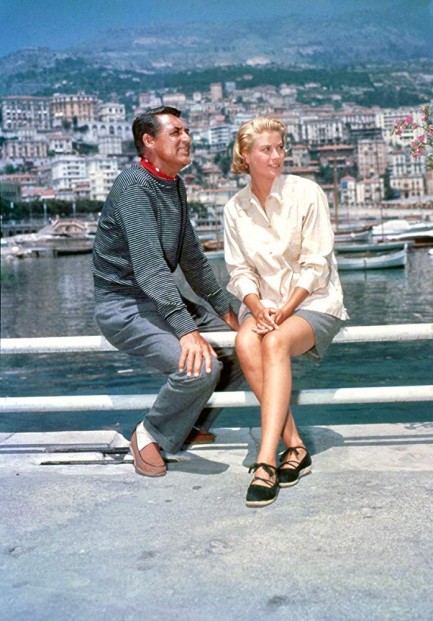
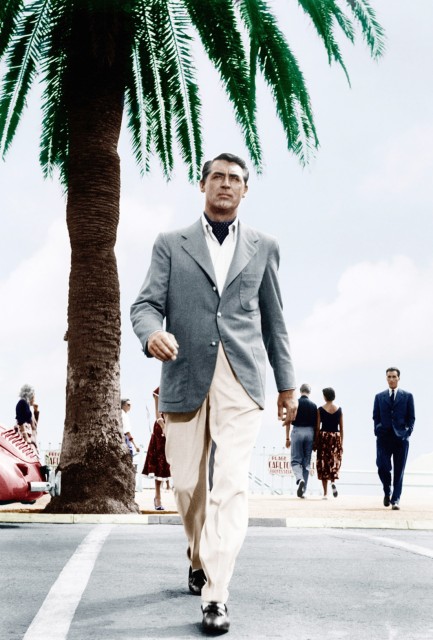
This is a spectacular Italian poster for Caccia al ladro, aka To Catch a Thief, with Cary Grant and Grace Kelly. The moviemakers opted for a photo-illustration rather than a painting, and it befits the star power of the movie. It was based on David Dodge's best seller of the same name, and in truth it's a pretty simple-minded adaptation of the book. You can just hear the studio execs saying: “We know it's in the novel, but we can't have the star in disguise half the movie, we can't have the romance go unacknowledged until the final reel, and we for damn sure can't have the secondary female lead be more beautiful than Grace Kelly.” Movies are a different medium than books, and changes always happen, but it's just interesting to observe what those changes are. The main change is this: Dodge's novel has suspense, while Hitchcock's adaptation does not. That probably wasn't intentional.
To Catch a Thief is a superstar vehicle, and with Grant and Kelly in the lead roles, and Hitchcock in the director's chair, it's pretty clear the studio considered the hard work done. Extensive French Riviera location shooting and VistaVision widescreen film processing are nice bonuses, but the honchos should have had screenwriter John Michael Hayes hammer the script out a little smoother. We're not being iconoclasts here. The movie received mixed reviews upon release, with some important critics calling it a failure. That's going too far—it isn't a failure. We don't think Grant, Kelly, and Hitchcock would have been capable of making anything but a good movie at this stage. But considering the source material it could have been a perfect movie. To Catch a Thief premiered in the U.S in early August 1955, and in Italy at the Venice Film Festival today the same year.
To Catch a Thief is a superstar vehicle, and with Grant and Kelly in the lead roles, and Hitchcock in the director's chair, it's pretty clear the studio considered the hard work done. Extensive French Riviera location shooting and VistaVision widescreen film processing are nice bonuses, but the honchos should have had screenwriter John Michael Hayes hammer the script out a little smoother. We're not being iconoclasts here. The movie received mixed reviews upon release, with some important critics calling it a failure. That's going too far—it isn't a failure. We don't think Grant, Kelly, and Hitchcock would have been capable of making anything but a good movie at this stage. But considering the source material it could have been a perfect movie. To Catch a Thief premiered in the U.S in early August 1955, and in Italy at the Venice Film Festival today the same year.
FranceVeniceVenice Film FestivalCaccia al ladroTo Catch a ThiefCary GrantGrace KellyAlfred HitchcockJohn Michael Hayesposter artcinemamovie review

| Hollywoodland | Jul 5 2019 |

It was Elke's world. Everyone else just lived in it.
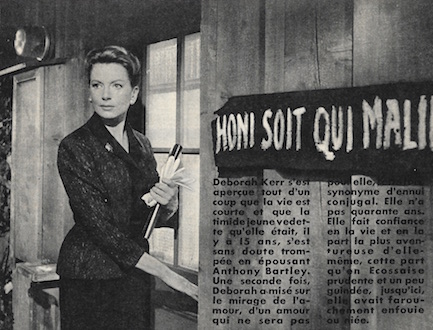
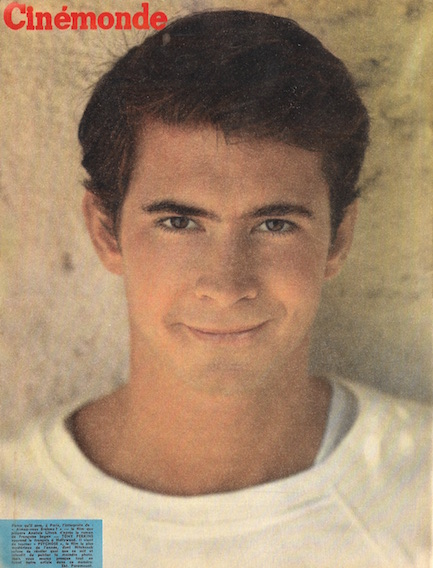
Below, another treasure from our France trip. Cinémonde magazine published today in 1960 with Elke Sommer in a summery cover shot and interior photos of Marie-José Nat, Roger Dumas, Deborah Kerr, Jeanne Moreau, and more.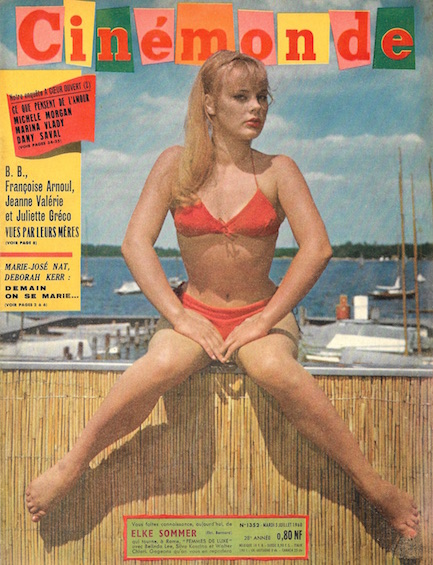
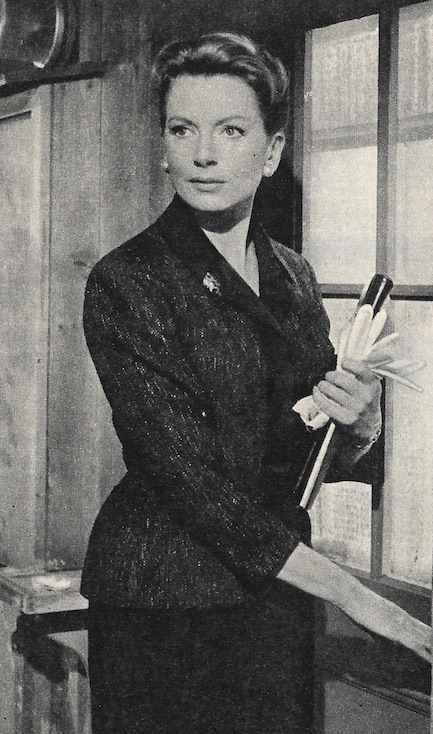
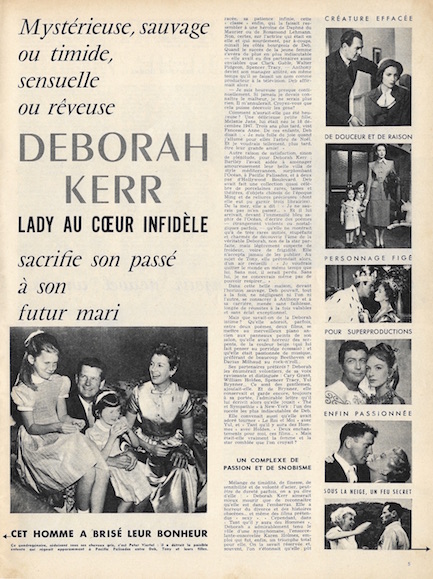
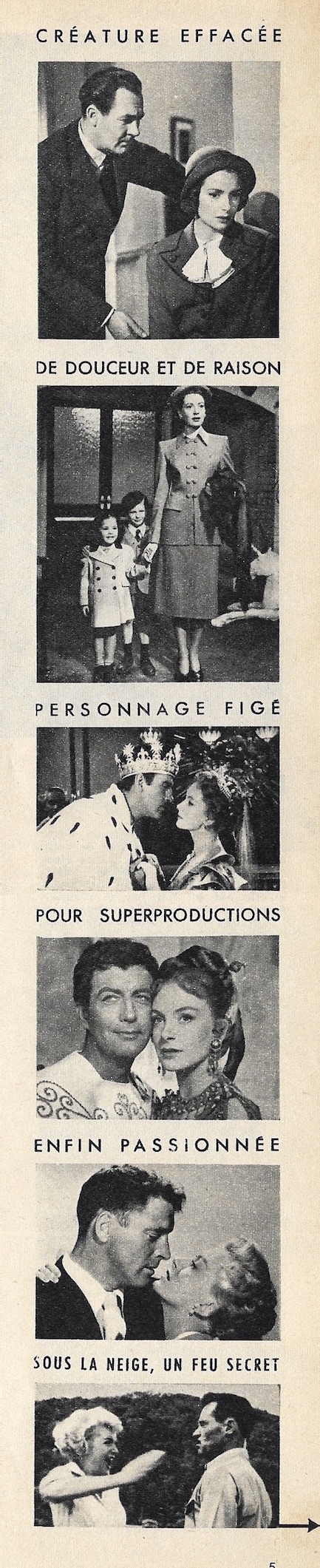
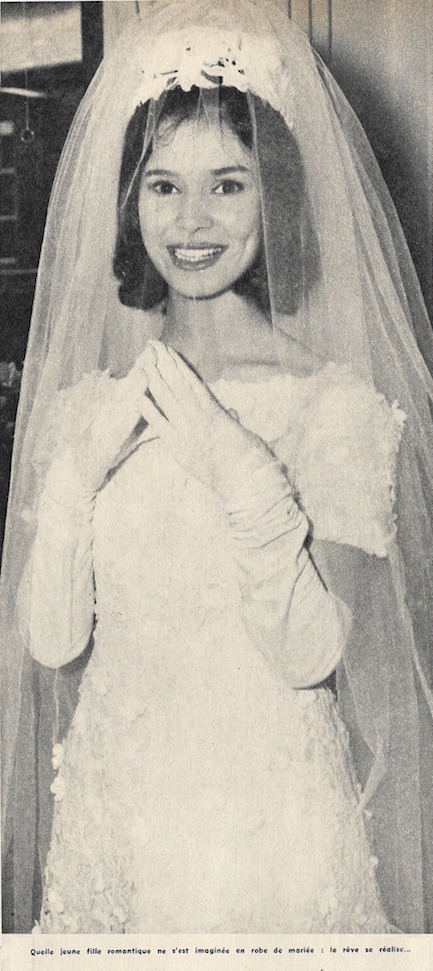
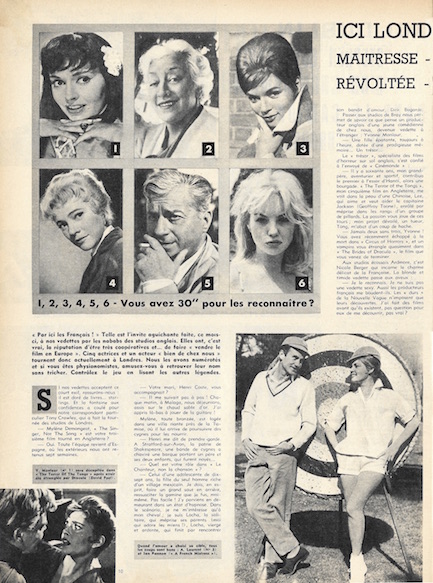
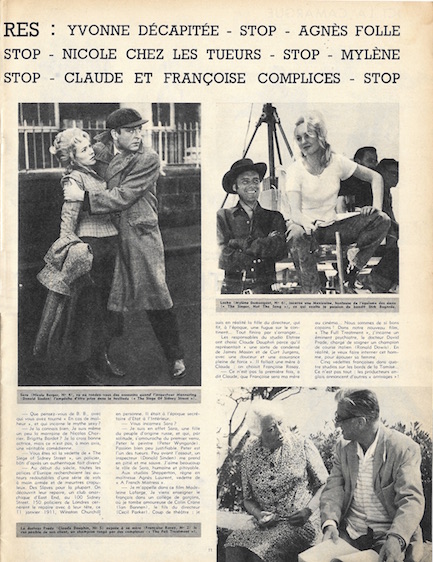
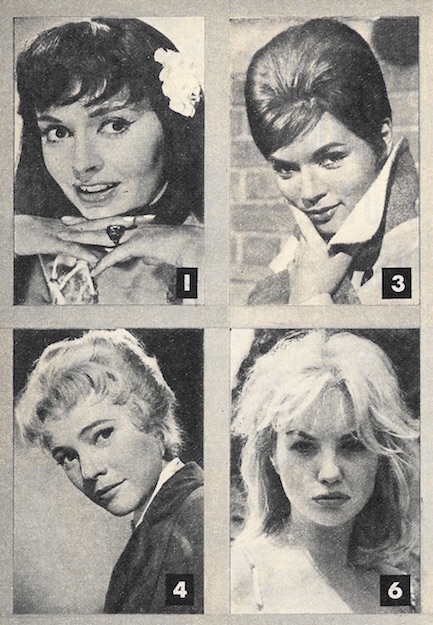
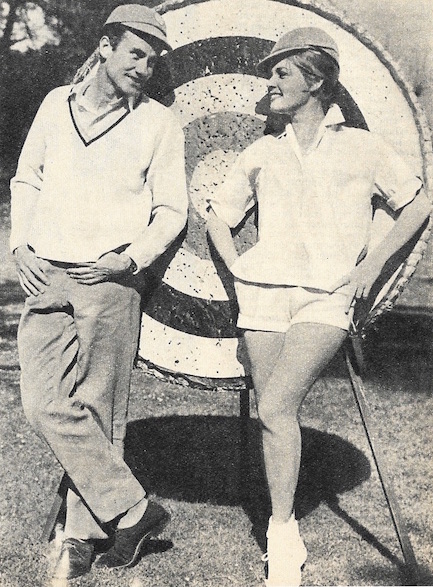
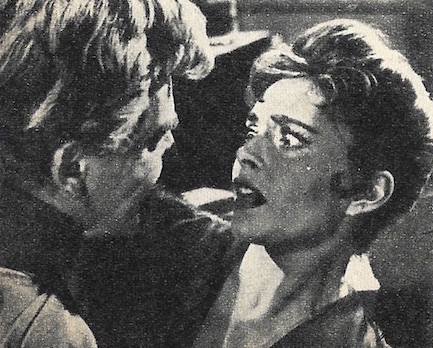
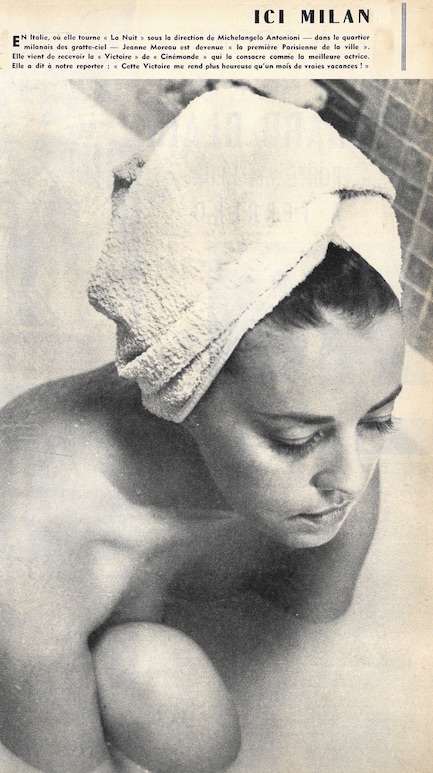
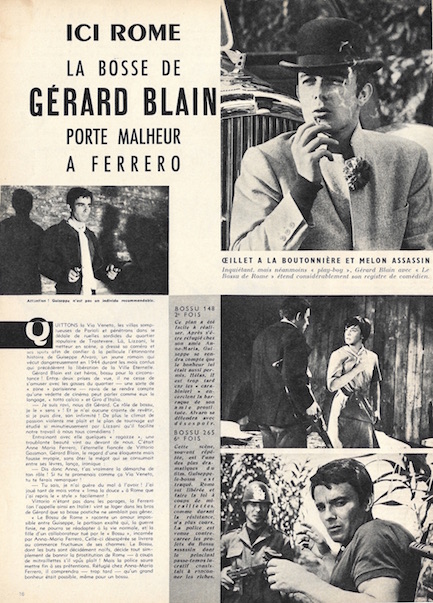
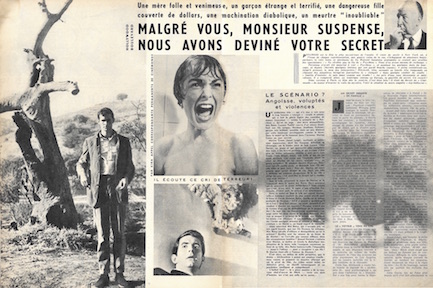
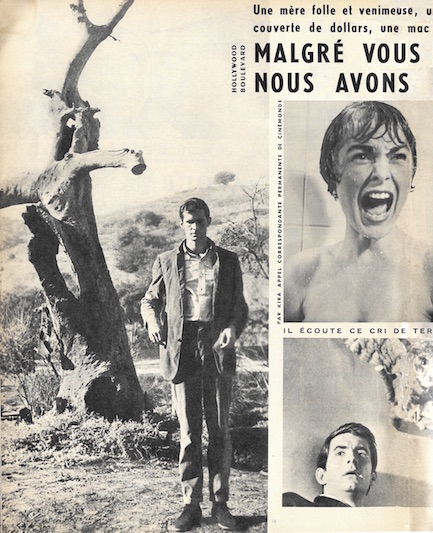
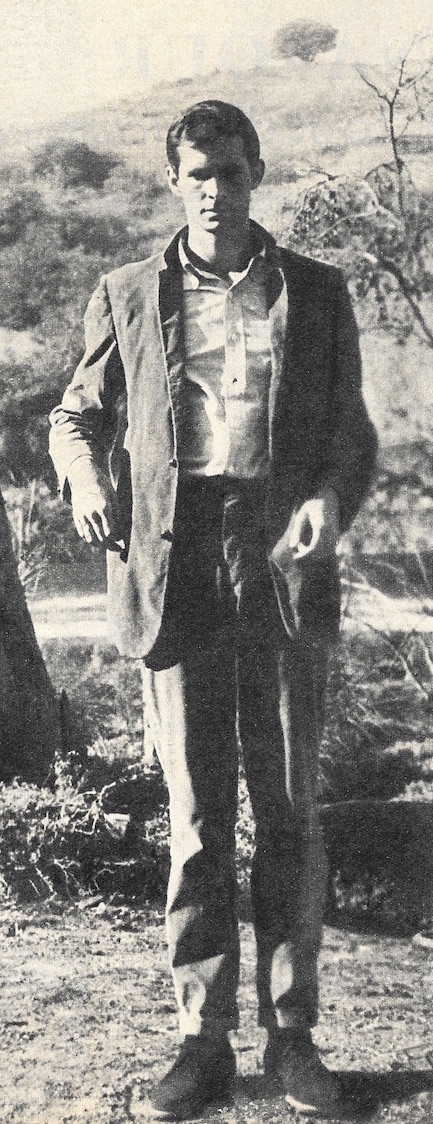
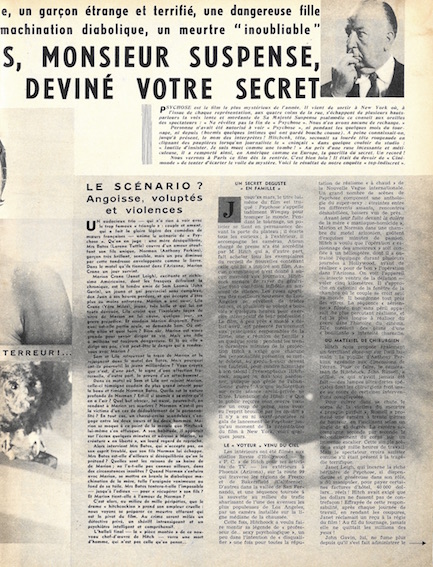
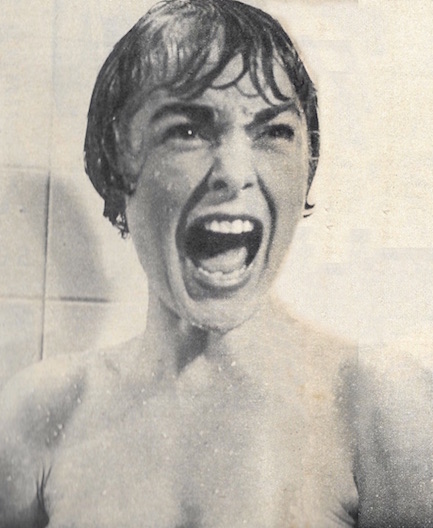
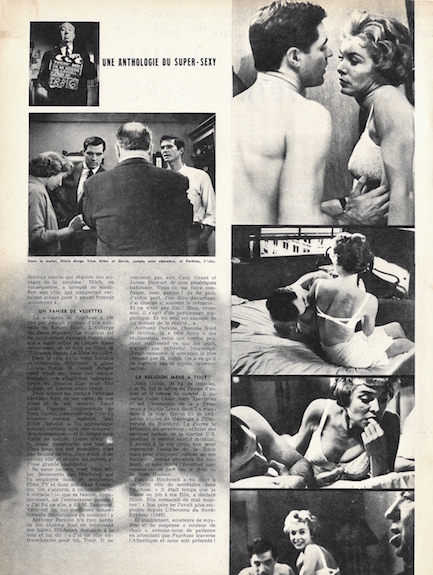
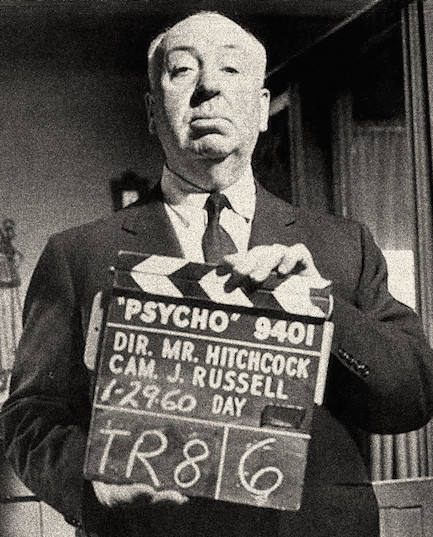
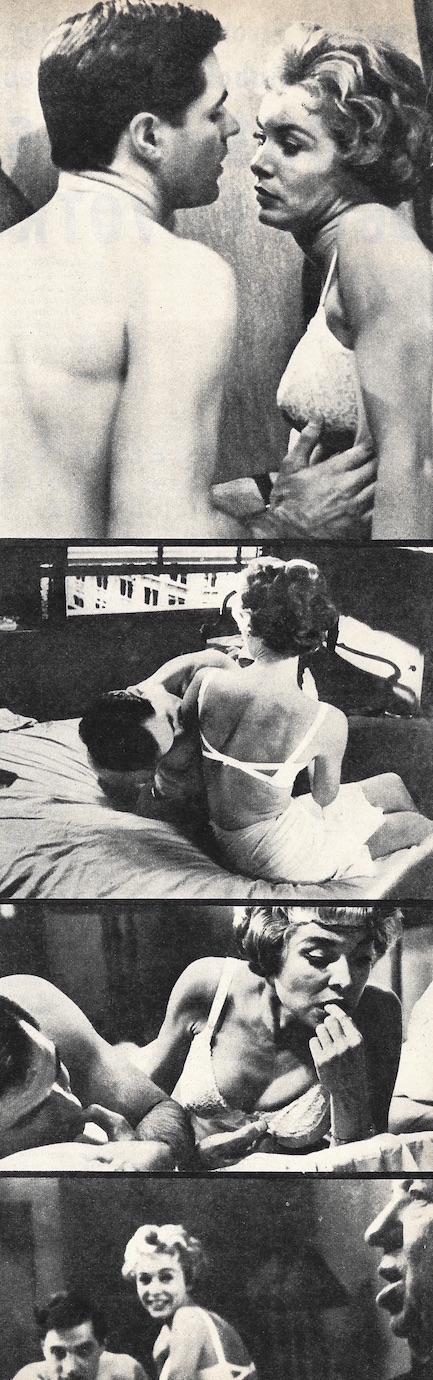
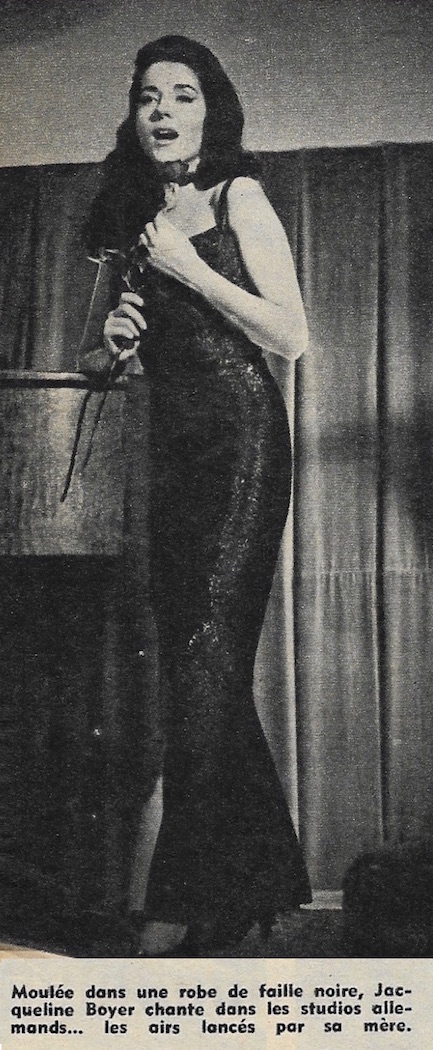
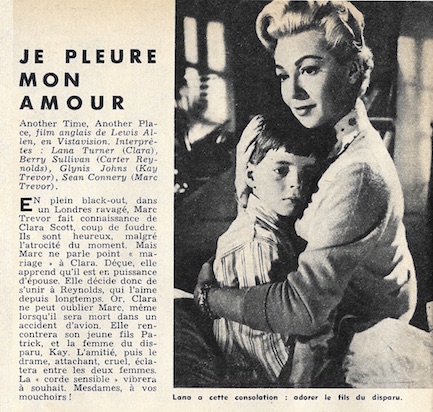
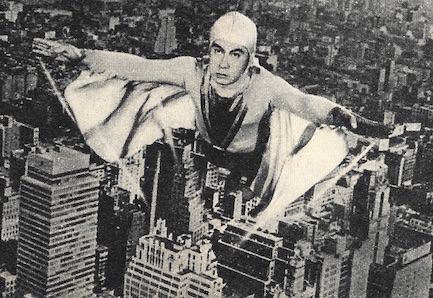
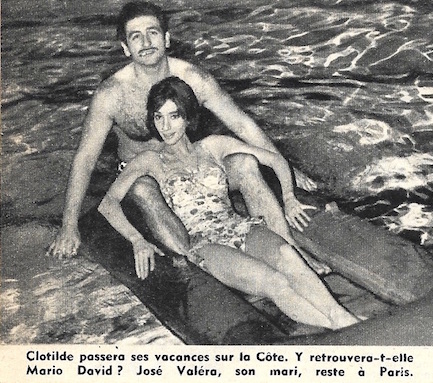
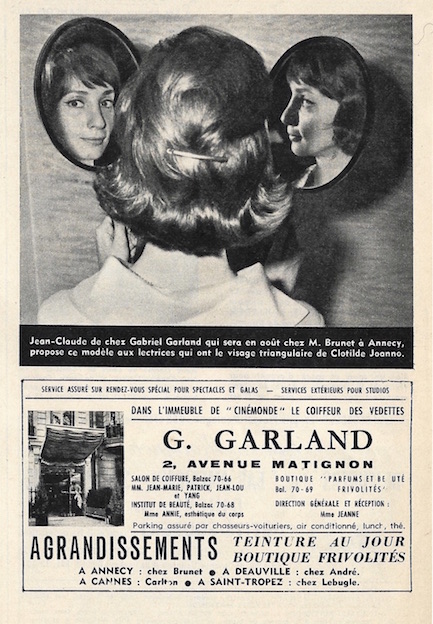
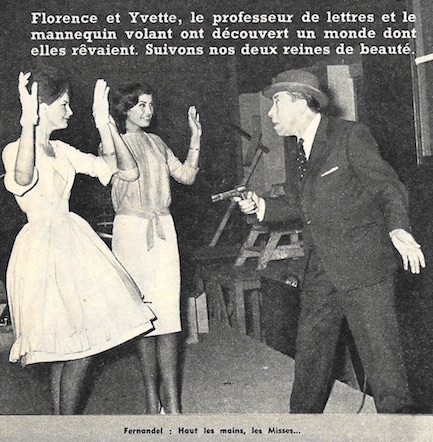
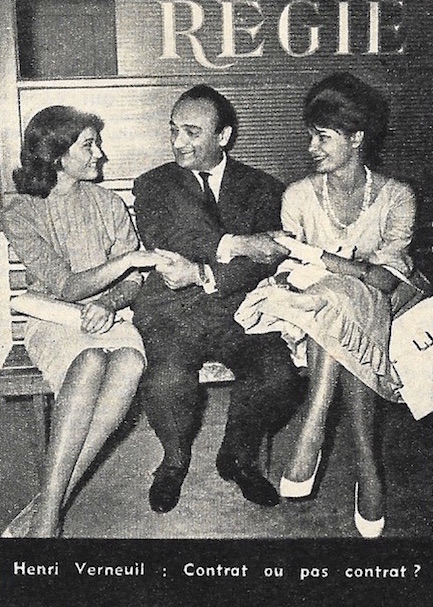
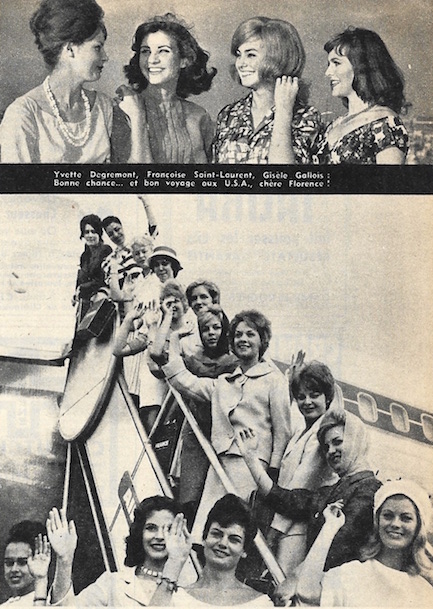
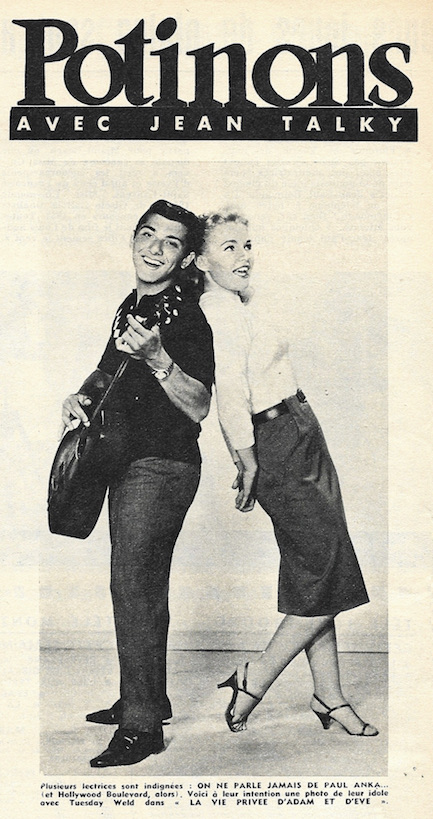
FranceCinémondePsychoElke SommerMarie-José NatRoger DumasDeborah KerrJeanne MoreauJanet LeighAntony PerkinsAlfred HitchcockGérard BlainJacqueline BoyerLana TurnerHenri VerneuilTuesday Weldcinema

| Vintage Pulp | Nov 19 2018 |

Their issues have gone way past the point of counseling.
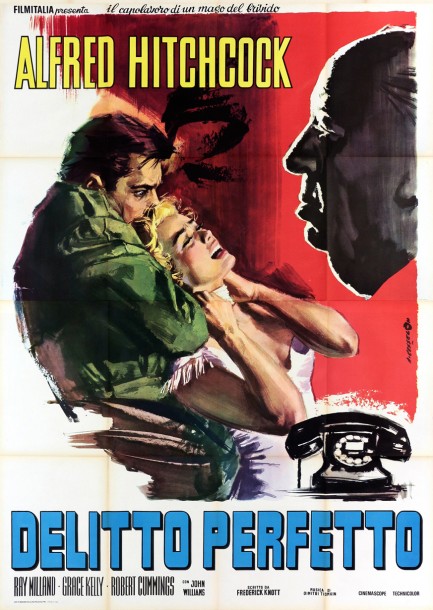
Dial M for Murder, which starred Grace Kelly and Ray Milland as spouses whose problems make other bad marriages look like a Sunday picnic, is a very entertaining movie. For its Italian release today in 1954 it was called Delitto perfetto. This violent but brilliant promo poster was painted by the genius illustrator Angelo Cesselon, who we've featured before. And Hitchcock, nothing less than an international phenomenon in his day, gets his profile into the mix. See Cesselon at his best here.
ItalyDelitto perfettoDial M for MurderGrace KellyRay MillandAlfred HitchcockAngelo Cesselonposter artcinema

| Vintage Pulp | May 29 2018 |

Hello, is this the murder helpline? I'd like help killing my cheating ass wife.
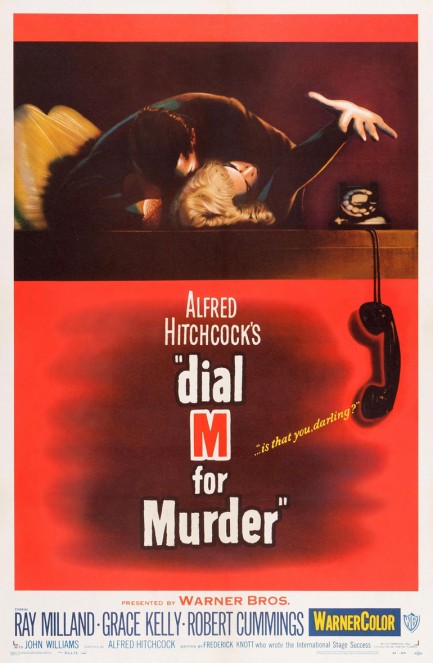
Most people who haven't seen the Alfred Hitchcock thriller Dial M for Murder jokingly ask, “How could anyone want to kill Grace Kelly?” Well, because she's cheating with another man. Not that infidelity justifies murder, but it certainly can be expected to provoke some sort of serious reaction. Probably Ray Milland, her husband, should have confronted her with the usual questions: “When did it start?” “Do you love him?” “Is his dick bigger than mine?” “Does he make you orgasm and if so how?”
But instead of being reasonable Milland decides his wife needs to be gone from the Earth, so he devises a foolproof murder plot. It goes wrong anyway and that's the fun of the movie—seeing how he cleverly improvises over and over only to have his scheme unravel anyway because of one tiny thing he neglects to consider. Dial M for Murder is another winner from Hitchcock, one you should see if you haven't. It went into general release in the U.S. today in 1954.
The famed poster for the movie was painted by Bill Gold, whose credits include everything from Casablanca to Unforgiven. Gold was active from 1941 to 2011, accumulating numerous awards along the way, and is now retired at age ninety-seven. If you want to learn more about him there's a website that discusses and showcases his seven decades of movie work which you can access at this link. It's well worth a visit.
But instead of being reasonable Milland decides his wife needs to be gone from the Earth, so he devises a foolproof murder plot. It goes wrong anyway and that's the fun of the movie—seeing how he cleverly improvises over and over only to have his scheme unravel anyway because of one tiny thing he neglects to consider. Dial M for Murder is another winner from Hitchcock, one you should see if you haven't. It went into general release in the U.S. today in 1954.
The famed poster for the movie was painted by Bill Gold, whose credits include everything from Casablanca to Unforgiven. Gold was active from 1941 to 2011, accumulating numerous awards along the way, and is now retired at age ninety-seven. If you want to learn more about him there's a website that discusses and showcases his seven decades of movie work which you can access at this link. It's well worth a visit.
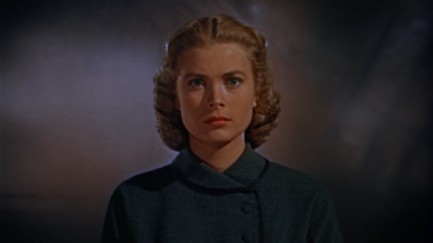 Could he really be trying to kill me?
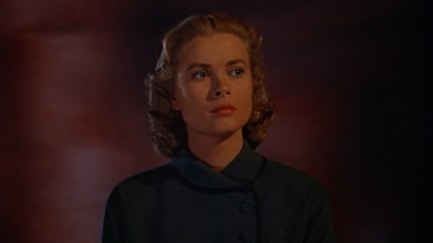 I guess it's possible, considering I cucked and humiliated him.
 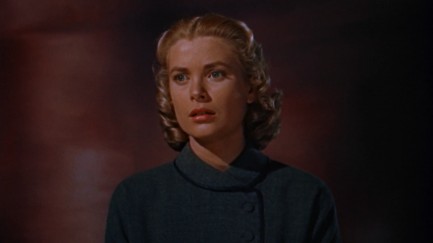 Maybe I shouldn't have told him I'm multi-orgasmic now.
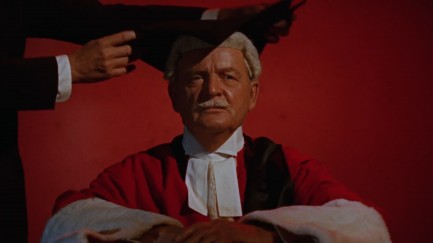 For the crime of murdering the male ego I sentence you to hang by the neck until dead, dead, dead.
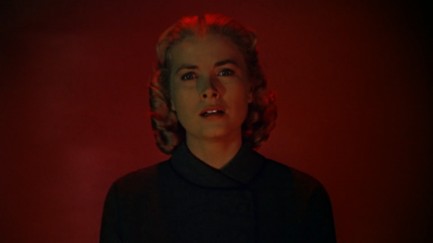 What? Seriously? But I've only gotten a third of the way through 101 Sex Positions.